Description
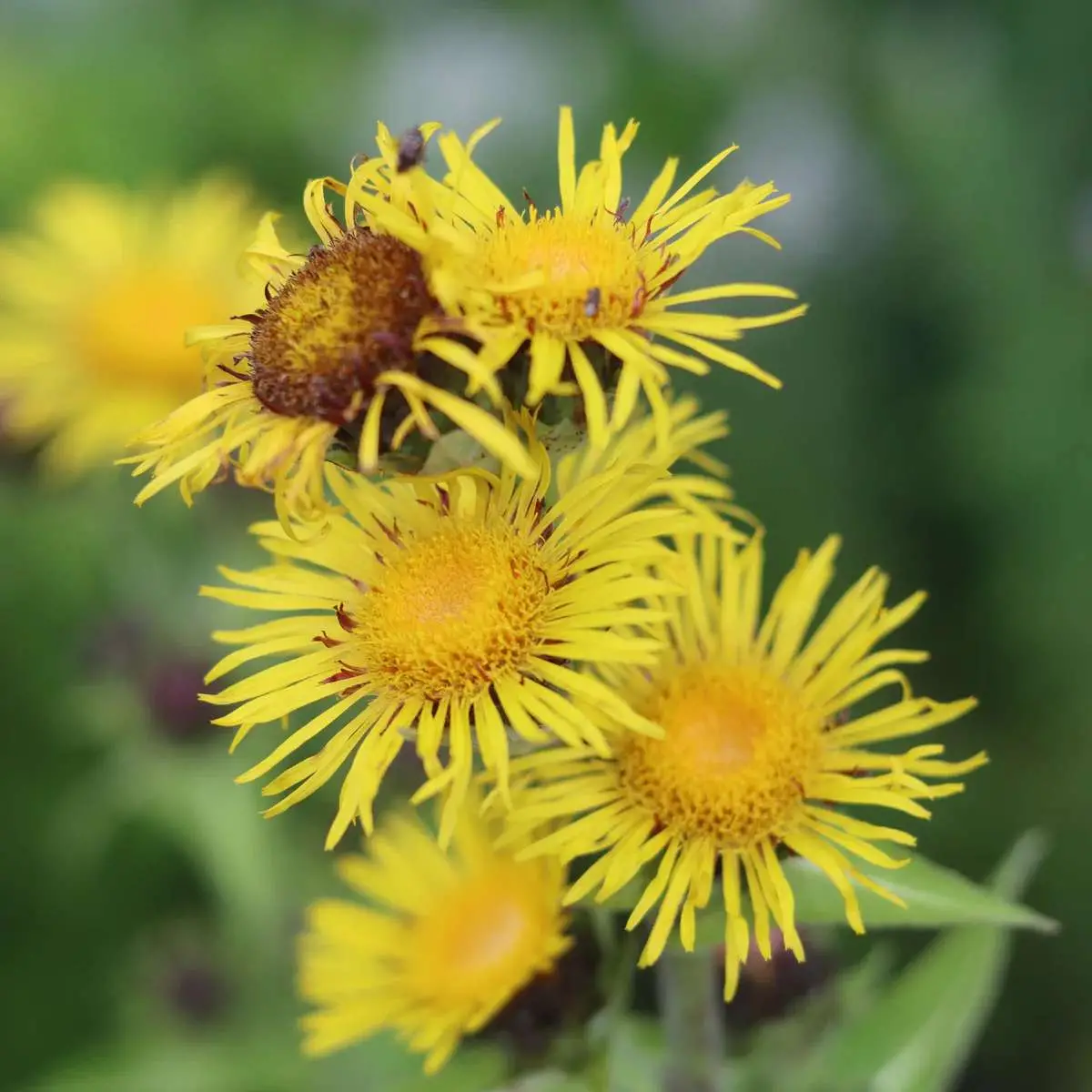
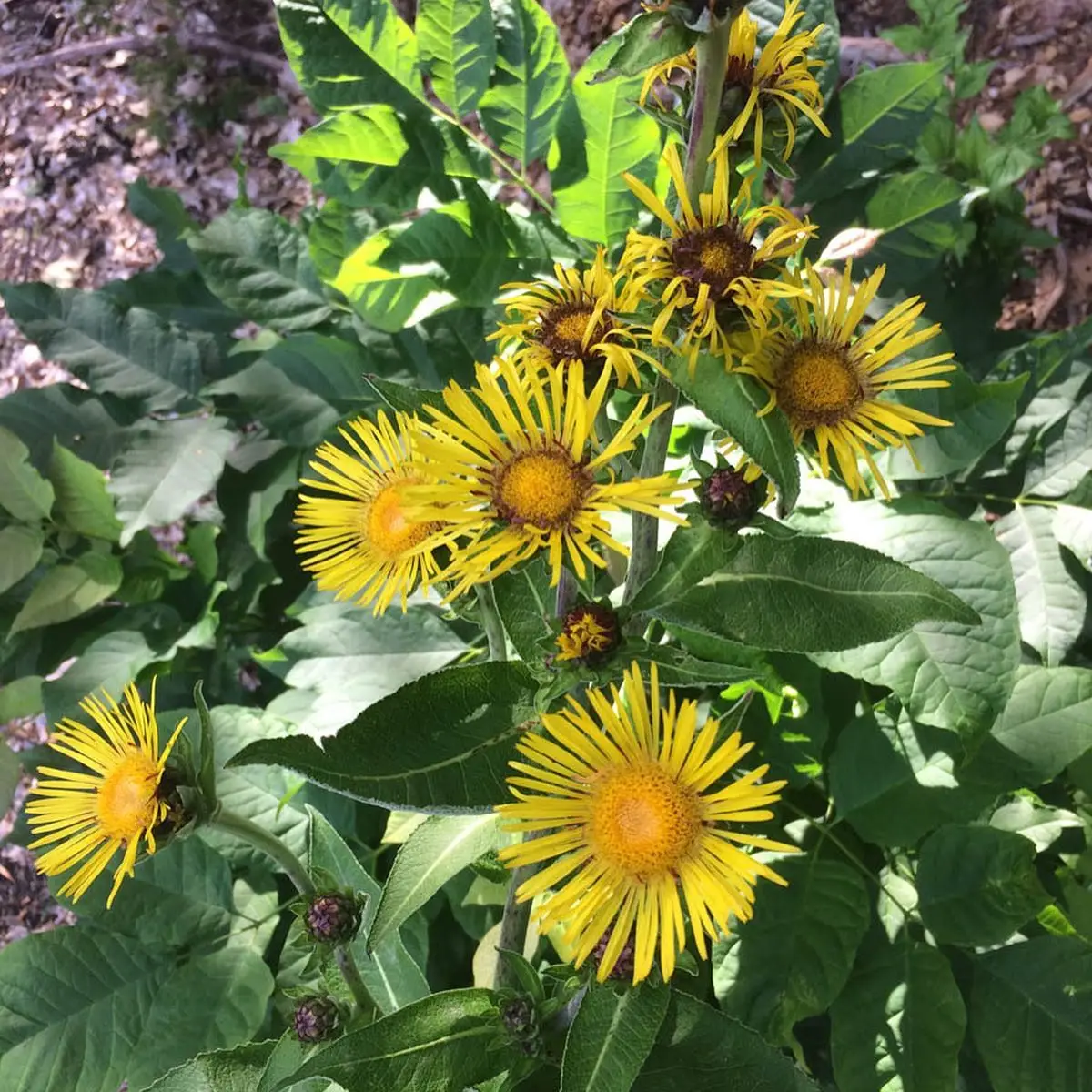
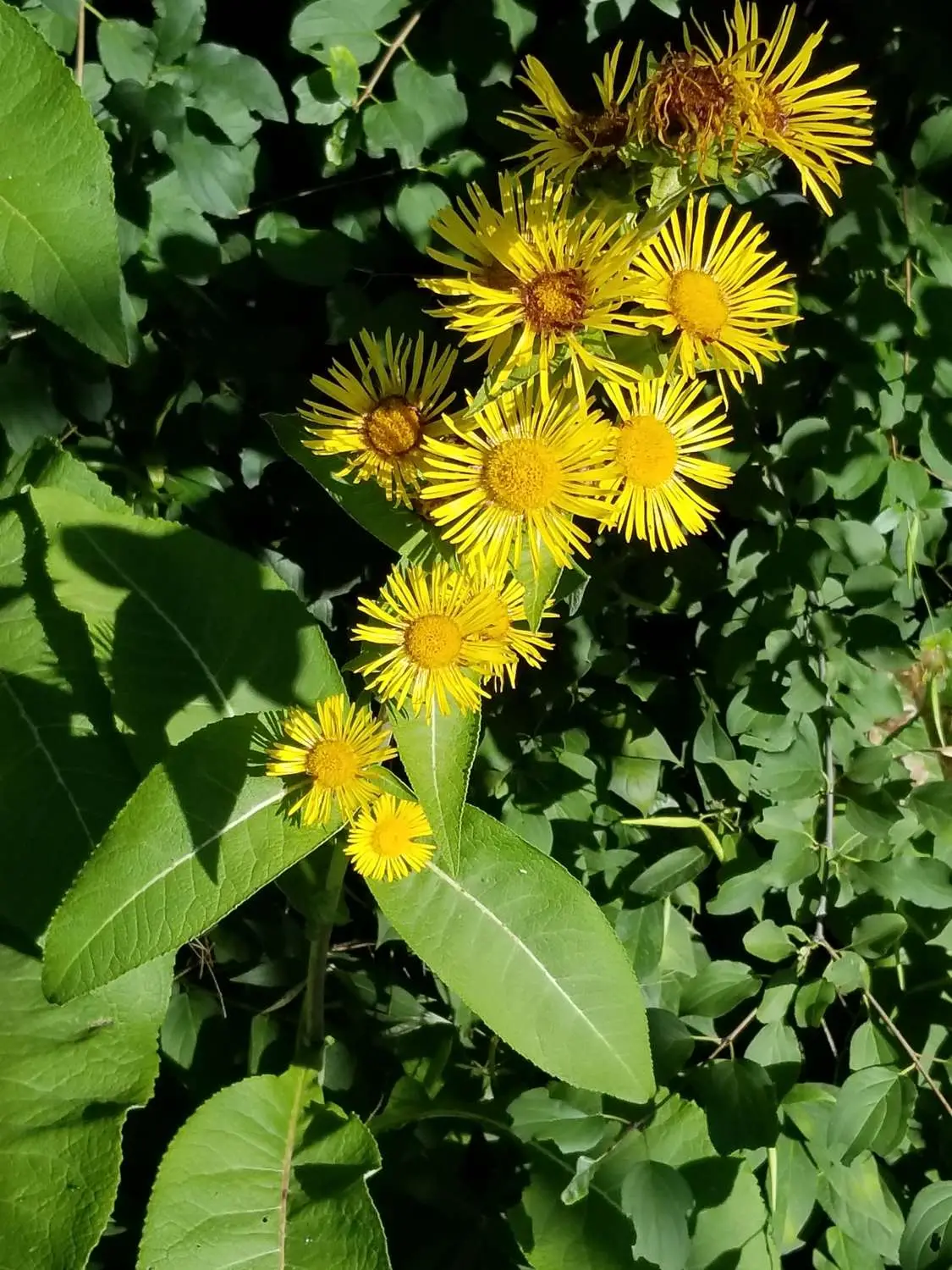
Inula racemosa is a robust perennial herb native to the Himalayan region, where it grows at higher elevations in open slopes and grasslands. The plant typically reaches 1 to 2 meters in height and forms a strong basal rosette of large, lance-shaped leaves. Tall flowering stems bear prominent yellow, daisy-like flower heads arranged in loose racemes. The thick, aromatic roots are the most valued part of the plant and have a long history of use in traditional Ayurvedic and Tibetan medicine.
This species prefers full sun to light shade and deep, well-drained soils rich in organic matter. It is adapted to cool temperate climates and benefits from consistent moisture during the growing season, while tolerating cold conditions when dormant.
Sow seeds in early spring, either indoors or directly outdoors, once the risk of severe frost has passed. In colder regions, starting seeds indoors in late winter and transplanting in spring is recommended. Seeds germinate best under cool to moderate temperatures, and young plants establish well when planted early in the growing season.
Germination Guide
🌍 Western Himalayas (Afghanistan, Kashmir, Nepal, Pakistan, Xinjiang)
Moderate
Inula racemosa (Pushkarmool) is a perennial medicinal plant native to the western Himalayas. Seeds exhibit positive photoblastism requiring light exposure for germination. Deep dormancy at harvest requires cold stratification or extended dry storage for successful germination.
Germination
Germination time
Expect germination in
14 – 42 days
Temperature
Min 12°C
Ideal 25°C
Max 25°C
Substrate moisture
💧 Medium
Substrate & Container
Recommended substrate
Well-drained soil, sandy-loam to clay
Recommended container
Cold frame or seedling trays
Growing Tips
Surface sow seeds exposed to light. Do not sow below 1.5cm depth as light becomes limiting. Cold stratification for 60+ days highly effective. GA3 treatment can overcome light requirement. Sow in spring or autumn in cold frames. Transplant seedlings in summer.
Only logged in customers who have purchased this product may leave a review.


Reviews
There are no reviews yet.