Description
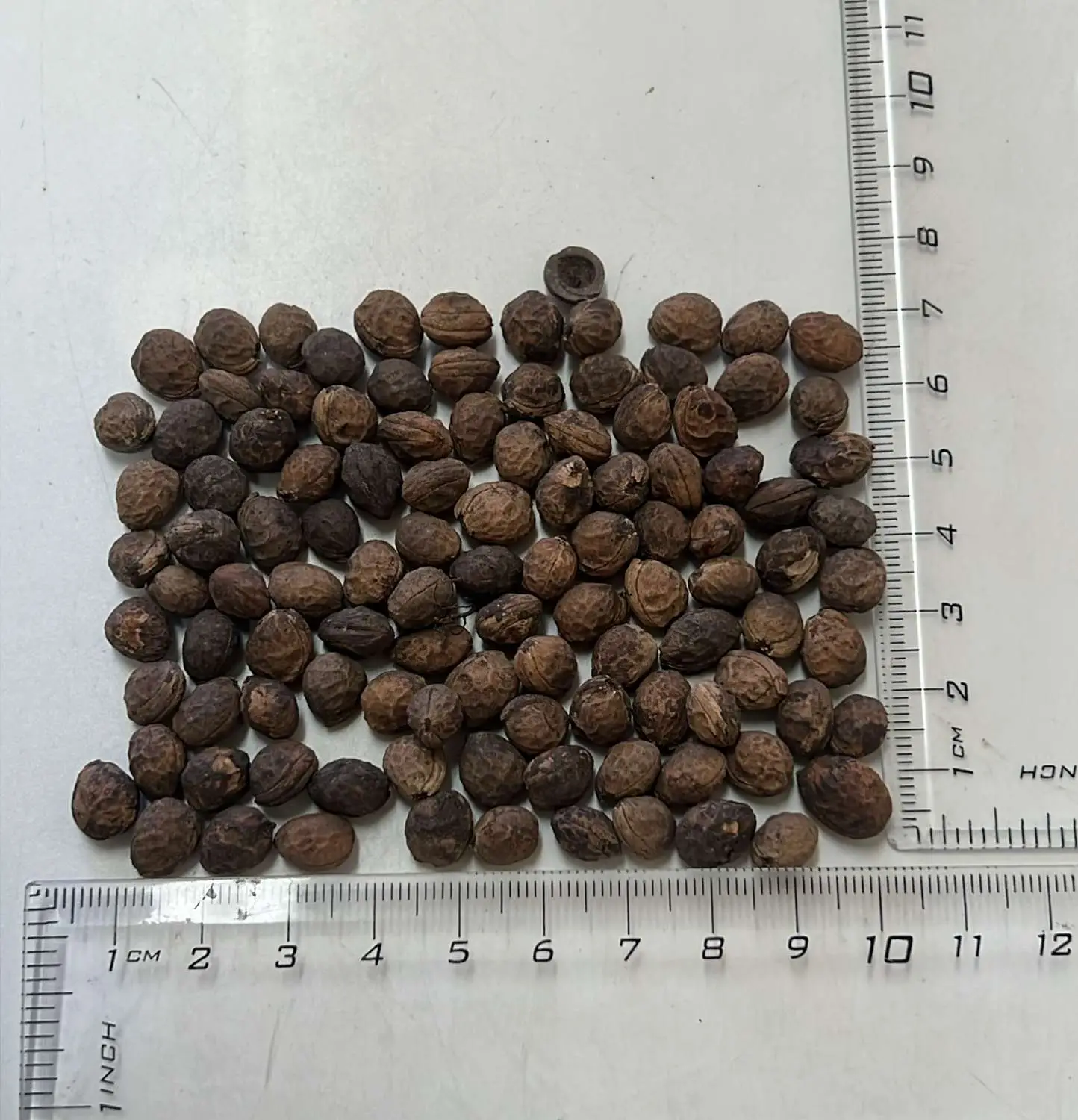
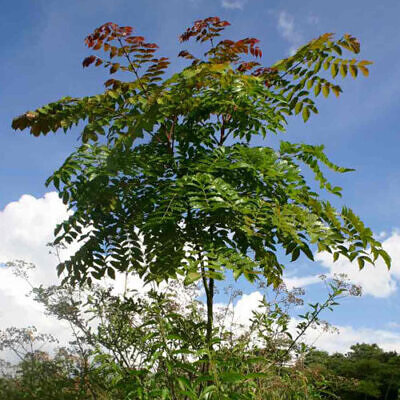
Prunus cerasoides, commonly known as the Himalayan cherry or wild Himalayan cherry, is a deciduous tree native to the high-altitude regions of the Himalayas. Its seeds are central to the plant’s life cycle and possess distinct features characteristic of the Prunus genus.
The seeds are found at the core of the tree’s small, drupe-type fruit. The endocarp encases the true seed. This hard shell serves as a protective barrier, shielding the delicate embryo inside from physical damage, desiccation, and predation. This physical protection also enforces a state of dormancy. To successfully germinate, the seed requires a process known as cold stratification. This natural process, which is replicated in cultivation, involves exposing the seed to a period of cold and moist conditions. This mimics the plant’s native winter cycle, helping to soften the hard outer shell and trigger the hormonal changes necessary for the seed to sprout.
Germination Guide
🌍 Himalayas from Pakistan through India to Southwest China, Thailand, Malaysia and Burma
Difficult
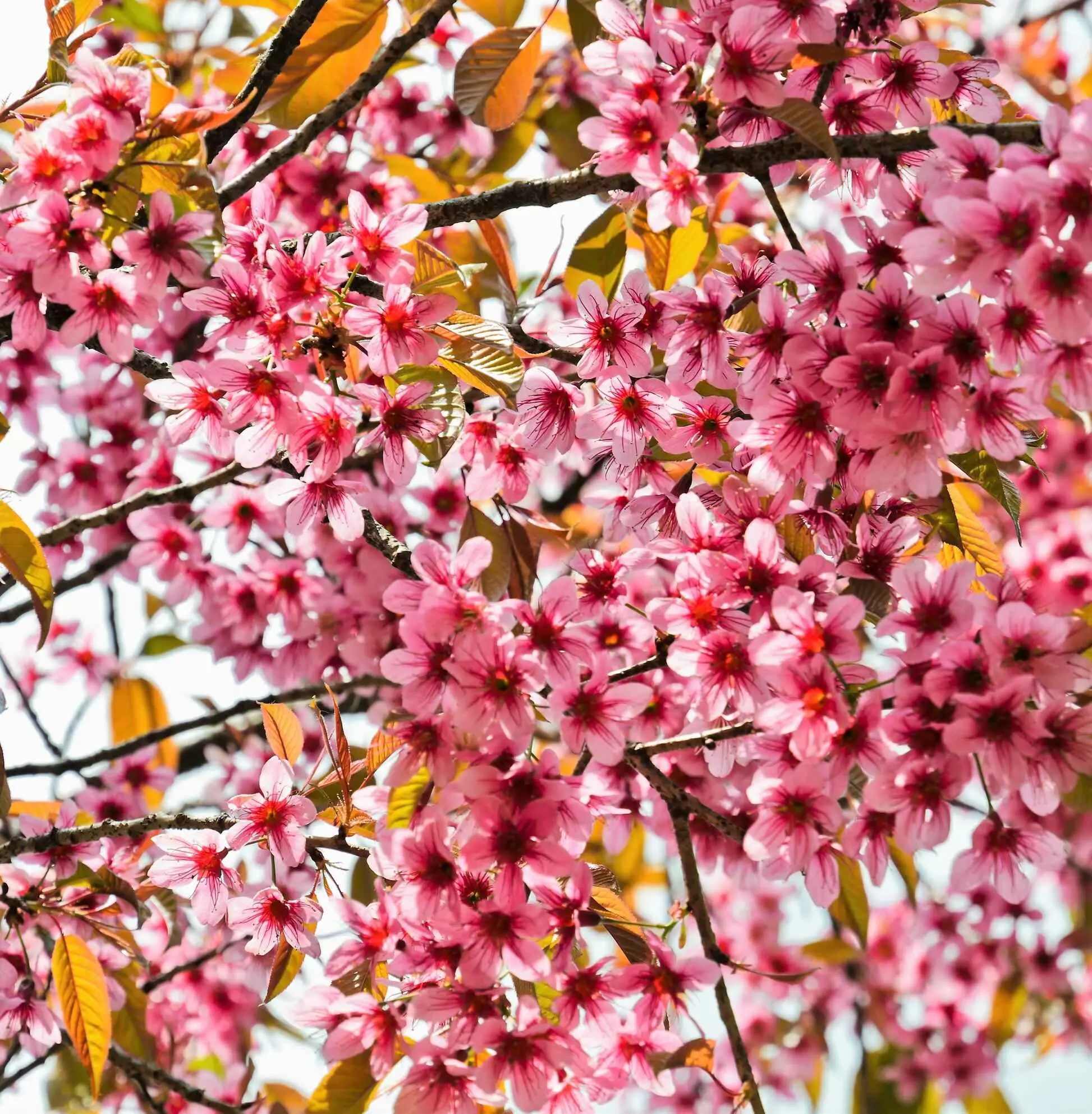
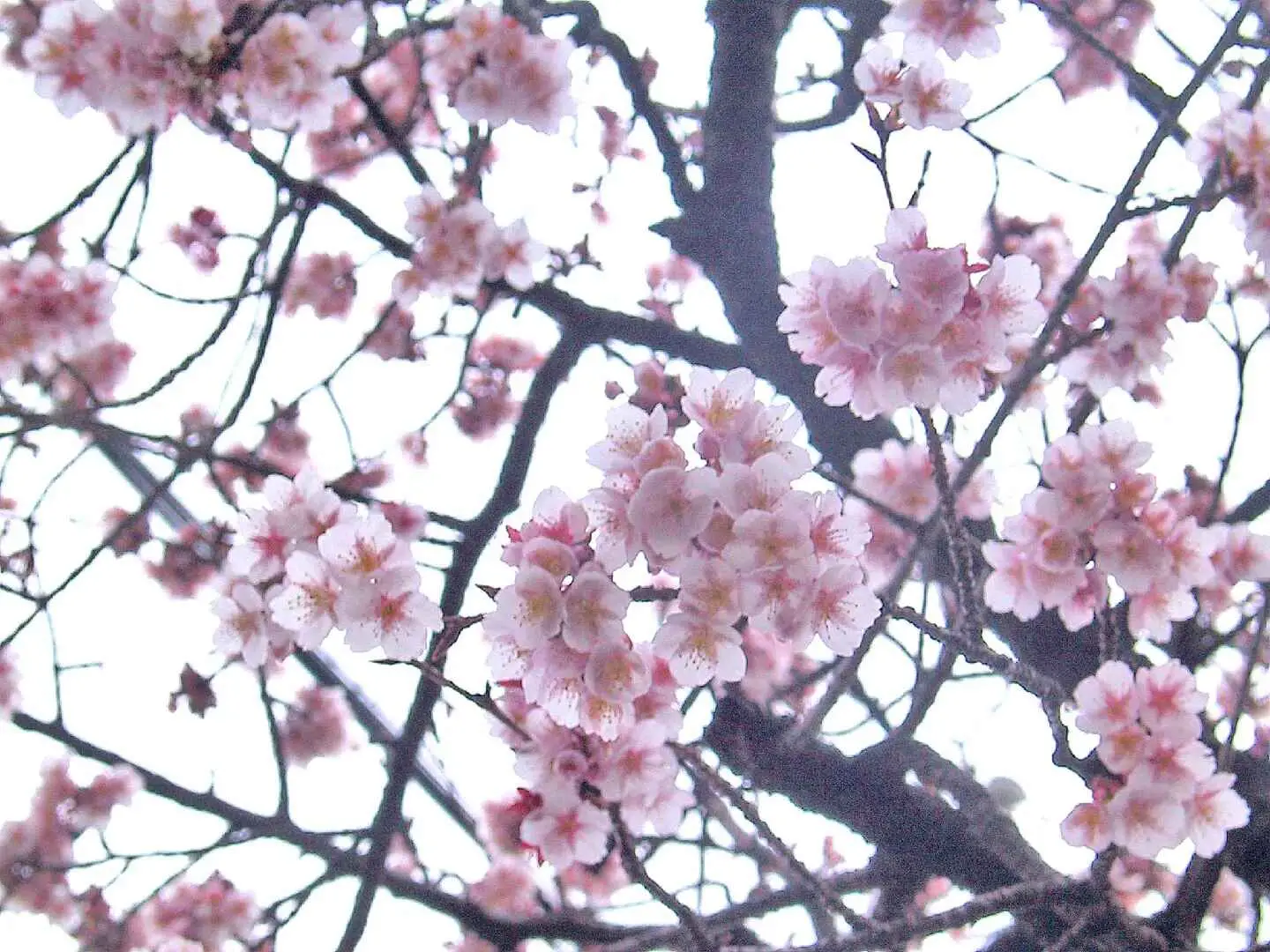
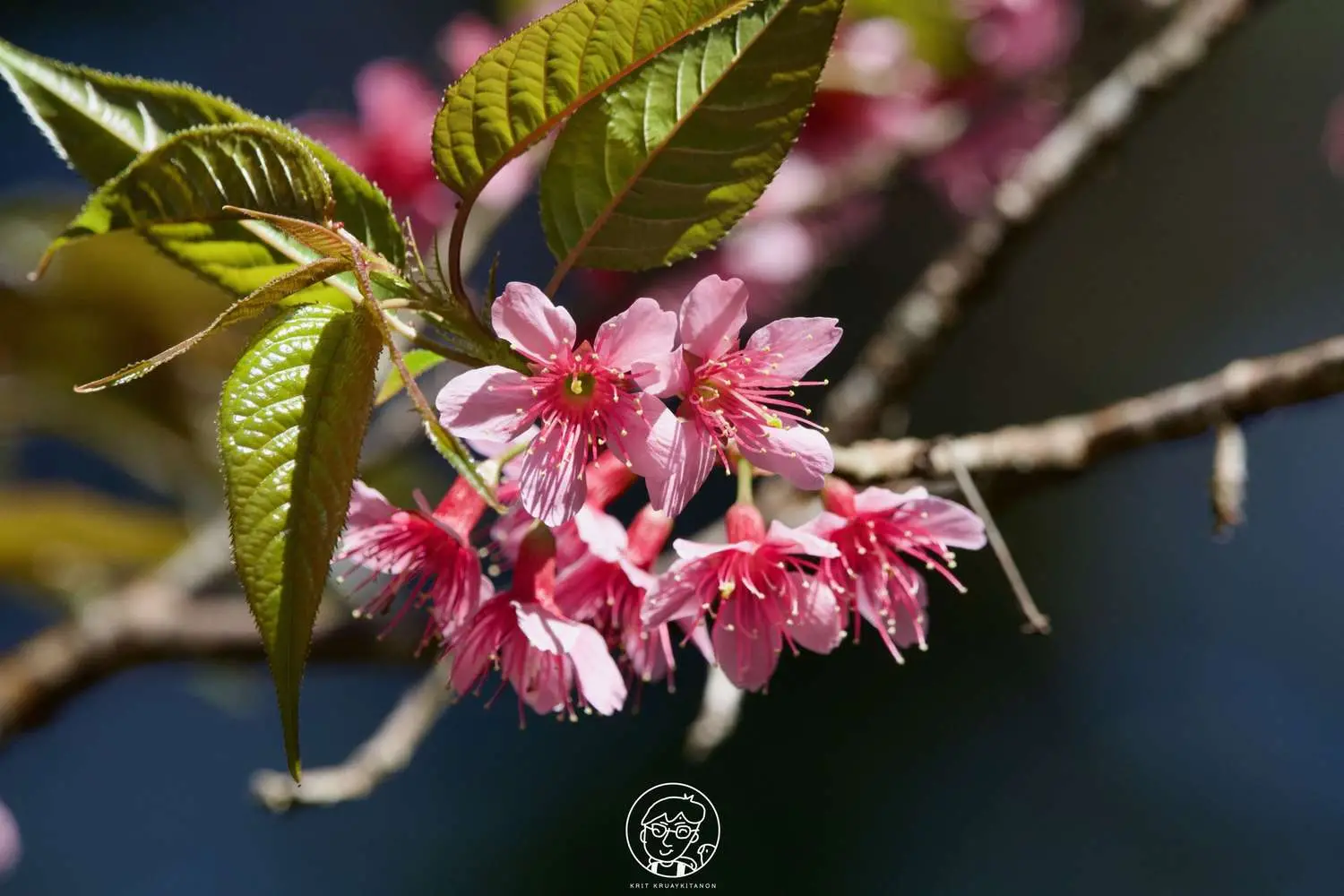
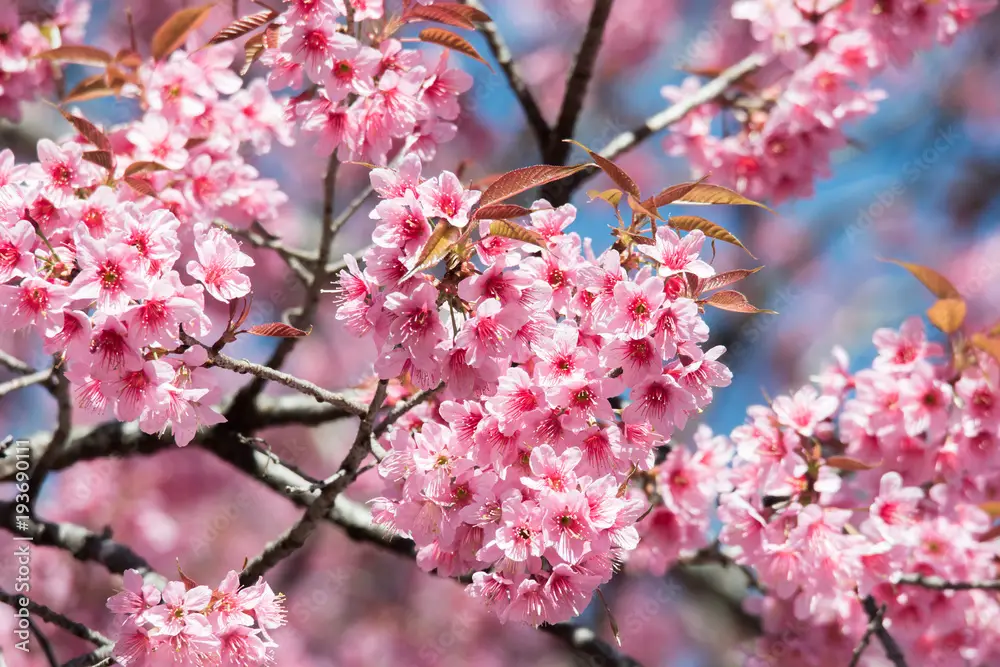
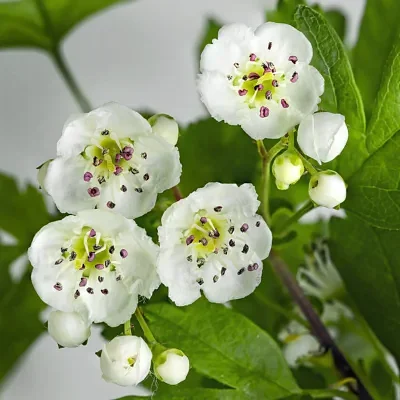
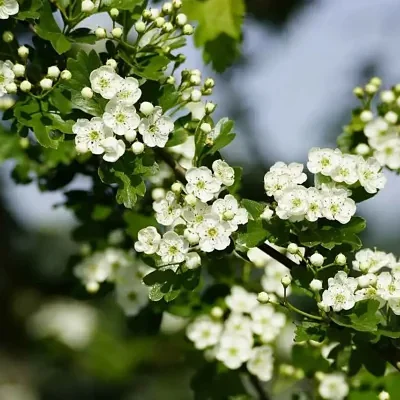
Prunus cerasoides, the Himalayan wild cherry, is a deciduous tree species with spectacular pink blossoms. It has naturally poor germination due to hard seed coat and dormancy requirements.
Germination
Germination time
Expect germination in
28 – 540 days
Temperature
Min 1°C
Ideal 3°C
Max 4°C
Substrate moisture
💧 Medium
Seed Pre-treatment
-
💧
Soaking — 24 hours
Soak seeds in warm water for 24 hours before cold stratification
-
🔨
Mechanical scarification
Hard seed coat requires scarification to improve germination
-
❄️
Cold stratification — 90 days at 3°C
-
📋
Additional notes
2-3 months cold stratification at 1-4°C; scarification and soaking improve germination rates
Substrate & Container
Recommended substrate
Well-drained loamy soil, sand, peat moss, perlite mix
Recommended container
Cold frame or seedbed with drainage holes
Growing Tips
Protect seeds from rodents during stratification; germination can take 18 months; sow in autumn in cold frame or stratify stored seed for spring sowing; grow seedlings in pots for first winter
Only logged in customers who have purchased this product may leave a review.


Reviews
There are no reviews yet.