Description
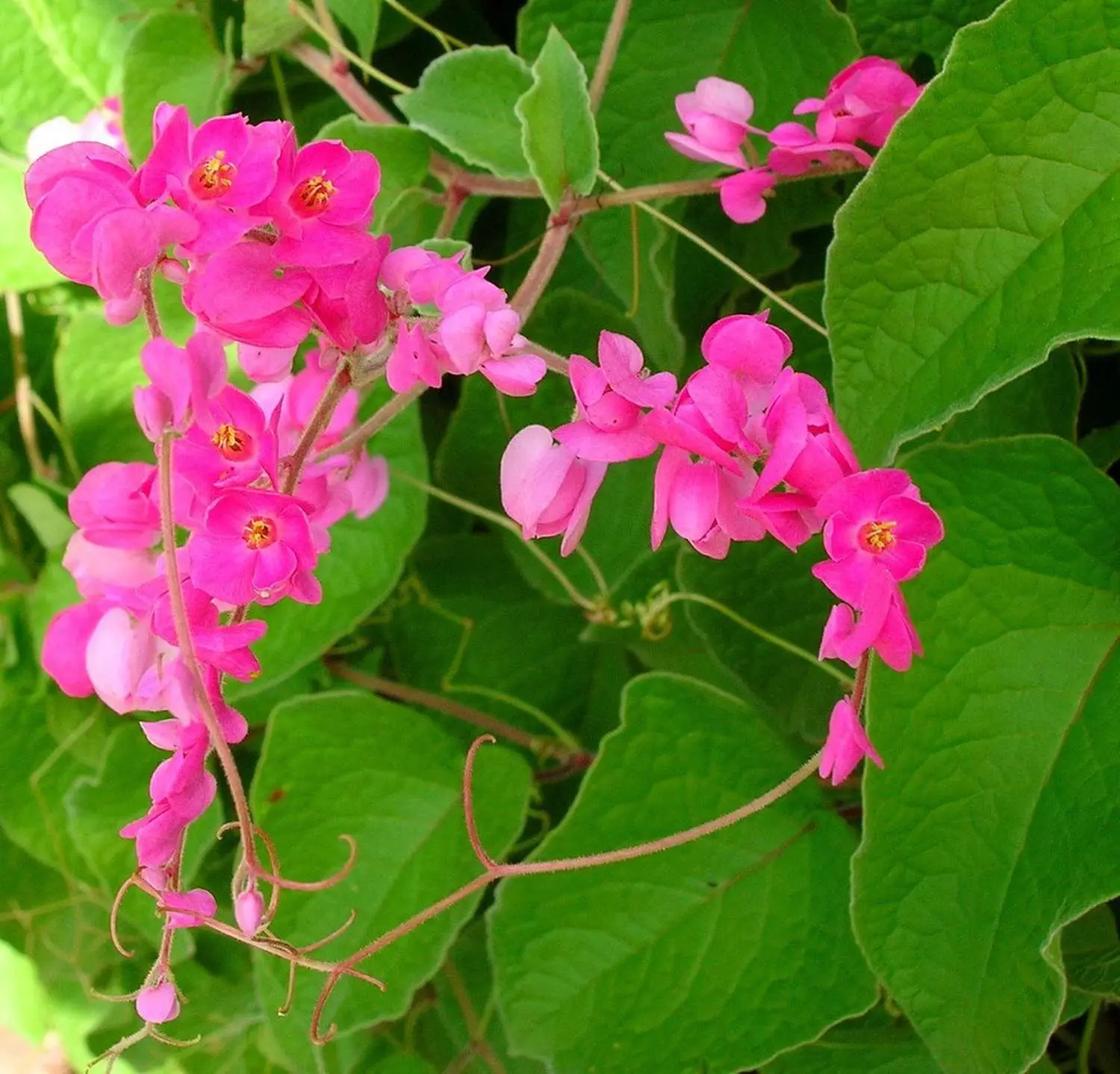
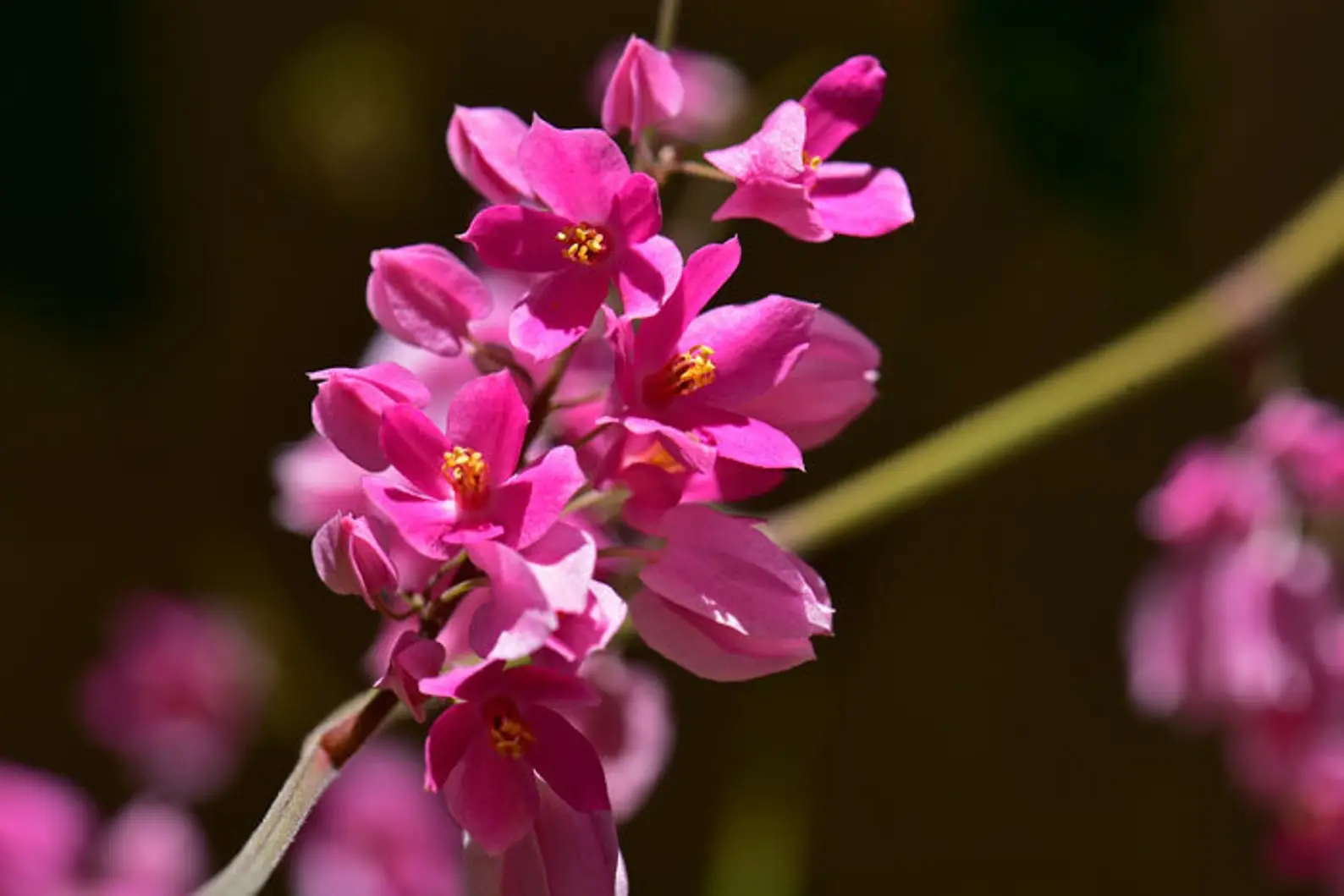
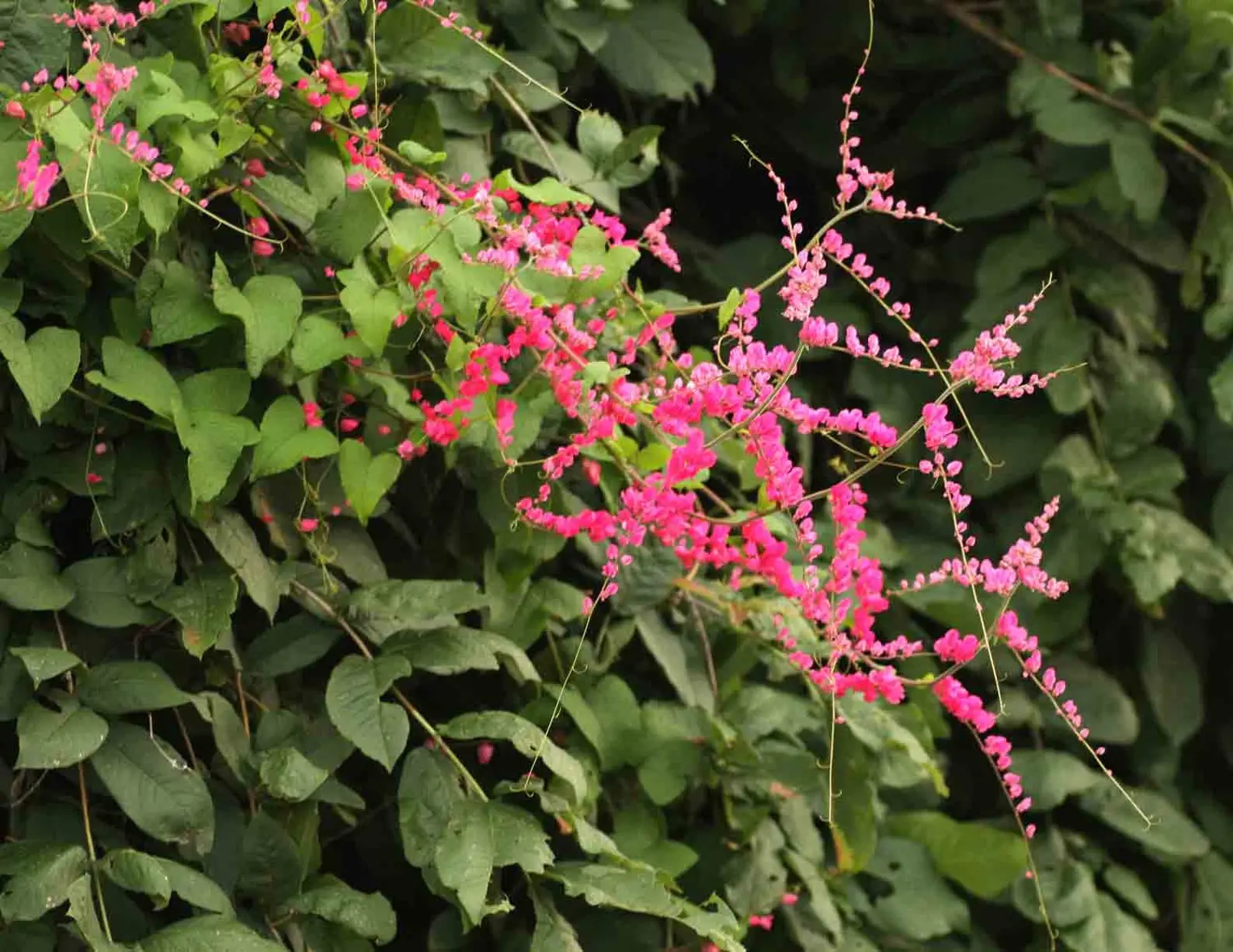
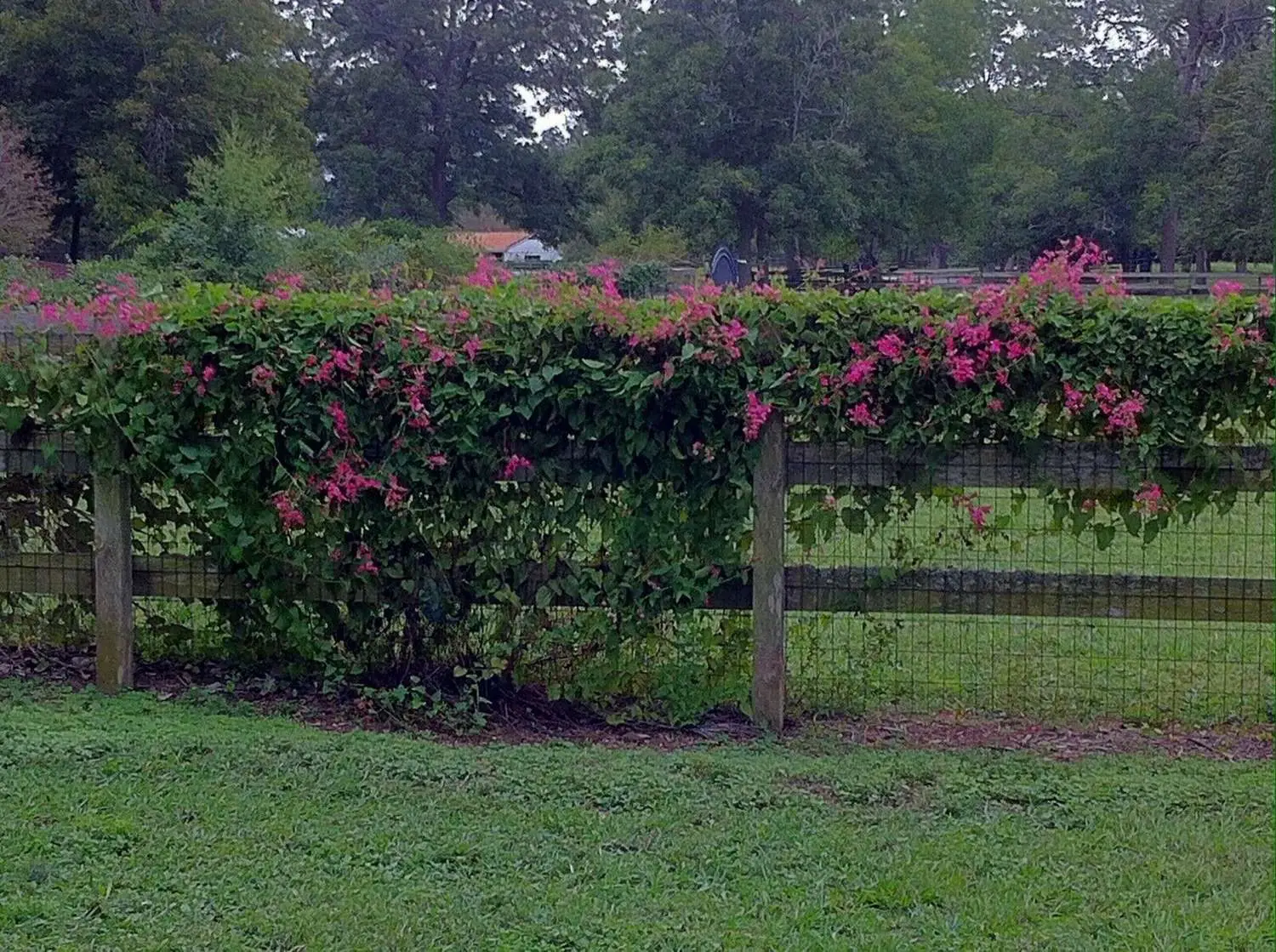
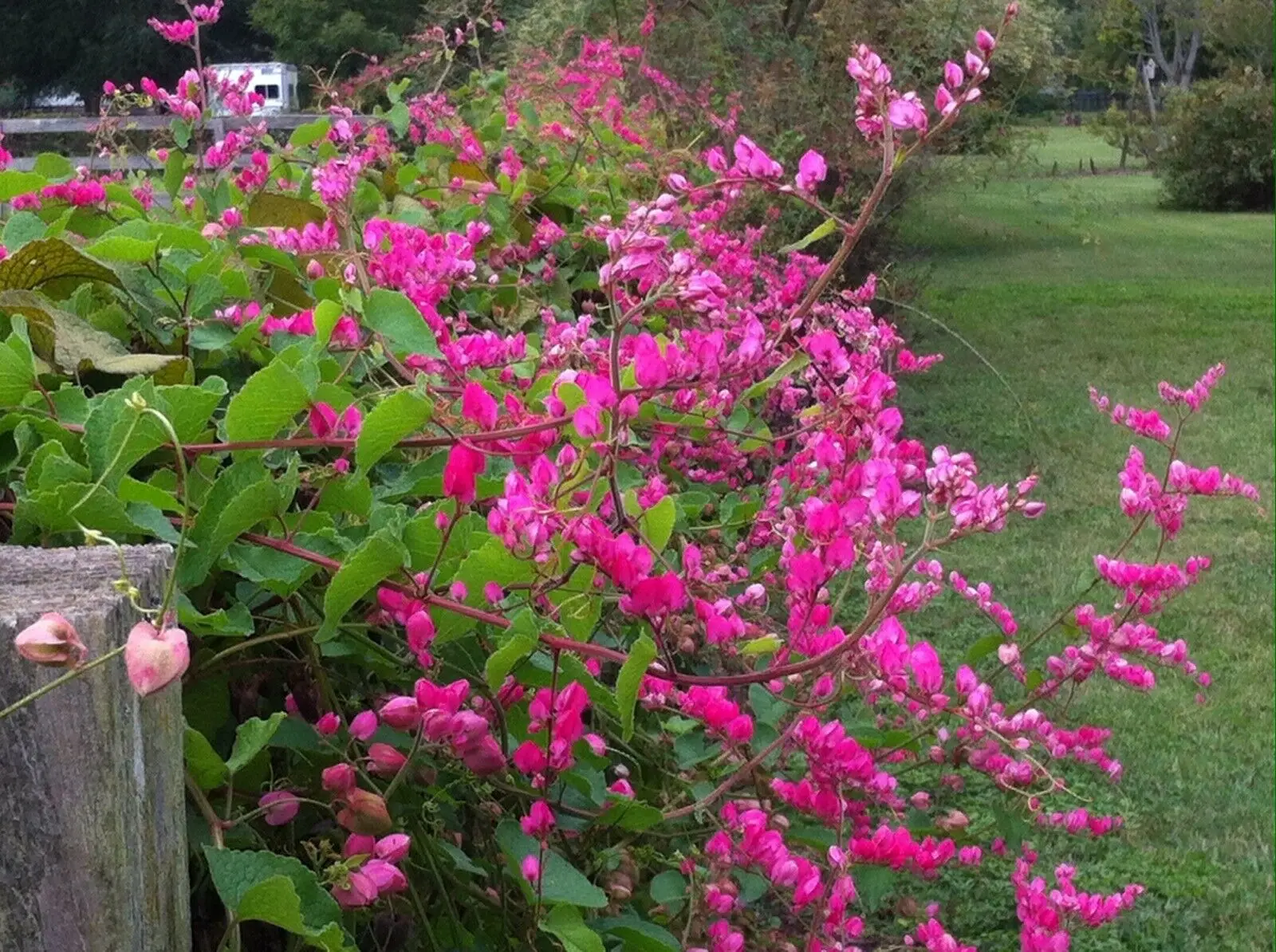
Antigonon leptopus, commonly known as coral vine, queen’s wreath,Coralita, Cadena de Amor (in the Philippines), bee bush (in many Caribbean islands) or San Miguelito vine, is a species of flowering plant in the buckwheat family, Polygonaceae. It is a perennial that is native to Mexico. It is a vine with pink or white flowers (Antigonon leptopus ‘alba’ ).
Invasion of A.leptopus on Caribbean island St.Eustatius significantly increased arthropod abundance and caused biotic homogenization. Specifically, uninvaded arthropod communities were distinctly different in species composition between developed and natural sites, while they became undistinguishable after A.leptopus invasion. Moreover, functional variables were significantly affected by species invasion… Invaded communities had higher community?weighted mean body size and the feeding guild composition of invaded arthropod communities was characterized by the exceptional numbers of nectarivores, herbivores, and detritivores. Taxa indicated as omnivorous (e.g., ants) that seem intrinsically generalistic appear to primarily suffer from A. leptopus invasion and may be particularly sensitive to the habitat structural effects of A.leptopus. Increased coverage of A. leptopus leads to a significant decrease in the abundance of predatory lizards of the genus Anolis.
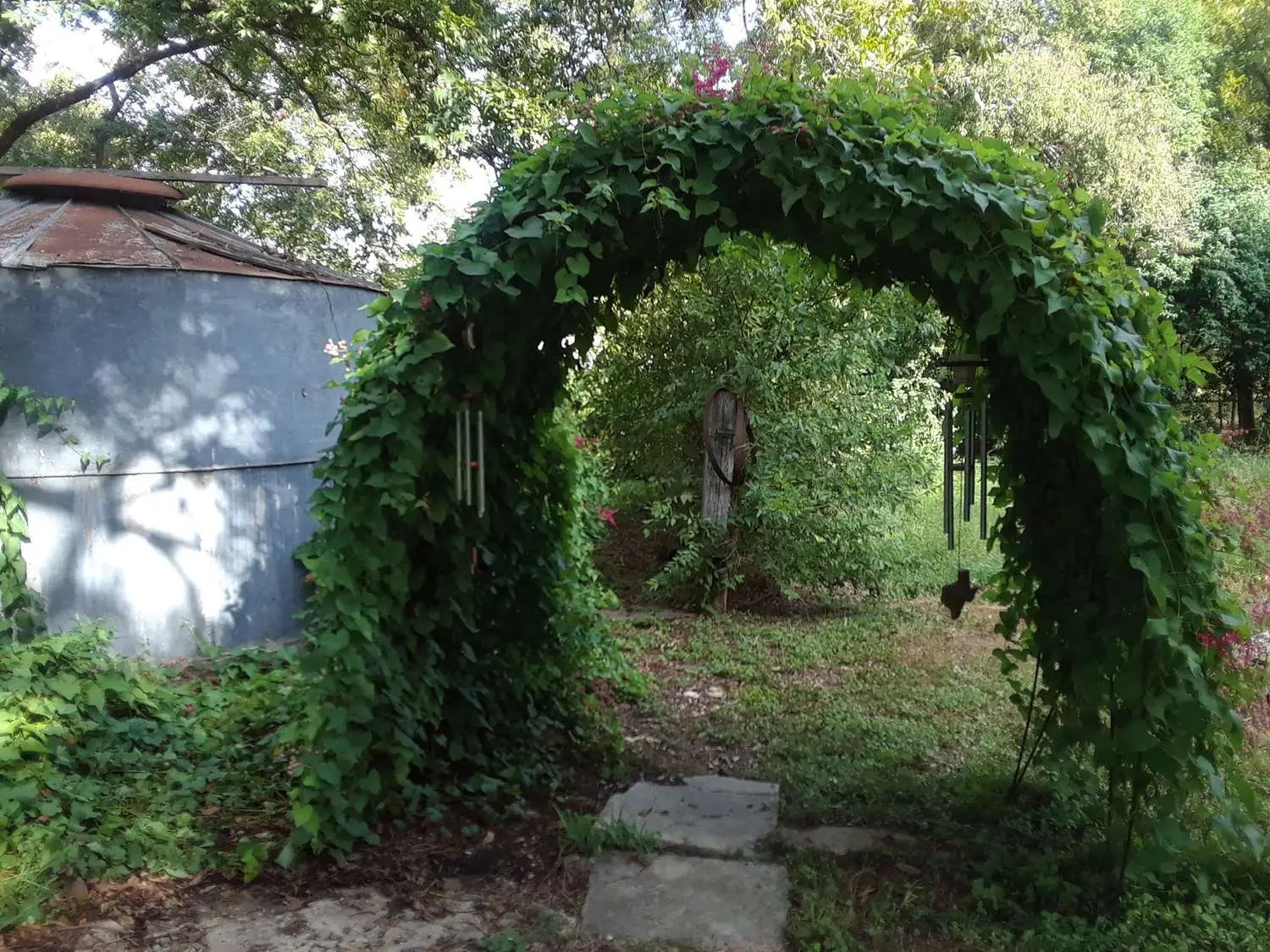
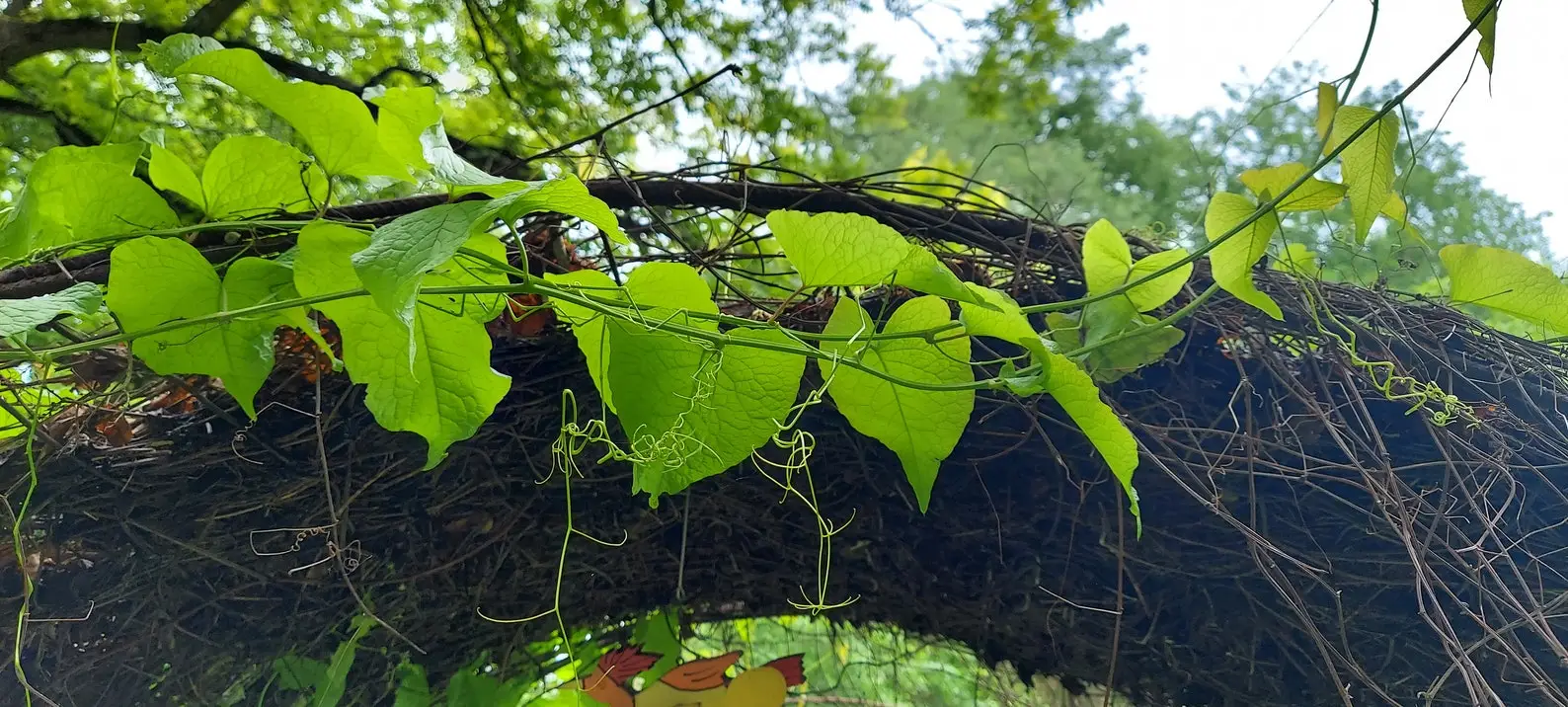
Antigonon leptopus is a fast-growing climbing vine that holds on via tendrils, and is able to reach over 7 metres in length. It has cordate (heart-shaped), sometimes triangular leaves 25 to 75 mm long. The flowers are borne in panicles, clustered along the rachis. Producing pink or white flowers from spring to autumn, it forms underground tubers and large rootstocks. It is a prolific seed producer. The seeds float on water. The fruit and seeds are eaten and spread by a wide range of animals such as pigs, racoons and birds. The tubers will resprout if the plant is cut back or damaged by frost.
Germination Guide
🌍 Mexico (Atlantic and Pacific coastal plains)
Moderate
Antigonon leptopus var. pink is a vigorous, fast-growing tropical vine native to Mexico. Seeds have a very hard shell and require scarification and soaking followed by a warm-cold stratification cycle for successful germination.
Germination
Germination time
Expect germination in
21 – 90 days
Temperature
Min 15°C
Ideal 25°C
Max 27°C
🌡️ Temperature alternation recommended
— Requires warm period (room temp) followed by cool period (15-18°C) for successful germination
Substrate moisture
💧 Medium
Sowing depth
Lightly covered
Seed Pre-treatment
-
💧
Soaking — 24 hours
Soak scarified seeds in warm water for 24 hours to further soften the seed coat
-
🔨
Mechanical scarification
Gently rub with sandpaper or nick the hard seed coat to allow better water absorption
-
❄️
Warm then cold stratification — 80 days at 15°C
-
📋
Additional notes
Alternative protocol: warm room temperature (6 weeks) to break phytohormones, then cold stratification (80 days at 4°C)
Substrate & Container
Recommended substrate
Well-draining potting soil or mix of half potting soil and half sand/perlite/vermiculite
Recommended container
Seed tray or container, cover with plastic wrap or greenhouse to maintain warmth and moisture
Growing Tips
Keep seeds moist during cold stratification. After cold period, return to cool room (15-18°C) to trigger germination. Germination can be erratic and prolonged. Some sources report quicker results (1-6 weeks) with simpler warm water soaking and surface sowing method. This species is invasive in some regions; verify local regulations before planting.
Only logged in customers who have purchased this product may leave a review.

Reviews
There are no reviews yet.