
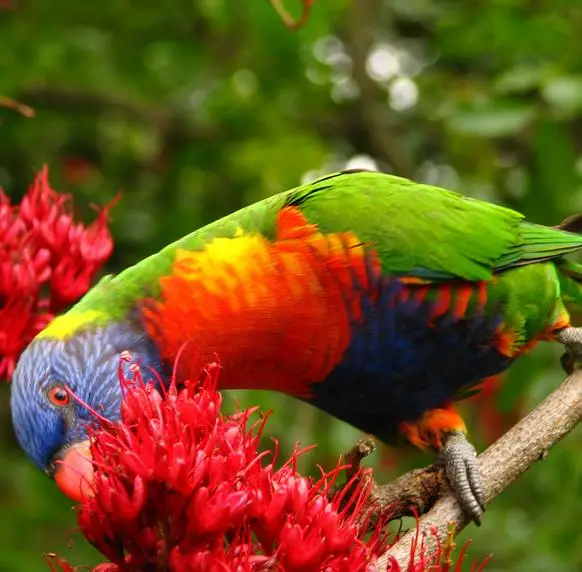
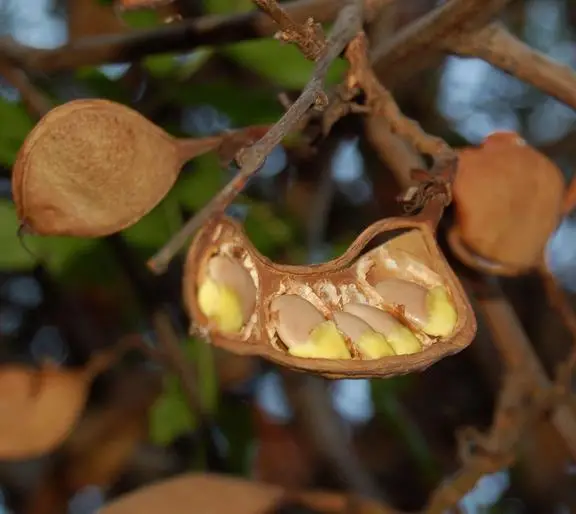
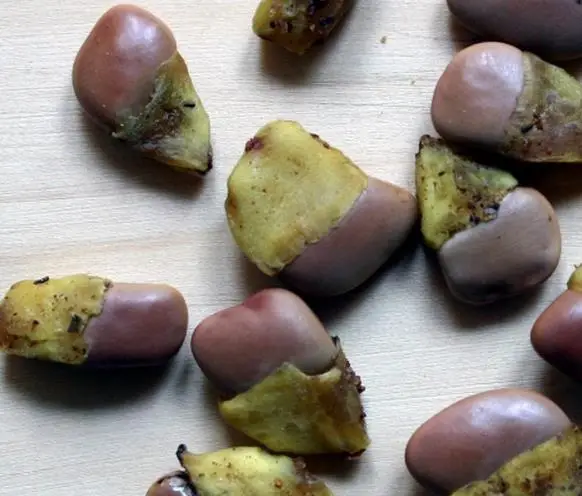
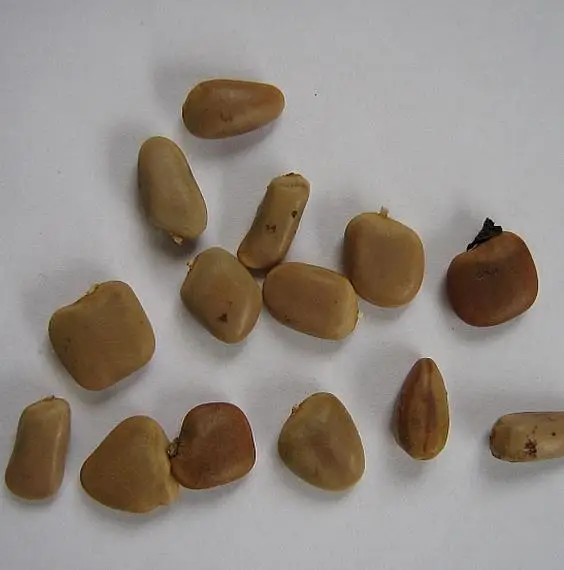
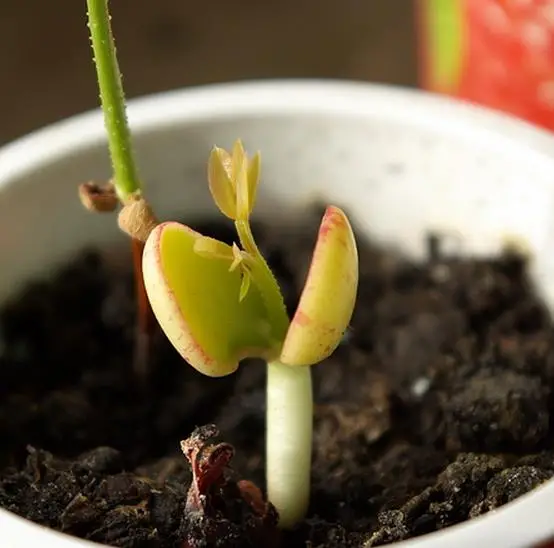
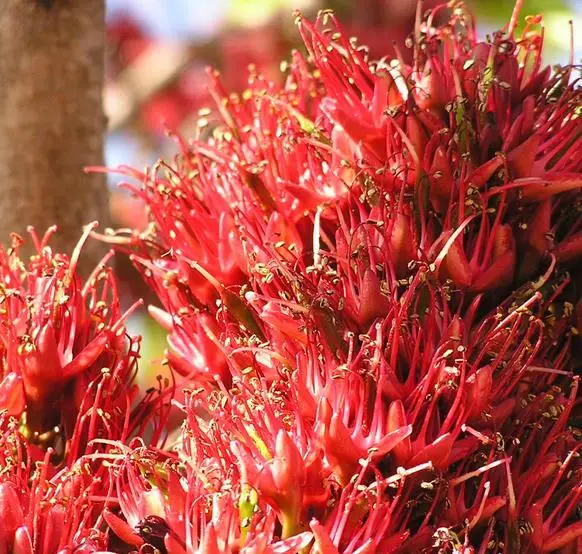
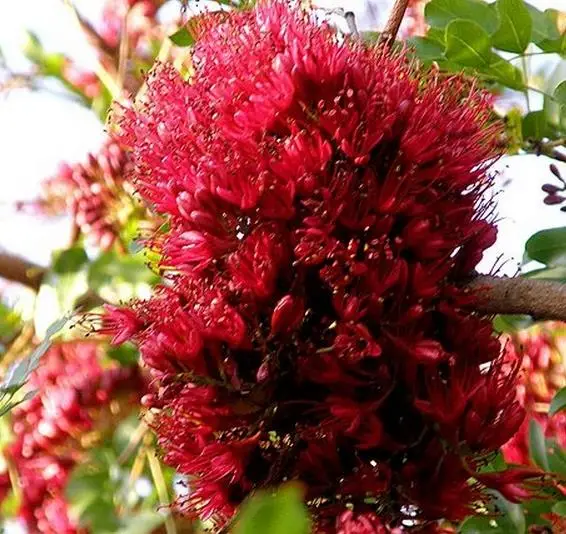
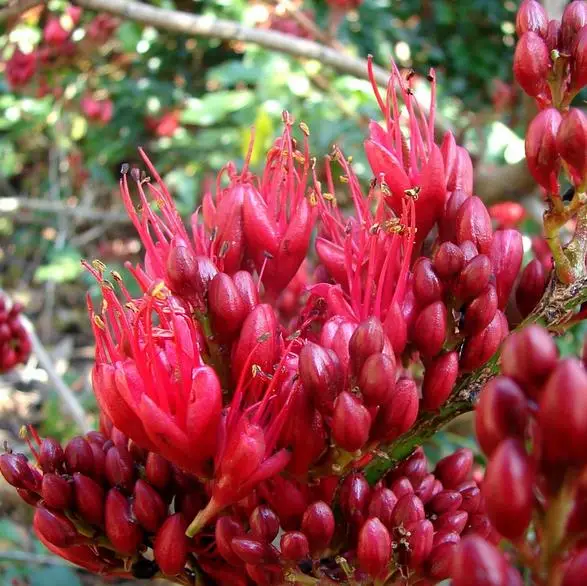
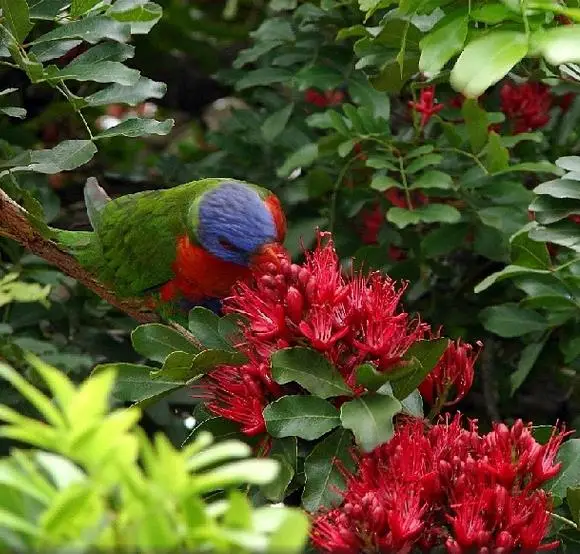
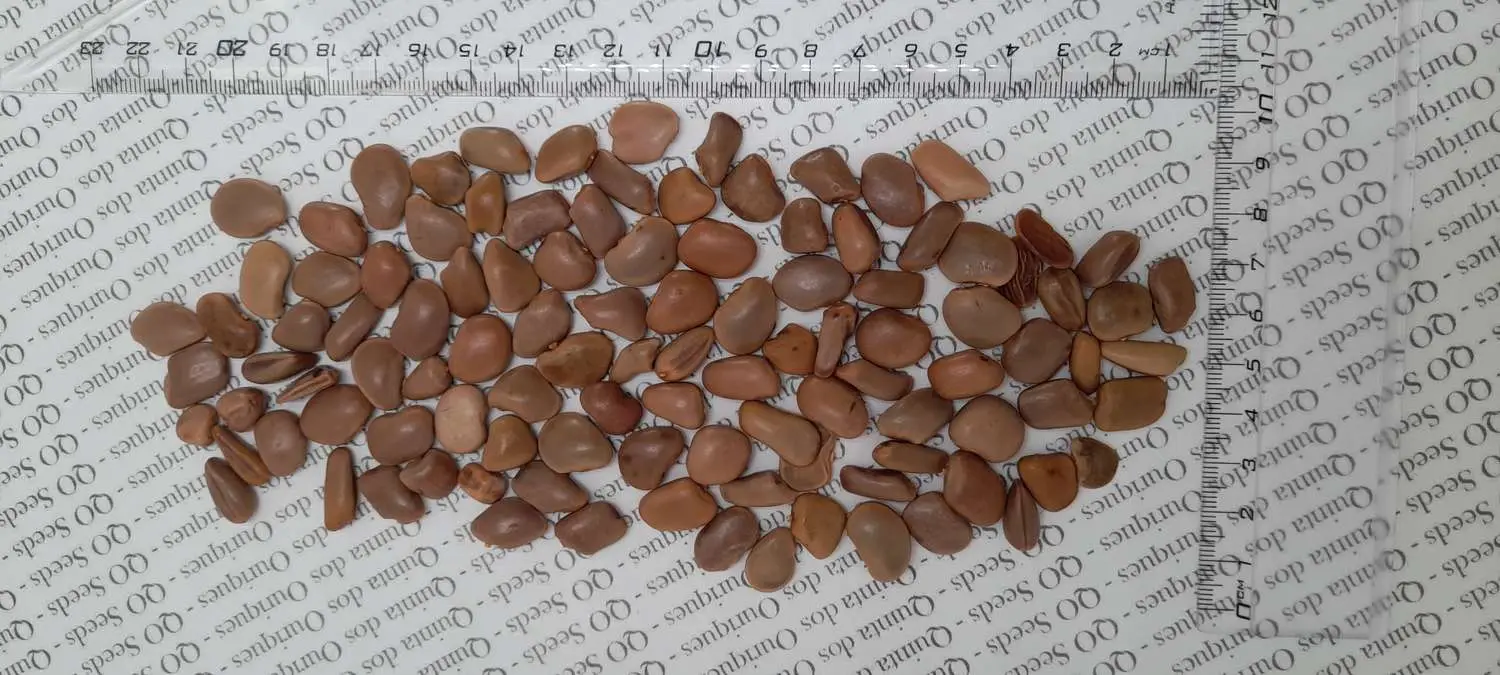
This African marvel bleeds nectar like liquid fire, transforming your garden into a bird sanctuary. Deep red flowers in profusion attract nectar-feeding birds with copious amounts of nectar, while roasted seeds are edible and have a high carbohydrate content. Grows easily and blooms whilst still relatively young. Sow from seed in spring for unstoppable wildlife drama.
€4.15
The common name ‘Drunken Parrot Tree’ comes from birds gorging themselves on nectar which can ferment lightly in the blooms and in their gizzard—nature’s most delicious spectacle. This is the tree that makes parrots drunk, hummingbirds swoon, and sunbirds queue for nectar like it’s going out of style.
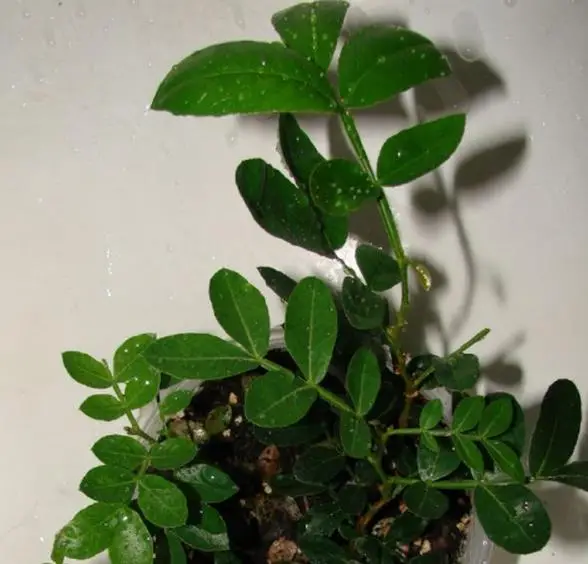
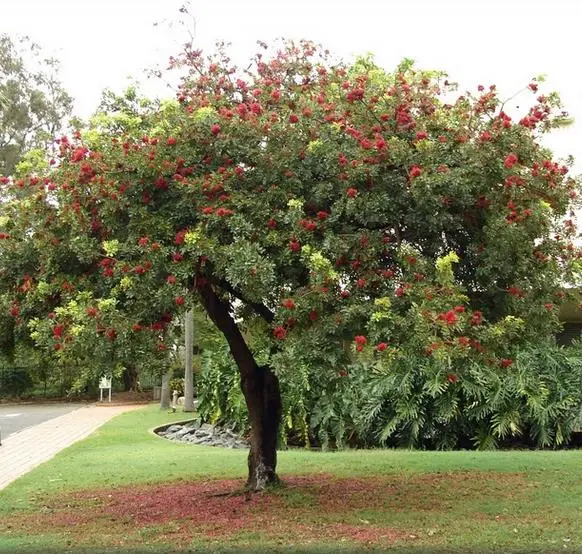
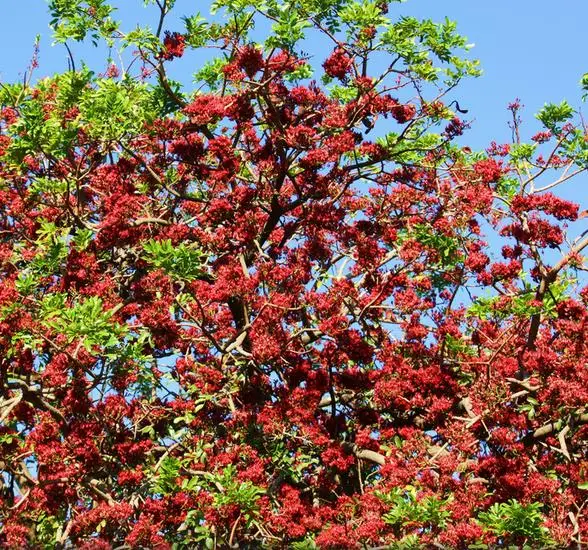
Native to Southern Africa where it occurs in warm dry areas in bushveld, deciduous woodland and scrub forest, Schotia brachypetala is a medium to large tree that can reach 22m in height in the wild but in cultivation 10 to 15m in height and width is normal. The bark is rough and brown or grey brown; the foliage is reddish to coppery when young, turning bright green and maturing to a glossy dark green. Every season brings transformation: spring erupts in rich deep red flowers produced in masses, in dense branched heads on the old wood.
But here’s where this tree becomes irresistible: flowers produce copious amounts of nectar, which over-flows and drips or ‘weeps’ from the flowers. Schotia brachypetala attracts a wide variety of birds, animals and insects; nectar-feeding birds, particularly sunbirds, bees and insects feed on the nectar; insect-eating birds feed on the insects attracted by the flowers. The constant activity, the noise, the color—this tree becomes the social hub of any garden. And that excess nectar can ferment, resulting in a mild narcotic effect on the birds, which is why local parrots seem perpetually enchanted.
Beyond the show, this tree delivers real utility. Seeds are edible after roasting, and although low in fat and protein they have a high carbohydrate content—early settlers learned from indigenous peoples to harvest and roast them. A decoction of the bark is taken to treat heartburn and hangovers; bark and root mixtures are used to strengthen the body and purify the blood, to treat nervous heart conditions and diarrhoea. The wood is used for furniture, flooring, wagon beams and carving. This is a tree that gives back in every season—nectar in spring, medicine in the bark, timber in maturity.
Cultivation is where Schotia brachypetala shines for seed-growers. Grows easily, transplants well and blooms whilst still relatively young. The weeping boer-bean is easily grown, and is remarkably hardy in both poor soil and very dry conditions. For best results, plant in a warm sunny position, in deep, well-aerated sandy soil, add plenty of well-decomposed compost (humus) and water liberally in summer. Schotia brachypetala grows easily from seed, which should be sown in spring to early summer, in a well-drained general-purpose potting soil, placed in a warm but shaded spot and kept moist. From seed to flowering takes patience but rewards handsomely—in warm, frost-free areas in deep sandy soil with plenty of water in summer, it is surprisingly fast, and has been known to reach a height of 12 m in 17 years.
Imagine it: your garden transforms into an open-air bird feast, a riot of crimson blooms dripping with liquid gold, surrounded by the symphony of a thousand wings. Every spring, the tree will attract a myriad of birds and insects to your garden. Grow this legend from seed, and you’re not just planting a tree—you’re creating a living masterpiece that intoxicates birds, feeds humans, heals bodies, and never stops giving. Start from seed this spring and join the centuries-old tradition of the Drunken Parrot Tree.
Only logged in customers who have purchased this product may leave a review.

Reviews
There are no reviews yet.