

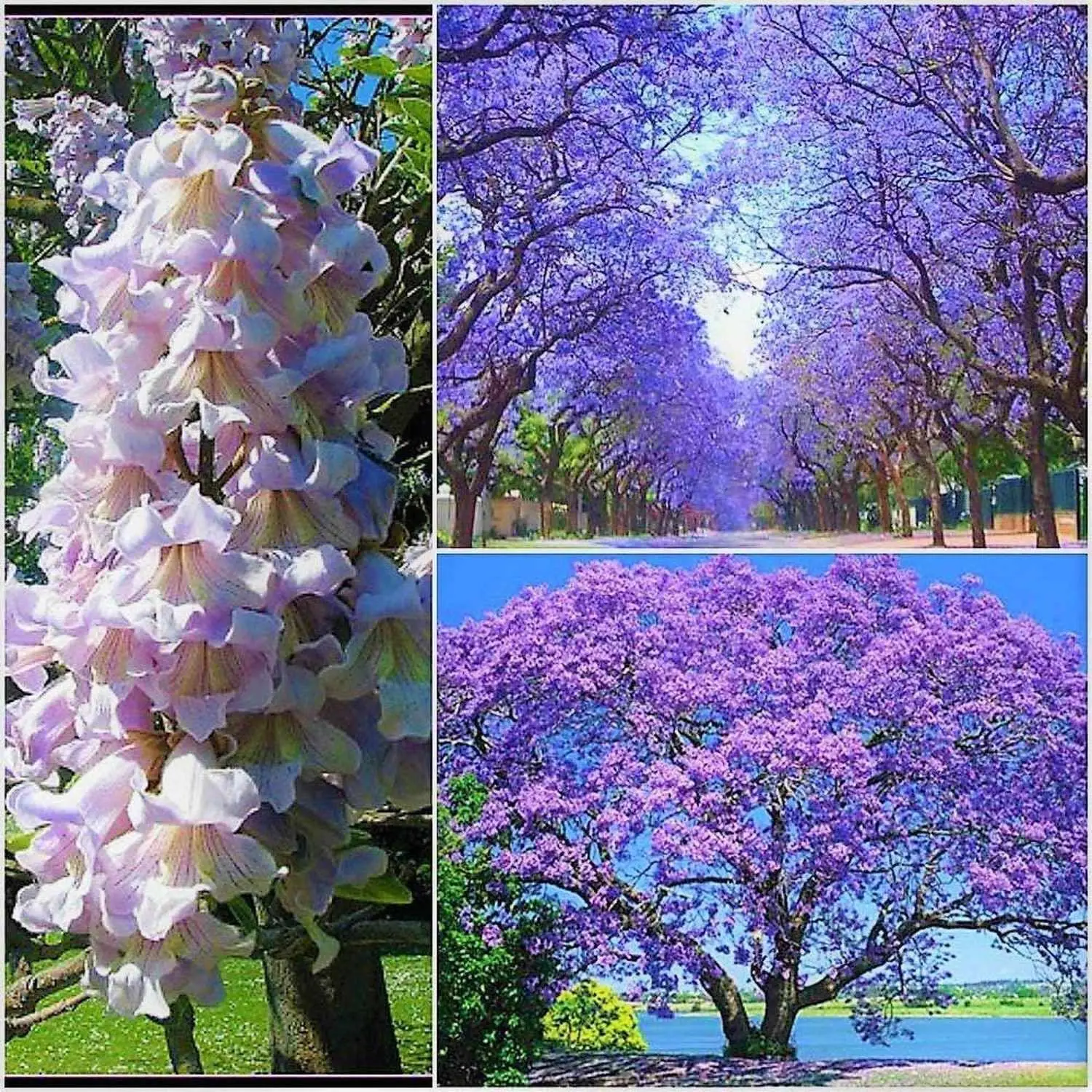



Grow your own investment. Paulownia tomentosa delivers spring’s most fragrant lavender blooms—pure vanilla-scented clusters before the leaves—plus premium, lightweight timber to harvest in just 10 years. A tree steeped in 3,000 years of Asian heritage: aristocrats once planted them at a daughter’s birth, harvesting the wood for her wedding dowry. Easy from seed, thrives in poor soil, grows 15 feet yearly. Start your legacy today.
€1.92
Imagine holding seeds that, within a decade, become a timber-grade tree honored for three millennia. This is Paulownia tomentosa—the Princess Tree, named for Russian royalty, beloved across Asia’s greatest dynasties.
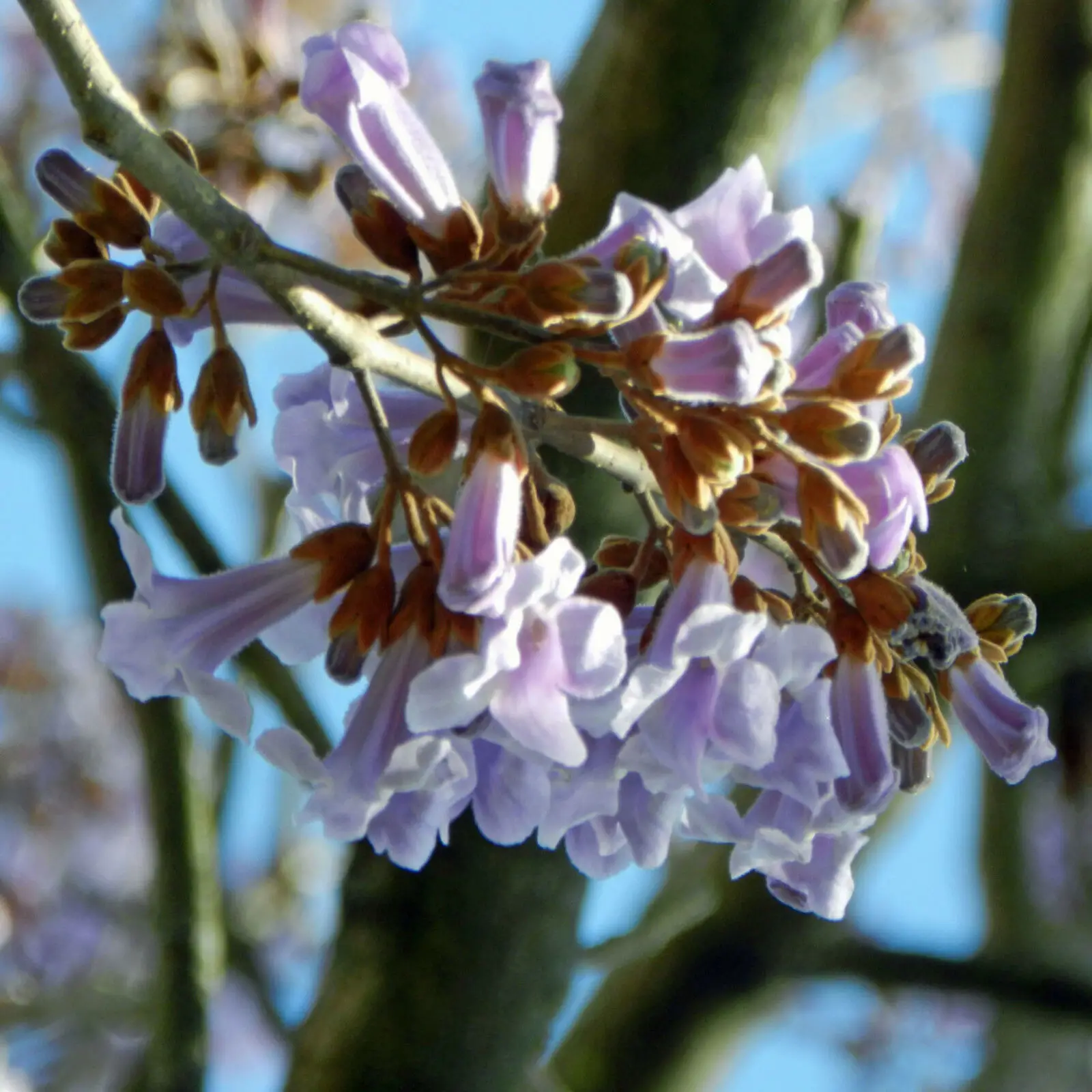
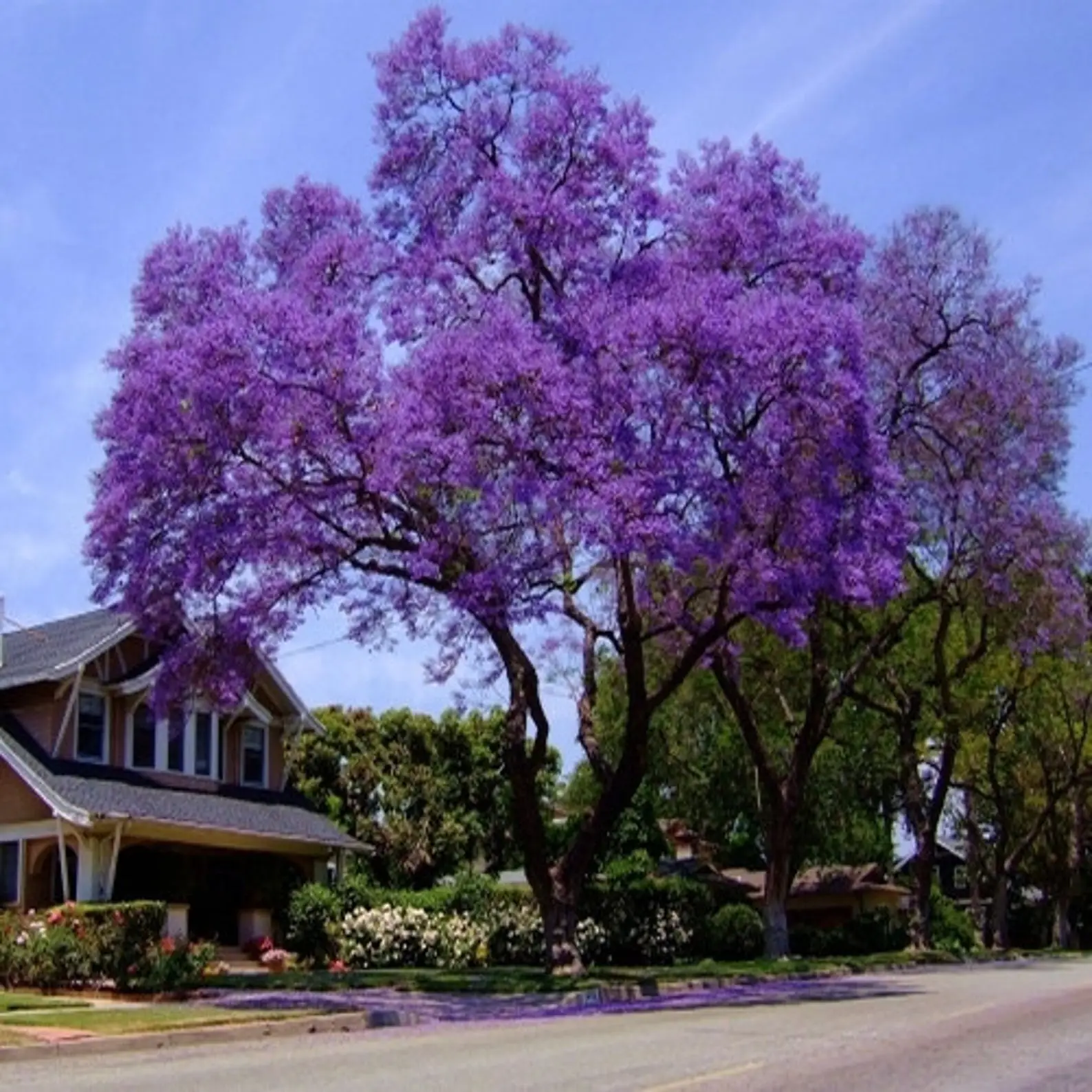
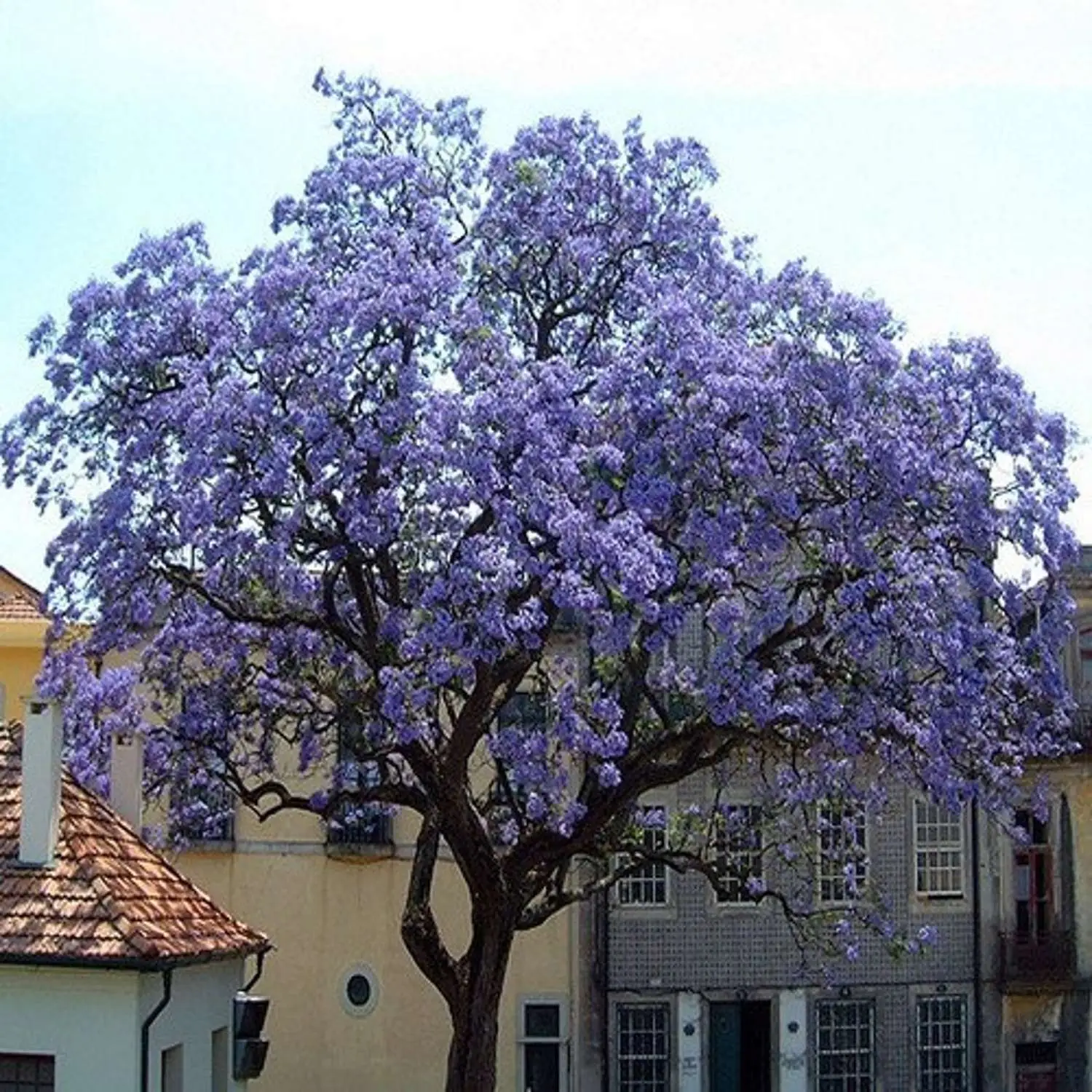
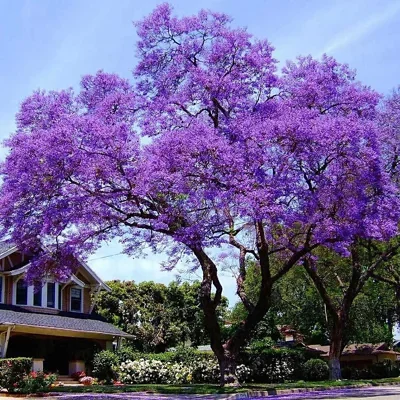
Native to the mountains and valleys of central and eastern China, the Princess Tree arrived in Europe in the 1830s and captured the Victorian imagination immediately. Why? Because it is breathtaking. Every spring, before a single leaf unfurls, the bare branches explode with clusters of fragrant, pinkish-lavender flowers—foxglove-shaped, two inches long, arranged in spikes up to 14 inches tall. These blooms release an intoxicating vanilla fragrance that fills the air. Inside each trumpet, dark purple spotting and creamy yellow striping create an almost baroque detail. The flowers are edible; gardeners add them to salads for color and fragrance. But beauty is only the beginning.
For over 3,000 years, paulownia wood has been treasured in China, Japan, and Korea. This is no ornamental whim—this is timber with a purpose. Among Asian aristocracy, it was customary to plant a paulownia tree at the birth of a daughter and, when she came of age to marry, to harvest its wood and carve it into her dowry chest. The wood is prized for a reason: it is exceptionally strong yet remarkably lightweight, with a strength-to-weight ratio that exceeds even balsa. Fine-grained, warp-resistant, and warm to the touch, paulownia timber has been used for centuries in furniture, musical instruments, cabinetry, and specialty construction. In Japan, it is called *kiri*—sacred enough to appear in the imperial crest. Today, foresters worldwide plant paulownia in intensive timber operations, harvesting in 7–10 years.
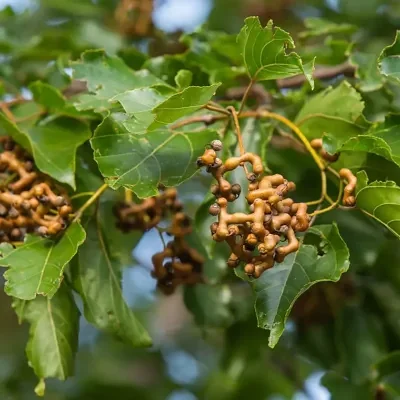
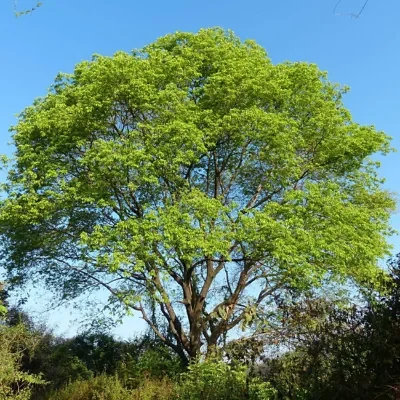
Here is the magic: you can own this. From a single seed packet, you will grow a tree that reaches 40–50 feet in its first decade, adding 15 feet of height per year. The wood quality improves with each ring. Whether your intention is timber production, carbon sequestration, agroforestry, or simply the joy of nurturing a tree with deep historical roots, paulownia delivers. After the flowers fade, enormous heart-shaped leaves emerge—5 to 12 inches long, velvety to the touch, with a soft pale green underside. These leaves are nitrogen-rich fodder for livestock and provide dense summer shade. The tree is remarkably tolerant: it thrives in poor, degraded, or disturbed soils where other trees struggle. It is drought-resistant once established, pollution-tolerant, and adapts to a wide range of climates from temperate to subtropical. It prefers full sun and well-drained soil but will perform acceptably in less-than-ideal conditions—a pioneer species that transforms difficult land.
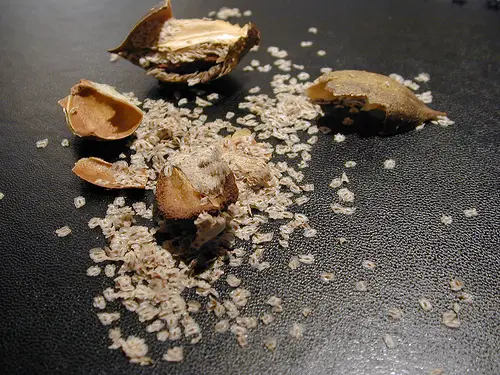
Growing from seed is effortless. Paulownia seeds are tiny and light, requiring only consistent moisture and warmth to germinate. Seedlings grow explosively; a one-year-old sapling may already reach 6–8 feet. No special skills needed—only patience and sunlight. Within five years, your tree will be substantial; within ten, it will command attention. Plant it in early spring, and by late May of that first year, you will stand beneath flowering branches and inhale vanilla-scented air. Grow it for its flowers alone, and you have created beauty. Grow it with intention, and you have planted wealth—timber that strengthens over time, wood that holds the legacy of dynasties, and a living investment that will reward your grandchildren. This is what seeds can become.
Only logged in customers who have purchased this product may leave a review.

Reviews
There are no reviews yet.