Description
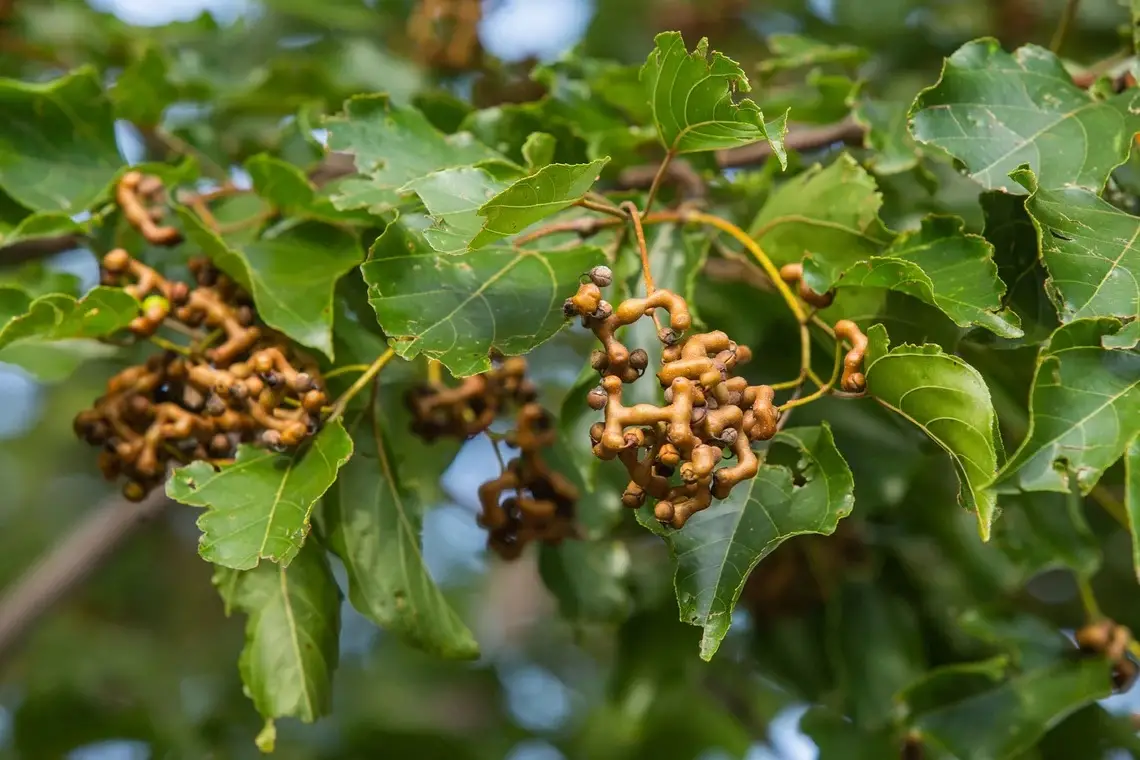
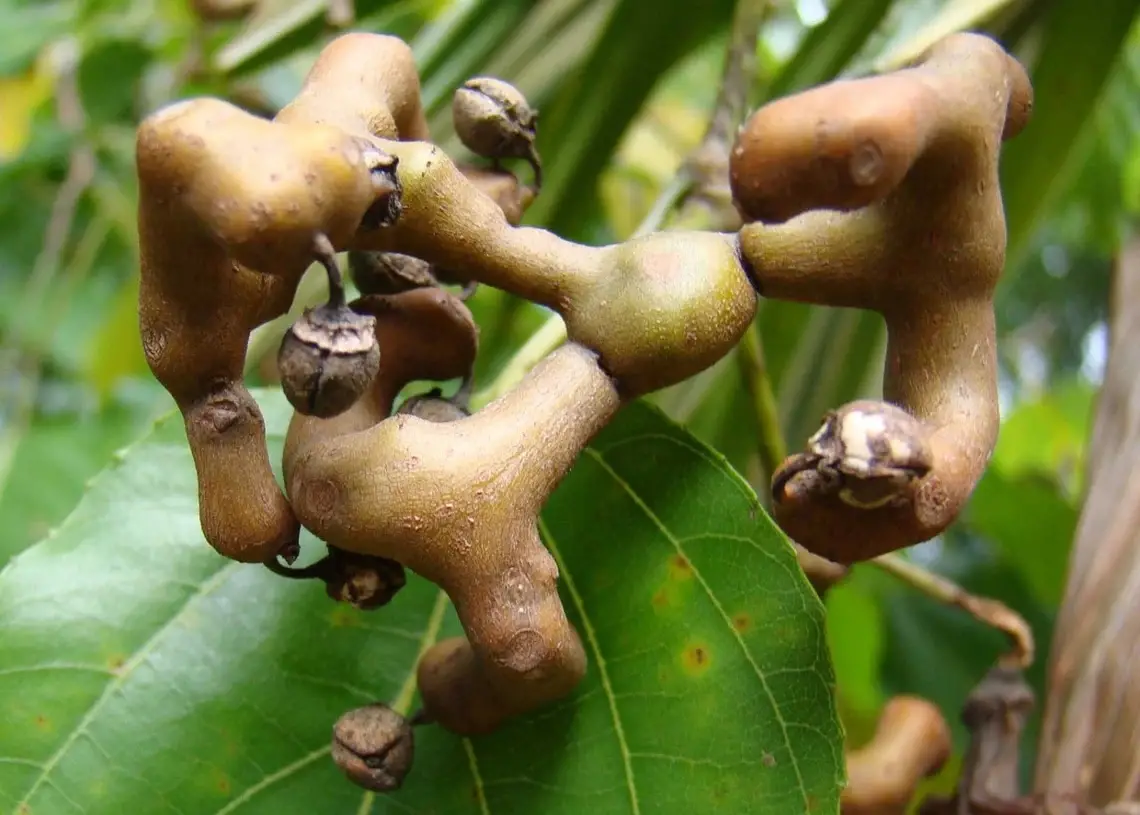
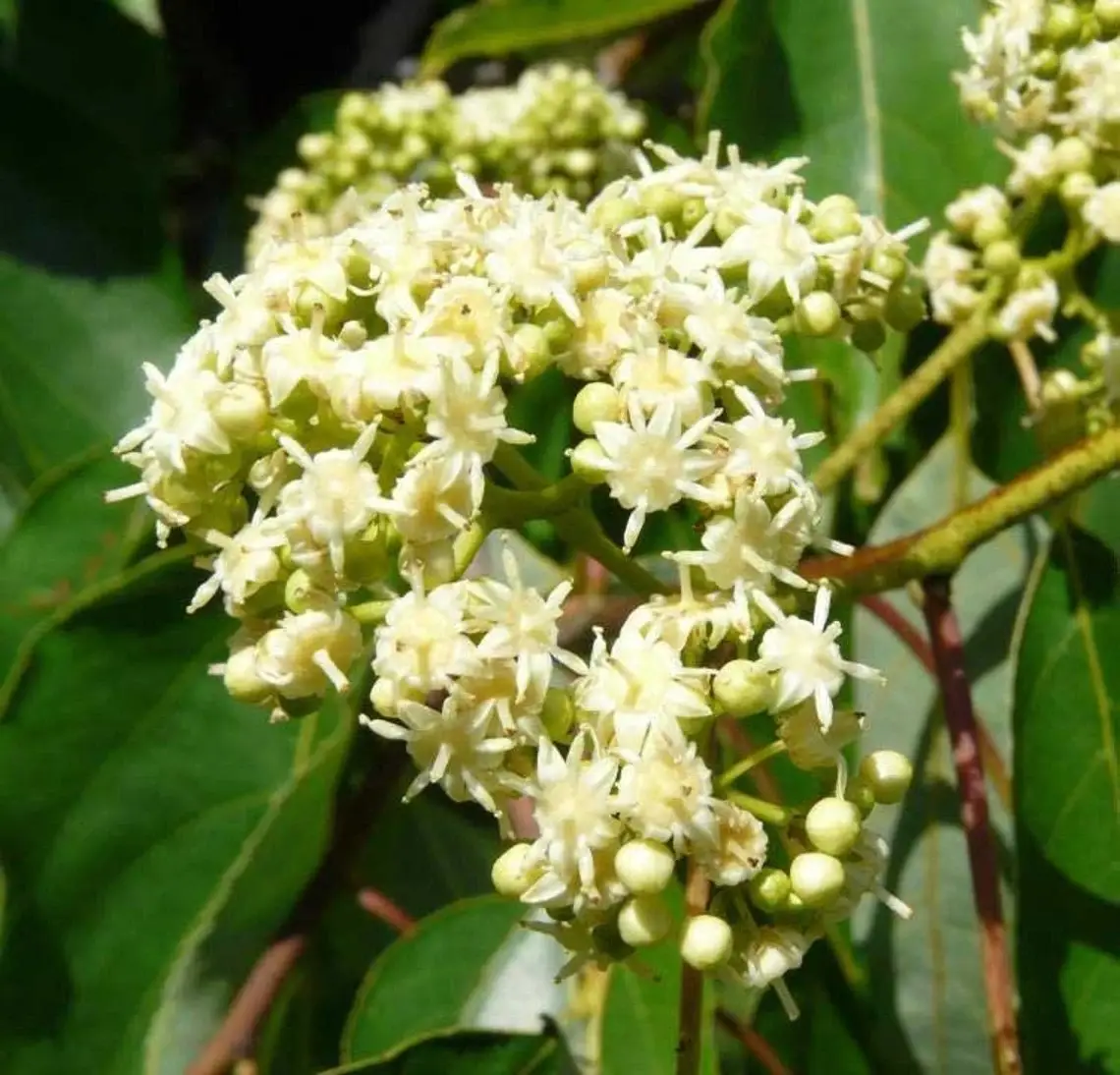
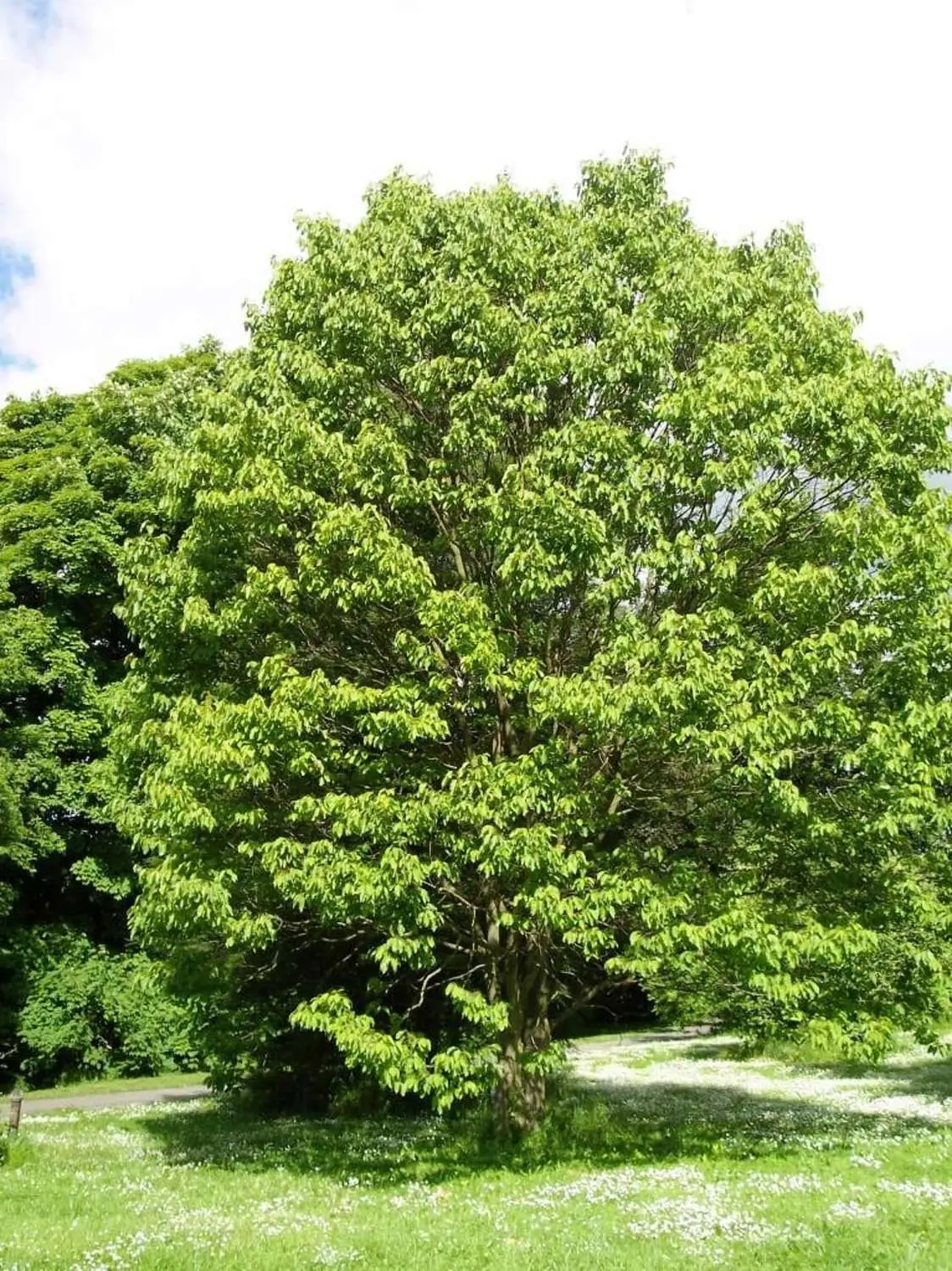
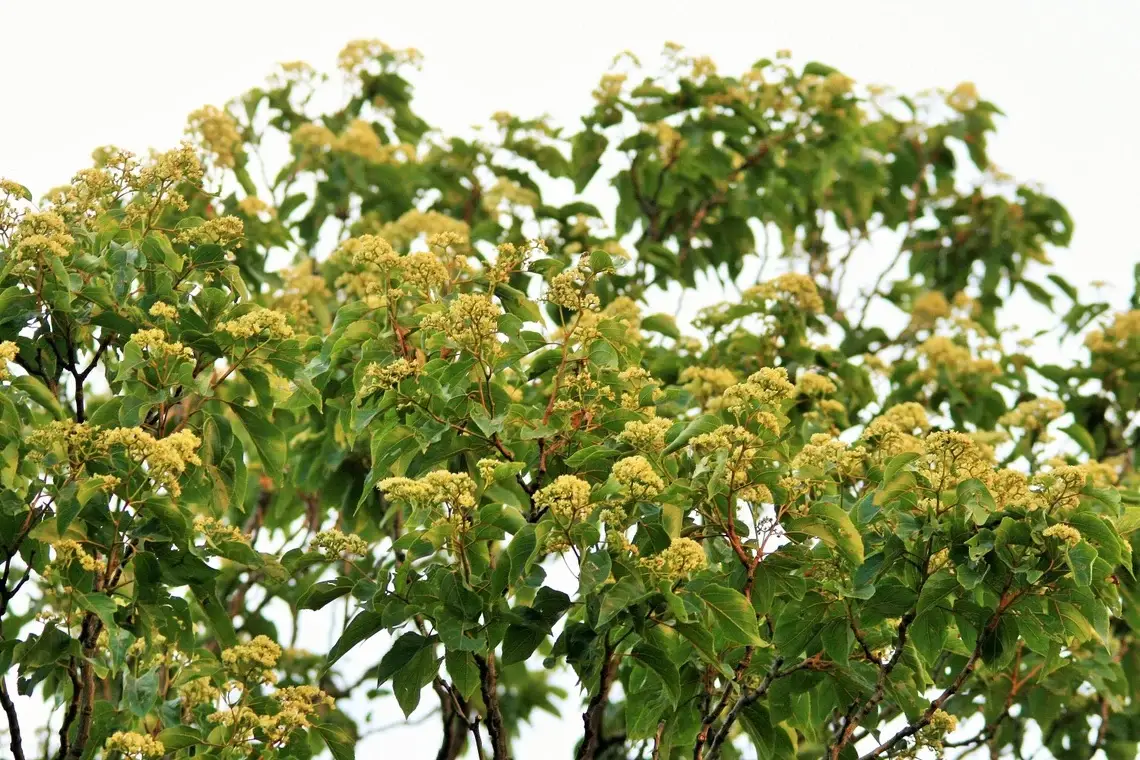
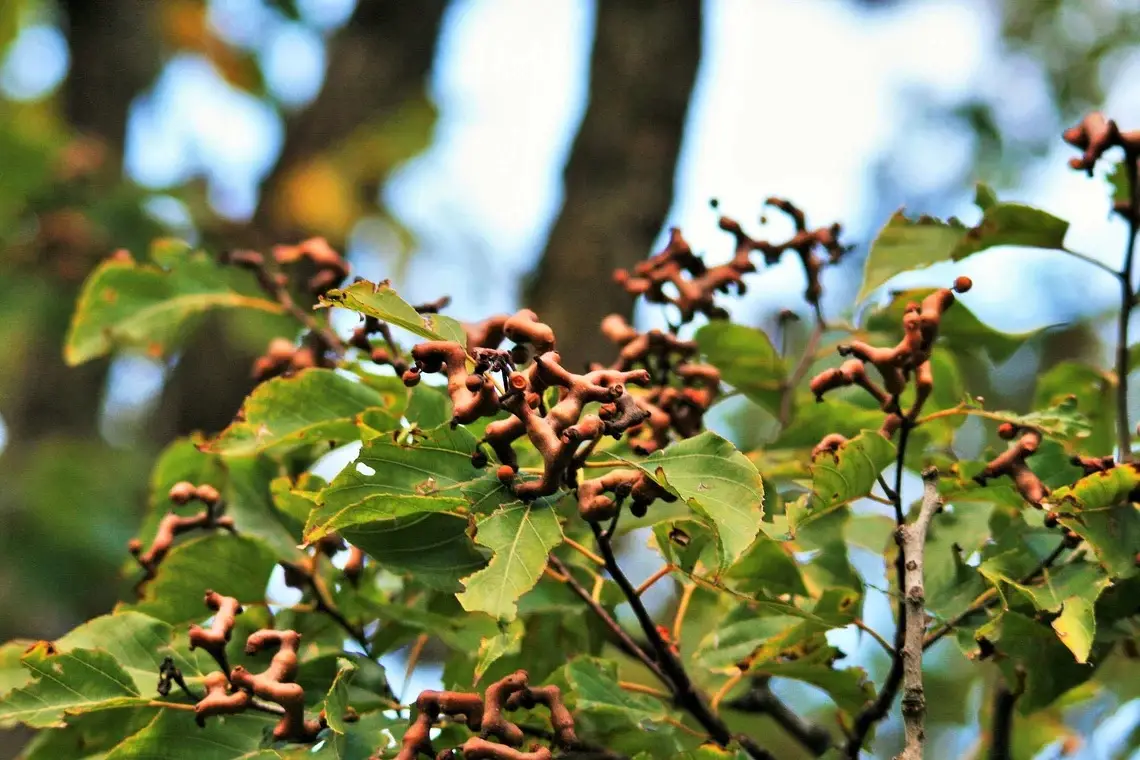
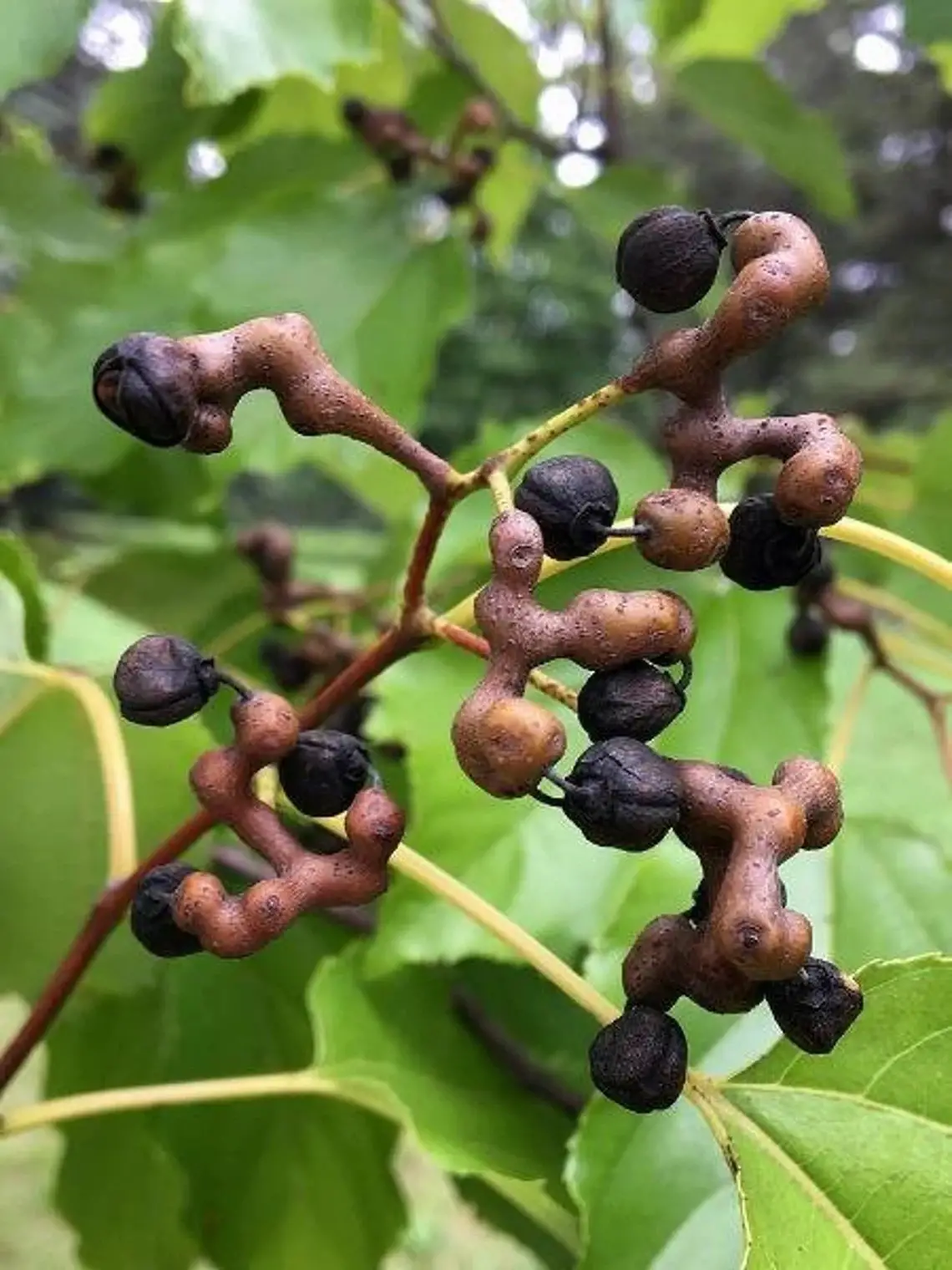
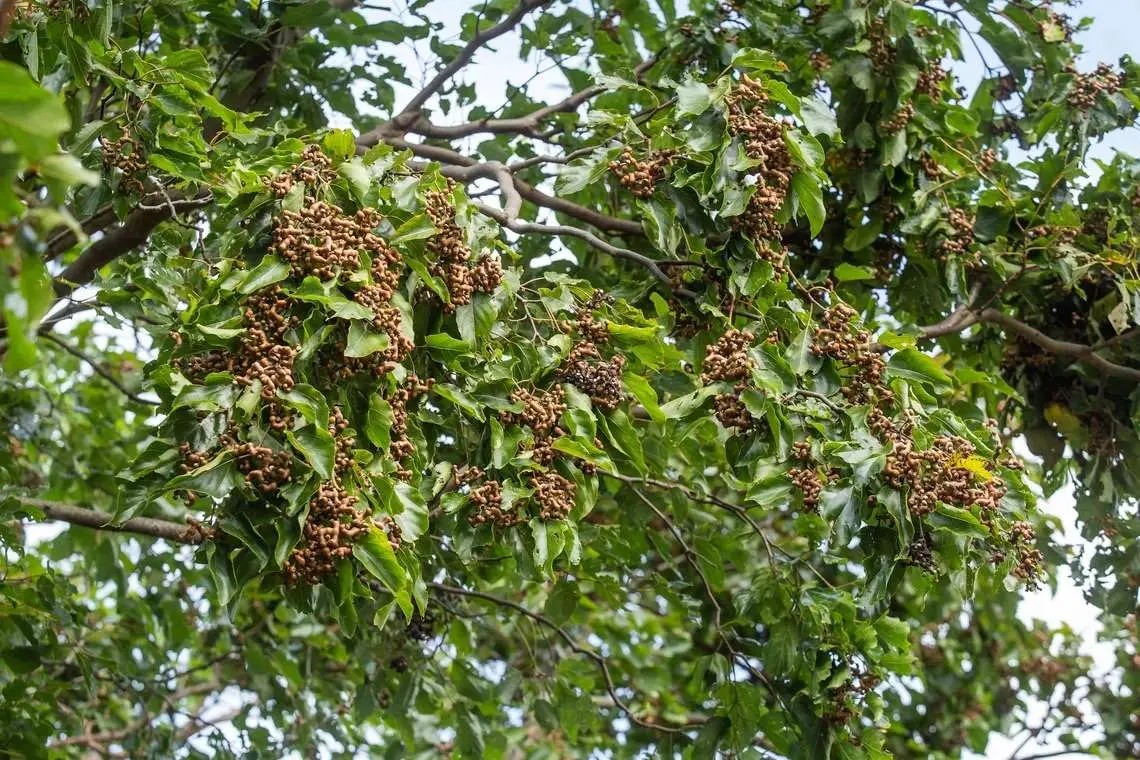
A small, deciduous tree or large shrub, rarely more than 10 m tall with heart-shaped leaves and small, white to greenish flowers followed by small, woody and inedible fruits. As the seeds mature in late summer and autumn however, the fruit stalks swell up and become soft and edible with a sweet, aromatic taste. Hovenia dulcis is widely distributed from the Himalayas to China, Japan, Korea and Thailand between 200 and 2000 m. Its highly desirable, hard wood is used to make furniture. In cultivation, Hovenia dulcis adapts to both temperate and cool tropical climates and is hardy to USDA Zone 5 if summers are warm enough to fully mature its new growth.
Hovenia dulcis, the Japanese raisin tree or oriental raisin tree, is a hardy tree found from Asia, over Eastern China and Korea to the Himalayas (up to altitudes of 2,000 m), growing preferably in a sunny position on moist sandy or loamy soils. The tree known for its health benefits when consumed in tea, introduced as an ornamental tree to several countries, also bears edible fruit. It is considered to be one of the most pervasive invaders in Brazilian subtropical forests.
Germination Guide
🌍 East Asia: China, Japan, Korea, and Himalayan regions
Moderate
Hovenia dulcis, commonly known as the Japanese Raisin Tree or Oriental Raisin Tree, is a deciduous tree native to East Asia prized for its sweet, edible fruit stalks and ornamental value. The species has an extremely hard seed coat that severely inhibits germination, requiring mechanical or chemical scarification to achieve reliable results. With proper seed treatment and warm, moist conditions, seedlings can emerge within 1-4 weeks, though germination may extend up to one year.
Germination
Germination time
Expect germination in
7 – 365 days
Temperature
Min 15°C
Ideal 18°C
Max 30°C
Substrate moisture
💧 Medium
Sowing depth
Lightly covered
Seed Pre-treatment
-
🔨
Mechanical scarification
File or sand through the outer seed coat to break the hard impermeable seed coat. Alternatively, soak seeds in hot tap water (approximately 60°C/140°F) for three consecutive days, changing water daily. For rapid germination, sulfuric acid scarification (98% for 60-120 minutes) is highly effective but requires careful handling and thorough washing afterward.
-
📋
Additional notes
Seeds possess physical dormancy only with an extremely hard, impermeable seed coat. Scarification is essential for consistent germination. Hot water soaking (3-4 days) is a practical alternative to acid treatment.
Substrate & Container
Recommended substrate
Potting soil or seed-raising mix, light sandy loam preferred
Recommended container
Containers with drainage holes, covered with clear plastic to maintain moisture
Growing Tips
After scarification treatment, plant seeds in potting soil covered lightly with seed-raising mix, then cover containers with clear plastic and place in bright light at 18-22°C soil temperature. Keep substrate consistently moist but not waterlogged. Seeds germinate freely if sown fresh and immediately in a cold frame without pre-treatment. Once germinated, transplant seedlings into individual pots and grow under glass for their first winter. Harden off and plant out in late spring after the last frost, providing winter protection for young plants for their first 2-3 years. Patience is essential—germination can be very slow or sporadic, sometimes taking several months to a year.
Only logged in customers who have purchased this product may leave a review.

Reviews
There are no reviews yet.