
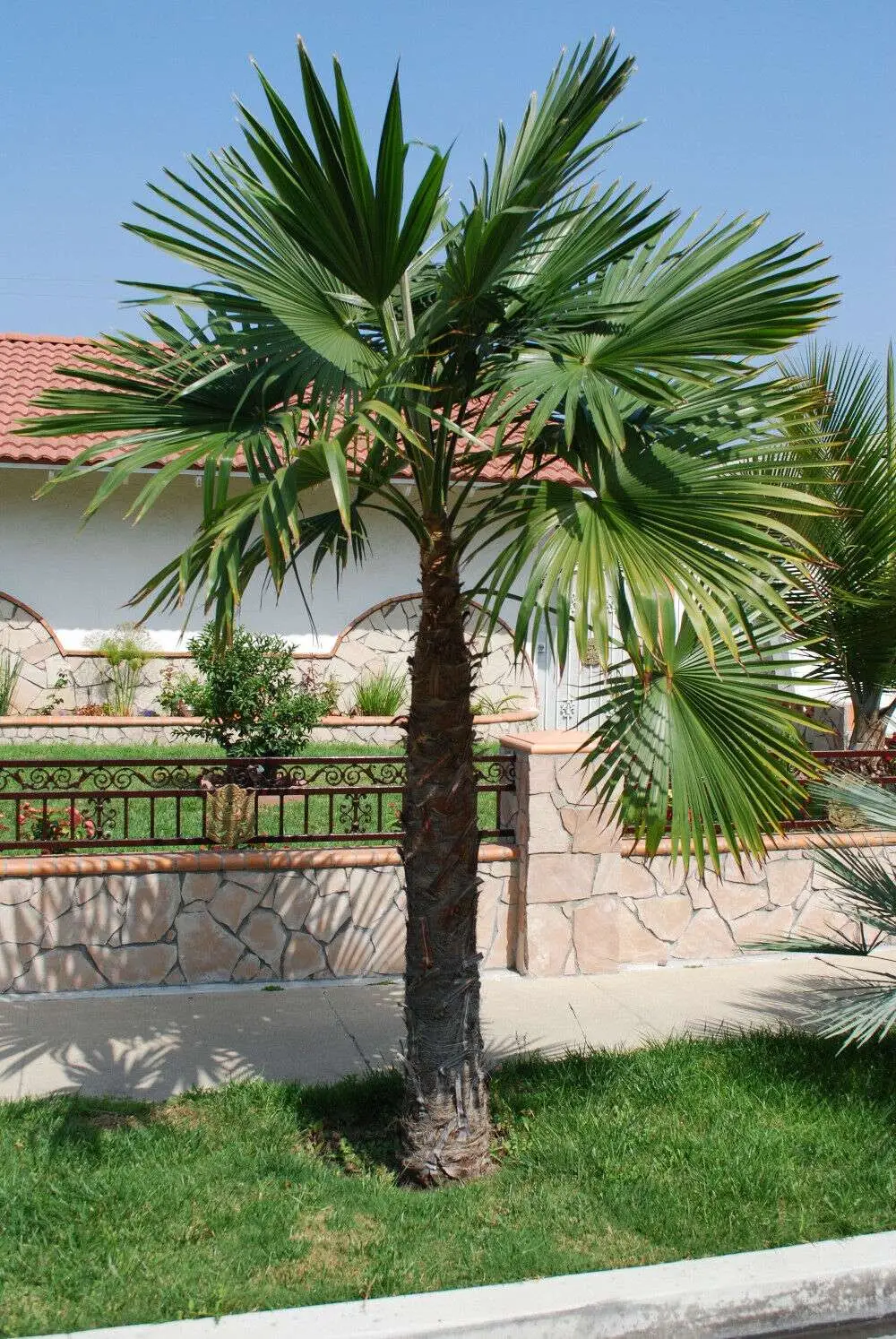
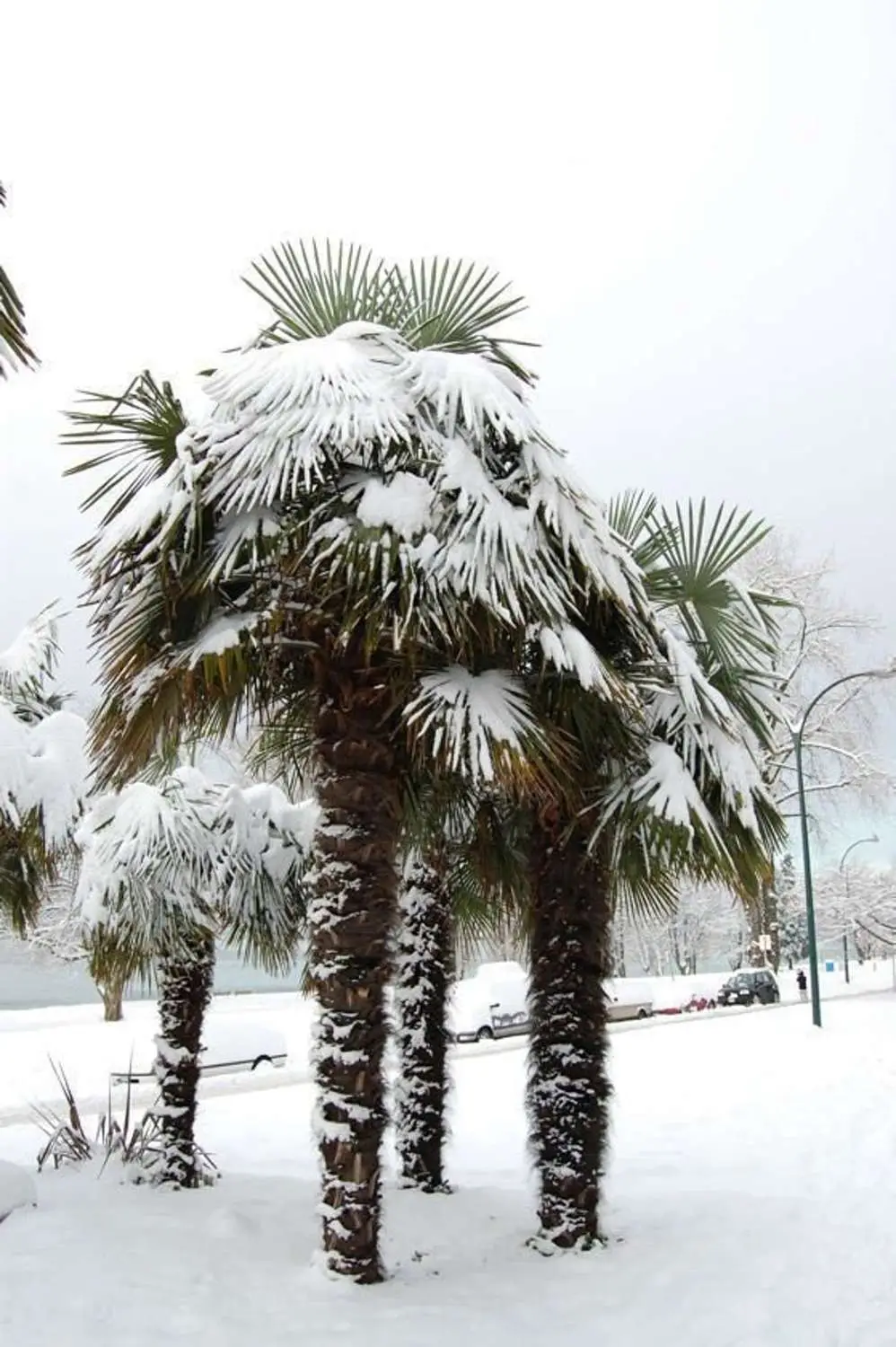
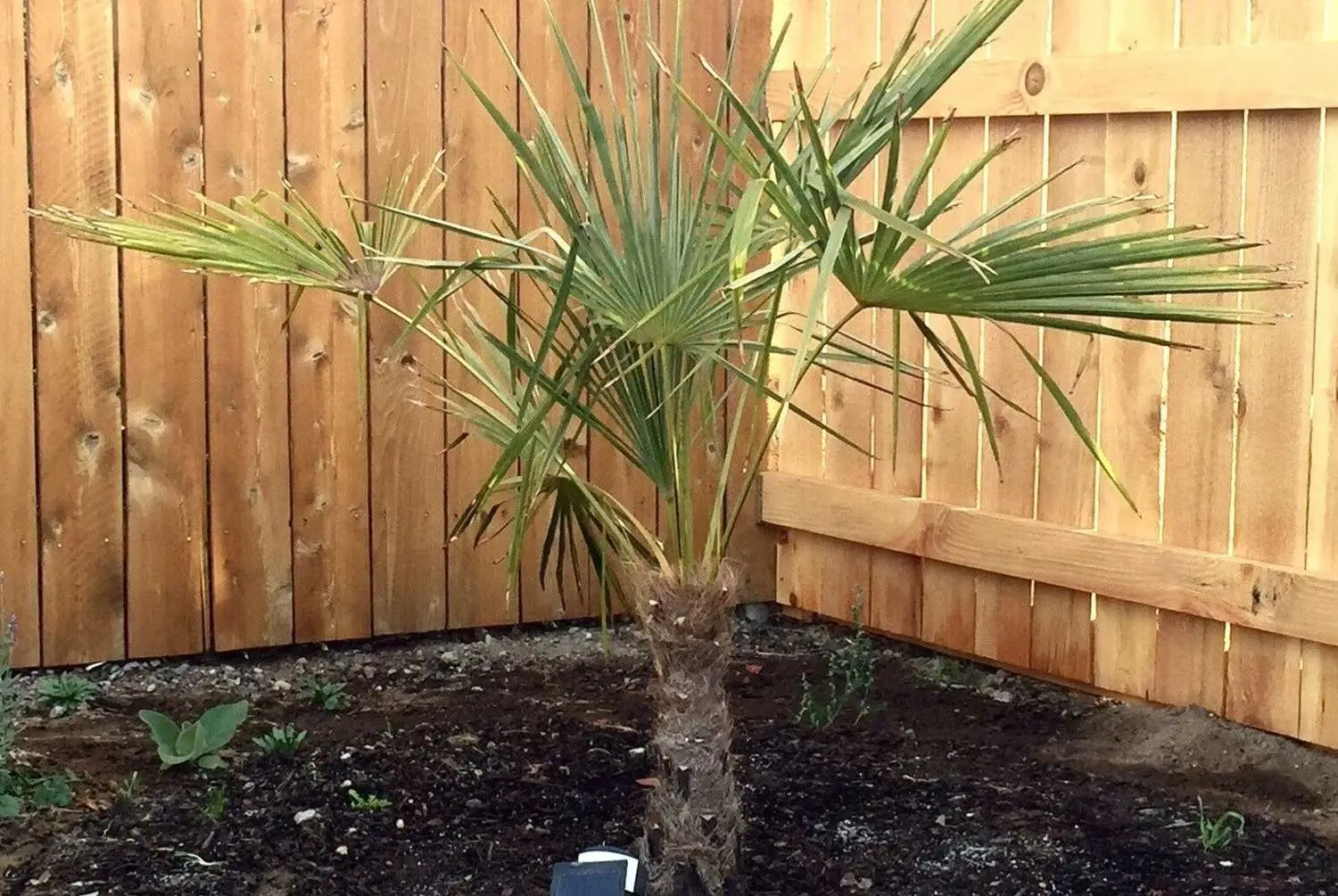
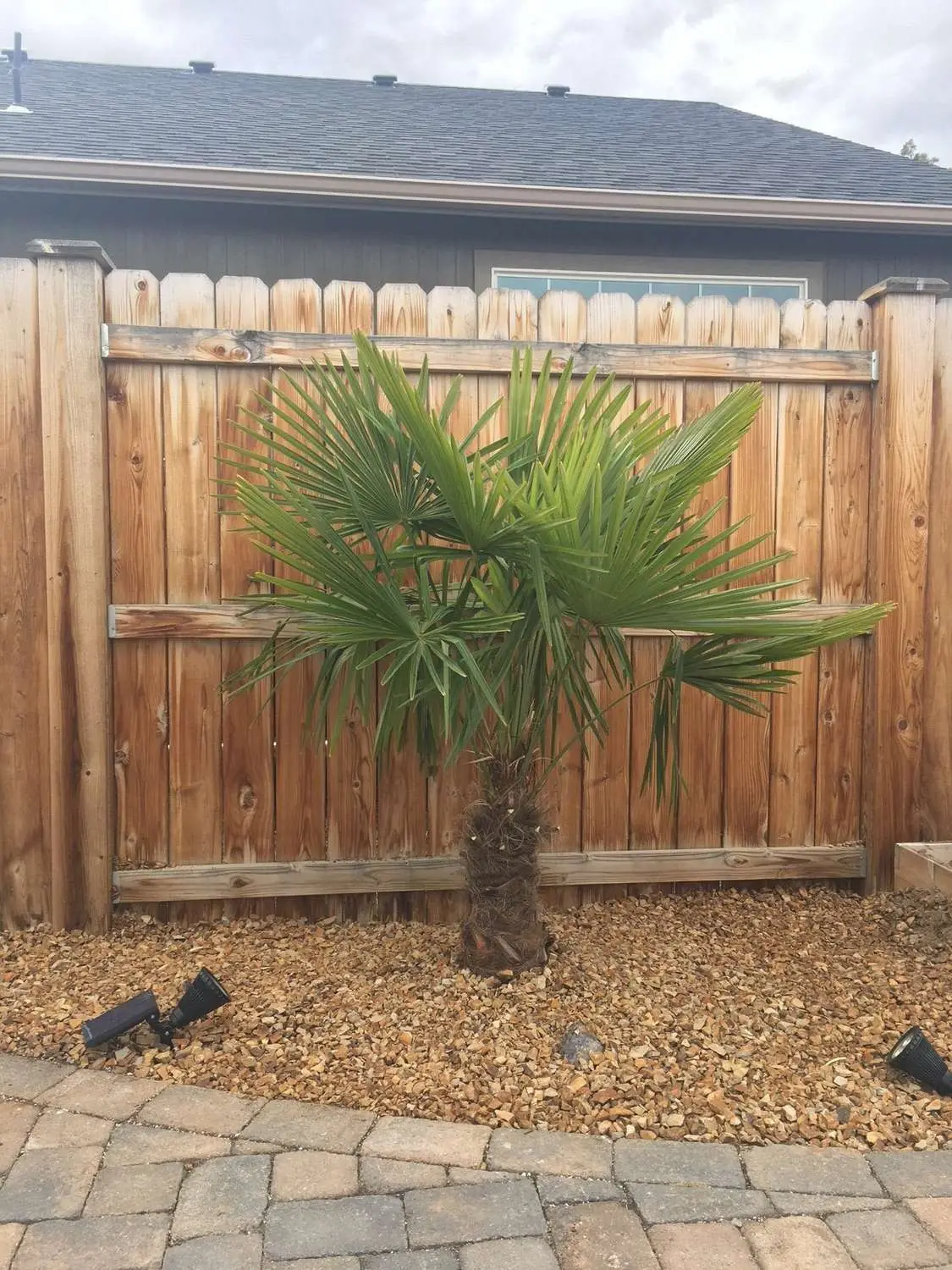
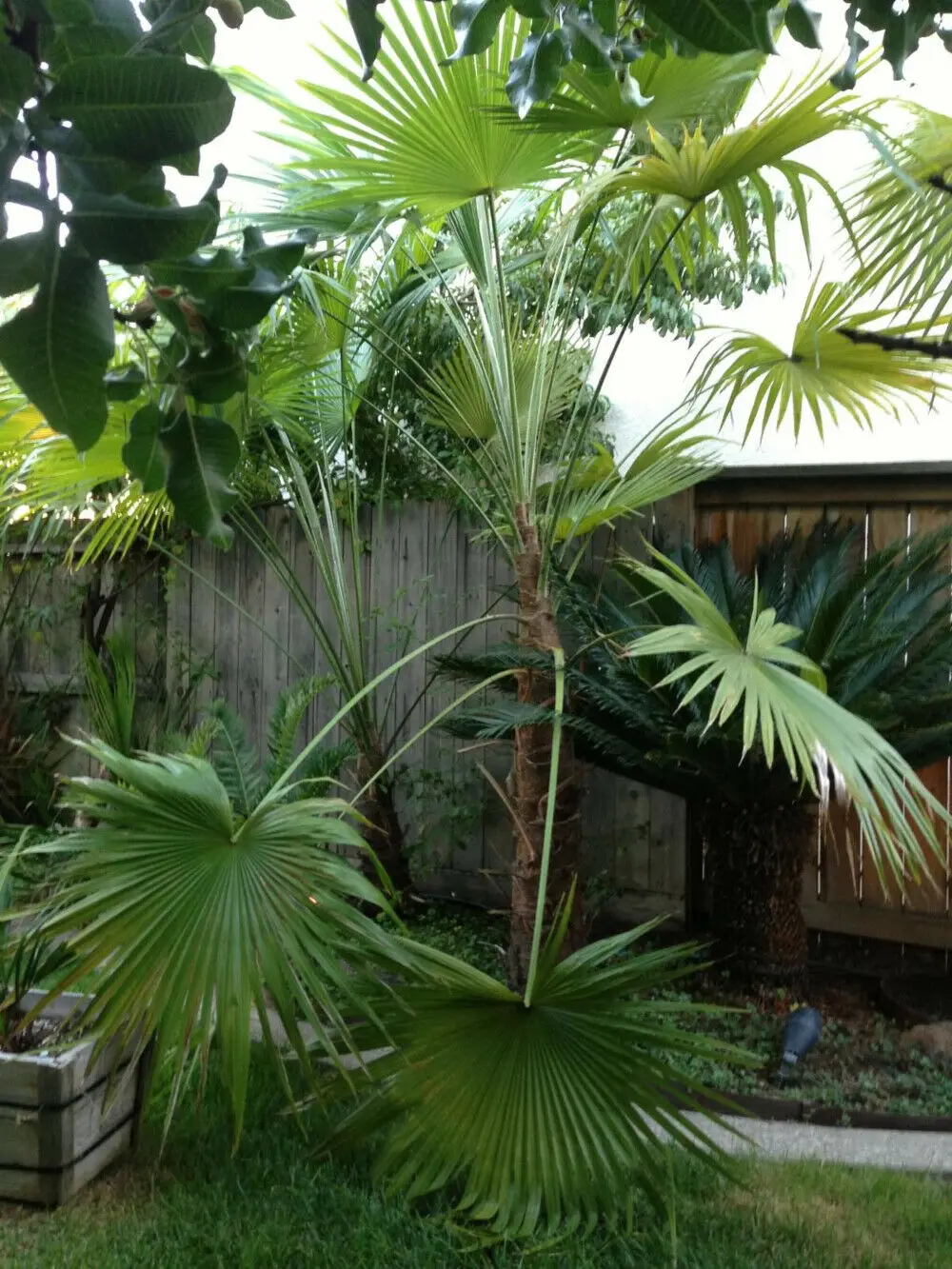
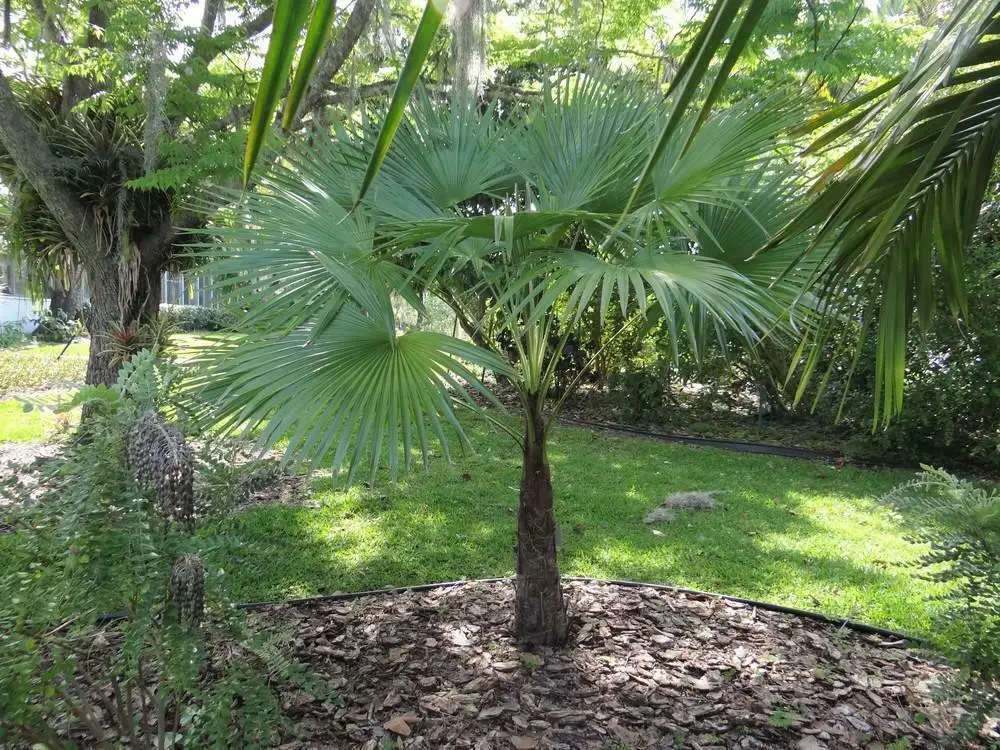
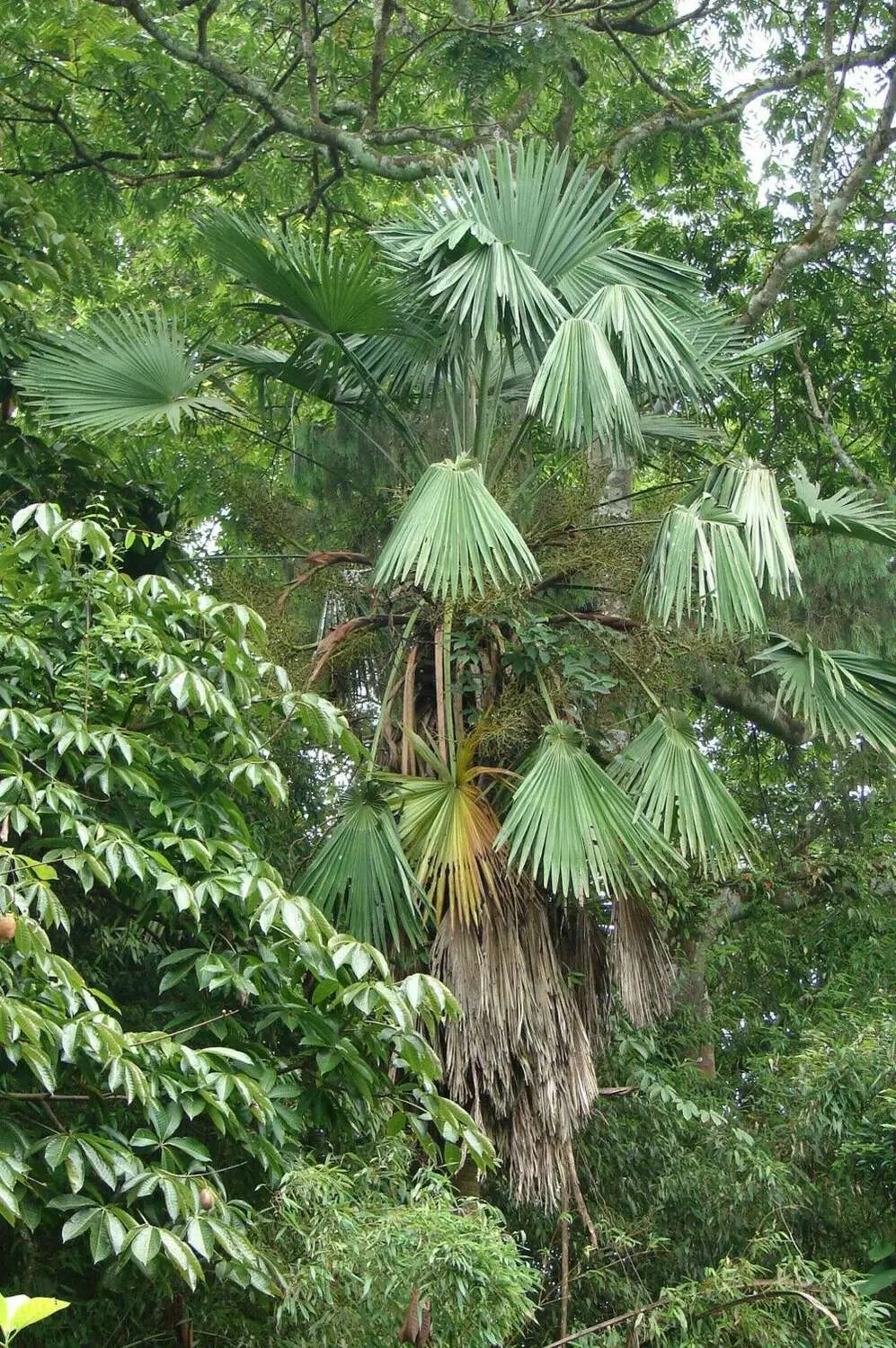
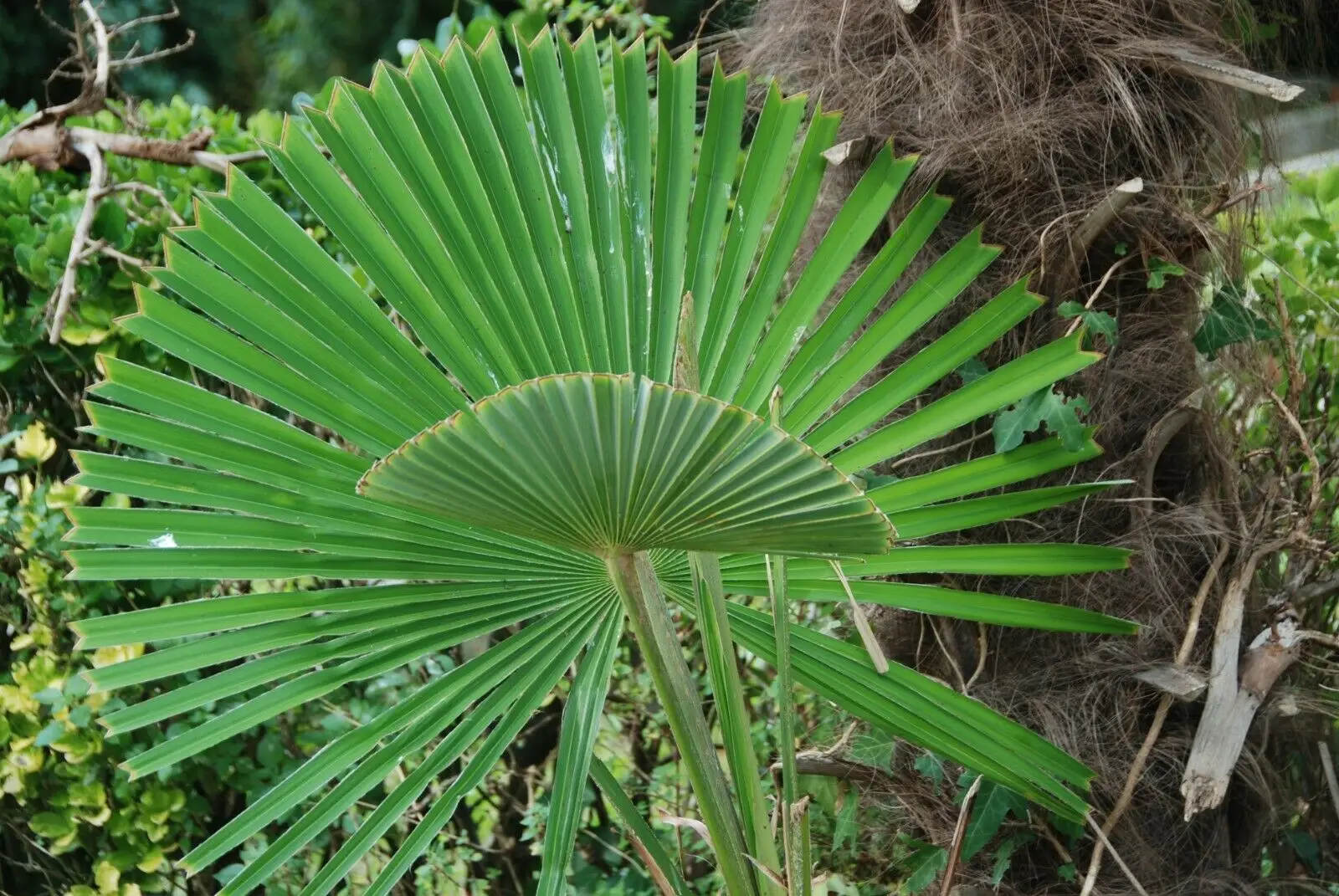
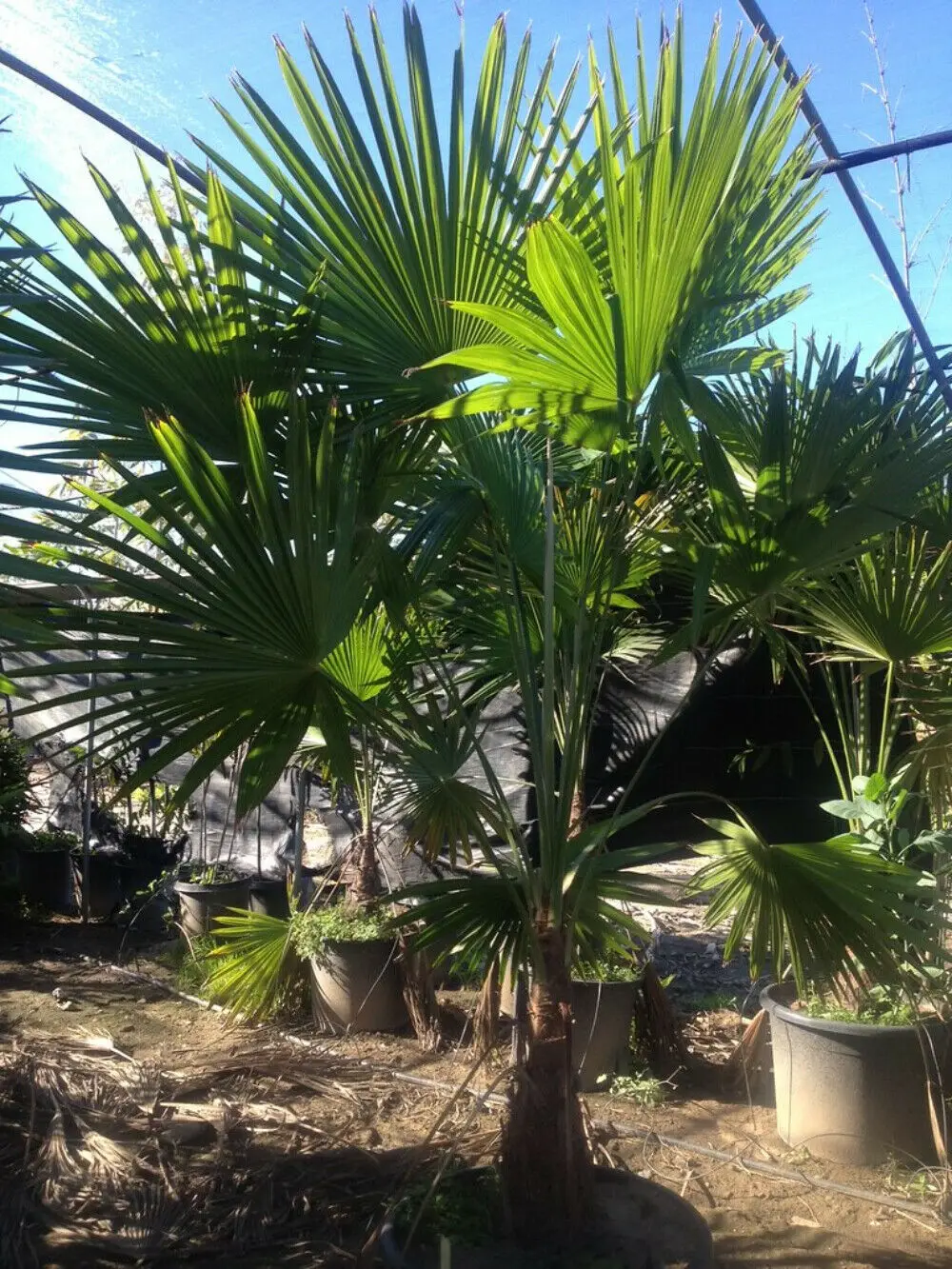
Discover the Windamere Palm, a recently rediscovered Himalayan giant that defies expectations. With massive, broad-segmented leaves and a striking silver-grey trunk, this cold-hardy marvel grows at altitudes up to 7,500 feet yet tolerates freezing temperatures. It’s purely ornamental beauty done perfectly—no gimmicks, just architectural drama. Easy to grow from seed. Bring the Himalayas home.
€3.43
Imagine stepping into your garden and finding yourself on a Himalayan mountainside.
Trachycarpus latisectus—the Windamere Palm—is a recently rediscovered species that vanished from botanical knowledge for over 60 years before being spotted again in the gardens of the legendary Windamere Hotel in Darjeeling, India. This palm represents botanical rarity and horticultural triumph in one living sculpture.
Originally from the misty, monsoon-influenced forests of the eastern Himalayas, growing at elevations between 1,800 and 2,400 meters where nights turn cold and winters bite hard, Trachycarpus latisectus embodies the marriage of tropical drama and temperate resilience. Named for the very location of its rediscovery, it stands as a monument to botanical exploration and the thrill of finding species thought lost to time. Its fan-shaped leaves with exceptionally broad segments distinguish it immediately from other Trachycarpus cousins—a signature so unmistakable that botanists chose its scientific name, latisectus, meaning “broad-leafed.”
This is a palm cultivated purely for ornamental magnificence. There are no medicinal claims, no culinary uses, no functional hustle. What you get is unapologetic architectural beauty: massive, dark-green fronds radiating from a clean, silver-grey trunk ringed with leaf-scar markings like the rings of an ancient stone temple. Spring brings bright yellow inflorescences reaching 60–100 centimeters, followed by clusters of black-violet fruits that punctuate the foliage like seasonal jewels. Every element contributes to a landscape statement so bold it commands attention from across the garden.
What makes Trachycarpus latisectus revolutionary for temperate-climate gardeners is its cold tolerance. Hardy down to -12°C (and possibly -15°C when established), this Himalayan native thrives in USDA zones 7b–11, demolishing the myth that tropical-looking palms belong only in warm zones. It tolerates subtropical humidity and Mediterranean heat equally well, and it drinks in monsoon-like moisture without complaint. Growing is delightfully easy: choose rich, well-drained soil in full sun or partial shade, water regularly during the growing season, and provide shelter from harsh winds. The trunk develops bare, sculptural beauty with age. Seed germination is remarkably straightforward—viable seeds sprout within two to ten months when soaked and kept at 18–28°C in moist peat mix. You’ll watch your seedling transform from a whisper-thin shoot into a magnificent architectural presence over years, rewarding patience with slow, steady growth that ages into character.
Grow Trachycarpus latisectus because it represents discovery itself. In every frond, you hold the story of a species reclaimed from obscurity. Start your seeds now and become part of the ongoing conservation narrative of one of the world’s rarest and most stunning hardy palms. This is the palm that rewrites what’s possible in cooler climates.
Only logged in customers who have purchased this product may leave a review.


Reviews
There are no reviews yet.