
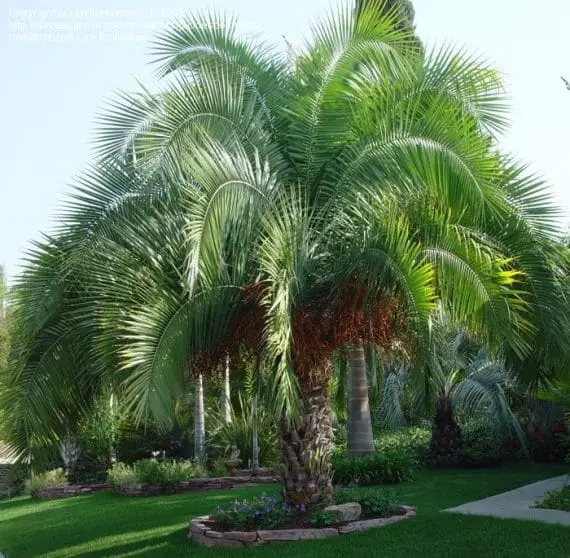
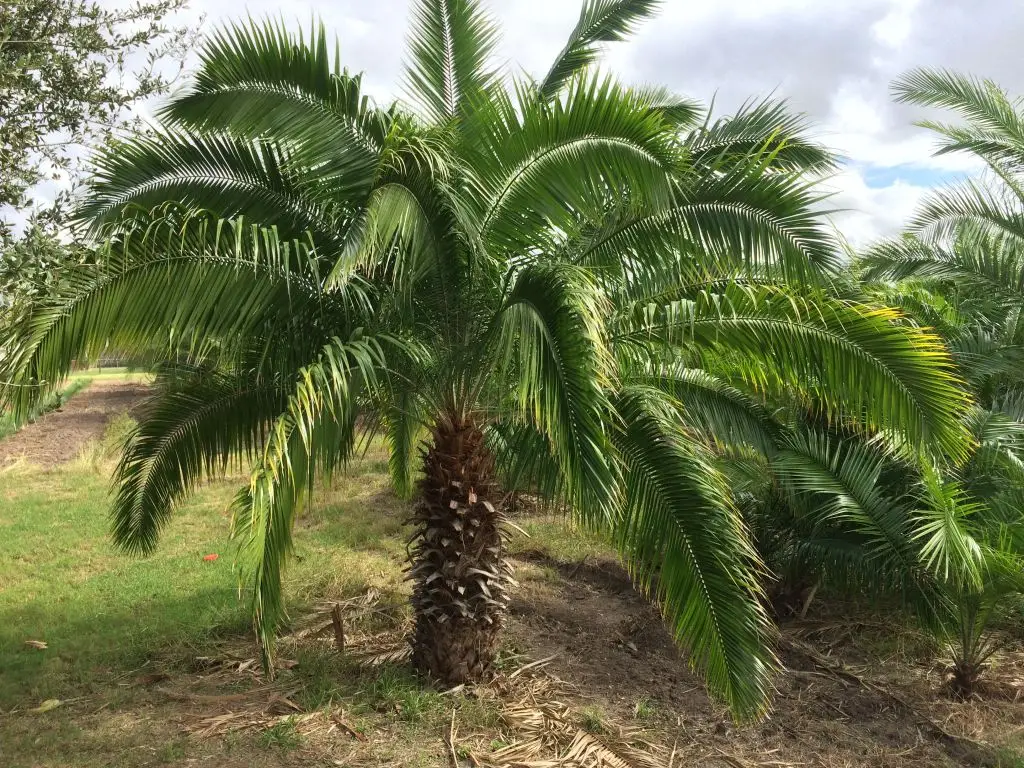
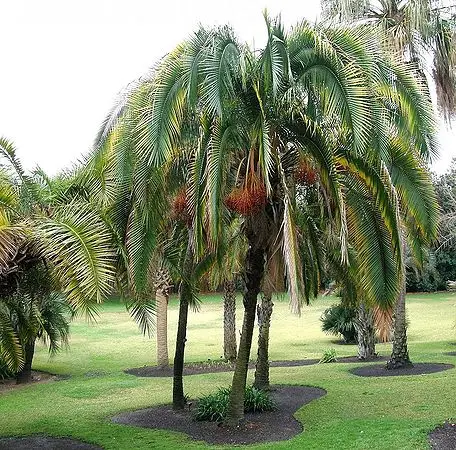
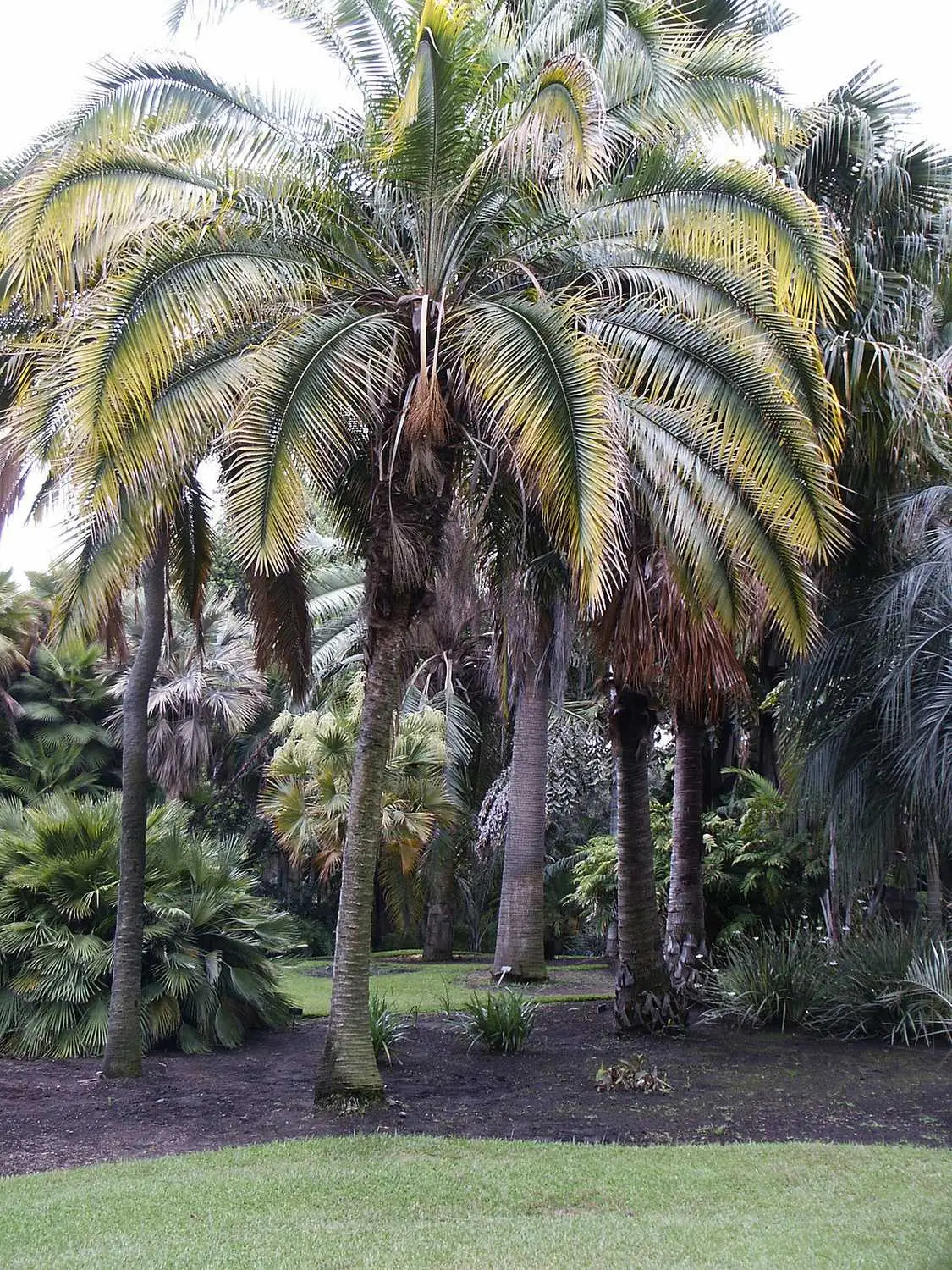
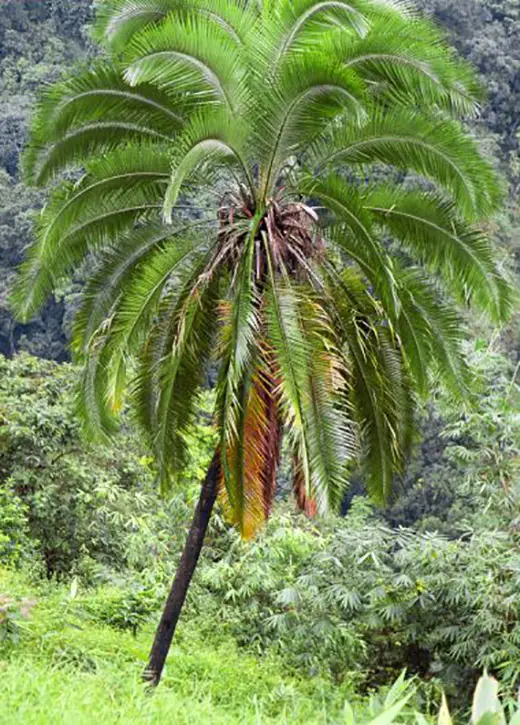
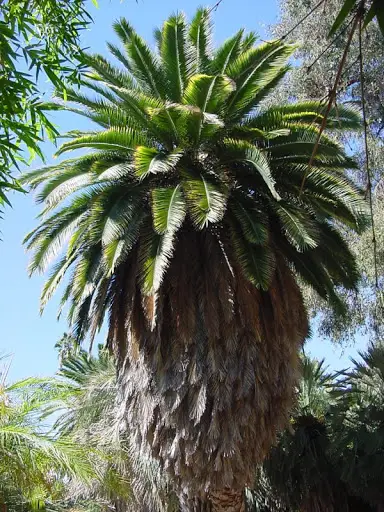
The most beautiful date palm you’ve never heard of—until now. Phoenix rupicola’s graceful, arching fronds with their signature twisted leaflets create a silhouette no other tropical palm can match. Ornamental perfection that grows faster than you’d expect, and tolerates heat, drought, and poor soil like the mountain cliffs it came from. Remarkably easy to start from seed. Watch collectors gasp when your seedling matures.
€4.15
Phoenix rupicola is not just another palm—it’s the overlooked masterpiece that palm experts whisper about in collector circles.
Native to the remote rocky cliffs and forested hillsides of the eastern Himalayas in India and Nepal, Phoenix rupicola thrives in some of the most inaccessible, inhospitable terrain on earth. The name itself—rupicola, “living near rocks”—tells you everything about this palm’s wild origins. While other date palms became houseplants and shopping-mall clichés, Phoenix rupicola remained a secret: the gem only serious growers sought out, the species you’d travel to botanical gardens to see.
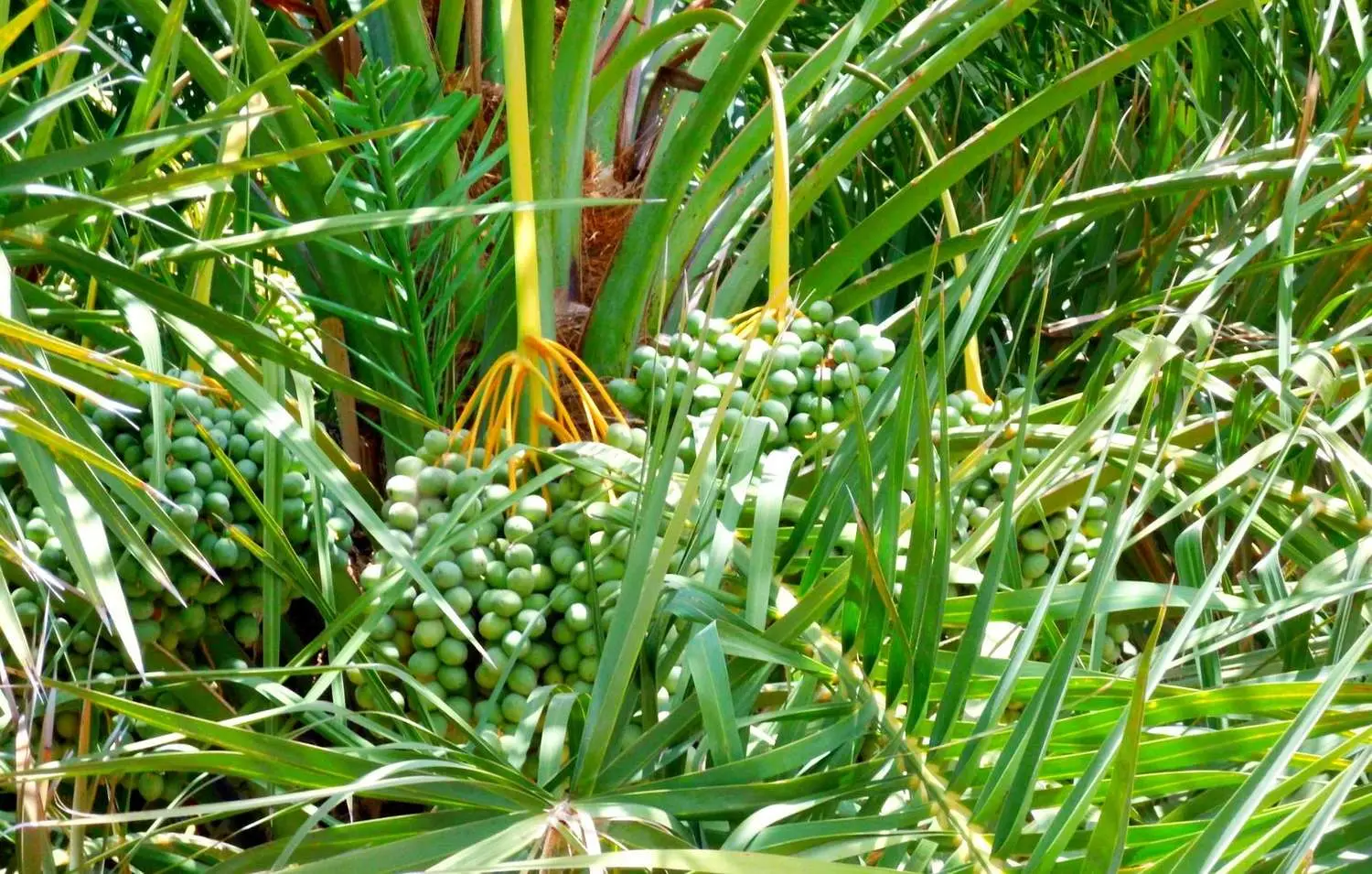
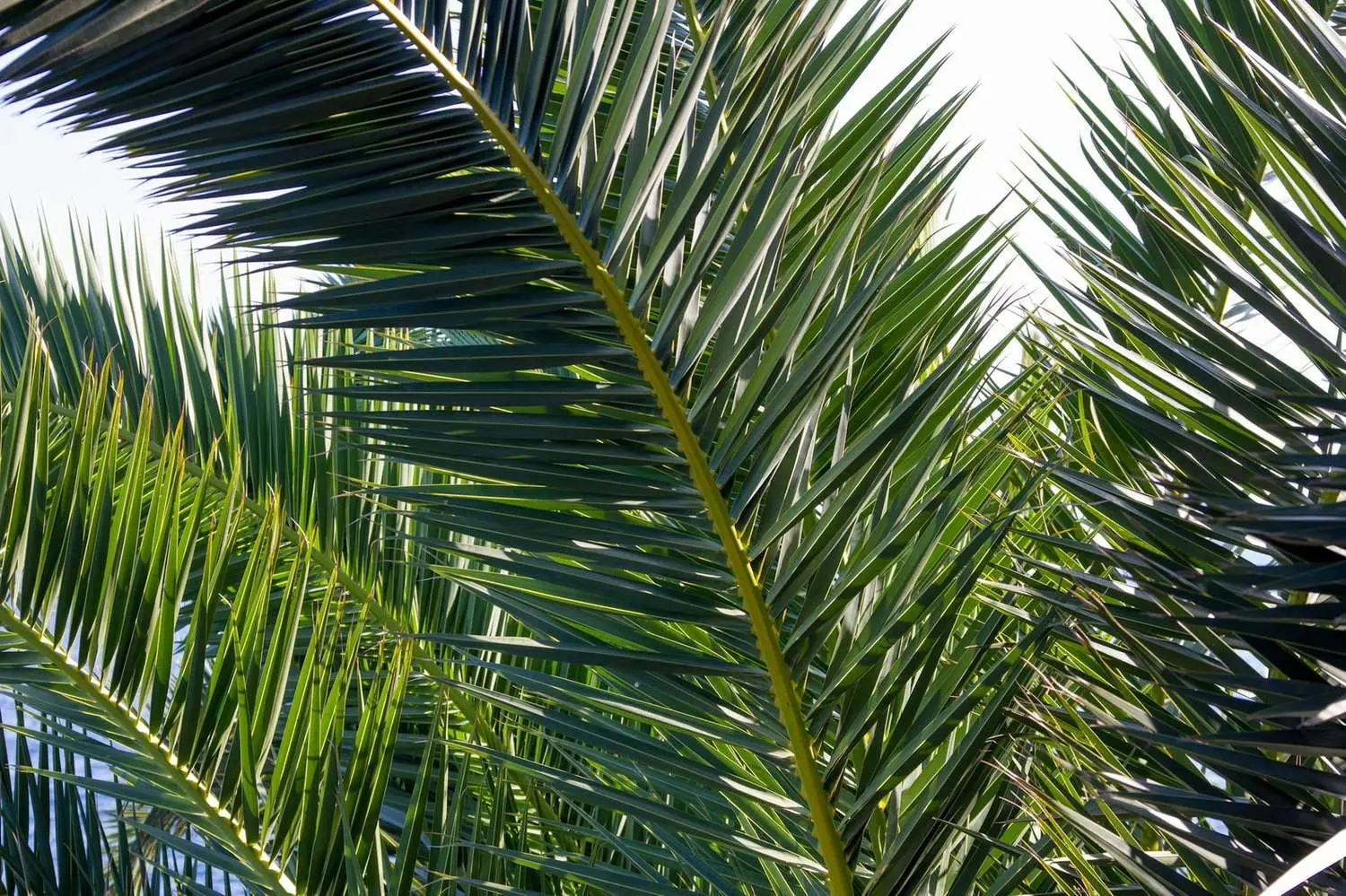
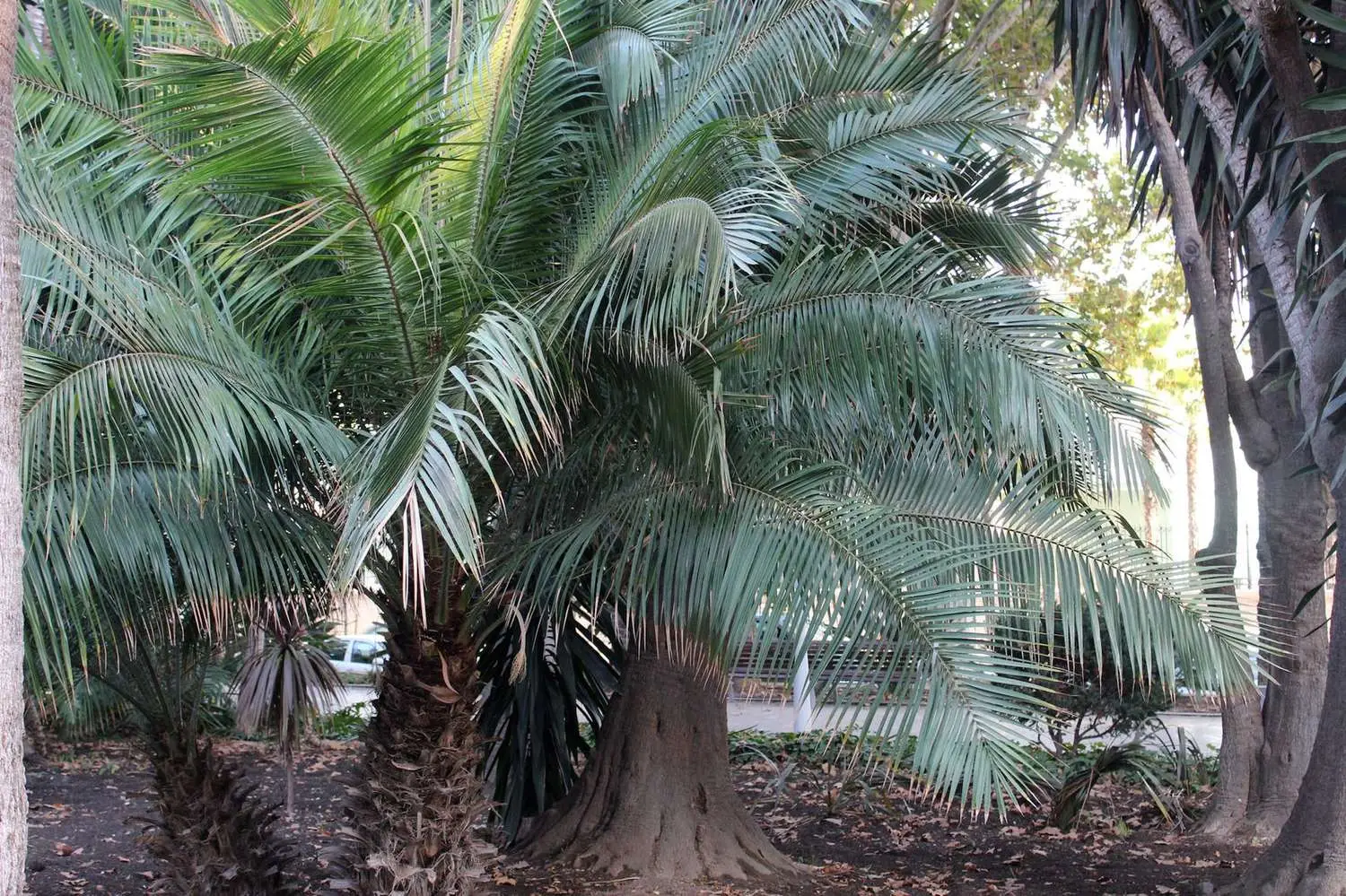
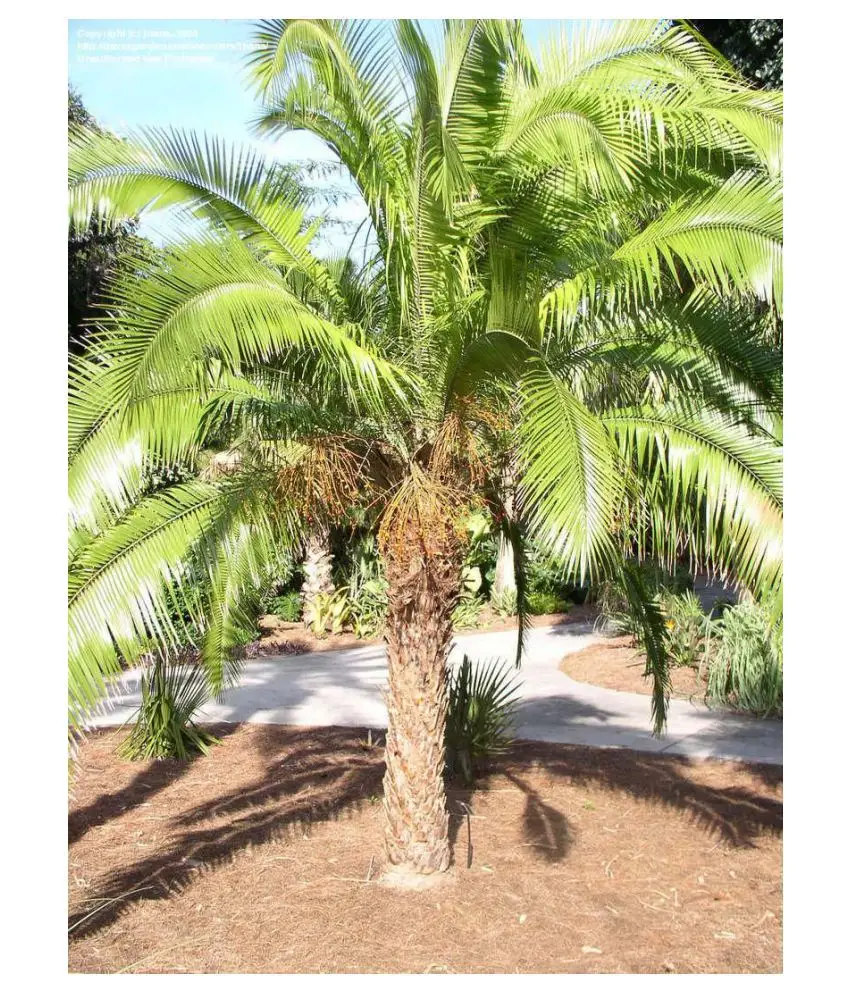
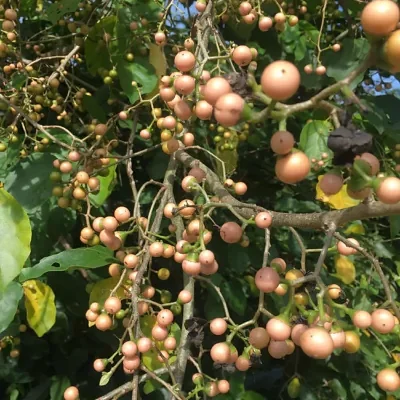
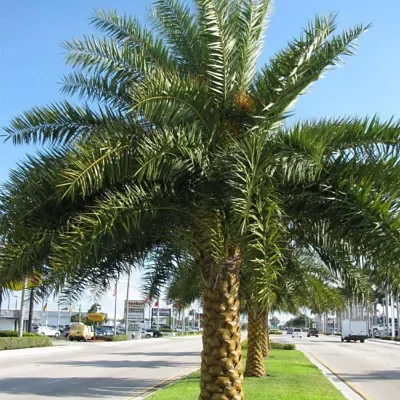
What makes rupicola extraordinary is its unmatched visual grace. The fronds—those magnificent feathery leaves—grow to an impressive 10 feet long and display a botanical anomaly: the leaflets sit nearly vertical, arranged in a single plane along the stem. This creates a graceful, natural twisting and arching form that mimics the elegance of a coconut palm, but with softer, less vicious spines than its date palm cousins. The trunk is clean and slender, shedding old leaf bases to reveal smooth bark ringed with narrow scars—architectural simplicity at its finest. In spring and summer, delicate yellow flowers bloom prolifically, followed by clusters of striking orange-red and purplish-red fruits. Even the berries themselves are showy ornaments on the tree. With its bright, rich green foliage and sculptural form, Phoenix rupicola stands alone as one of the most tropical-looking palms you can cultivate.
Beyond its role as a showstopping ornamental, Phoenix rupicola carries deep cultural significance. In its native Indian communities, the sweet but mealy fruits have been eaten fresh, and the stem pith—the tender heart of the trunk—is traditionally consumed uncooked. Throughout history, local peoples have used this palm to produce sugar, fermented alcohol, and preserves. The fronds themselves were woven into crafts and used as building material. Growing rupicola connects you to centuries of human-plant relationship and resilience. Its ability to thrive in steep, rocky terrain and near-desert conditions also makes it an ally in ecological restoration; it combats soil erosion and can mature to fruit-bearing age in just 4 to 6 years. This is a palm with purpose.
Growing Phoenix rupicola is far easier than its rarity suggests. It’s one of the easiest palms to propagate from seed and tolerates a remarkably wide range of conditions. Prefer full sun for optimal flowering and fruit production, though it can tolerate partial shade—just won’t fruit as reliably. Soil? It adapts beautifully to rocky, sandy, or average soil, provided drainage is good; the palm even thrives in conditions where other tropical plants would sulk. Water generously during establishment and growth, then rely on its built-in drought tolerance once mature. In zones 9–11, it grows vigorously; in cooler climates, container cultivation on patios or indoors (with bright light) works beautifully. Germination from seed is straightforward: soak seeds 24–48 hours, sow in well-draining mix about 1 inch deep, keep soil moist and warm (80–90°F), and wait 2–6 months for the magic to happen. Seedlings grow steadily into elegant, manageable-sized specimens—rarely exceeding 25 feet even at maturity, making rupicola ideal for larger gardens without overwhelming smaller spaces. Unlike sprawling date palms, this Phoenix knows restraint.
You’re holding the seed of something truly rare: a tree that will become the crown jewel of your garden, a living conversation piece that serious plant collectors dream about, a link to Himalayan wilderness and centuries of human cultivation. Grow rupicola from seed, and in a few years, you’ll have created something most gardeners will never own.
Only logged in customers who have purchased this product may leave a review.
Reviews
There are no reviews yet.