
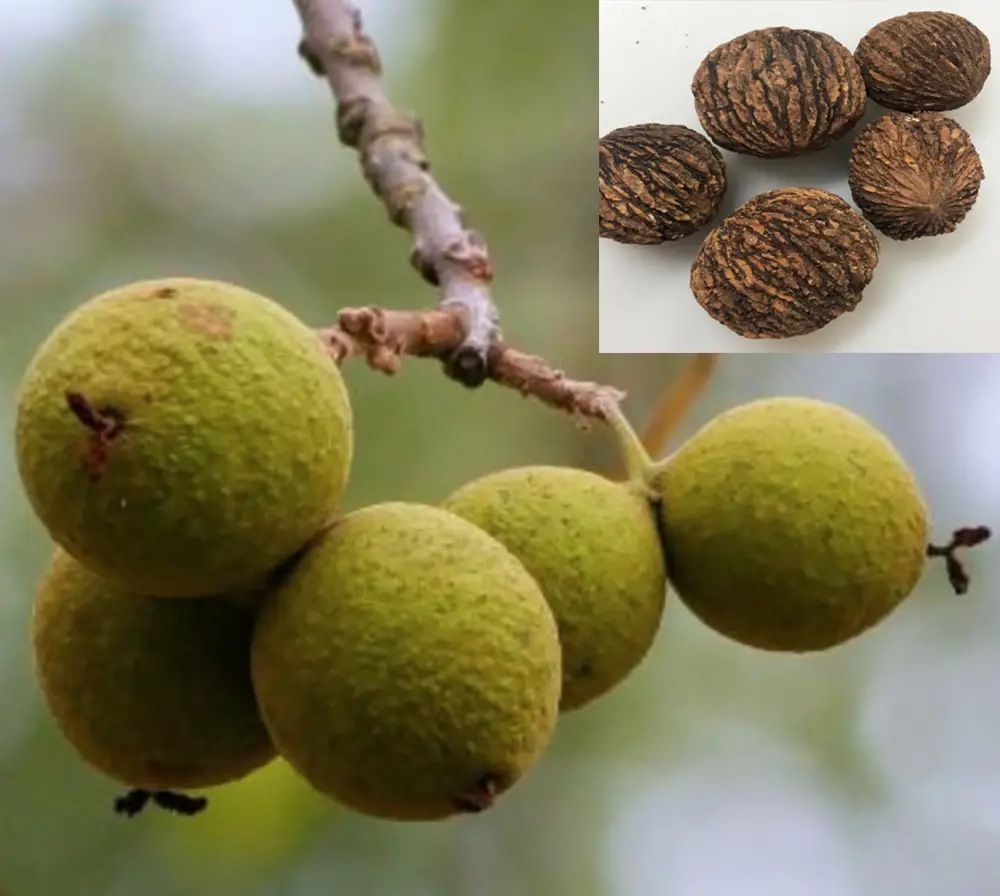
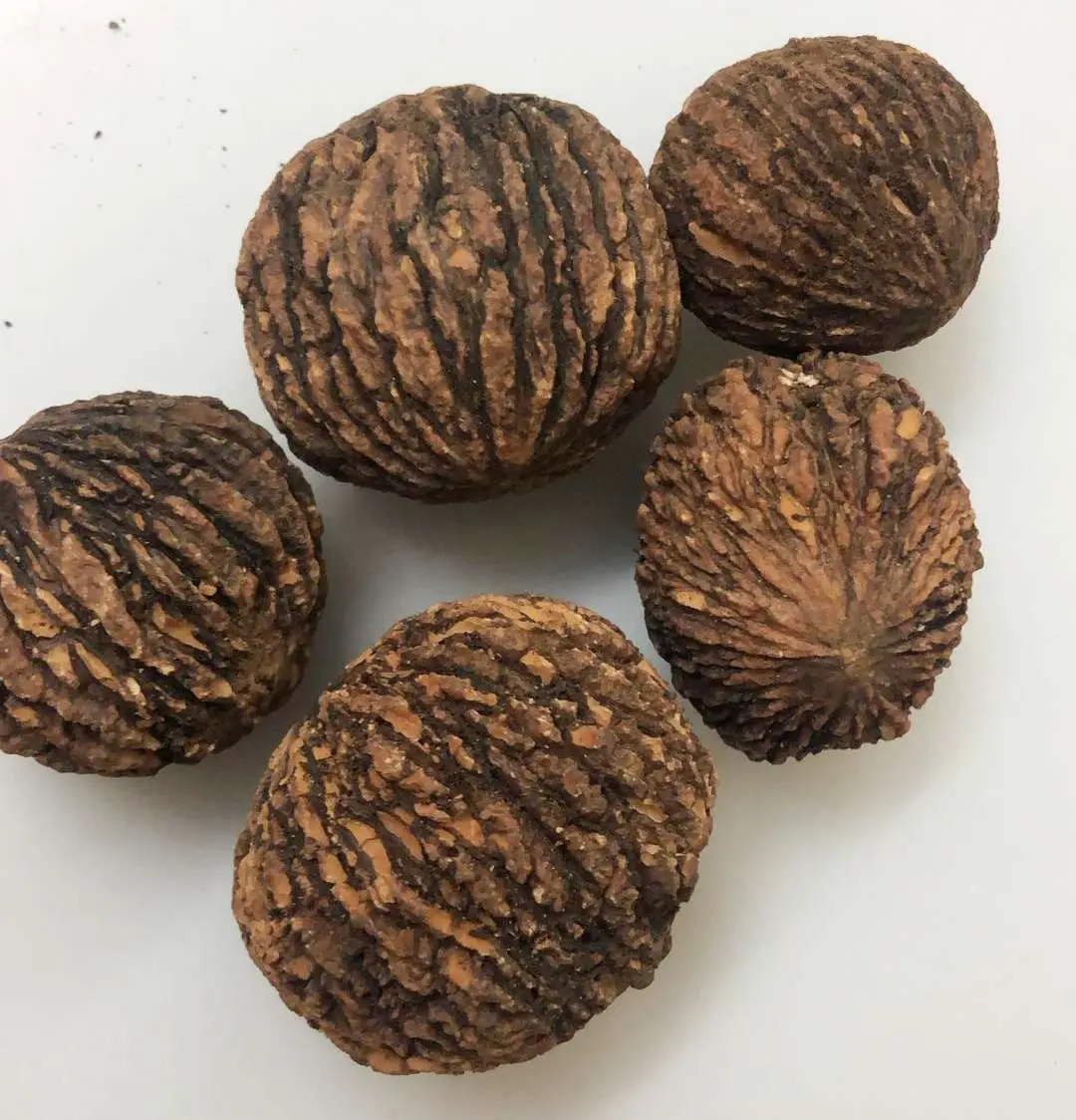
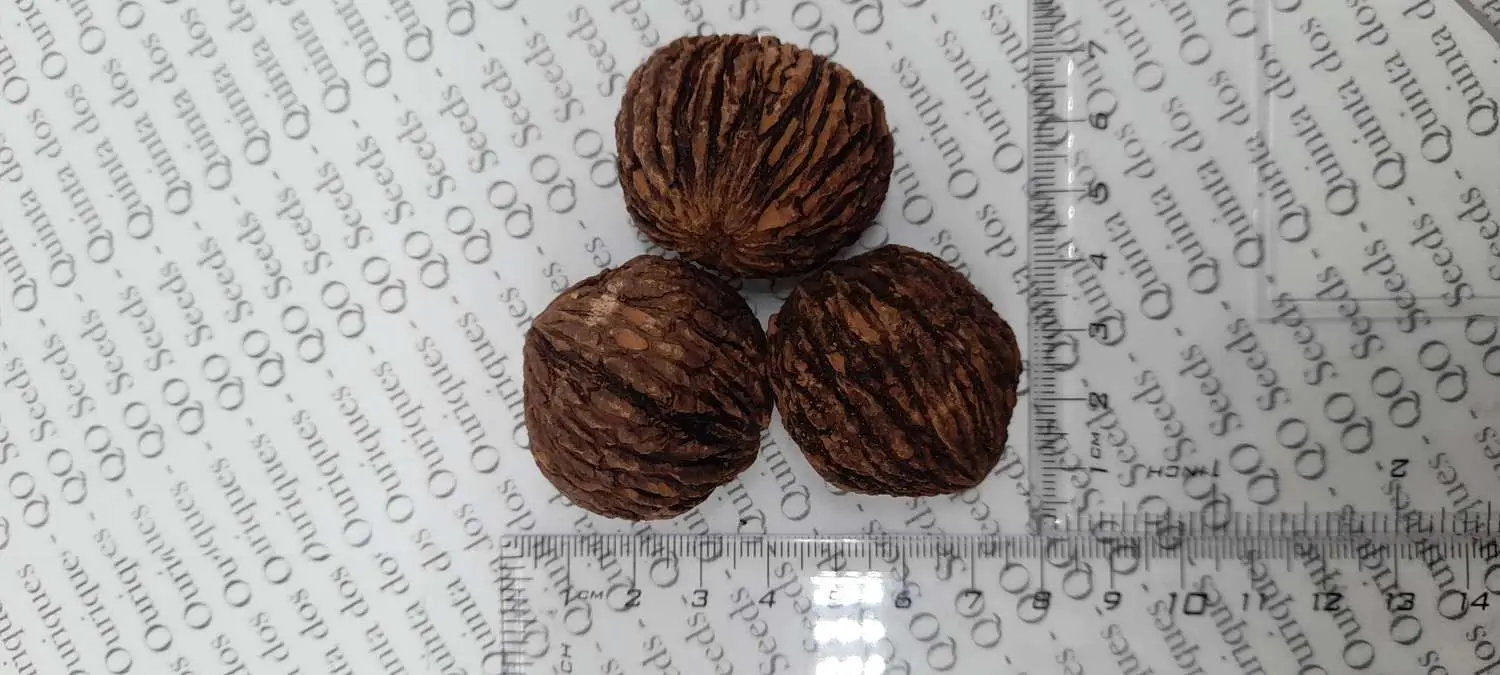
Grow the tree that colonists and indigenous peoples treasured for centuries. Juglans nigra yields the most distinctive, richly flavored walnut kernel—earthy, robust, unforgettable in ice cream, baked goods, and gourmet cooking. Yes, the shell is legendary for its toughness, but that’s precisely what makes your harvest precious. Plant now from seed; watch this majestic 50–100ft native beauty mature into a powerhouse of culinary abundance, timber value, and
€14.55
The nut of Jupiter demands patience and reverence—and rewards you with flavors that define luxury.
Juglans nigra, the Eastern Black Walnut, is native to the riparian forests of central and eastern North America, stretching from southern Ontario and Michigan to Texas and Florida. For millennia, indigenous peoples relied on this tree as a cornerstone of survival and feast alike. Early settlers recognized it immediately: here was nutrition, medicine, timber, and dye all wrapped in one towering native. Today, black walnut timber commands prices that have spawned legend (“walnut rustlers” have stolen trees under cover of night); the nuts remain the most valuable and distinctive wild nut of North America after the pecan.
BUT THE REAL MAGIC IS THE NUT. Black walnut produces a large, round, lime-green fruit containing a hard-shelled treasure with a flavor unlike any other walnut. Sweet, earthy, robust, intense—the kernel is prized for artisan ice cream, holiday baking (cakes, cookies, fudge), confections, and sophisticated savory dishes from pork to pasta. One handful elevates an entire meal. The flavor is so distinctive that professional pastry chefs seek them out. Unlike the mild English walnut crowding grocery store shelves, black walnut kernel announces itself with authority. It’s been used to flavor candies, ground into unique flour, incorporated into soups and stews, and even unripe green nuts have been pickled into a Worcestershire-like condiment. Indigenous nations crushed and boiled the nuts into nutritious beverages; early settlers ground them into meal for winter baking. The nut meat is exceptionally rich in protein, fiber, healthy fats, and minerals. Yes, the shell is formidably hard—which is exactly why your harvest will store perfectly for years, and why the reward of cracking into that kernel feels earned and triumphant.
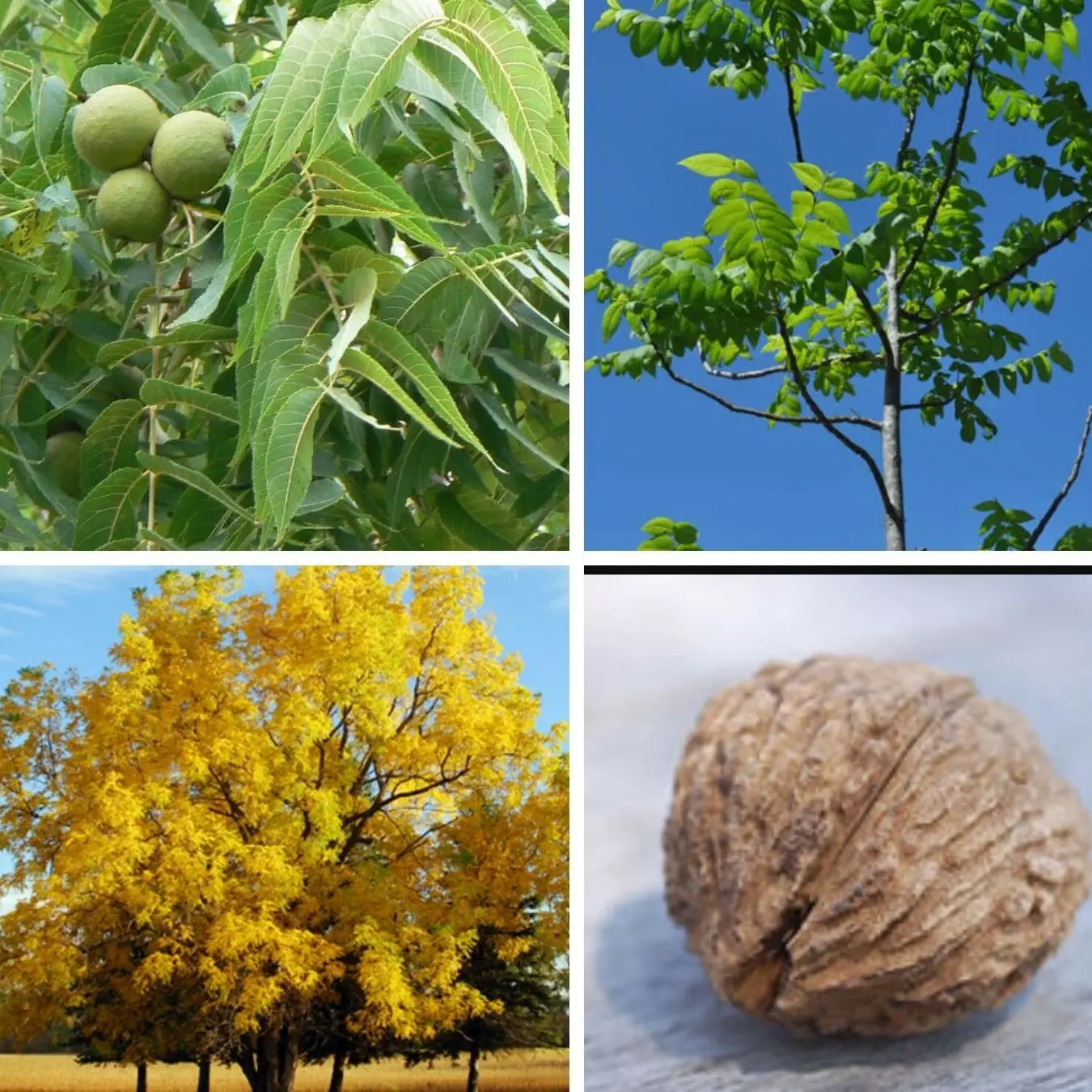
Growing black walnut is a long-term commitment but manageable for patient growers. The tree thrives in full sun and moist, well-drained, fertile soil with neutral to slightly acidic pH. It is hardy to zone 3–4, making it cold-tolerant across most of North America. Nut production typically begins around 10–20 years and peaks around 30 years—but the wait is part of the ritual. The tree grows rapidly, reaching 50–100 feet at maturity with a spreading crown in open conditions. Its large, fernlike compound leaves (up to 2 feet long with 15–23 leaflets) emerge late in spring with a soft yellow-green tone, then transform into brilliant clear yellow in autumn. The bark is deeply furrowed into diamond patterns, dark and rugged, giving mature specimens the presence of an elder. Beneath the canopy, light filters through in an airy, architectural way. The tree is notably disease-resistant and requires minimal intervention once established. Propagation from seed is straightforward: nuts are best sown in fall or spring (spring seeds need 60–120-day cold stratification). Protect seedlings from squirrels—they recognize excellence when they see it—and ensure good weed management during early establishment.
Plant a black walnut now and you’re planting legacy. In three decades, you’ll crack open your own nuts with pride. Your great-grandchildren might still be harvesting from this tree, grinding its flour, infusing its distinctive taste into their own culinary stories. Every autumn, as those green husks turn black and drop, you’ll understand why settlers carved space for this tree around their homesteads. You’ll know why indigenous peoples considered it sacred. You’ll taste why walnut rustlers exist. This is not just a tree—it’s an heirloom.
Only logged in customers who have purchased this product may leave a review.
Reviews
There are no reviews yet.