
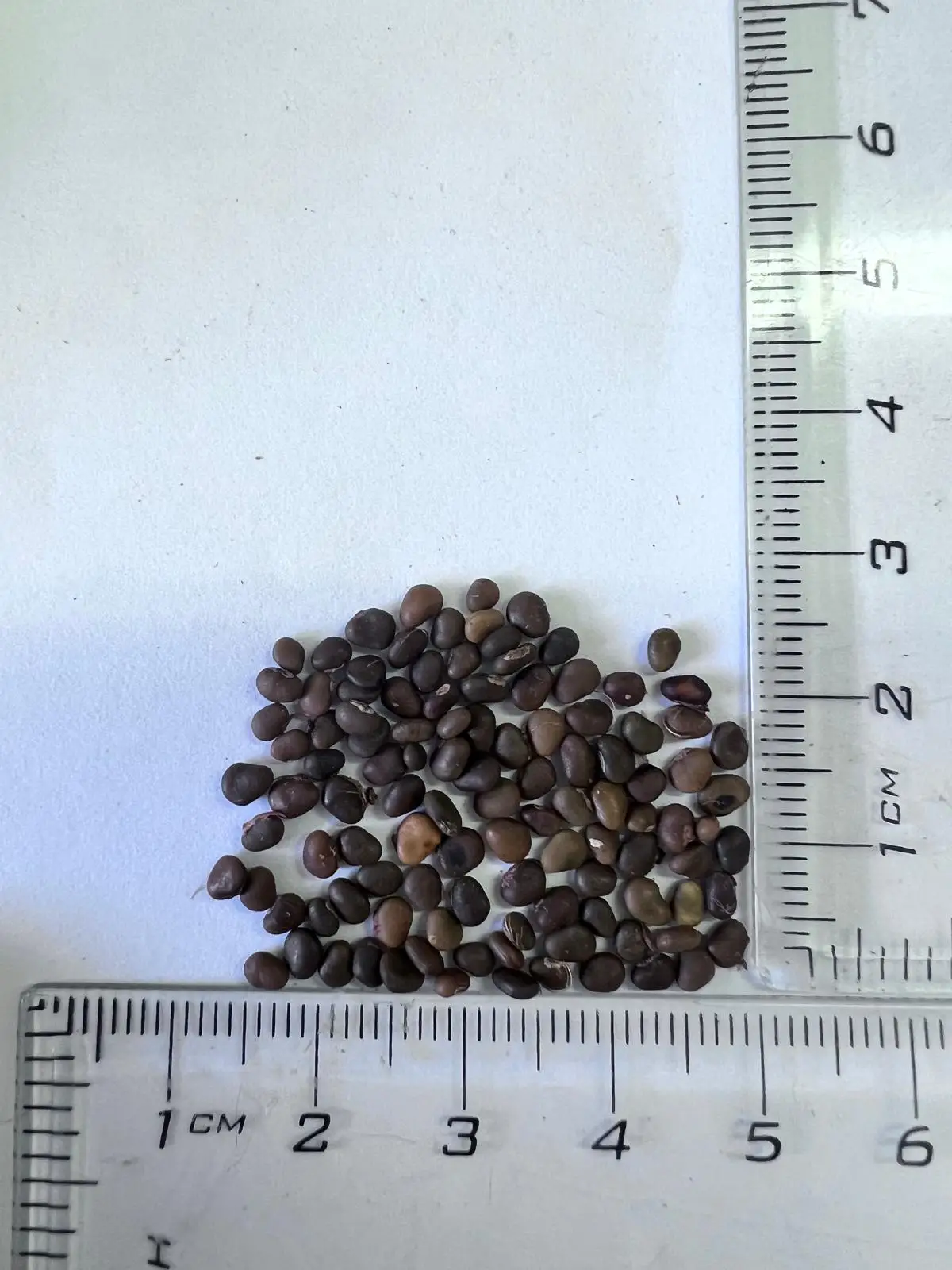
The lemonadiest and most vinegary of edible shrubs, Staghorn Sumac’s juice can be used as a substitute for vinegar or lemon juice. The dried and ground berries are a staple in Middle Eastern cuisine, known as sumac spice, used to add a tangy, lemony flavor to dishes. This resilient species thrives under varying conditions and even in dryish soils where others struggle. Start fro
€1.92
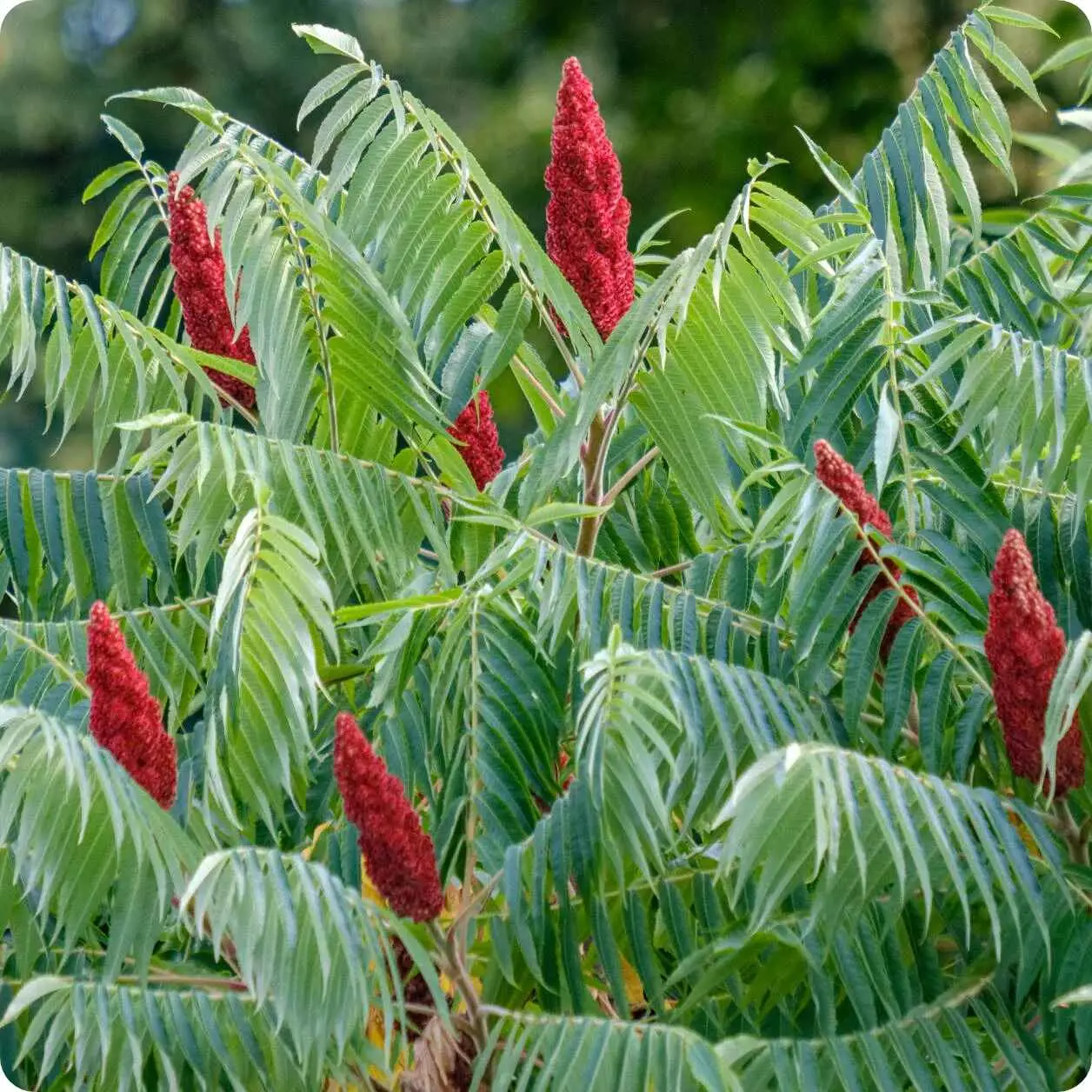
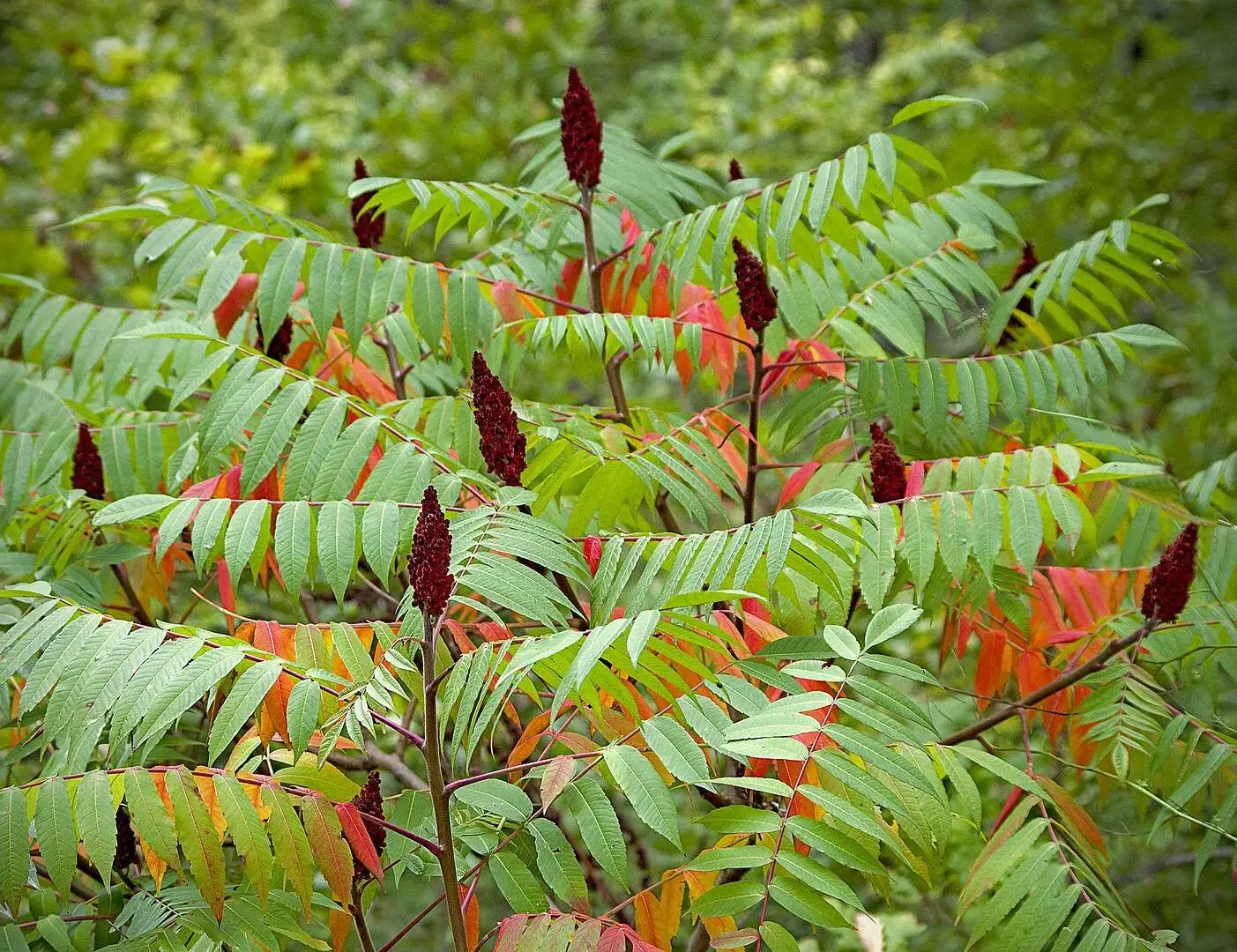
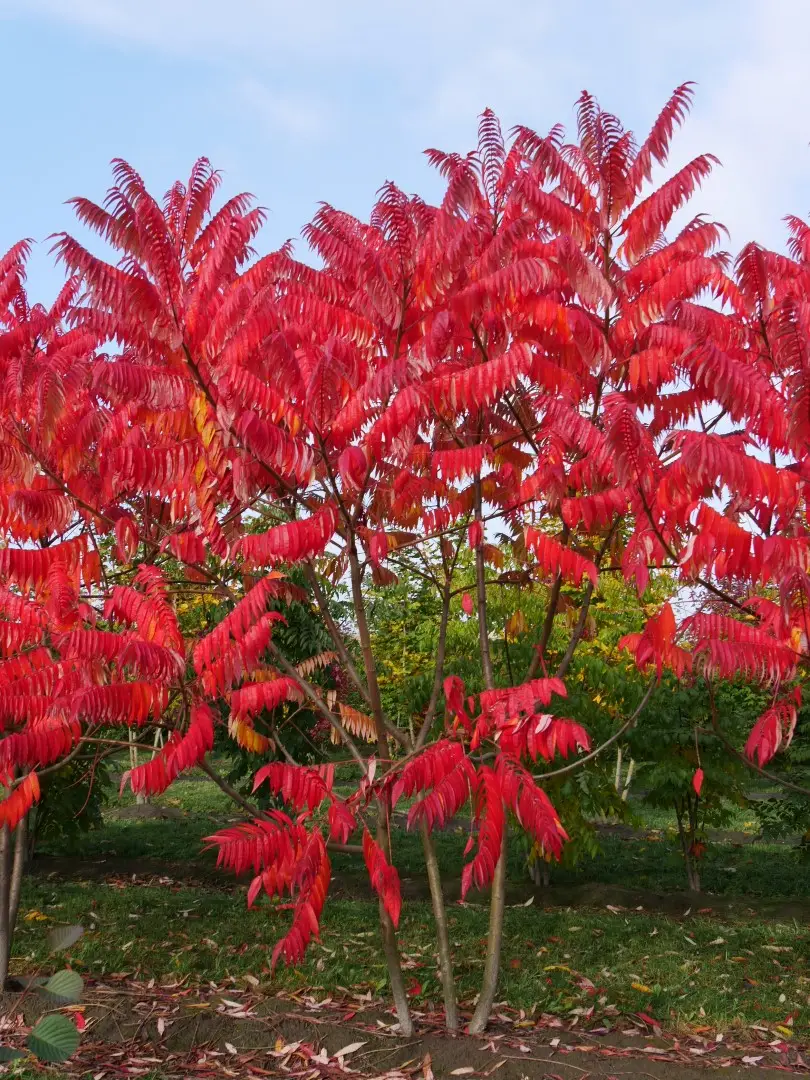
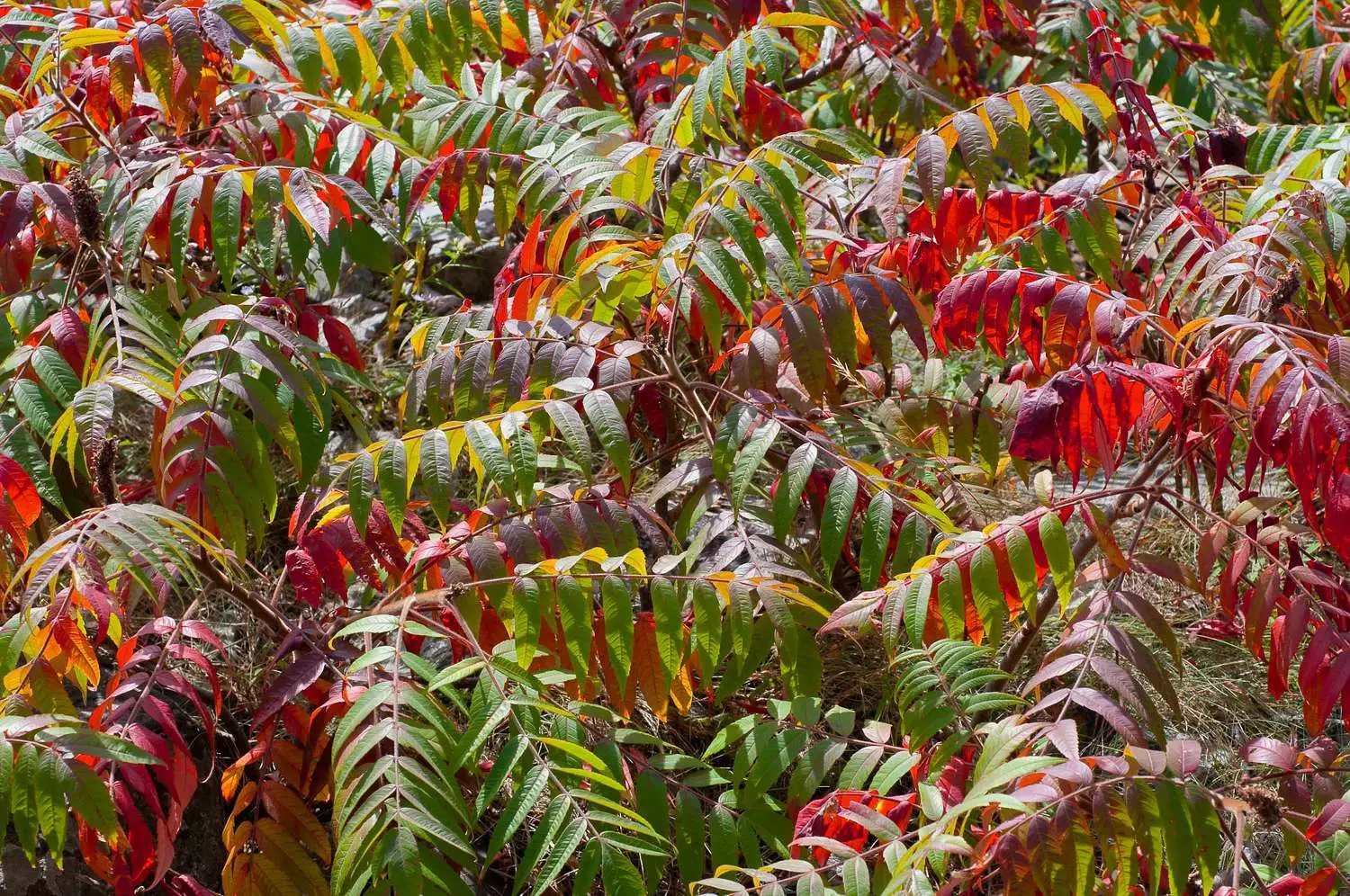
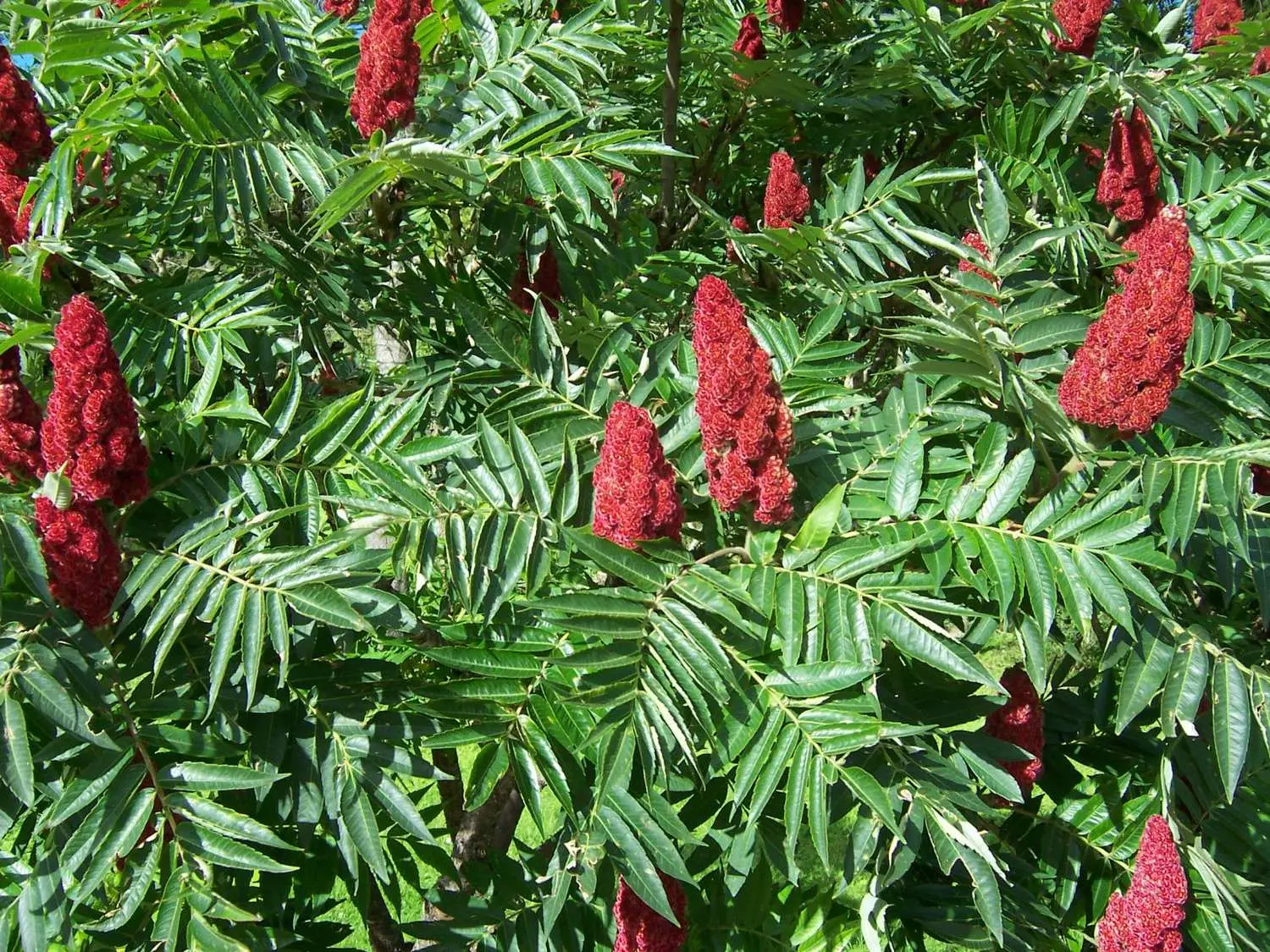
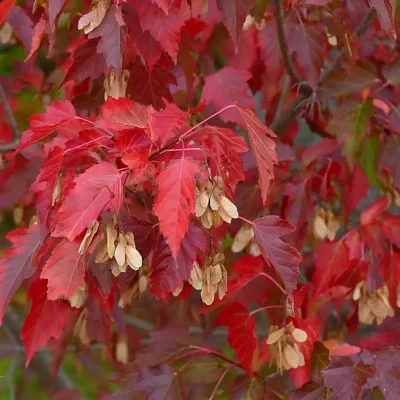
Staghorn Sumac is a native shrub to small tree known for its spectacular autumn display of scarlet, orange, and yellow leaves and fuzzy crimson fruit clusters that endure through winter.
Native to North America, found across a broad range of habitats including woodland edges, roadsides, and disturbed areas, this plant earned its striking name from the velvety texture and the forking pattern of the branches, reminiscent of antlers. What makes Rhus typhina truly exceptional, however, is not its beauty alone—it’s what grows on those velvet branches: a treasure trove of culinary possibility.
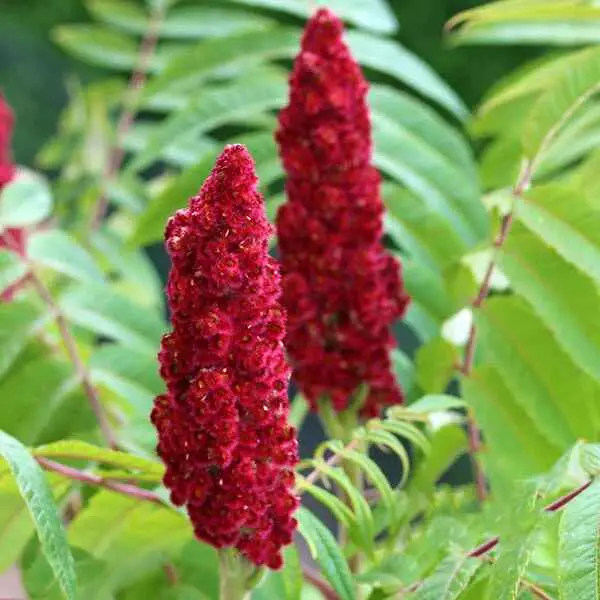
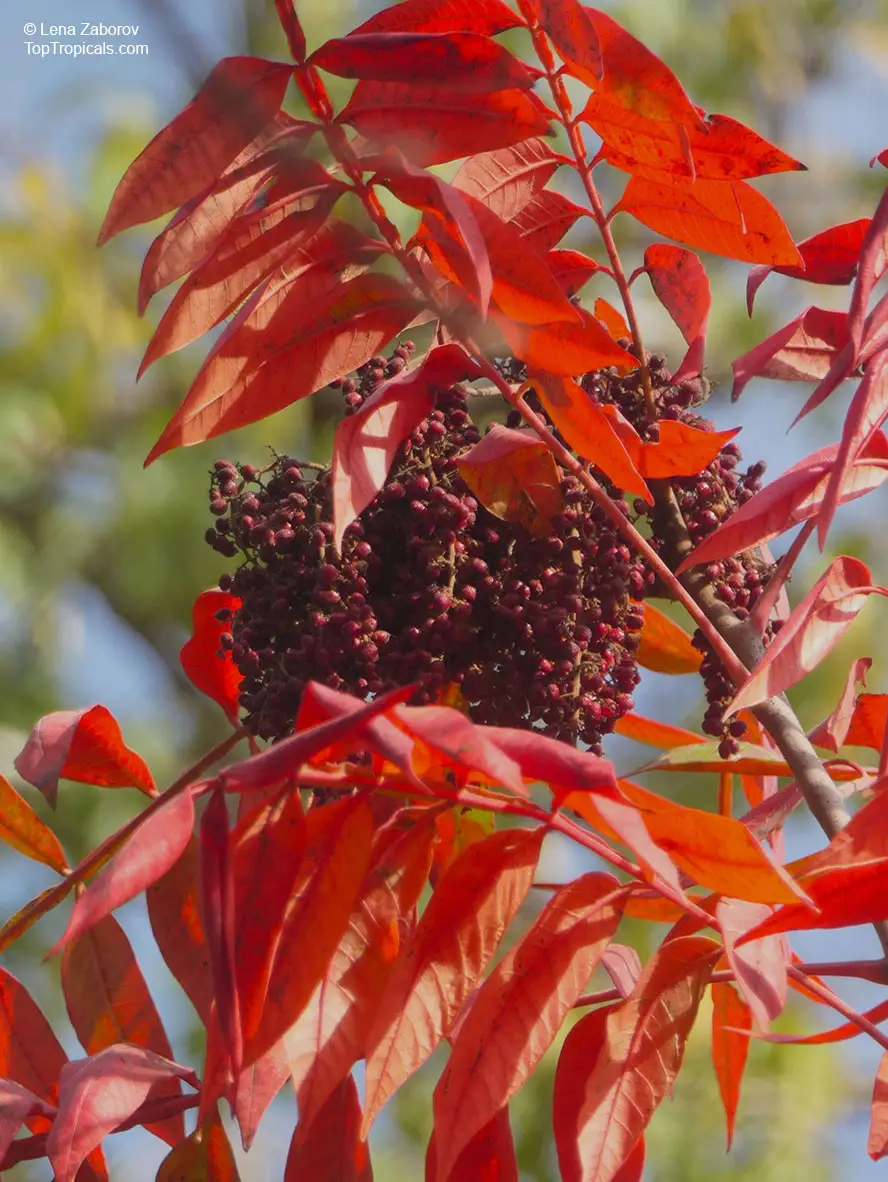
The dried and ground berries are a staple in Middle Eastern cuisine, known as sumac spice, used to add a tangy, lemony flavor to dishes. It’s often sprinkled over salads, meats, and hummus. Staghorn sumac is the “lemonadiest” and most vinegary of edible and medicinal shrubs. Staghorn sumac has been called the vinegar tree and the lemonade tree as its juice can be used as a substitute for vinegar or lemon juice. The fruit can be soaked and washed in cold water, strained, sweetened and made into a lemonade-like drink called sumac-ade. The drink extract can also be used to make jelly. Beyond beverages and spices, you can use them ground up in recipes calling for sumac or as a component of the spice blend za’atar (wild sumac, thyme and sesame seeds). The berries are high in Vitamin C and have incredible amounts of antioxidants, making them a wonderful healthful food. Imagine harvesting your own summer-bright red fruit clusters—each drupe is coated in a fine layer of tart, lemony-flavored hairs, which is where the culinary value lies—and bringing that distinctive, vibrant tartness into your kitchen year-round.
Rhus species are hardy, drought-tolerant shrubs or small trees that thrive in dry, hot environments. They tolerate poor, rocky, and well-drained soils and do well in alkaline or slightly acidic soils. Staghorn Sumac is hardy in USDA zones 3-8 and can withstand harsh environmental conditions, including drought, poor soils, and urban pollution. This is a plant that asks little and gives abundantly. It grows quickly—generally pest and disease-free, and drought-tolerant—making it perfect for both seasoned gardeners and those just beginning to explore growing food from seed. Plant in full sun to part shade, water moderately until established, then step back and let this resilient native do what it does best. Female plants produce a tight cluster of tiny berry-like fruits known as drupes in late summer and early fall. These fruits have a dense covering of hairs, just like the branches. You’ll know when they’re ready: in late summer or early fall, clip the entire berry cluster just before peak ripeness, ideally after several dry days to ensure maximum flavor. Avoid harvesting after rain, as the tangy coating will be diluted.
Grow this tree from seed and in just a few seasons you’ll have a living spice rack at your door, a plant that feeds your kitchen, your bees, and your local birds all at once. This is not just gardening—it’s culinary self-sufficiency, wrapped in scarlet foliage and velvet branches.
Only logged in customers who have purchased this product may leave a review.


Reviews
There are no reviews yet.