Description
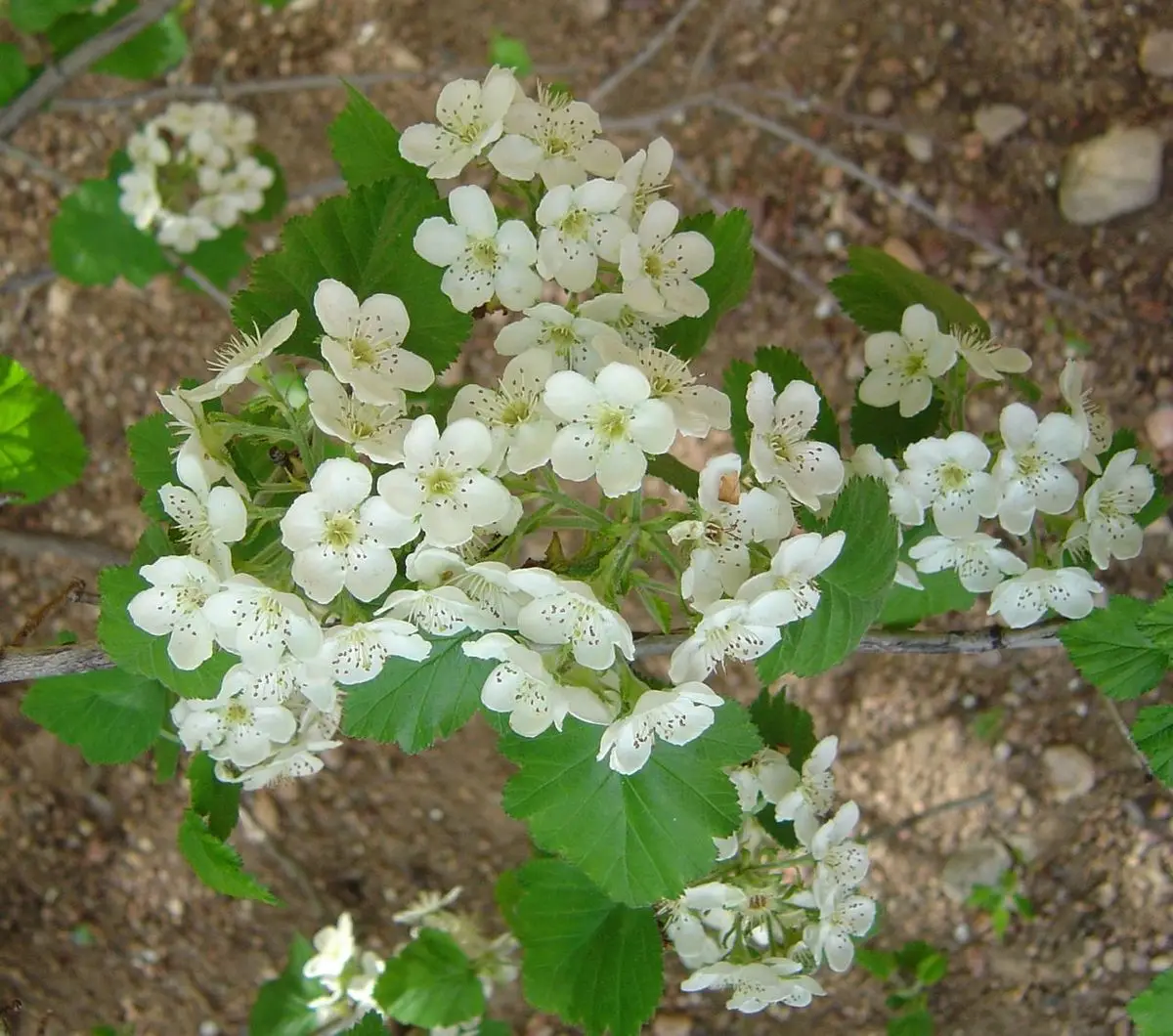
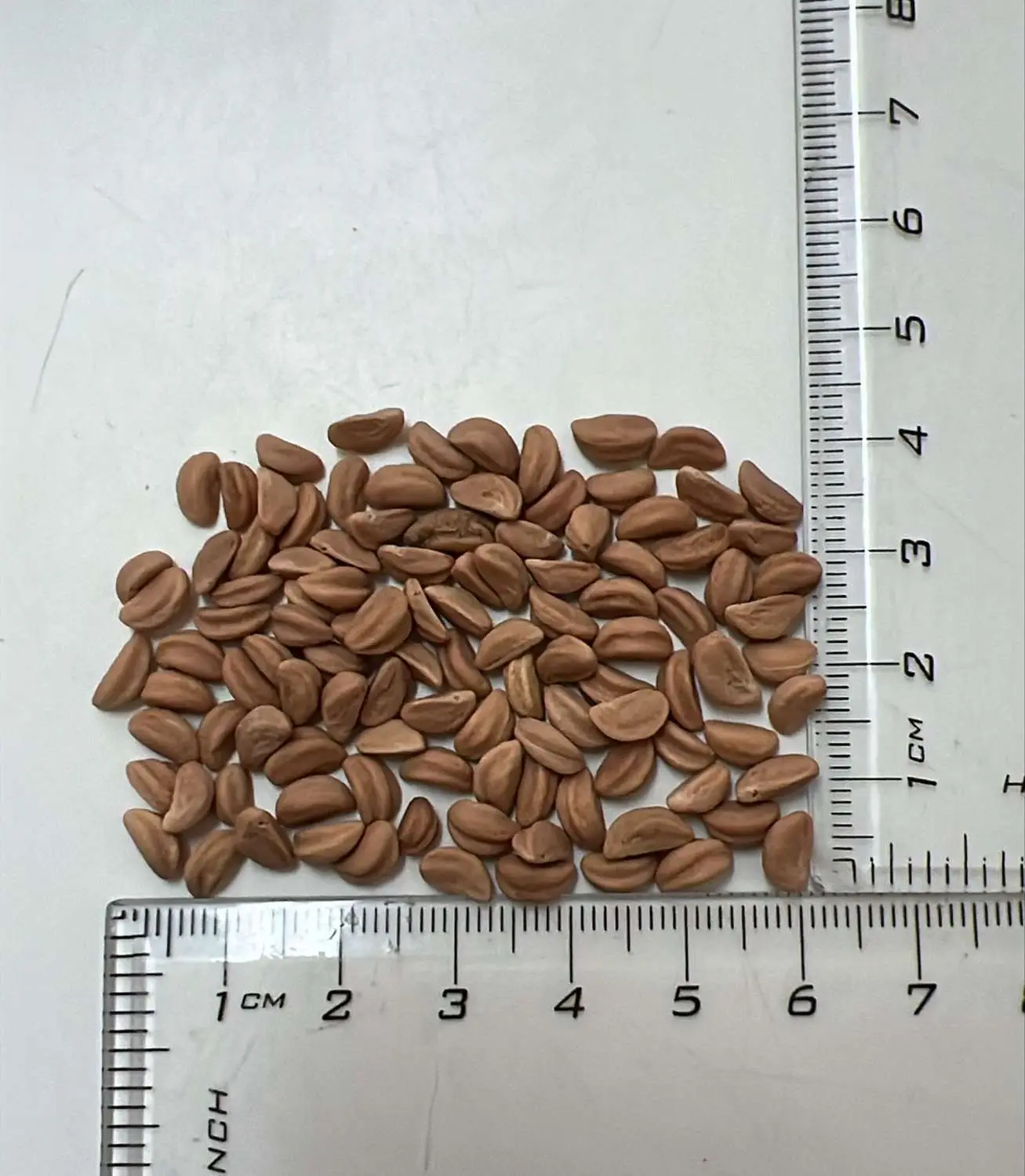
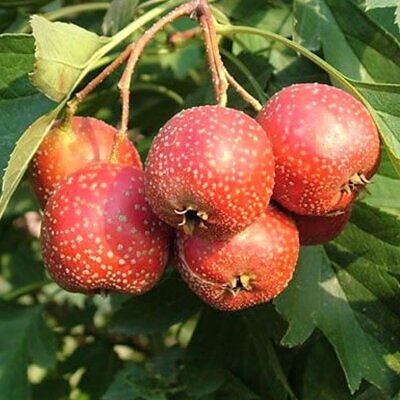
Crataegus mollis, or downy hawthorn, seeds are found inside the plant’s distinctive, bright red berries, known as “haws.” These seeds, or more accurately, “pyrenes” or “nutlets,” are small, hard, and typically a few millimeters in length. Each haw can contain up to five seeds. The seeds are known for having a double dormancy, which means they have both an internal embryo dormancy and a hard seed coat that is impermeable to water. This double dormancy makes them difficult to germinate without proper pre-treatment.
To successfully germinate Crataegus mollis seeds, they require a specific process of scarification and stratification. Scarification, which involves breaking or abrading the hard seed coat, is necessary to allow moisture to penetrate. This is followed by a period of “warm stratification” to break the internal dormancy and then a “cold stratification” period to mimic winter conditions, triggering germination. Because of this complex dormancy, the seeds can take a long time to sprout, sometimes not germinating until the second spring after they were sown.
Germination Guide
🌍 Eastern North America from southeastern North Dakota east to Nova Scotia and southwest to eastern Texas
Very Difficult
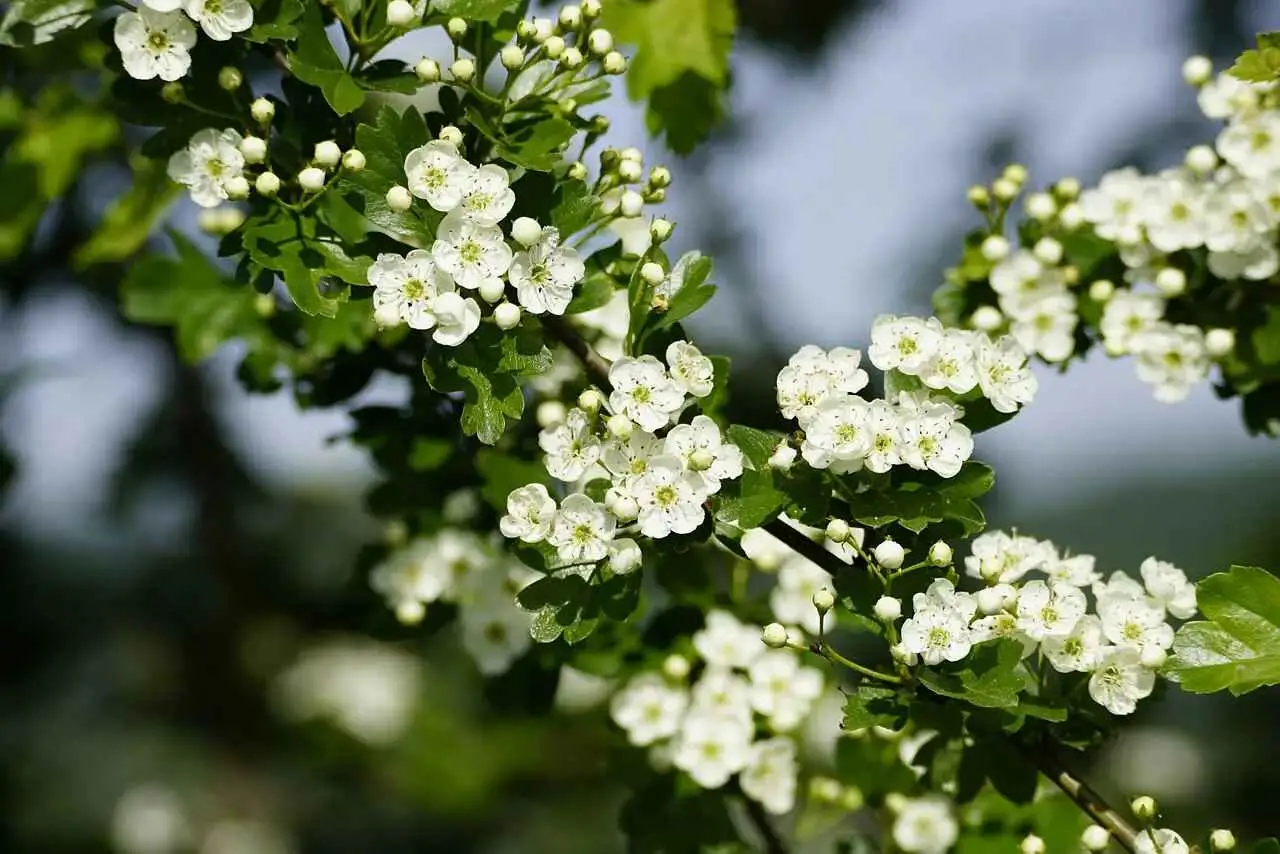
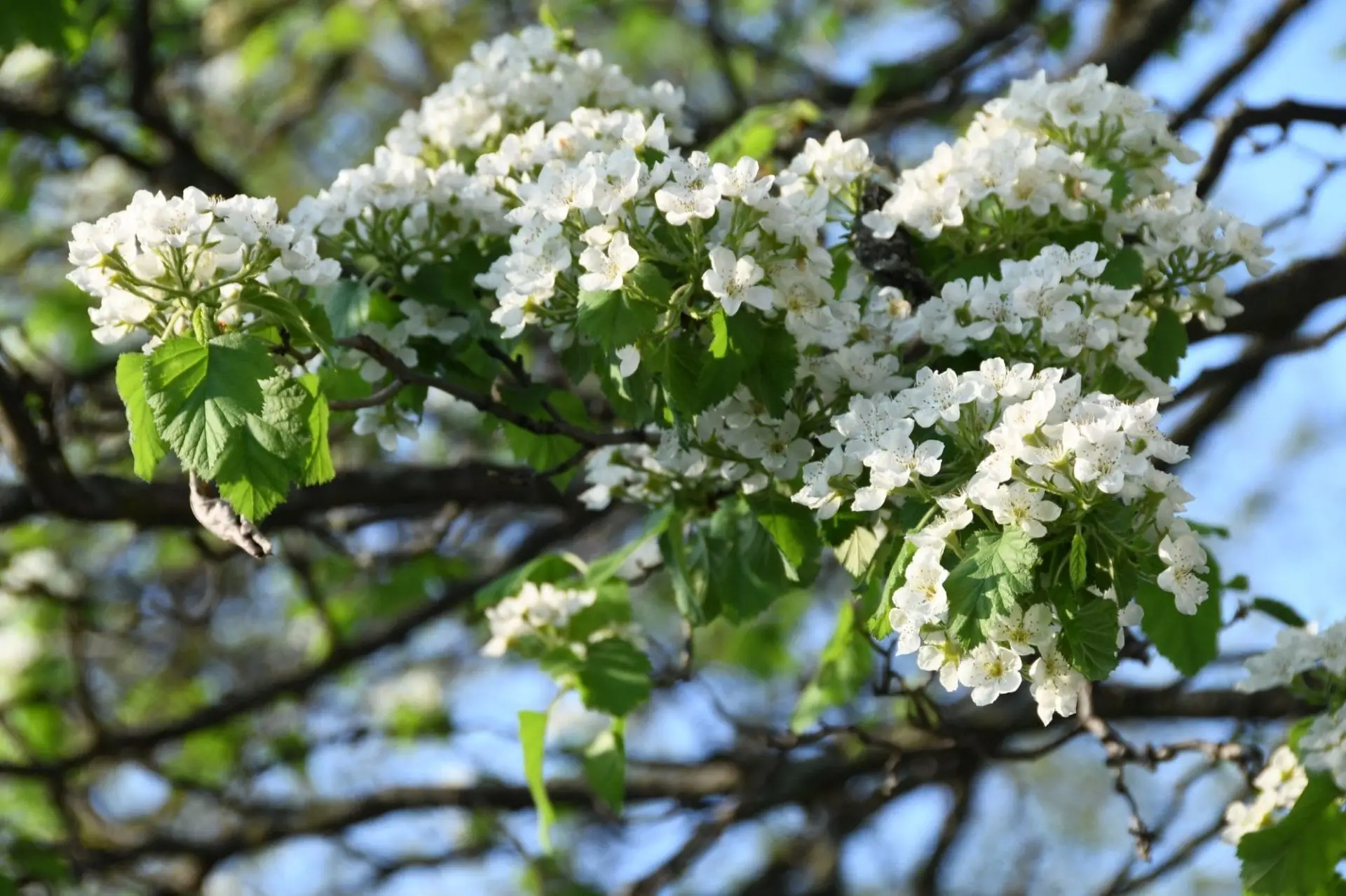
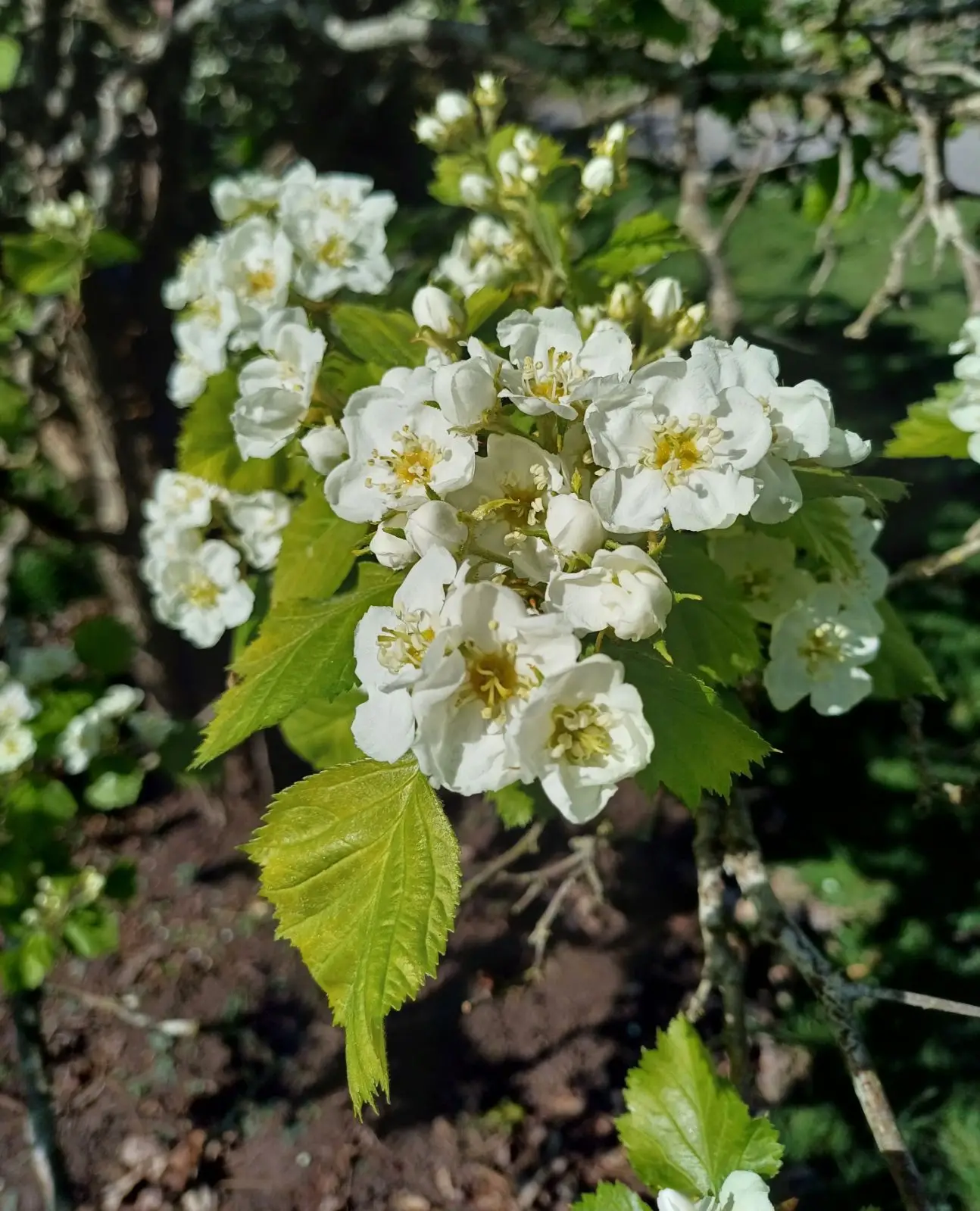
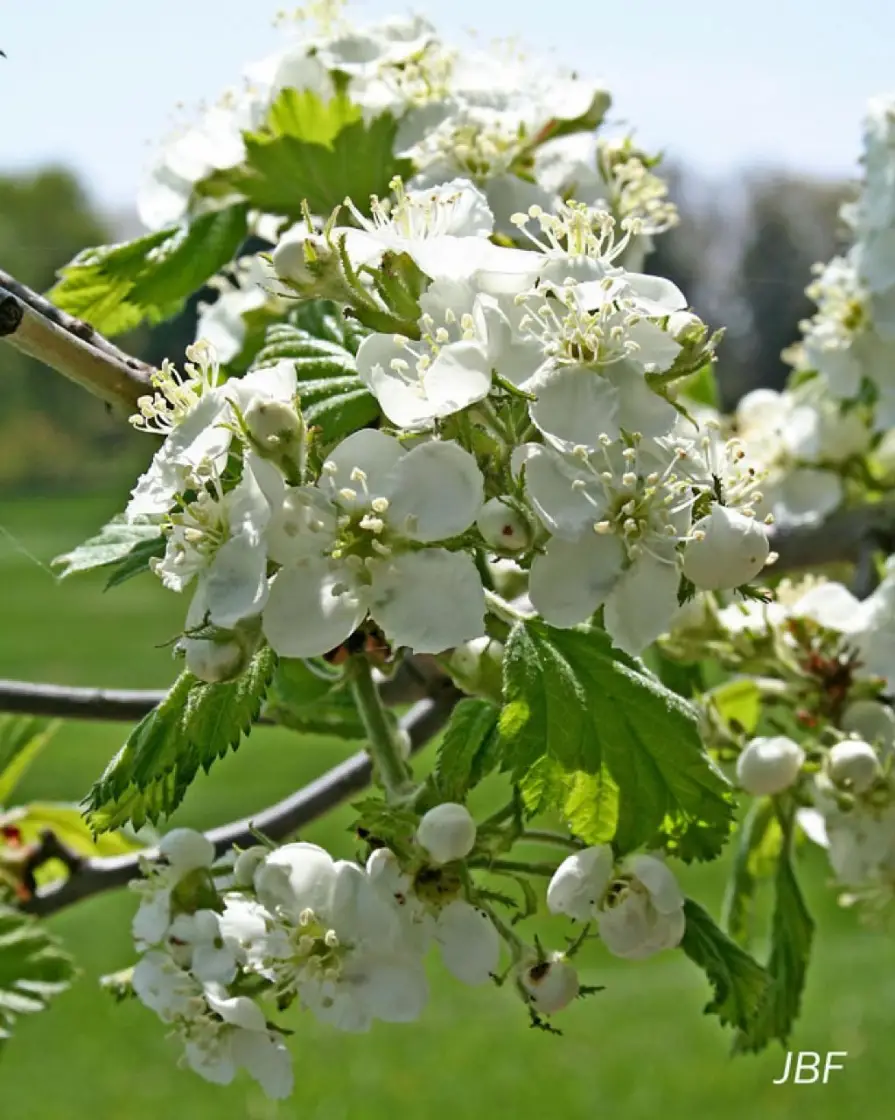
Crataegus mollis, commonly known as Downy Hawthorn or Red Hawthorn, is a native deciduous tree of eastern North America valued for its ornamental white flowers, edible red fruits, and wildlife habitat. Seeds exhibit complex dormancy requiring both warm and cold stratification periods. Germination can be slow and erratic, often taking 18 months or longer even after proper pretreatment.
Germination
Germination time
Expect germination in
30 – 540 days
Temperature
Min 2°C
Ideal 20°C
Max 22°C
🌡️ Temperature alternation recommended
— Temperature fluctuations during stratification can improve germination results. Natural temperature fluctuations during winter storage in a cold location are beneficial
Light
🌑 Darkness required
Substrate moisture
💧 Medium
Seed Pre-treatment
-
💧
Soaking — 24 hours
Submerge seeds in room temperature water and leave to soak for 24 hours prior to stratification
-
❄️
Warm then cold stratification — 180 days at 18°C
-
📋
Additional notes
Remove pulp from fruit and allow seeds to dry for 3 days before stratification treatment
Substrate & Container
Recommended substrate
Moist peat moss, moist sand, or well-draining seed compost
Recommended container
Pots, seed trays, or cold frame
Growing Tips
Warm stratify at 18-22°C for 60-120 days, then cold stratify at 2-4°C for 120-135 days. Seeds that don't germinate after first stratification cycle should be put through another warm-cold period. Sow at 1cm depth, keep substrate moist but not waterlogged, and maintain darkness during stratification. Temperature fluctuations and natural winter storage in a cold location improve results. Seeds may germinate over multiple years (up to 5 years post-sowing). Fresh fruit processing (pulp removal and drying) before stratification improves success rates.
Only logged in customers who have purchased this product may leave a review.


Reviews
There are no reviews yet.