Description
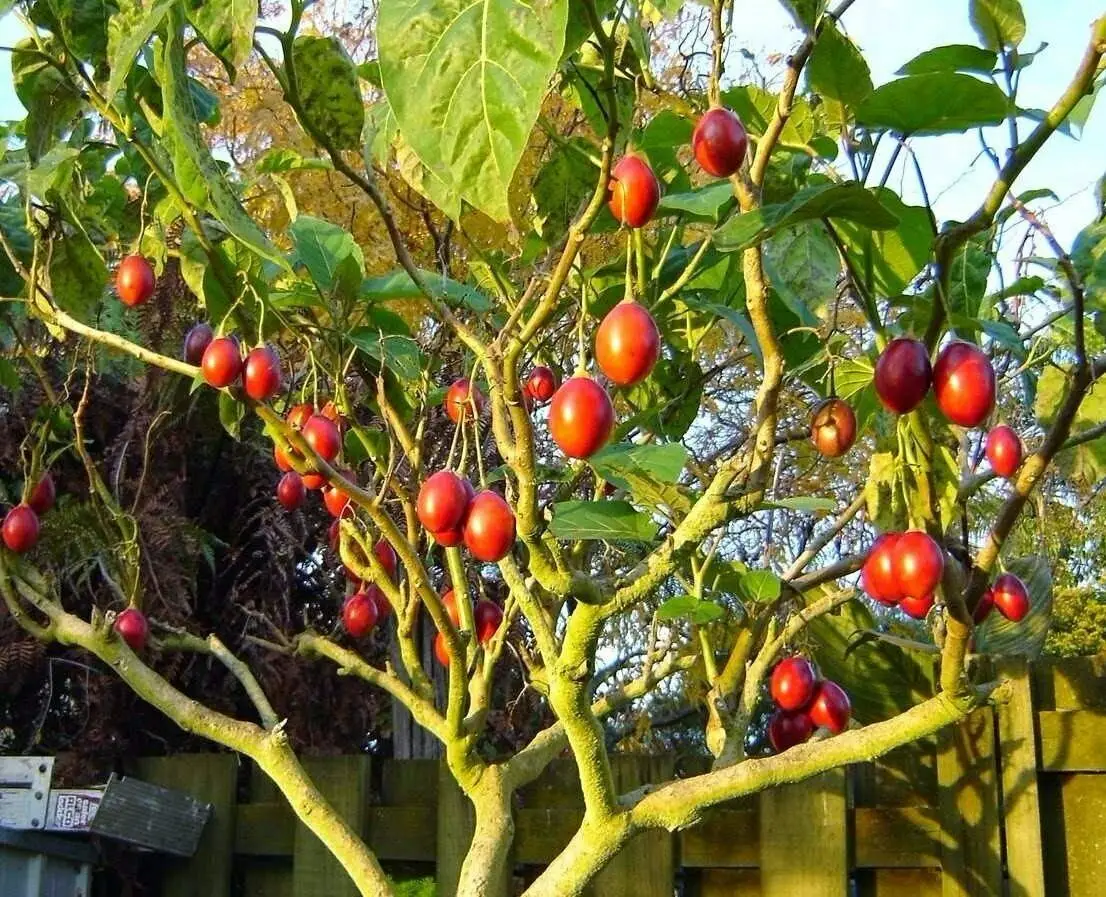
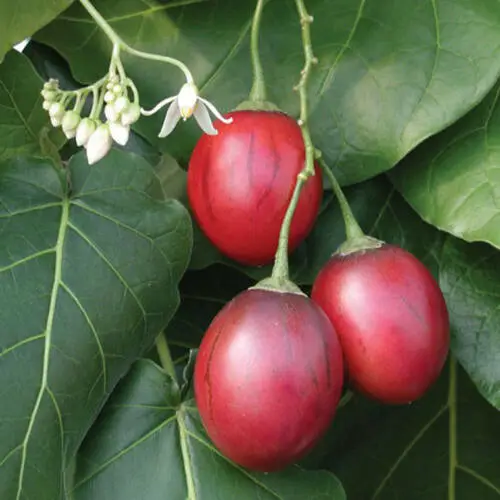
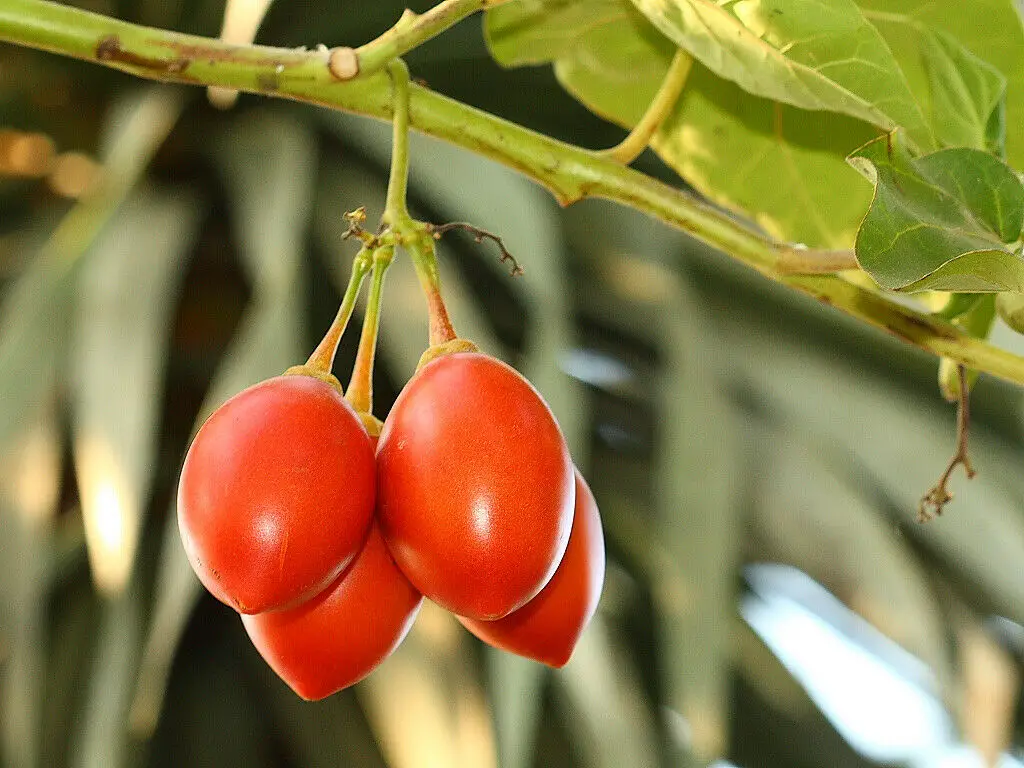
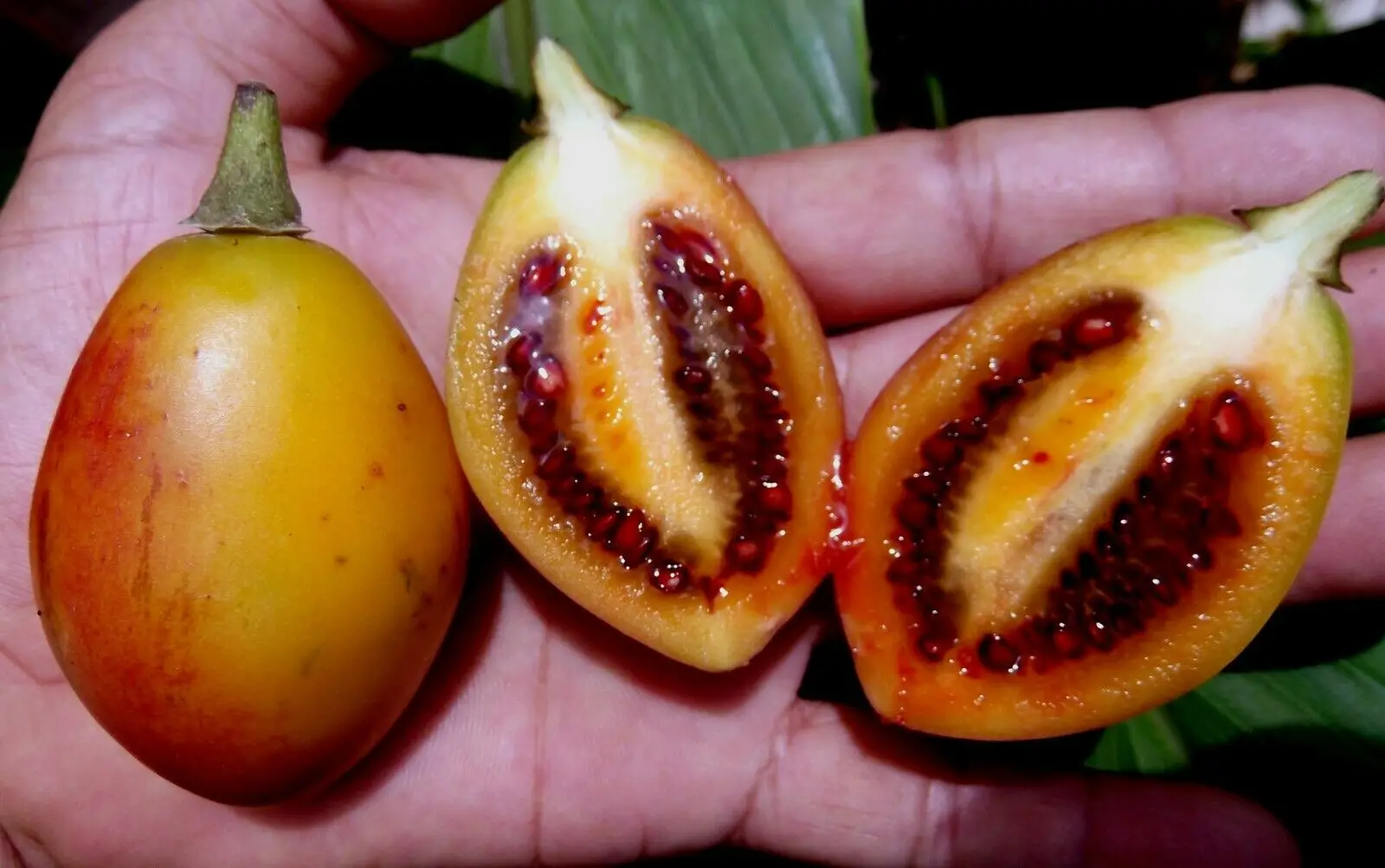
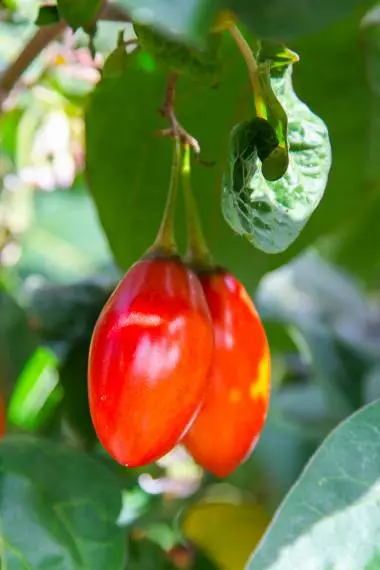
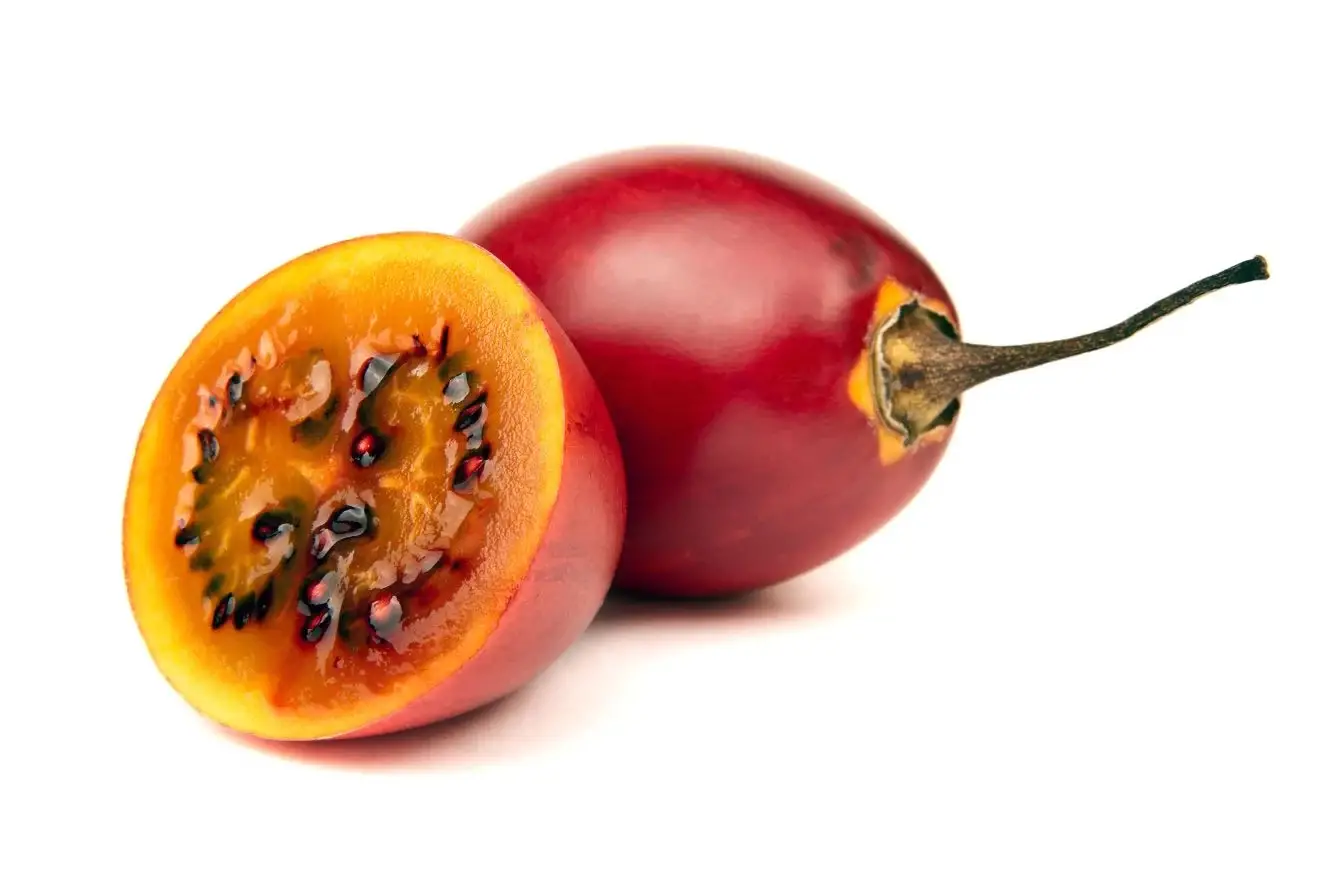
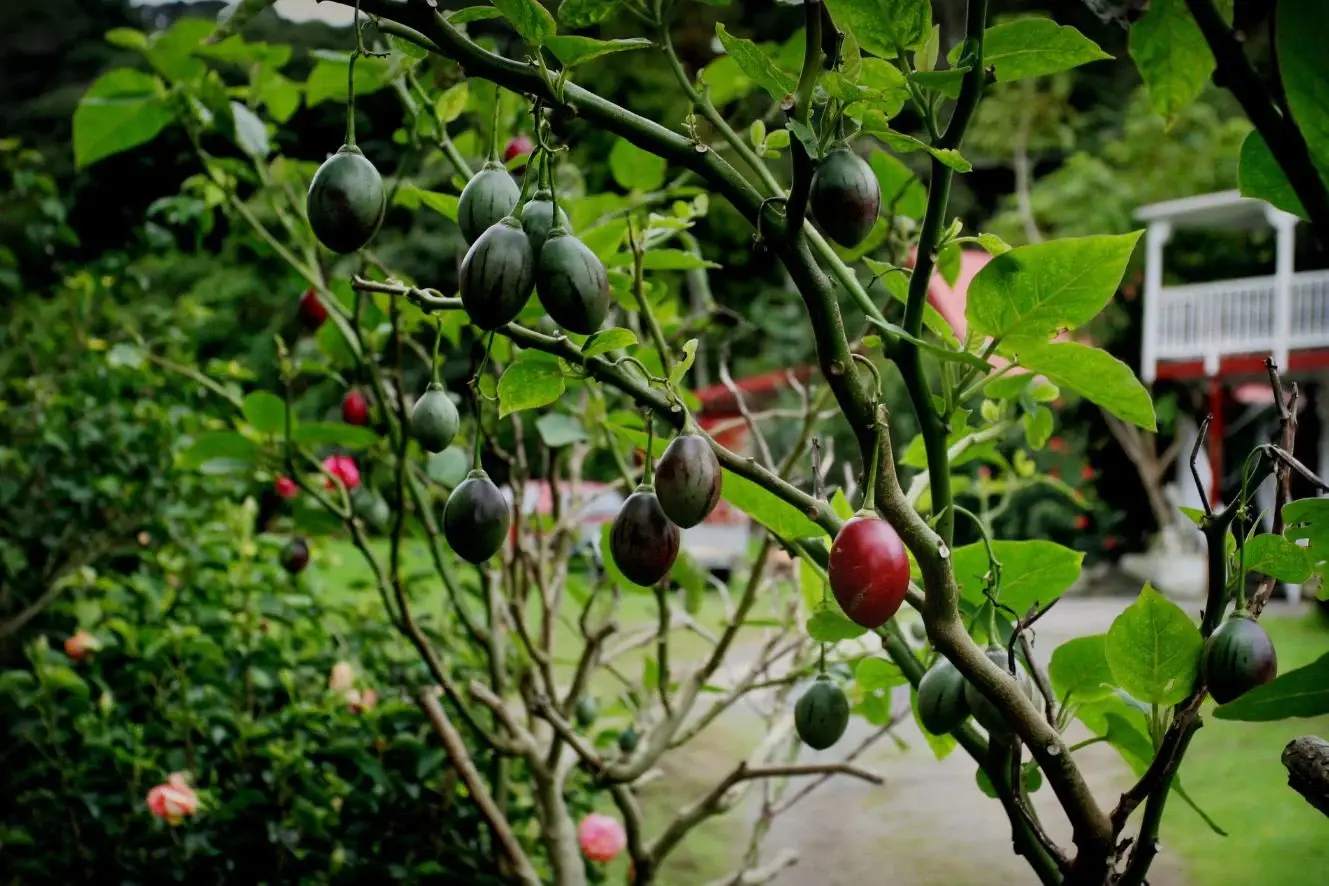
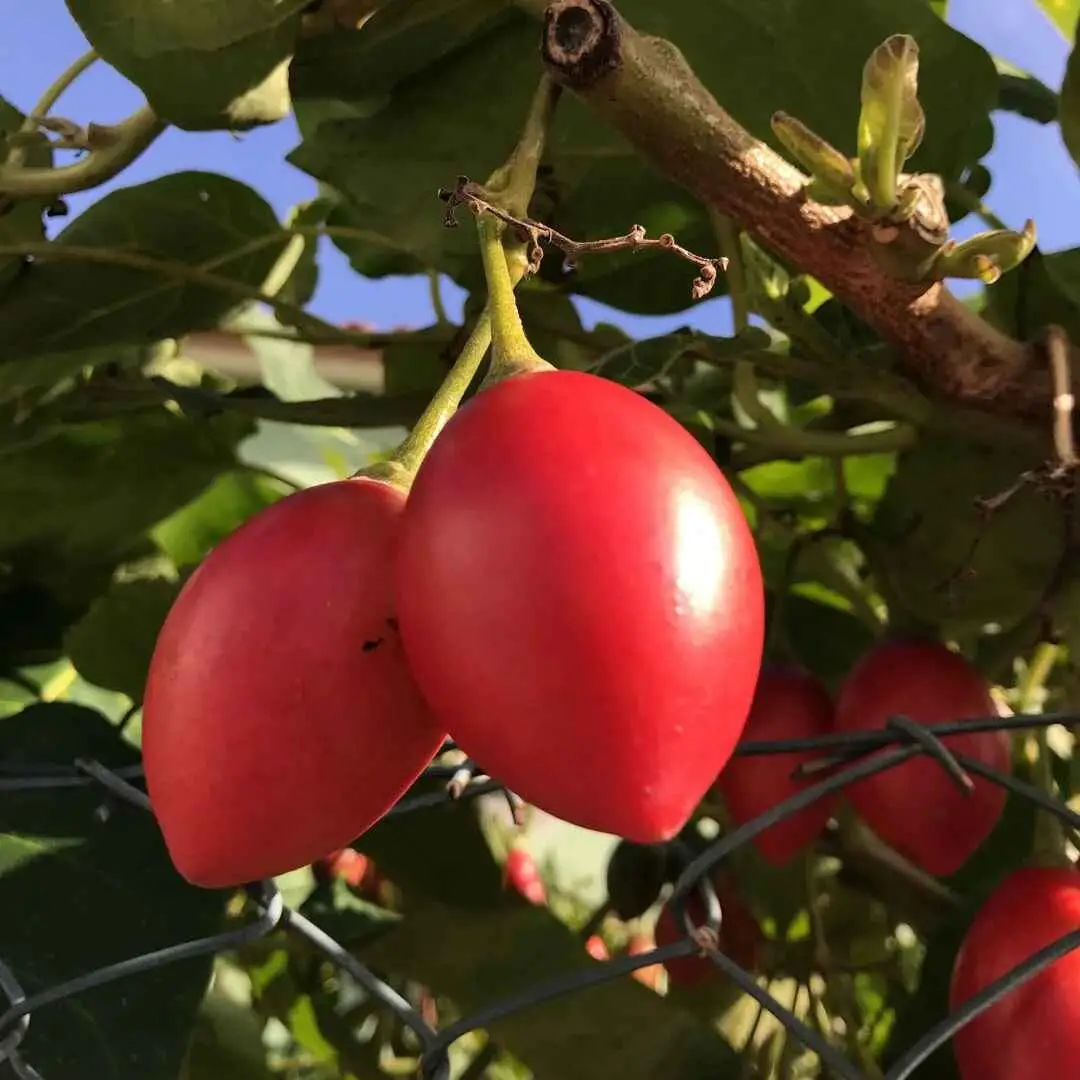
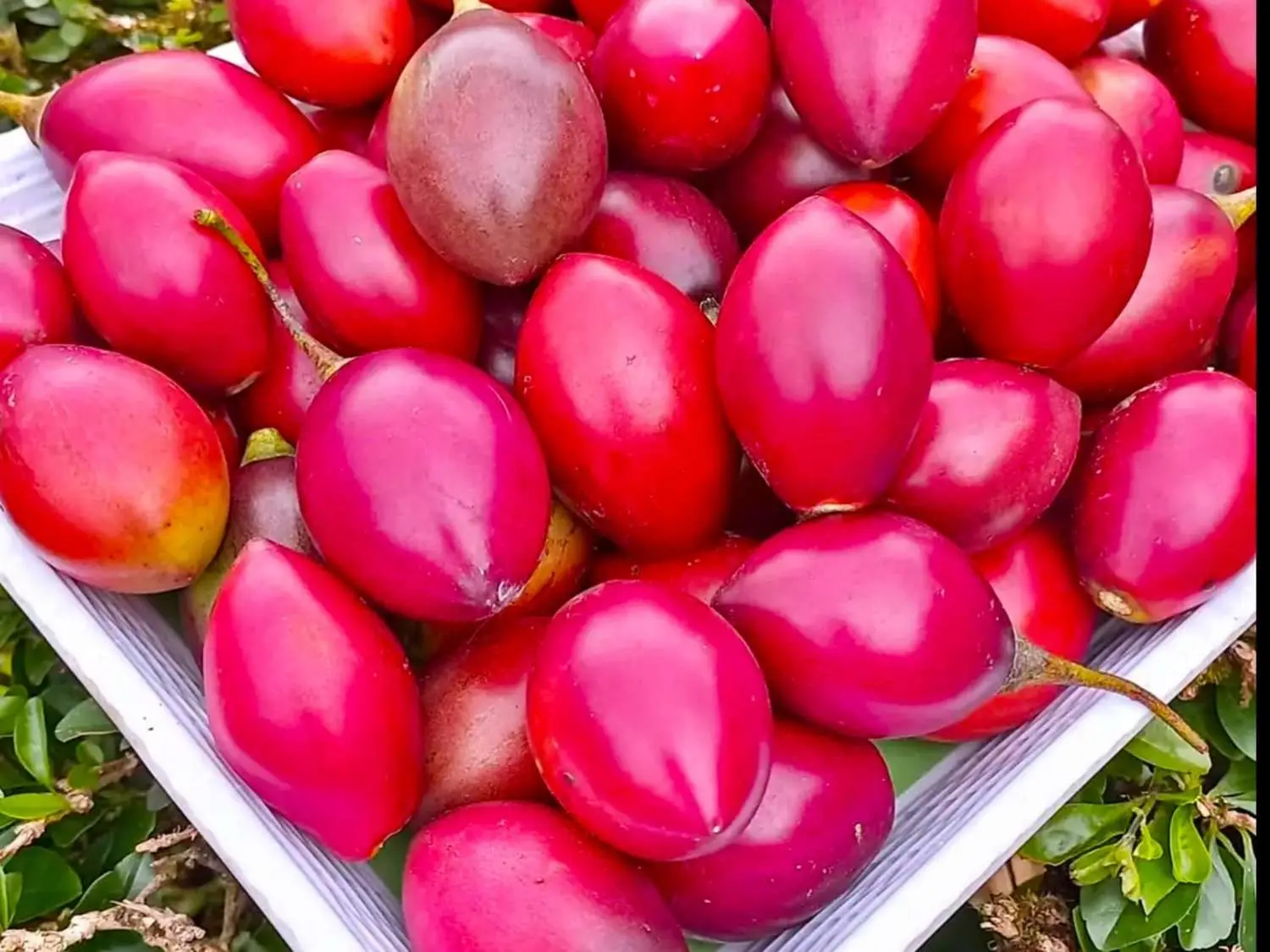
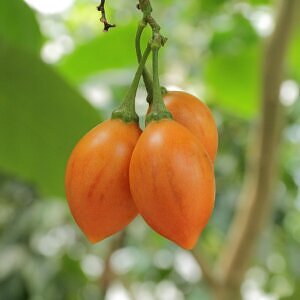
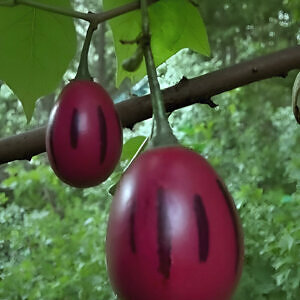
Egg-shaped fruits that hang like ornaments, pale pink to lavender flowers that bloom in spring—the tamarillo is a tree that seduces with beauty and rewards with unforgettable flavor.
Native to the Andean highlands of Peru, Ecuador, Bolivia, and Chile, tamarillo is considered one of the ‘lost crops of the Incas,’ with evidence of cultivation predating European contact. For centuries it fed highland communities; today it commands premium prices from Tokyo to New York. Introduced to New Zealand in 1891, it became so beloved that small-scale commercial production began by the 1910s. Now it’s your turn to possess this living piece of culinary history.
**The Heart of the Matter: Pure Edible Magic**
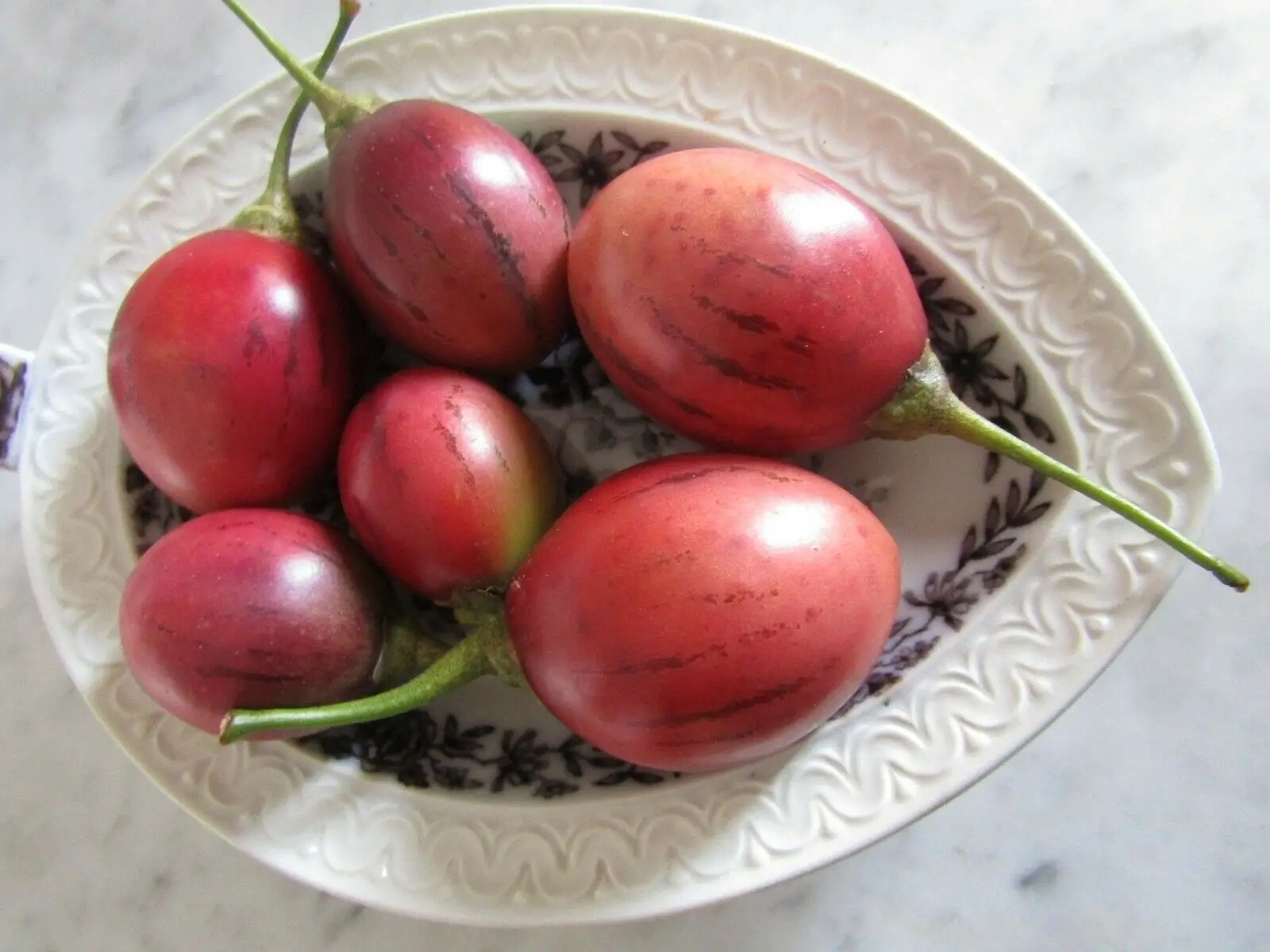
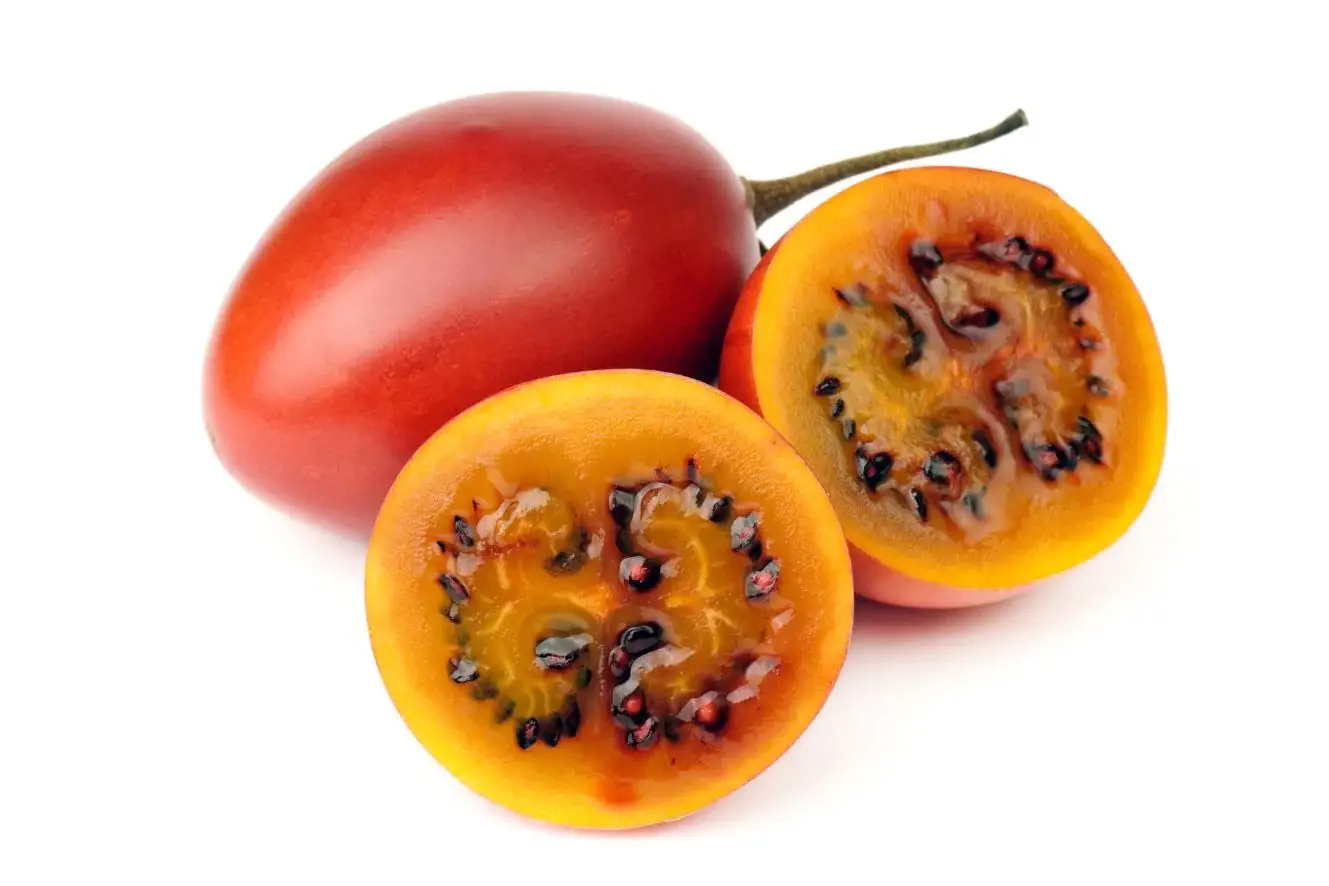
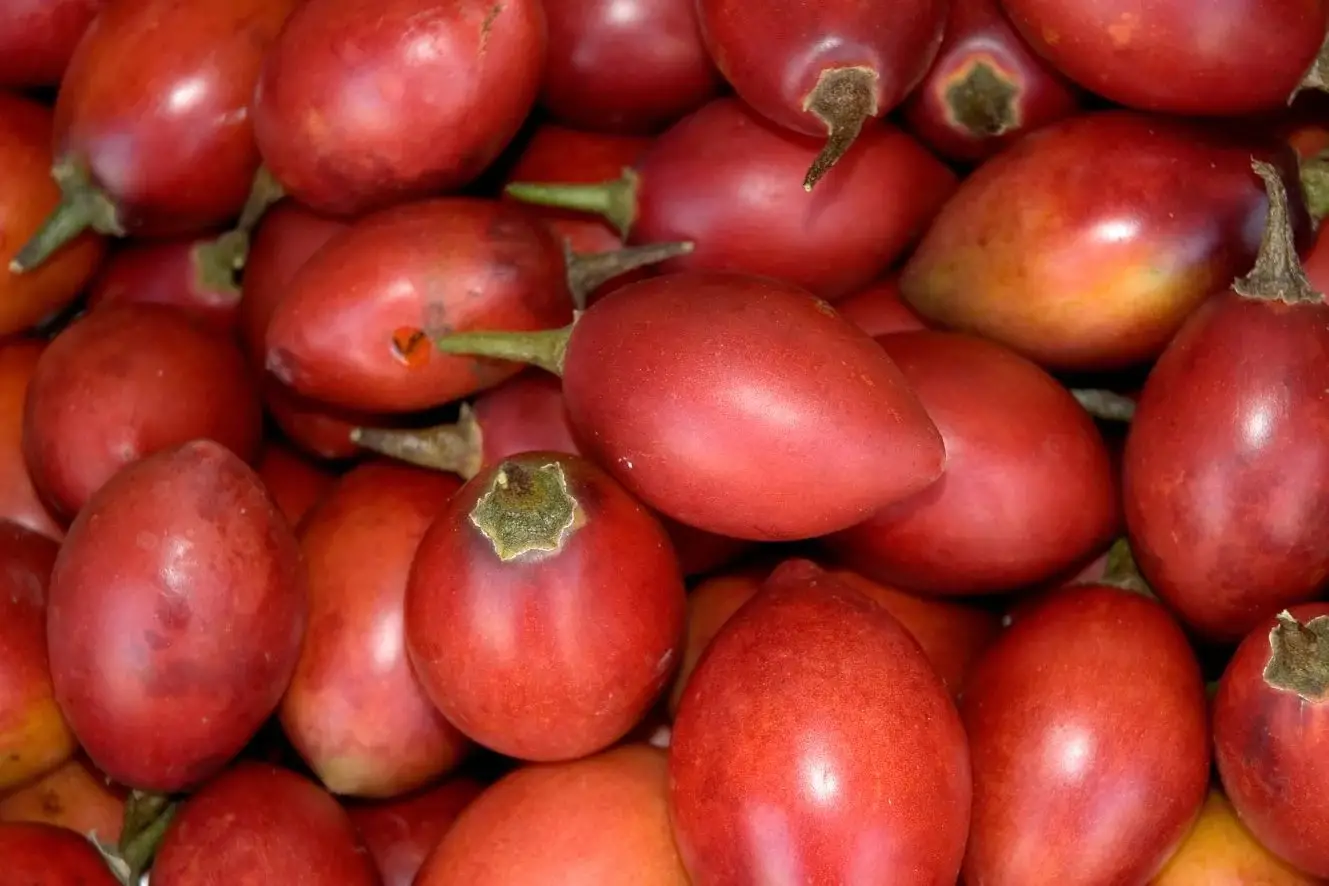
The tamarillo is fundamentally a fruit lover’s obsession. The flesh is very juicy with flavors ranging from sweet, tangy, and tart—a cross between tomato, passion fruit, and guava, with a bit of kiwi. The pulp is tangy and refreshing, with hints of passion fruit, kiwi, and tomato. Yellow varieties are sweeter, red ones more sour—choose your profile, master your flavor.
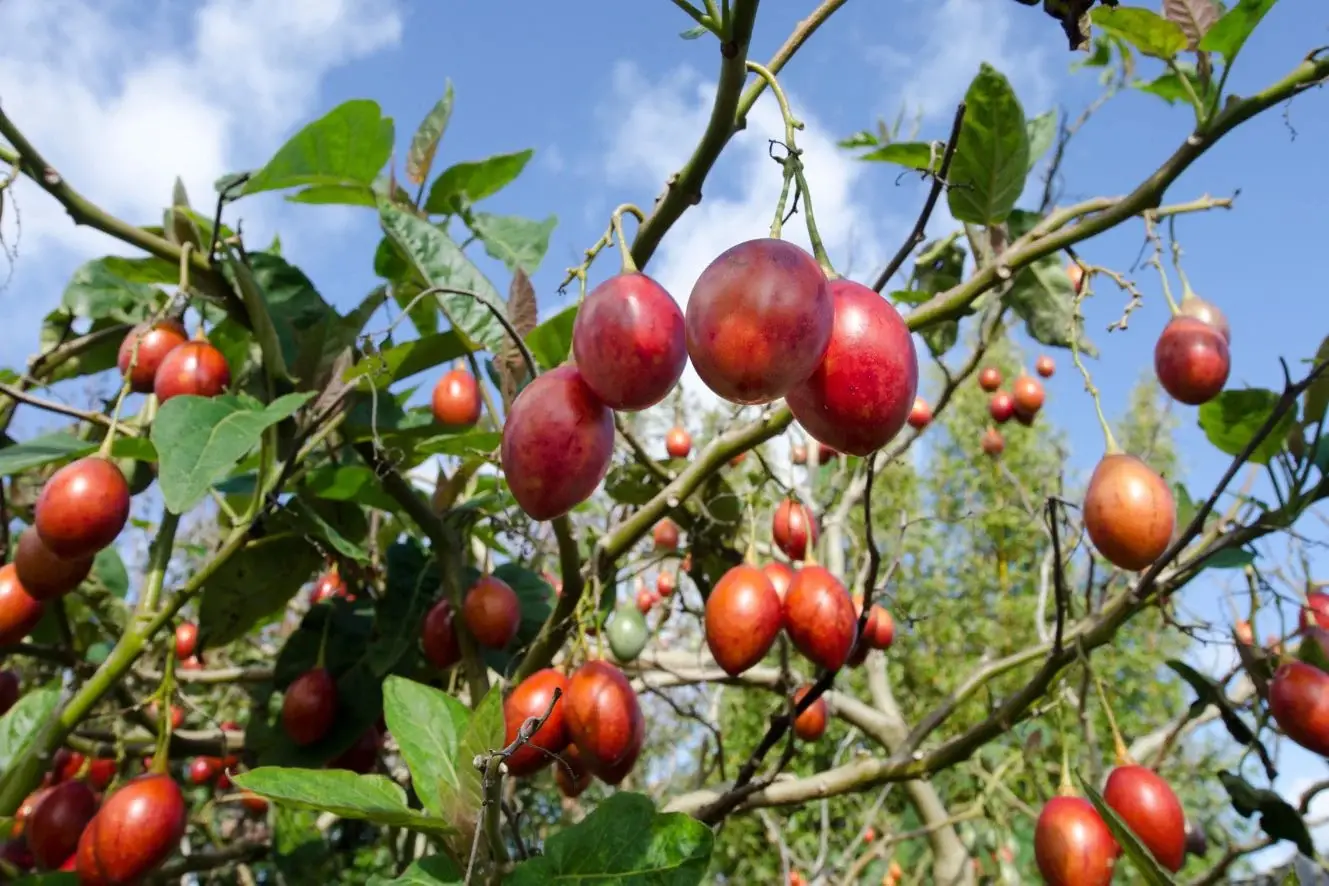
What makes tamarillo irreplaceable in the kitchen is its versatility. Peeled and sliced, tamarillo’s tangy-sweet flesh is enjoyed raw; cooked down with sugar, its pulp makes vibrant jams and jellies pairing well with meats or cheeses; blended into smoothies, pureed for sorbets, or baked into cakes and pies, it adds unique fruity flavor to sweets; its juicy flesh is used in savory sauces or salsas, complementing fish, chicken, or spicy dishes with a tart, tropical twist. The fruit has high level of pectins, which makes it especially suited for jams and preserves—your homemade spreads will rival any artisan producer. An individual tree can produce several hundred fruits in varying stages of ripening, spreading cropping over several months. One plant feeds a family, a kitchen, a passion for real food.
Beyond flavor, tamarillo is rich in vitamin C (up to 40 mg per 100 g), supporting immunity, skin health, and collagen production as a potent antioxidant. It contains anthocyanins (in red varieties) and carotenoids (in yellow ones), which combat oxidative stress, reducing inflammation and chronic disease risk. Every fruit is a gift to your body.
**Growing Beauty from Seed: Easier Than You’d Expect**
Solanum betaceum is a fast-growing small tree, up to 2–5 m tall, yet the tree tomato has very ornamental heart-shaped, velvety leaves—your garden gains a living sculpture alongside food security. Tamarillo thrives in subtropical climates with mild temperatures between 60–75°F (15–24°C); it prefers cool nights and warm days but struggles in extreme heat or frost; best suited to USDA zones 10–11, where frost is rare, though in zones 8–9 it can be grown with winter protection, tolerating brief dips to 28°F (–2°C). Not tropical-only—suitable for much of the temperate world.
The plant needs full sun, regular watering to keep soil evenly moist but not waterlogged, and well-drained, slightly acidic to neutral soil. If grown from seed, it will start fruiting in the second or third year. Peak production is reached after 4 years, and the life expectancy is about 5 to 12 years. Plant once, harvest for a decade. With basic seasonal protection, Solanum betaceum can fruit reliably for up to seven years in a home garden.
Seeds germinate in warmth; the plant grows with visible hunger and gratitude. You’ll watch it transform from a small seedling into a productive tree while others ar
Germination Guide
🌍 South America, particularly the Andean regions of southern Bolivia, northwestern Argentina, Colombia, Peru, Chile, and Ecuador
Moderate
Solanum betaceum, commonly known as tamarillo or tree tomato, is a subtropical shrub native to the Andes mountains of South America. Seeds require warm conditions (18-28°C), high humidity, and bright light for successful germination, which typically occurs within 7-28 days. This species belongs to the nightshade family and is valued for its distinctive egg-shaped, tangy fruits.
Germination
Germination time
Expect germination in
7 – 28 days
Temperature
Min 18°C
Ideal 22°C
Max 28°C
Substrate moisture
💧💧 High
Sowing depth
Lightly covered
Seed Pre-treatment
-
💧
Soaking — 24 hours
Soak seeds in warm water for 12 to 24 hours before sowing to help accelerate germination
-
📋
Additional notes
Soak seeds in room-temperature water before sowing; optional but recommended for improved germination rates
Substrate & Container
Recommended substrate
Peat moss or coco coir mixed with perlite (60/40 ratio); seedling compost is also suitable
Recommended container
Plastic pot or seed tray with optional transparent lid for humidity control
Growing Tips
Place seeds on moist seedling compost and cover with a thin layer; press seeds gently into substrate. Keep soil constantly moist for the first 3 weeks using a plastic cover to maintain humidity. Ensure bright light (not necessarily direct sun) during germination. Open the cover every 2-3 days to check moisture and prevent fungal issues. Gradually reduce humidity once seedlings emerge. Transplant when seedlings develop 2-3 true leaves (usually 5-10 cm tall). Protect young plants from cold temperatures below 20°C. Seeds germinate faster at warmer temperatures around 22-25°C.
Only logged in customers who have purchased this product may leave a review.


Reviews
There are no reviews yet.