Description
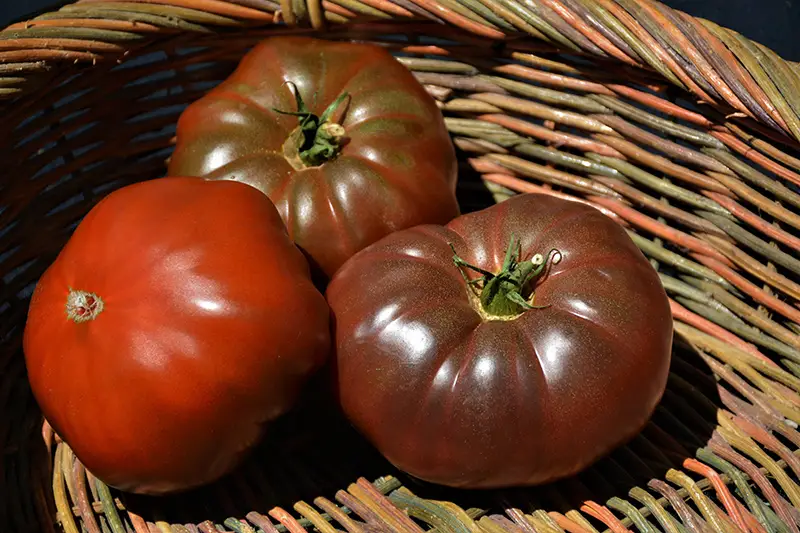
The moment you taste a ripe Cherokee Purple, you understand why this heirloom has captivated gardeners and chefs for generations.
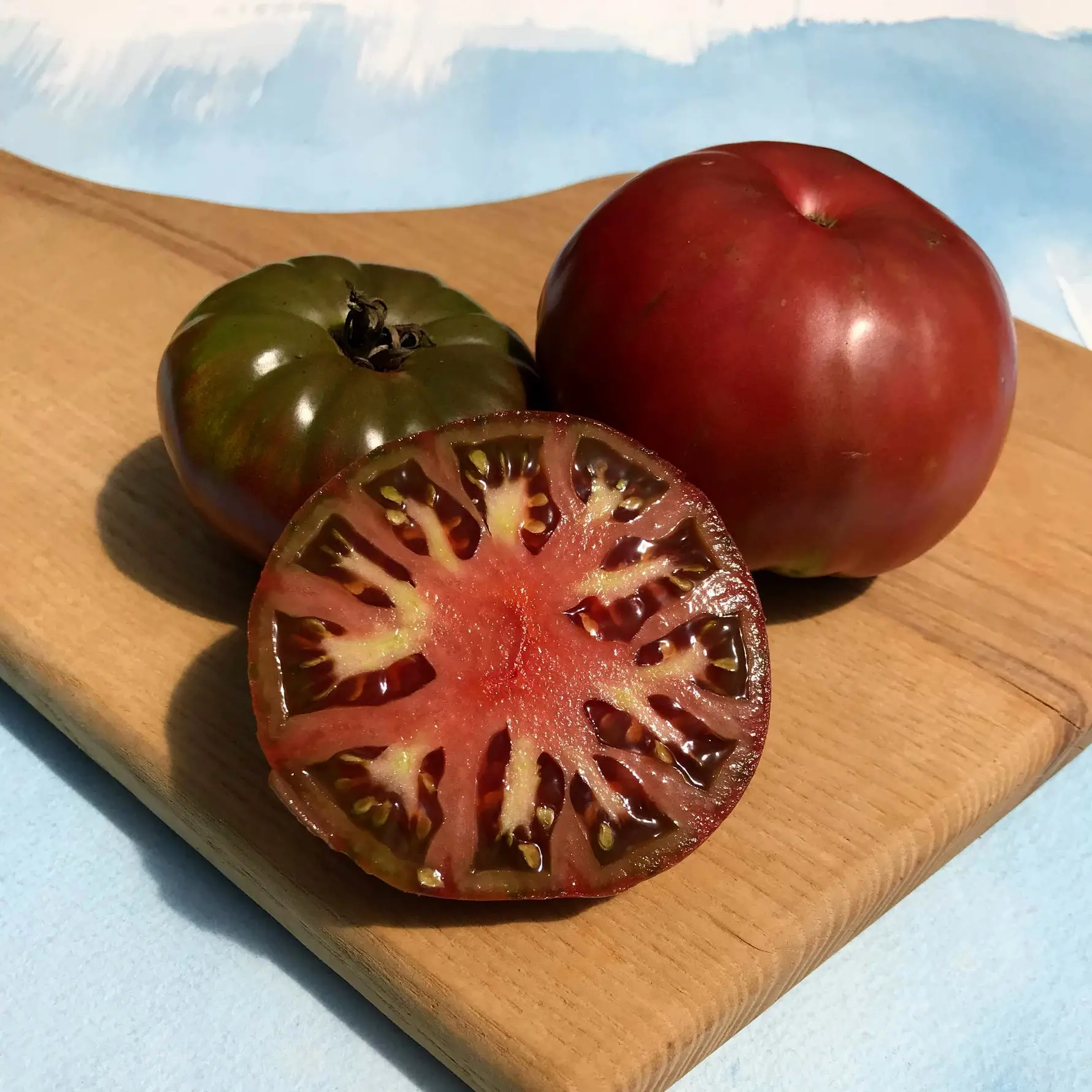
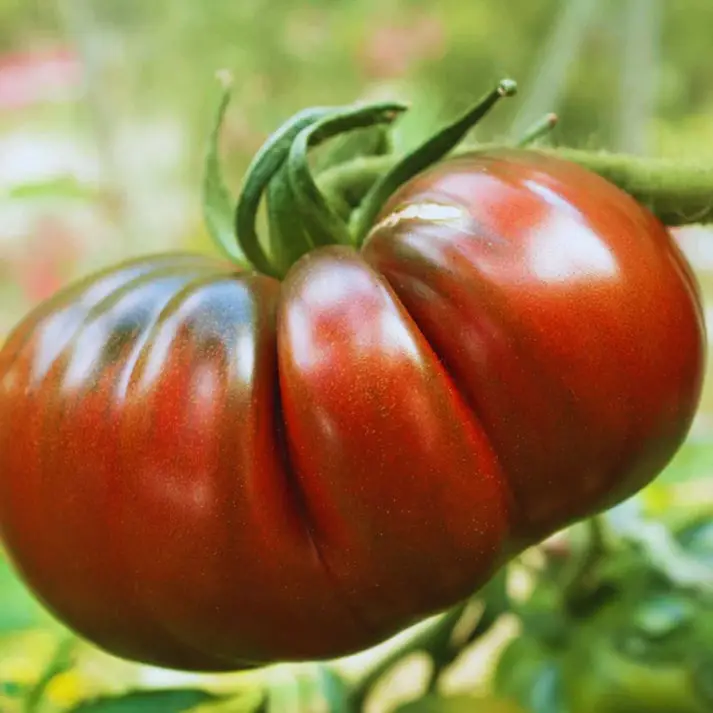
Legend says this tomato came to Tennessee via the Cherokee people more than a century ago—a gift passed hand to hand, family to family, until 1990 when a North Carolina tomato enthusiast named Craig LeHoullier received seeds from a stranger and grew something that looked almost unreal: a beefsteak tomato with dusky rose-pink skin and dark green shoulders, as if bruised with age and mystery. When he tasted it, he knew the world had to know. Within three years, it transformed from an obscure heirloom into one of America’s most beloved tomato varieties.
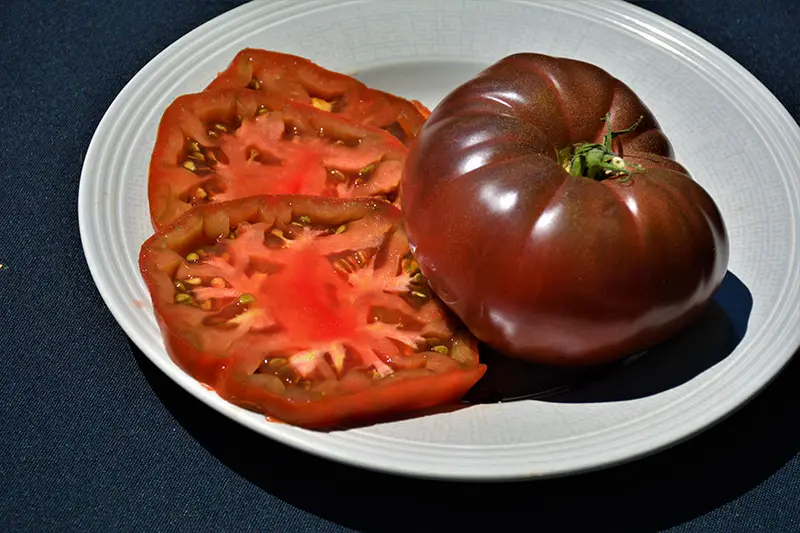
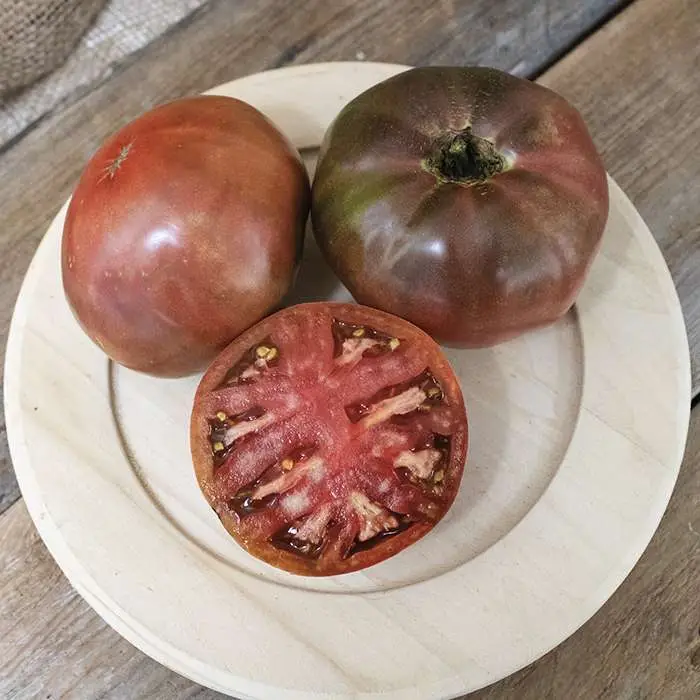
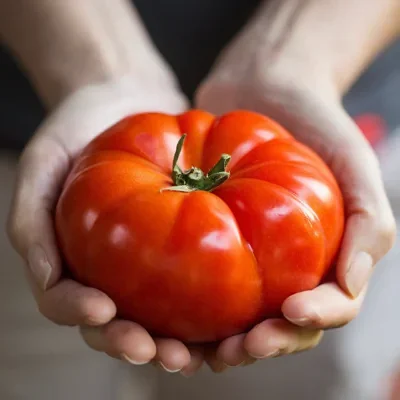
But the real magic lives in your mouth. Unlike the bright, acidic red tomatoes from supermarkets, Cherokee Purple delivers something profound: a complex, layered flavor described as smoky, sweet, earthy, and almost wine-like. The flesh is dense and juicy—more substance, fewer seeds—with a deep crimson-to-black interior marbled with subtle green tones. Each bite is a slow, deliberate experience. Tomato lovers describe it as the closest thing to old-time tomato flavor, the taste that made their grandparents fall in love with tomatoes in the first place. It’s equally stunning sliced thick on a simple sandwich with mayo and salt, layered with fresh mozzarella and basil, diced into salsa, or roasted until the edges caramelize. This is a tomato for people who care about flavor above all else.
Growing Cherokee Purple is surprisingly forgiving. An indeterminate variety (meaning it keeps producing all season long), the plant thrives in full sun with warm temperatures and regular water—standard tomato care. The vines grow vigorously and will reward patient growers with heavy yields: some gardeners report 50-60 fruits per season. It’s remarkably tolerant of humidity compared to other dark heirlooms, making it an excellent choice for southern gardens and humid climates. The plants need sturdy staking or caging, and consistent moisture prevents fruit crack, but these are small prices for the flavor payoff. Start seeds indoors 6-8 weeks before your last frost, transplant into rich, well-draining soil amended with compost, and give each plant plenty of room (18-36 inches apart). Within 80-90 days, you’ll harvest 10-16 ounce beefsteaks that change the way you think about tomatoes.
Grow this seed, and you’re not just planting a vegetable—you’re cultivating a piece of living history and reclaiming the taste of real tomatoes. This is the heirloom that reminds us why gardeners have saved and shared seeds for generations. Plant it. Taste it. Share it. You’ll understand.
Germination Guide
🌍 Central and South America, with domestication in Mesoamerica
Easy
Cherokee Purple is a 19th-century American heirloom tomato variety celebrated for its distinctive dusky rose-purple color, deep red interior, and exceptionally rich, complex flavor with smoky and wine-like notes. This indeterminate beefsteak-type tomato produces large fruits weighing up to one pound and germinates readily without dormancy, making it ideal for both experienced and novice gardeners seeking outstanding heirloom flavor.
Germination
Germination time
Expect germination in
5 – 14 days
Temperature
Min 70°C
Ideal 75°C
Max 85°C
Substrate moisture
💧 Medium
Sowing depth
Lightly covered
Substrate & Container
Recommended substrate
Seed-starting mix, cocopeat-based or high-quality potting mix with good drainage and aeration
Recommended container
Small containers (4 inches or smaller), seed trays, cell packs, or individual pots
Growing Tips
Sow seeds 1/4 inch (0.6 cm) deep in seed-starting mix. Maintain soil temperatures of 75–85°F (24–29°C) using a heat mat for optimal germination in 5–14 days. Keep soil consistently moist but never waterlogged to prevent damping-off disease. Start seeds indoors 6–8 weeks before the last frost date. Once seedlings develop true leaves, thin to one plant per cell and grow at cooler ambient temperatures (60–75°F) under strong light (14–16 hours daily). Use bottom watering after germination to prevent fungal issues and disease. A heating mat combined with a humidity dome is highly recommended for consistent warm soil temperatures and moisture retention. Remove the dome once seedlings emerge to prevent excessive humidity.
Only logged in customers who have purchased this product may leave a review.

Reviews
There are no reviews yet.