
Grow the ancestor of commercial olives and unlock centuries of African healing wisdom. The wild olive tree has been called “the most important plant” from 120 plants used in traditional medicine. Its leaves contain oleuropein, with demonstrated anti-oxidant, anti-microbial, hypolipidemic and hypotensive activities—naturally. Traditional remedies lower blood pressure, improve kidney functio
€2.07
The Olive is one of the world’s oldest trees. What you’re about to grow is something deeper—not the Mediterranean cultivar, but the wild ancestor that sustained African communities for millennia. One of the world’s oldest cultivated plants, Olea africana is classed as a subspecies of the commercial olive, yet it possesses a character all its own: lean, uncompromising, resilient.
This tree is found in a variety of habitats, often near water on rocky hillsides and in woodlands, and is widespread in Africa, the Mascarene Islands, Arabia, India to China. It is a protected species in three South African provinces—a sign of both its ecological value and cultural reverence. For centuries, African healers knew what science is only now confirming: this plant is extraordinary.
**THE MEDICINAL TREASURE.**
This is where Olea africana becomes indispensable. The wild olive tree has been stated to be “the most important plant” from 120 plants being used in traditional medicine. Every part works: the bark, leaves, roots and fruits are used in different forms, alone or sometimes in combination. The *leaves* are where the magic concentrates. Oleuropein is the main active compound in olive leaf, with demonstrated anti-oxidant, anti-microbial, hypolipidemic and hypotensive activities. Translation: immune-boosting, inflammation-fighting, cardiovascular support—the modern wellness trifecta, delivered by nature.
Traditional remedies prepared from this plant serve as eye lotions and tonics, lower blood pressure, improve kidney function and deal with sore throats. Its leaf extract was traditionally used for deworming and to suppress diarrhea. Olive leaf extract is a priced immune system booster; the leaves are antiseptic, astringent, febrifuge and sedative. A decoction treats obstinate fevers and has a tranquillising effect on nervous tension and hypertension. Experimentally, they have been shown to decrease blood sugar levels by 17–23%. This isn’t folklore—it’s empirical. Grow a pharmacy in your garden.
**THE SENSORY GIFT.**
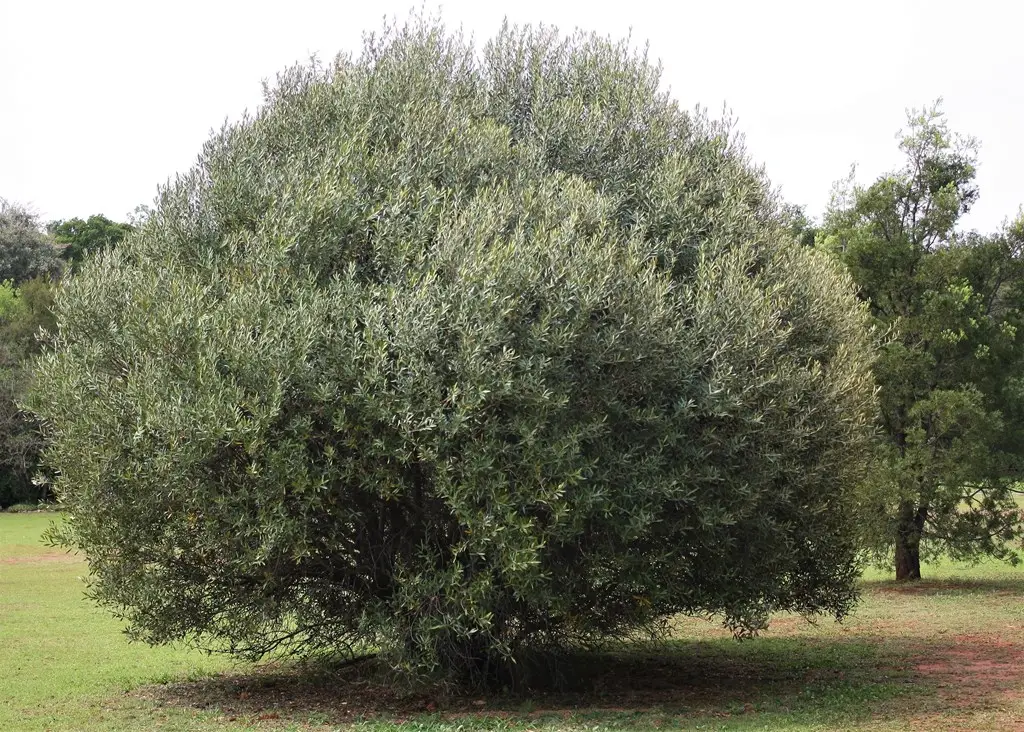
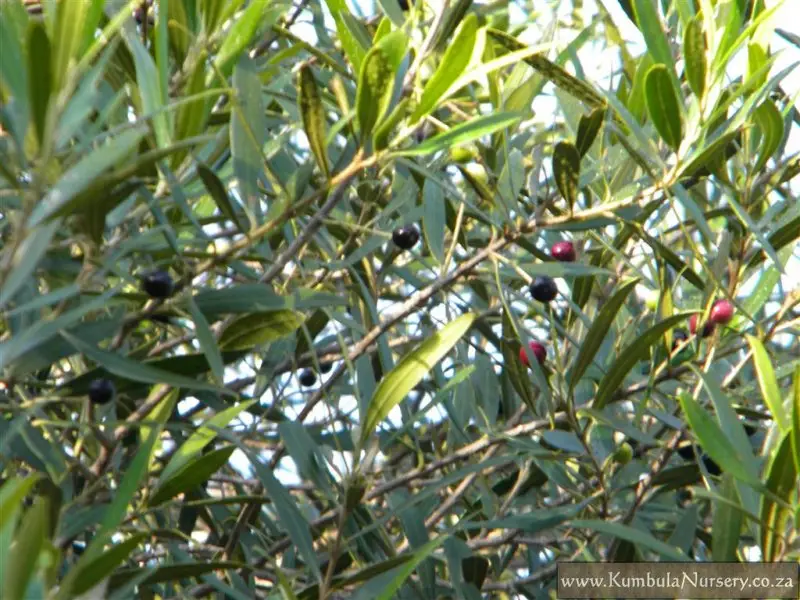
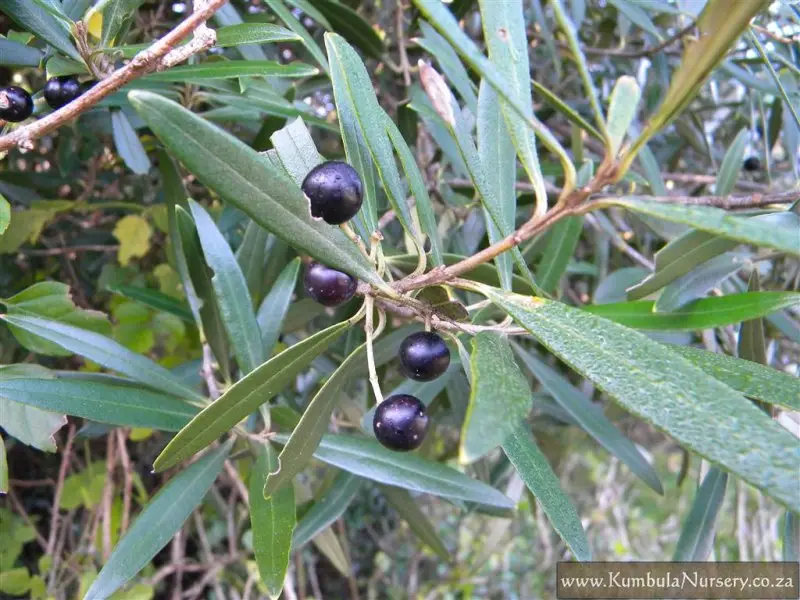
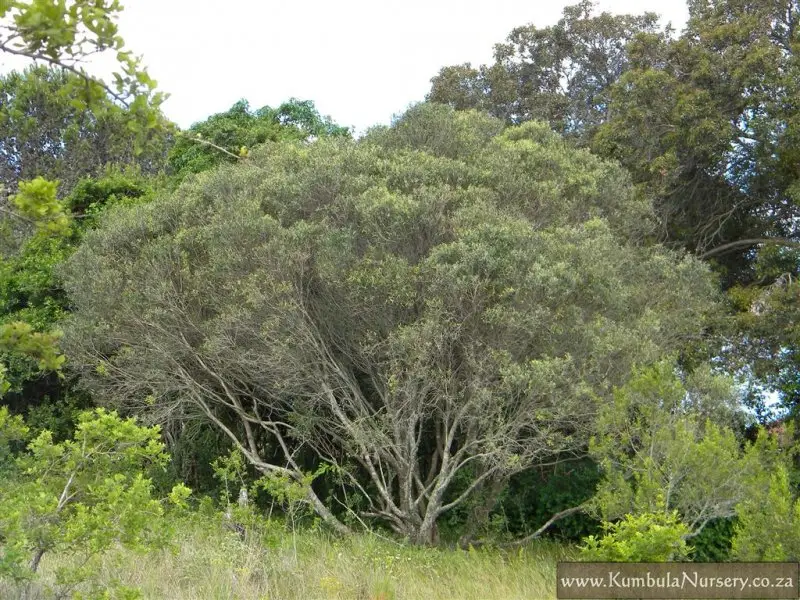
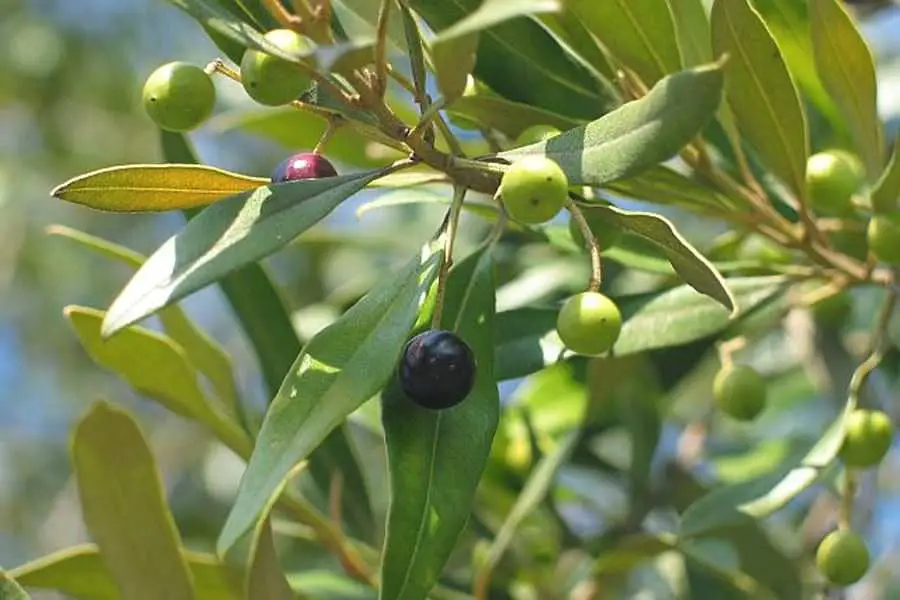
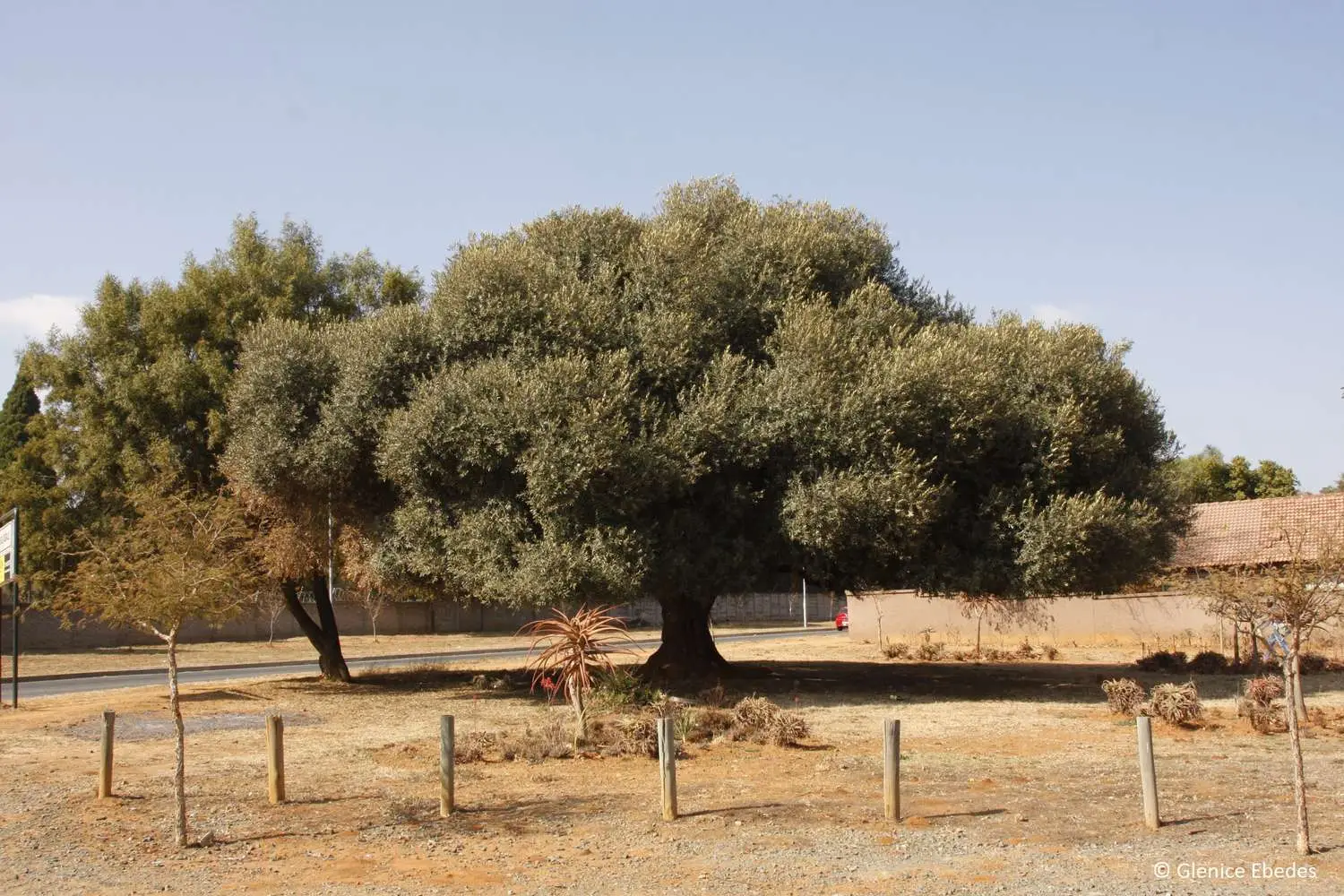
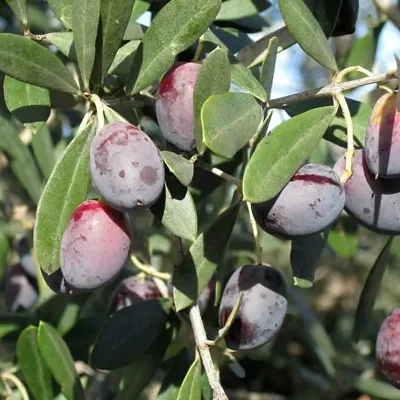
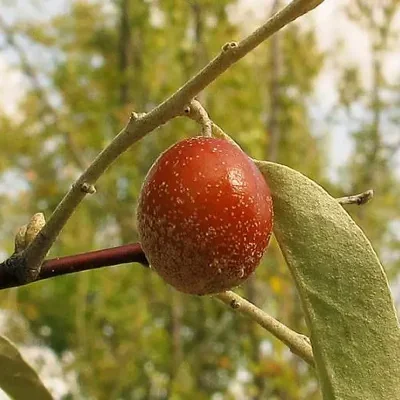
This is a neatly shaped evergreen tree with a dense spreading crown of glossy grey-green to dark-green foliage (greyish below). The rough, grey bark sometimes peels off in strips. Sprays of tiny, lightly scented white to greenish flowers (October to February) are followed (March to July) by small, spherical fruits which ripen purple-black. The small white/green flowers attract bees and butterflies, and the fleshy purple berries are a favourite of birds. Beauty and function, woven together.
**CULTIVATION: EASE AS A FEATURE.**
Once planted, the tree needs very little care because it is resistant to most diseases, it tolerates drought, hot temperatures, frost, wind, salt, and can grow in the shade. It prefers well-drained soil with a coarser texture, such as sand, and can grow in low fertility soils with moderate water requirements. It prefers full sun but will tolerate semi-shade. It is relatively fast-growing when young (200-400mm per annum), but as it matures growth slows down. It can be remarkably long-lived. This is a tree that *thrives* on neglect, then rewards patience with decades of quiet, healing presence.
**STARTING FROM SEED.**
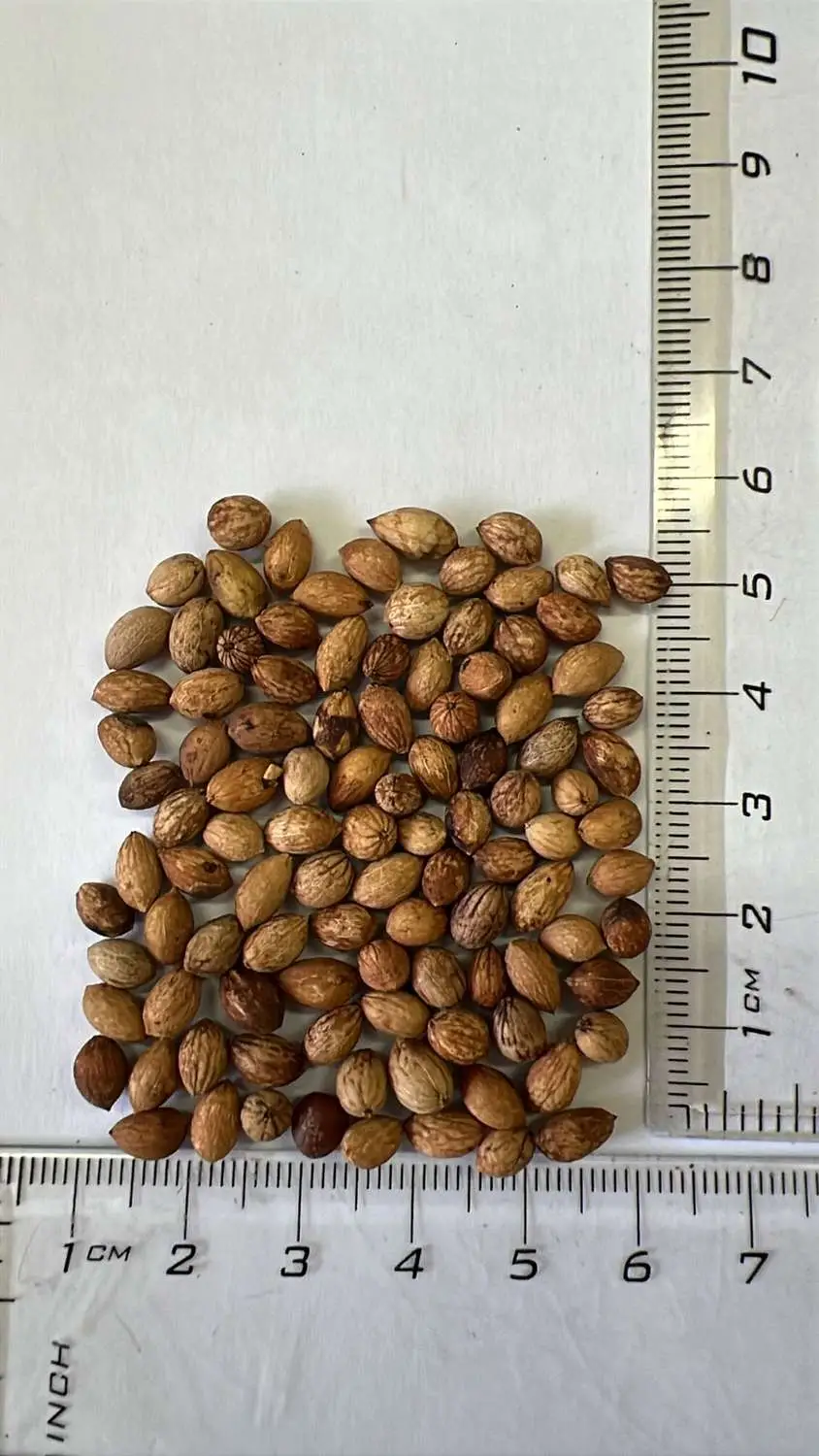
It is easily propagated from seed. Sow fresh seeds in river sand mixture and water well once a week. Olea africana is primarily propagated from seed; seeds should be cleaned, dried, and lightly scarified or soaked in warm water for 24–48 hours to improve germination</cit
Only logged in customers who have purchased this product may leave a review.
Reviews
There are no reviews yet.