
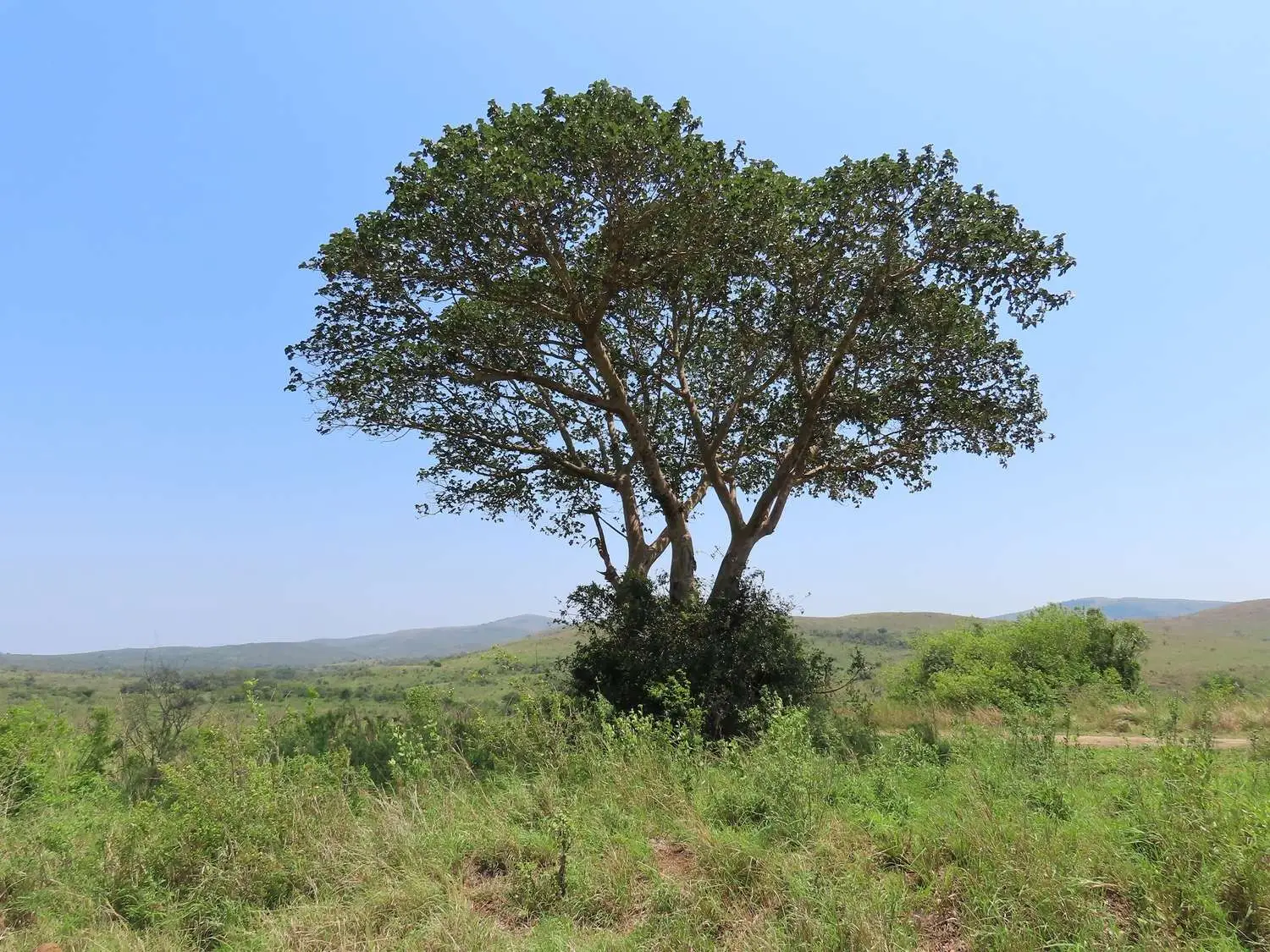
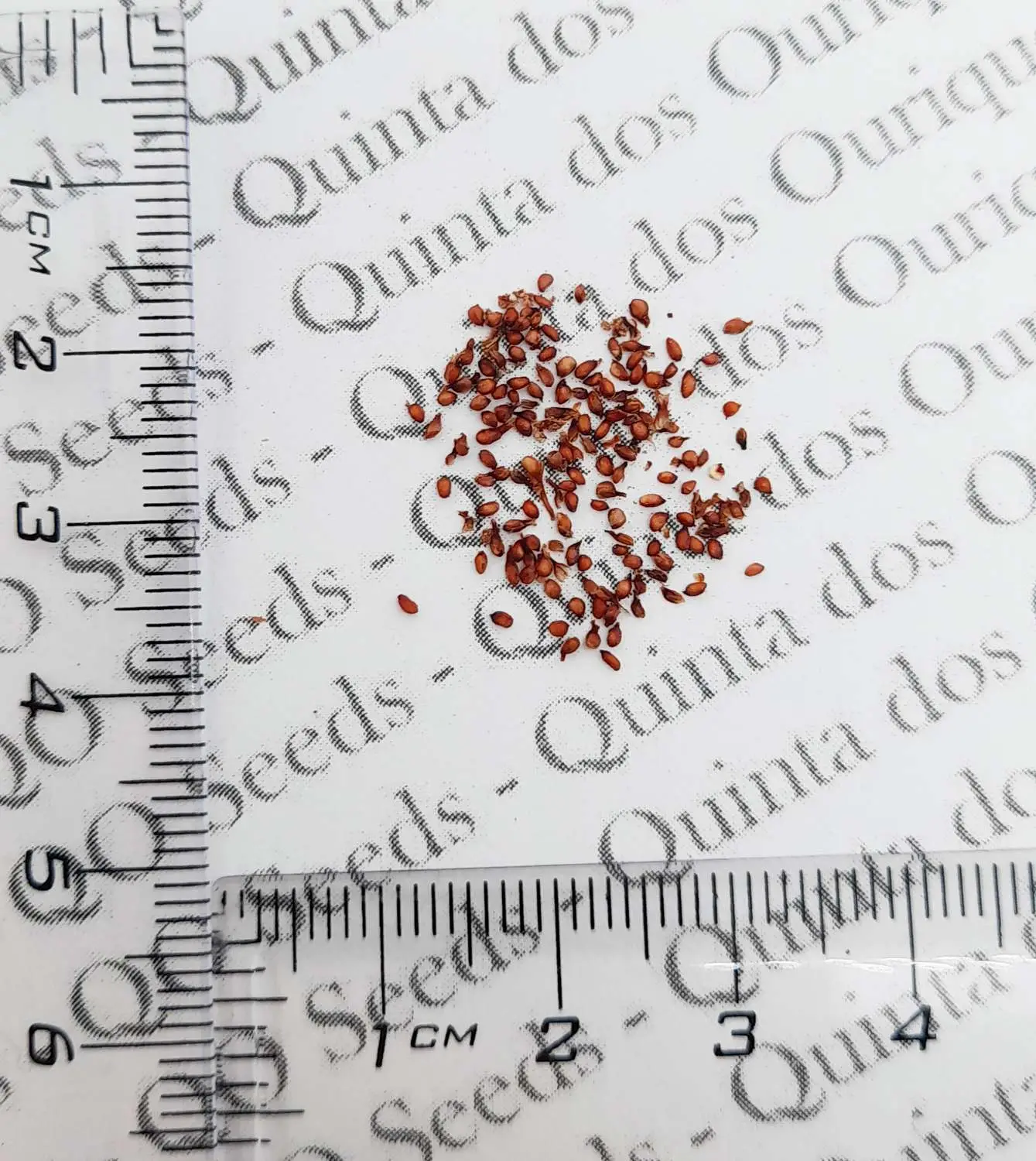
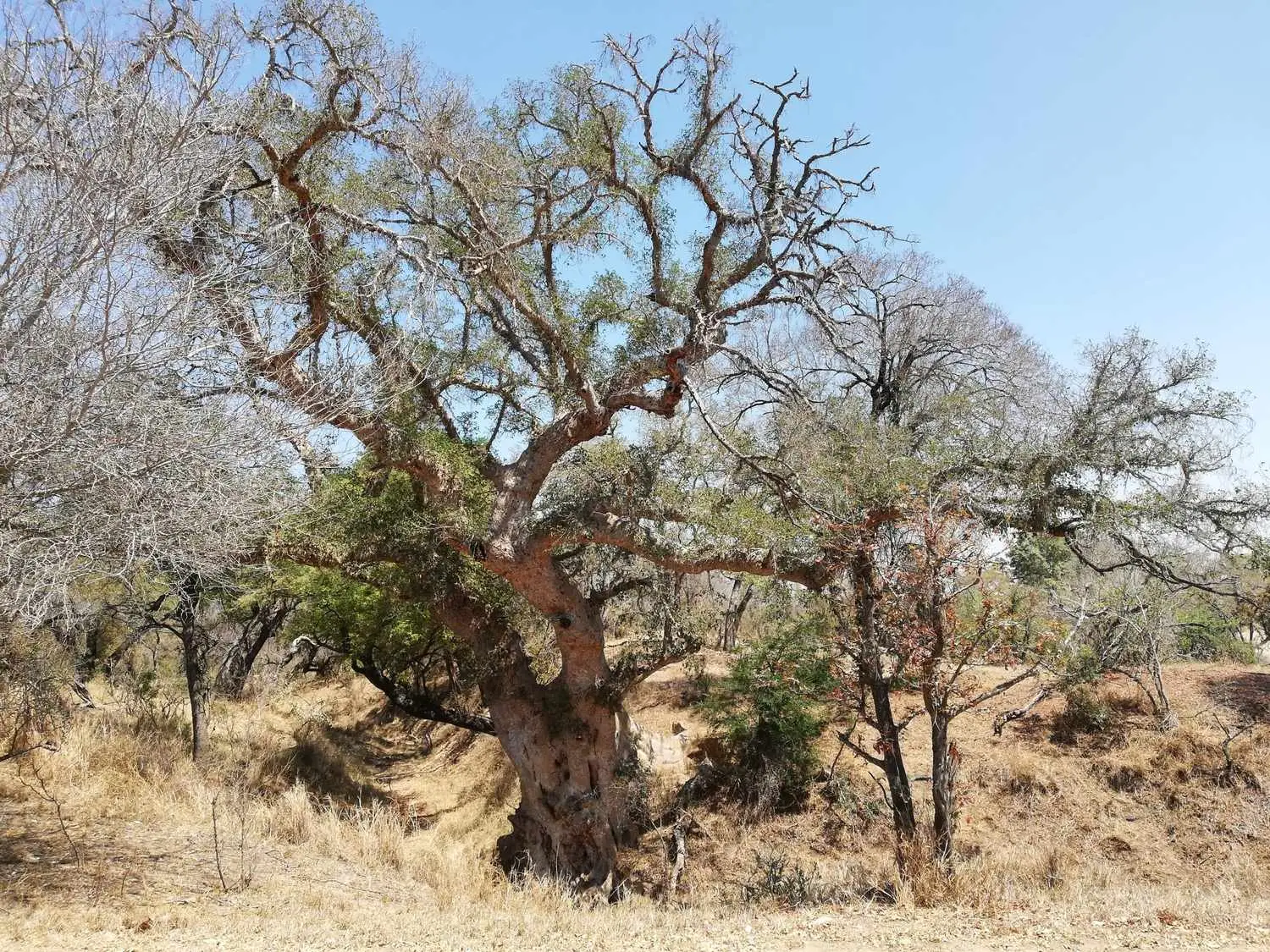
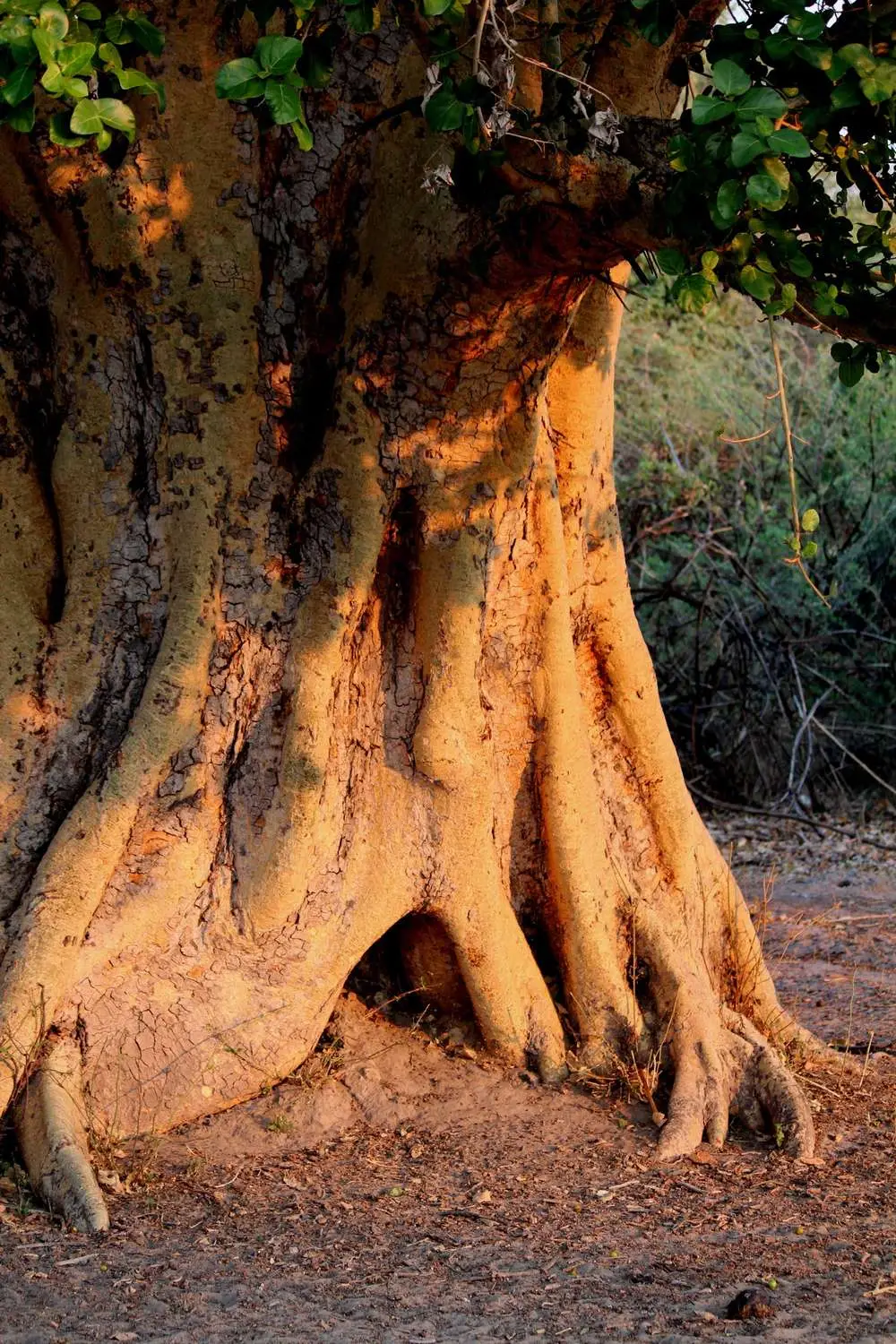

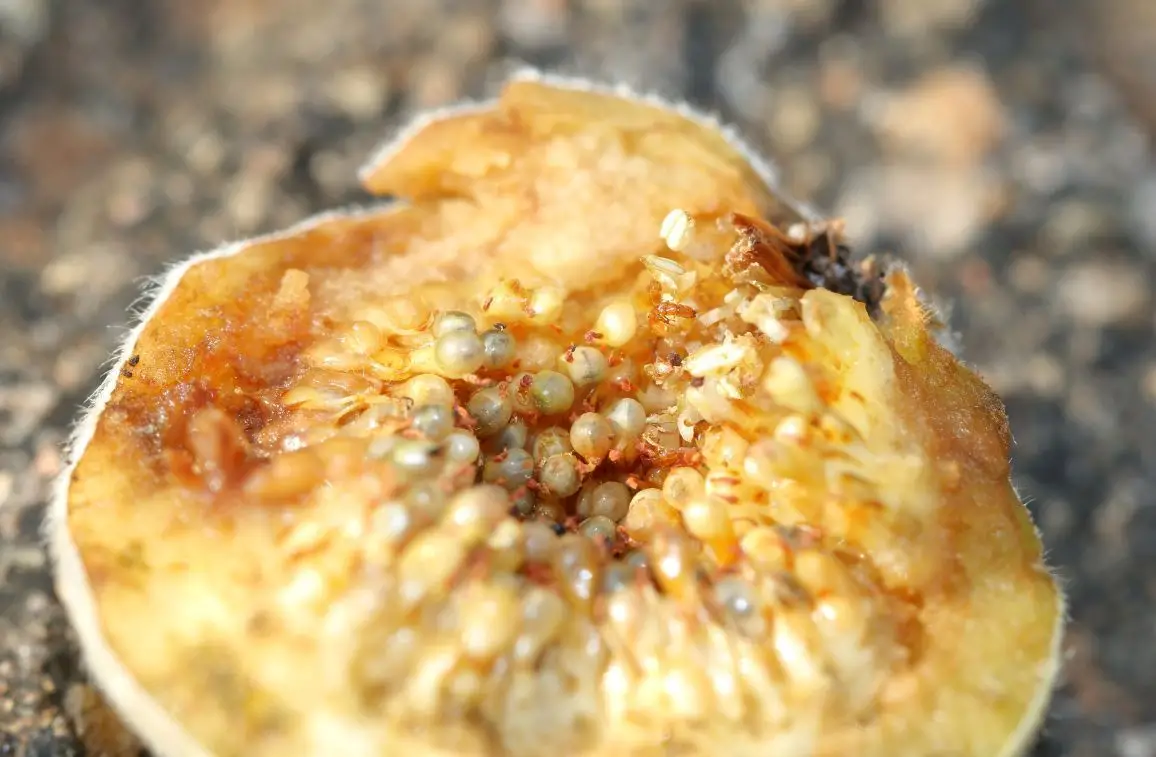
Grow the sacred tree of pharaohs—legendary edible figs (sweet, aromatic, ripe year-round) + ancient medicinal power in one magnificent plant. The sycamore fig sustained civilizations for 5,000 years. Beautifully easy to propagate from cuttings. Your garden becomes living history.
Imagine harvesting figs that have nourished humanity since the time of the pharaohs—small, fleshy, blushing from pale green to rosy gold, bursting with honey-like sweetness and a delicate floral aroma that lingers on your tongue.
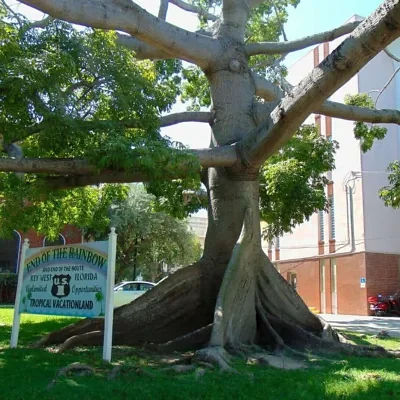
Ficus sycomorus is no ordinary fig tree. This is the sycamore of ancient Egypt, the “tree of life” that appears in the Book of the Dead, venerated in temple inscriptions, and depicted emerging from the divine body of Hathor herself. The ancient Egyptians cultivated it obsessively for over 3,000 years—so deeply woven into their spiritual and culinary fabric that mummies were buried in coffins carved from its sacred wood. The prophet Amos tended sycamores. Zacchaeus climbed one to glimpse Jesus. Its roots reach back to Eden itself in the collective memory of three religions. This is not mere botany; this is communion with an unbroken chain of human cultivation reaching back to 3000 BC.
**THE FRUIT & THE MEDICINE: Your Tree, Your Healing Abundance**
But history is only the opening act. What makes the sycamore fig irresistible *now* is its dual gift: nourishment and healing medicine, born from the same plant.
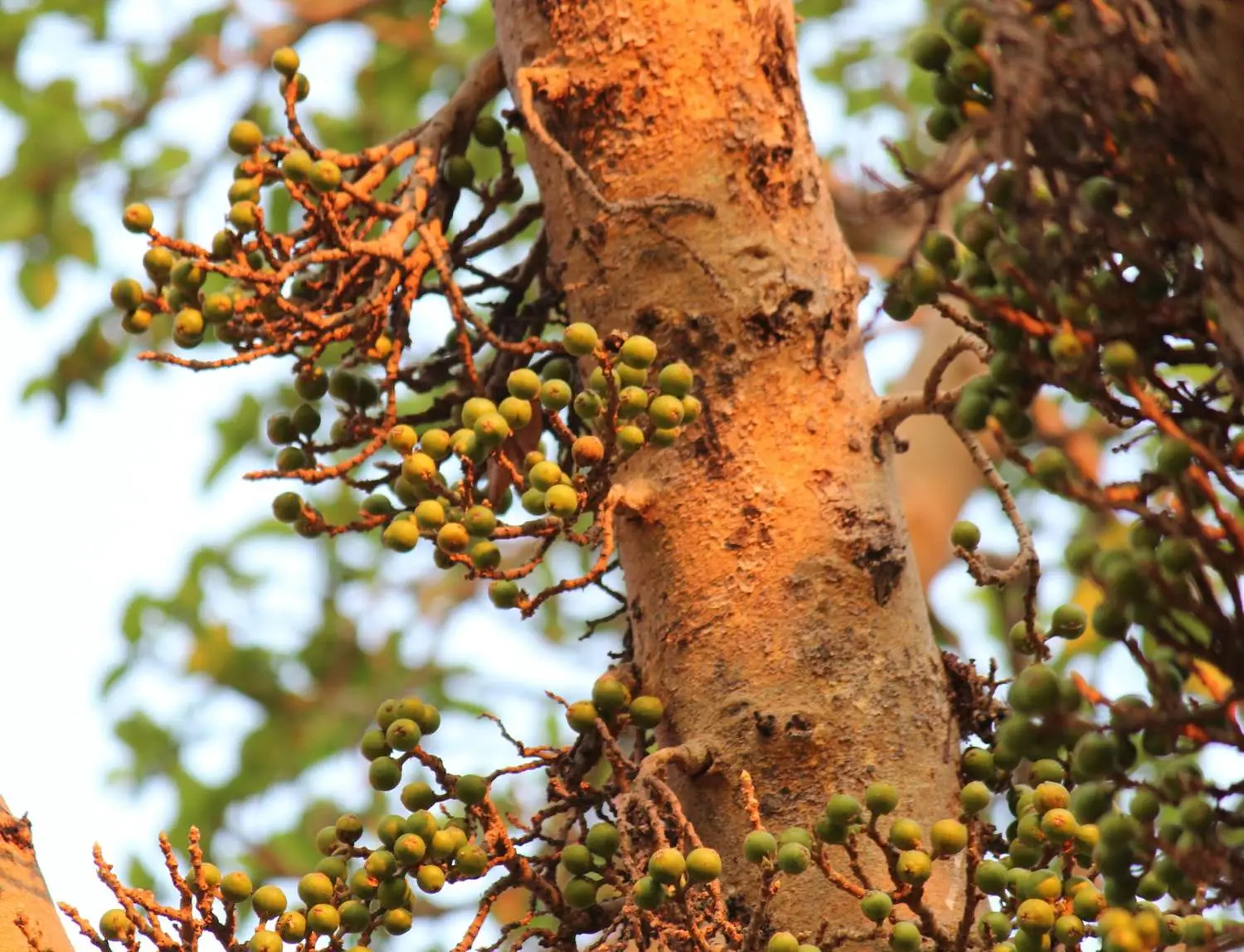
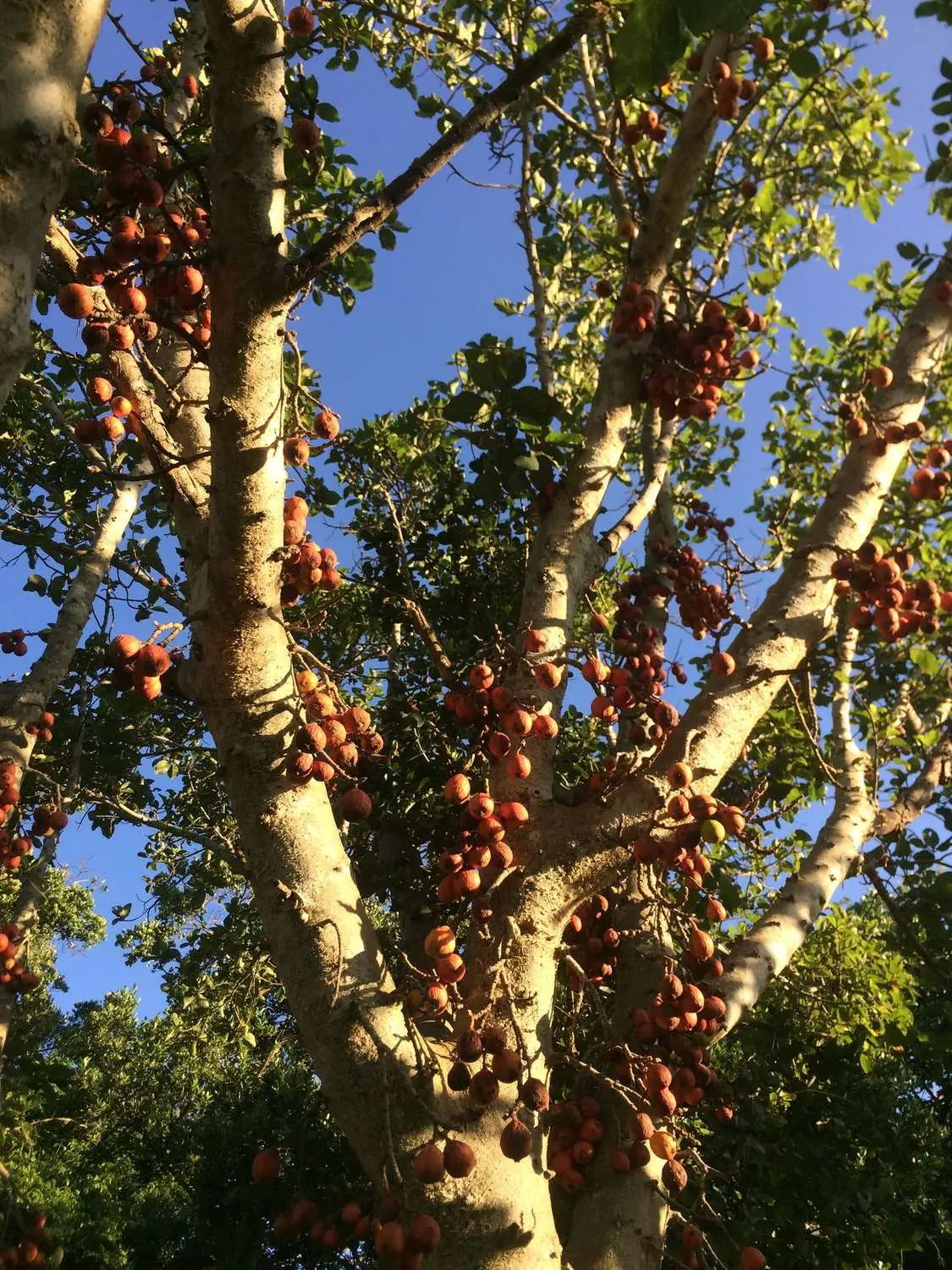
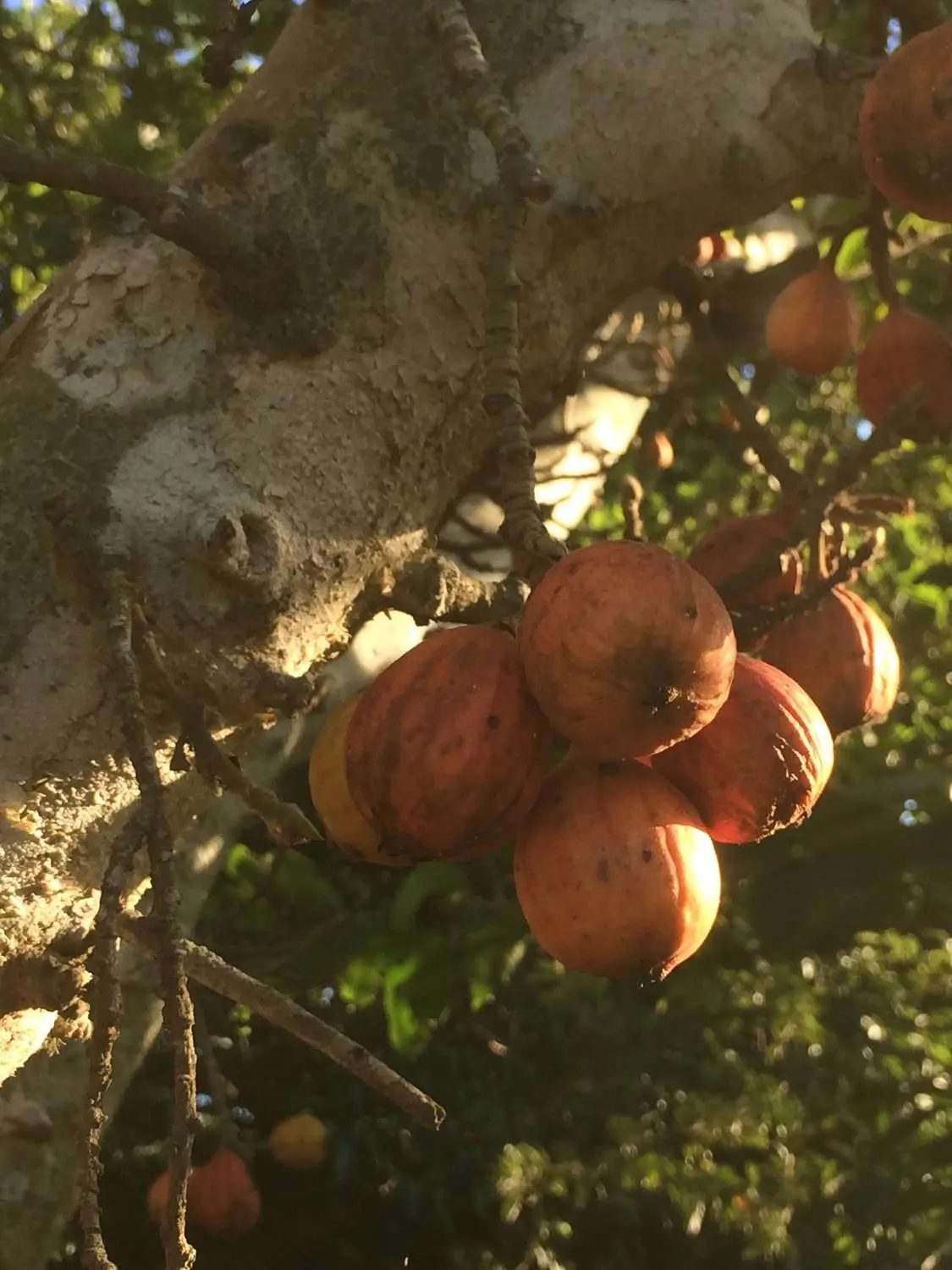
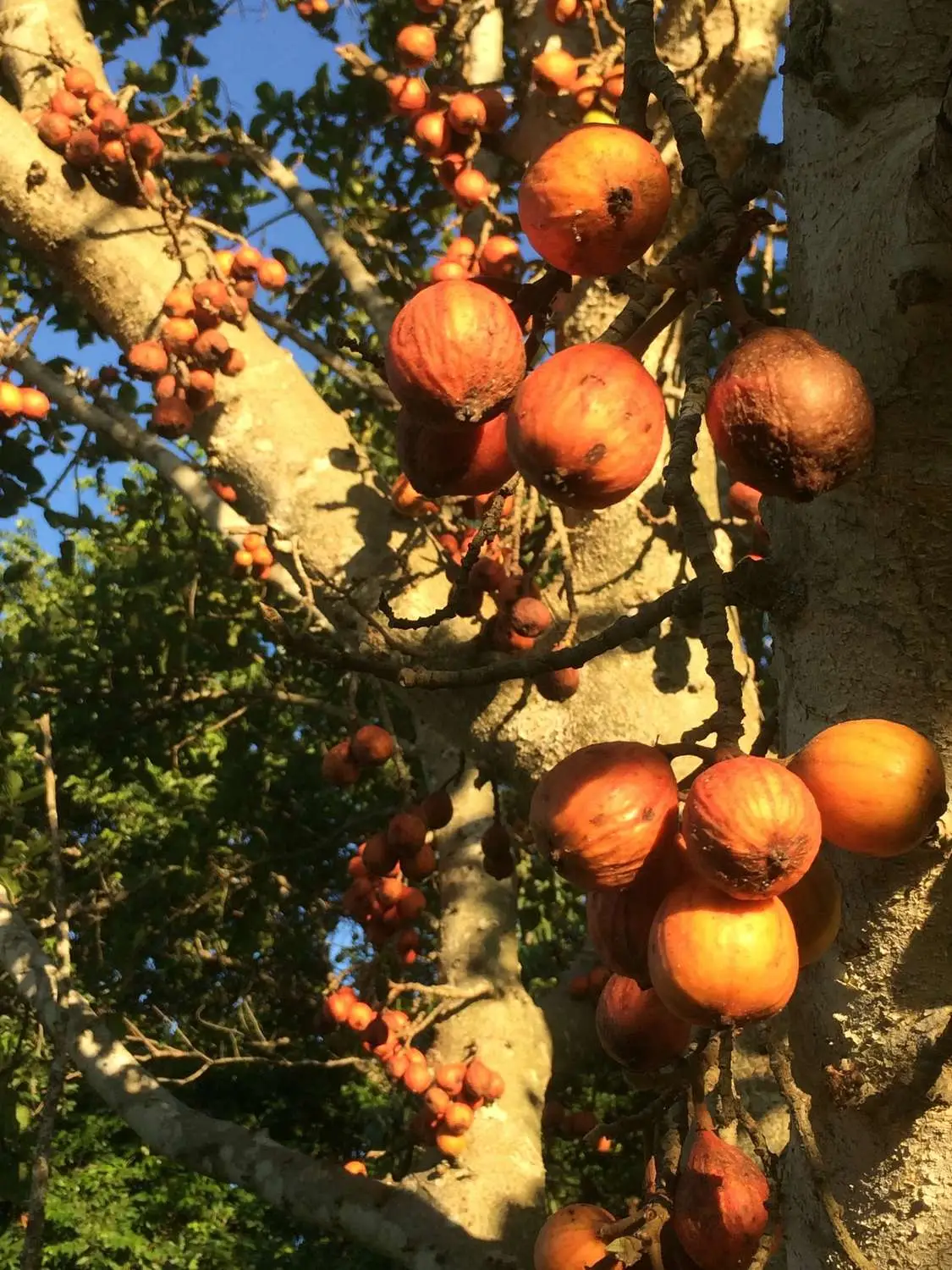
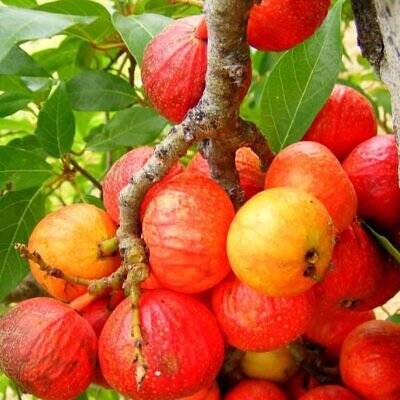
The fruit—small, globose, 2–5 cm jewels that grow in dense clusters directly on the trunk and branches (a phenomenon called caulifloria)—ripens continuously, year-round, with peaks in warm months. Ripe fruits turn from buff-green to luminous yellow, orange, or deep crimson. Their flesh is sweet-aromatic, tender, perfect eaten fresh (though their reputation is “less sweet” than common figs, their complexity is singular: a floral, honeyed intensity). Dry them, ferment them into ceremonial beverages, cook them into jams and preserves, or simply crush and suck the nectar like the ancients did.
Beyond taste lies the medicine chest. For centuries—documented in traditional healing systems across Africa and the Middle East—the fruit, leaves, bark, and latex of Ficus sycomorus have been deployed against gastrointestinal disorders, respiratory complaints, wounds, skin irritation, diabetes, and inflammation. Modern phytochemistry confirms what healers knew: the tree is rich in flavonoids, tannins, alkaloids, and phenolic compounds with proven antioxidant, anti-inflammatory, antimicrobial, and antidiabetic activity. Use the leaves as a nutritious fodder (historically prized for improving livestock milk production). Prepare bark decoctions for coughs and swollen glands. Apply the milky latex as a topical healing agent. Brew a tea from the fruit. This single tree becomes your family’s apothecary.
**HOW TO GROW IT: Surprisingly Rewarding**
Here’s the secret the botanists whisper: Ficus sycomorus is far easier to grow than its mystique suggests—if you match its desires.
*Light & Climate:* Full sun to partial shade. The tree thrives in warm, frost-free regions (USDA zones 10–12, Mediterranean, desert, or subtropical climates). In temperate regions, grow it outdoors through warm months and protect when temperatures fall below 10°C, or keep it in a large pot and bring it indoors. It adapts to seasonal drought and tolerates poor, arid soils—a survivor bred by three millennia of Egyptian and African cultivation.
*Soil & Water:* The sycamore is forgiving. It prefers well-drained loamy or sandy soil rich in organic matter, but thrives in clay amended with compost. Water moderately during the growing season; allow soil to dry between waterings. Once established, it is surprisingly drought-tolerant. The extensive root system (evolved for semi-arid riverbeds and woodlands) seeks deep water and stabilizes poor ground. Avoid waterlogging; the latex-rich wood rots if drowning.
*Propagation & Growth:* Here’s where the magic happens. Ficus sycomorus propagates with almost embarrassing ease from woody cuttings—far easier than from seed (which depends on a symbiotic wasp absent in most regions). Select healthy branches 15–20 cm long, the thickness of a finger. Plant them in moist, well-drained soil in containers. Under opt
Only logged in customers who have purchased this product may leave a review.


Reviews
There are no reviews yet.