Description
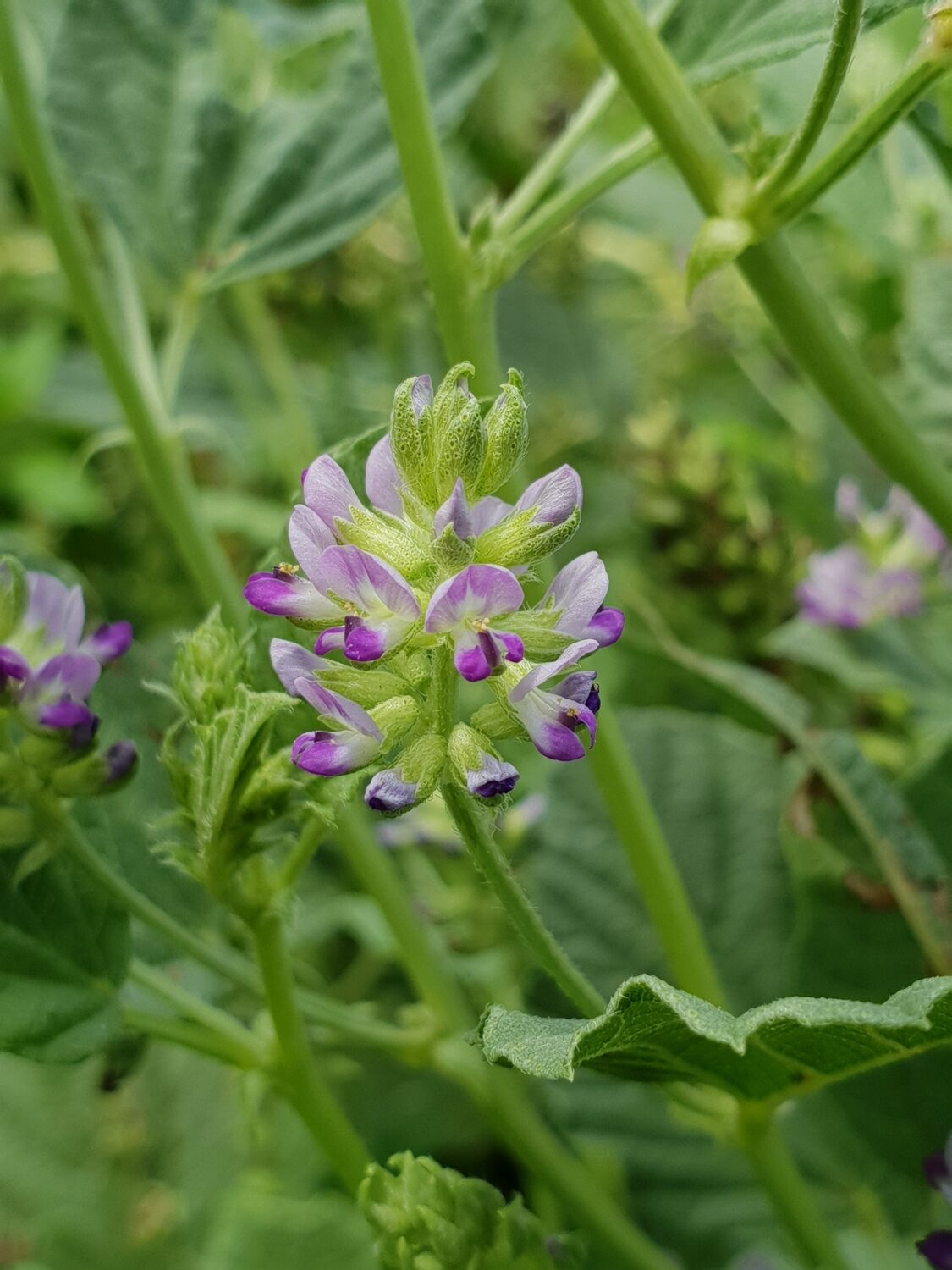
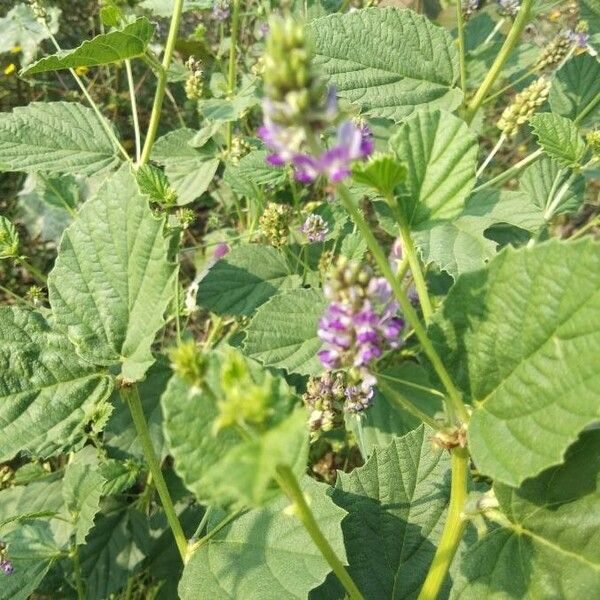
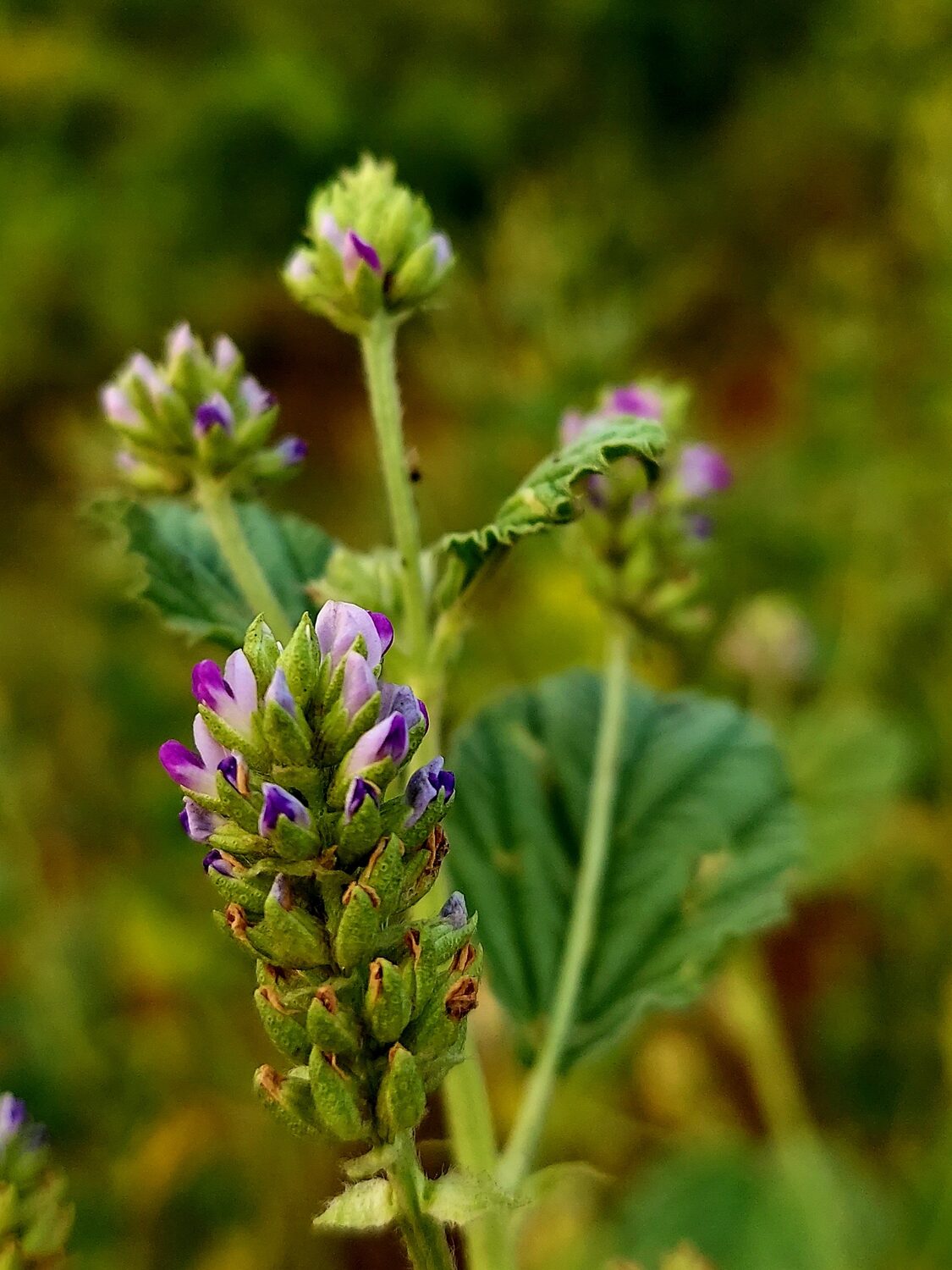
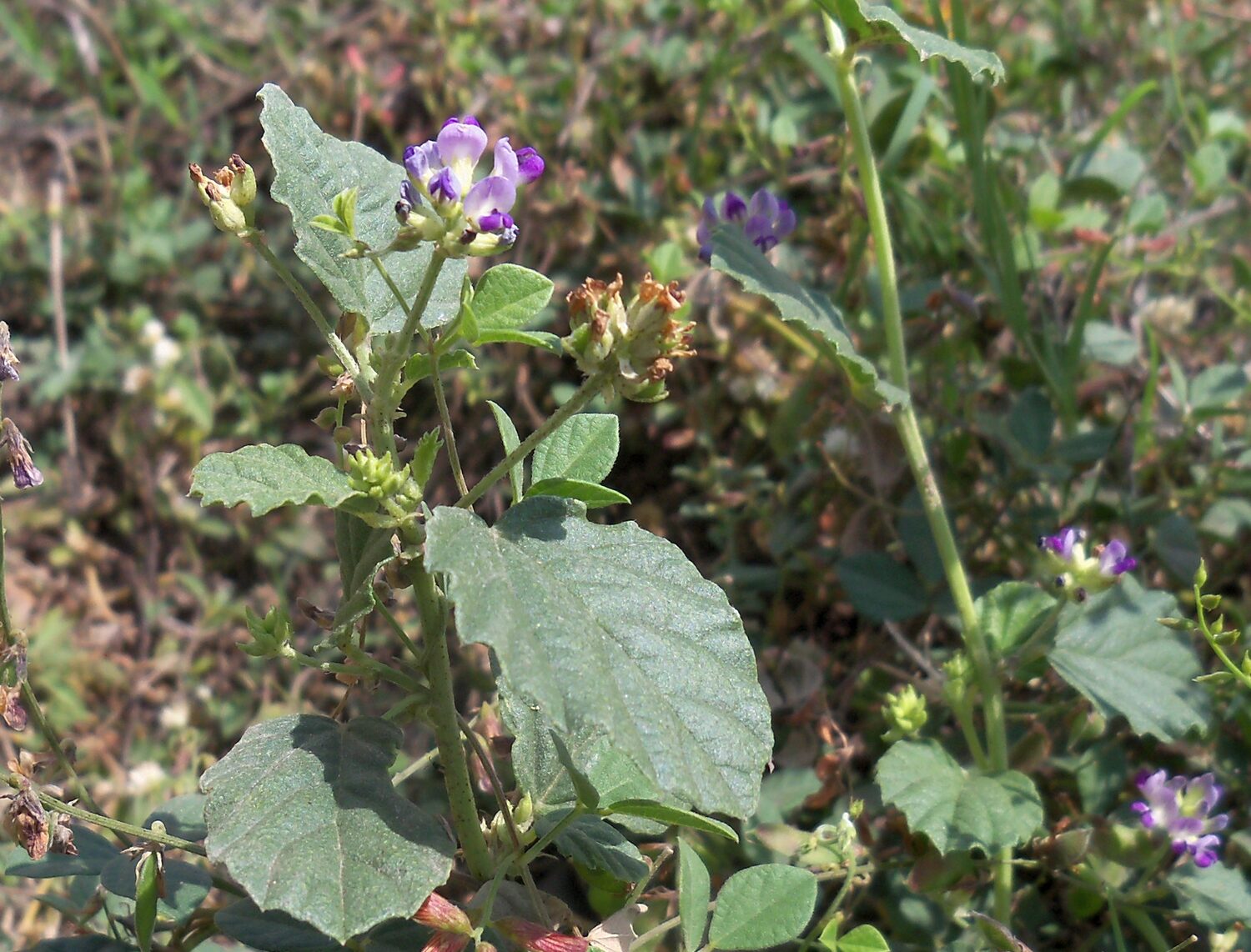
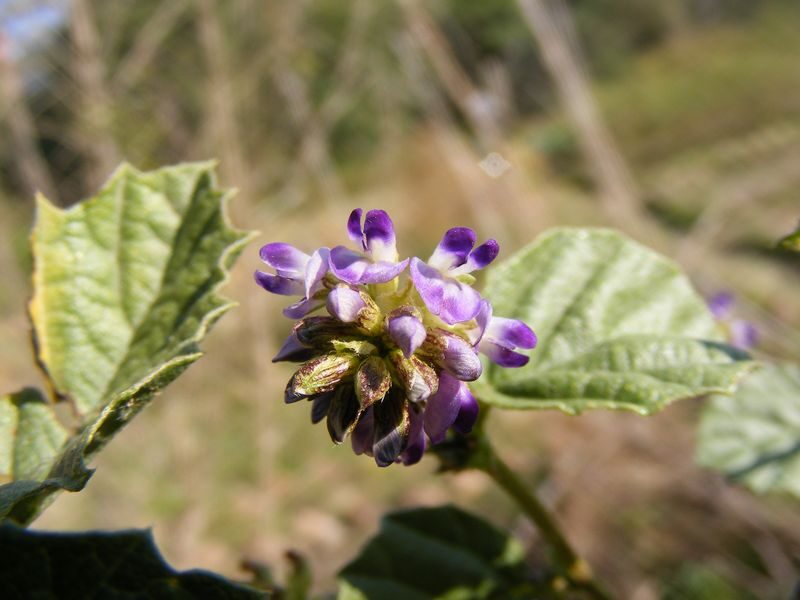
This annual or short-lived perennial herb grows up to 1.5 meters tall and is native to tropical and subtropical regions of Asia, including India, China, and parts of Southeast Asia. It is often found in disturbed habitats like roadsides and agricultural fields. The plant is characterized by its pale-purple flowers arranged in short spikes and its one-seeded fruits, which are its most medicinally important part.
The seeds of the plant contain a variety of bioactive compounds, most notably psoralen and bakuchiol. Bakuchiol, a meroterpene, has gained popularity in modern cosmetology.
Germination Guide
🌍 northeastern tropical Africa, southern Arabian Peninsula, tropical and subtropical Asia
Moderate
Cullen corylifolium is an annual herb in the Fabaceae family with hard seedcoat requiring scarification to achieve high germination rates. Natural germination is low (2-11%) without treatment.
Germination
Germination time
Expect germination in
14 – 60 days
Temperature
Min 20°C
Ideal 25°C
Max 30°C
Substrate moisture
💧 Medium
Sowing depth
Lightly covered
Seed Pre-treatment
-
💧
Soaking — 24 hours
Pre-soak seed 12-24 hours in warm water
-
🔨
Chemical scarification
Concentrated sulphuric acid 5 min, water soak 4 hrs, sulphuric acid 20 min increases germination to 94%. Mechanical scarification (sandpaper 10 min) increases germination to 79%
-
📋
Additional notes
Hot water treatment may be used; if seeds do not swell after soaking, make careful nick in seedcoat
Substrate & Container
Recommended substrate
well-draining seed raising mix, sandy or loamy soil
Recommended container
individual pots
Growing Tips
Sow in individual pots as soon as possible after germination to minimize root disturbance, as this species is intolerant of transplanting. Sow in spring after last frost. Requires full sun to partial shade and well-drained soil.
Only logged in customers who have purchased this product may leave a review.

Reviews
There are no reviews yet.