Description
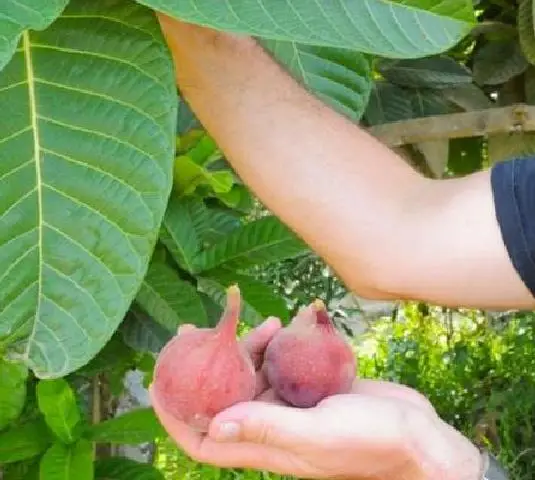
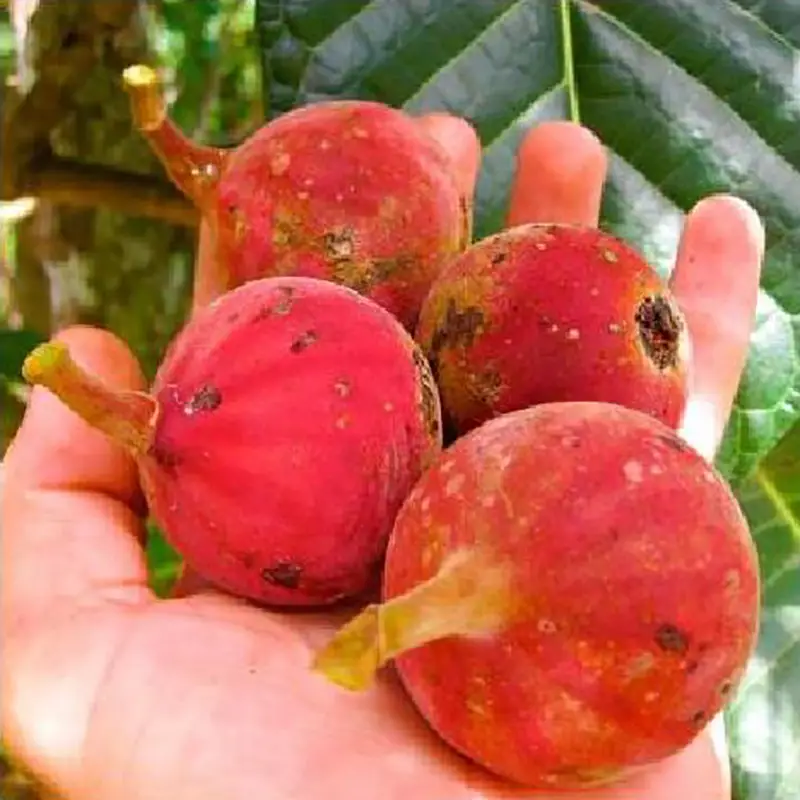
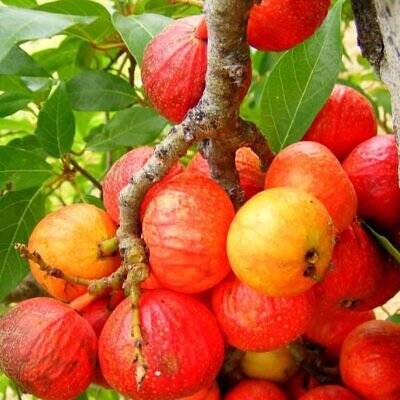
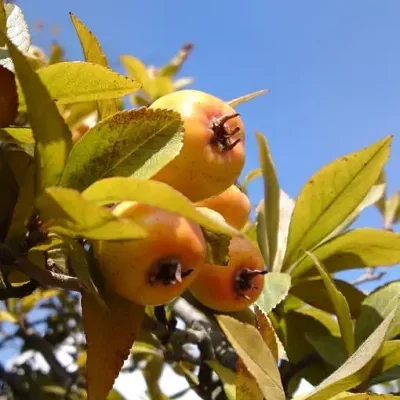
Imagine walking outside to pick luminous red figs, warm from the sun, bursting with sweet tropical juice—that’s the promise of Ficus habrophylla.
Originally discovered in the lush, humid islands of New Caledonia, this rare fig is practically unknown in cultivation outside its native range. The Kanak people have treasured it for centuries, eating the fruits fresh and folding them into their finest cakes. It’s a living connection to Melanesian foodways, a tree with cultural heritage written into its growth rings and encoded in every fruit it produces.
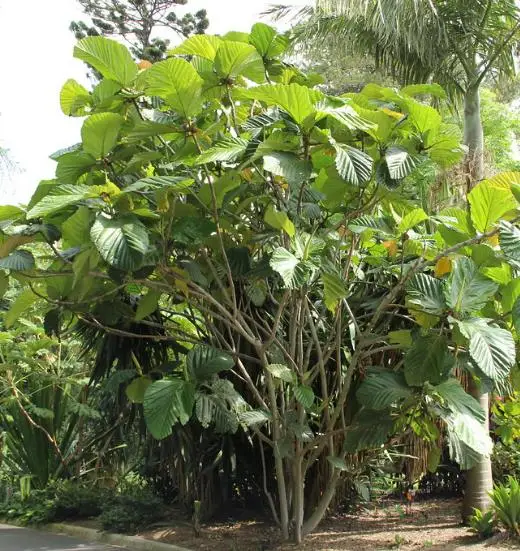
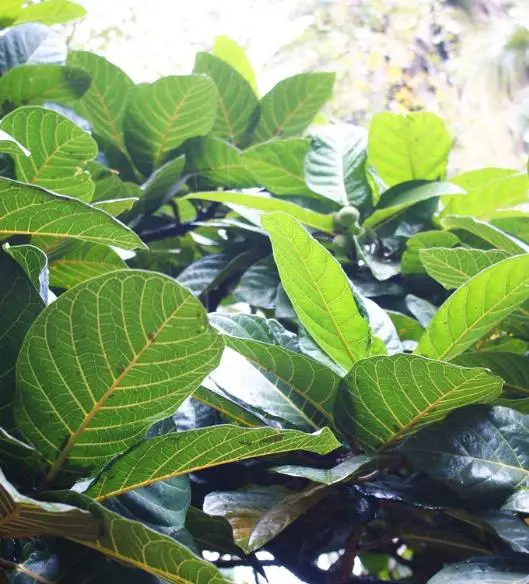
But here’s what makes this fig truly irresistible: those stunning red fruits are only half the story. The real crown jewel is the foliage. Picture massive, leathery leaves—dark glossy green on top, luminous beneath—creating a dense, architectural canopy that transforms any space into a tropical sanctuary. The species name, habrophylla, means “tender-leaved,” and when you run your fingers across them, you’ll understand why. This is an ornamental specimen tree that *also* feeds you. Not many plants offer that combination.
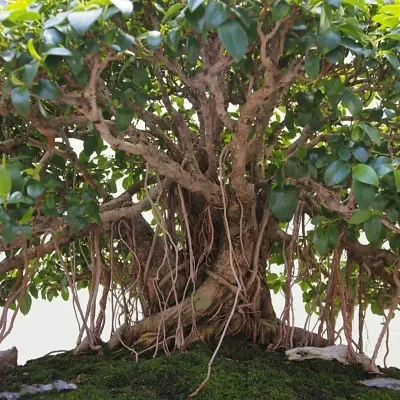
Growing Ficus habrophylla is refreshingly straightforward. Give it full sun to partial shade, well-drained soil, and warm temperatures (ideally 75–80°F, though it tolerates down to about 60°F), and it rewards you with vigorous, branching growth. At 6–12 meters tall, it’s substantial enough to command attention but not so massive that it overwhelms a garden. It thrives in containers for several years, making it ideal for anyone with a bright, warm space—indoors on a sunny sill, or outdoors in tropical and subtropical zones. Water deeply but let the soil dry between waterings. That’s genuinely it. This is a low-maintenance tree that looks anything but.
Grow Ficus habrophylla from seed and watch it unfold into something extraordinary—a rare piece of Pacific heritage, a feast for the eyes and the palate, a tree that whispers stories of distant islands every time you harvest a fig. This is not just another ornamental fig. This is luxury with roots.
Germination Guide
🌍 Vanuatu to New Caledonia (Pacific Islands)
Moderate
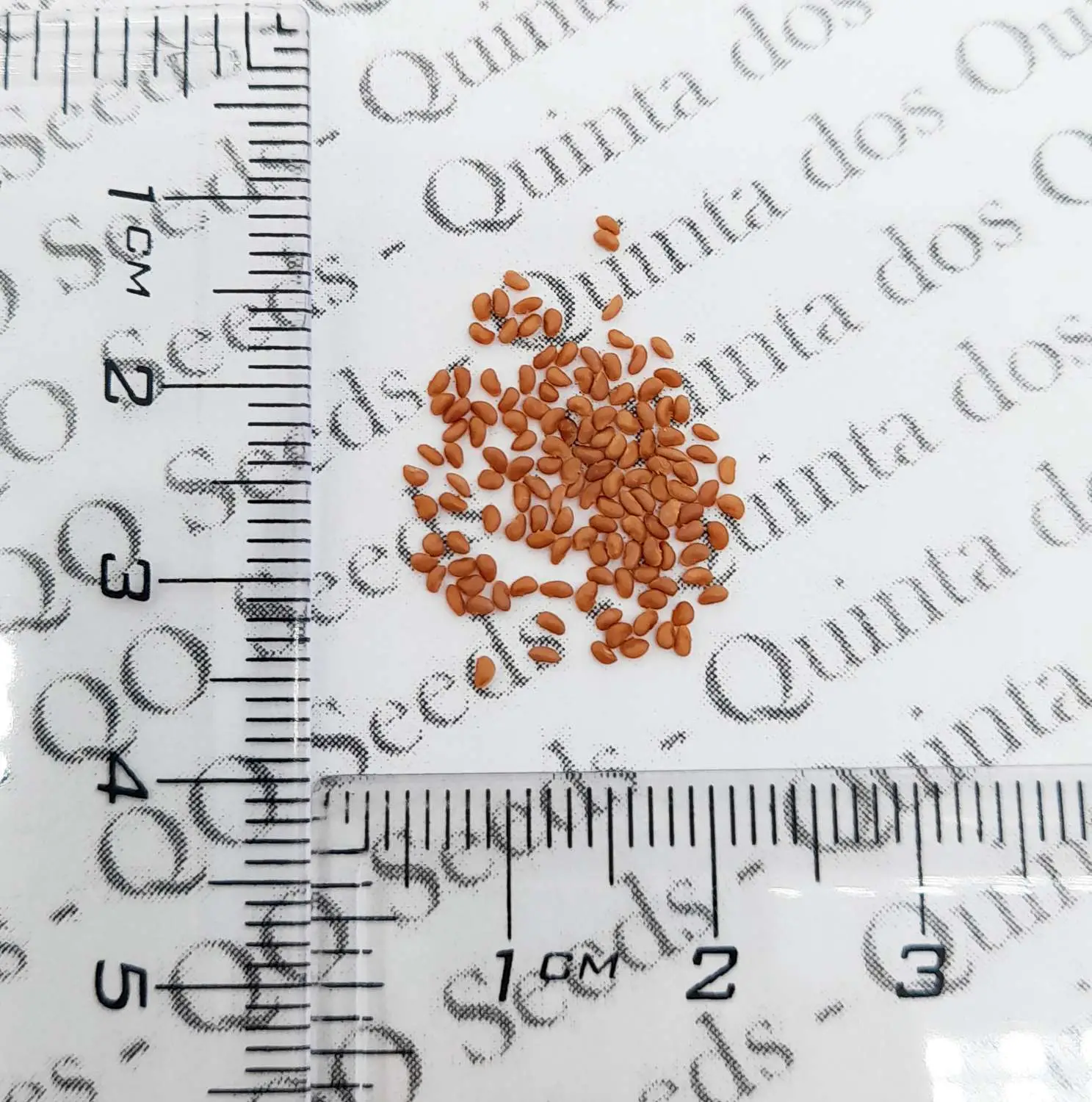
Ficus habrophylla, also known as the Giant Leaf Fig or Red Fig, is a tropical fig tree native to the Pacific islands of Vanuatu and New Caledonia, prized for its large ornamental foliage and edible fruits. Seeds require specific warm, humid conditions and typically germinate within 14-30 days when properly maintained. This species demonstrates intermediate germination difficulty with consistent results when humidity and temperature requirements are met.
Germination
Germination time
Expect germination in
14 – 30 days
Temperature
Min 20°C
Ideal 27°C
Max 35°C
Substrate moisture
💧💧 High
Sowing depth
Lightly covered
Seed Pre-treatment
-
💧
Soaking — 24 hours
Soak seeds in water for 24 to 48 hours before planting to allow moisture penetration and promote germination.
-
📋
Additional notes
Pre-treatment consists of seed soaking; no scarification or stratification needed.
Substrate & Container
Recommended substrate
Light, porous, pathogen-free potting mix or coconut fiber substrate; well-draining, organic-rich, sandy or silt loam preferred
Recommended container
Plastic pot with transparent humidity dome or mini greenhouse for high humidity maintenance
Growing Tips
Maintain high humidity by keeping the dome or cover closed; open only every 1-2 days for air exchange and moisture checks. Keep seedlings out of direct sunlight; use LED or fluorescent lighting if needed. Ensure condensation appears on the humidity dome; if missing, adjust water or verify temperature exceeds 70°F (21°C). Check seeds weekly for mold during germination. Gradually acclimate seedlings to fresh air by opening the dome for increasing periods once most seeds have sprouted, gradually transitioning over 1-2 weeks before complete removal. Once seedlings develop their second set of true leaves, transplant into individual pots with well-draining substrate.
Only logged in customers who have purchased this product may leave a review.


Reviews
There are no reviews yet.