Description
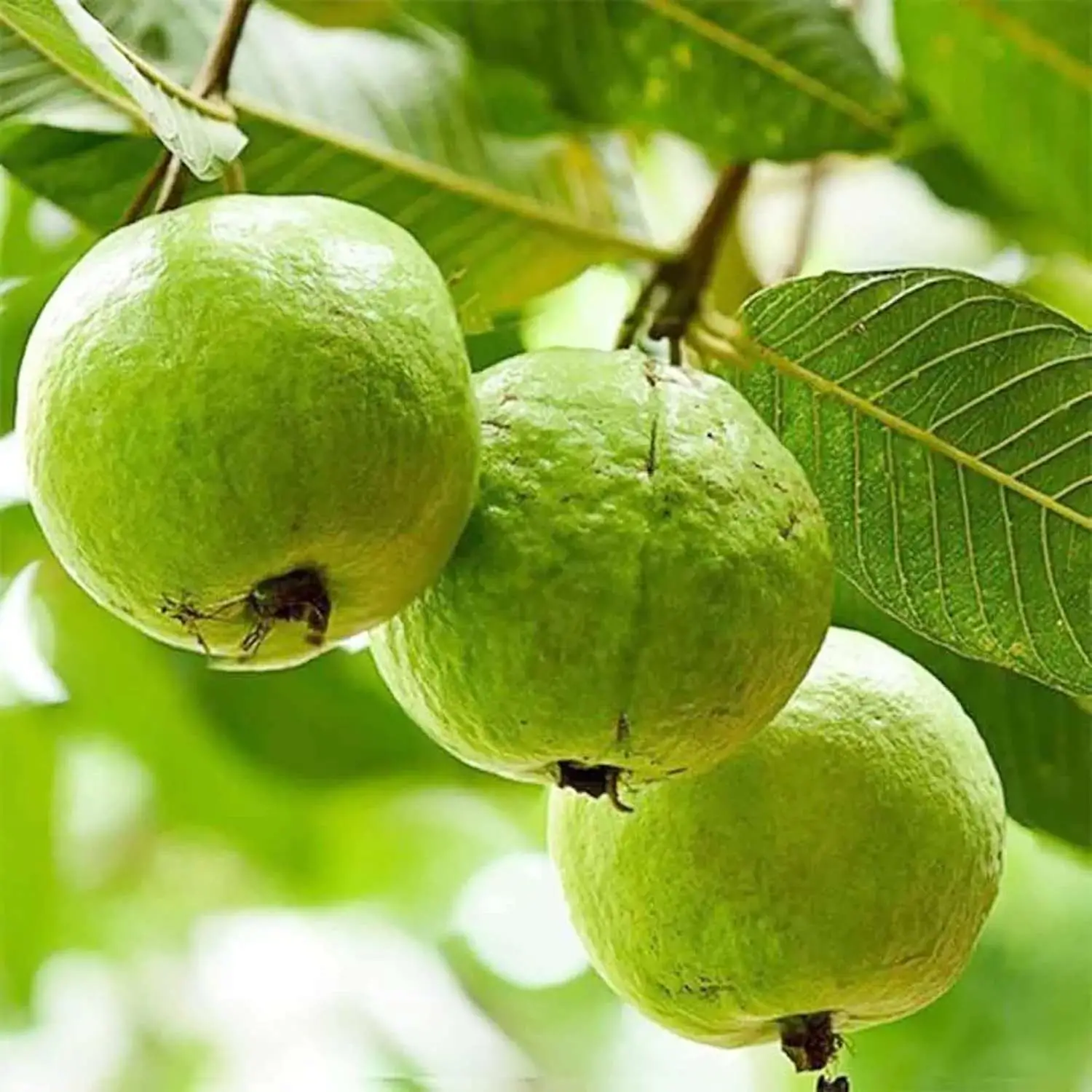
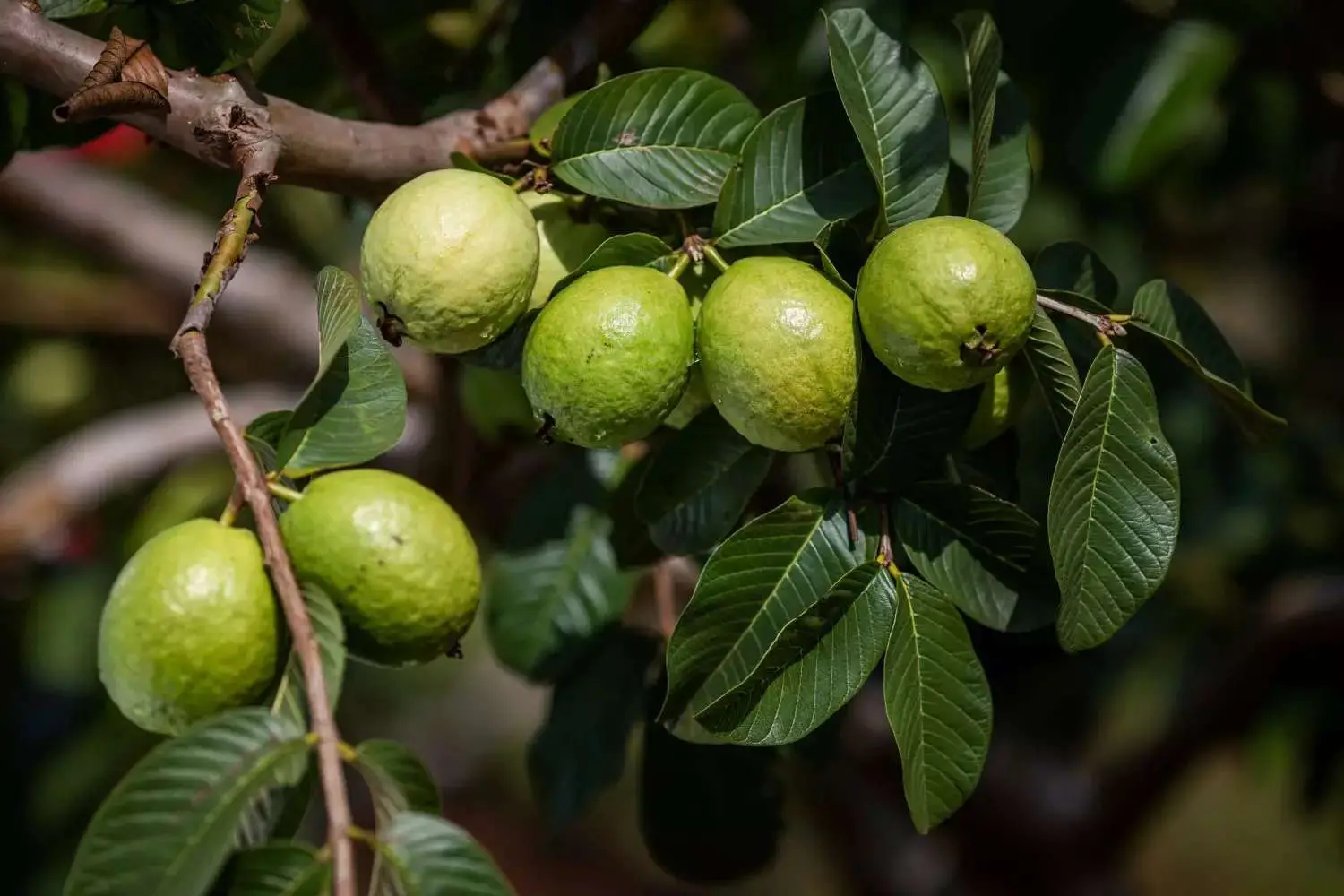
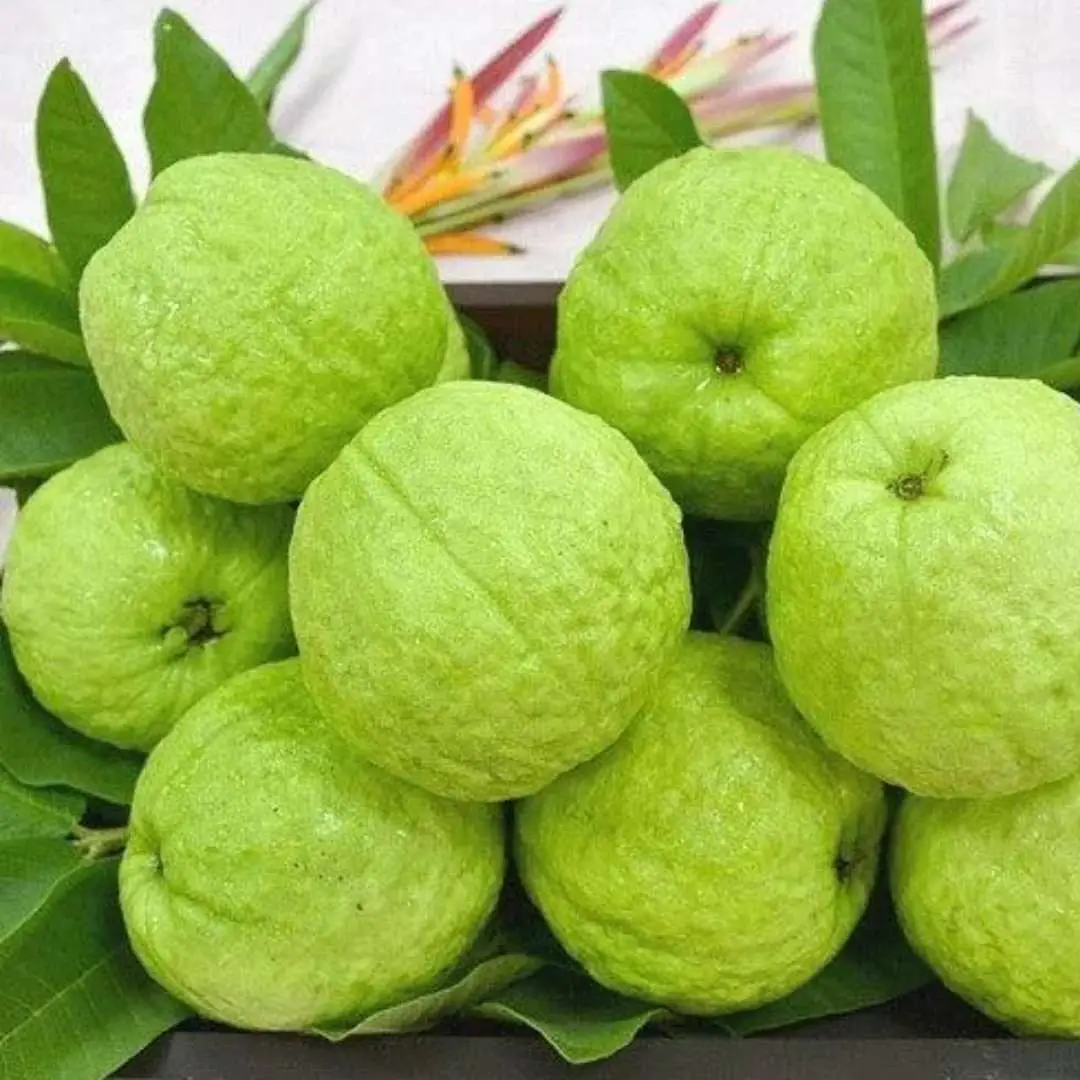
Guava (Psidium guajava L., Myrtaceae) is a rich source of relatively low methoxylated pectins (50%). Since wastes constitute only 10–15% of the fruit, the use of guava for pectin production is limited. The seeds, usually discarded during processing of juice and pulp, contain about 5–13% oil rich in essential fatty acids.
Recent investigations indicated that peel and pulp of guava fruits could be effectively used as a source of antioxidant dietary fiber.
Germination Guide
🌍 Caribbean, Central America and northern South America
Easy
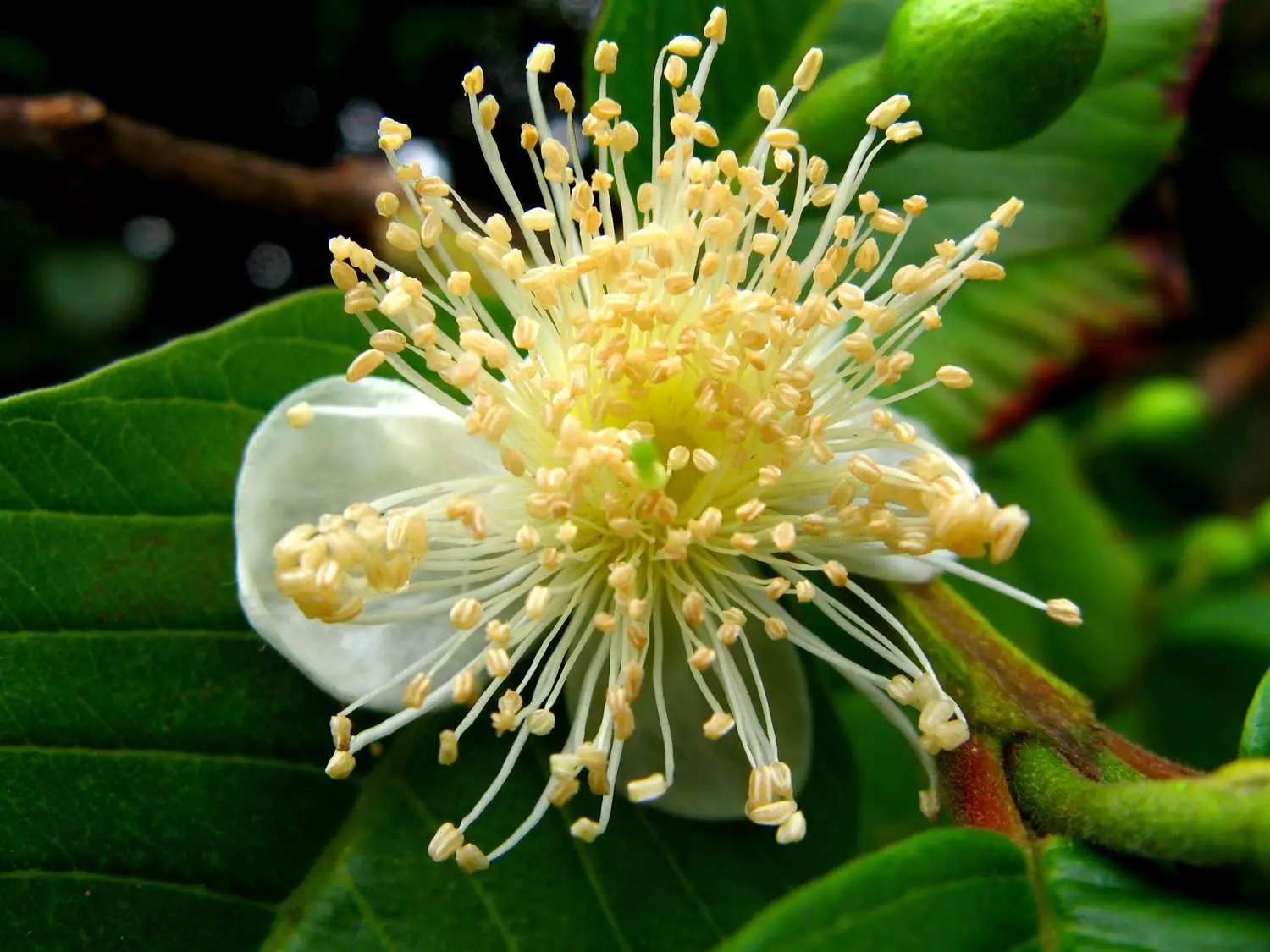
Psidium guajava, commonly called guava, is a tropical evergreen shrub or small tree native to the Caribbean, Central America, and South America. Now widely cultivated worldwide, guava is valued for its nutrient-rich, vitamin C-rich fruits and ornamental appeal. Guava seed germination is moderately slow but straightforward when proper warm, moist conditions are maintained, typically taking 2-12 weeks with good germination rates above 80-90%
Germination
Germination time
Expect germination in
14 – 84 days
Temperature
Min 20°C
Ideal 25°C
Max 30°C
Substrate moisture
💧 Medium
Sowing depth
Lightly covered
Seed Pre-treatment
-
💧
Soaking — 24 hours
Soak seeds in warm water (20-30°C) for 24 hours to soften hard seed coat and improve hydration. Some sources recommend brief hot water treatment (boiling water) for 1-5 minutes, followed by 24-hour room temperature soak
-
🔨
Mechanical scarification
Light mechanical scarification by gently sanding the seed coat is optional but can improve germination rate
-
📋
Additional notes
Warm water soaking for 24 hours is essential to break seed dormancy and improve germination rate. Optional light scarification may provide additional benefit. Avoid cool or cold soaking
Substrate & Container
Recommended substrate
Well-draining seed starting mix such as 50% coco coir or peat combined with 50% perlite or coarse sand, pH 5.0-7.0. Ensure excellent drainage
Recommended container
Container with drainage holes. Use seedling heat mat to maintain consistent warmth (75-85°F/24-29°C). Cover with clear plastic dome or wrap to maintain high humidity during germination
Growing Tips
Provide consistent warmth (75-85°F/24-29°C) using a seedling heat mat - this is critical for success as germination fails in cool soil. Maintain high humidity by covering containers with plastic until seedlings emerge. Once seedlings appear, provide bright light (full sun or grow lights) and gradually reduce humidity. Transplant into larger containers once several true leaves develop. For faster results, use alternating day/night temperatures or boiling water treatment before soaking. Ensure excellent drainage to prevent damping-off. Guava seeds are recalcitrant (moisture-sensitive) if stored; plant immediately after extraction from fruit when possible
Only logged in customers who have purchased this product may leave a review.

Reviews
There are no reviews yet.