


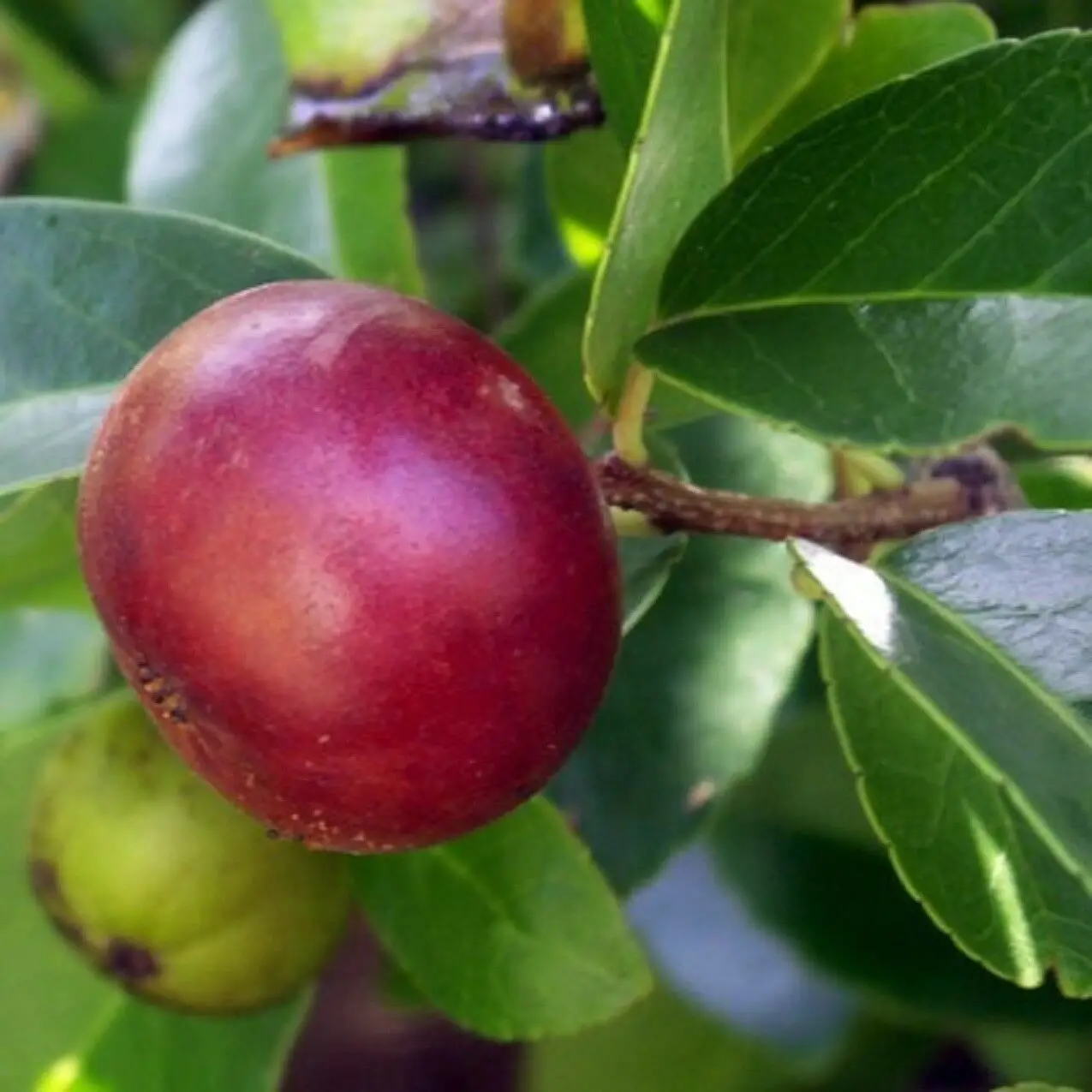
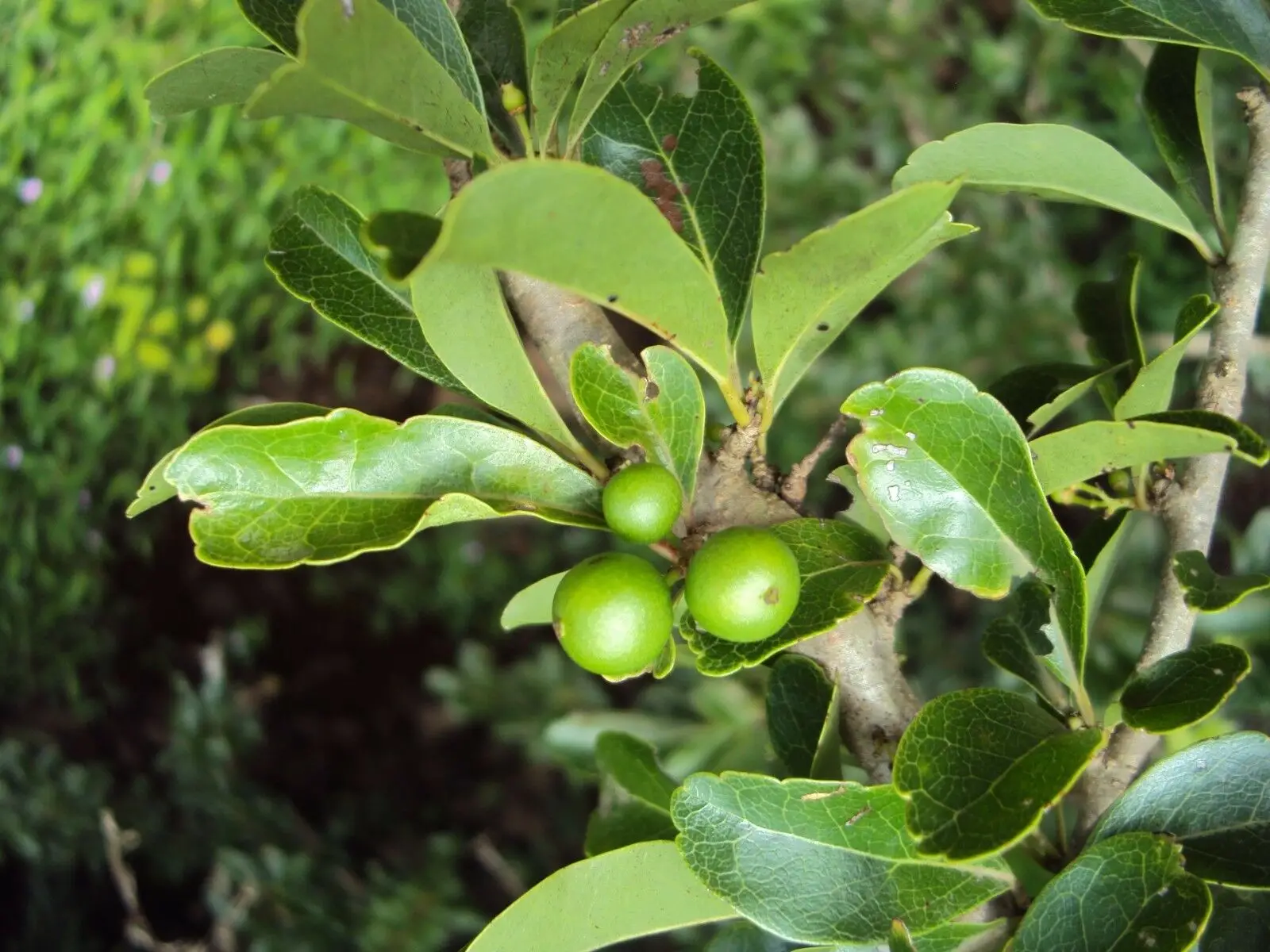


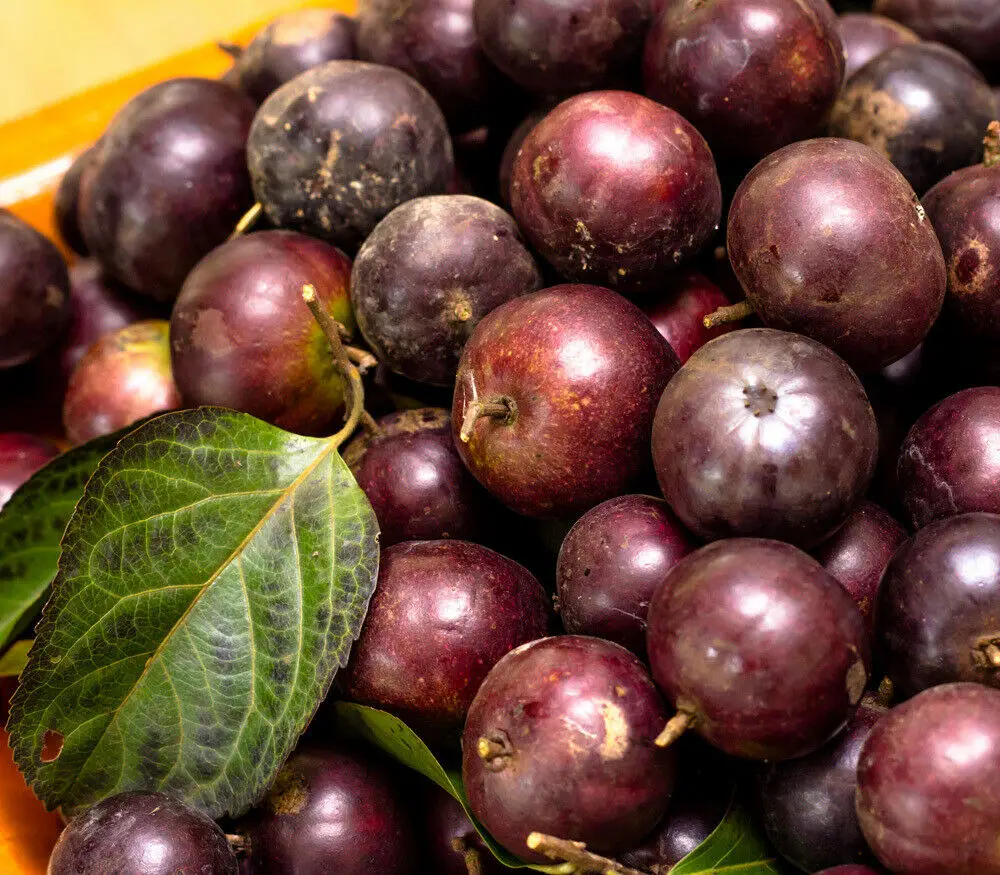


Discover the tropical treasure that shouldn’t be hidden: Flacourtia indica bears jewel-like berries that ripen from scarlet to deep purple, offering an intoxicating sweet-tart flavor. Eat them fresh, turn them into jams, jellies, or fermented wine. Self-fertile, forgiving, and fast-growing—this is the rare fruit tree you’ve been hunting for. Grow it from seed; your first harvest arrives in just a few years.
€6.14
Imagine walking into your garden and plucking a perfect, wine-dark berry about the size of your thumbnail—smooth-skinned, sun-warm, bursting with that addictive blend of sweetness and tangy acid that makes you reach for another. That’s Flacourtia indica, the Governor’s Plum, waiting to transform your tropical or subtropical space into a private fruit haven.
Native to the warm forests and coastal regions of tropical Africa, southern Asia, Madagascar, and India, this evergreen shrub or small tree carries centuries of cultural significance and culinary tradition. The genus name itself honors French botanist Charles De Geofroy, while Indian origins run deep through its many common names—Ramontchi, Indian Plum, Batoko Plum—each one a testament to the communities that have cherished it for generations. What makes it irresistible today? It thrives where other fruit trees struggle, adapts to drought, and produces abundantly with minimal fussing.
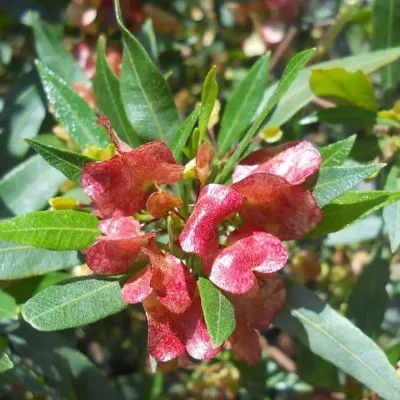
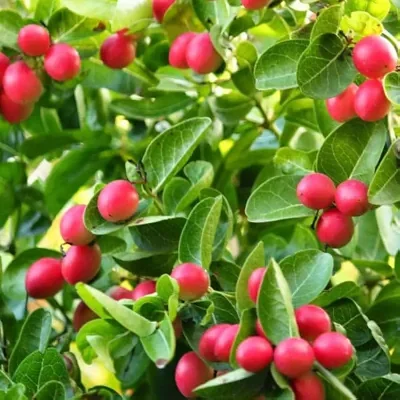
Let’s talk about why people are falling for this tree: the fruit. Flacourtia indica produces one to two heavy harvests yearly of berries that begin scarlet-red and deepen to purple-black as they ripen—each one a glossy pome about an inch across with that meaty, yellow or white flesh inside. Bite into a fully ripe one and you’ll taste the signature Governor’s Plum experience: a complex sweet-tart flavor profile that begs to be eaten fresh, skin and all. But the true magic emerges in the kitchen. These berries transform into sublime jams and jellies with a flavor that outclasses conventional plum preserves. Ferment the pulp and you’ve got a distinctive, fruit-forward wine that cocktail enthusiasts are discovering. The fruit is packed with vitamin C, magnesium, iron, and antioxidants—compounds that support immune function, combat inflammation, and fight oxidative stress. Traditional healers across Asia and Africa have long recognized Governor’s Plum as a digestive aid and anti-inflammatory ally; modern research is validating what indigenous knowledge always knew. Beyond eating, the entire plant holds medicinal value: the bark treats arthritis and fever; leaves and roots address respiratory issues and support kidney health. This is not a ornamental sitting idle in your landscape—it’s a functional, purposeful tree.
Cultivating Flacourtia indica is genuinely easy, which is why we’re excited to offer you seeds. The tree is self-fertile, meaning you need just one plant for fruit production. It loves full sun and regular watering during establishment, but once settled, it becomes drought-tolerant and forgiving—even if you forget to water for a stretch, it bounces back. It thrives in well-draining soil of nearly any type; it’s not fussy about pH or soil composition. The plant grows rapidly, often adding five to seven feet per year, reaching mature dimensions of 10–20 feet as a manageable small tree or 5–10 feet as a bushy shrub—easily controlled with light pruning. In containers, it stays happily compact. Hardiness to USDA Zone 10–11 makes it suitable for tropical and warm subtropical gardens; it can tolerate brief cold snaps into the 30s°F. Young seedlings take a few months before they’re ready for transplanting, and fruiting begins within just a few years—remarkably fast for a tree this productive.
There’s something deeply satisfying about starting a tree from seed, watching it grow under your care, and then harvesting fruit you’ve nurtured yourself. With Flacourtia indica, you’re not just growing another houseplant or landscape shrub—you’re establishing a living relationship with a plant that gives back year after year, fruit after abundant fruit. Start your seeds now and join the quiet revolution of growers discovering that the best tropical fruits are the ones you grow yourself.
Only logged in customers who have purchased this product may leave a review.
Reviews
There are no reviews yet.