FREE SHIPPING OVER €30 FREE SHIPPING OVER €30

Bixa orellana — Achiote | Grow Your Own Liquid Gold Dye

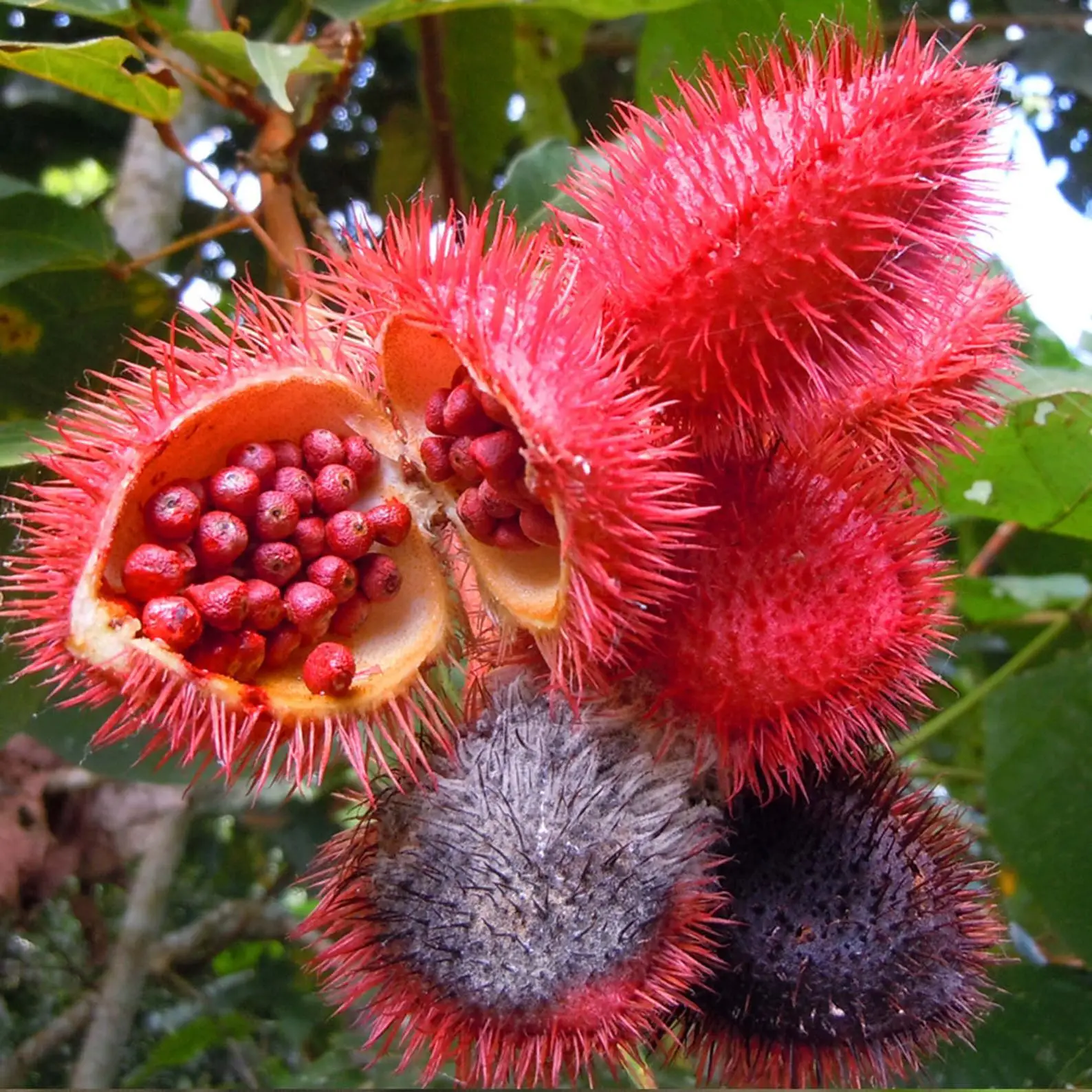
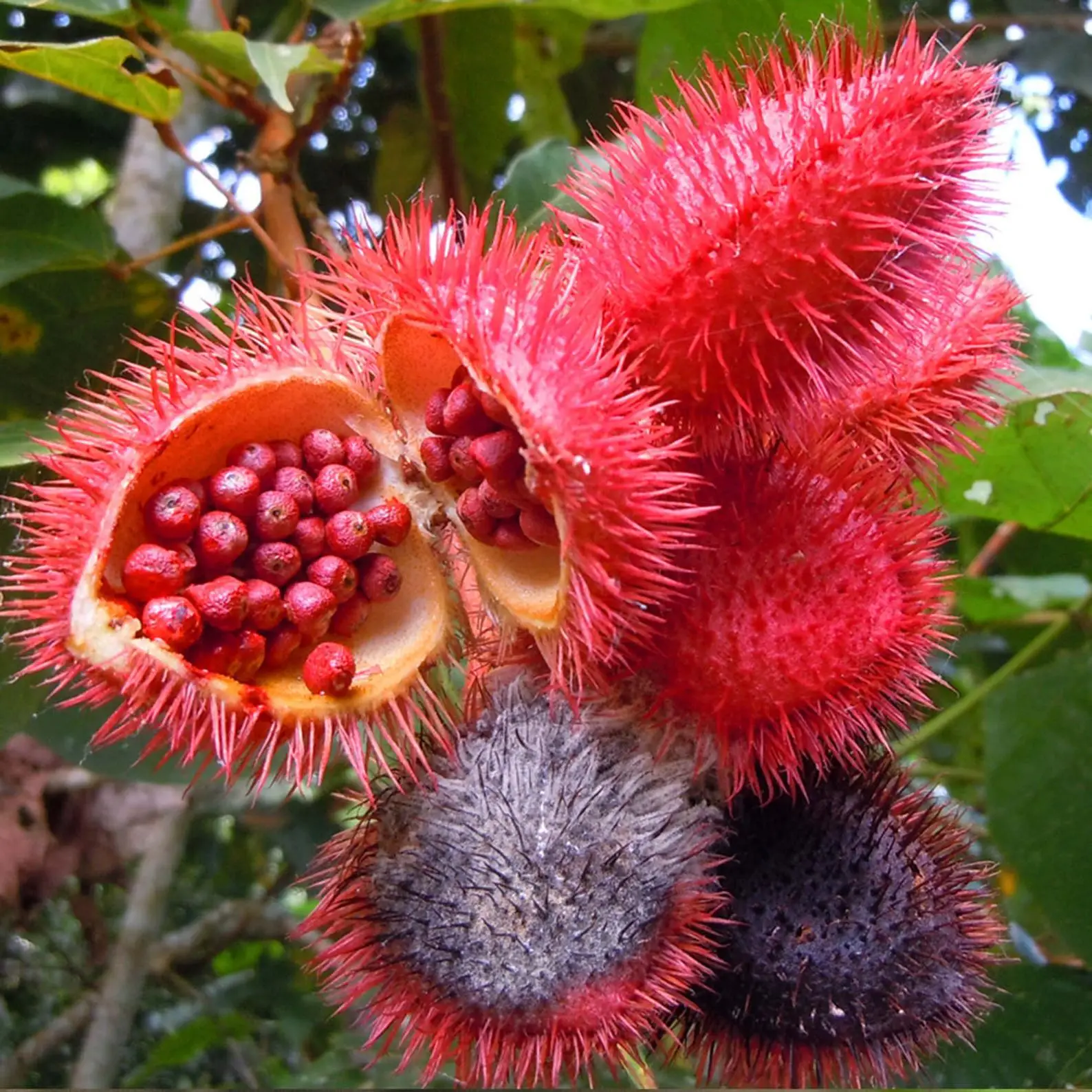
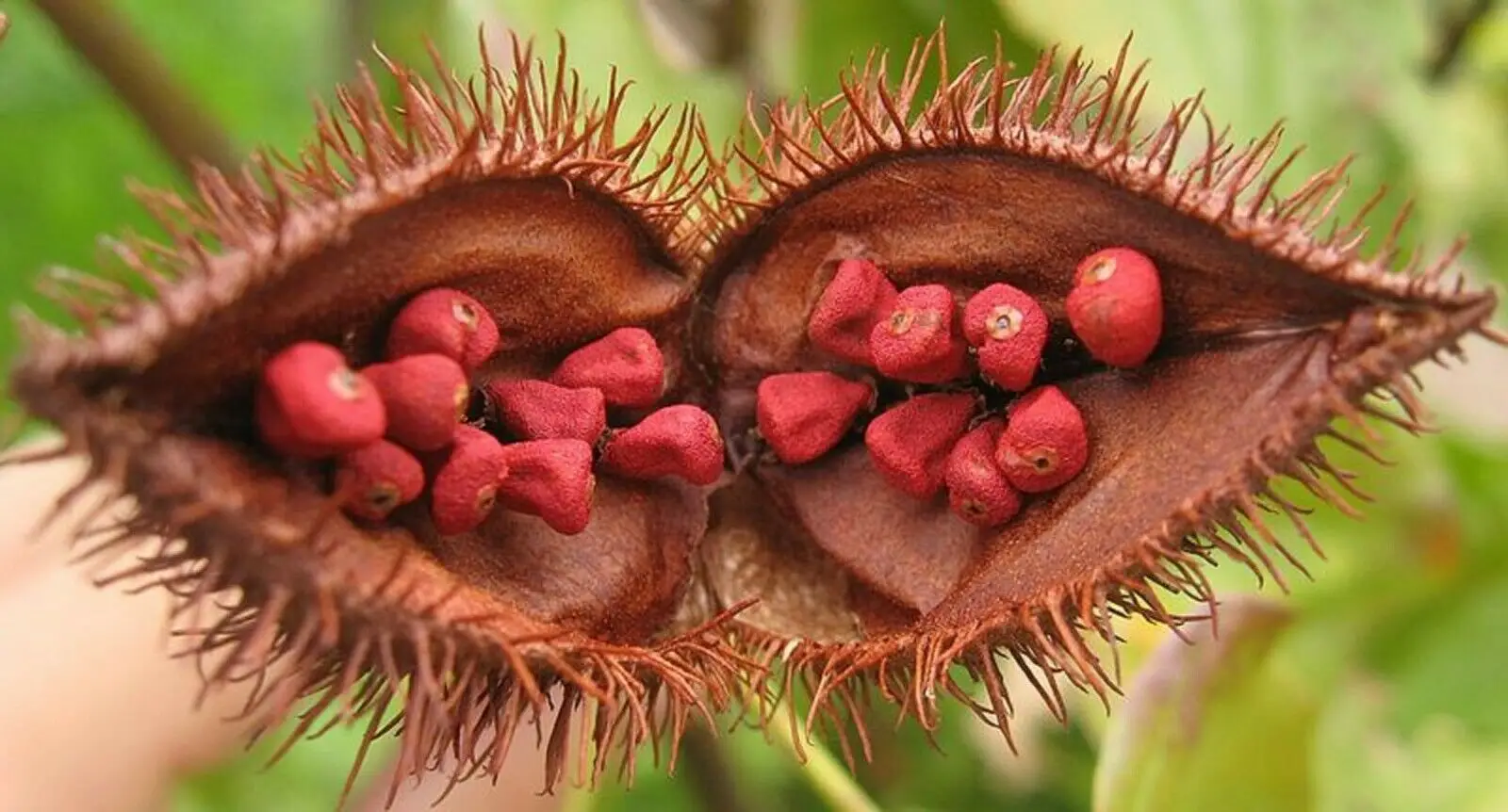
Grow the legendary lipstick tree and harvest brilliant orange-red pigment from a single plant. Achiote seeds yield annatto—the world’s most treasured natural food colorant, used in everything from artisan cheese to cosmetics. Pink flowers like wild roses, then spiky red pods full of waxy-coated seeds ready to extract or use fresh. Thrives in warm climates with minimal fussing. Start from seed and watch your kitchen, dye studio, and beauty cabinet transform

1.92

SKU: P-1948 Categories: , , Tags: , , ,

You May Also Like

Description

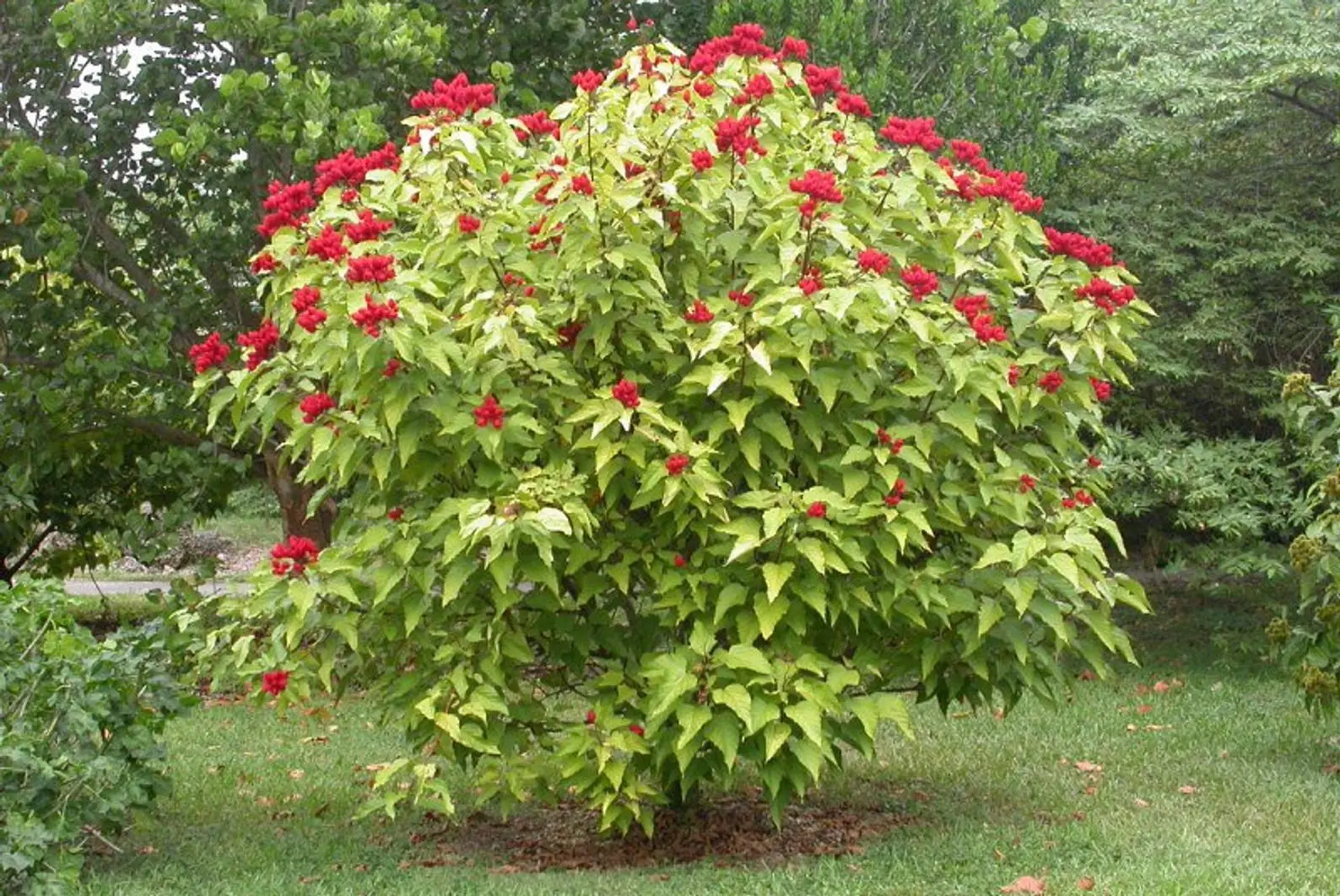
Grow the plant that has colored the world—literally. Bixa orellana is the single source of 70% of the planet’s natural food dyes, and now you can cultivate this economic powerhouse in your own tropical or subtropical garden. Harvesting your own annatto is not just gardening; it’s reclaiming a centuries-old alchemy that indigenous peoples mastered long before industrial cosmetics existed.

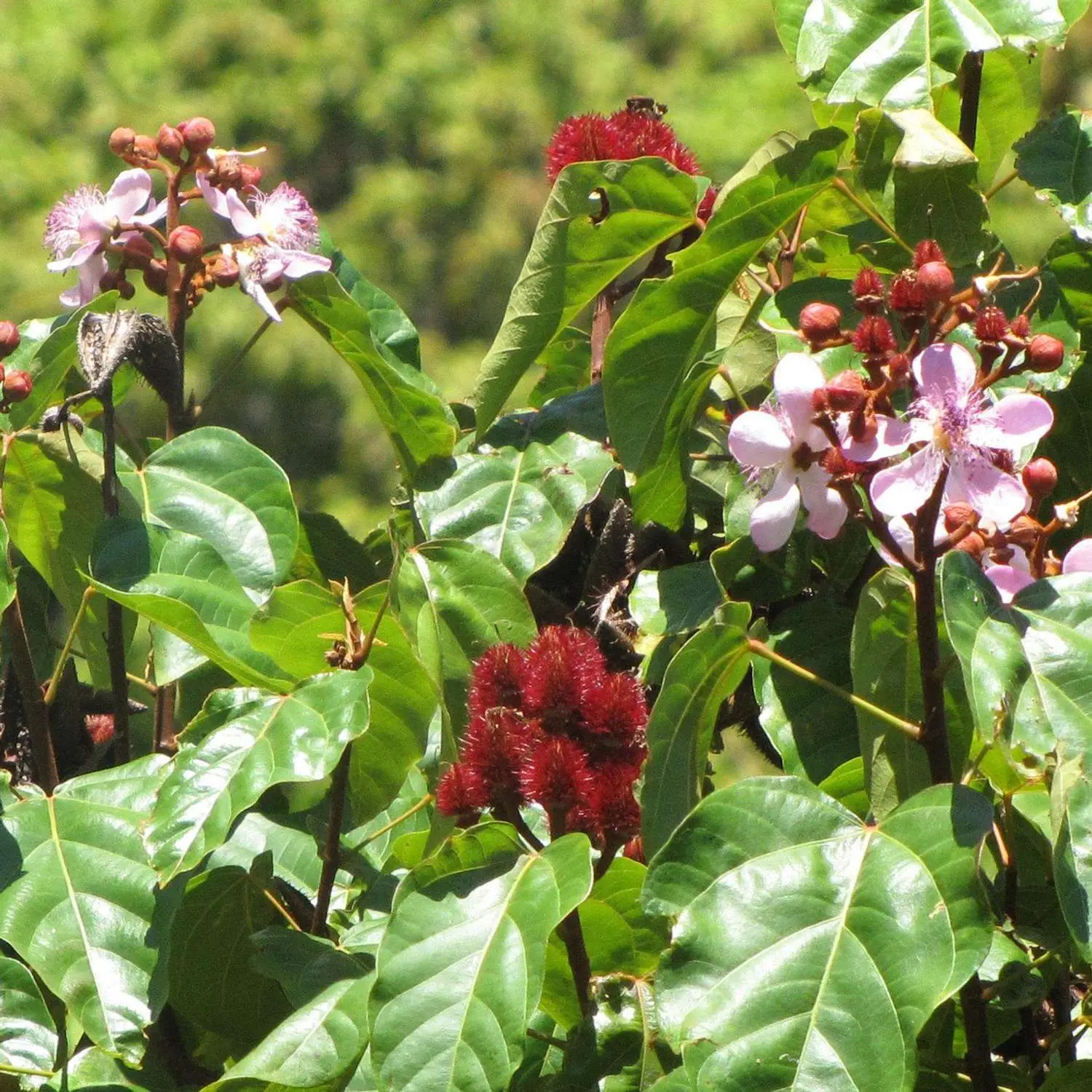
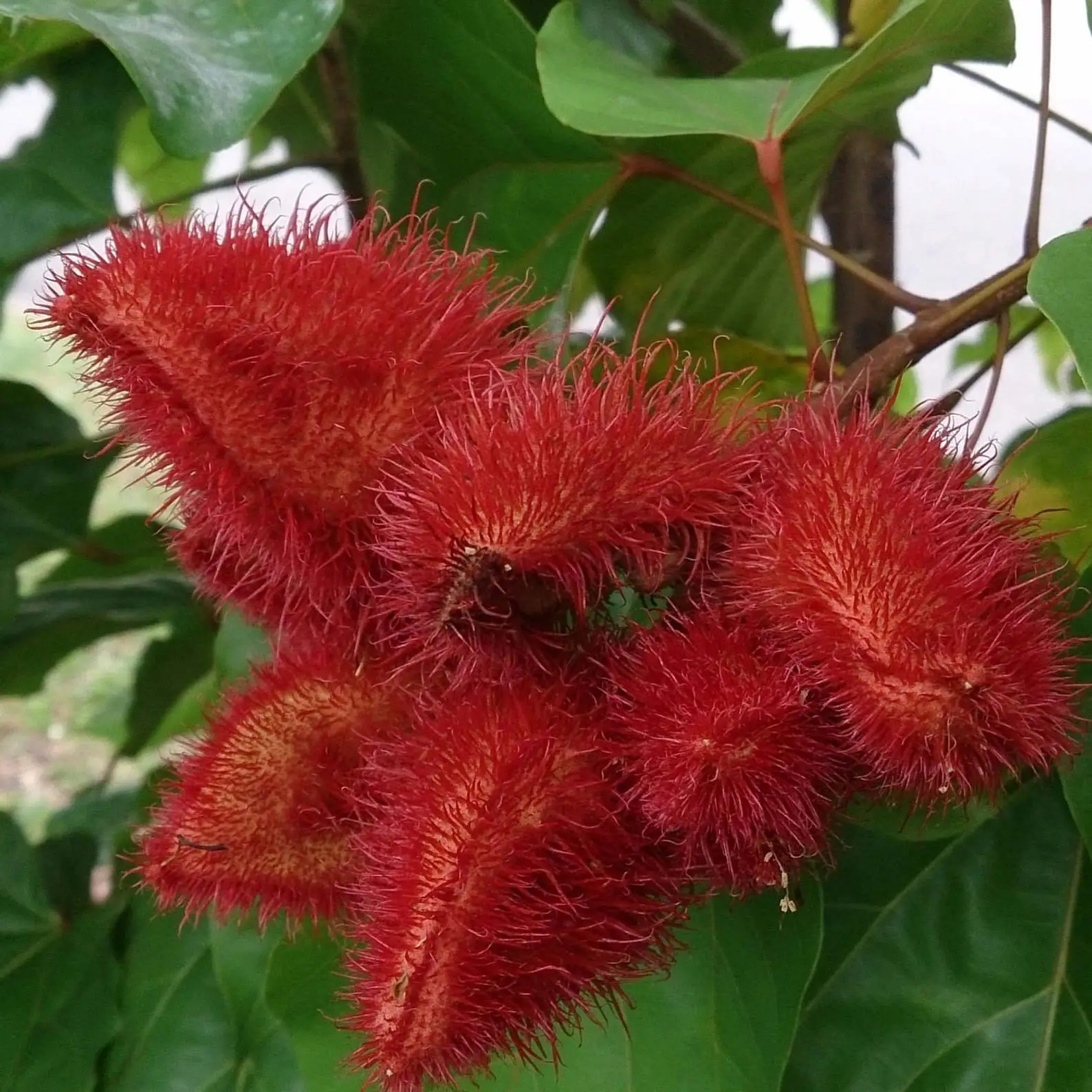
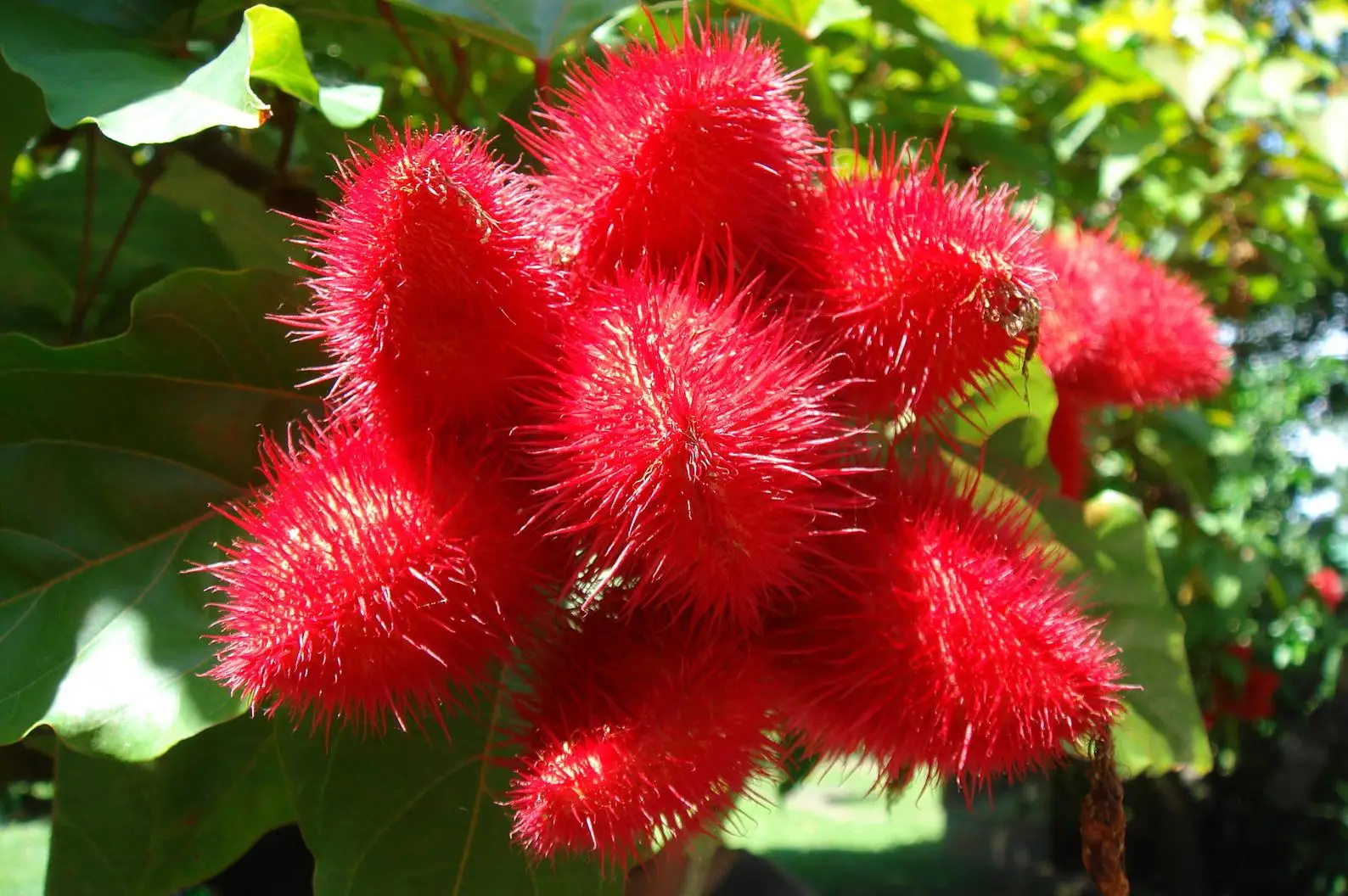
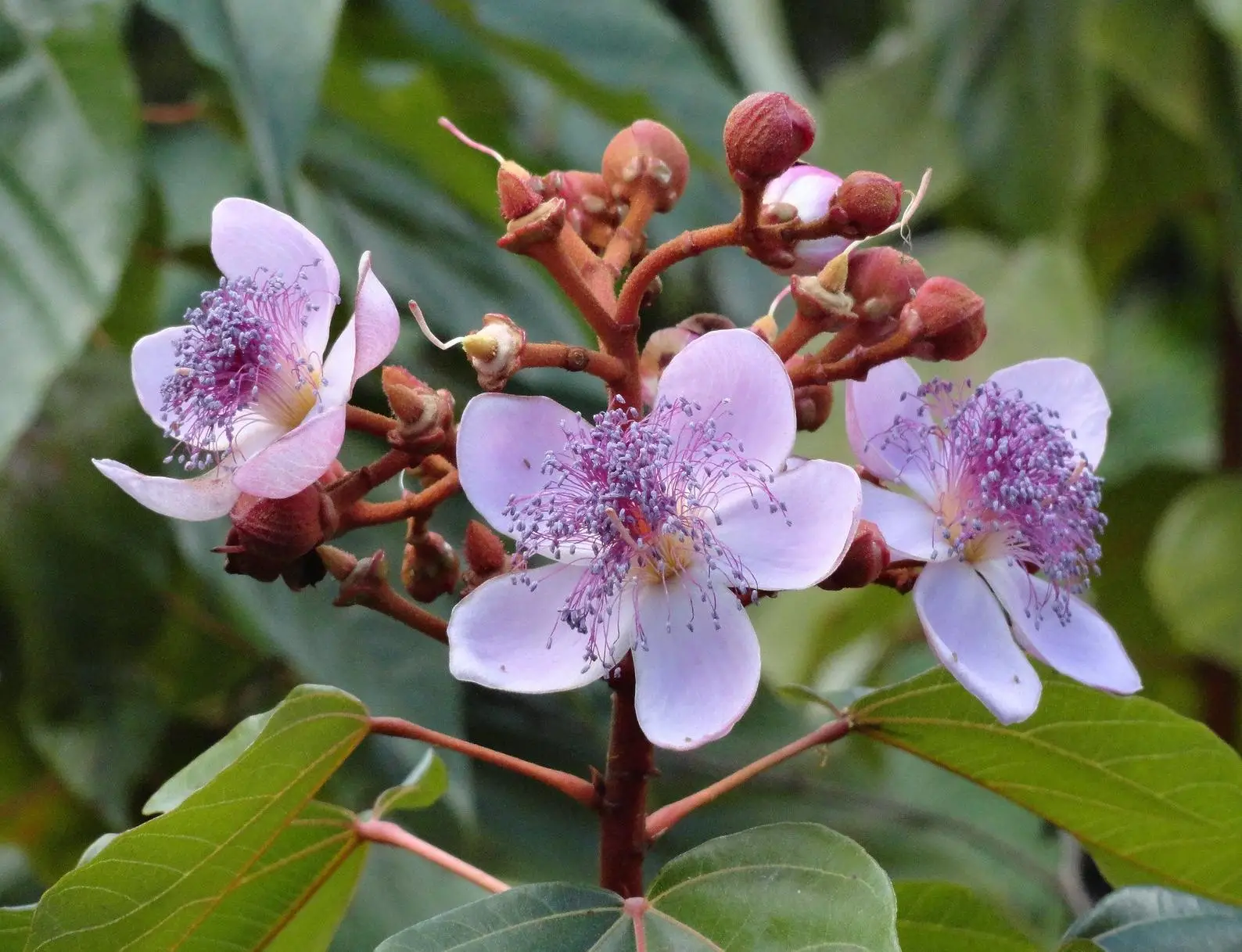
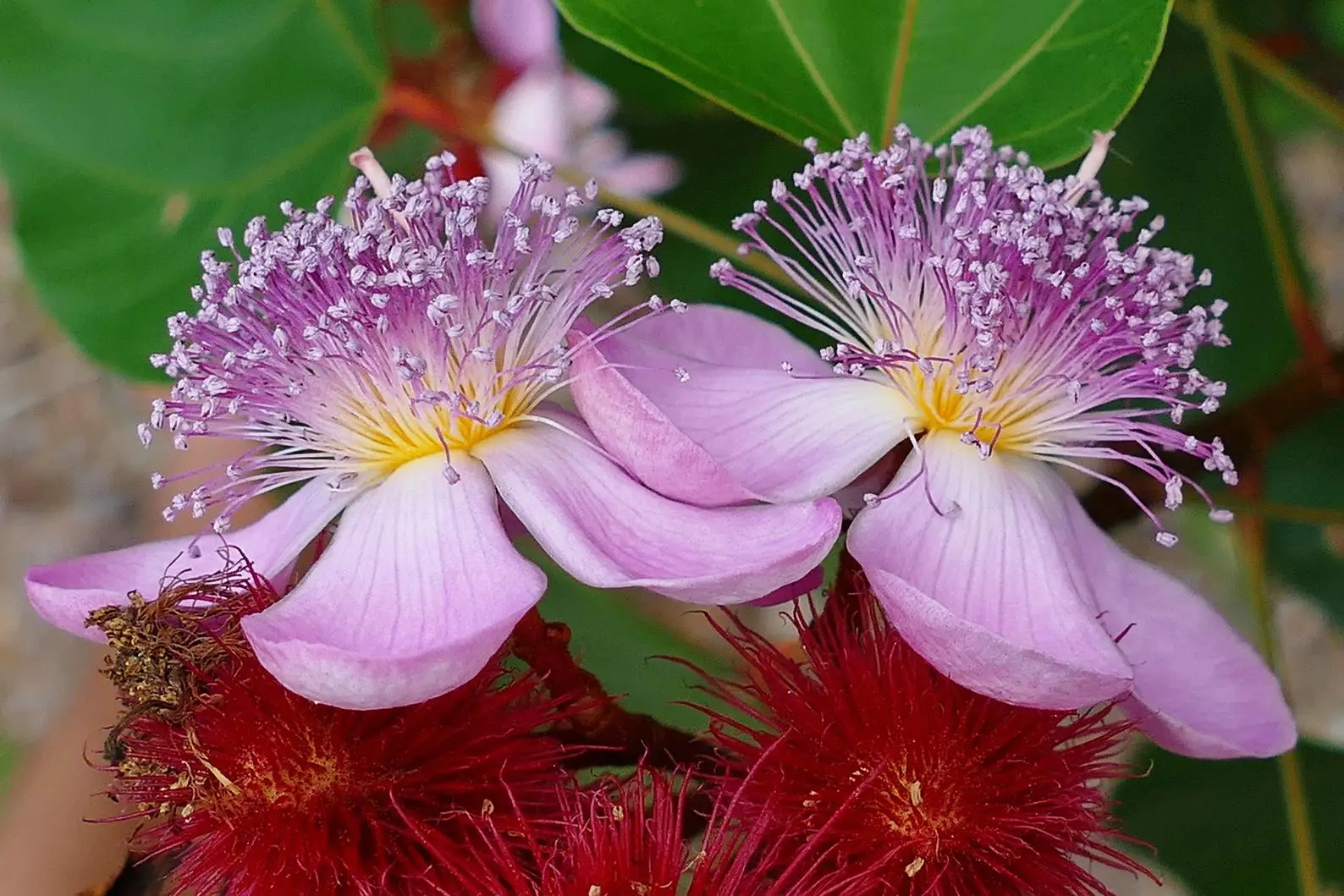
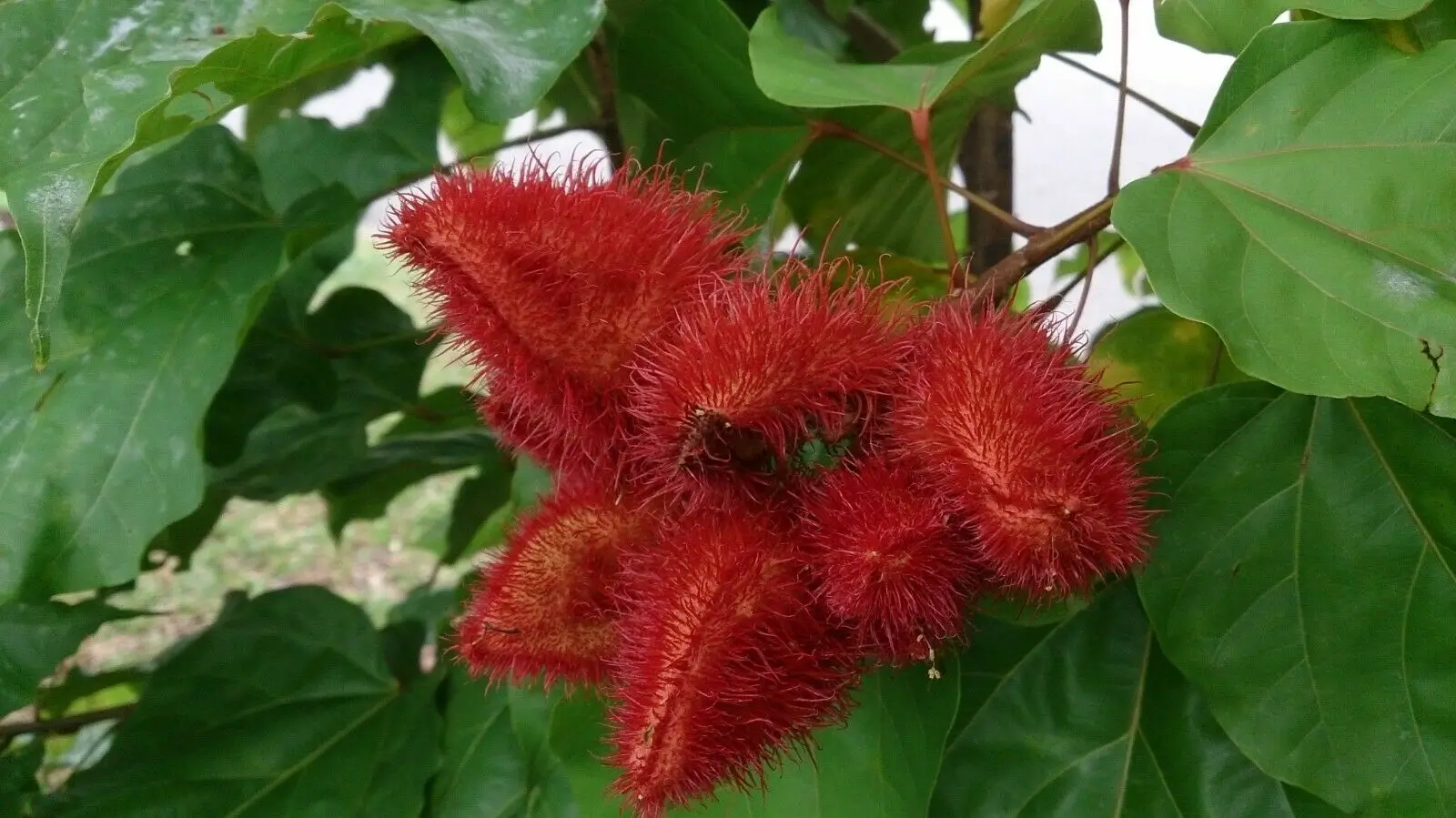
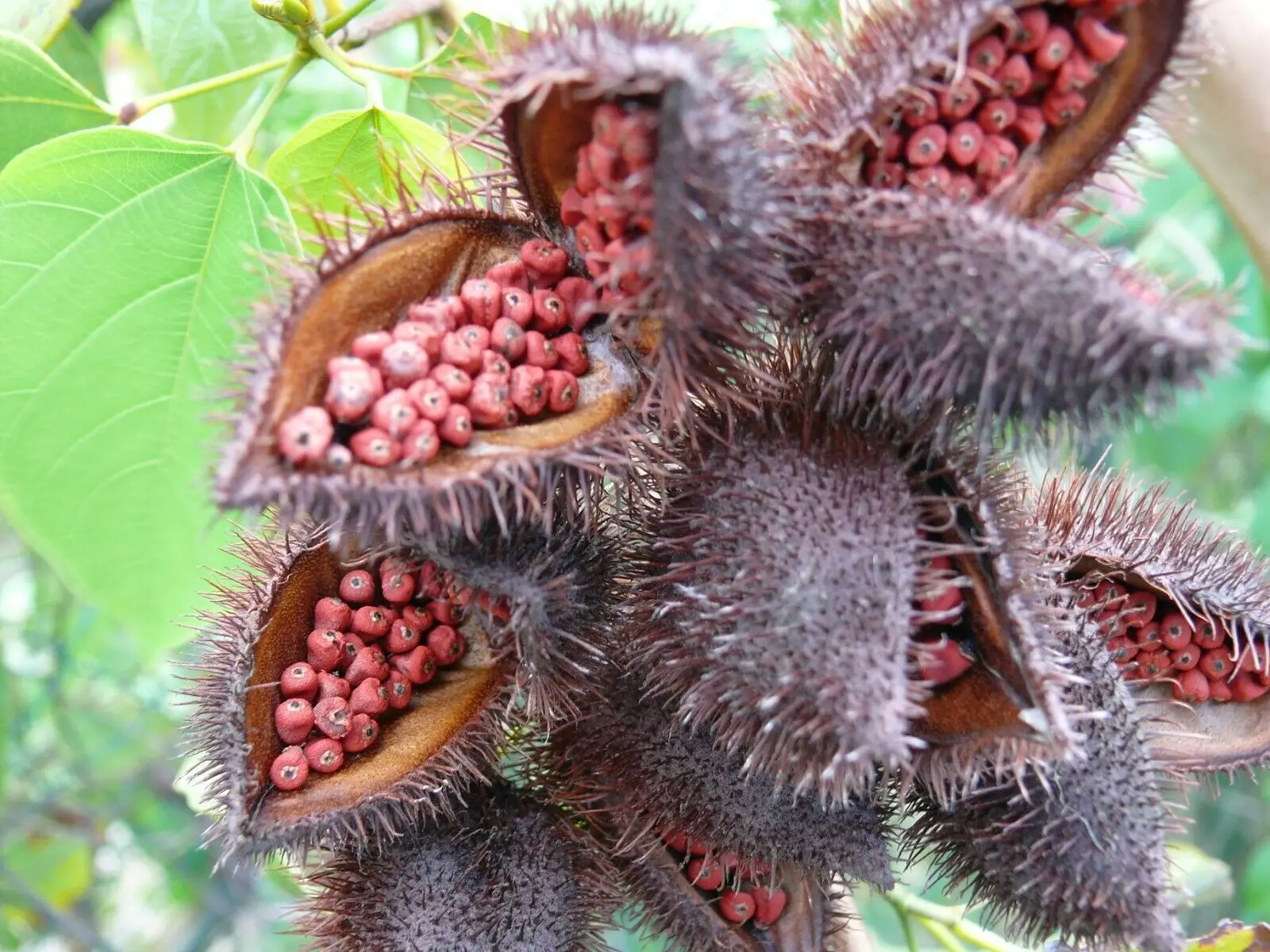
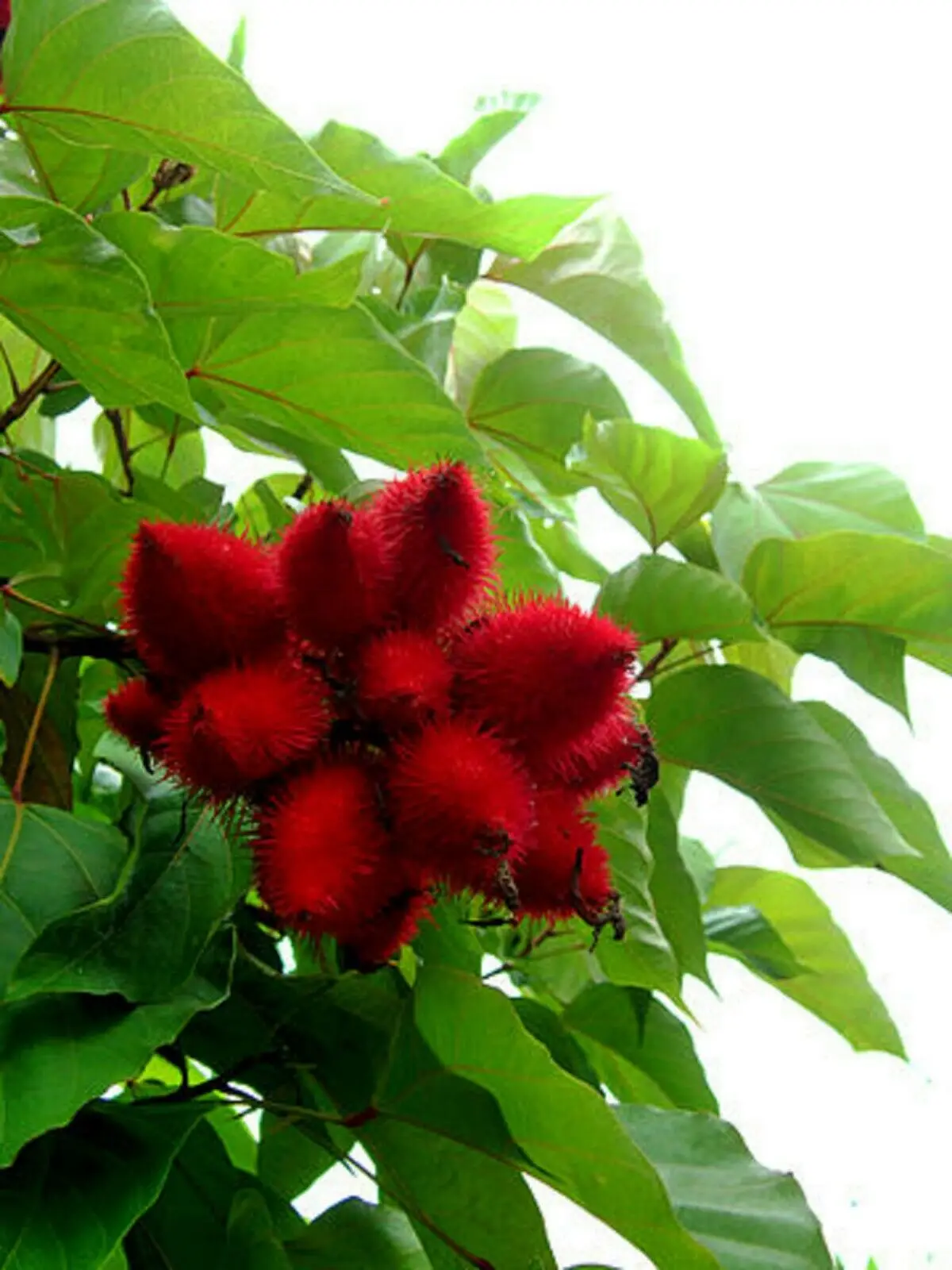
Native to the Amazon and throughout South America, achiote carries the romance of pre-colonial trade routes—the Aztecs deepened chocolate with its color, the Mayans painted it on their bodies as natural sunscreen. Today, it commands respect in gourmet kitchens (cheddar, butter, chorizo sauces, arroz con pollo), high-end cosmetics (lipsticks, sunless tanners, anti-aging creams), and even pharmaceuticals. The plant itself is elegant: a bushy evergreen shrub with stunning heart-shaped leaves and clusters of white or soft pink flowers resembling wild roses, complete with violet stamens. But the true spectacle arrives with the fruits—spiky, heart-shaped capsules in scarlet or burnt orange, densely bristled like something from a botanical fever dream, splitting open when dry to reveal 30–45 small seeds coated in a glowing red-orange waxy aril. That aril is your treasure.

The seeds of Bixa orellana contain extraordinary carotenoid pigments—bixin (red) and norbixin (yellow)—which extract into a versatile dye soluble in both oil and water. This is the essence of annatto, E160b on food labels worldwide. In the kitchen, grind or steep the seeds in oil to color and subtly flavor rice dishes, stews, and marinades with a warm golden-orange hue and a mild, slightly peppery flavor reminiscent of nutmeg. One plant provides harvests for years. In cosmetics, the pigment is antimicrobial, antioxidant, and skin-protective—you can create your own natural lipstick, massage oils, or anti-aging preparations by infusing the powder in vegetable oil. The same pigment adds color to textiles and natural dyes for fiber artists. Beyond cosmetics and cuisine, annatto has been used in traditional medicine for its antioxidant, antimicrobial, and anti-inflammatory properties; modern research increasingly supports these applications. This is a plant with real commercial potential—farmers across Latin America, Africa, and Asia cultivate it for export—yet it remains accessible and rewarding for home gardeners.

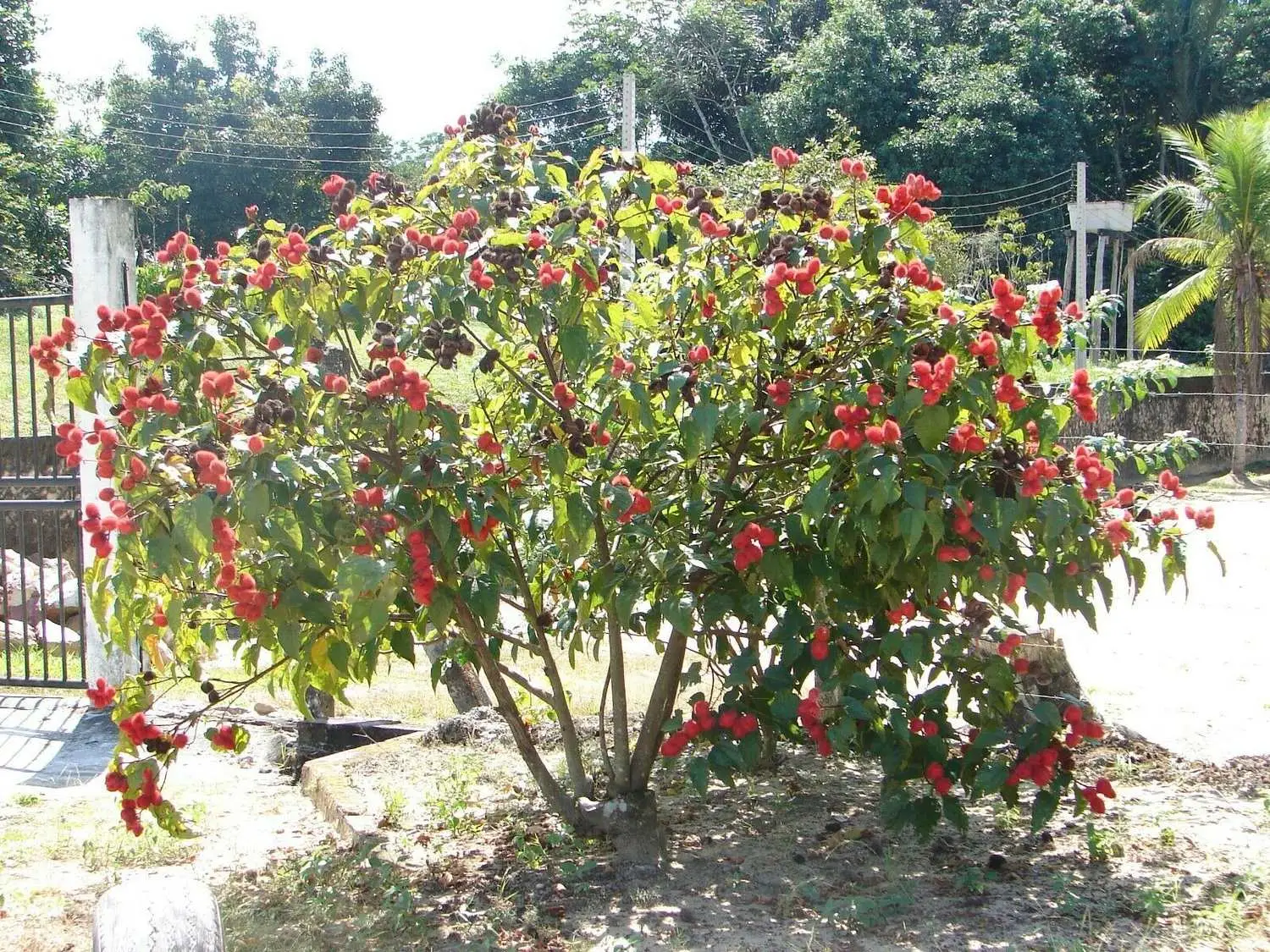
Grow it without stress: Bixa orellana thrives in frost-free tropical and subtropical climates with warm, humid conditions, full sun to partial shade, and well-draining, moderately fertile soil. It tolerates drought once established and is remarkably pest-resistant. Start from seed: soak seeds for 24 hours to improve germination, sow 2–5 seeds per pot at least 2.5 cm deep (the plant has a long taproot), keep soil moist at 25–30°C, and expect sprouting within 7–10 days. Seedlings are ready to transplant after 4 months at 15–25 cm height. Plant spacing is flexible—from intimate backyard specimens to wider spacing for commercial plots. The tree grows quickly and can be kept as a 2–3 m shrub with pruning, or allowed to reach 6–10 m. It flowers within 2–4 years and produces fruit abundantly. Once established, minimal maintenance is needed beyond occasional pruning for shape and regular watering during dry spells. Mulching preserves moisture and protects the shallow roots. The plant will fruit for decades—up to 50 years in ideal conditions.

Imagine walking into your garden and harvesting seed pods that contain centuries of history and global commerce. Crack one open and see that blood-red pulp covering the seeds, the pigment that has stained royal fabrics, graced celebrity lipsticks, and elevated humble rice to golden glory. This is not ornamental theater—this is function wrapped in beauty. Grow Bixa orellana from seed and become part of a lineage that stretches from Amazonian shamans to Michelin-starred chefs to indie cosmetic makers. Your kitchen, your studio, your apothecary—

Germination Guide

🌍 Temperate Europe, Western Europe, North Africa (Morocco)
Easy

Digitalis purpurea, commonly known as foxglove or common foxglove, is a biennial herbaceous plant native to temperate Europe and Western Europe with bell-shaped tubular flowers in shades of purple, pink, and white. Seeds require light for germination and prefer cool temperatures (10-18°C); cold stratification for 2-4 weeks improves germination rates. This species is easy to grow but all parts are highly toxic and should be handled with care.

Germination
Germination time
Expect germination in

10 – 21 days

Temperature

Min 15°C
Ideal 18°C
Max 18°C

Light
☀️ Light required

Substrate moisture
💧💧 High

Sowing depth
Surface

Press seed
👆 Yes

Germination rate
80 %


Seed Pre-treatment
  • ❄️


    Cold stratification — 21 days at 10°C
  • 📋

    Additional notes
    Cold stratification (2-4 weeks moist cold stratification) improves germination rates. Light exposure is essential for germination.

Substrate & Container
Recommended substrate
Seed compost or peat-based growing mix, pH 5.8-6.2, well-draining

Recommended container
Seed trays, module trays, or individual cell packs for indoor sowing


Growing Tips
Do not cover seeds - they require light to germinate. Press seeds lightly into moist seed compost. Keep media moisture high during germination. Maintain cool storage temperatures (10-15°C) for best results. Water overhead with fine mist to help reduce germination inhibitors. Once germination begins, remove humidity dome and provide bright light 12-14 hours daily. Thin seedlings to one per cell when large enough. Avoid waterlogging. Plant is poisonous - handle with gloves and keep away from children and pets.

Reviews

There are no reviews yet.

Only logged in customers who have purchased this product may leave a review.

Related Products