Description
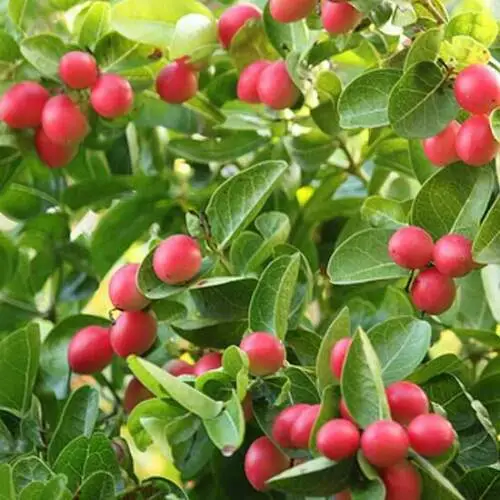
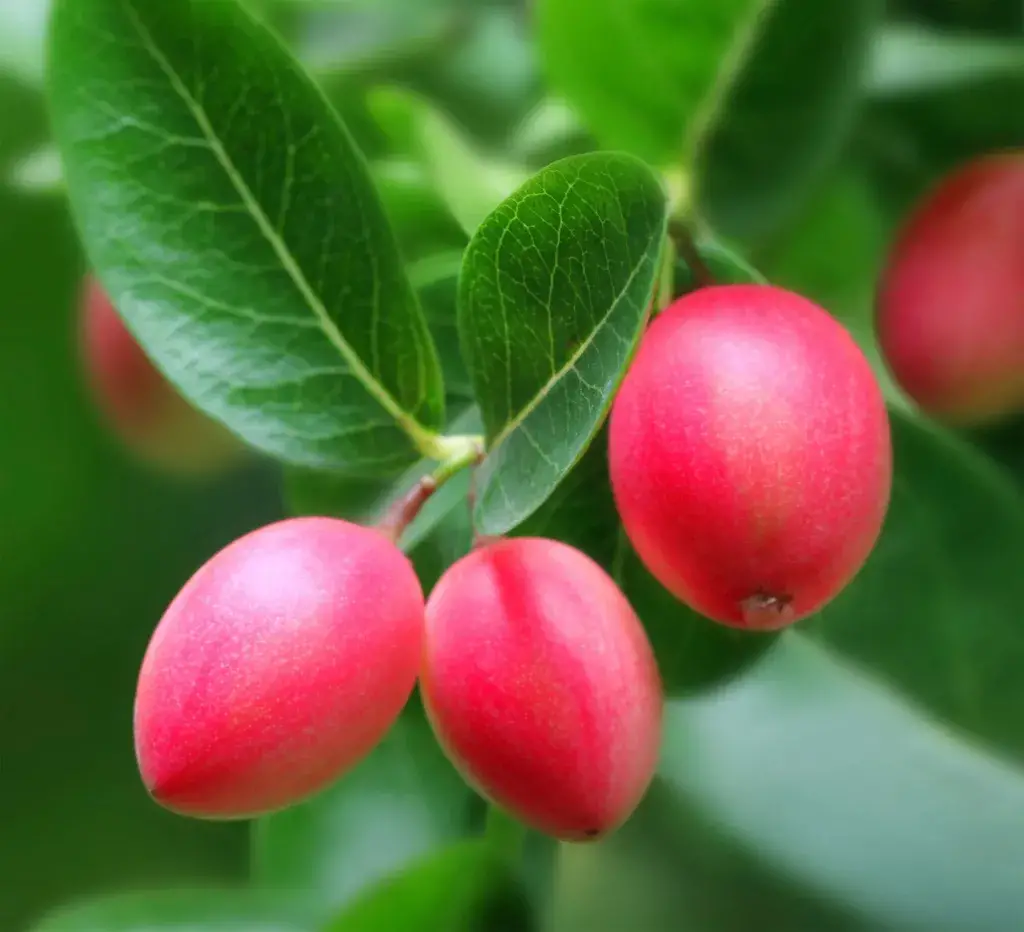
Red plum-shaped fruit on a single evergreen shrub—that’s the magic of Carissa macrocarpa, and it’s calling your garden home.
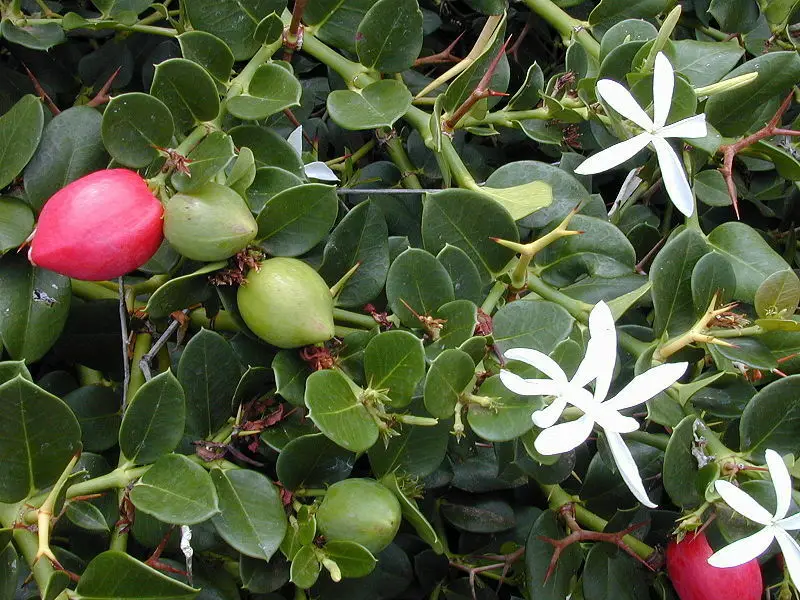
Native to the coastal regions of South Africa and East Africa, this dense, thorny evergreen shrub has traveled the tropical and subtropical world for good reason: it delivers stunning ornamental beauty paired with genuinely exceptional edible fruit. The Natal Plum isn’t just a pretty face; it’s a culinary treasure waiting in your backyard.
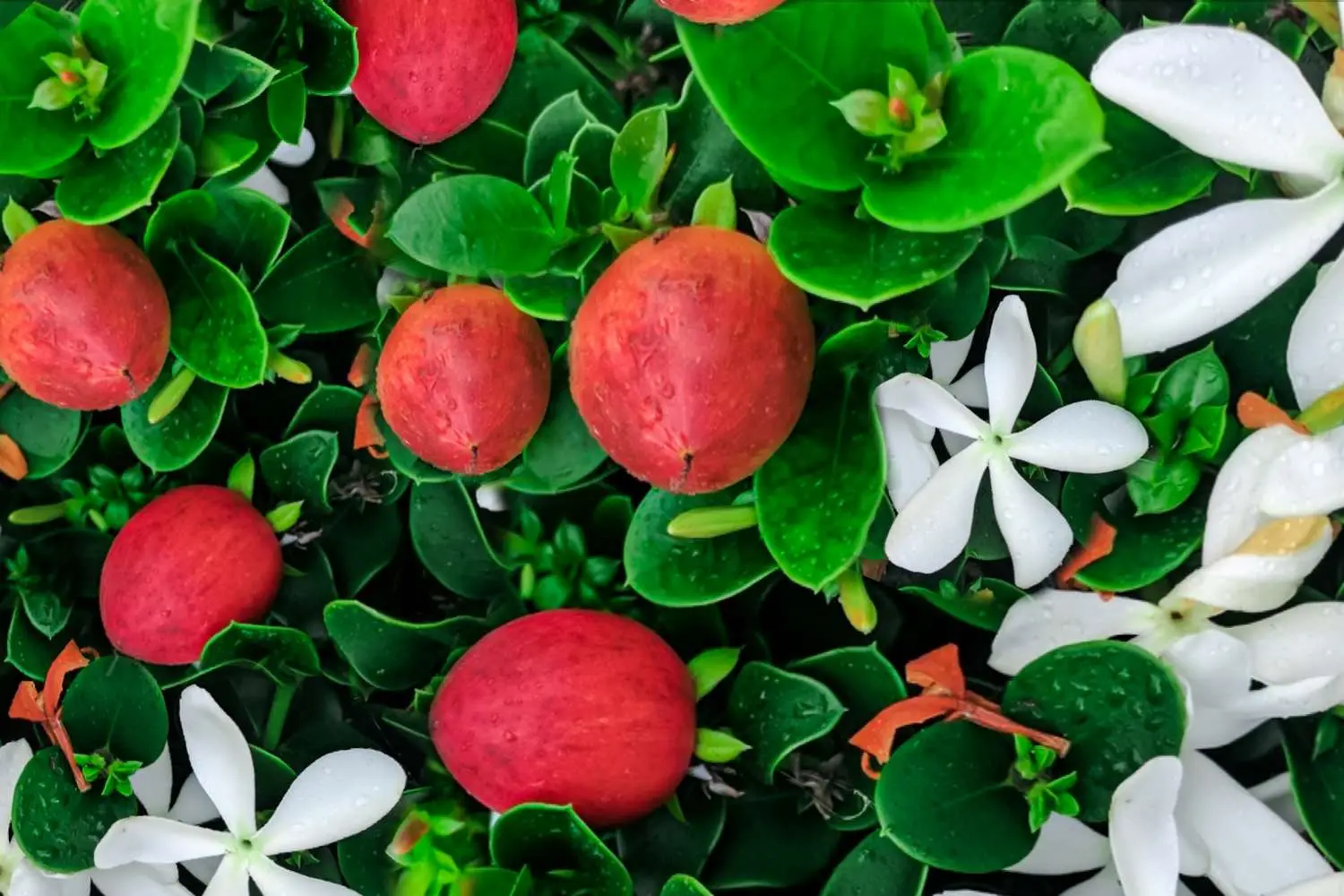
Let’s talk about why gardeners fall in love with this plant’s fruit. The berries are plump, glossy red ovals—about 1–3 inches long—that ripen from spring through autumn, and in warmer climates, year-round. When fully ripe, they taste like a complex blend of sweet cranberry, strawberry, and wild raspberry, with subtle floral notes that evolve as they age. Ripe fruits are safe to eat fresh from the branch, or you can harvest them half-ripe for making spectacular jellies and jams—a tradition in rural South African communities for centuries. The flesh is incredibly rich in vitamin C (more than an orange), cyanidin antioxidants, magnesium, and phosphorus. Make pies, sauces, fruit leathers, syrups, or simply freeze them for year-round use. Every ripe fruit is a small gift.
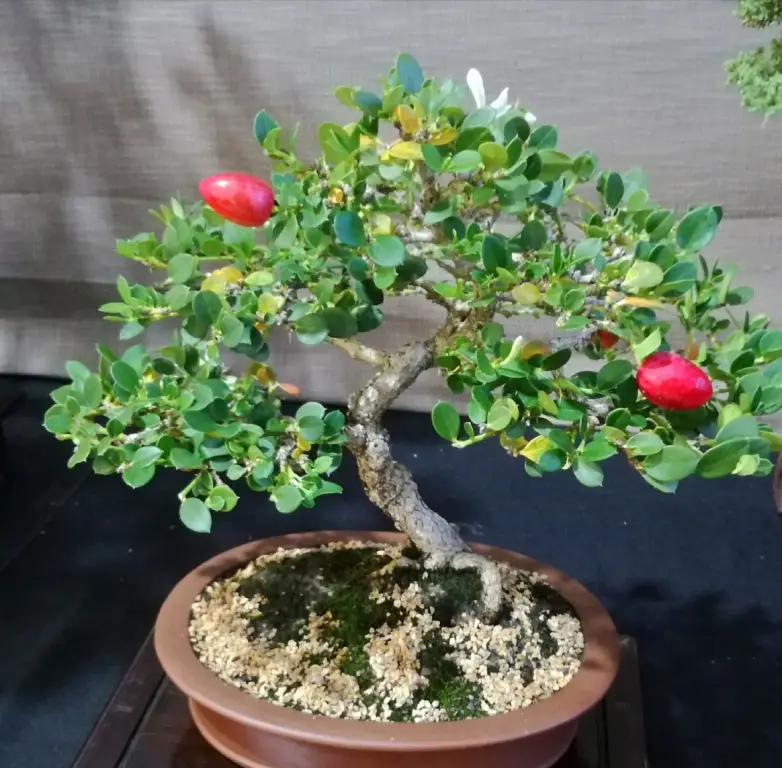
Cultivating Carissa macrocarpa is refreshingly straightforward. Choose full sun to partial shade (though full sun maximizes fruiting), and plant in well-draining, sandy to loamy soil—it tolerates poor soils beautifully. Water moderately once established; this plant is drought-tolerant and won’t punish you for occasional dry spells. It thrives in zones 9–11 and loves warmth (ideally 65–100°F), though mature plants survive brief freezes to 25°F if mulched. The plant is self-fertile and will begin producing fruit within 2–3 years from seed. Low maintenance, pest-resistant, and unfussy about pH—this is a forgiving friend. It grows into a dense 2–4 meter shrub (compact cultivars available), making it perfect for containers, hedges, screens, or specimen plantings. Bonus: the thorny branches create a natural security barrier, and the fragrant white flowers attract pollinators and wildlife.
Grow Carissa macrocarpa from seed and taste the sun-warmed tropics ripening on your own branch. This is the plant that transforms ordinary fruit from ordinary grocery stores into something that’s truly yours—rare, nutritious, delicious, and alive with possibility.
Germination Guide
🌍 Tropical and southern Africa, coastal regions of Eastern Cape and Natal
Moderate
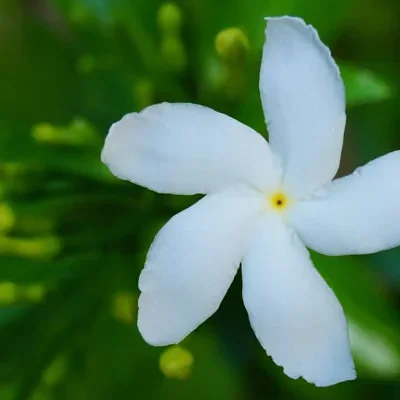
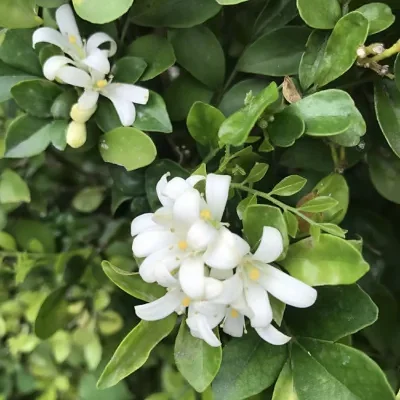
Carissa macrocarpa is a thorny evergreen shrub native to coastal regions of eastern and southern Africa. Commonly known as Natal plum, it produces fragrant white flowers followed by edible crimson fruits. Seeds germinate within 2-8 weeks with proper pre-treatment, though germination can be inconsistent due to seed coat hardness.
Germination
Germination time
Expect germination in
14 – 56 days
Temperature
Min 20°C
Ideal 25°C
Max 30°C
Substrate moisture
💧💧 High
Sowing depth
Lightly covered
Seed Pre-treatment
-
💧
Soaking — 18 hours
Soak in tepid water for 12-24 hours before sowing
-
🔨
Mechanical scarification
Hard seed coat requires scarification (mechanical or chemical methods); lightly filing or nicking the seed coat improves germination
-
📋
Additional notes
Treat seed with pre-emergence fungicide before sowing; scarification recommended to overcome hard seed coat dormancy
Substrate & Container
Recommended substrate
well-draining sandy compost or seed mix
Recommended container
seed tray
Growing Tips
Seeds should be sown fresh when possible. Keep soil moist but not waterlogged. Development of seedlings is initially slow. Plants cultivated from seeds bear fruits within the first two years. Cuttings are preferred for propagation as they maintain parent plant characteristics.
Only logged in customers who have purchased this product may leave a review.

Reviews
There are no reviews yet.