
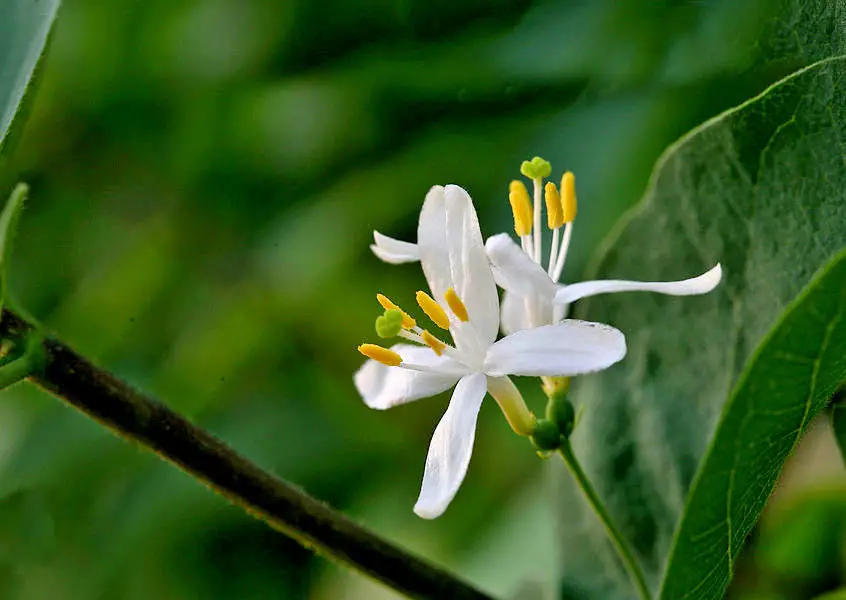
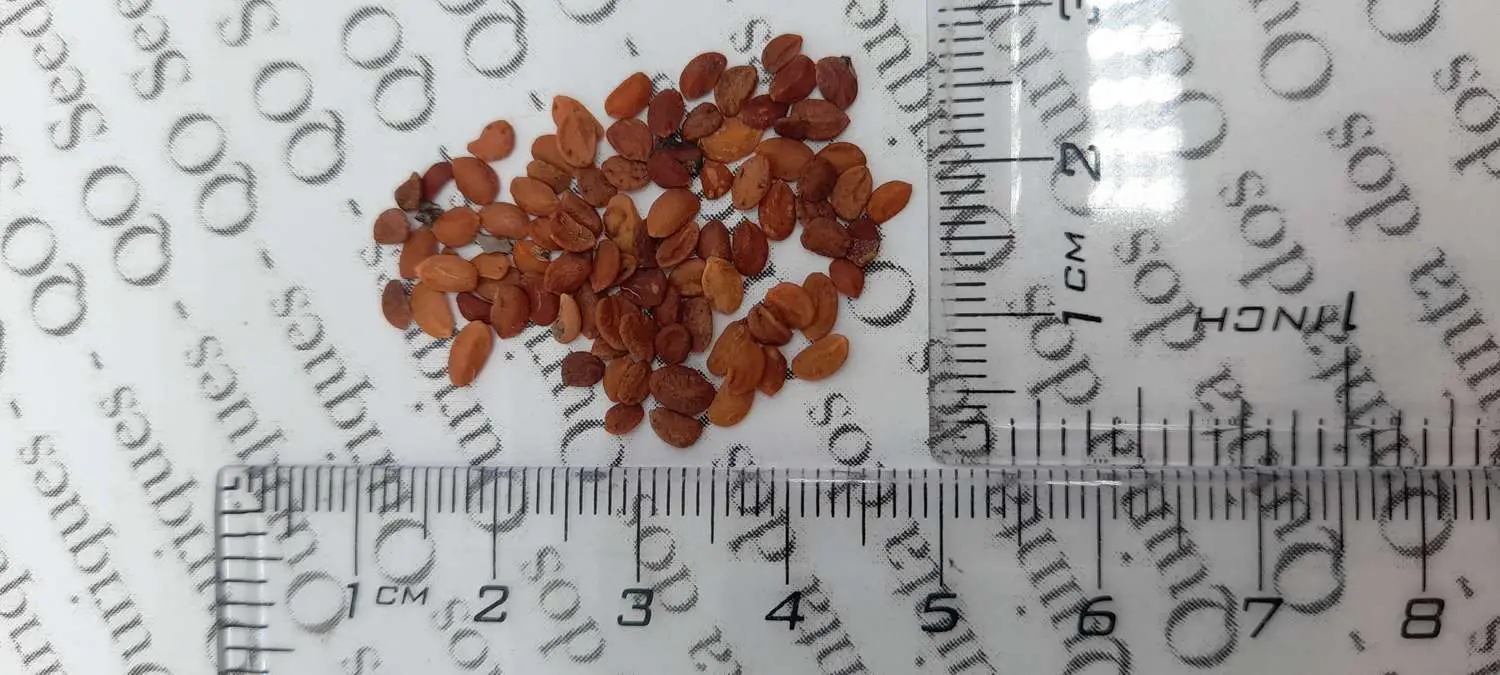
Imagine cutting fragrant white branches in January and bringing spring’s sweetest perfume indoors. Lonicera fragrantissima blooms when few plants dare—its lemon-scented flowers appear before leaves, filling a vase with pure magic. Easily grown in sun or partial shade, this resilient shrub thrives on neglect. Perfect for the gardener who craves early color and irresistible fragrance. Grow from seed and own this heritage plant within two seasons.
€1.92
Here is a plant that stops you mid-winter and makes you believe spring is already arriving. Lonicera fragrantissima—the name itself promises what you’ll experience: flowers so fragrant they perfume the entire garden, even on the coldest days.
**Origin & Heritage**
Native to eastern and southern China, this treasured shrub was discovered by Scottish plant hunter Robert Fortune and introduced to England in 1845, arriving in America shortly after. For nearly two centuries, gardeners have planted it in fragrance gardens, near doorways, and along paths—not for show, but for the intoxicating reward of its winter nectar. The specific epithet ‘fragrantissima’ is Latin for “most fragrant,” and it delivers on that promise every single time.
**The Art of Forcing: Your Secret Winter Luxury**
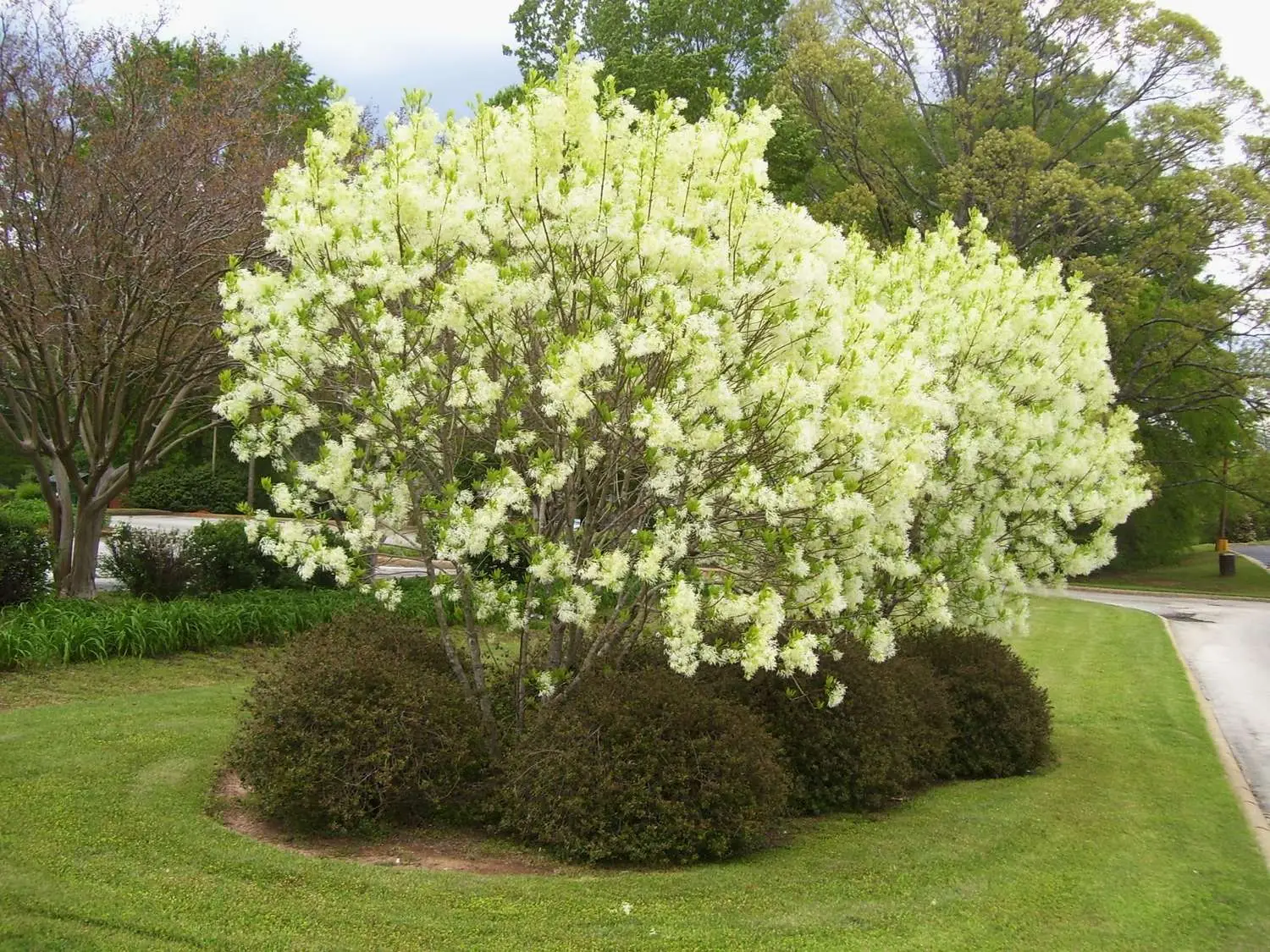
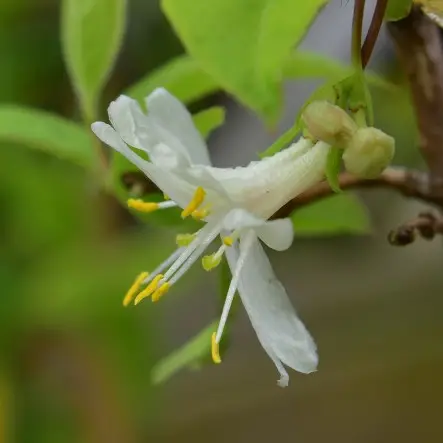
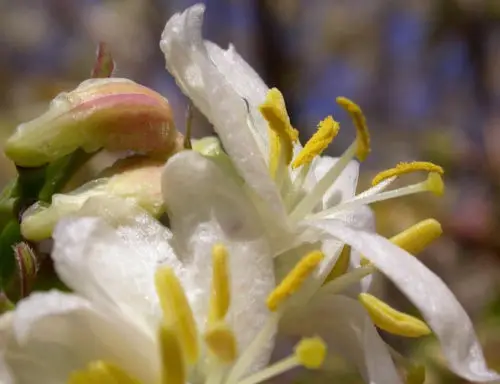
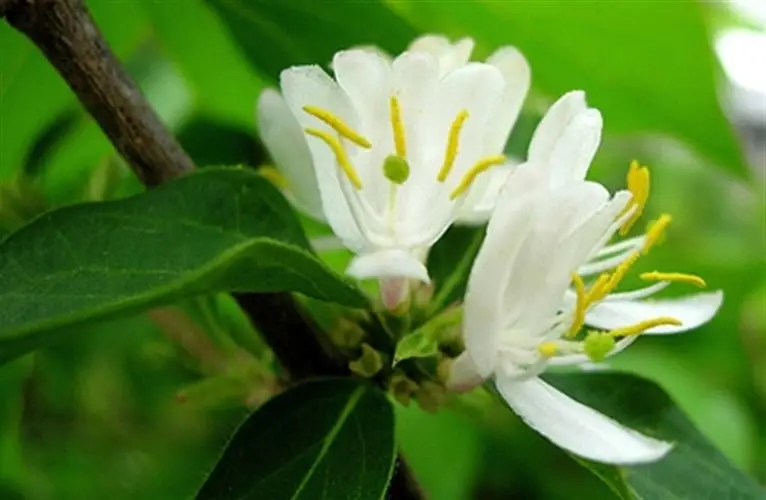
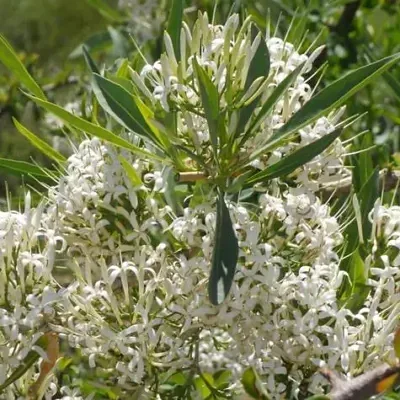
This is where Lonicera fragrantissima becomes truly special. While the plant itself is a bushy, semi-deciduous shrub with oval blue-green leaves and eventually small red berries, its real magic lies in the flowers—and here’s the gift: you can force those blooms indoors. In January or February, before the shrub flowers outdoors, simply cut budded branches and bring them inside. Place them in water on a sunny windowsill, and within days, the tiny creamy-white flowers open, releasing their lemony, almost intoxicating fragrance throughout your home. Florists prize this plant for exactly this reason. Gardeners who understand the romance of forcing—bringing spring beauty indoors when the world outside is still frozen—consider winter honeysuckle essential. Cut armfuls of budding branches for arrangements, for gifts, for the sheer joy of perfuming your living space with nature’s own luxury. No greenhouse needed. No special technique. Just branches, water, and patience.
**Bonus: A Pollinator’s Paradise**
Beyond forcing, this shrub feeds honey bees and winter-active pollinators with its abundant nectar at a time when food is scarce. Birds and small mammals later enjoy the red berries. It’s ornamental and ecological at once.
**How to Grow It**
Lonicera fragrantissima is refreshingly easy. It grows 6–10 feet tall with a spreading, bushy habit. Plant it in full sun to partial shade—it adapts beautifully. Soil? It’s remarkably tolerant. Prefer well-drained, loamy soil rich in organic matter, but this plant will thrive in average, even poor soils. It’s drought-tolerant once established, though regular moisture supports fuller blooms. Water moderately during the growing season; avoid waterlogged conditions. Minimal pruning required—just shape after flowering if you wish. The rough, pale tan bark becomes striking in winter when leaves fall, adding a second layer of winter interest. In the coldest zones (hardy to zone 4), it may lose leaves entirely; in milder zones, it remains semi-evergreen. Either way, those flowers appear right on schedule.
**Your Invitation**
Grow Lonicera fragrantissima from seed and you’re joining a lineage of gardeners stretching back nearly 200 years—all of them discovering the same magic: a shrub that costs almost nothing to maintain but gives back abundance of fragrance when the world needs it most. Whether you’re establishing a fragrance garden, seeking a low-maintenance hedge, or dreaming of forcing branches indoors each winter, this is the plant that keeps its promises. Within two to three years from seed, you’ll have a mature shrub ready to gift you its generous, lemon-scented reward every winter. Start now. In January, you’ll be grateful you did.
Only logged in customers who have purchased this product may leave a review.

Reviews
There are no reviews yet.