
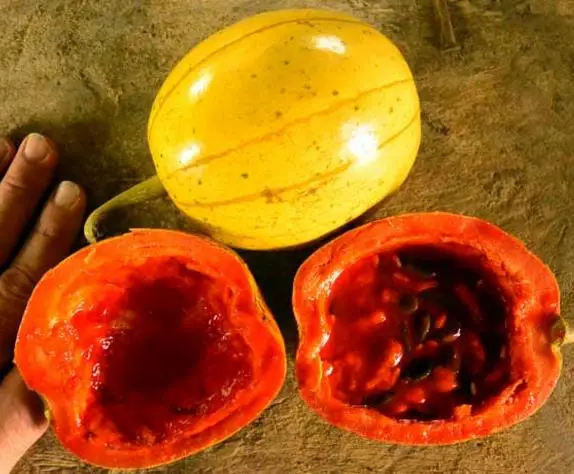
Unlock a tropical secret: extremely rare in cultivation, beautiful, very proliferic and of amazing taste. Yellow, edible, delicious fruits about the size of a grapefruit and similar in flavor to a sweet, milky papaya. The plant produces about 200 fruits with excellent results for storage. Vigorous and free of plagues, easy and ornamental management, extremely
€8.97
The spectacular yellow porcelain fruit of Cionosicyos macranthus was tracked down by Patrick Simcox in the rain forest hills of Central Panama. The fruit looks and actually tastes like a papaya. This is a plant that will stop you in your tracks—a living legend among tropical fruit growers, so obscure that even locals struggle to name it.
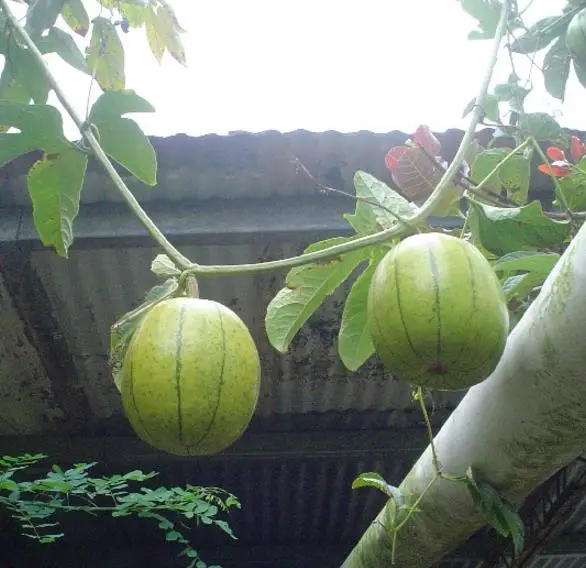
It originates from Mexico and stretches through the lush forests of Central America, where it thrives along riverbanks and roadsides. Cultivation is limited, and the species becomes more obscure each year—which means growing it from seed is an act of botanical rescue. This tropical vine can grow up to 20 meters in height, making it a great choice for creating green covers or vertical garden displays.
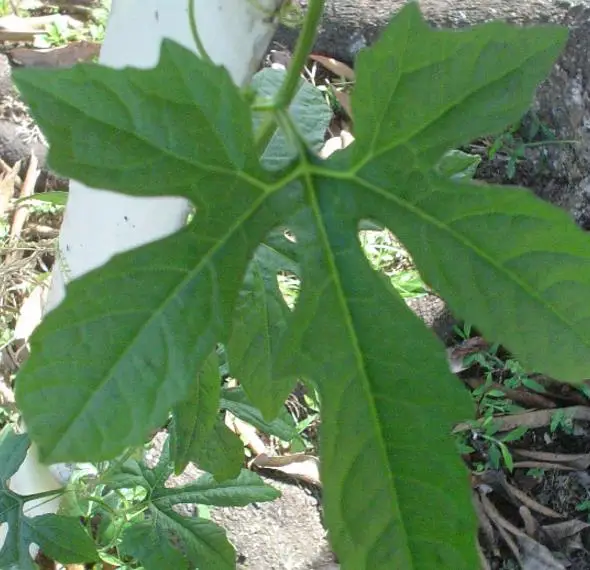
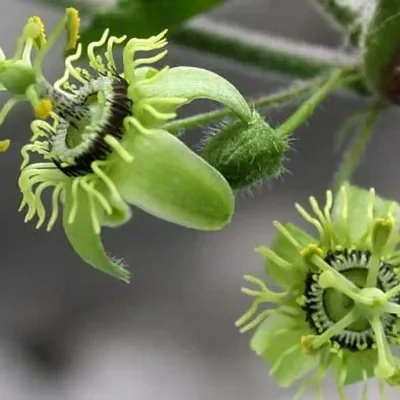
Here’s where the magic lives: It has deeply lobed leaves, creamy yellow flowers and yellow, edible, delicious fruits, about the size of a grapefruit and similar in flavor to a sweet, milky papaya. But that doesn’t capture the full story. The plant produces about 200 fruits with excellent results for storage—imagine a single vine laden with hundreds of golden orbs, each one with a yellow porcelain peel and juicy pulp in orange-avaloned tone. The flavor is intoxicating: a very nice mild flavor, kind of like a creamy papaya, rich enough to eat fresh but delicate enough for smoothies, preserves, or simply shared with friends. The flowers are not only pretty to look at but also attract beneficial pollinators like bees, making the plant a great addition to eco-friendly gardens. This vine transforms any tropical garden into a living fruit factory and pollinator paradise.
The Chinese Passion Fruit vine thrives in full sun and requires at least 6-8 hours of sunlight per day for optimal growth and fruit production. Grows very well in humid and drier tropical areas. Water regularly but avoid overwatering. The soil should stay moist during the growing season, but make sure it drains well to prevent root rot. As a climbing vine, it needs support to grow vertically. Provide a trellis, fence, or any other structure it can climb on. Vigorous and free of plagues, easy and ornamental management—this vine does the heavy lifting. Once established, it rewards you with cascade after cascade of fruit year after year. This is a plant that teaches you patience and bounty in equal measure.
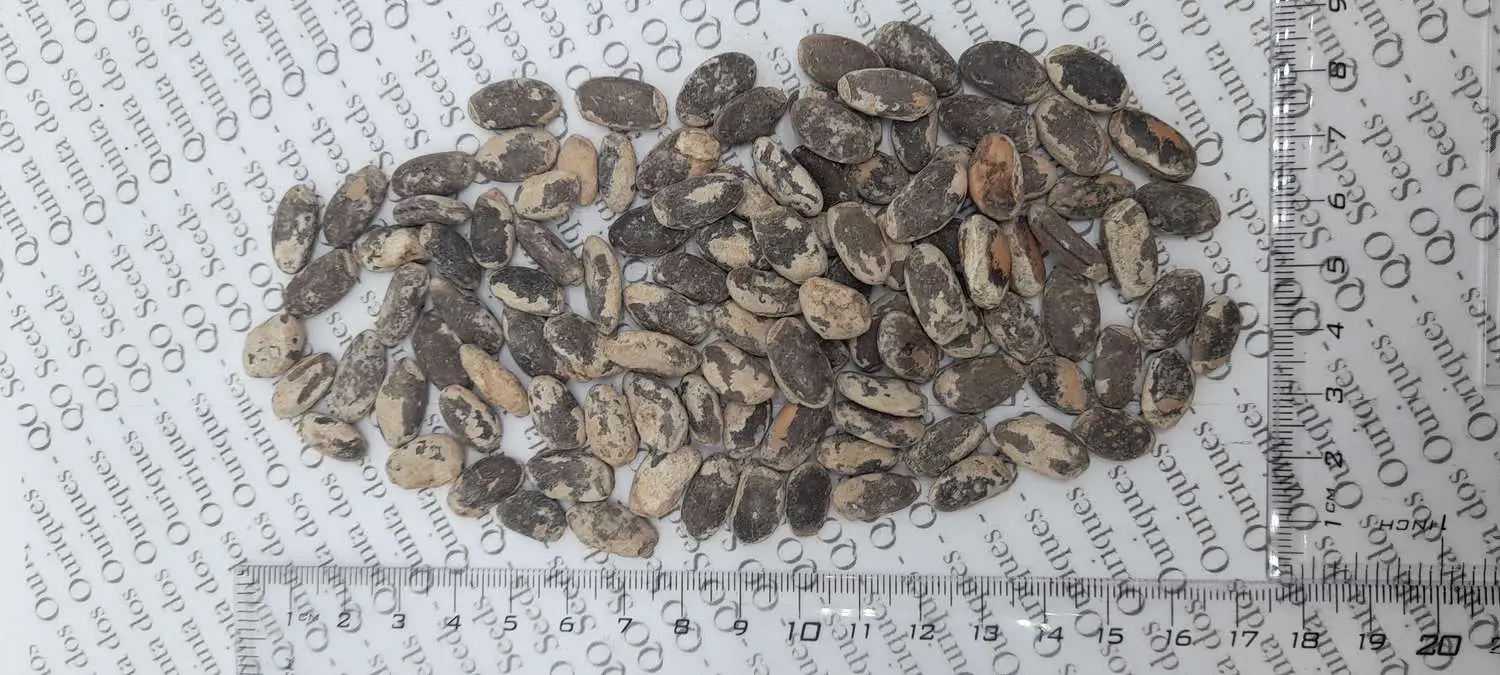
Grow this seed and become a steward of botanical rarity. In 10 years, when the fruits hang heavy from your trellis, you’ll know you’ve revived something precious from the Panamanian forest—a taste of wilderness, the sweetness of victory, and the profound joy of growing food that makes people stop mid-conversation and ask, “What *is* that?” This is heirloom rarity meets tropical abundance. Plant it now.
Only logged in customers who have purchased this product may leave a review.


Reviews
There are no reviews yet.