
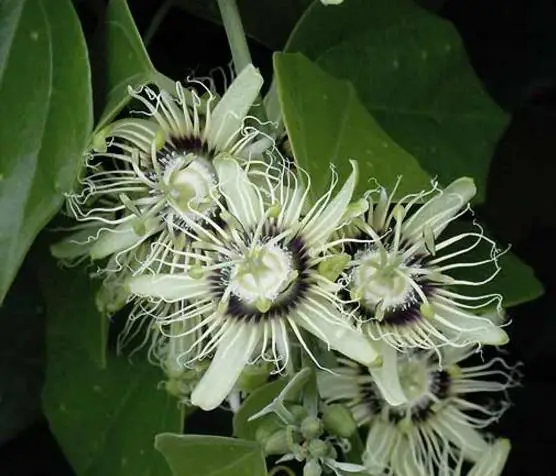
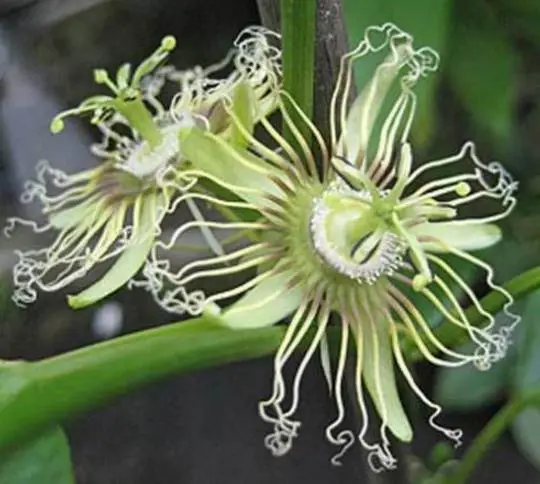
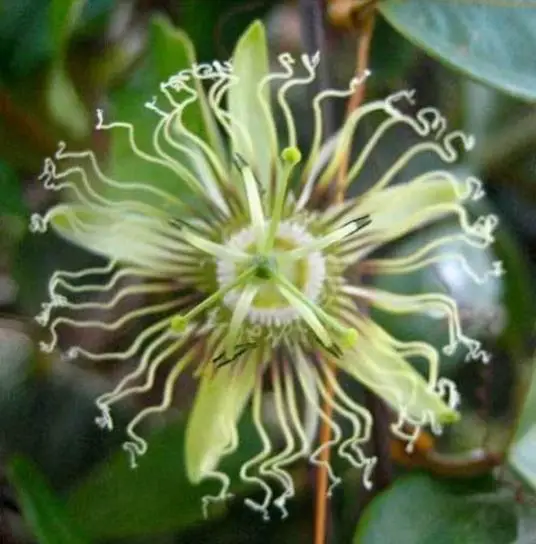
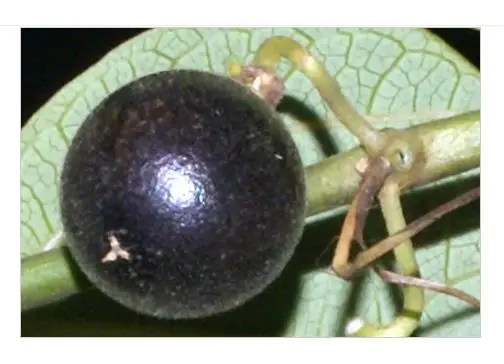
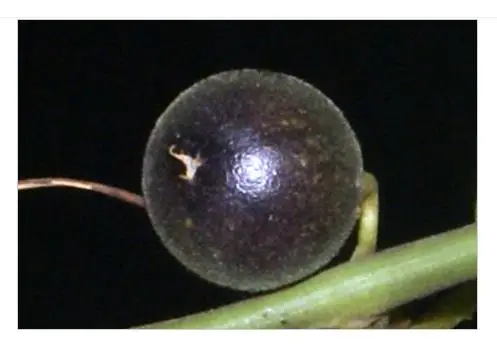
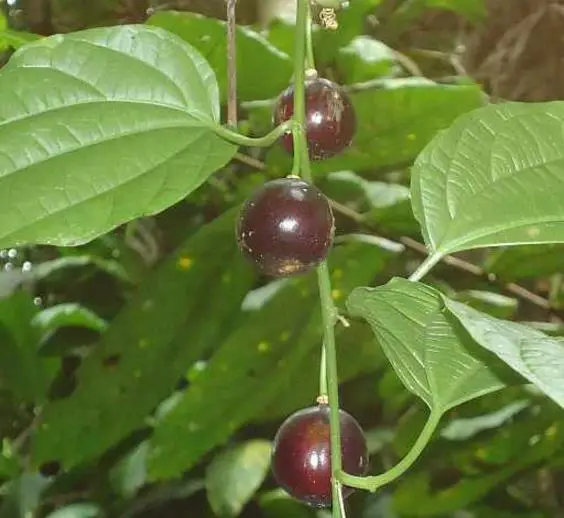
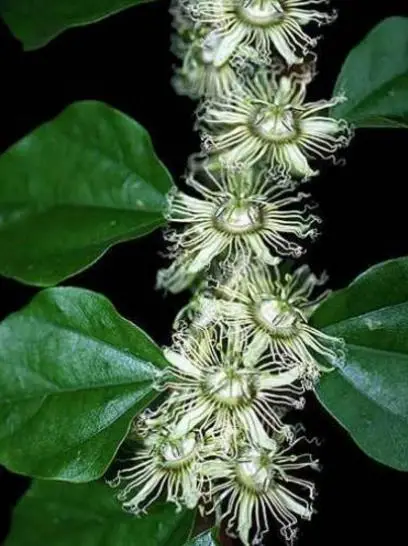
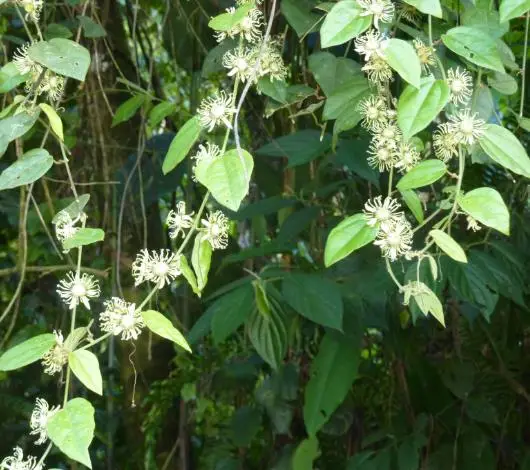
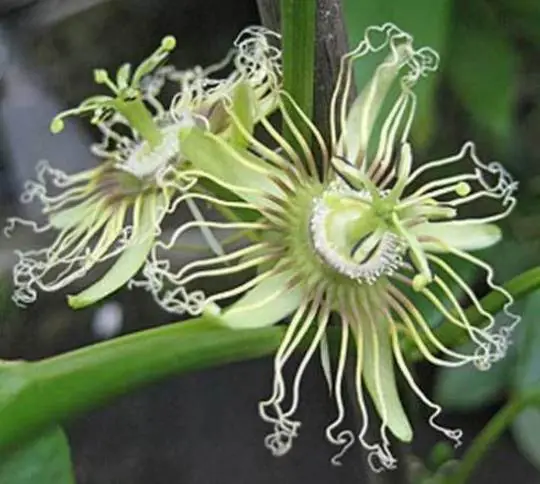
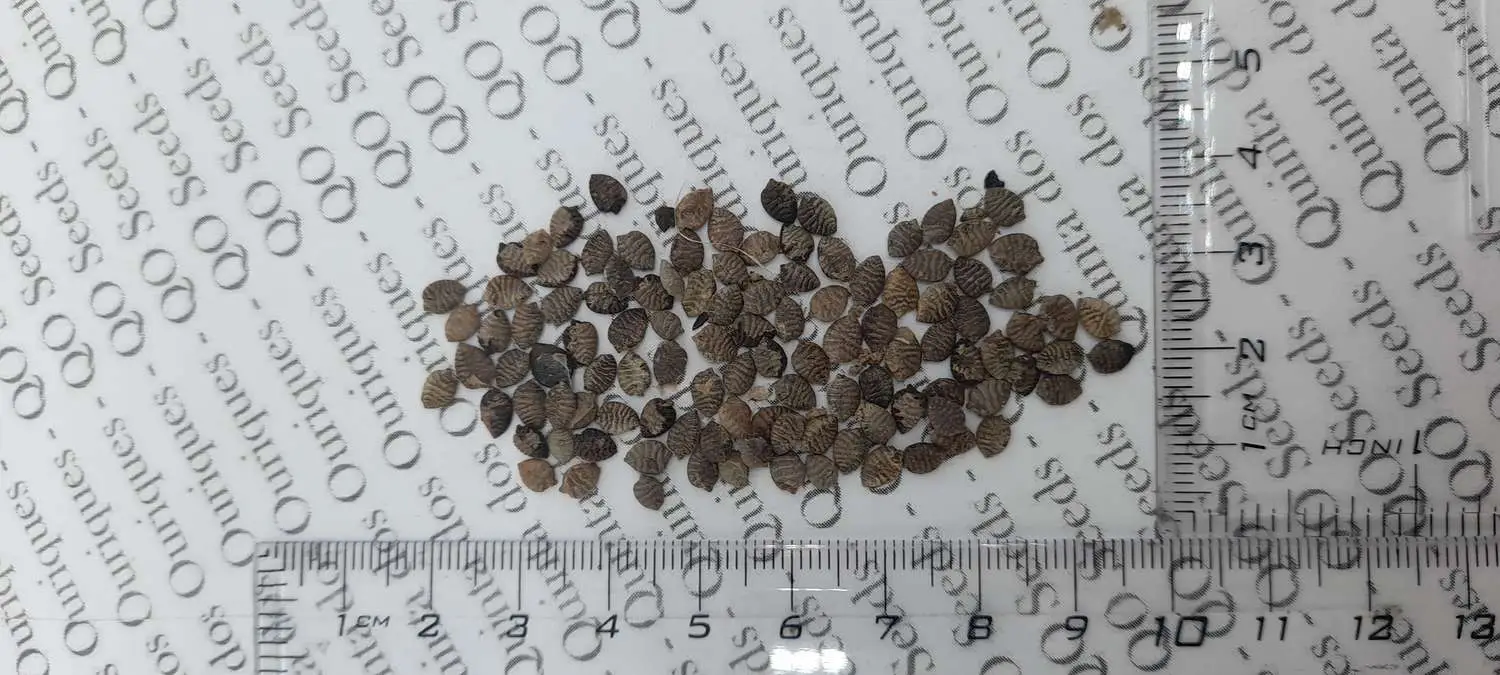
Discover the hidden jewel of tropical passion vines: nearly black, honey-sweet fruits you can eat straight from the vine, paired with intoxicatingly fragrant flowers that magnetize hummingbirds and butterflies. This exceptionally rare species thrives in full sun to partial shade, rewarding you with years of harvest. Grow from seed and cultivate a living collector’s piece that feeds both your kitchen and your garden’s pollinators.
€8.17
This is the passionflower that nobody talks about—yet everyone who discovers it becomes obsessed.
**Origin & Rarity**
Native to the forests of Nicaragua, Bolivia, and Venezuela from sea level up to 1,700 meters, Passiflora auriculata (also called P. torta or Cieca auriculata) is very rare in cultivation. While passion fruit enthusiasts crowd around the common purple and yellow varieties, this black-fruited species remains delightfully obscure—a true collector’s plant for those with refined botanical taste.
**The Black Sweet Fruit: Your Gateway to Paradise**
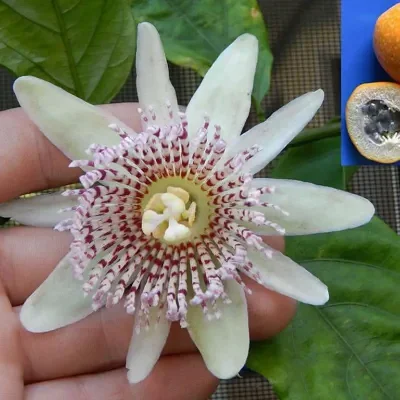
This is where Passiflora auriculata stops being “just another vine.” It produces small round fruits colored dark, nearly black, that are edible and sweet. Imagine: instead of fighting through dozens of commercial passion fruits to find a sweet one, you have a vine that delivers consistent, concentrated sweetness in every harvest. The fruit can be tasted fresh from the vine, or transformed into juices, sorbets, jellies and candies. The flavor is intimate, complex, and utterly distinct from its more famous cousins. Yes, you can eat them straight. Yes, you’ll want to preserve them. Yes, you’ll run out before summer ends.
Beyond the fruit, the plant produces a profusion of green-yellow flowers that attract hungry pollinators with their nectar, and these flowers are very aromatic. Picture this: a living perfume factory draped across your garden structure, blooming with impossible alien flowers, while butterflies, bees, ants and other nectar-gathering insects arrive daily to feast. You’re not just growing fruit—you’re creating a pollinator sanctuary.
**Growing This Treasure**
The species tolerates full sun and partial shading, giving you flexibility in placement. It is a vigorous vine that can be planted from sea level up to 1,700 meters altitude, meaning whether you garden in steamy lowlands or cooler montane regions, this vine adapts. For seed starting, seeds should be immersed in water for at least 24 hours before sowing lightly covered; they need bright light to germinate and a porous substrate is essential. Maintaining constant moisture during the germinative phase is crucial. Once established, this is a low-fuss performer.
**The Deeper Magic**
There’s a reason passionflowers have captivated gardeners and herbalists for centuries. Beyond the visual spectacle and the fruit, the leaves and roots of Passiflora species contain ‘passiflorina,’ a substance similar to morphine with tranquilizing properties. While this is a botanical curiosity rather than a primary reason to grow it (always consult experts before any herbal use), it hints at the plant’s complexity and traditional importance.
**Your Invitation**
You could spend the season growing another common passion vine from a grocery-store packet. Or you could start something genuinely rare—a plant that will stop garden visitors mid-conversation, produce an abundant, uniquely flavored harvest, and transform a blank wall or pergola into an ecosystem that thrives. This is the black sweet maracuja, waiting for a gardener bold enough to grow what others have forgotten.
Start from seed. Watch it climb. Taste the difference. Welcome to the passion fruit revolution.
Only logged in customers who have purchased this product may leave a review.
Reviews
There are no reviews yet.