
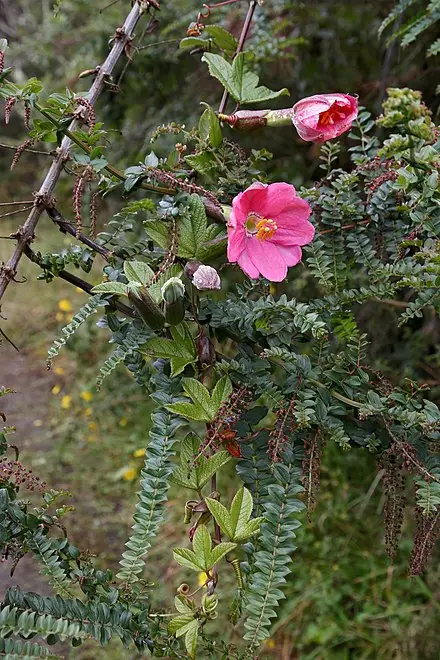

Imagine vines dripping with pink-red flowers and plump, golden-yellow fruits bursting with sweet-tart flavor—harvested fresh from cloud forests 3,000m high. Passiflora mixta is the legendary tumbo: edible, aromatic, and strikingly beautiful. Eat the fruit fresh, juice it, or let the exotic blossoms seduce your garden. A vigorous, fast-growing vine that thrives in warm temperate zones—no tropical greenhouse needed. Start from seed and unlock generations of
€2.13
A robust, woody vine that brings the mystery of high-altitude Andean cloud forests directly into your garden—with fruit you can actually eat.
Passiflora mixta is native to the misty highlands where Colombia, Ecuador, Peru, and Bolivia meet, thriving between 1,400 and 3,800 meters where temperatures are cool, air is thick with moisture, and every plant fights for light and beauty. The local names tell you everything: in Colombia they call it curuba de indio, in Venezuela parcha, in Ecuador taxo. This is a plant with history, with place, with soul. The sword-billed hummingbird—the only living species in its genus, armed with a beak longer than its entire body—has pollinated these flowers for millennia. When you grow Passiflora mixta, you’re welcoming that wild heritage into your world.
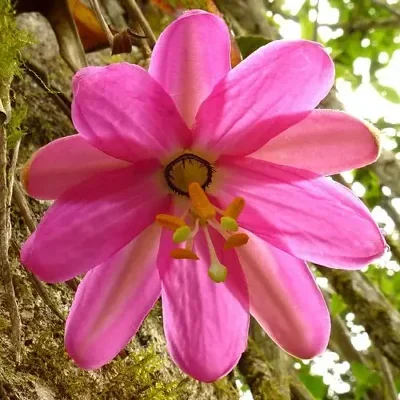
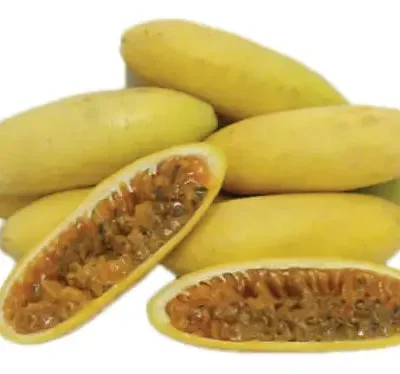
Here’s what will make you fall in love: the FRUIT. Round, golden-yellow when ripe, roughly the size of a chicken’s egg, with thin aromatic skin that yields to pressure. Bite into one and you’ll find flesh so sweet and tangy it tastes like a conversation between mango and passion fruit—a flavor that’s utterly unique. Eat them fresh straight off the vine, where they’re best. Or press them for juice that tastes like you’ve bottled summer itself. Unlike the more common passion fruits with their dark, seedy pulp, tumbo’s flavor is refined, direct, intoxicating. In the Andes, locals have been gathering these fruits from wild vines for generations. Now you can grow them yourself. Some growers say the homegrown fruit from seed-grown vines tastes even more intense—more alive—than anything you could buy. The ornamental bonus: spectacular pink-red bell-shaped flowers with a long, tubular nectar chamber that practically screams hummingbird. They bloom profusely and persist for days, creating an almost constant display of color.
Growing Passiflora mixta is genuinely achievable. It’s a vigorous, fast-growing vine that laughs at adversity. Unlike tropical passion fruits that demand year-round heat, tumbo is adapted to cool conditions—it actually PREFERS moderate temperatures. It thrives in USDA Zones 9 and above, meaning warm temperate climates work beautifully. It wants full sun to dappled shade, well-draining soil rich in organic matter (don’t overfeed—Passiflora fruit more freely in moderate fertility), and consistent but not excessive water. Once established, it’s genuinely unfussy. Give it a trellis or fence to climb and it will work tirelessly to cover it. The vine naturally supports itself with coiling tendrils, needing no ties. It’s evergreen in warm climates, semi-deciduous in cooler zones—either way, it’s resilient. Plants often reach 4-5 meters (12-16 feet) if left unpruned, but they respond beautifully to pruning, which keeps them vigorous and heavily flowering.
Start from seed and you’re participating in something primal: the dream of growing your own rare fruit from the Andes. Yes, germination takes patience—seeds may take 2-3 months or longer, sometimes waiting for spring—but that’s part of the magic. Soak seeds in warm water for 24 hours before sowing onto good, well-draining seed compost. Germinate around 15-20°C (60-68°F). Once seedlings emerge, pot them on and grow them on in a bright, warm location. Plant them out after the last frost in a sheltered, sun-drenched spot. Within 2-3 seasons, you’ll have your first flowers. Then come the fruits—golden, fragrant, impossible to stop eating. This is the vine that bridges ornament and harvest, that gives you hummingbirds AND homegrown passion fruit, that transforms your garden into a piece of the high Andes. Grow it, and every fruit you pluck will taste like adventure.
Only logged in customers who have purchased this product may leave a review.

Reviews
There are no reviews yet.