

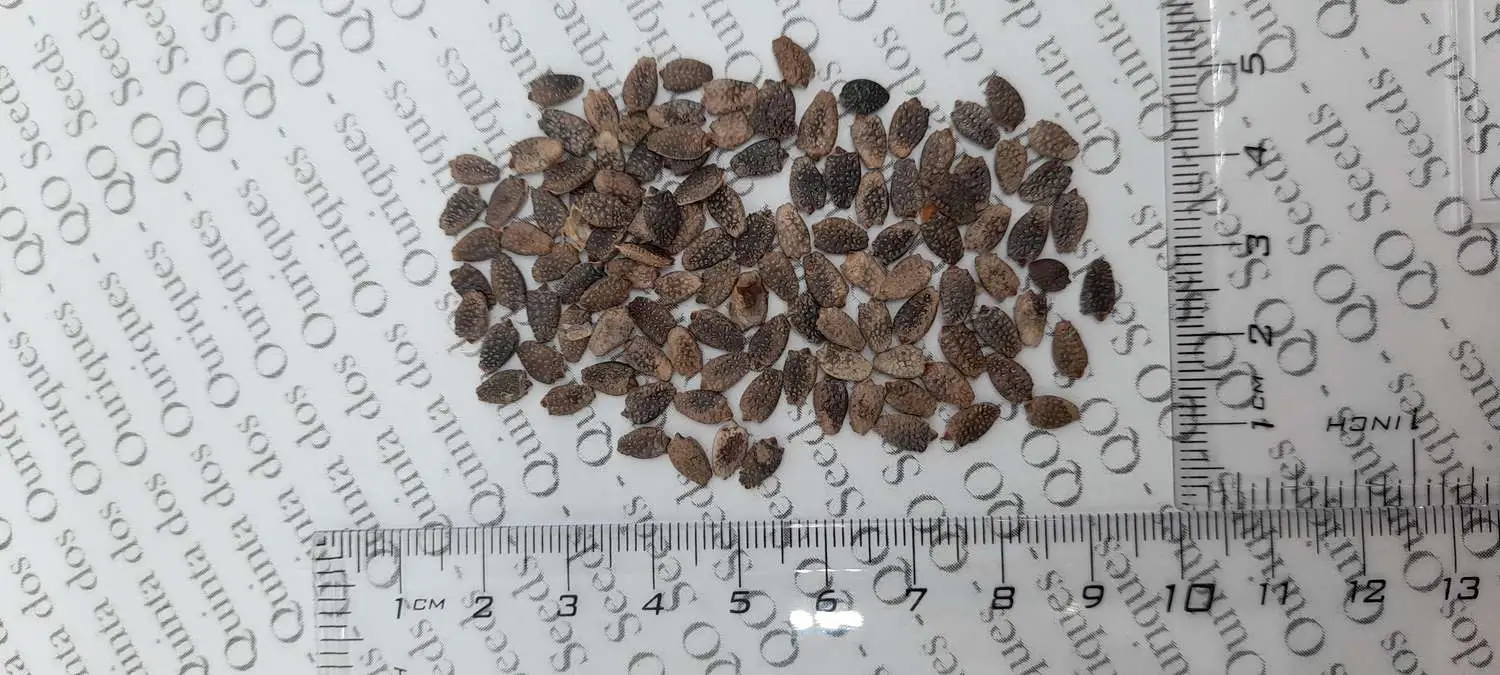
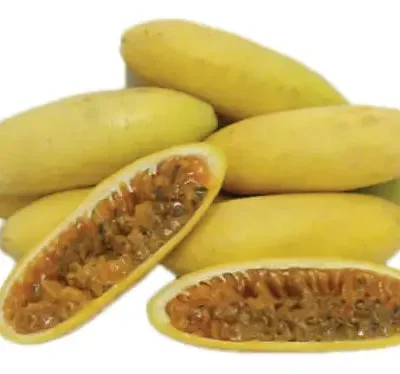
Grow the sweetest passion fruit on earth. Passiflora ligularis is one of the most prized members of the passion fruit family, treasured for its delicate sweetness, juicy pulp, and subtle floral aroma. This vigorous climber produces round to oval fruits with a smooth, hard rind that ripens to orange or yellow, revealing inside a soft, jelly-like pulp filled with black seeds—mild, floral, and sweet. Vigorous grower. Fresh seeds from Ecuador.
€1.92
Passiflora ligularis is one of the most prized members of the passion fruit family, treasured for its delicate sweetness, juicy pulp, and subtle floral aroma. You’re not just growing a plant—you’re cultivating an edible heirloom from the cloud forests of the Andes.
Passiflora ligularis is native to the Andes, growing between 3,300 and 8,500 feet in elevation, thriving in tropical highlands and subtropical mountain zones across Central and South America. This evergreen vining marvel travels through misty mountain air, absorbing the conditions that make its fruit legendary. Native to the highland regions of South America—including Colombia, Ecuador, and Bolivia—this species has been cultivated for centuries in its native range and is now gaining worldwide recognition among fruit lovers and health enthusiasts.
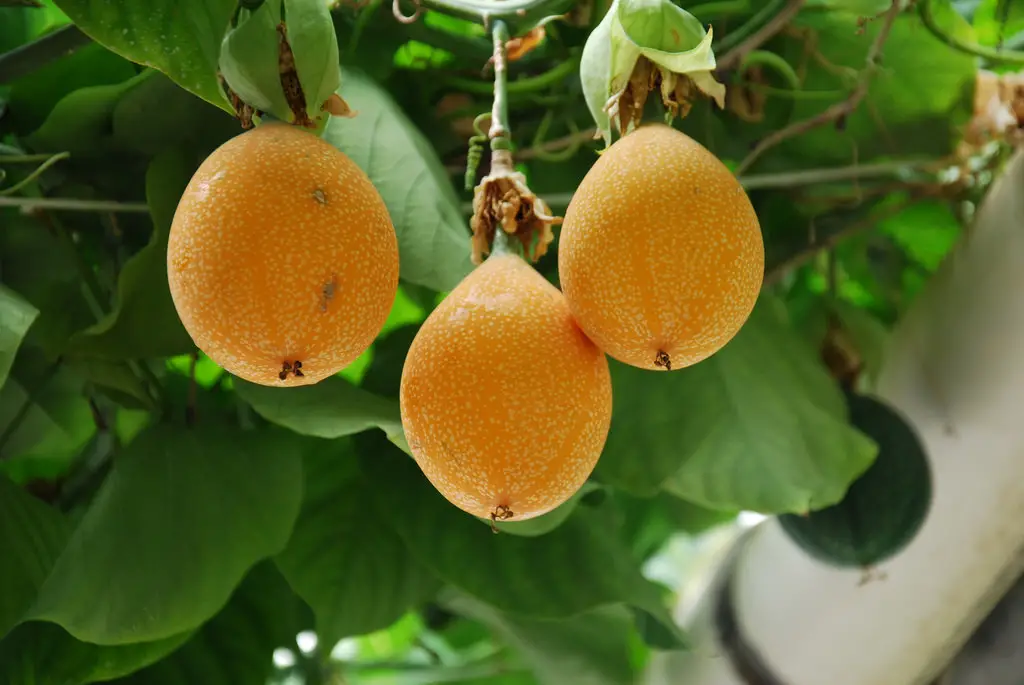
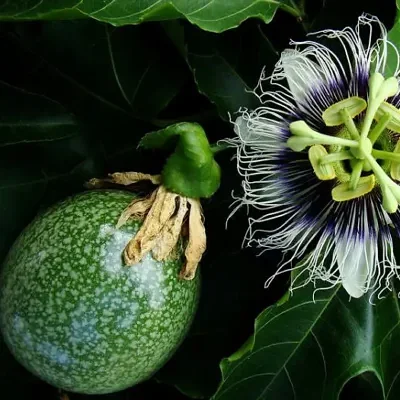
What makes sweet granadilla truly special is the fruit itself. The flavor is milder and sweeter than other passion fruits, making it especially popular with those who find the tartness of Passiflora edulis too intense. This vigorous climber produces round to oval fruits with a smooth, hard rind that ripens to orange or yellow, revealing inside a soft, jelly-like pulp filled with black seeds—mild, floral, and sweet. The juicy, aromatic pulp of sweet granadilla is a treat on its own or as a vibrant addition to many dishes. Simply crack one open and spoon out the translucent, honeyed flesh—pure bliss. Or blend it into smoothies, crown desserts, infuse cocktails, or make compotes that taste like liquid sunshine. The very aromatic sweet pulp contains vitamins A, C, and K, phosphorus, iron, and calcium, is high in fiber like pectin that can make you feel full without increasing calorie intake, and is rich in beneficial plant compounds, including carotenoids and polyphenols.
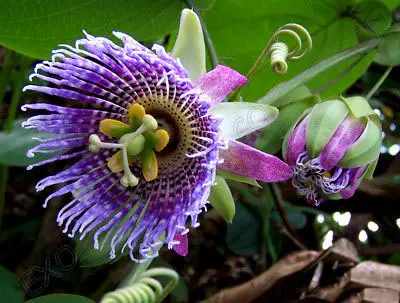
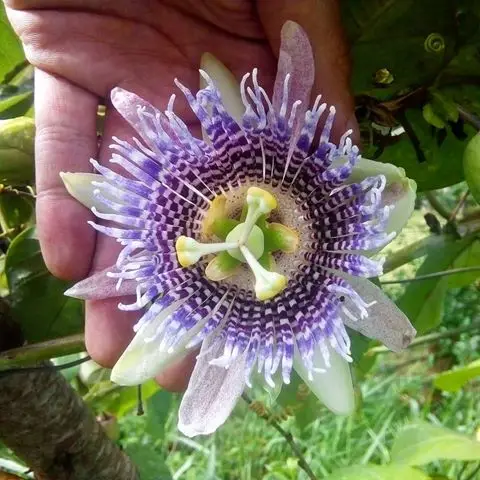
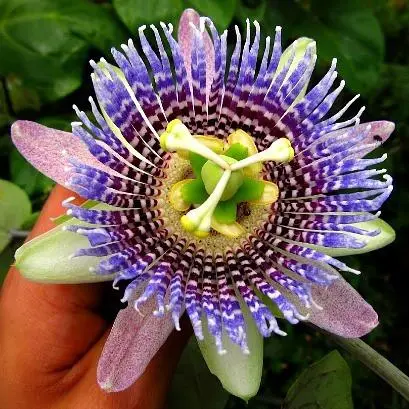
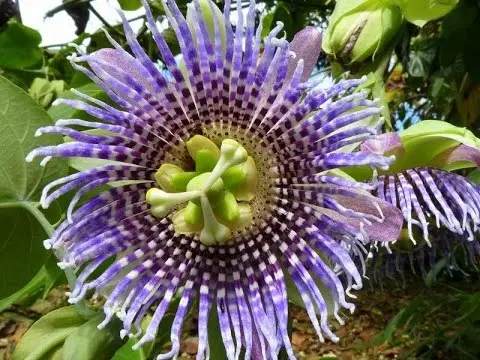
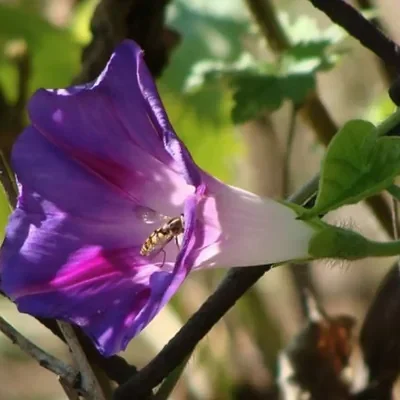
Beyond the fruit’s incomparable taste, this vine is an ornamental show-stopper. Its lush foliage and striking flowers make it an eye-catching ornamental. In the warmer months appear 4 inch wide sweetly fragrant flowers, often in pairs, with greenish white sepals and light pinkish-white petals with 2 ranks of filaments banded with bluish purple. These blooms attract pollinators and turn every glance toward your trellis into a moment of wonder.
Growing sweet granadilla from seed is straightforward and rewarding. Sweet Granadilla is a tropical-to-subtropical vine that rewards growers with delicious fruit and exotic blooms. With the right conditions—warmth, moisture, and support—it grows quickly and fruits generously. This fast-growing vine can grow 20 feet in a single season—give it a sturdy trellis or support structure and watch it climb. Passiflora ligularis grows optimally in warm, temperate climates with temperatures ranging from 15°C to 25°C. The species favors humid environments with annual rainfall between 1000 and 2000 mm. Sunlight is critical for its growth, as abundant light promotes photosynthesis and fruit sweetness. The seedbed should be well-drained and nutrient-rich, with loose, finely tilled soil. Seeds should be sown at a shallow depth of 1-2 cm. Consistent soil moisture is important, although waterlogging should be avoided. The ideal germination temperature ranges from 20°C to 30°C. Flowers appear approximately six months after planting. The fruit ripens approximately 70 days after pollination and contains sweet, aromatic pulp.
This is more than a plant—it’s a gateway to tropical abundance, to mornings when you can walk out and harvest your own sun-warmed fruit, to the pure joy of growing something that tastes as good as it looks. The seeds we offer are fresh from Ecuador, the heart of granadilla country. Plant them now, tend them with care, and within a year you’ll be living that dream. Grow Passiflora ligularis from seed and taste paradise.
Only logged in customers who have purchased this product may leave a review.
Reviews
There are no reviews yet.