
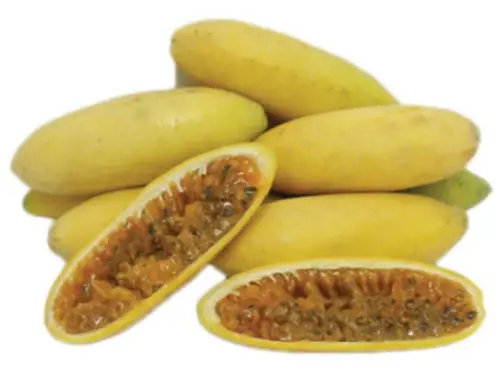
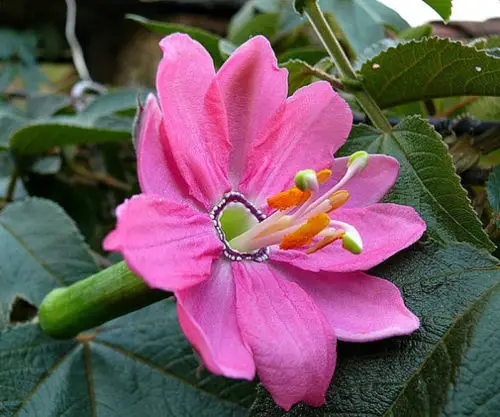
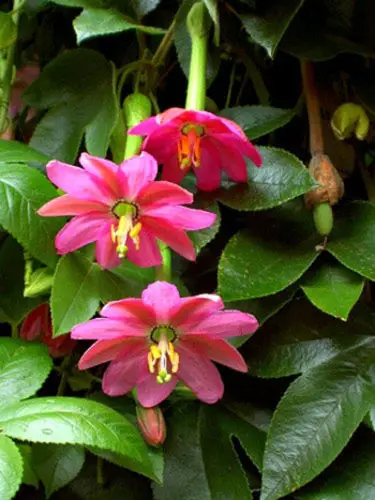
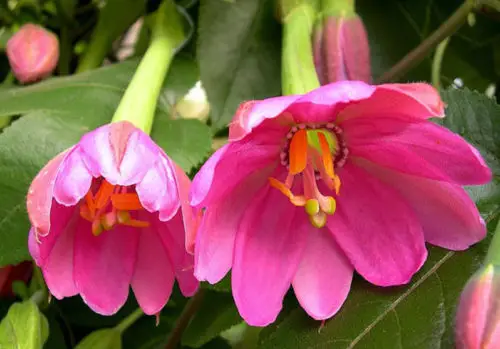
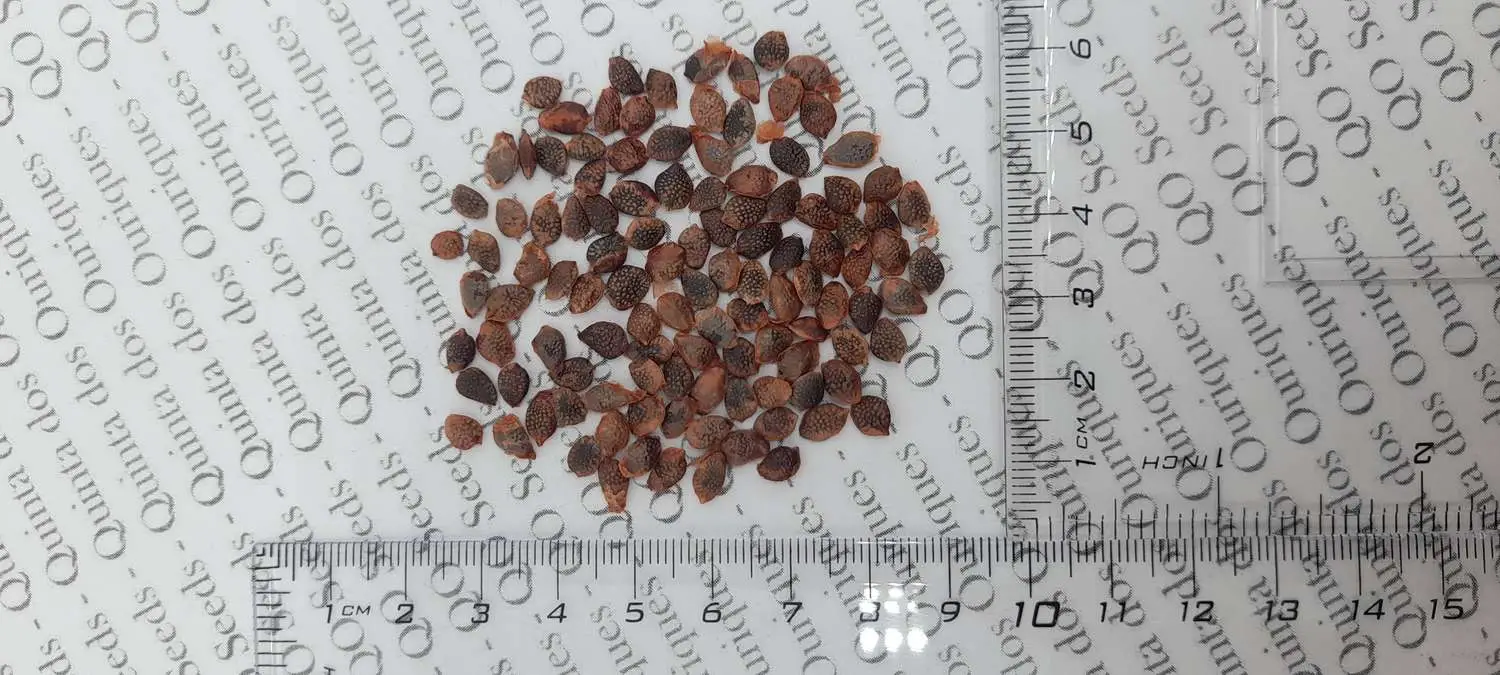
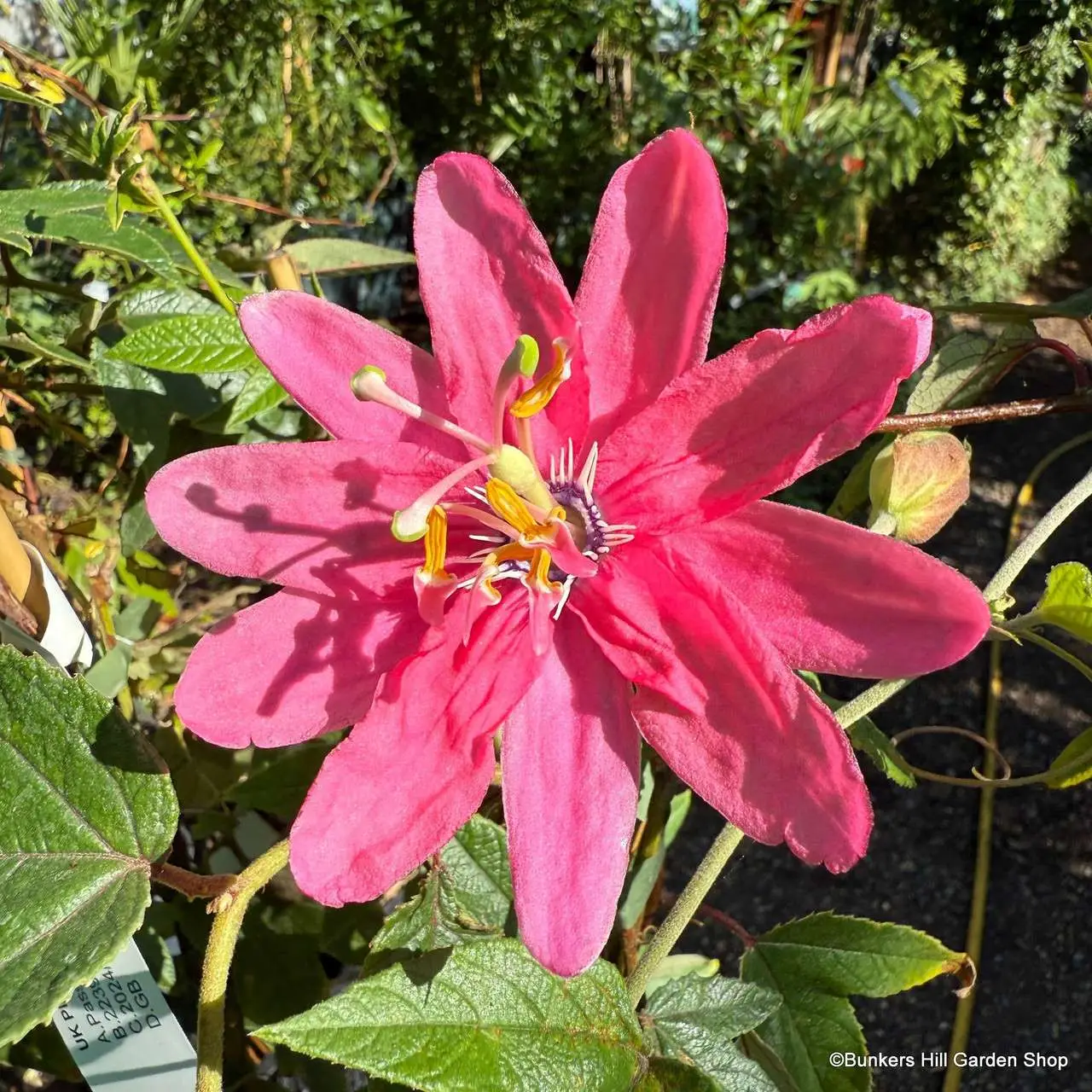
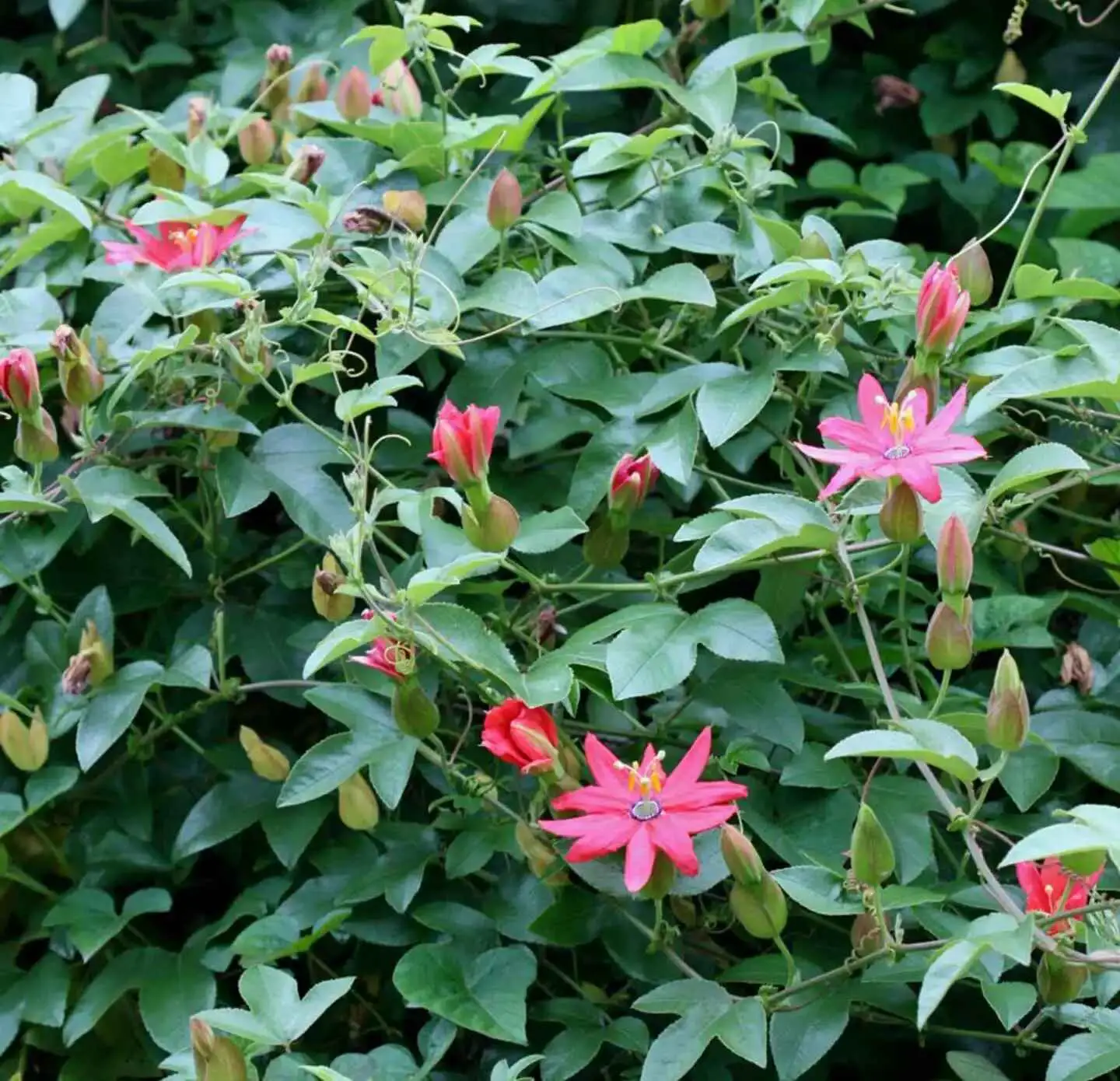
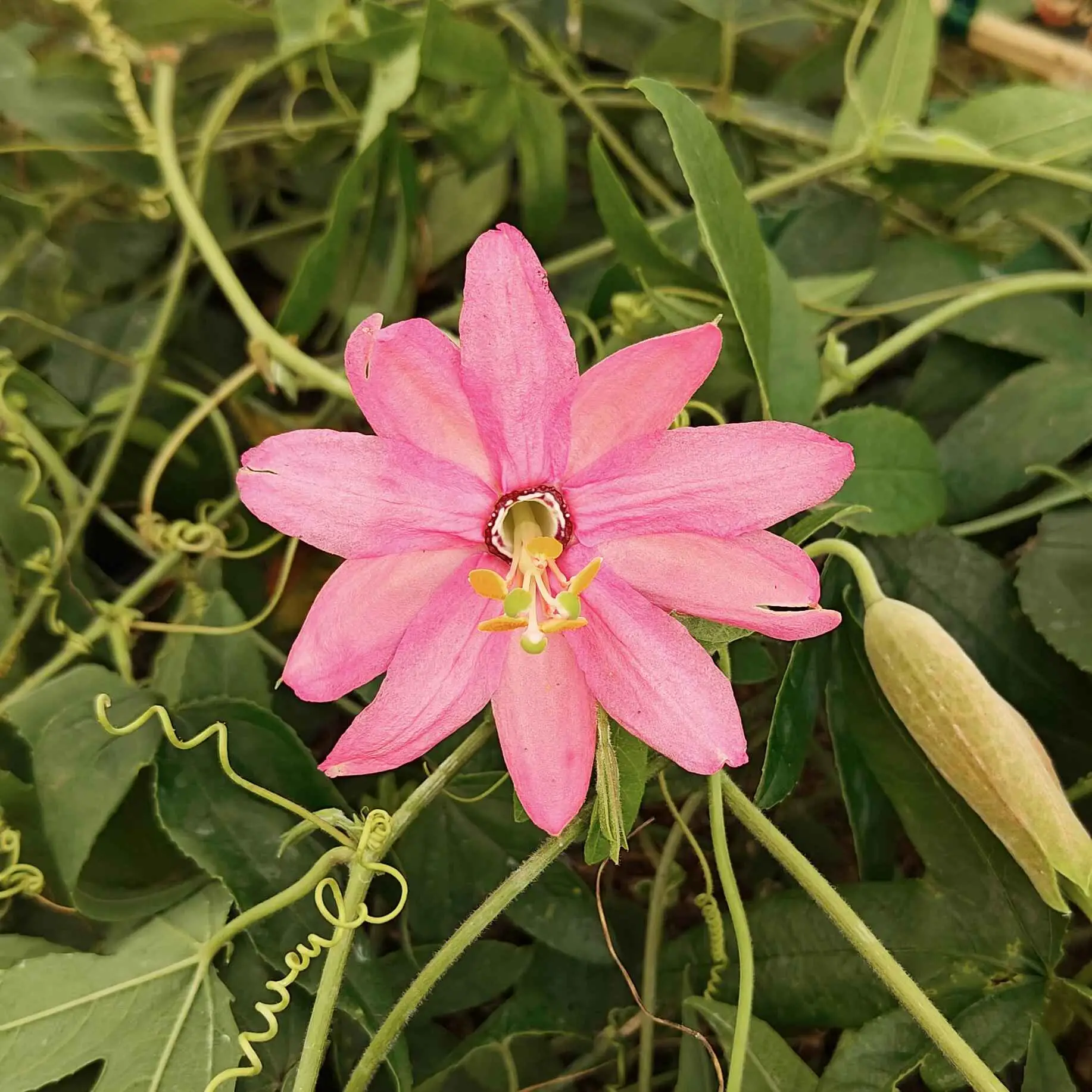
Taste the Andes in your garden. These vigorous vines produce elongated yellow fruits with aromatic, tangy-sweet pulp—prized across South America for juices, desserts, and cocktails. Pink flowers dangle overhead like jewelry. Easy to grow from seed; fruits arrive by year two. Soak seeds 24 hours and watch paradise climb.
€1.92
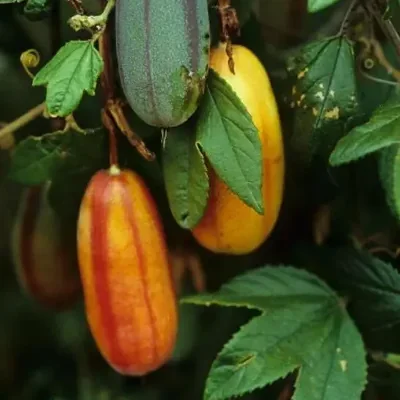
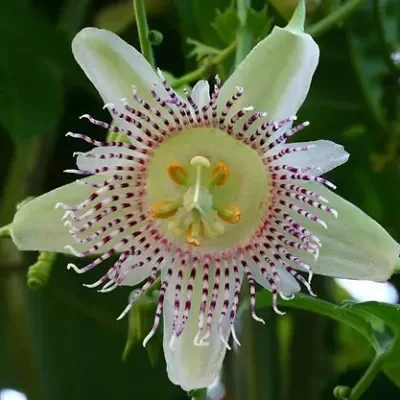
Passiflora mollissima produces beautiful pink flowers and edible elongated, oval-shaped fruit that turns from dusty green to a vibrant lemon-yellow when ripe, with a soft, slightly fuzzy skin. These are not ornamental afterthoughts—they are culinary treasure, and growing them from seed is your invitation to an entirely different flavor dimension.
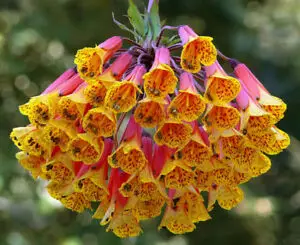
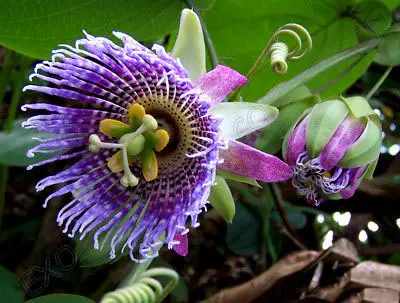
Often called the Banana Passionfruit or Curuba, Passiflora mollissima is a high-altitude climber hailing from the misty valleys of the South American Andes. Large, three-lobed leaves with a distinctively soft, velvety texture on the underside—hence its name mollissima, which means “very soft” in Latin. This is a plant with history, character, and purpose. It is a favorite among gardeners for its dramatic, dangling pink flowers that look like jewelry hanging from the canopy.
But let’s talk about the fruit—because this is where your passion flowers become a passion project. The fruits taste delicious and are considered to be the finest of passionfruit juices; they are used to flavour ice creams, drinks, and cocktails. In Colombia and Ecuador, the fruit is a staple known as Curuba. It is most famously used to make a creamy, refreshing milk-based drink called Sorbet de Curuba, which tastes like a blend of orange, melon, and tart cream! An aromatic taste, it can be eaten out of hand or used as a flavouring in ice creams, fruit salads, puddings etc. A juice made from the fruit is highly prized in S. America. This is not experimental fruit—this is proven, celebrated, generations-deep culinary magic. Native to the Andes, the vines usually produce by the second year and can yield up to 300 fruits a vine when in full production. Imagine standing in your own garden, harvesting handfuls of that gold-yellow bounty, tasting something your neighbors will never know.
Growing this vine is accessible. P. mollissima is a fast growing vine. It produces fruit by its second year and can yield up to 300 fruits on a single vine. Give Banana Passion Fruit rich soil, even moisture and a sunny spot and it will grow to 20′. Attracts bees, beneficial insects, butterflies and hummingbirds making it an excellent addition to pollinator gardens. For best fruiting and flowering, plant it in a large pot. When the roots are confined, the plant goes into reproduction overdrive, eager to produce seeds for the next generation. Requires a humus-rich, moist but well-drained soil and a position in dappled shade where it can grow up towards the sun. The plant thrives in cool tropical and subtropical climates—unlike most passionflowers, it dislikes extreme heat, making it ideal for temperate gardeners. Soak seeds for 24 hours or longer, changing the water daily to soften the seed coat and leach out germination inhibitors. Simple. Proven. Works.
Grow this from seed and you’re not just planting a vine—you’re cultivating a gateway to the Andes, a living connection to centuries of cultivation in the cloud forests, a vine that will feed you, enchant your neighbors, and turn ordinary desserts into celebrations. Pink flowers. Golden fruit. The finest passionfruit juice on earth, born from your own soil. This is passion fruit, transformed.
Only logged in customers who have purchased this product may leave a review.
Reviews
There are no reviews yet.