
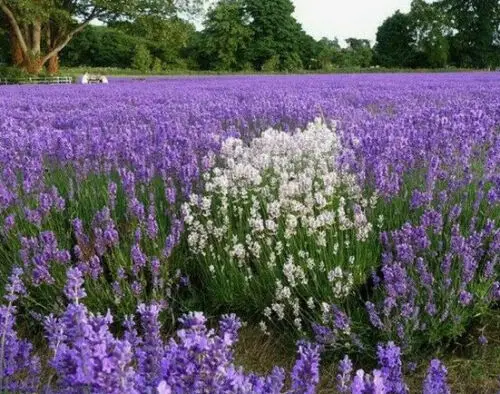
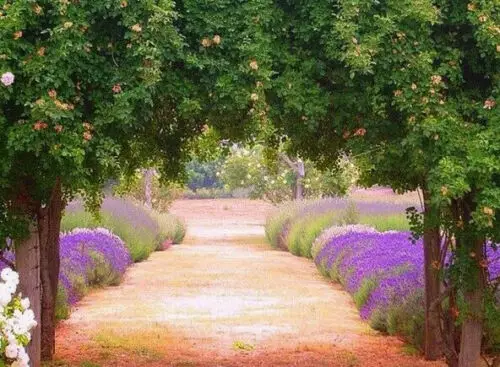
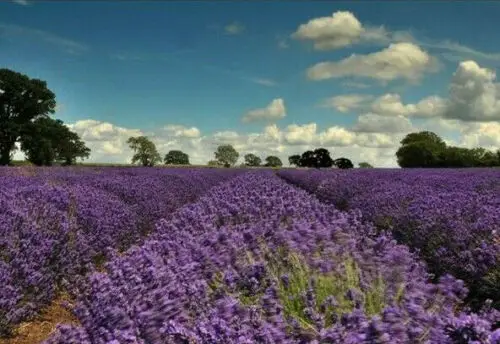
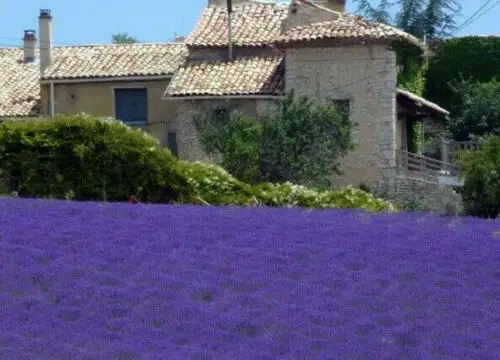
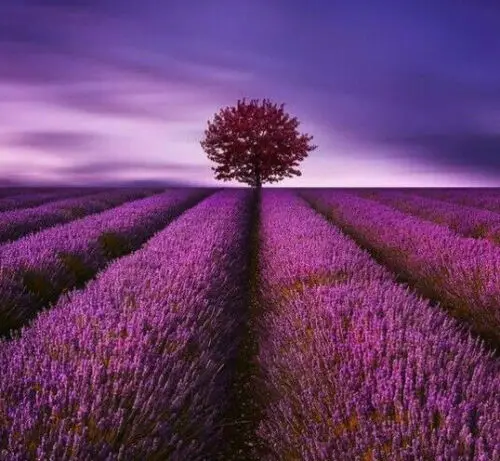
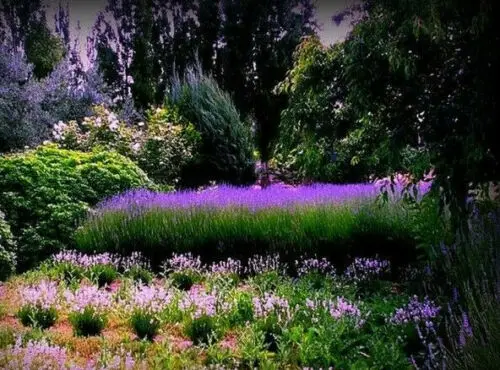
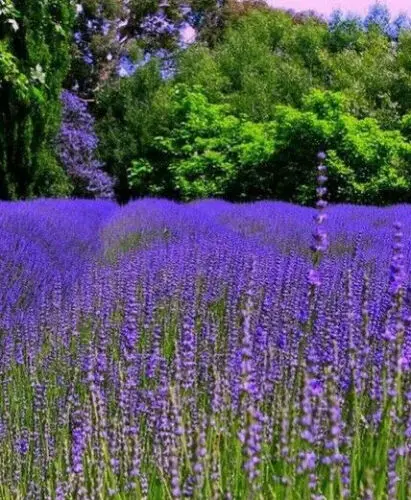
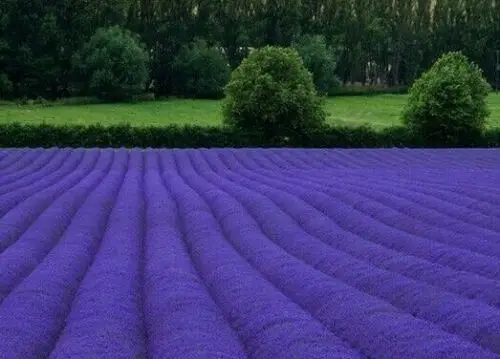
Grow your own lavender for lush, lilac-purple flowers that yield the most coveted essential oil in the world. One plant becomes perfume, medicine, tea, and honey all season long. Sweet-scented, beginner-friendly from seed, and thrives on neglect—this is the lavender that built Provence. Start your harvest now.
€1.92
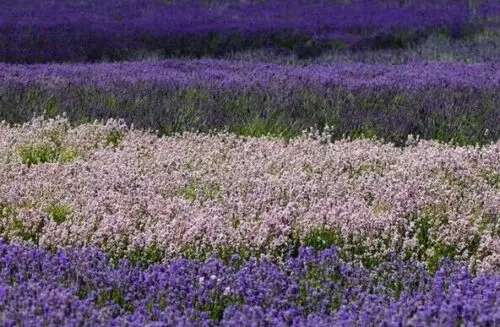
Pure lavender magic begins with a seed. Lavandula angustifolia—English lavender, true lavender, the lavender of legend—is the world’s most prized aromatic treasure, native to the rocky, sun-drenched slopes of Mediterranean France, Spain, and Italy.
For centuries, this iconic shrub has captivated gardeners and herbalists alike. Its narrow grey-green leaves and spike-like inflorescences crowned with lilac flowers aren’t just beautiful—they’re the source of liquid gold. When you grow L. angustifolia from seed, you’re not simply cultivating a pretty plant; you’re starting a small factory of essential oil, the most commercially valuable lavender on earth.
Here’s what makes it irresistible: Lavandula angustifolia produces the finest essential oil in all the lavender world—rich, complex, and aromatic, with sweet floral overtones, hints of mint, and a subtle citrus whisper. This oil is the workhorse of perfumery, aromatherapy, and natural skincare. Lavender essential oil has been treasured for generations to ease anxiety, promote deep sleep, soothe inflammation, and heal burns and wounds. The same oil that once graced hospital wards during World War I now fills diffusers in wellness studios worldwide. Extract it yourself for DIY perfumes, salves, and bath blends—or simply inhale the aroma and let the plant’s 300+ bioactive compounds work their magic. Beyond oil, your flowers dry beautifully for tea (soothing for digestion and nerves), culinary use (floral notes in baking, jams, and savory dishes), and cut-flower arrangements that last for months. Bees and butterflies will thank you too—lavender is their favorite summer buffet, and you’ll watch your garden transform into a pollinator paradise.
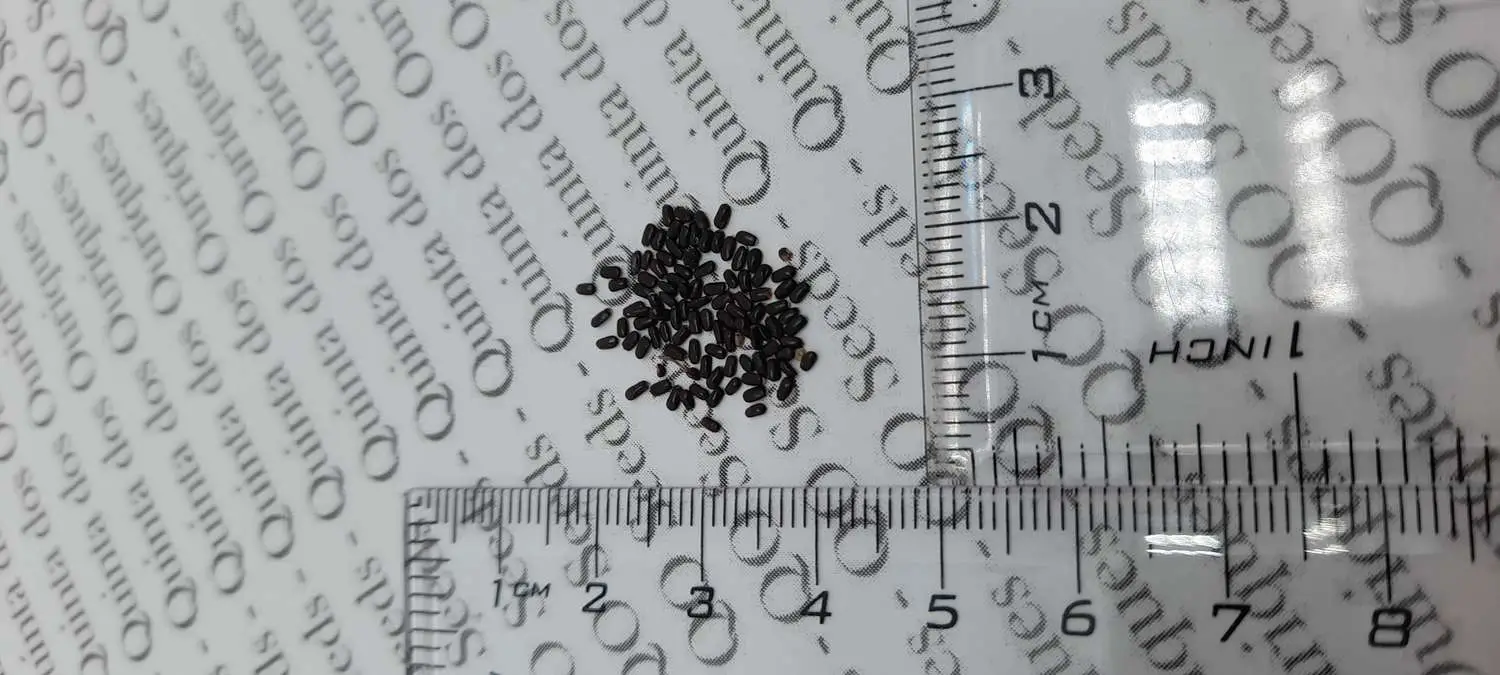
Growing it is simpler than you’d think. Lavandula angustifolia is the easiest lavender to start from seed and has the highest germination success rate of all varieties. It craves full sun (six hours daily), well-drained sandy or gravelly soil, and very little water—think Mediterranean neglect. Once established, this perennial shrub lives for 5 to 20 years, growing into a woody, compact plant 1–2 meters tall. It’s cold-hardy (hardy to Zone 5), drought-tolerant, and disease-resistant. Your seed will germinate in 14–21 days with proper stratification (cool, moist pretreatment). Seedlings transplant easily, and by mid-summer of year one, you’ll see the first fragrant flower spikes—by year two, full-blown production. No fussy fertilizer needed. No pest spray required. Just sun, grit, and time.
There’s something sacred about growing lavender from seed: watching a speck become a fragrant, flowering shrub is one of gardening’s greatest rewards. You’re not buying someone else’s cultivated plant—you’re becoming a lavender grower yourself, part of a tradition stretching back to the perfumeries of Grasse and the herbalists of old Provence. Start your seeds now and step into the lavender life.
Only logged in customers who have purchased this product may leave a review.

Reviews
There are no reviews yet.