Description
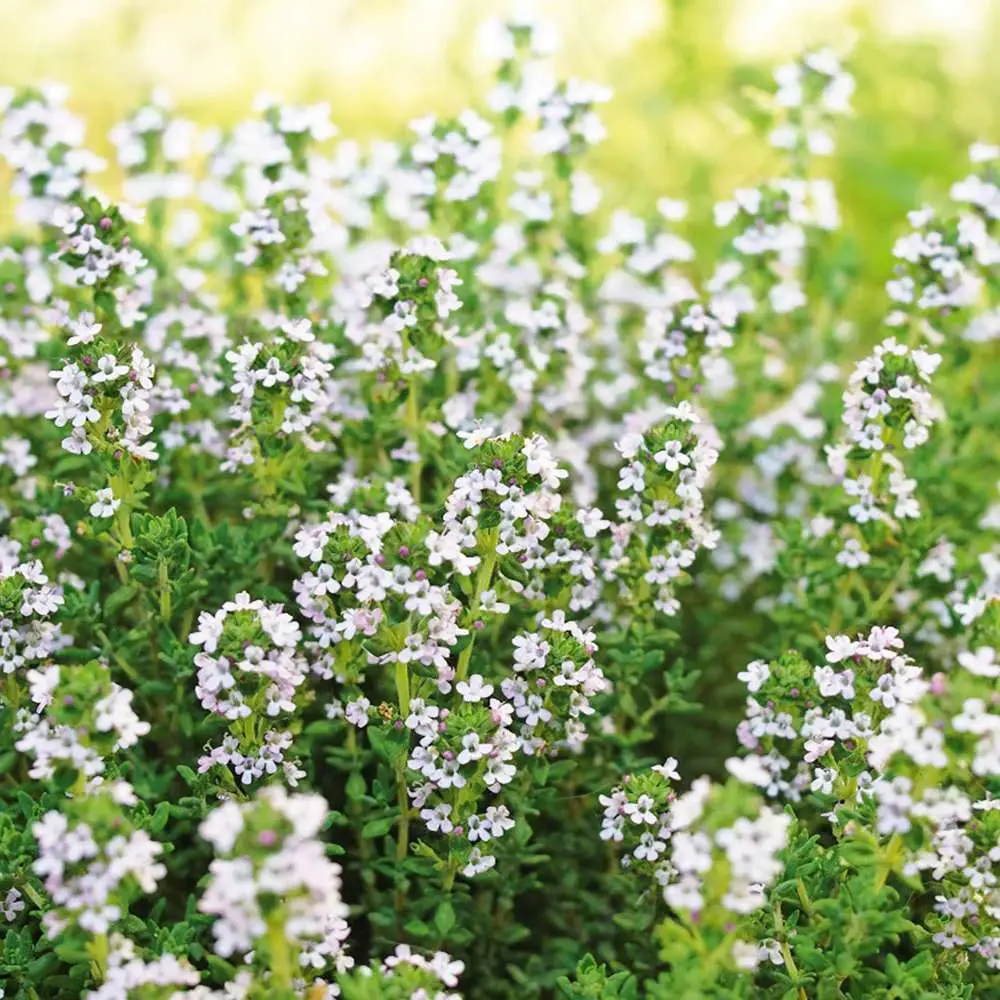
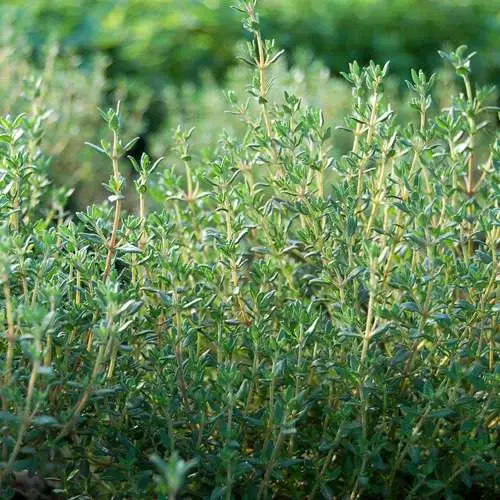
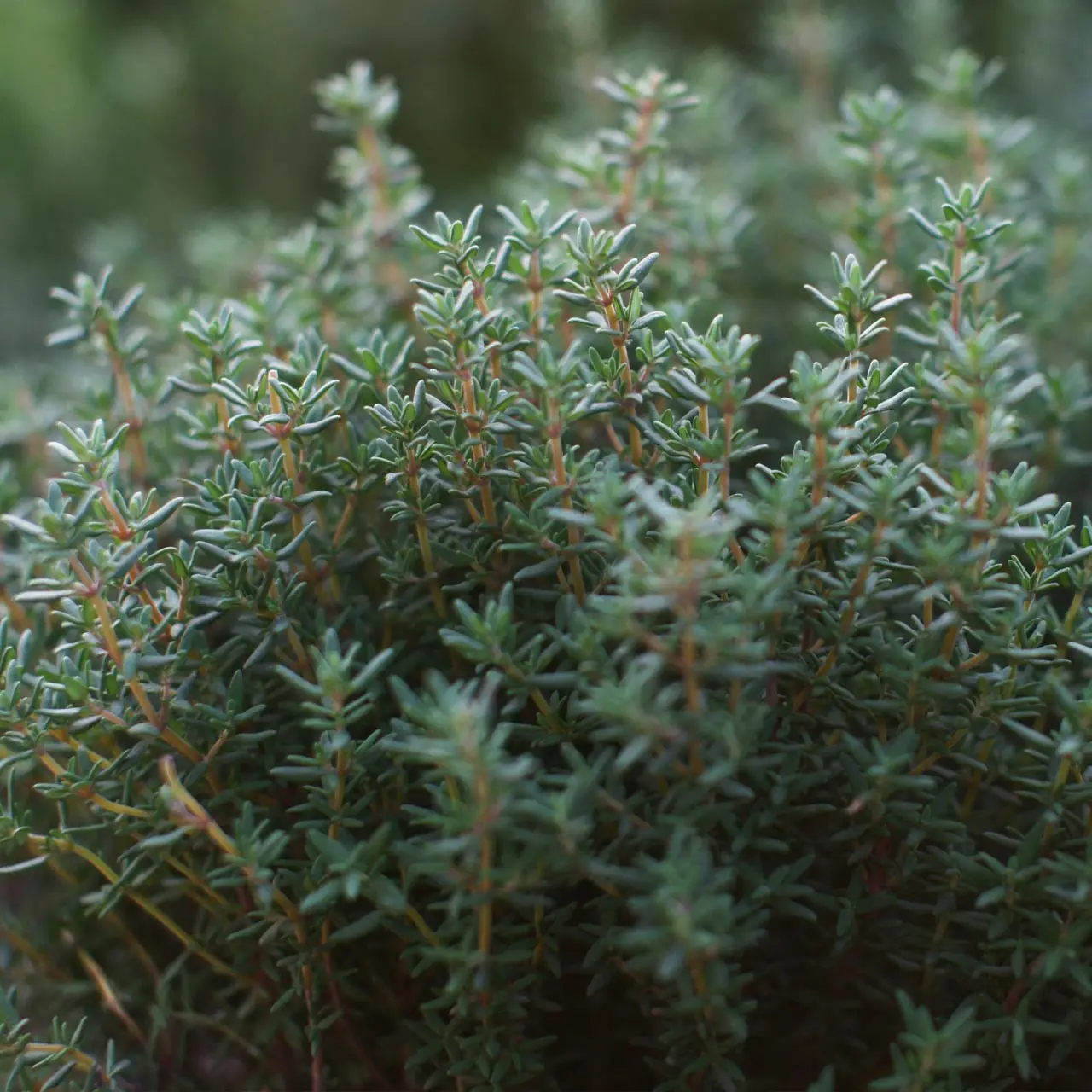
Thymus vulgaris, commonly known as common thyme or garden thyme, is a woody-stemmed perennial herb prized for its aromatic foliage and culinary value. This compact, bushy plant features small, gray-green leaves and produces clusters of tiny pale pink flowers in early summer. Highly drought-tolerant, it thrives in full sun and well-drained, slightly alkaline soils. Its strongly scented leaves are widely used in cooking, herbal remedies, and aromatherapy. A staple in herb gardens, it also attracts pollinators while resisting deer and rabbits. With its upright growth habit and evergreen foliage in mild climates, it serves well as both a kitchen herb and an ornamental edging plant.
Germination Guide
🌍 Southwest Europe and Southeast Italy; Mediterranean region from Spain to Italy, including Balearic Islands and France
Easy
Thymus vulgaris, commonly known as common thyme or garden thyme, is a Mediterranean herb with a long history of culinary and medicinal use. This aromatic evergreen subshrub produces tiny, gray-green leaves with a warm, earthy, peppery flavor. Seed germination is relatively easy but slow and sometimes uneven, typically occurring within 14-28 days under proper conditions with good light and consistent warmth.
Germination
Germination time
Expect germination in
8 – 30 days
Temperature
Min 15°C
Ideal 18°C
Max 21°C
Substrate moisture
💧 Medium
Substrate & Container
Recommended substrate
Fine, lightweight, well-draining seed starting mix; peat-free seed compost preferred
Recommended container
Seed trays or small pots with drainage holes; transparent container with humidity control beneficial
Growing Tips
Surface sow seeds as they require light to germinate; do not cover. Maintain consistent moisture but avoid waterlogging. Keep soil warm (18-21°C) in bright light. Germination may be slow and erratic, so be patient. Avoid overwatering seedlings as they are prone to damping off fungal diseases. Thin seedlings gently when several leaves appear. Use fine, lightweight seed compost to prevent smothering tiny seeds. Once established, thyme becomes very drought-tolerant and prefers slightly dry conditions. After 3-4 years, plants become woody and benefit from rejuvenation through new propagation.
Only logged in customers who have purchased this product may leave a review.




Reviews
There are no reviews yet.