
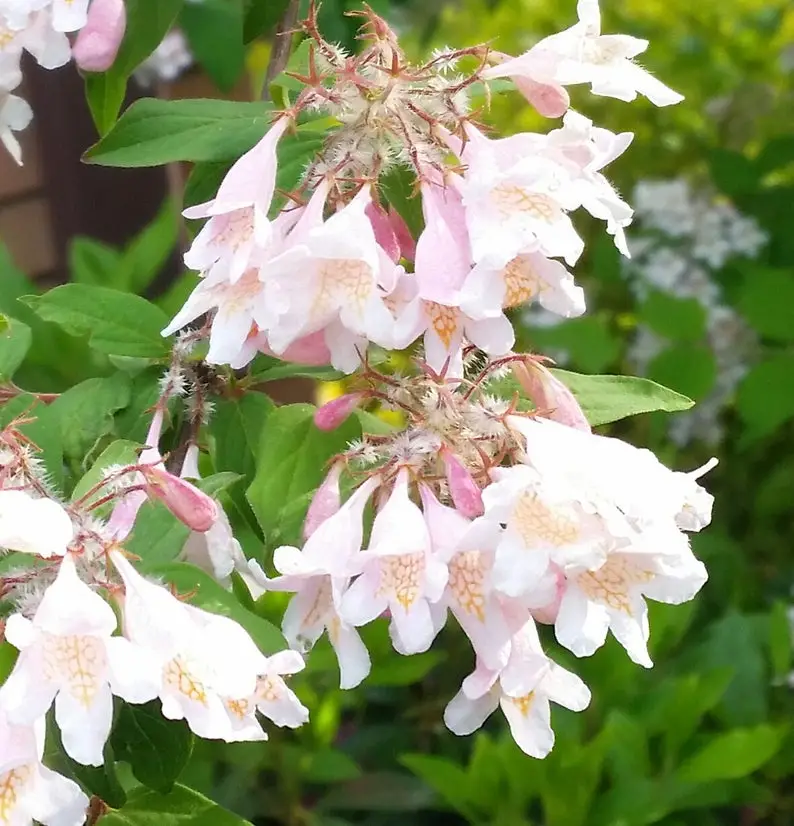
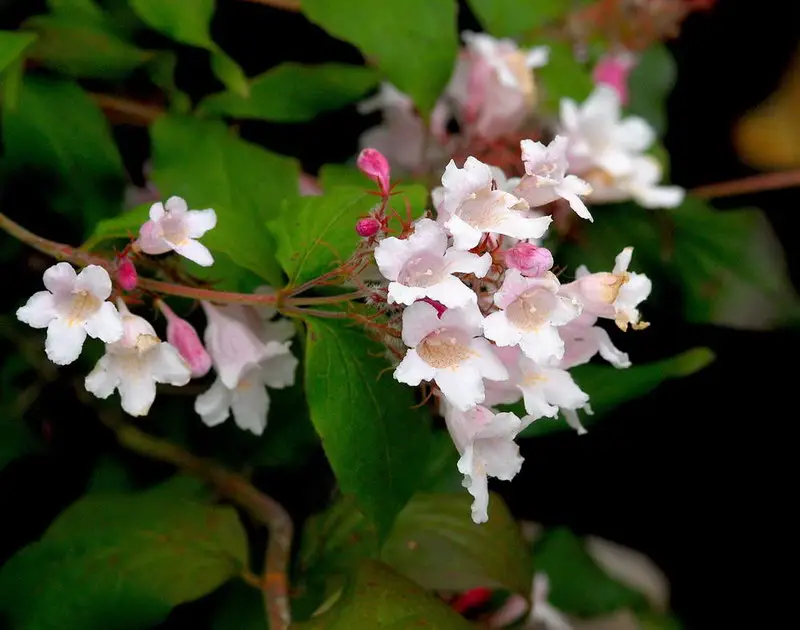
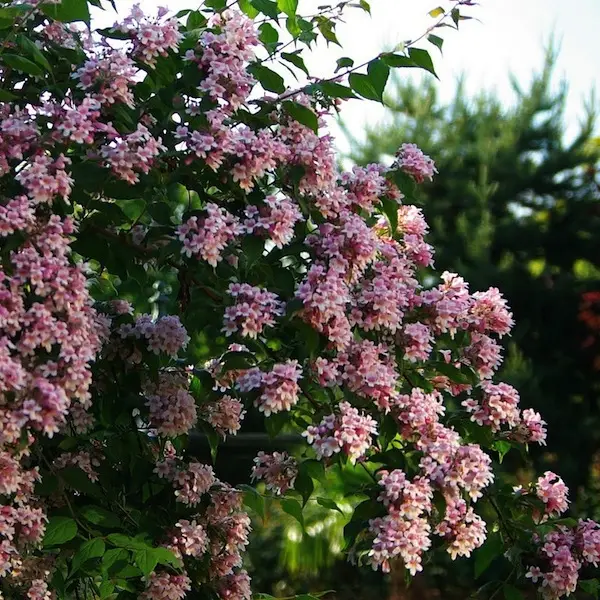
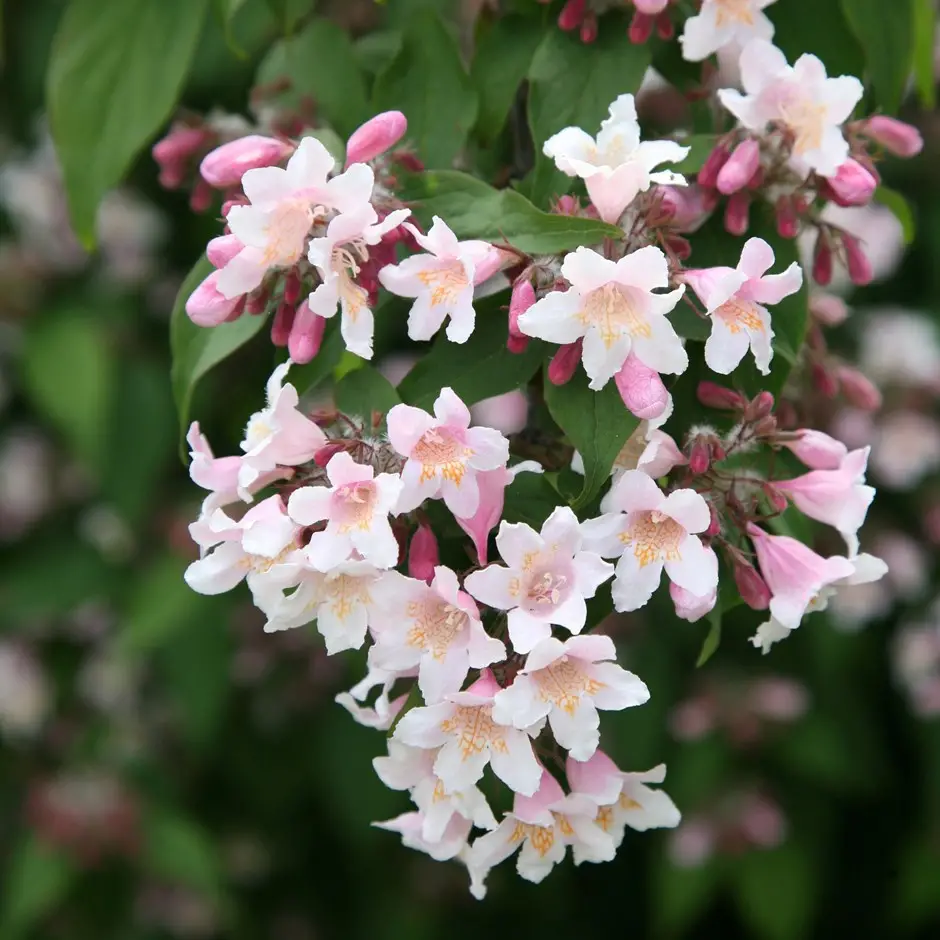
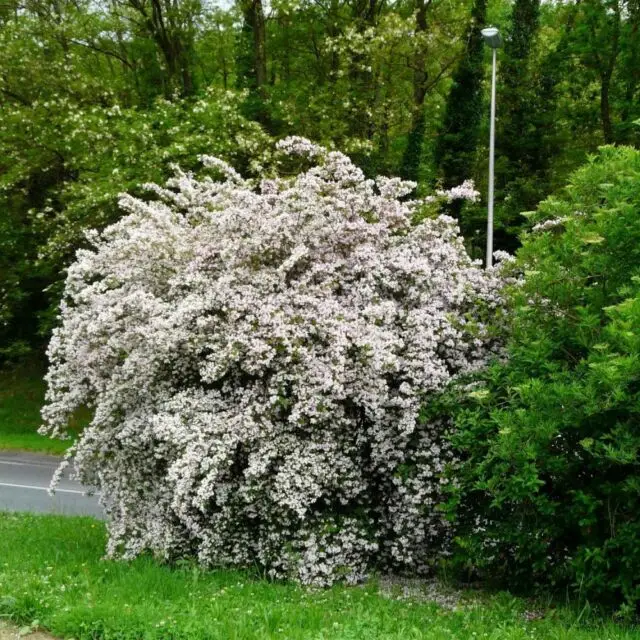
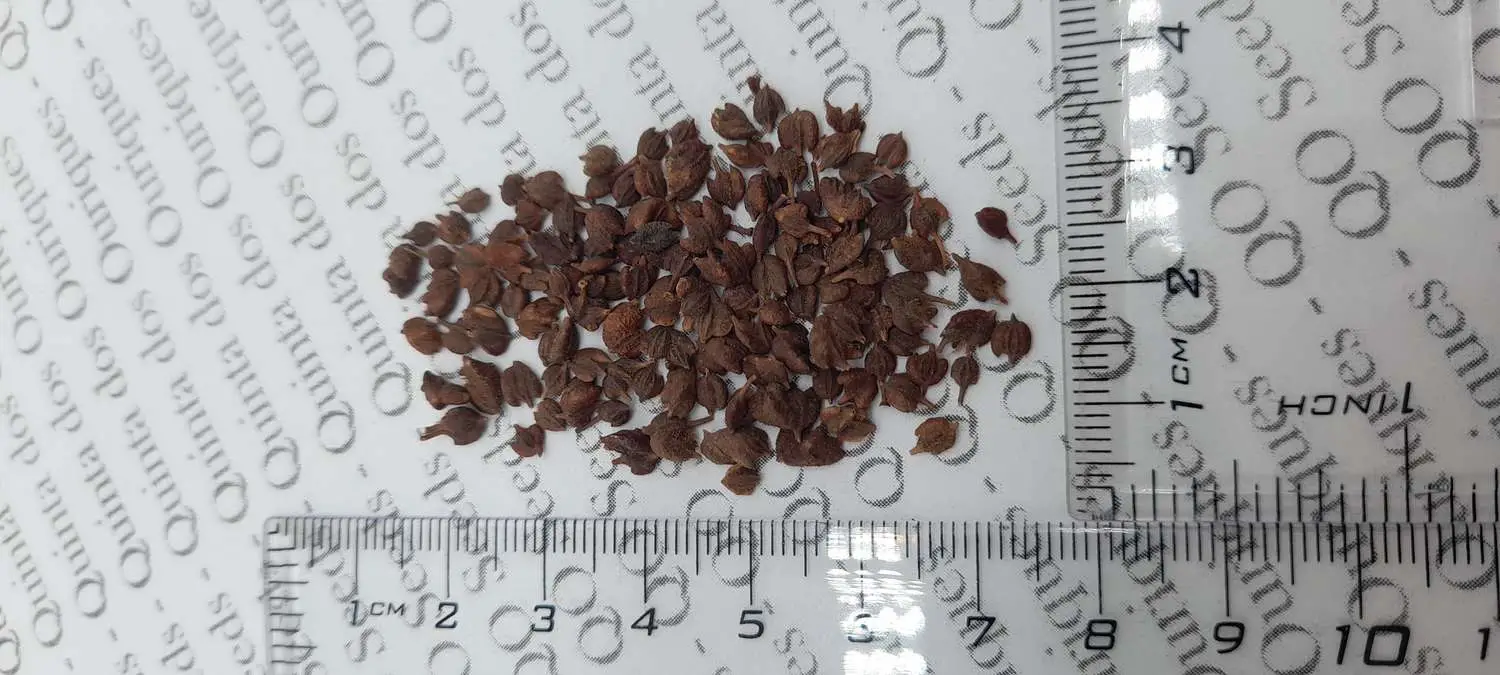
Watch your garden come alive. From mid-spring through early summer, Kolkwitzia amabilis explodes in a profusion of bell-shaped pink flowers with glowing yellow throats—a magnet for bumblebees, butterflies, and pollinators that hungry for nectar. This easy-to-grow deciduous shrub grows to 2.5–3.5 meters, creating an arching fountain of color that transforms bare branches into living clouds. Hardy, low-maintenance, and rewarding from seed. Grow pollinator pa
€3.90
Imagine late spring arriving—and suddenly your garden becomes a living cloud of soft pink flowers, crawling with bumblebees and butterflies, alive in ways most gardens dream of.
Kolkwitzia amabilis, known as Cloud Pink or Beauty Bush, is a deciduous shrub native to the mountainous regions of central China, discovered for Western cultivation in 1901 by the legendary plant explorer Ernest Wilson. The scientific name honors German botanist Richard Kolkwitz; “amabilis” simply means “lovely”—and once you see this plant in flower, you’ll understand why. After its introduction to the eastern United States following World War I, it became almost a defining shrub in American gardens, valued by those who understood that true beauty lies not just in appearance, but in purpose.
But here’s what makes Cloud Pink extraordinary: it is a pollinator’s paradise. From mid-spring through early summer, this shrub produces a spectacular abundance of small, bell-shaped flowers—soft pink with warm yellow-orange throats—borne so prolifically that the entire plant becomes smothered in bloom. Those flowers are irresistible to bumblebees and other long-tongued pollinators, along with butterflies and hummingbirds. Grow this shrub, and you’re not just creating beauty; you’re creating a feeding station for the pollinators your garden desperately needs. The flowers are lightly fragrant, the nectar is abundant, and the insects know it. Your garden becomes a living, buzzing center of ecological activity—beauty with purpose.
Cultivation is refreshingly straightforward. Cloud Pink thrives in full sun to partial shade, preferring well-drained soil that is slightly acidic to neutral (though it adapts to most conditions, even limestone and clay). Once established, it’s moderately drought-tolerant and requires minimal maintenance beyond the occasional prune after flowering. The shrub grows into a distinctive arching, vase-shaped form—sometimes described as fountain-like—reaching 2–3.5 meters tall and wide, with graceful drooping branches that eventually arch toward the ground under the weight of flowers. Even in winter, when the leaves drop, the plant retains ornamental interest: the mature stems develop exfoliating, light grayish-brown bark that peels in attractive shreds. Foliage emerges dark green and can take on warm reddish and golden hues as autumn approaches.
Grow Kolkwitzia amabilis from seed and you’re nurturing history. You’re planting the same species that Wilson championed as standing “in the front rank” among deciduous shrubs from China. You’re creating a beacon for pollinators in a world that needs them desperately. And you’re building a garden that delivers not just spectacle, but life itself—those clouds of pink flowers will become the most visited, most loved corner of your landscape. This is beauty with a heartbeat.
Only logged in customers who have purchased this product may leave a review.
Reviews
There are no reviews yet.