Description
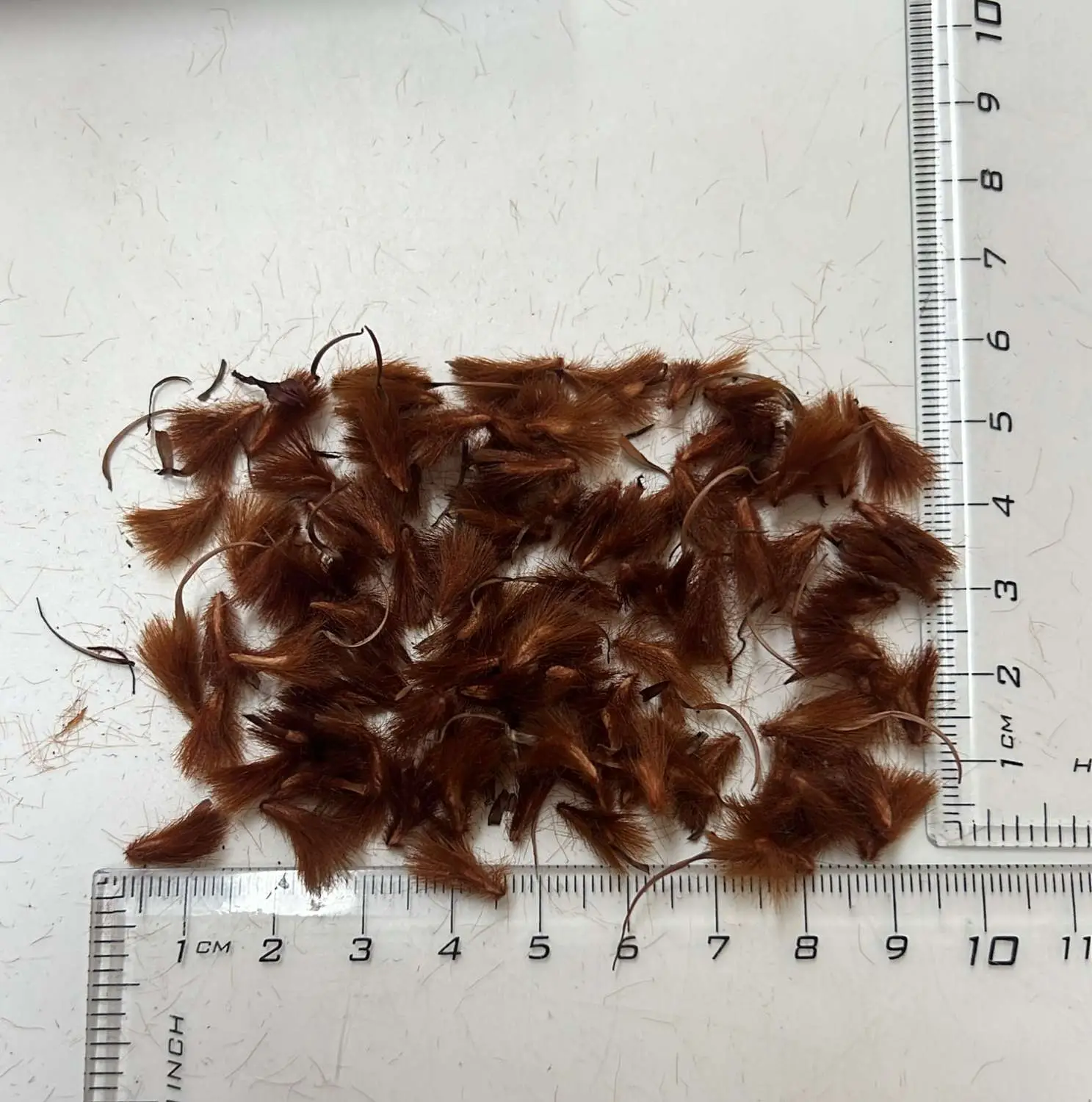
Protea acuminata seeds can benefit from Seed Smoke Primer, which is also available in our shop. Make sure to take a look!
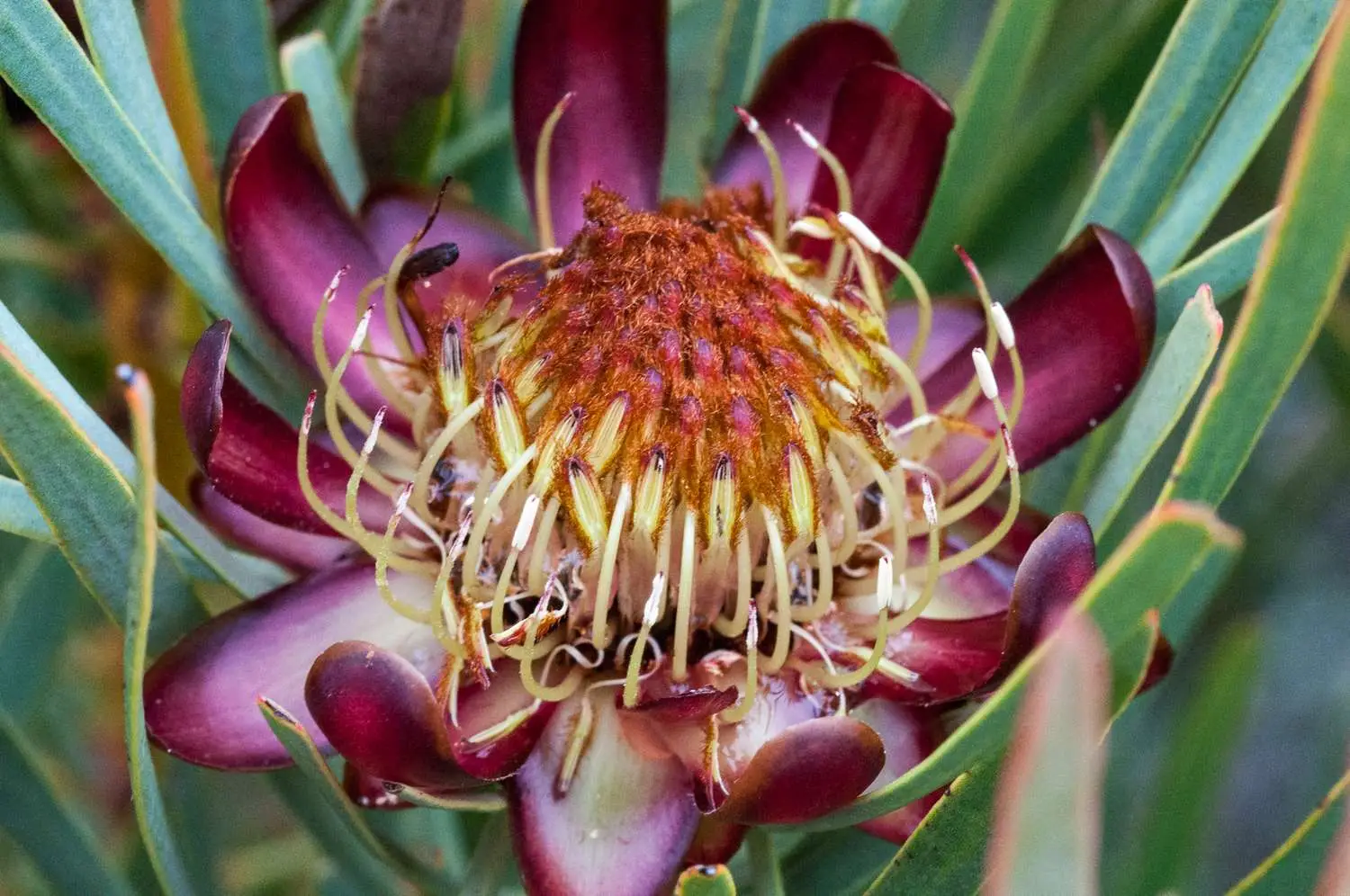
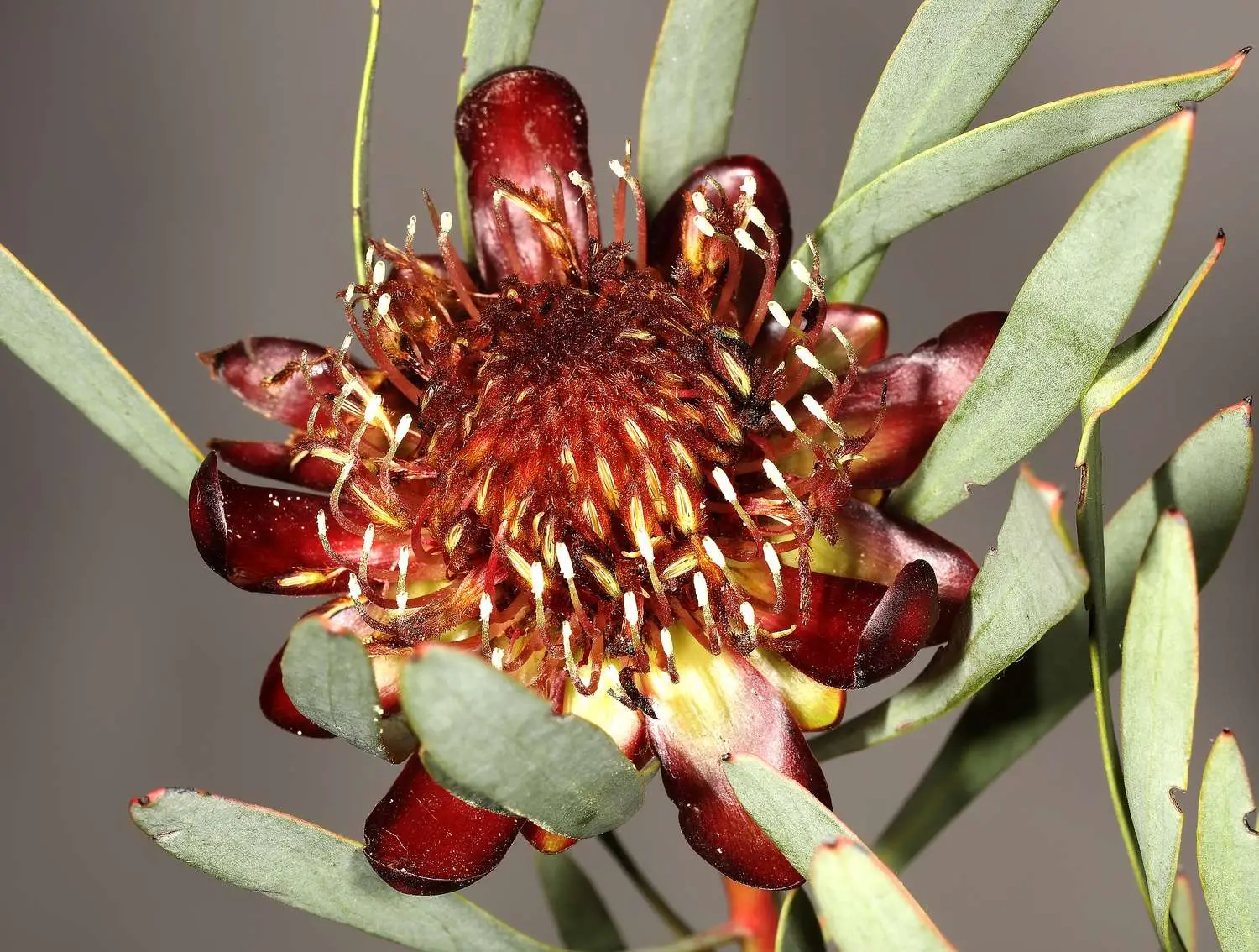
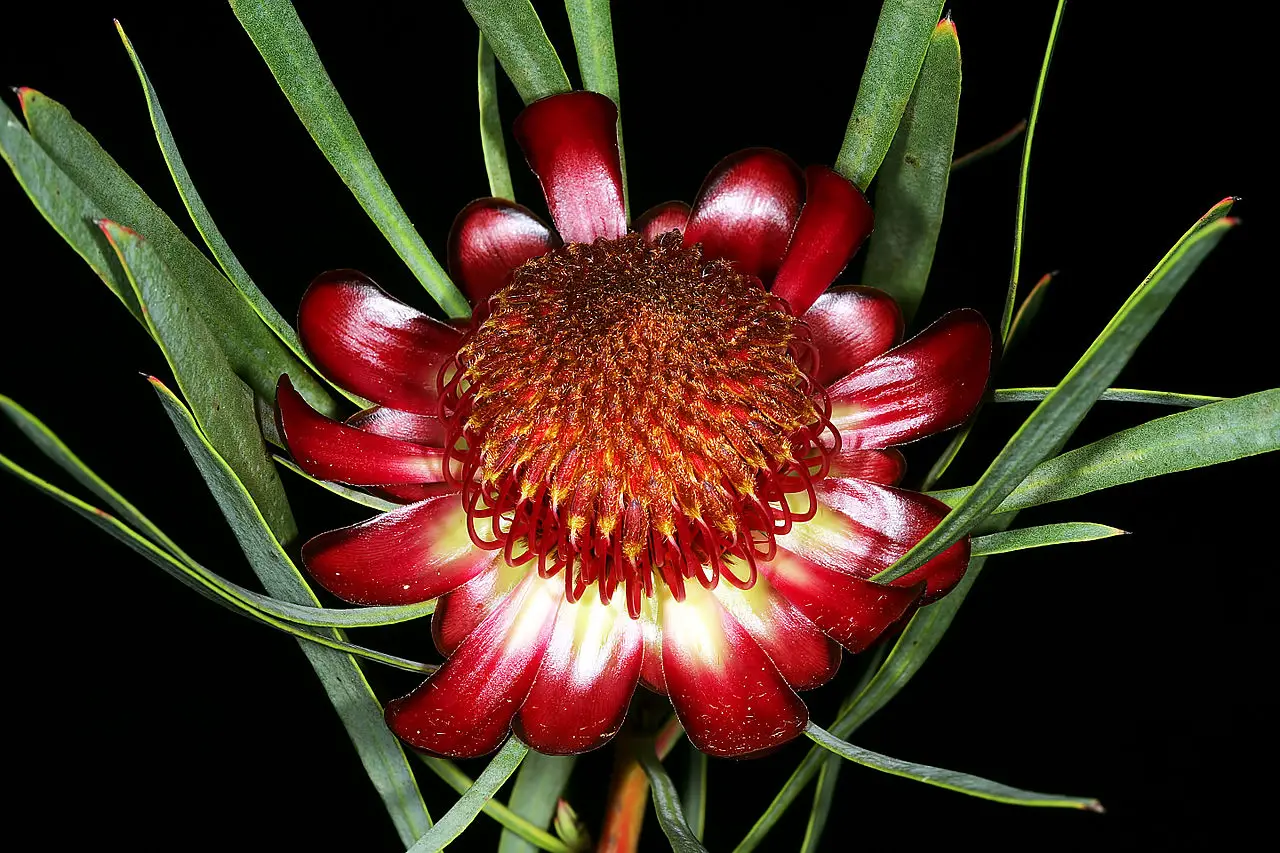
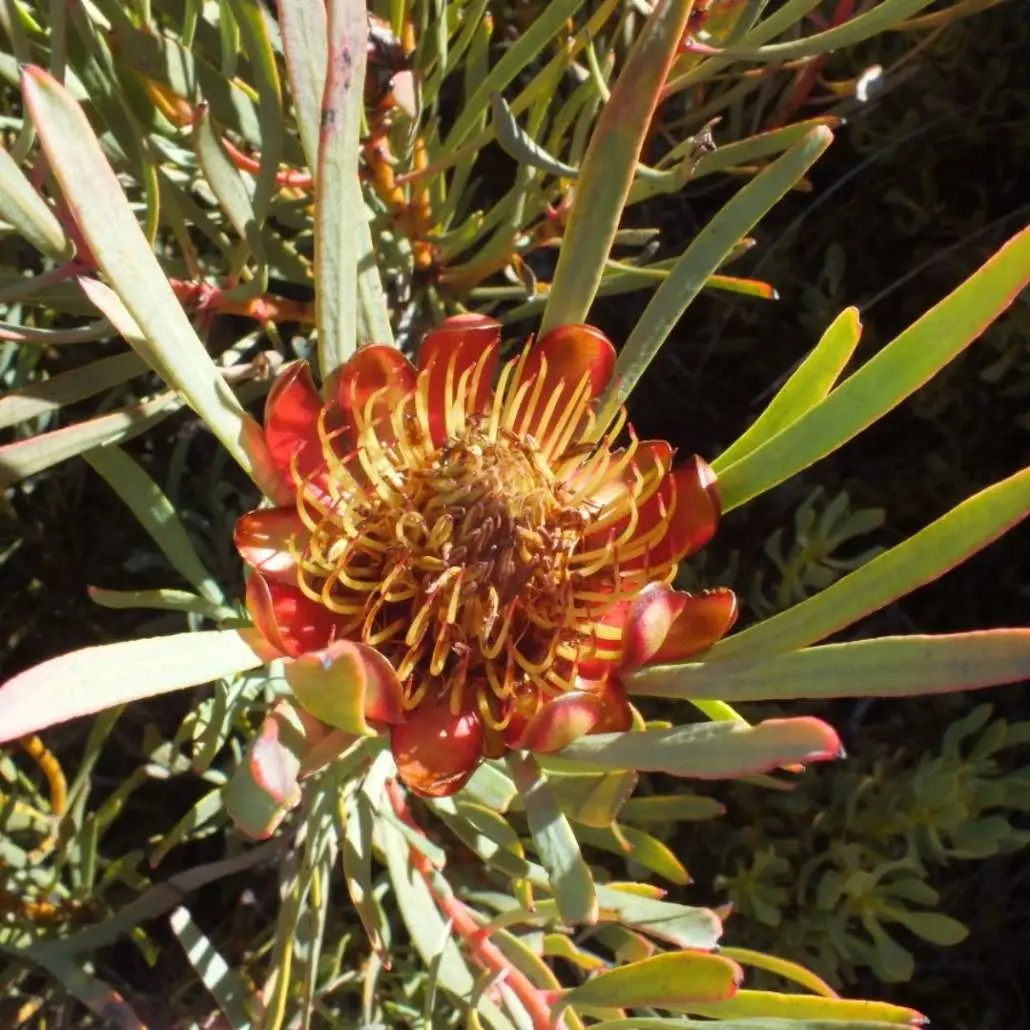
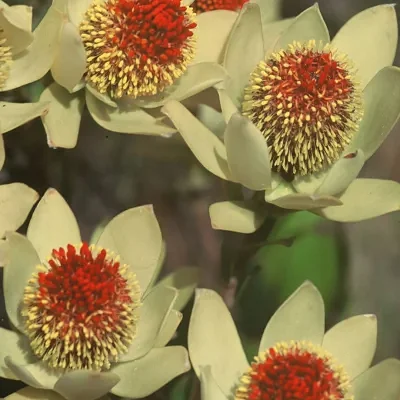
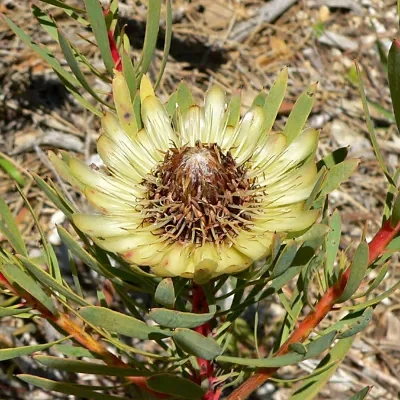
Protea acuminata, also known by the common name black-rim sugarbush, is a flowering shrub belonging to the genus Protea and the family Proteaceae. This species is endemic to South Africa, meaning it is found nowhere else in the world. It grows as an upright shrub or small tree, reaching up to two meters in height.
The plant is characterized by its linear, smooth, and flat leaves and its small flower heads. These flower heads bloom from late winter into spring, typically from June to September in the Southern Hemisphere, with a peak in July and August. While the exact pollinators are unknown, the species is monoecious, meaning each flower has both male and female parts.
The adult plants may be killed by fire, but the seeds, which are dispersed by wind, can survive and regenerate the population.
Germination Guide
🌍 South Africa (endemic to Nieuwoudtville and Cederberg, Stettynskloof and Riviersonderend Mountains)
Moderate
Protea acuminata, commonly called blackrim sugarbush, is a small upright tree endemic to South Africa that blooms from June to September. Seeds require specific pre-treatments including smoke exposure and temperature fluctuations to break dormancy, typically germinating between 28-120 days with careful moisture management.
Germination
Germination time
Expect germination in
28 – 120 days
Temperature
Min 20°C
Ideal 22°C
Max 29°C
🌡️ Temperature alternation recommended
— Essential temperature fluctuation of approximately 12°C between day (22-29°C) and night (10-13°C) is critical for germination. Sow during autumn or spring when natural temperature differences occur.
Substrate moisture
💧💧 High
Sowing depth
Lightly covered
Seed Pre-treatment
-
💧
Soaking — 24 hours
Soak seeds in warm water for 24 hours or immerse in hydrogen peroxide 1% solution for 24 hours as fungicide treatment alternative
-
🔨
Hot water scarification
Hot water treatment at 55°C for 20 minutes to increase germination rates and reduce fungal pathogens
-
🔥
Smoke/Fire treatment
Smoke seed treatment strongly recommended: immerse seeds in smoke solution for 18-24 hours, preferably using rainwater
-
📋
Additional notes
Seeds benefit from smoke primer treatment. Heat treatment at 50-55°C for 20-30 minutes reduces fungal pathogen spread. Pre-soaking with fungicide is essential.
Substrate & Container
Recommended substrate
Well-draining acidic medium (pH 5.5): 2 parts peat or decomposed pine needles, 2 parts coarse river sand, 1 part perlite or vermiculite
Recommended container
Transparent plastic container with lid or seed tray in semi-shade with 30% shade cloth protection
Growing Tips
Check moisture every 2-3 days but avoid direct sunlight during germination; use rainwater or distilled water preferably. Do not use bottom heat or heated propagation boxes. Once true leaves appear, gradually expose seedlings to full sun. Maintain consistent high humidity during germination phase. After germination, transfer seedlings to individual pots carefully. Use low-phosphorus or phosphorus-free fertilizers only; never use standard fertilizers as Proteaceae roots are phosphorus-sensitive.
Only logged in customers who have purchased this product may leave a review.

Reviews
There are no reviews yet.