
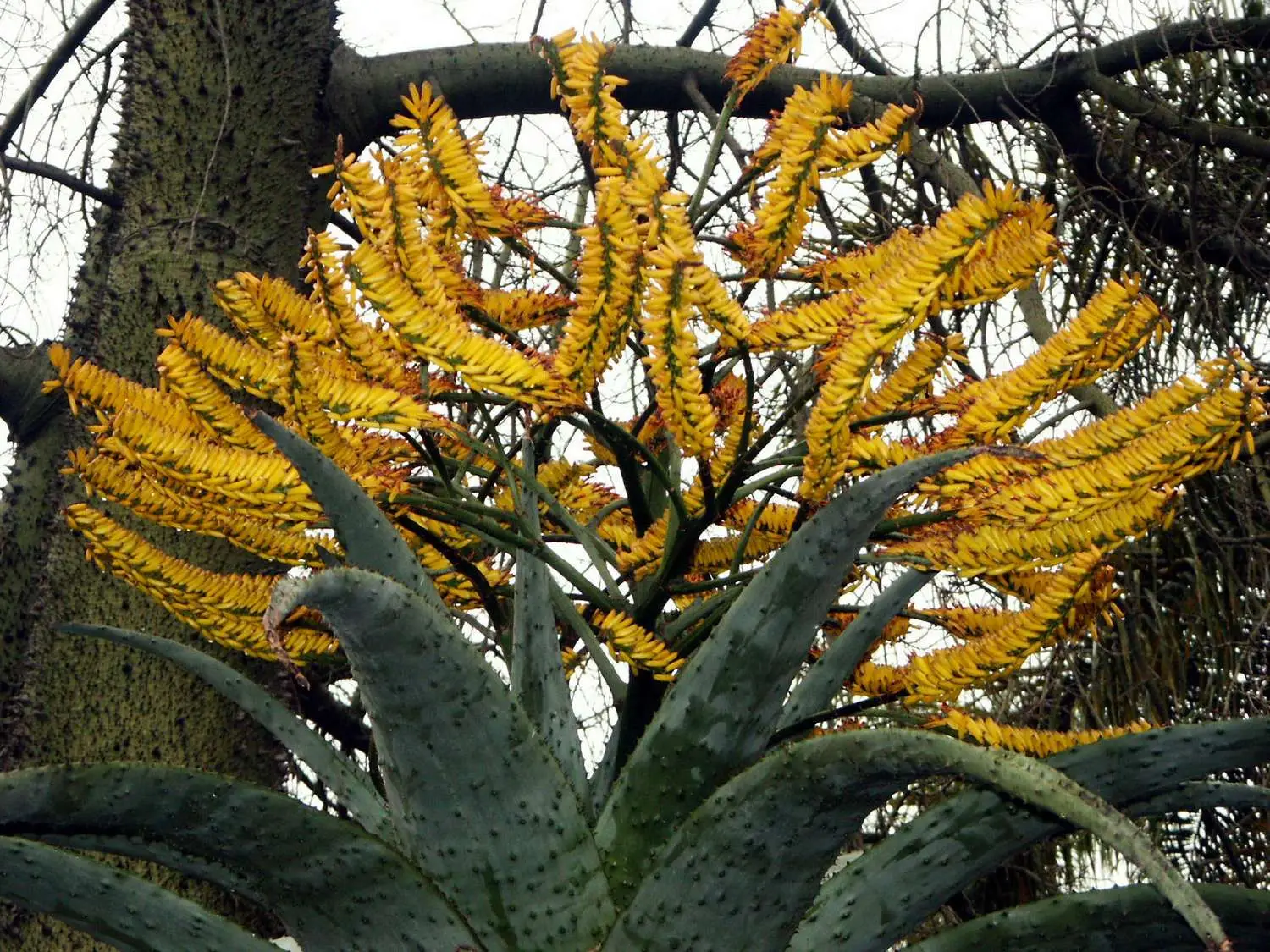
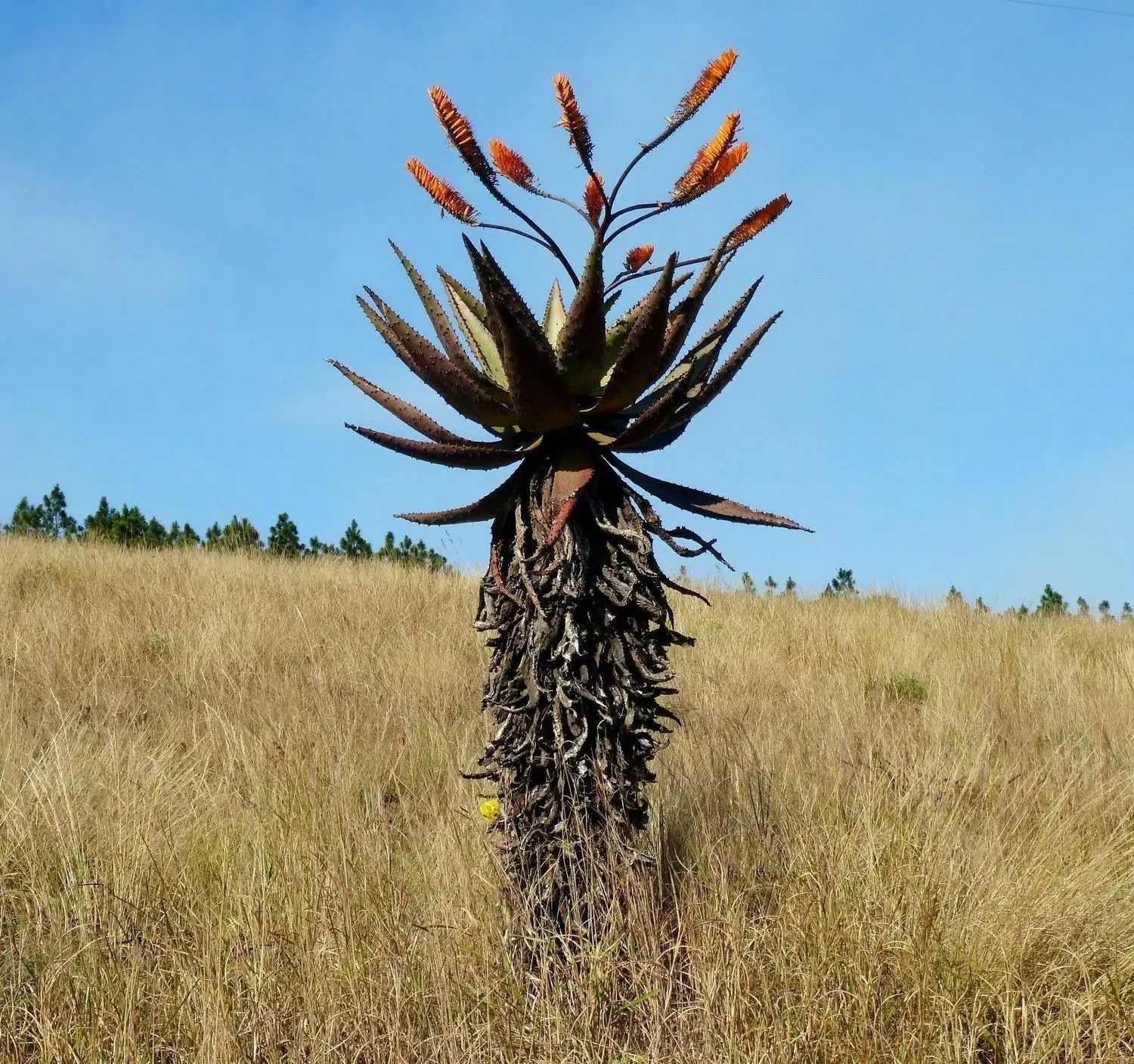
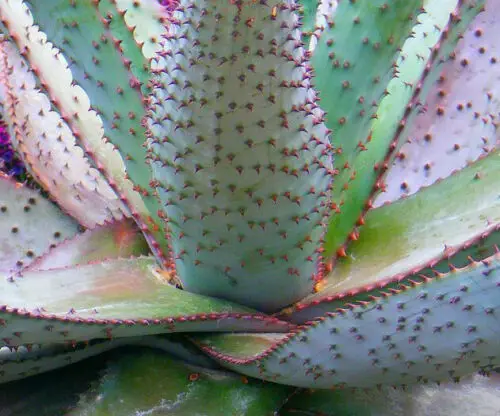
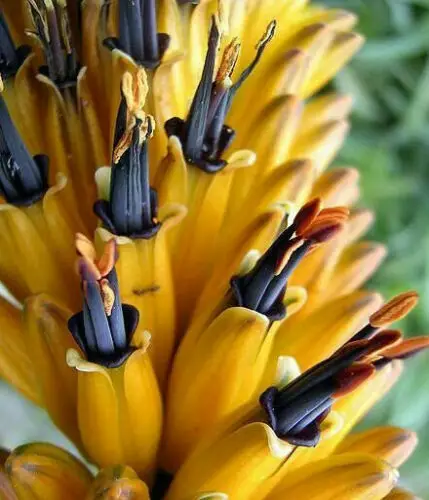
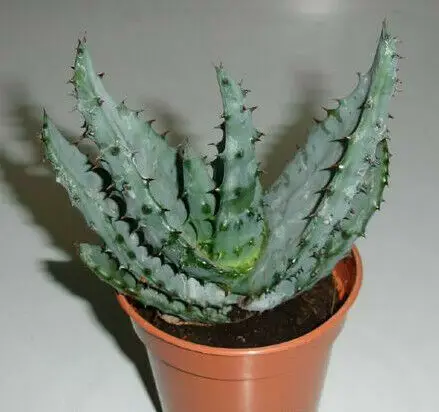
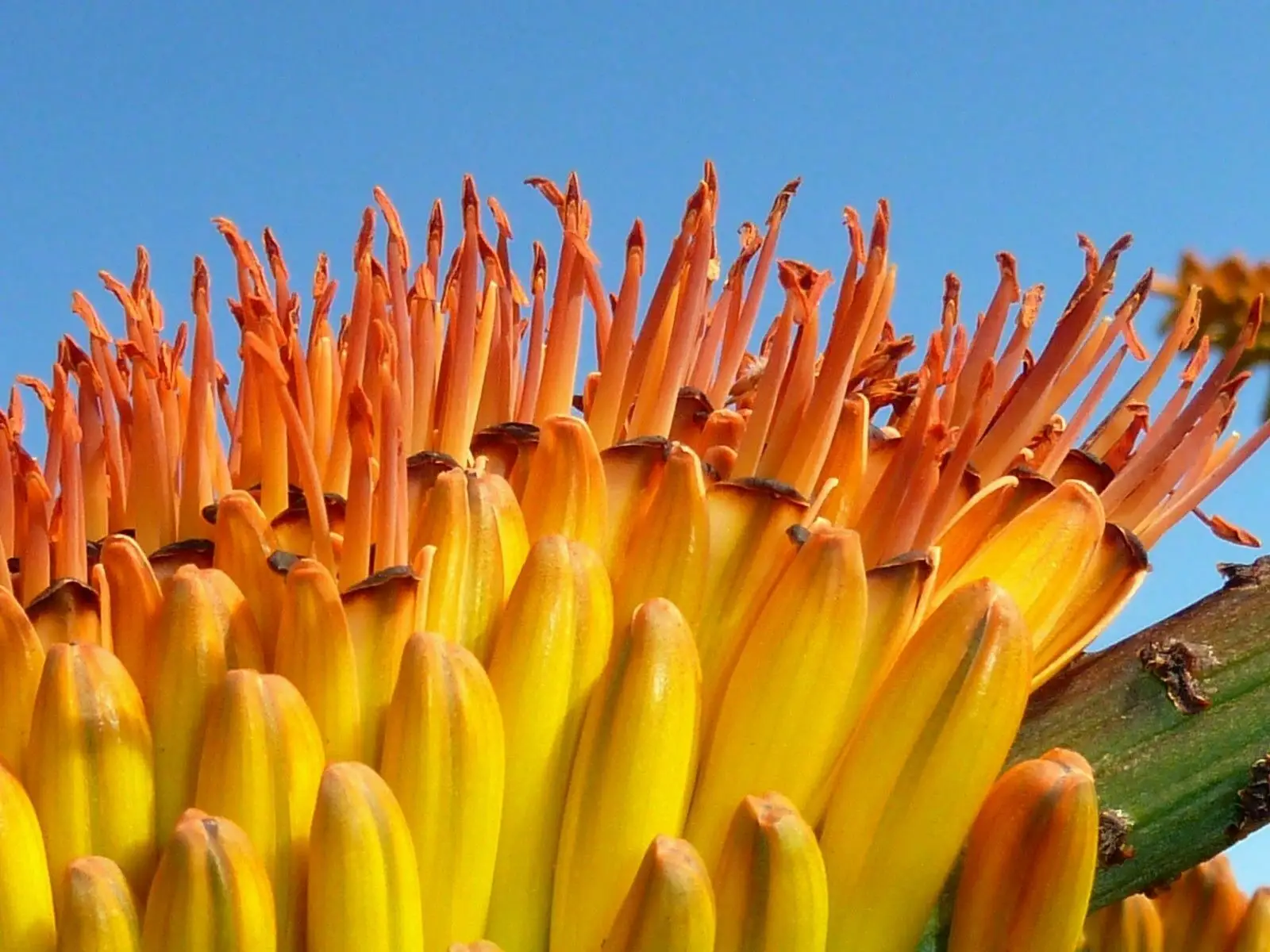
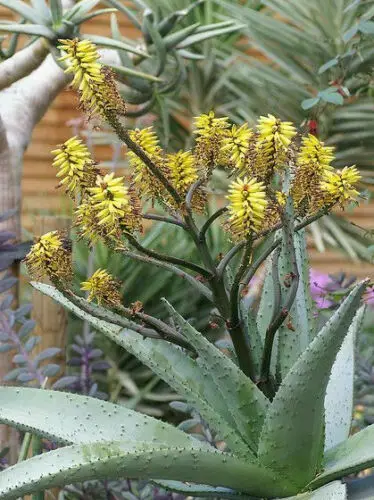
A majestic, single-stemmed succulent that becomes a living beacon for wildlife. Towering 2–4 meters tall with dramatic blue-green leaves edged in reddish spines, it erupts in winter with up to 30 branching candelabra of golden-orange flowers—irresistible to sunbirds, hummingbirds, and honeybees. Nectar-rich blooms in coldest months when food is scarce. Frost-hardy, drought-tolerant, dead-easy to grow from seed. A showstopping focal point and ecological gol
€1.92
Imagine a 4-meter sentinel of sculptural beauty appearing in your garden—and watch it transform into a living wildlife sanctuary the moment it blooms.
Aloe marlothii subsp. marlothii, the Mountain Aloe, hails from the rugged bushveld and rocky slopes of southern Africa, where it stands as one of nature’s most iconic flowering monuments. Named in honor of Rudolf Marloth, the 19th-century German-South African botanist and chemist, this species carries centuries of botanical prestige into your garden. It is, without question, one of the most rewarding aloes to cultivate—a majestic presence that transforms any landscape into a focal point of visual drama and ecological vitality.
Here lies its true magic: unlike ornamental plants that merely decorate, Aloe marlothii feeds the wild creatures that visit it. From late autumn through early spring, when other flowers have vanished, this aloe produces up to 30 branched inflorescences—each a candelabra of densely packed, tubular flowers in glowing shades of golden-yellow, burnt orange, or deep red. These flowers are not merely beautiful; they are lifelines. Rich in nectar, they provide critical winter forage for sunbirds, generalist birds, hummingbirds, and honeybees at the season when food is scarcest. Gardeners and beekeepers alike prize this species for attracting abundant pollinators and creating a bustling center of ecological activity. Cultures across southern Africa have historically harvested the sweet, edible nectar directly from the flowers—a testament to its nectar’s abundance and quality. Beyond pollinator support, this aloe’s medicinal heritage runs deep: traditionally used by Zulu healers to treat parasites and by the Ndebele for diverse health purposes, it remains an ethnobotanical treasure. The phytochemically rich leaf sap contains beneficial compounds that have been employed in folk medicine for centuries.
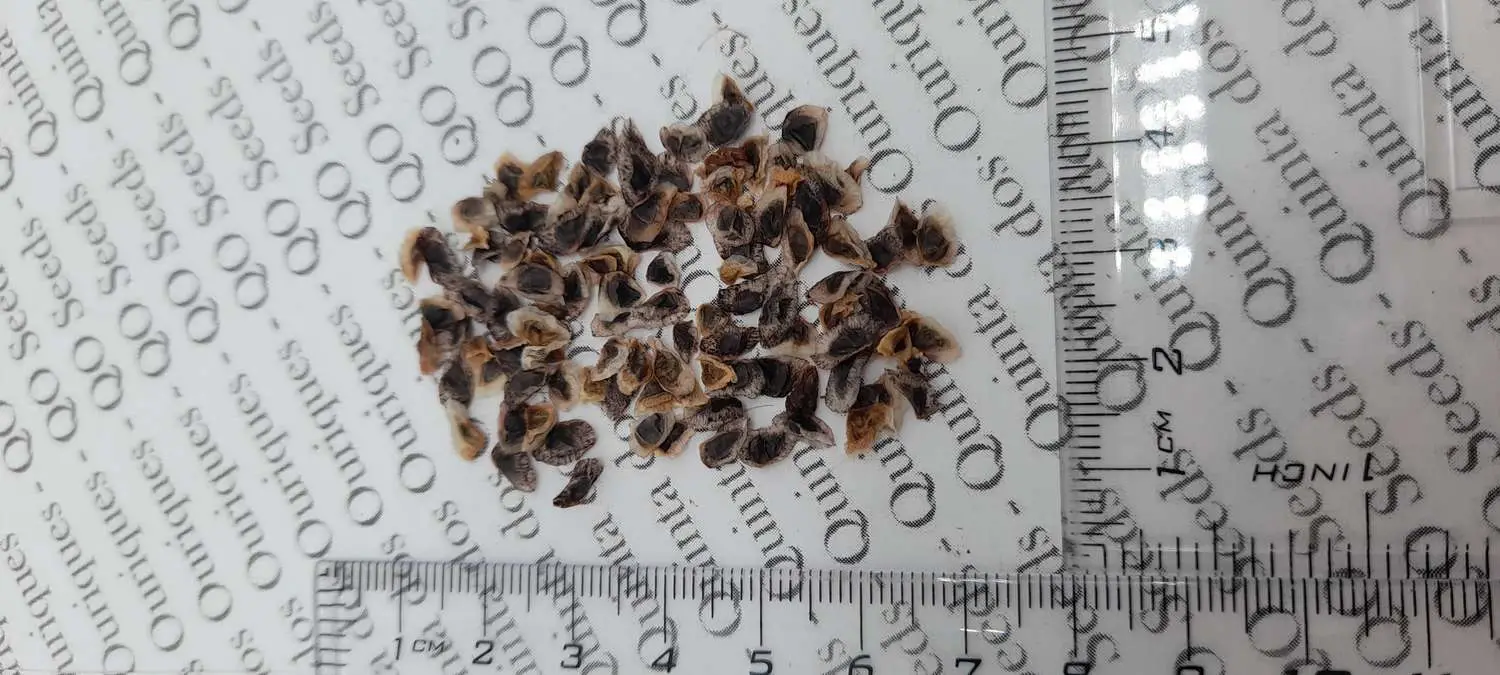
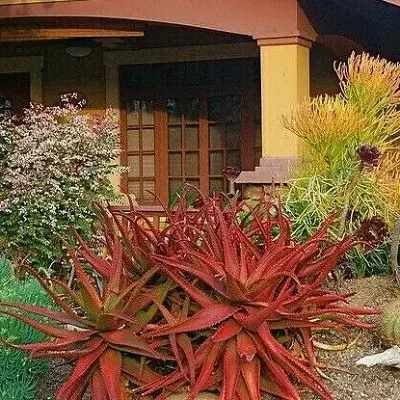
Cultivation is refreshingly straightforward. Position your Mountain Aloe in full sun to develop its most vibrant foliage colors—a stunning palette of light green to greyish-green, blue-green, purple, and reddish hues that shift with the seasons and light intensity. The plant demands nothing: it thrives in well-drained sandy or rocky soil, tolerates drought with ease once established (its thick leaves store water like nature’s cisterns), and is remarkably hardy to frost—a rarity among large aloes. Whether in rockeries, xeriscape gardens, or as a dramatic container specimen in Mediterranean climates, it adapts with stoic grace. Seeds germinate easily within 2–5 weeks under warm, humid conditions, and seedlings grow steadily toward their magnificent mature form. The plant’s only true requirement is space—it wants room to reach its full 2–4 meter (occasionally 6 meter) height and to display its architectural stem, crowned with massive, lance-shaped leaves up to 1.8 meters long.
Grow this from seed and you cultivate not merely a plant, but a living bridge between your garden and the natural world—a monument to South African wilderness that brings birds to your doorstep, feeds honeybees in winter’s grip, and stands as a testament to the dramatic, uncompromising beauty that only the great aloes can offer. This is botanical significance with visual fire.
Only logged in customers who have purchased this product may leave a review.

Reviews
There are no reviews yet.