
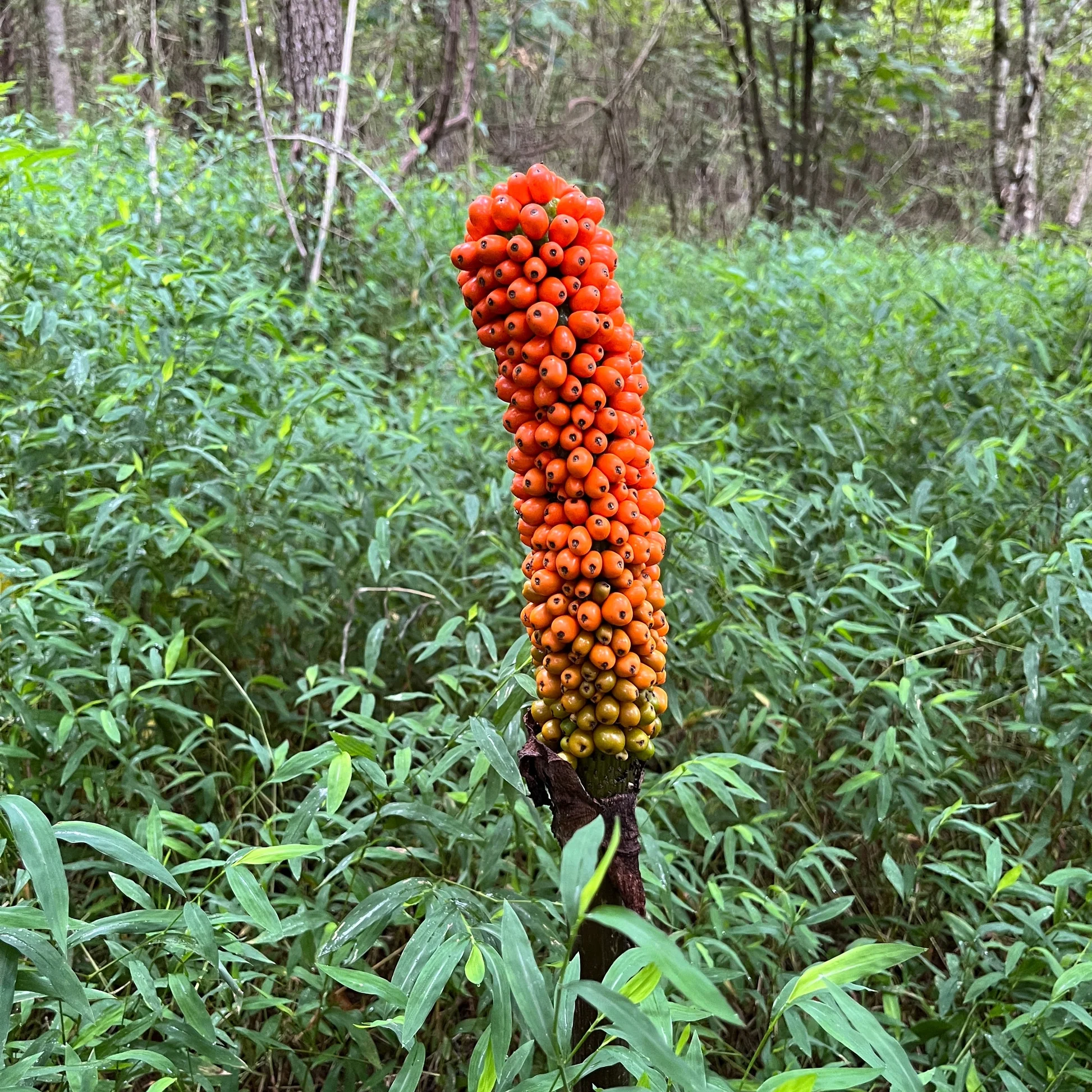
Grow the tuber that Asian collectors have treasured for centuries. Amorphophallus krausei boasts the highest glucomannan content of its genus—29.20%—a natural thickener and nutritional powerhouse harvested fresh from the wild in southern China. Add to that a theatrical 5-foot flower spike and mottled stems that turn heads, plus easy-to-moderate care in warm climates. Rare seeds for the culinary explorer and aroid lover alike.
€2.52
Imagine a plant that feeds you and transfixes you in equal measure. Amorphophallus krausei does both.
This extraordinary aroid hails from the misty borders of southern China, easternmost India, and the tropical depths of Indochina—a region where local peoples have harvested it for generations as a prized food source. What drew them back year after year wasn’t just hunger, but wisdom about what the earth provided: a tuber of exceptional nutritional density, leaves packed with compounds that supported health, and a plant so dramatic it rewarded growers with pure visual theater.
Here is where krausei becomes truly special: its tuber contains glucomannan—a soluble dietary fiber and thickening agent—at a concentration of 29.20%, the highest in the entire Amorphophallus genus. Think of it as culinary alchemy. The raw tuber (properly processed to remove calcium oxalate via thorough cooking or drying) becomes a functional ingredient: add it to soups for body and nutrition, transform it into a versatile flour for noodles and delicate desserts, or dry and store it for lean seasons. Ethnic minorities across China continue this tradition today, grinding and boiling the tuber into silky powder, sweetening it, and stirring it into hot water—comfort in a cup. Beyond food, the genus is renowned in traditional medicine systems across Asia for anti-inflammatory, antioxidant, and antimicrobial properties that have treated everything from dysentery to malaria.
Growing krausei is a gift. The plant emerges as a single, magnificent umbrella-like leaf atop a 3-foot stem mottled with distinctive black spots—a living sculpture. When mature, before the new season’s leaf unfurls, the plant rewards patience with a towering 5-foot flower spike, a striking inflorescence in maroon, purple, or deep brown. The flower has the famous Amorphophallus scent—let’s say “memorable”—which lasts only a few hours. The plant thrives in tropical and warm temperate climates; with generous mulching, it can even survive moderate winter freezes. Dormancy is natural: come winter, the leaf dies back and the tuber sleeps underground, emerging reliably each summer. Grow in rich, well-drained soil, partial shade, consistent warmth, and moisture during the growing season. In pots or in the ground, krausei is surprisingly cooperative—not a diva, but a generous teacher for patient collectors.
Start from seed and watch a tuber develop. You’re not just growing a plant; you’re participating in centuries of cultivation knowledge, joining communities that knew beauty and nutrition could live in the same root. This is the edible aroid for collectors willing to cook with mystery, for gardeners who understand that the most rewarding plants feed more than the eye.
Only logged in customers who have purchased this product may leave a review.

Reviews
There are no reviews yet.