FREE SHIPPING OVER €30 FREE SHIPPING OVER €30

Amomum maximum — Javan Cardamom | Rare Pods + Edible Flowers for the Adventurous Kitchen

Grow the cardamom that few Western cooks even know exists. Amomum maximum rewards you with aromatic, flavorful seed pods prized in Southeast Asian cooking—plus tender unopened flower buds you can harvest and cook with. Spectacular white-and-gold tropical blooms and glossy 70cm leaves make it stunning year-round. Medium-height, relatively easy to grow in warm, humid conditions. Unlock spice-garden rarity from seed.

1.92

You May Also Like

Description

The cardamom of whispered culinary legends has arrived in your hands.

Amomum maximum, the Javan cardamom, is not the green cardamom your grandmother knew. It is the shadow twin—rarer, deeper, a treasure that traveled the spice routes of Southeast Asia while remaining almost invisible to the Western world. An uncommon spice ginger from southeast Asia, it hides in the humid forests where only the most dedicated spice hunters venture.

This plant originates from shady forests and hillsides across South and Southeast Asia, including India, Nepal, Bangladesh, and the Western Ghats, usually at altitudes of 600 to 800 meters. For centuries, it has grown wild and semi-cultivated in mist-wrapped highlands, valued fiercely by Thai, Indonesian, and Indian cooks who understand its secret: the seed pods are used like black cardamom and the unopened flower heads are used in cooking. Few spices offer you two harvests—the closed flower buds for cooking, then later the mature aromatic pods. Amomum maximum does both, with a generosity that feels almost decadent.

The real magic unfolds in the kitchen. Those seed pods—purple-green, winged, and impossibly fragrant—deliver a flavor profile that dances between warm spice and herbal mystery. Unlike the brighter green cardamom, these pods carry an earthier, more complex character, perfect for slow-simmered curries, rice dishes, and broths where their aromatic oils can unfold fully. But the true gift? The unopened flower heads, which you can pluck, blanch, and add to stir-fries or steam with rice. They are tender, faintly aromatic, and completely inaccessible to anyone without a living plant. This is not a spice you buy in jars—this is a spice you *grow*, harvest, and taste at its peak. Growing Javan cardamom connects you to an unbroken tradition stretching back through Indonesian and South Indian cooking, a thread to kitchens that know cardamom not as a pinch in baked goods, but as a daily, essential flavor.

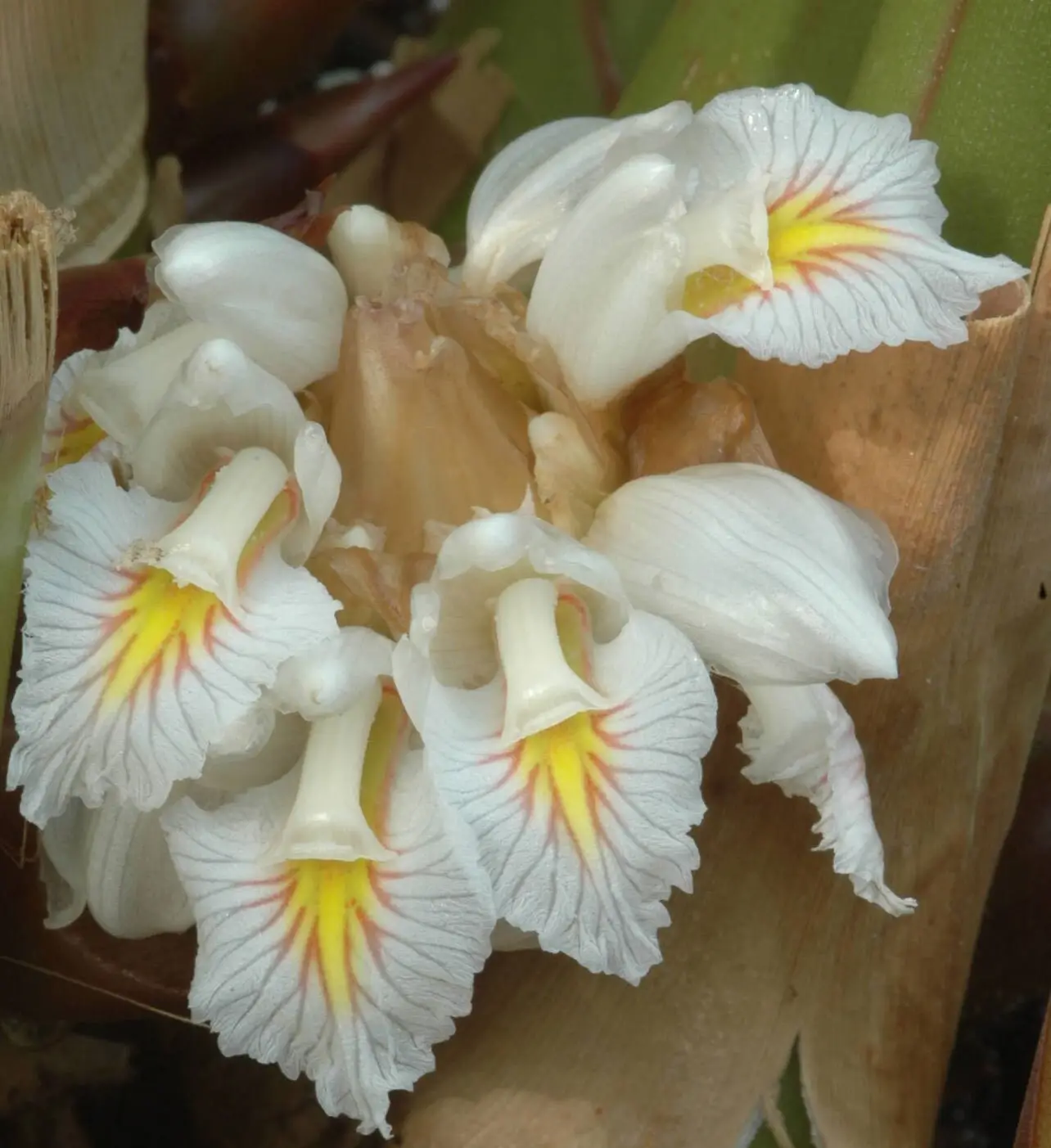
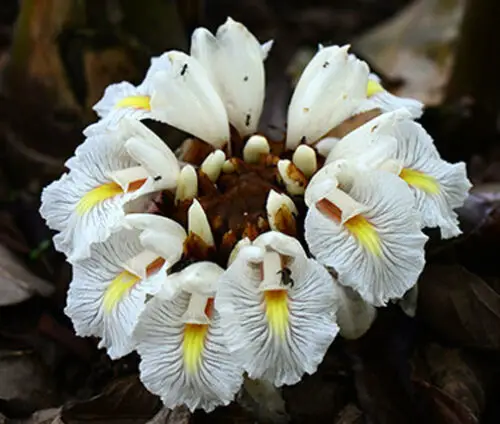
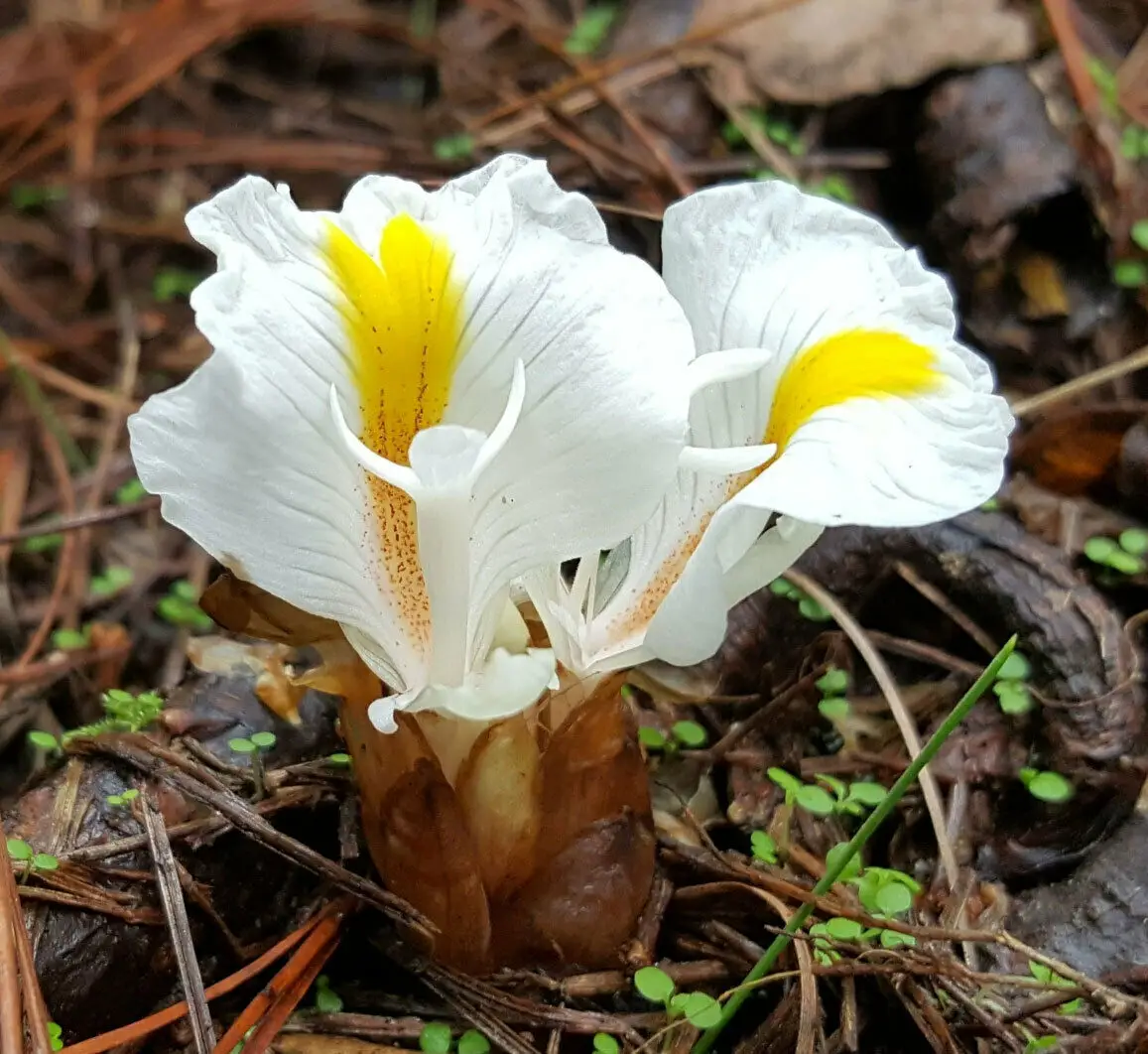
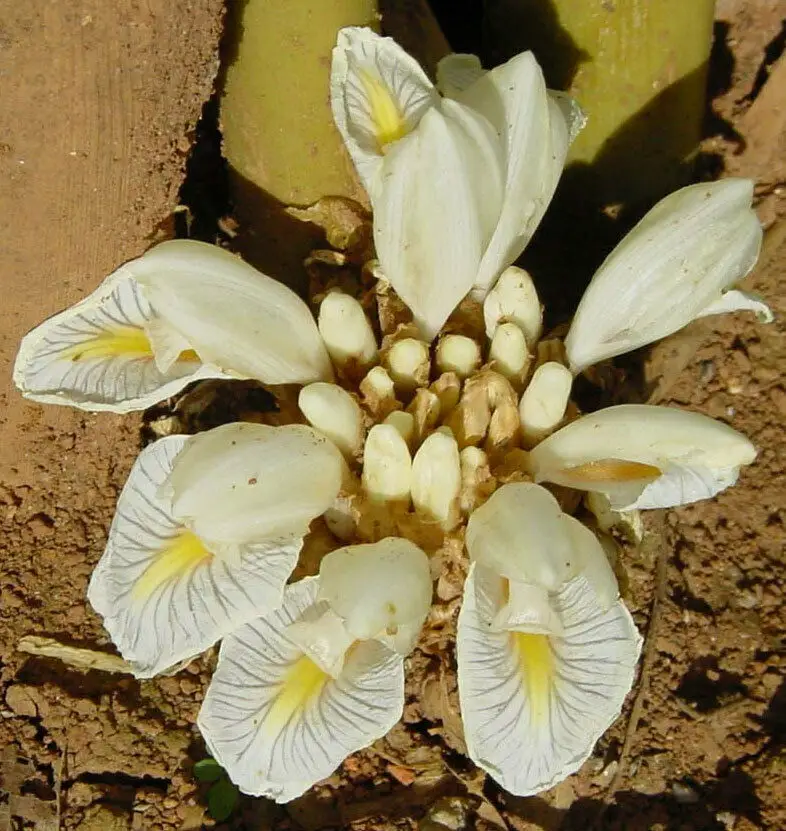
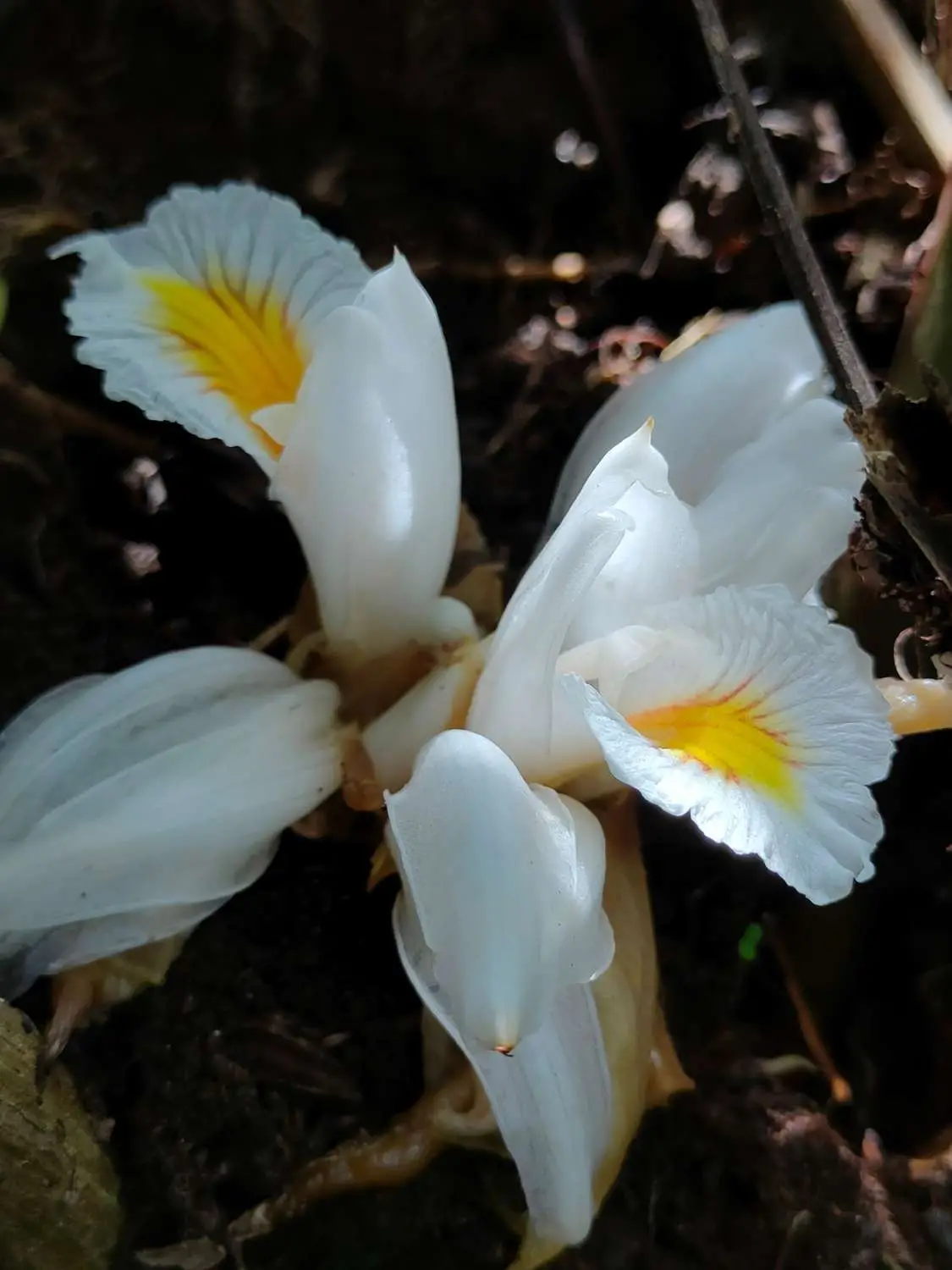
Java Cardamom is a tall, leafy plant that grows 1 to 3.5 meters high, with leaves long and narrow, up to 70 cm, bright green on top and velvety beneath, giving the plant a lush tropical look. It produces round clusters of flowers about 3 to 5 cm across, held on short stalks. The flowers are mostly white, with yellow and red markings on the lip, and sit among reddish bracts that add a splash of color. The result is ornamental both for its flowers and its foliage—a plant that earns its place in your garden not just on the plate, but as a living sculpture of tropical abundance. Those velvety leaves whisper in the breeze; those pendant clusters of white and gold blooms attract pollinators and admiration alike.

Growing it is within reach. It is a rhizomatous geophyte and grows primarily in the wet tropical biome, which means it craves warmth, humidity, and indirect light—the conditions of a tropical understory. It thrives in rich, moist, well-draining soil, partial shade, and consistent warmth. A medium sized, clumping ginger growing up to 10 ft, it doesn’t demand space like a tree; it clumps and spreads gradually, filling a shaded corner or greenhouse bed with architectural grace. In cooler climates, treat it as a container plant—bring it indoors for winter. The patience it asks is modest; the first flowers may arrive within 2–3 years from seed, and with them, the first tender buds and eventually the precious pods.

This is your chance to cultivate a living bridge to the spice gardens of Java, Sumatra, and the monsoon-drenched hills of Kerala. Every unopened flower you harvest is a small victory; every pod you cure and crack open is a return to culinary authenticity that most cooks will never experience. Grow Amomum maximum from seed, and you’re not just planting—you’re becoming a keeper of t

Germination Guide

🌍 Tropical and Subtropical Asia including southern India, Sri Lanka, southern China to Indo-China and Papua
Difficult

Amomum maximum, commonly known as Java cardamom, is a tropical ginger family member native to Southeast Asia where seed pods are used as a spice. Germination is notoriously difficult due to the hard seed coat and physical dormancy, requiring mechanical scarification and water soaking pretreatment. Seeds typically germinate slowly and irregularly over 40-60 days under consistently warm and humid conditions.

Germination
Germination time
Expect germination in

40 – 60 days

Temperature

Min 22°C
Ideal 27°C
Max 32°C

Light
☁️ Indifferent

Substrate moisture
💧💧 High

Sowing depth
Lightly covered


Seed Pre-treatment
  • 💧

    Soaking — 24 hours
    Soak seeds in lukewarm water for 24 hours to help soften the seed coat and break dormancy.
  • 🔨

    Mechanical scarification
    Gently rub seeds with fine sandpaper to scarify the hard seed coat. Chemical scarification with 2.5% nitric acid solution for a few minutes followed by thorough rinsing is an alternative for experienced growers. Soaking in thiourea solution has also shown success.
  • 📋

    Additional notes
    Breaking seed dormancy through scarification and soaking is crucial due to the hard seed coat and physical dormancy characteristics of Amomum species.

Substrate & Container
Recommended substrate
Well-draining, humus-rich, slightly acidic potting mix with organic matter

Recommended container
Seed trays or pots with drainage holes, kept in warm humid location


Growing Tips
Keep soil consistently moist but not waterlogged to mimic native rainforest understory conditions. Provide partial shade or diffused light and maintain high humidity around seedlings. Germination is often slow and sporadic; patience is essential as seedling emergence may extend beyond 60 days. Once emerged, transplant seedlings when 3-4 months old and about 15 cm tall. Maintain warm temperatures of 22-30°C and never allow soil to dry out completely.

Reviews

There are no reviews yet.

Only logged in customers who have purchased this product may leave a review.

Related Products