Description
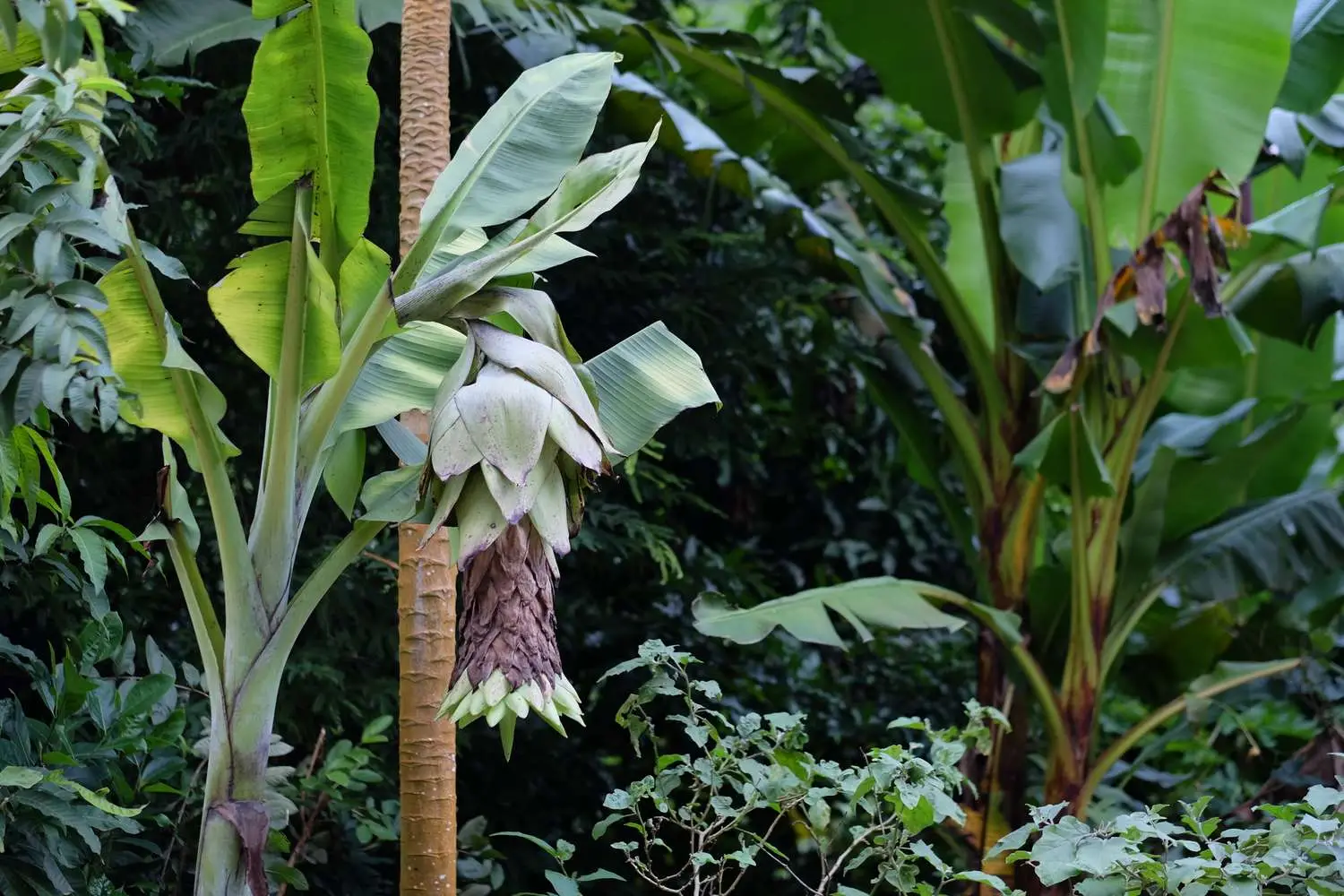
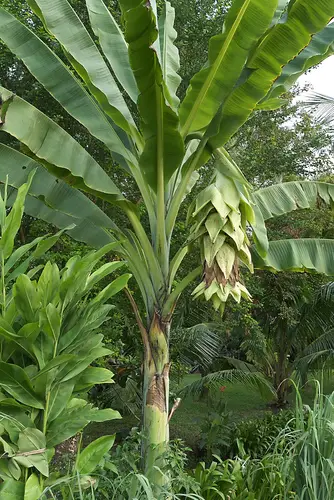
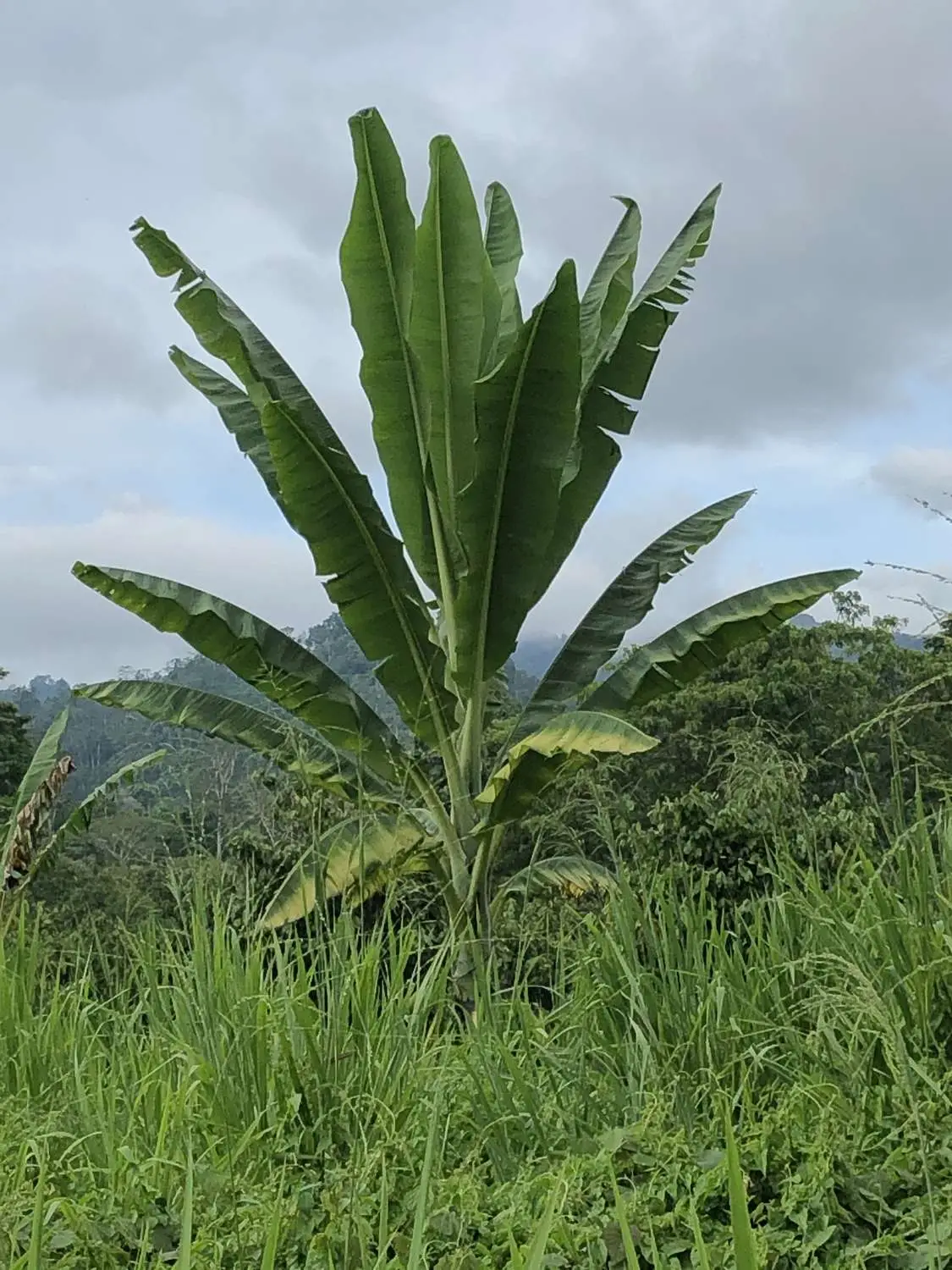
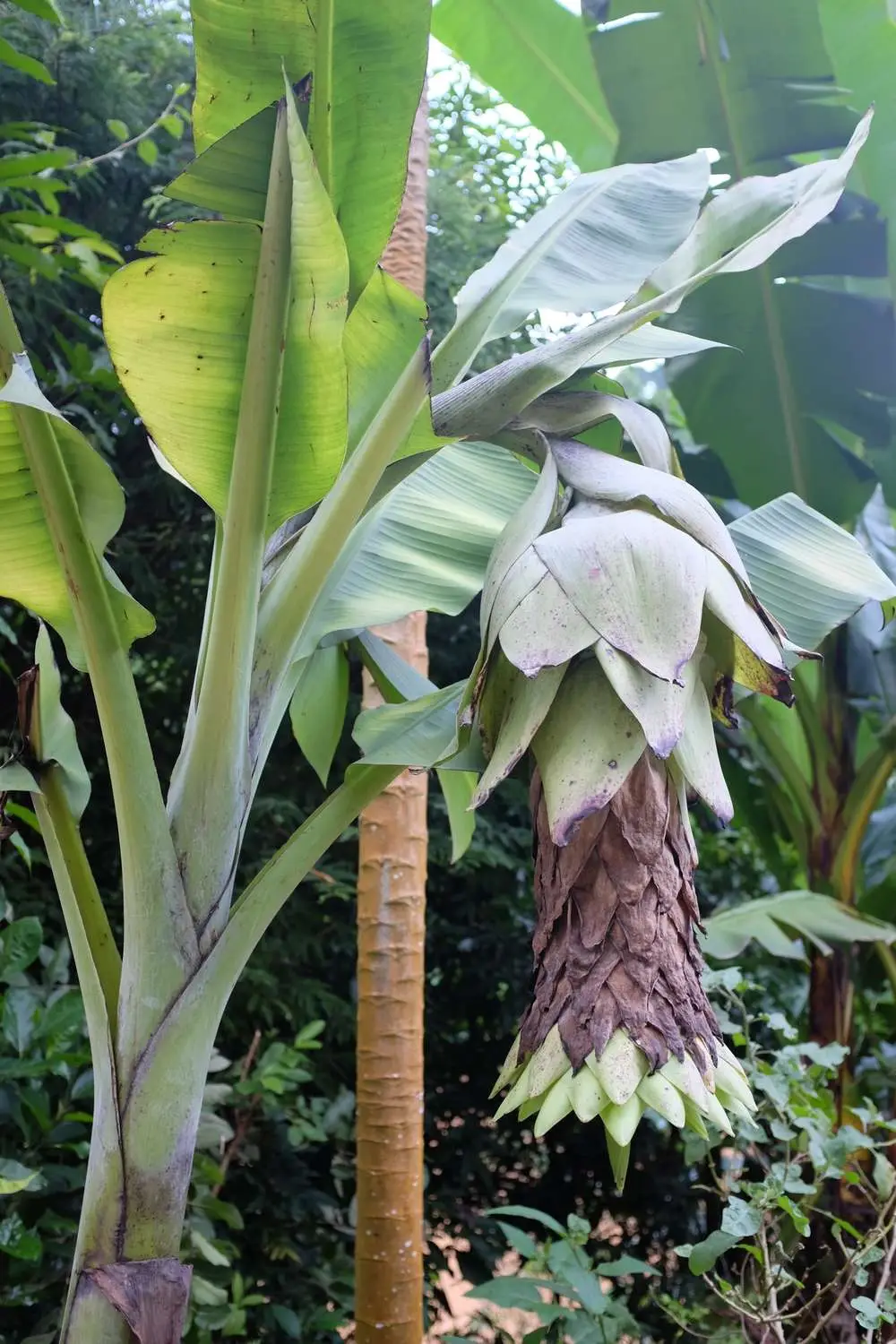
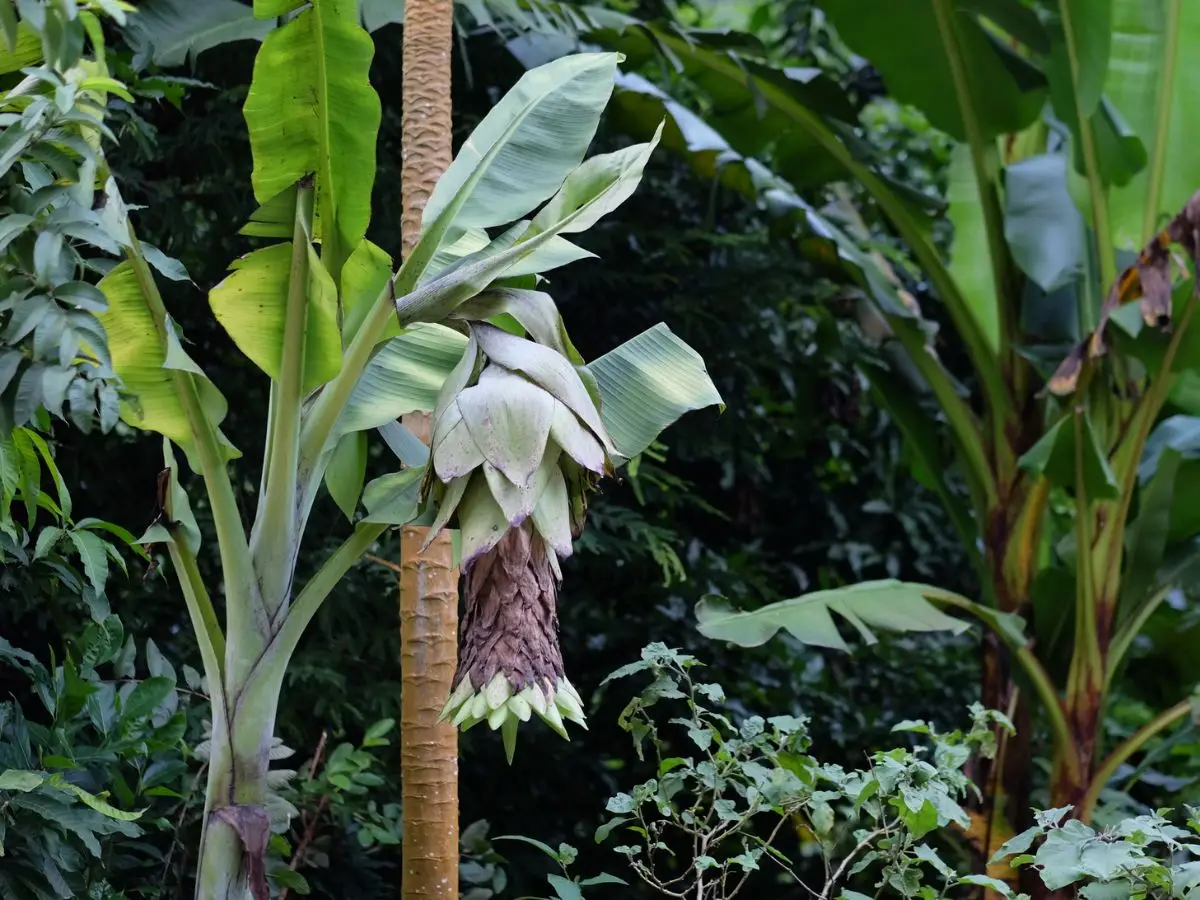
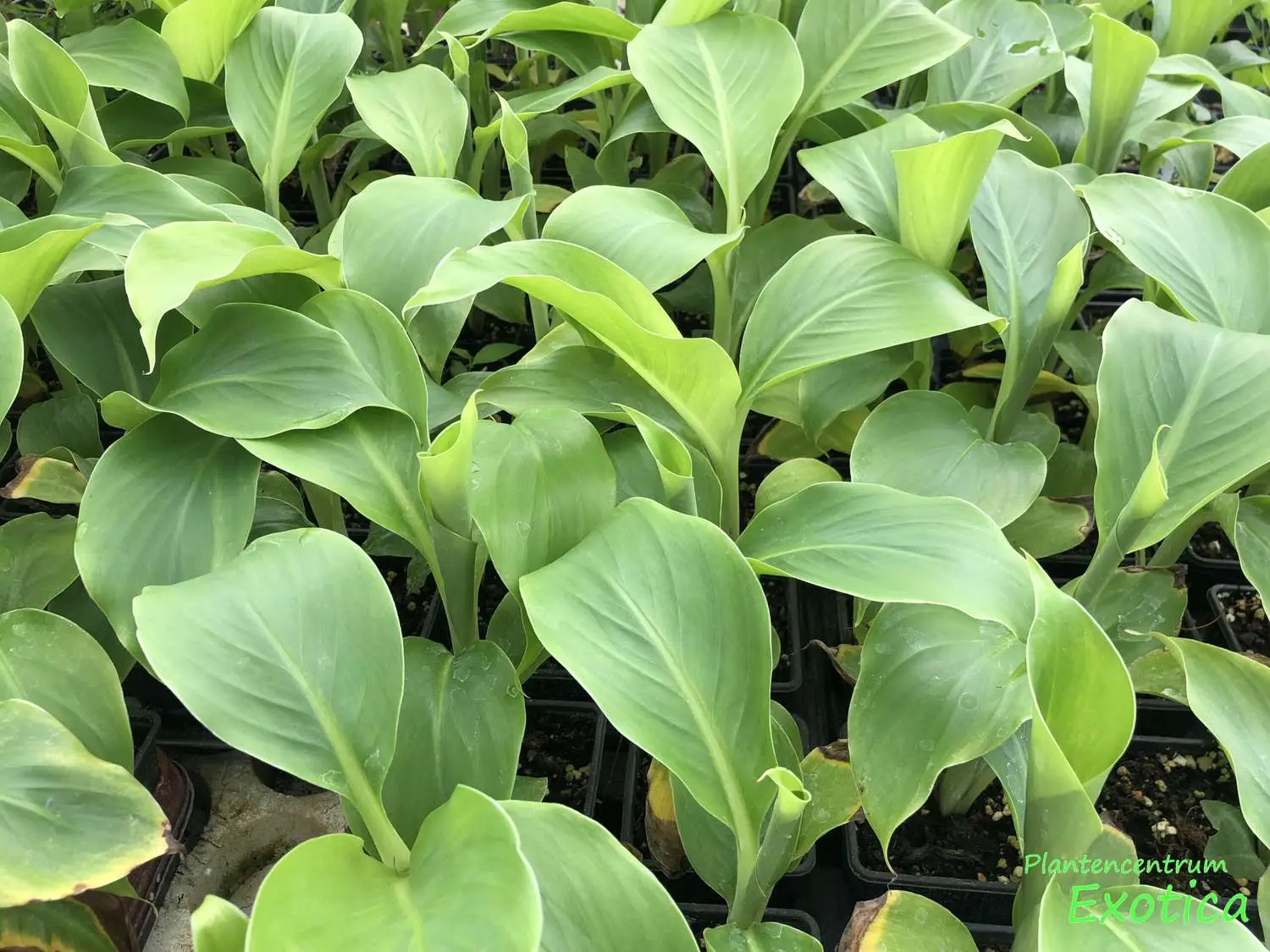
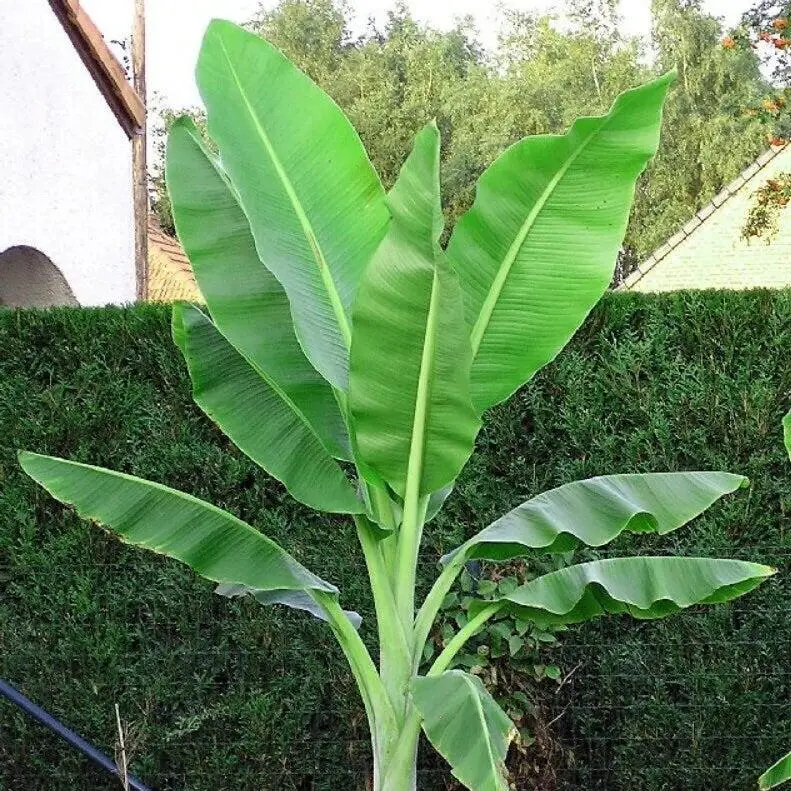
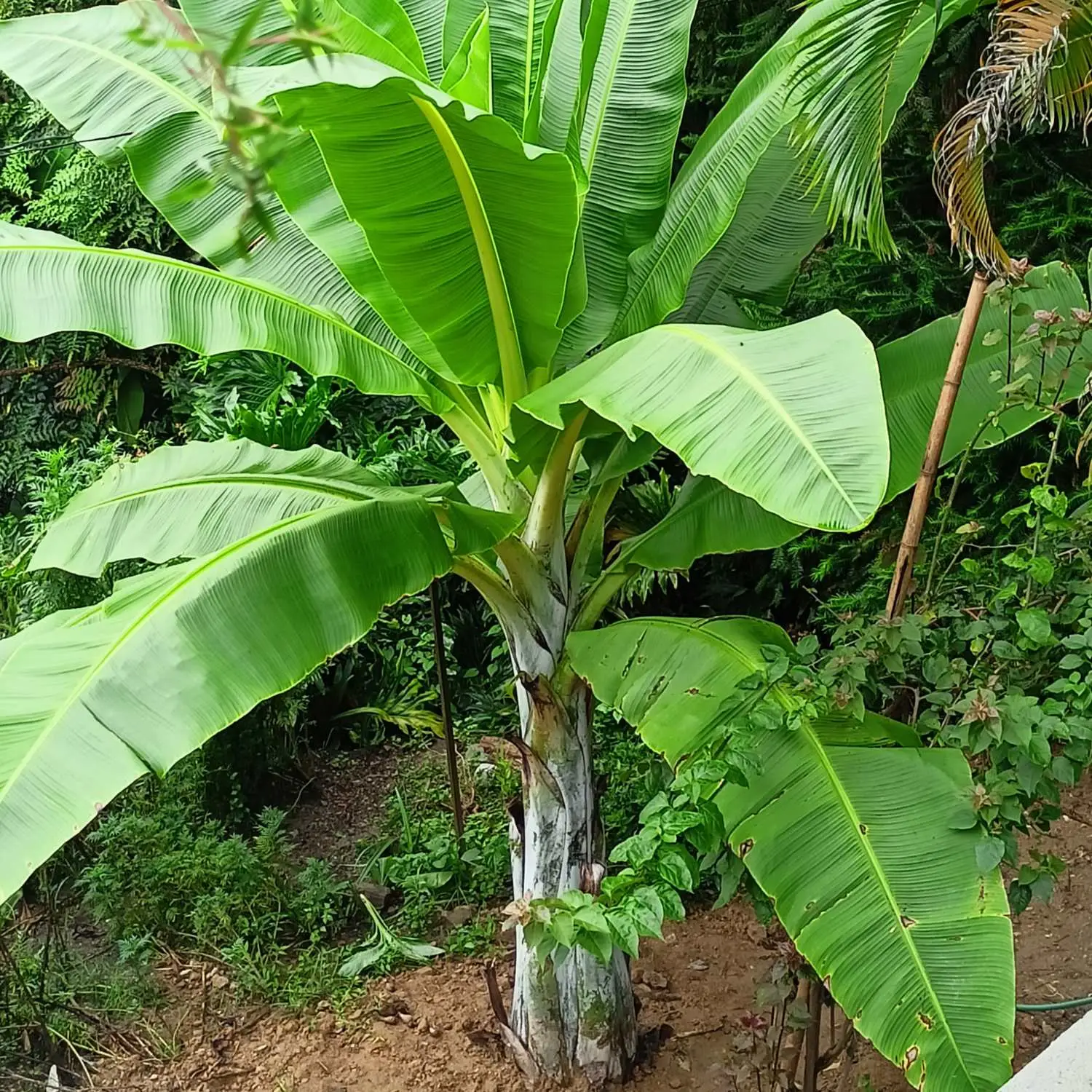
Ensete glaucum is a striking ornamental banana species native to Southeast Asia and the Himalayas. It features large, paddle-shaped, bluish-green leaves and a thick, waxy pseudostem with a glaucous (bluish-white) sheen that gives the plant its distinctive look.
This fast-growing perennial can reach up to 6 meters in height, creating a lush, tropical appearance in gardens or landscapes. It thrives in full sun to partial shade and prefers rich, moist, well-drained soil.
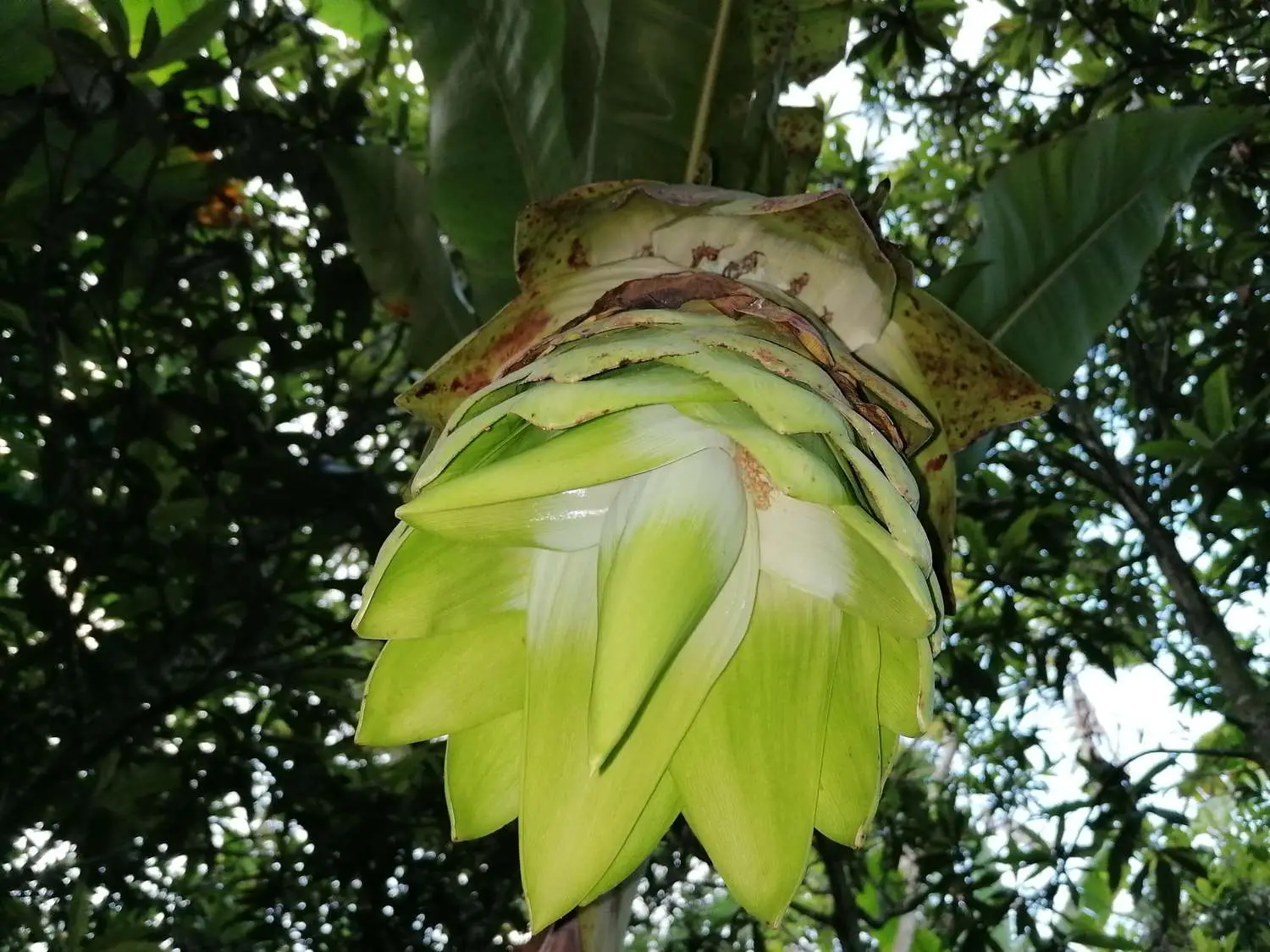
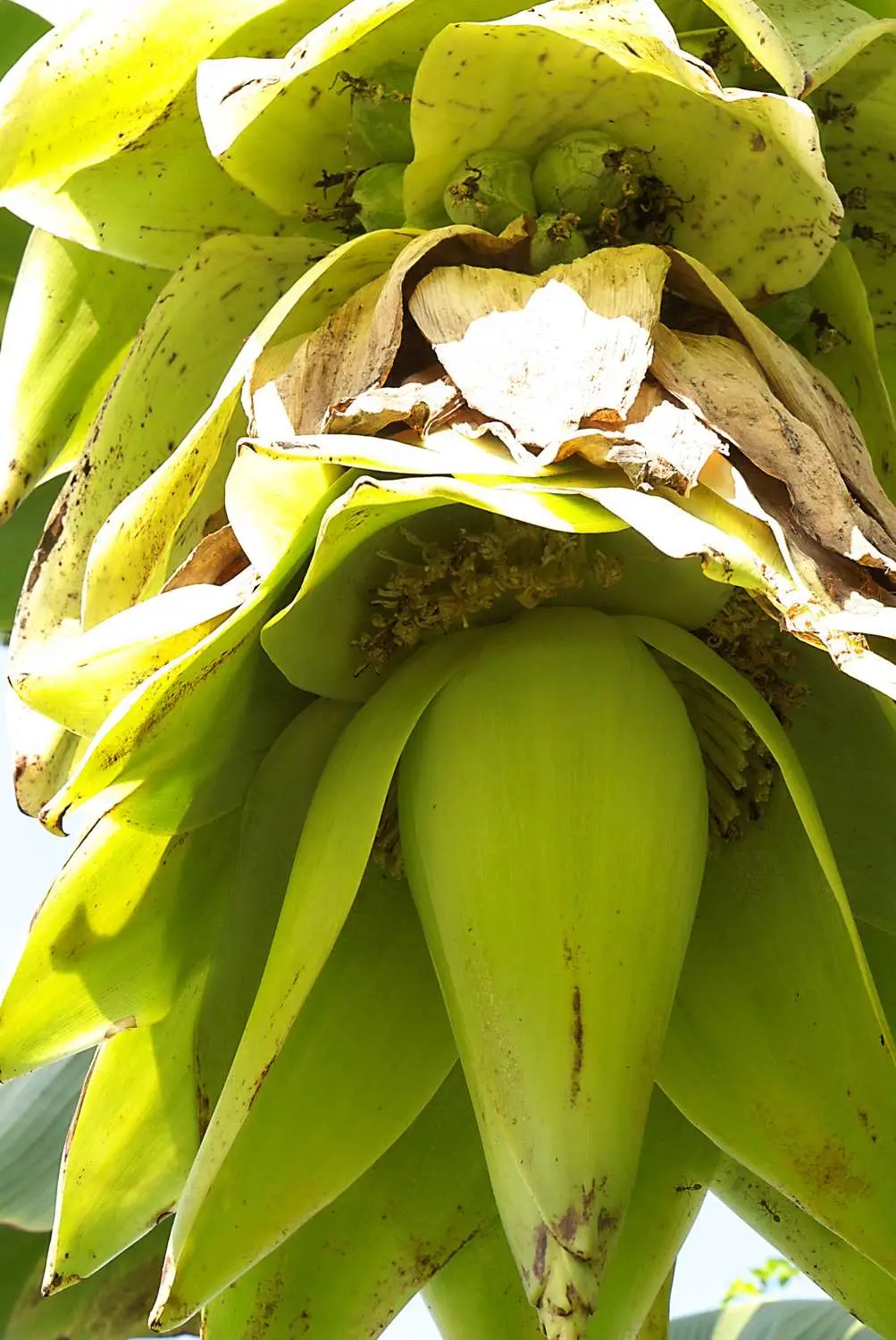
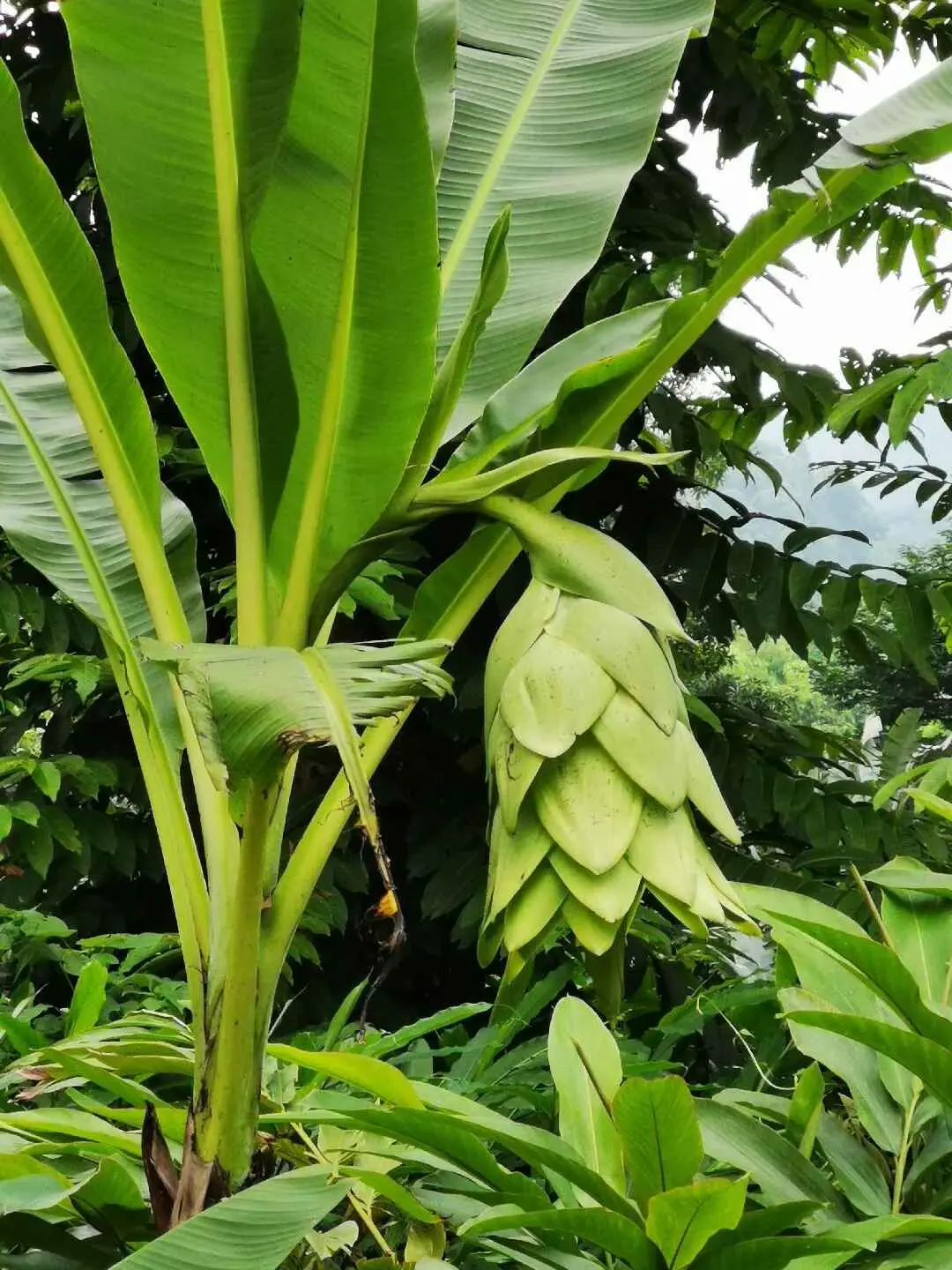
Though it produces banana-like fruits, they are not edible. Ensete glaucum is often grown as an ornamental centerpiece in tropical and subtropical regions or as a container plant in cooler climates. It can tolerate brief periods of cold but should be protected from frost.
Germination Guide
🌍 East Himalaya to Papuasia (China, Nepal, India, Myanmar, Thailand, Laos, Vietnam, Indonesia, Malaysia, Papua New Guinea, Philippines, Taiwan)
Difficult
Ensete glaucum, commonly known as the Snow Banana or Blue Banana, is a striking ornamental monocarpic herbaceous perennial in the Musaceae family. Native to high altitudes across South-Central and East Asia, particularly the Himalayan regions, this species is characterized by a thick, waxy, glaucous (blue-tinted) pseudostem reaching 3.5-6 meters tall with massive bluish-green leaves up to 3 meters long. Germination is notably difficult and erratic, often taking several months to over a year, making it more challenging than its relative Ensete ventricosum.
Germination
Germination time
Expect germination in
60 – 365 days
Temperature
Min 20°C
Ideal 25°C
Max 30°C
Substrate moisture
💧💧 High
Seed Pre-treatment
-
💧
Soaking — 36 hours
Soak in warm water for 24-48 hours to soften outer shell and improve germination rates
-
🔨
Mechanical scarification
Scarify seeds with sandpaper or rough brick before soaking
-
📋
Additional notes
Fresh seeds are more important than other pre-treatment factors; seed freshness critical
Substrate & Container
Recommended substrate
well-draining seed-starting mix of peat, perlite, sand, or loamy compost
Recommended container
propagator or seed tray with high humidity
Growing Tips
Germination can be erratic and may take 2-12 months or longer, so do not discard seed pots; maintain constant warm temperatures and high humidity; provide bright indirect light after emergence; avoid direct sunlight initially; keep substrate moist but not waterlogged; use fungicide drench to prevent damping off during long germination period; avoid high nighttime temperatures (plant prefers cool-temperate climates with larger daily temperature fluctuations); seed freshness is critical
Only logged in customers who have purchased this product may leave a review.

Reviews
There are no reviews yet.