FREE SHIPPING OVER €30 FREE SHIPPING OVER €30

Abelmoschus moschatus — Ambrette | Liquid Gold Perfume Seeds

Grow the seeds that smell like luxury itself. Abelmoschus moschatus produces aromatic black seeds prized by perfumers worldwide—a sweet, complex musky-floral essence once worth its weight in gold. Pale yellow flowers with deep burgundy hearts cover your plant spring through frost, blooming so freely you’ll harvest seed after fragrant seed. Easy to grow from seed, fast-establishing, and a complete plant: eat the tender shoots and unripe pods, sip seeded cof

3.41

SKU: P-1991 Categories: , , Tags: , , ,

You May Also Like

Description

Grow the perfume seeds perfumers pray for—and watch them flourish in your garden.

Abelmoschus moschatus, called Ambrette or Musk Mallow, is native to tropical Asia but has become a cultivated treasure across the globe—specifically because its seeds are liquid aromatic gold. Historically, the essential oil extracted from these small black seeds was the most coveted ingredient in high-end perfumery, a natural substitute for animal musk that commanded extraordinary prices. While synthetic musks have captured market share, ambrette seed oil remains prized by fine fragrance houses, aromatherapists, and natural perfumers who understand its irreplaceable sensory complexity.

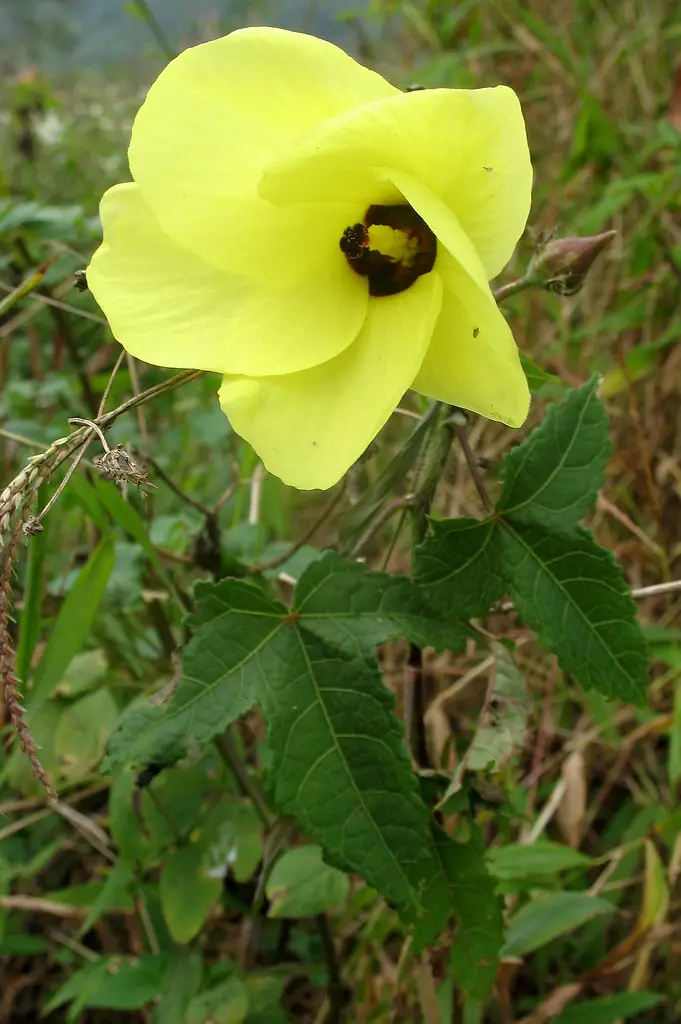
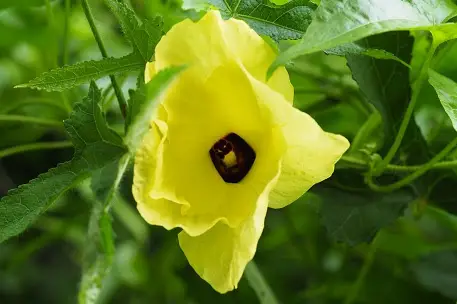
This is where the magic lives: in those seeds. The instant you crack open a seed pod, you’ll encounter a scent that stops you cold—sweet, floral, intensely musky with undertones of leather, amber, and something indefinably sensual. Perfumers describe it as a base note of extraordinary tenacity and depth, improving with age, capable of grounding entire fragrance compositions. But this plant doesn’t ask you to wait for some distant harvest. The flowers are showstoppers: pale yellow petals with a dramatic deep burgundy or purple center, each bloom reaching 3-6 inches across. Yes, each flower lasts just one day—but the plant blooms with such abandon that you’ll have continuous color from spring through the first frosts, followed by hairy seed capsules that dry into treasure chests of aromatic seeds. Your plant becomes both ornamental garden star and functional perfumer’s workshop.

Yet Abelmoschus moschatus is far more than an essential oil factory. The entire plant is edible and useful. Tender young leaves and shoots, fresh or cooked into soups, offer delicate green nutrition. The unripe seed pods—called “musk okra”—can be fried or roasted like their okra cousins, carrying that subtle musky hint into the kitchen. The dried seeds themselves are traditionally ground and added to coffee, tea, or spice blends, bringing warmth and aromatic complexity to your morning cup. In Ayurvedic tradition, the seeds have been used for centuries to support digestion, calm the nerves, and promote skin vitality. This is a plant that gives at every stage.

Growing Abelmoschus moschatus is refreshingly straightforward. The plant thrives in full sun to partial shade and prefers well-drained, reasonably moist soil—it’s unfussy about pH and texture. Once established from seed, it grows quickly, reaching 1-2 meters (3-6 feet) in a single season, forming a bushy, vigorous shrub. In USDA zones 9-11 it’s perennial; in cooler climates, grow it as an annual or tender perennial, protecting the roots with mulch through winter. The plant is notably drought-tolerant once mature and responds beautifully to light pruning in spring, which encourages bushier growth and more abundant flowering. You can harvest seeds 4-5 months after sowing—perfect timing for a genuine crop. Container-growing is entirely possible; the plant is compact enough for large pots and will reward you with the same generous flowering and seed production.

Imagine standing in your garden at dawn, running your fingers along a hairy seed pod, crushing one between your palms, and breathing in a scent so complex, so profoundly aromatic, that it transports you. That moment—when you realize you’ve grown something genuinely rare, something that perfumers across the world are actively seeking—is what awaits you. This isn’t just a pretty flower. It’s a seed with a story, a history in human fragrance and healing, and the potential to become part of your own botanical legacy. Sow it. Watch it thrive. Harvest your own liquid gold.

Germination Guide

🌍 India, southern China, tropical Asia, and Pacific Islands
Moderate

Abelmoschus moschatus, commonly known as musk mallow or ambrette, is an aromatic and medicinal plant native to India and tropical Asia, valued for its musky-scented seeds used in perfumery. This warm-climate species requires careful seed preparation and warm temperatures for reliable germination. Fresh seeds respond exceptionally well to 24-hour water soaking, achieving germination rates above 85%.

Germination
Germination time
Expect germination in

4 – 15 days

Temperature

Min 20°C
Ideal 30°C
Max 30°C

Light
☁️ Indifferent

Substrate moisture
💧 Medium

Sowing depth
Lightly covered

Germination rate
85 %


Seed Pre-treatment
  • 💧

    Soaking — 24 hours
    Soak seeds in water for 24 hours before sowing to soften seed coat and accelerate germination. Optimal for fresh seeds achieving 86.50% germination rates
  • 🔨

    Mechanical scarification
    Gentle scarification with fine sandpaper or mechanical abrasion improves germination, particularly for older seeds
  • 📋

    Additional notes
    Water soaking for 24 hours is highly effective for fresh seeds, achieving germination rates of 86.50% versus 30% in untreated controls. Mechanical scarification also beneficial, especially for older seeds

Substrate & Container
Recommended substrate
Well-drained seed raising mix, loamy or sandy-loamy soil

Recommended container
Small pots or seed trays with drainage, transplant to 50mm tubes when seedlings reach 20-40mm height


Growing Tips
Soak seeds in water for 24 hours before sowing to achieve maximum germination rates of 86.50%. Use fine, well-draining seed-raising mix and cover seeds lightly with 2mm of medium. Maintain warm temperatures between 25-30°C for optimal germination, which typically occurs within 4-15 days. Avoid waterlogging as excess moisture can cause root rot. Requires full sun for best growth after germination. Mechanical scarification with fine sandpaper is beneficial for older seeds. Seedlings are sensitive to transplanting; direct sowing is preferable when possible. Keep soil consistently moist during germination but not waterlogged. After transplanting, protect young seedlings from cold winds and temperatures below 15°C.

Reviews

There are no reviews yet.

Only logged in customers who have purchased this product may leave a review.

Related Products