
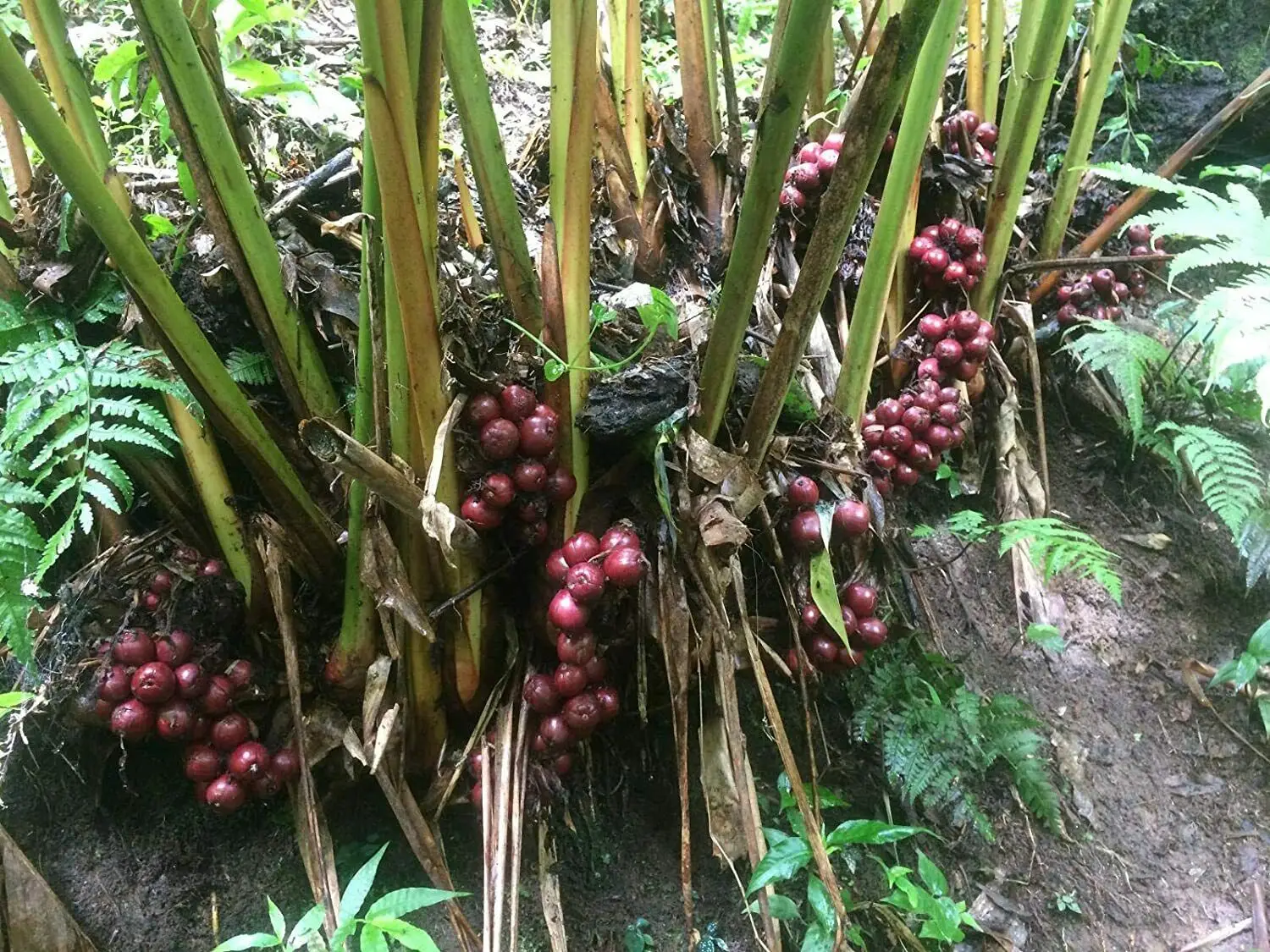
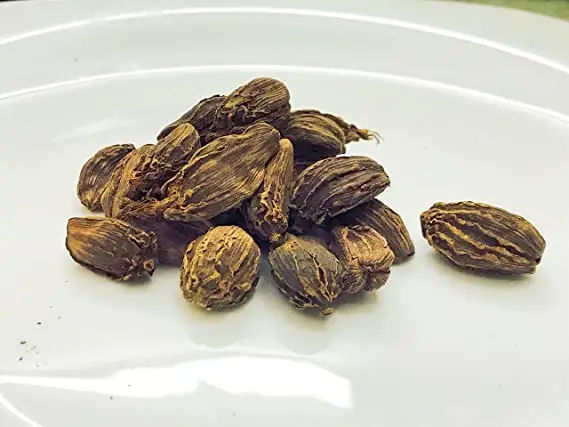
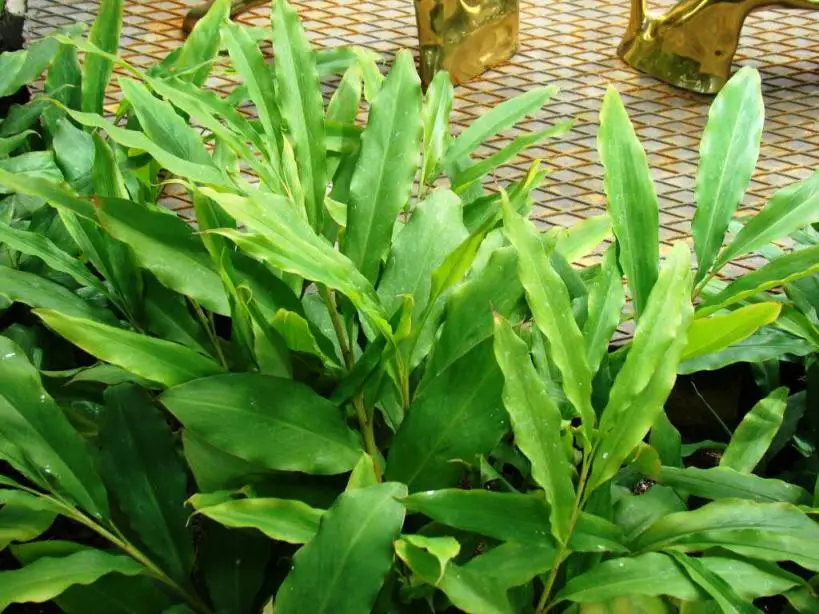
Grow the spice chefs crave—black cardamom’s intense, smoky camphor flavor elevates curries, stews, and slow-cooked dishes in ways green cardamom never can. Each dark, wrinkled pod holds seeds with enough depth to anchor whole meals. Plant from seed in warm, humid conditions with partial shade, and watch glossy, tropical foliage emerge. In 2-3 years, you’ll harvest your own aromatic treasure. A slow grower, yes—but the payoff is pure culinary gold.
€2.65
There’s a reason chefs guard their black cardamom like a secret weapon—this is the smoky, camphoraceous spice that transforms ordinary curries into extraordinary ones.
Amomum subulatum hails from the damp, forested valleys of the Eastern Himalayas, where it thrives in the cool, misty highlands of Nepal, Sikkim, and Bhutan. Ancient Ayurvedic texts revered it as a healing ally, and it earned the timeless title “Queen of Spices” for good reason. Unlike its milder green cousin (Elettaria cardamomum), black cardamom speaks in a bolder, smokier dialect—a flavor profile that comes from the traditional drying method over open flames, creating an unmistakable depth that no substitute can match.
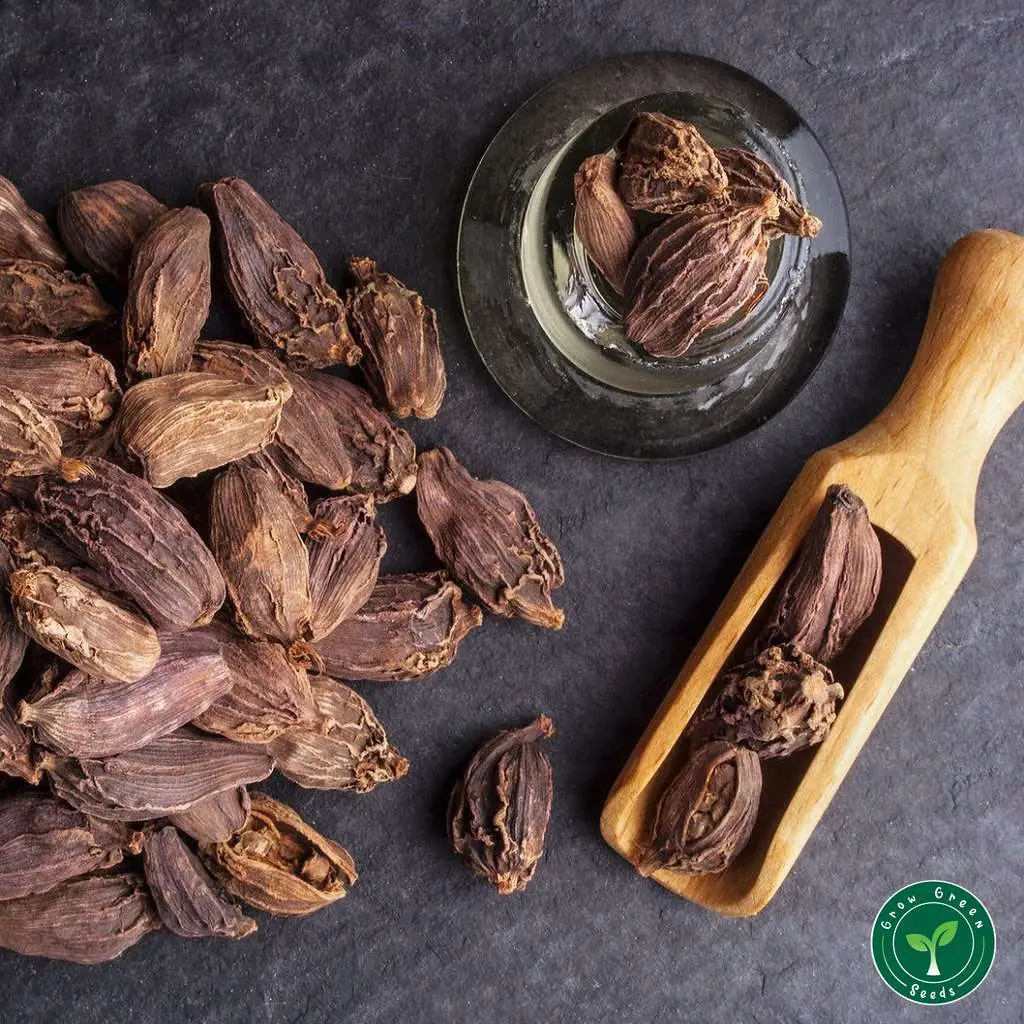
This is where black cardamom shines: in the kitchen. Its dark, wrinkled seed pods contain an intensely aromatic payload that savory cooks obsess over. Drop one pod into a biryani, and it infuses the entire grain with subtle smokiness. Add it to lentil dals, meat curries, and spice blends—this is the spice that cuts through richness and adds complexity to slow-cooked dishes that demand depth. In Indian, Nepali, and Pakistani cuisines, black cardamom is non-negotiable; Arab cooks use it to flavor coffee and traditional dishes with the same reverence. It’s also finding its way into premium tea blends and herbal infusions, where its medicinal properties meet culinary appeal. Beyond flavor, black cardamom contains volatile oils (particularly 1,8-cineole) and antioxidants that support digestive health and reduce inflammation—a bonus that makes every pod do double duty in your pantry and your body.
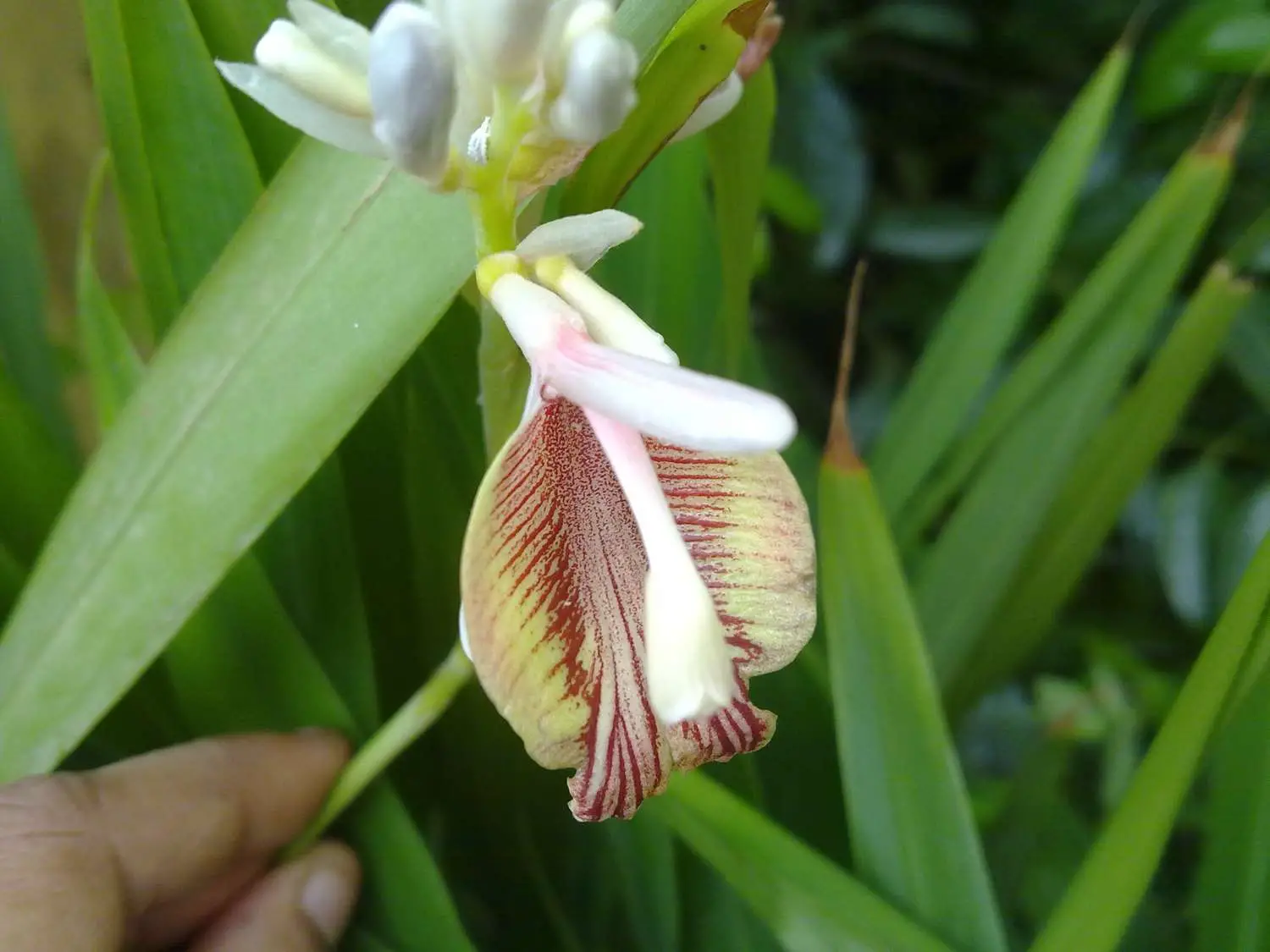
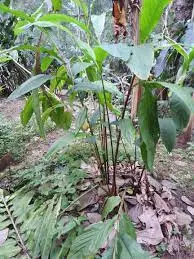
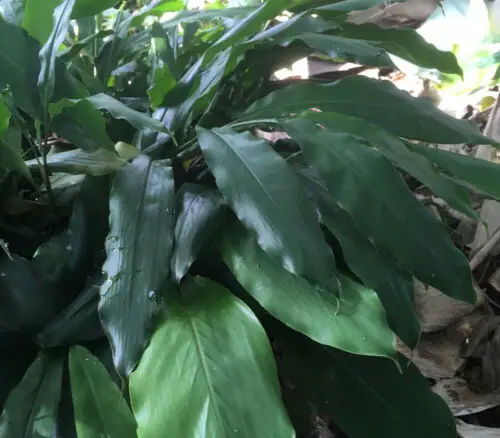
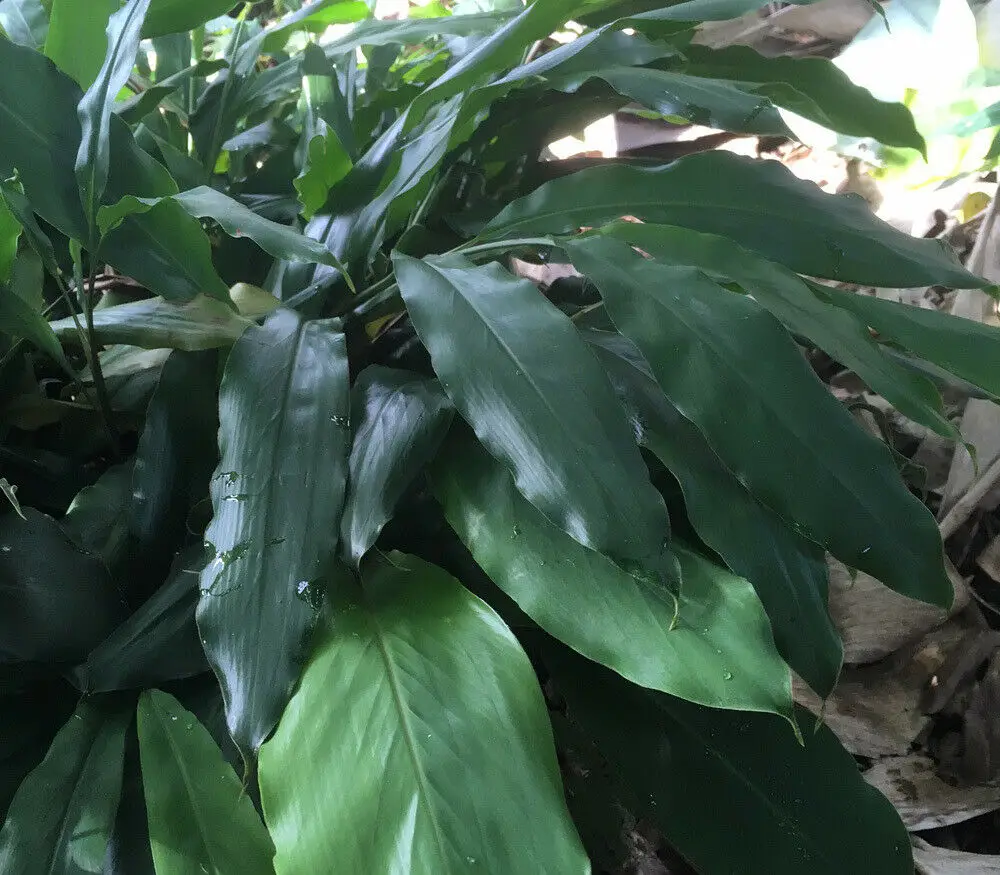
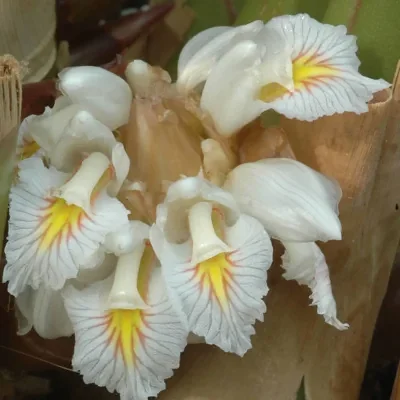
Growing black cardamom requires patience and the right environment, but it’s utterly manageable. This tropical perennial loves warm, humid conditions with temperatures between 50–95°F and prefers partial shade to dappled sunlight—think of the understory of a rainforest. Plant seeds about 1 inch deep in rich, moist, well-drained soil heavy with organic matter. Keep the soil consistently moist (never waterlogged) and feed with a high-nitrogen, low-potassium fertilizer. Cardamom thrives in containers, making it perfect for gardeners in cooler climates who can move their plants indoors during winter or grow them in a warm greenhouse. The plant grows slowly—that’s part of its charm—reaching 3–5 feet tall with stunning glossy, sword-shaped tropical leaves that are ornamental in their own right. In 2–3 years, delicate ivory flowers bloom at the plant’s base, eventually developing into the distinctive dark reddish-brown to black pods you’ll harvest. Yes, it’s a slower journey than many plants, but every seed you grow becomes a personal supply of the world’s most coveted savory spice.
Imagine standing in your garden, plucking a handful of black cardamom pods you’ve nurtured from seed, and infusing them into a curry that tastes exactly as complex and authentic as the dishes of the Himalayas. That’s not just growing a plant—that’s cultivating a connection to centuries of culinary tradition. Start your seeds today, and in a few years, you’ll never buy cardamom again.
Only logged in customers who have purchased this product may leave a review.

Reviews
There are no reviews yet.