Description
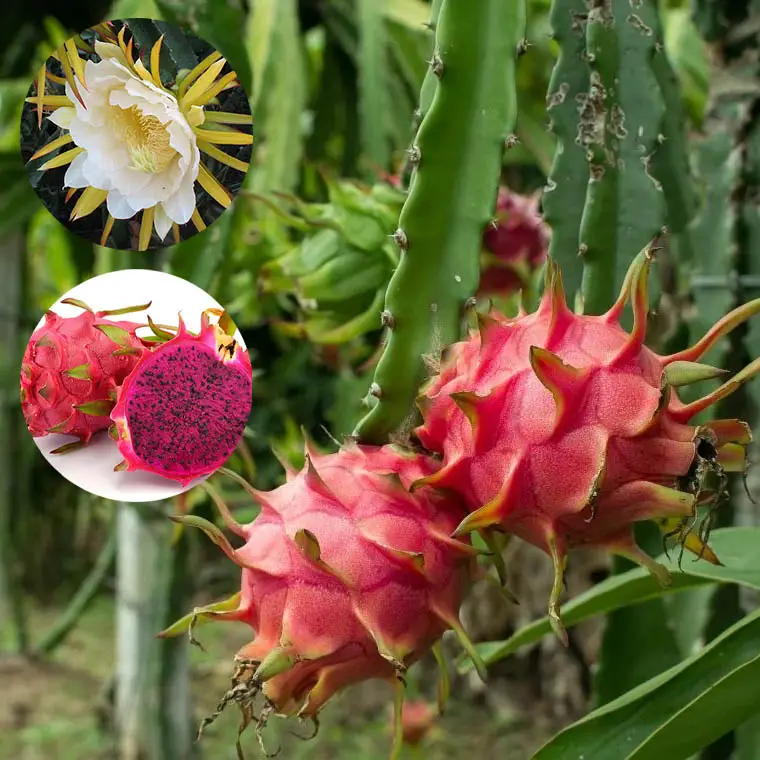
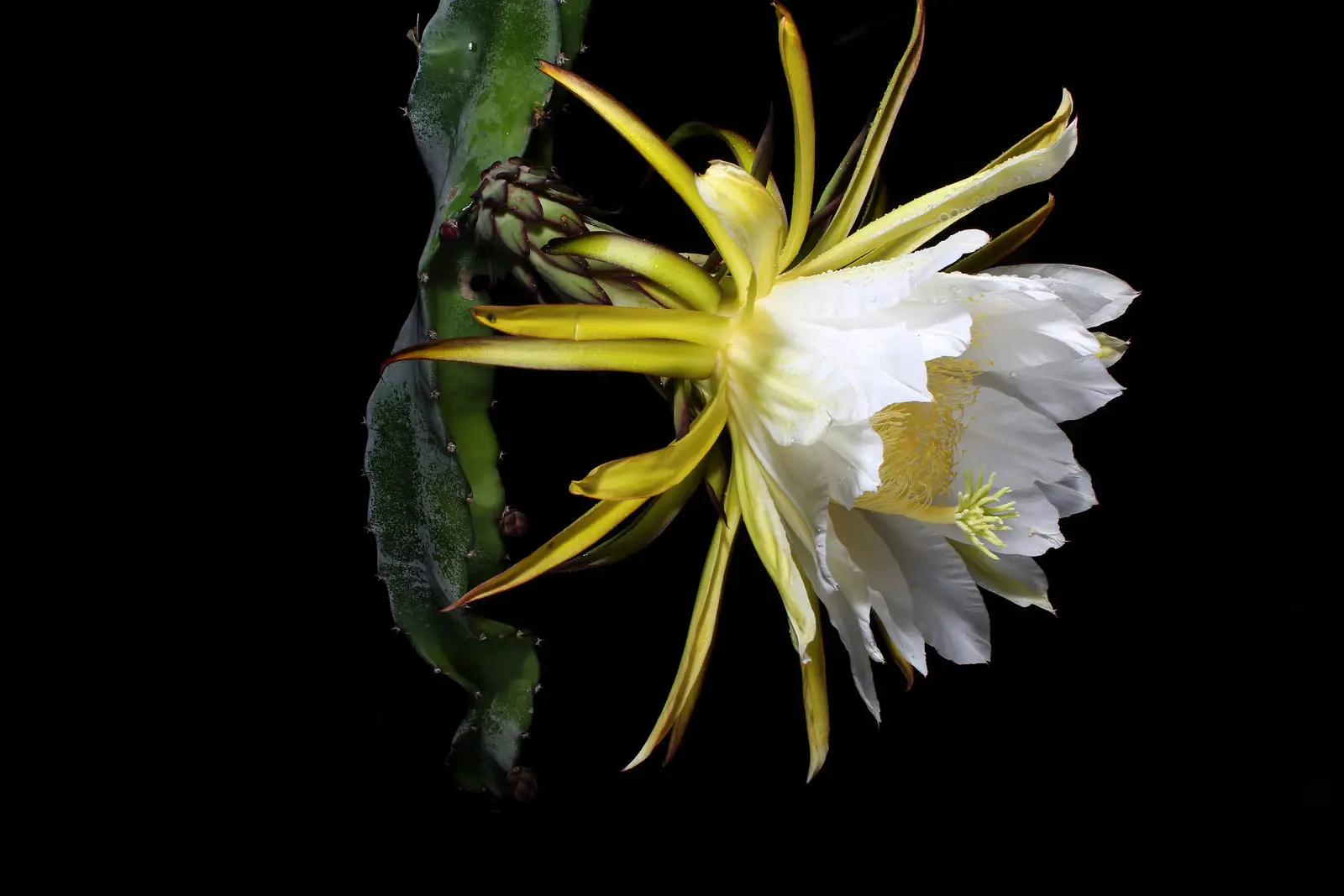
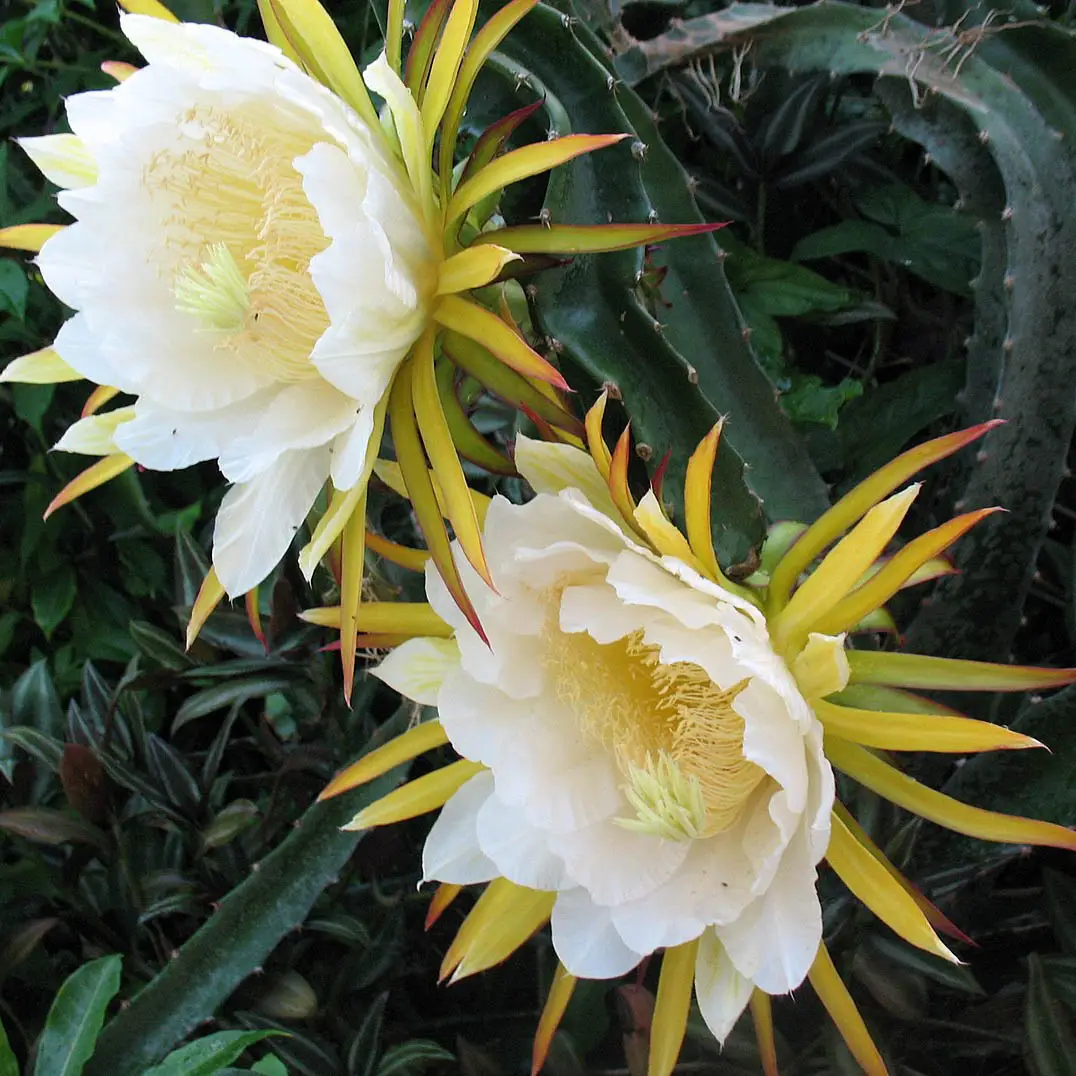
Picture this: a single night-blooming cactus vine erupting with enormous white flowers that open only after dark, releasing intoxicating fragrance into the tropical air—then transforming into jewel-toned magenta fruits bursting with flavor and health. That’s Selenicereus costaricensis: the red dragon fruit experience that turns gardeners into believers.
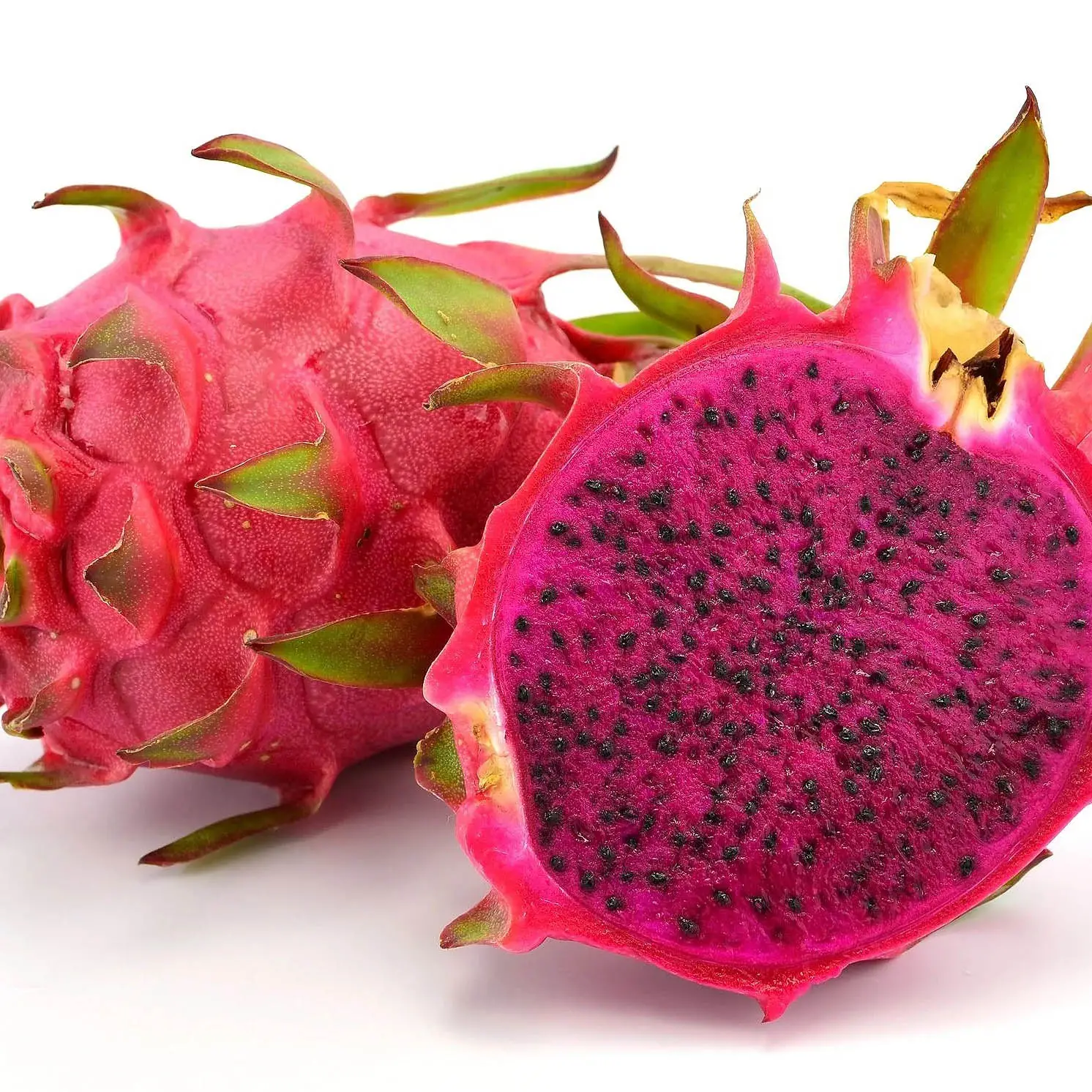
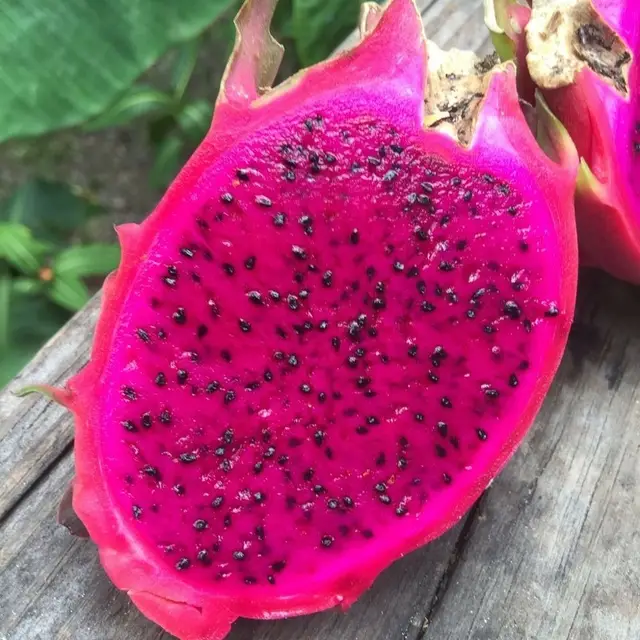
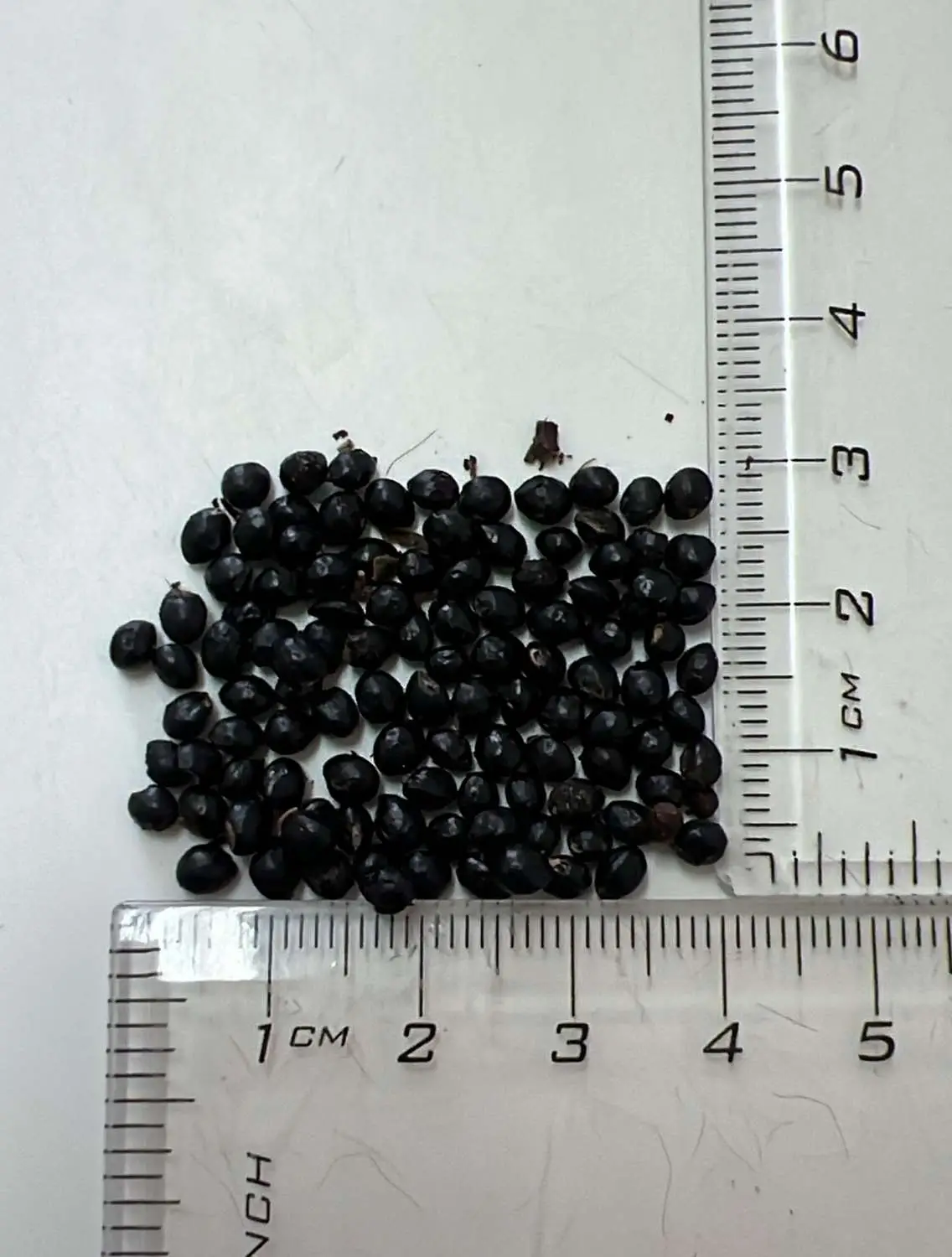
Native to the rainforests and dry zones of Costa Rica, Panama, and Nicaragua, this climbing succulent has been treasured for centuries as a wild food crop. Unlike its white-fleshed cousins, Selenicereus costaricensis produces fruit with deep scarlet skin and magenta-purple flesh speckled with delicate black seeds. The plant itself is a living sculpture—fleshy, segmented stems that sprawl and climb, dramatic and exotic even before the fruit appears.
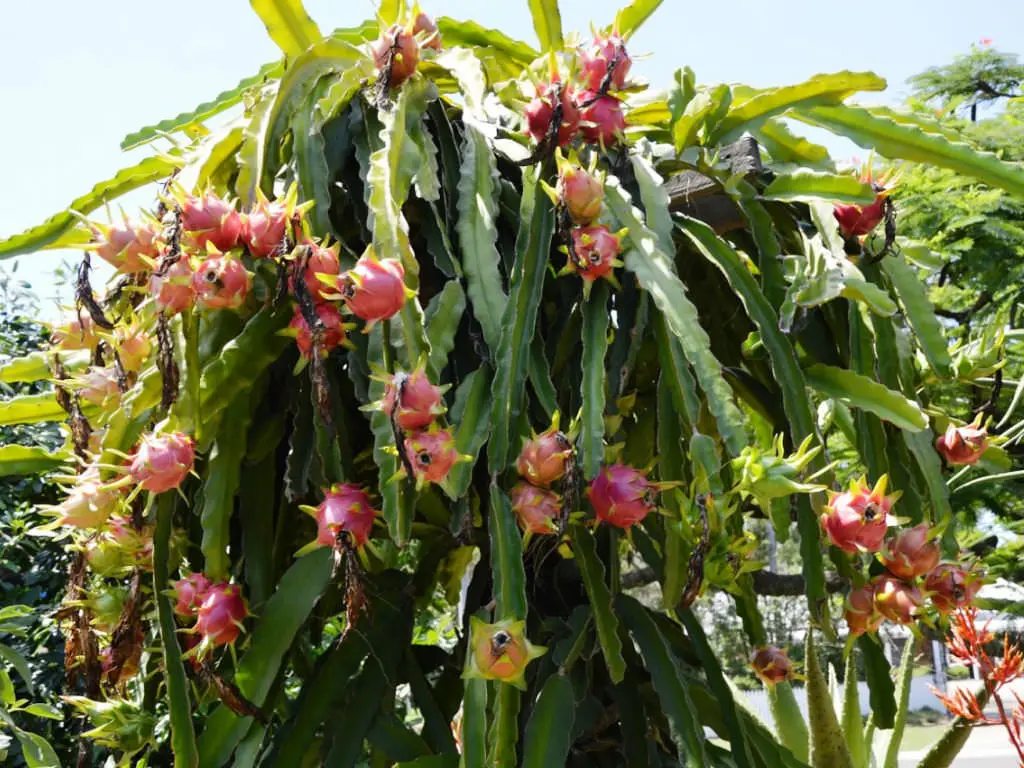
But here’s where the real magic lies: the magenta flesh contains betalains, a rare and powerful class of antioxidants found in very few foods on Earth. Red dragon fruit has the highest betalain content of any cultivated pitaya variety. These pigments don’t just give the fruit its stunning color—they’re bioactive compounds linked to reduced inflammation, heart health, and cellular protection. Fresh or blended into smoothies, frozen into sorbets, or steeped into teas, red dragon fruit is a functional superfruit that looks as good as it performs. The creamy, moderately sweet flesh pairs perfectly with lime, basil, and coconut; culinary innovators are using it in everything from cocktails to spicy salsas. One mature plant can yield up to 220 pounds of fruit annually.
Growing Selenicereus costaricensis is surprisingly accessible. Plant it in a warm, sunny spot (it thrives in direct light and heat), use well-draining cactus or tropical mix, and let it climb a trellis or support structure. Water moderately during the growing season; like all desert-dwelling plants, it prefers dry feet over wet ones. The plant typically tolerates minimum temperatures of 5–10°C and can even handle brief cold snaps. Container cultivation works beautifully—train it up a sturdy post or allow it to cascade from a hanging pot. The flowers appear reliably from late spring through early autumn, blooming at dusk with a sweet fragrance that attracts nocturnal pollinators. Hand-pollination at night (use a small brush) significantly increases fruit set and fruit size. From seed, expect flowering in 5–7 years; from cuttings, much faster. Patience here is rewarded with abundance.
This is not a houseplant for the impatient or the neglectful, but it is absolutely within reach of any gardener willing to provide warmth, sun, and well-draining soil. Grow Selenicereus costaricensis from seed and become part of a global movement—the rediscovery of tropical fruits that nourish both body and soul. Your balcony or garden becomes a portal to Central American nights, and every magenta fruit a small miracle of cultivation.
Germination Guide
🌍 Central America and northwestern South America (Nicaragua to northern Peru)
Moderate
Selenicereus costaricensis, also known as Costa Rican nightblooming cactus or Costa Rican pitaya, is a perennial climbing succulent in the Cactaceae family native to seasonally dry tropical biomes from Nicaragua to northern Peru. It produces large fragrant white nocturnal flowers and edible pitaya fruits with red skin and purple-red flesh.
Germination
Germination time
Expect germination in
10 – 42 days
Temperature
Min 20°C
Ideal 21°C
Max 30°C
Substrate moisture
💧💧 High
Sowing depth
Lightly covered
Substrate & Container
Recommended substrate
cactus mix with perlite or sand, well-draining
Recommended container
seedling trays or individual pots with plastic cover
Growing Tips
Keep soil consistently moist but not waterlogged; enclose containers in clear plastic bags to create humid environment; place in warm location with indirect sunlight; once seedlings emerge, gradually introduce more direct sunlight; seed propagation is unreliable and takes a long time compared to cuttings
Only logged in customers who have purchased this product may leave a review.




Reviews
There are no reviews yet.