Description
While most leafy greens wither or go to seed in the heat of summer, hot weather is when Malabar spinach shines.
This tender perennial native to tropical Asia—likely India and Sri Lanka or Indonesia—is easily grown as an annual during the heat of summer. Malabar spinach has long been established in cultivation in China and India, where it remains a staple green. It can be found at many Asian supermarkets, as well as farmers’ markets, speaking to its enduring culinary value and commercial demand. What makes it so desirable? It grows in hot weather when true spinach does poorly—the ultimate solution for gardeners who refuse to abandon fresh greens through summer.
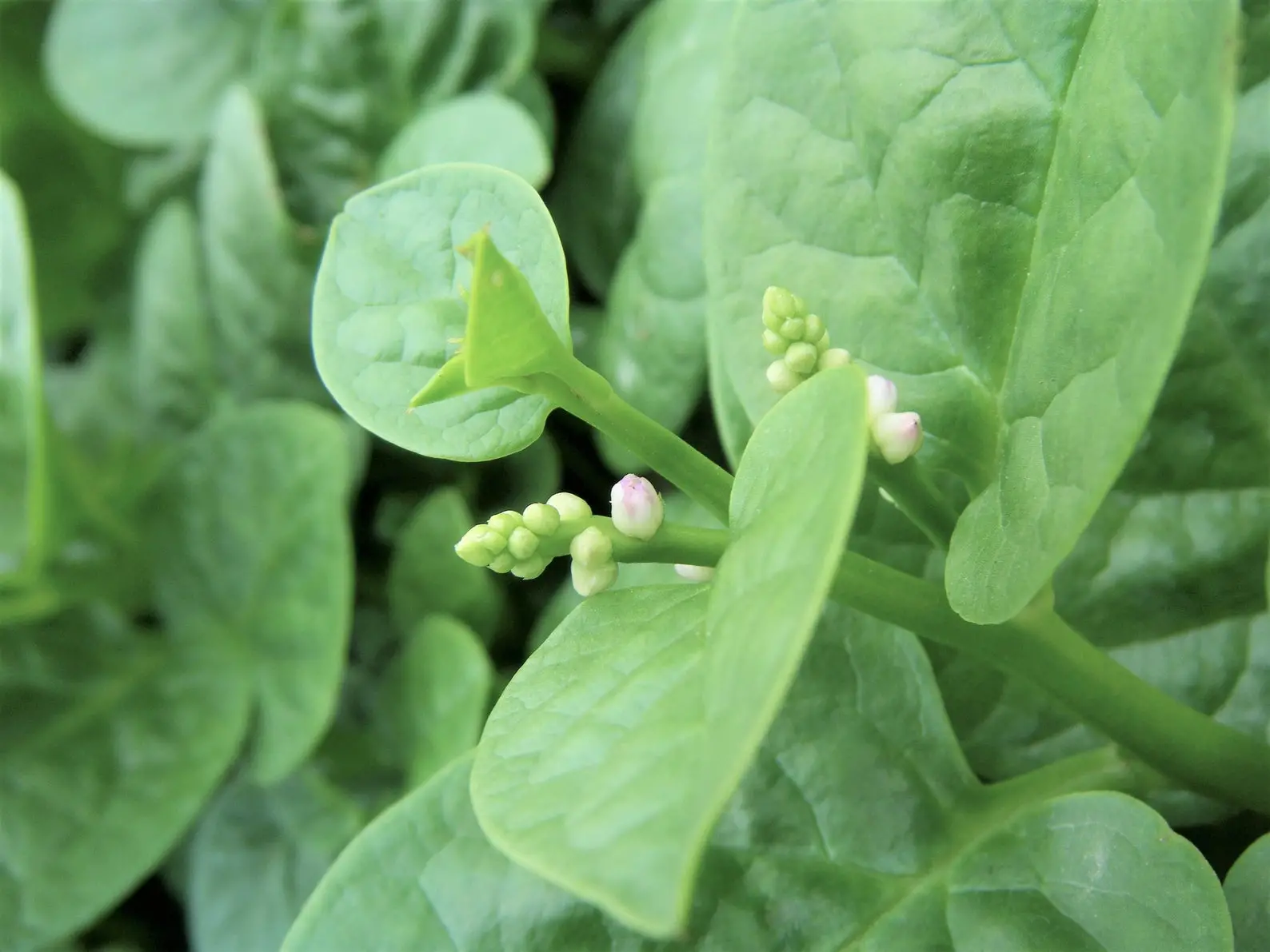
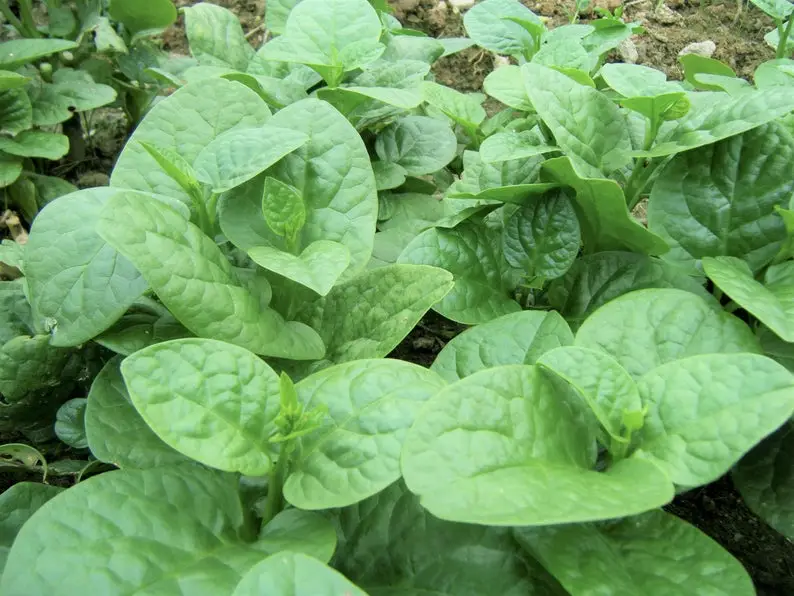
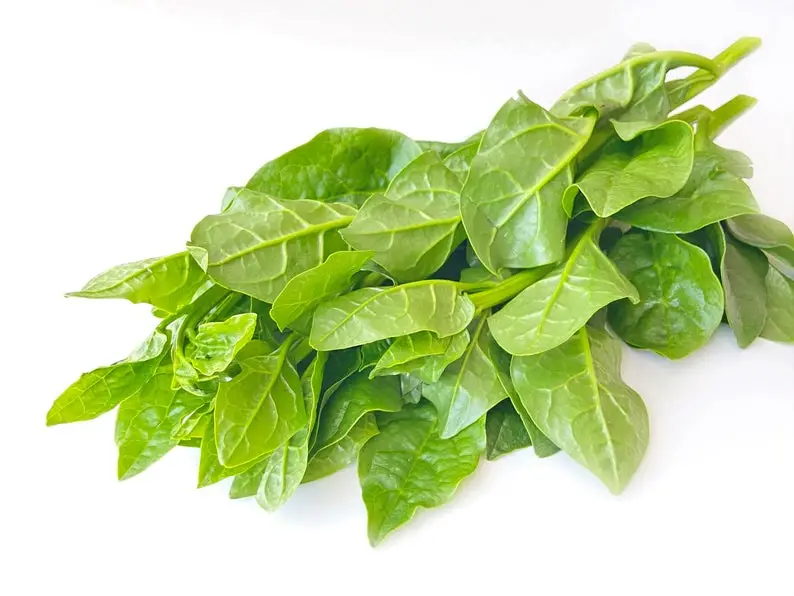
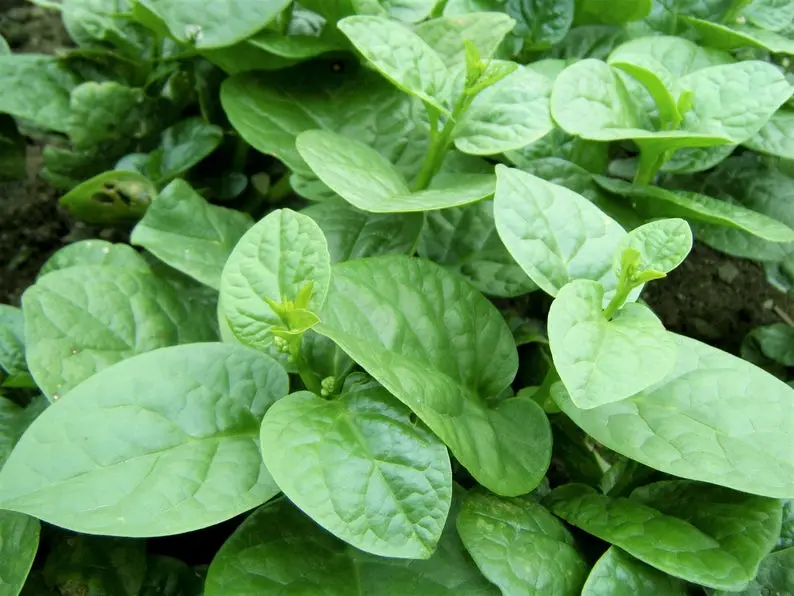
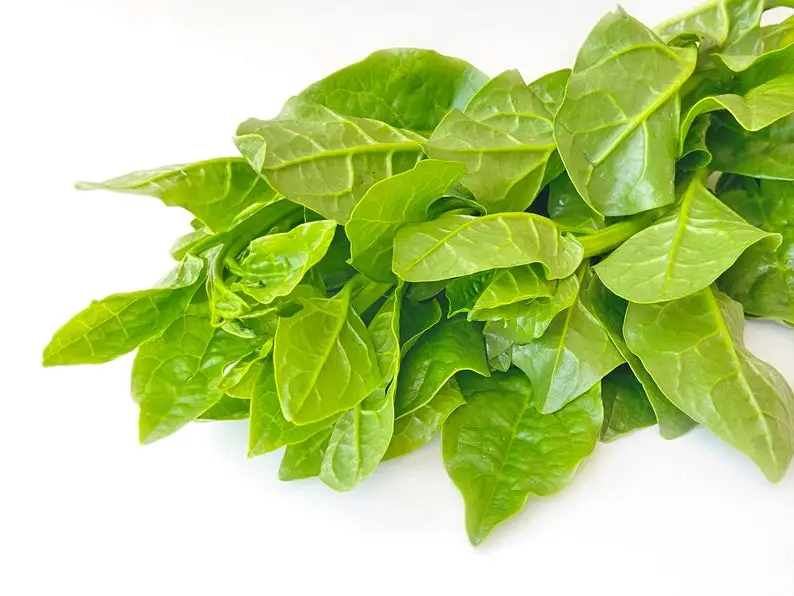
Here’s where Basella alba becomes irresistible in the kitchen. The edible leaves and shoots resemble spinach with a mild, slightly peppery flavor with a hint of citrus and are used in the same way. Young leaves can be eaten raw mixed in a green salad, and steamed or boiled to be used like cooked spinach. Because of the mucilaginous nature, it can also be used to thicken soups and stews. It has over 3 times more vitamin C than spinach, and over 1.5 times more vitamin A than kale. In a 100 gram reference amount, the leaves supply 19 calories of food energy, and are a rich source of vitamins A and C, folate, and manganese, with moderate levels of B vitamins and several dietary minerals. Across Asia, it features in curries, stir-fries, soups, and traditional remedies—leaves and stems are utilized in various dishes in southern parts of India, Malaysia, Indonesia, China, and Sri Lanka, commonly served with rice, bread, and noodles. The plant possesses valuable ethnomedicinal importance and is used to cure digestive disorders, skin diseases, bleeding piles, pimples, urticaria, irritation, anemia, whooping cough, leprosy, and more. Bonus: Malabar spinach is an attractive vine that can also be grown as an ornamental. The dark green, glossy, oval to heart-shaped leaves are thick and semi-succulent, creating architectural beauty as the plant climbs.
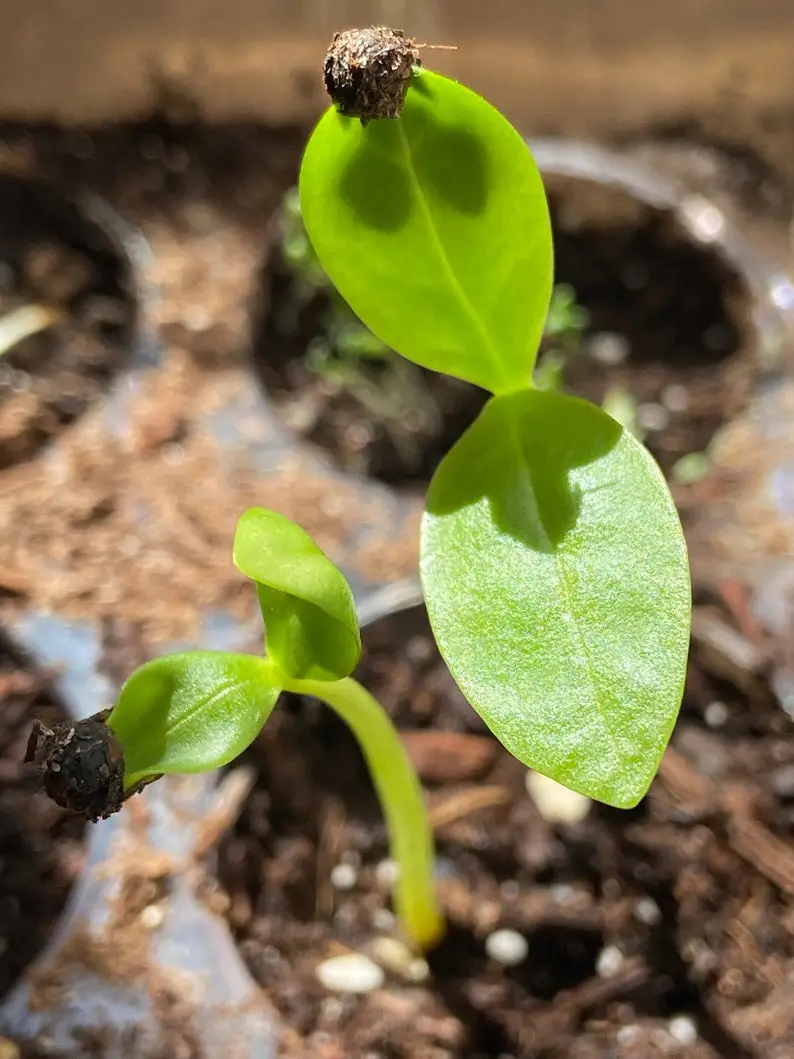
Growing Basella alba from seed is refreshingly straightforward. Grow Malabar spinach in full sun; it does best in fertile, moist but well drained soils. It can tolerate both full sun and partial shade and does reasonably well in poor soils. The plant is well-adapted to high temperatures, even into the 90s F., but growth is disappointing when temperatures stay below 80°F. It needs warm temperatures to germinate and will grow quickly once temperatures get hot. Malabar spinach is easily grown from the small rounded seeds. Mechanical scarification to open the tough seed coat (such as with a file, sharp knife or sandpaper) will hasten germination, as will soaking them in water overnight before planting. Seeds should germinate in 10 days to 3 weeks. Plants will not grow much until the heat of summer, and will not do much when night temperatures are consistently below 60°F. This fast-growing plant is a soft-stemmed, twining vine that can grow up to 10 feet long as an annual, and it can start producing yield after 2 to 3 months post plantation from seeds and the leaves and tender shoots can be harvested every 5 to 8 days. As an ornamental, you can enjoy the glossy green leaves and red stems in ornamental plantings on posts, fences, hanging baskets or large containers. Basella alba is a resilient and v
Germination Guide
🌍 Tropical Asia
Easy
Basella alba (Malabar spinach) is a tender perennial climbing vine native to tropical Asia. It is unrelated to true spinach but produces similar dark green, thick leaves and thrives in hot weather conditions unsuitable for conventional spinach.
Germination
Germination time
Expect germination in
10 – 21 days
Temperature
Min 65°C
Ideal 25°C
Max 80°C
Substrate moisture
💧 Medium
Seed Pre-treatment
-
💧
Soaking — 24 hours
Water soaking for 24 hours in warm water reduces germination time
-
🔨
Mechanical scarification
Mechanical scarification with file, sandpaper or knife to open tough seed coat hastens germination
-
📋
Additional notes
Scarification or water soaking recommended for faster germination
Substrate & Container
Recommended substrate
well-drained fertile loamy soil with organic matter
Recommended container
seed-starting mix in pots or cell-packs
Growing Tips
Light promotes germination but seeds can germinate in darkness. Red light stimulates germination while far-red light inhibits it. Optimal temperature is 25°C under dark conditions. Germination is faster at 80°F+. Seeds have physical dormancy. Plant does not tolerate frost and requires soil temperature above 65°F before planting outdoors.
Only logged in customers who have purchased this product may leave a review.

Reviews
There are no reviews yet.