Description
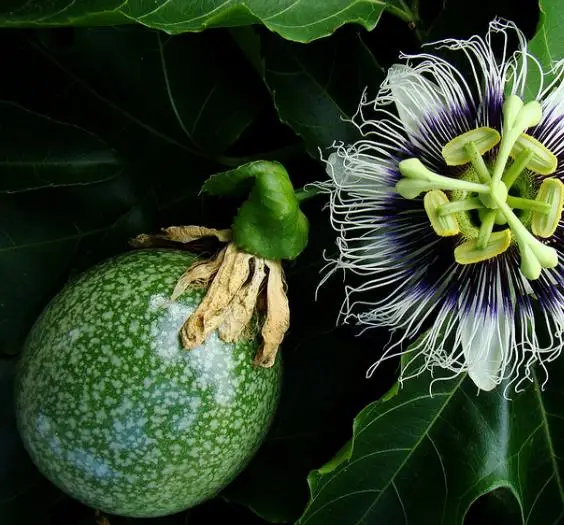
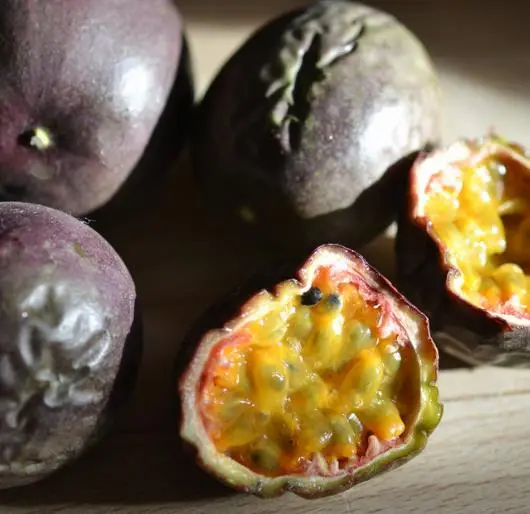
Fruits tasted fresh and delicious.
The origin of this species is from northern Argentina, Paraguay and mountainous areas of Mexico, in the states of Puebla and Veracruz. The culture developed mainly in Kenya, Zimbabwe, Ivory Coast, Australia and New Zealand.
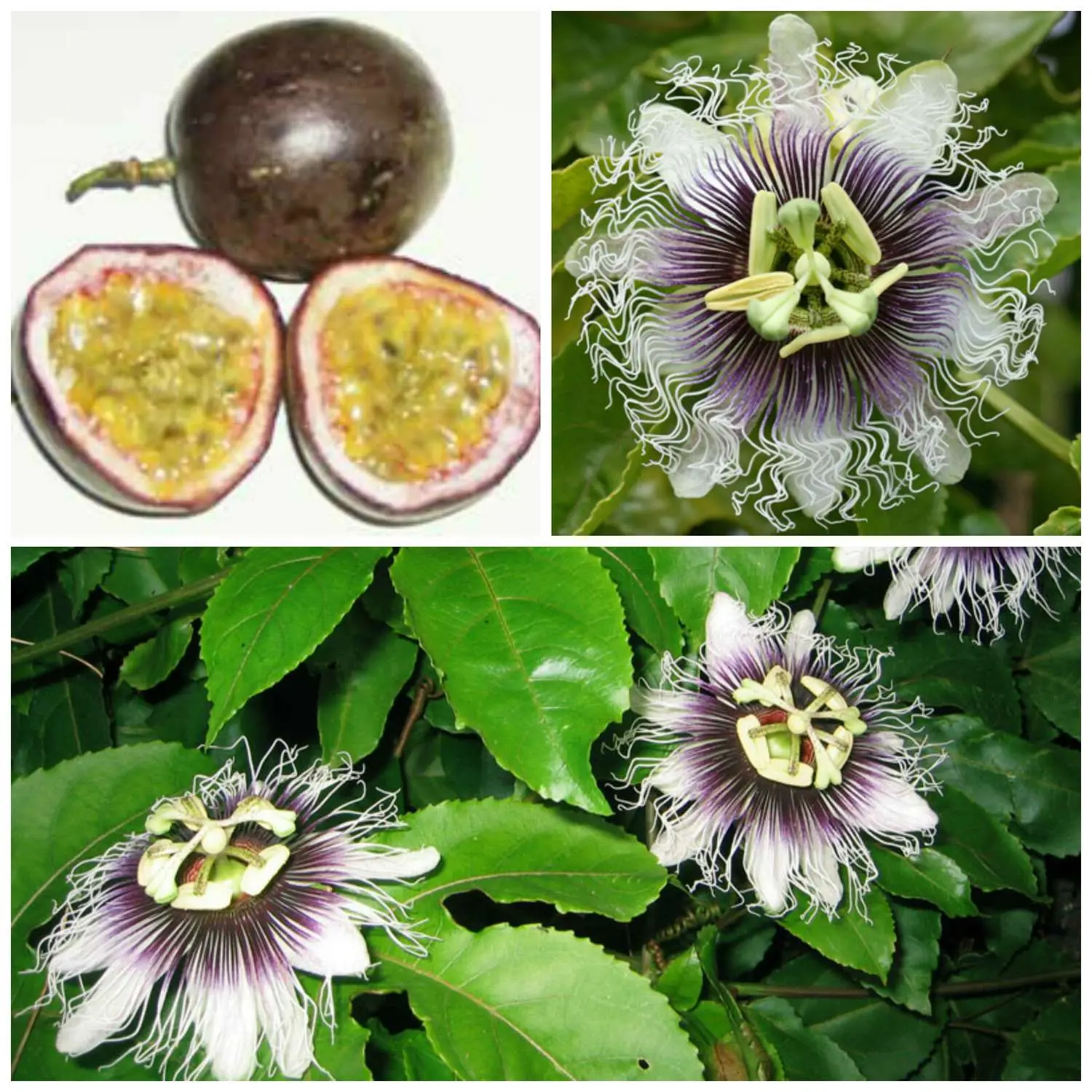
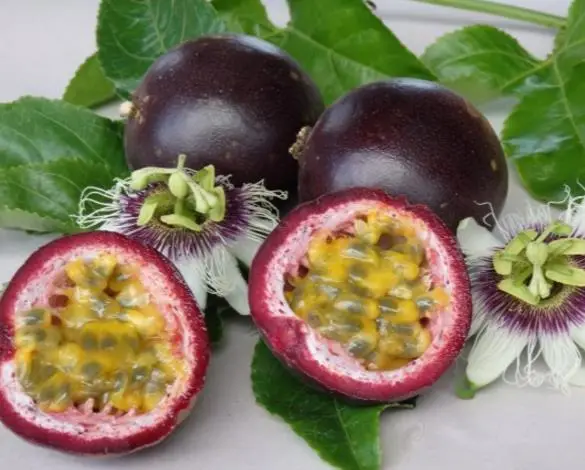
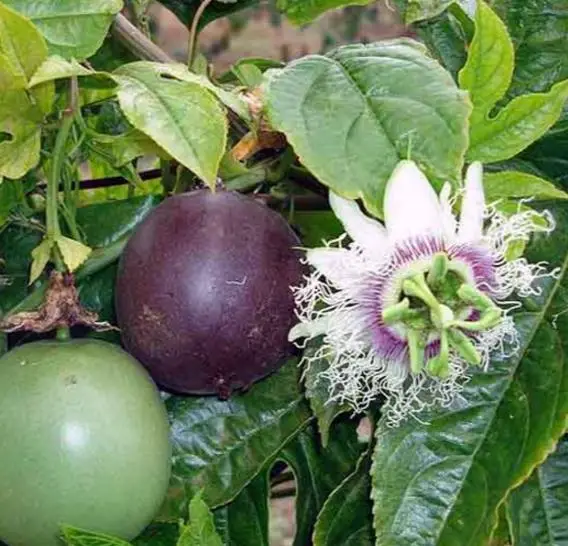
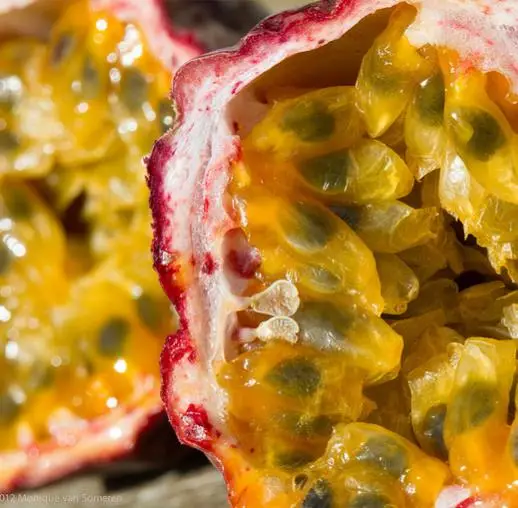
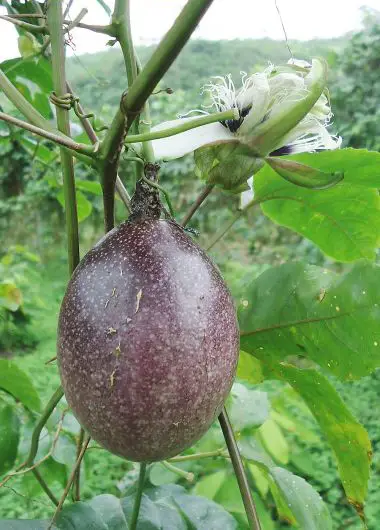
Vigorous vine that can reach between 6 – 10 meters, very aromatic, with orange pulp, shiny, sweet and very tasty.
Withstands temperatures up to – 10 º C after well established and has adapted very well at altitudes between 1200 – 3000 m.
In California it is grown mainly for its tasty fruits and as an ornamental species. Its fruits are generally consumed in natura, in the preparation of juices, sweets, jellies and ice cream.
In dense spacing, with good weed control and adequate fertilization, the annual harvest can reach 200 – 300 fruits per vine, that is, 200,000 to 300,000 fruits per ha.
The practice of pruning has been shown to be quite effective, improving the air flow, reducing diseases, facilitating weeding, irrigation, spraying and harvesting.
Sweet purple passion fruit is a great producer, has fast growth and its fruits are delicious, besides having long shelf life
The fruits are consumed fresh, or in the form of juices, ice cream, cocktails and sweets.
Germination Guide
🌍 Southern Brazil, Paraguay, and Northern Argentina
Moderate
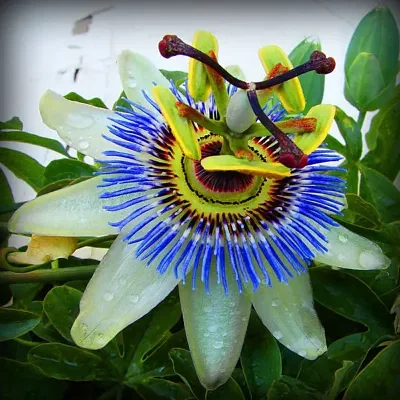
Passiflora edulis f. edulis, commonly called purple passion fruit or purple granadilla, is a vigorous semi-perennial climbing vine native to the subtropical regions of South America. Seeds exhibit slow and variable germination characteristics due to seed dormancy, but proper pre-treatment and warm, moist conditions significantly improve germination success rates.
Germination
Germination time
Expect germination in
14 – 84 days
Temperature
Min 20°C
Ideal 25°C
Max 30°C
🌡️ Temperature alternation recommended
— Alternating temperatures of 20-30°C (with 12-hour intervals) improve germination rates to approximately 75%. Constant temperature of 25°C produces lower germination.
Substrate moisture
💧💧 High
Sowing depth
Lightly covered
Seed Pre-treatment
-
💧
Soaking — 24 hours
Soak seeds in warm water for 24 hours before planting to reduce germination time and improve water absorption. Alternative: use fresh passion fruit pulp for soaking.
-
🔨
Mechanical scarification
Light mechanical scarification with sandpaper can improve germination, though not always necessary. Optional: lightly nick seed coat or use fine sandpaper to break dormancy.
-
📋
Additional notes
Warm water soaking for 24 hours is simplest and most effective. Optional mechanical scarification with sandpaper. Gibberellic acid treatment can enhance germination rates. Seed freshness is critical for success.
Substrate & Container
Recommended substrate
Perlite-peat mix or peaty seed starting mix, light and porous, pathogen-free.
Recommended container
Plastic pot with transparent lid for humidity retention. Ensure good drainage.
Growing Tips
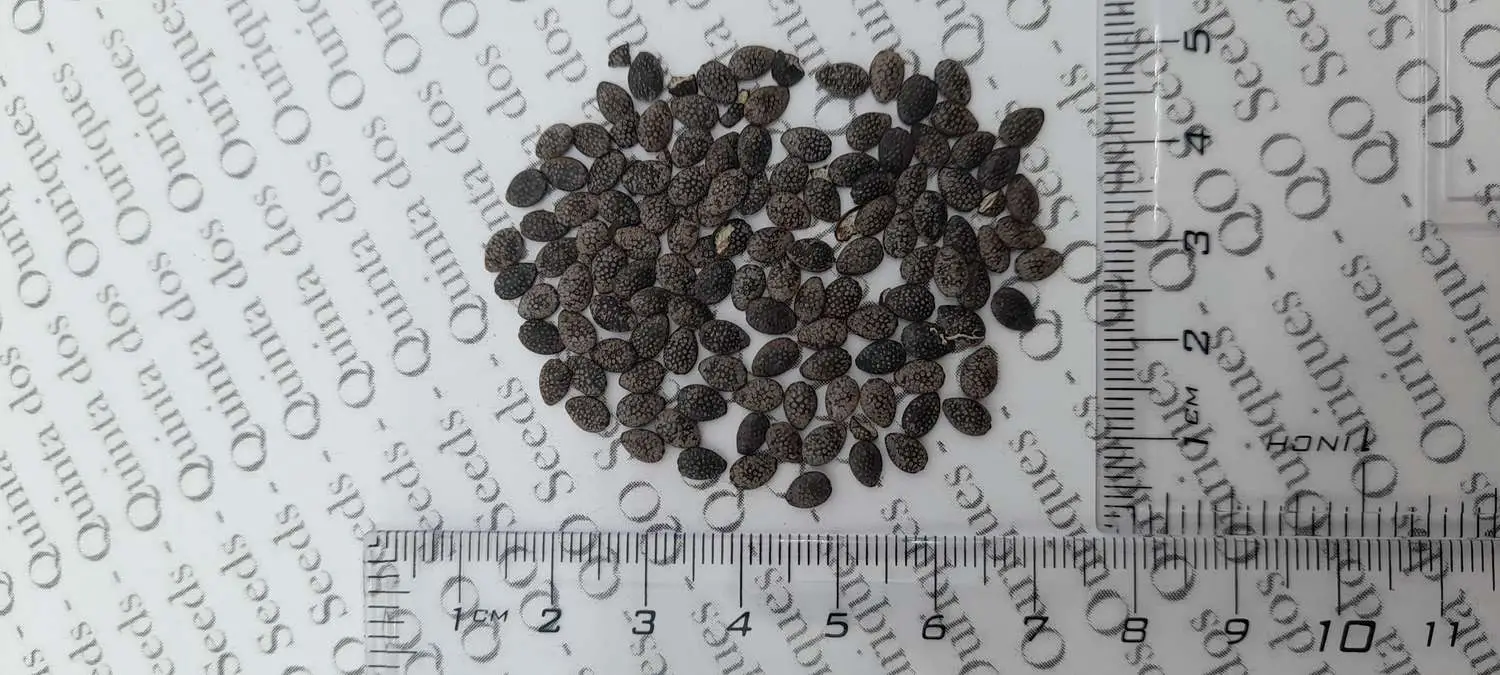
Seed freshness is crucial—use fresh seeds from ripe fruits for best results. Maintain bottom heat of 75-85°F (24-29°C) for optimal germination. Keep substrate consistently moist but not waterlogged. Provide bright indirect light after germination begins; seedlings show indifference to light during germination phase. Seeds may germinate in 2-6 weeks under ideal conditions with fresh seeds and warm temperatures, but older seeds can take 2-3 months. Young seedlings are sensitive to cold; provide warmth during their first winter. Use artificial lighting if needed to prevent leggy growth. Damping-off prevention requires excellent drainage and air circulation.
Only logged in customers who have purchased this product may leave a review.

Reviews
There are no reviews yet.