
Grow the world’s most delicious edible conifer from seed. Douglas fir is considered the best tasting edible conifer, with flavour of clementines and orange zest. In spring, new growth appears as light green tips that are soft and tender, ideal for foraging—use finely chopped tips in salads for a lovely zingy quality. Growth becomes extrem
€2.20
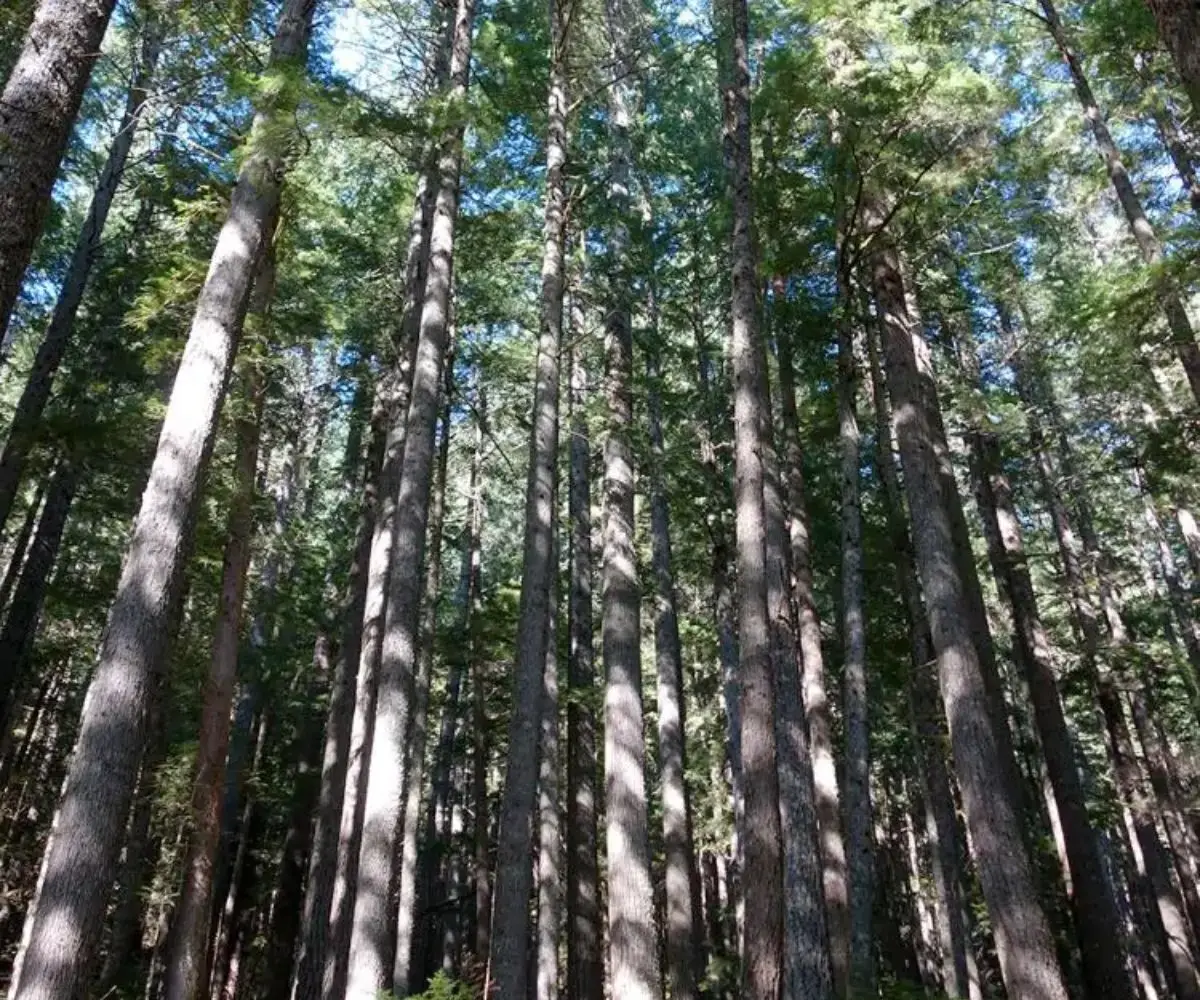
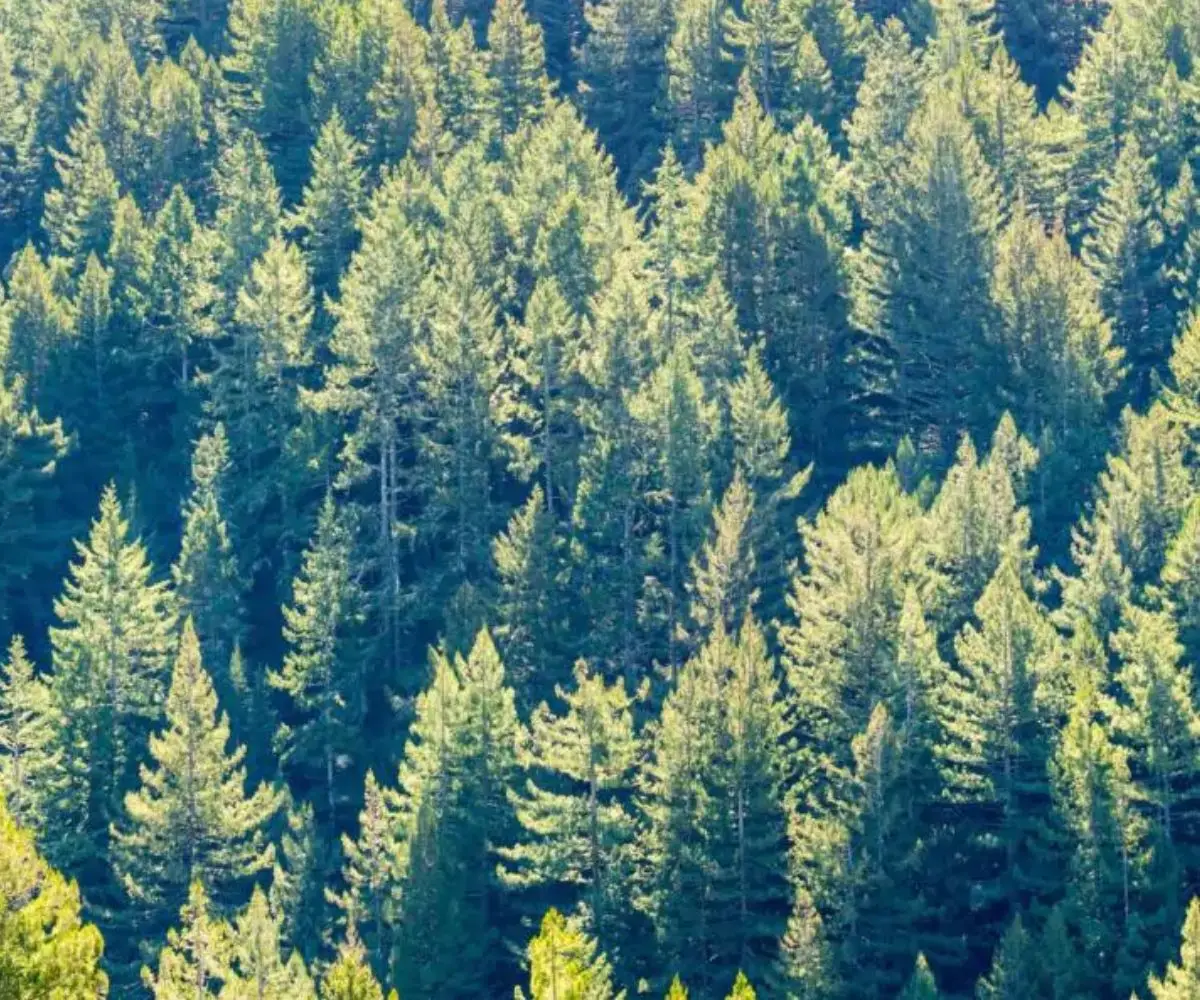
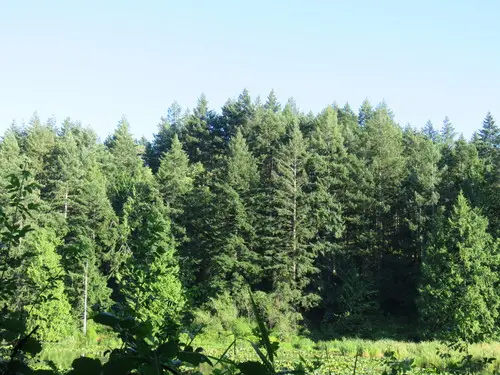
Pseudotsuga menziesii is an evergreen tree growing to 75 m by 20 m at a fast rate—a magnificent living monument that will outlive you and reward your patience with beauty, flavor, and ecological purpose.
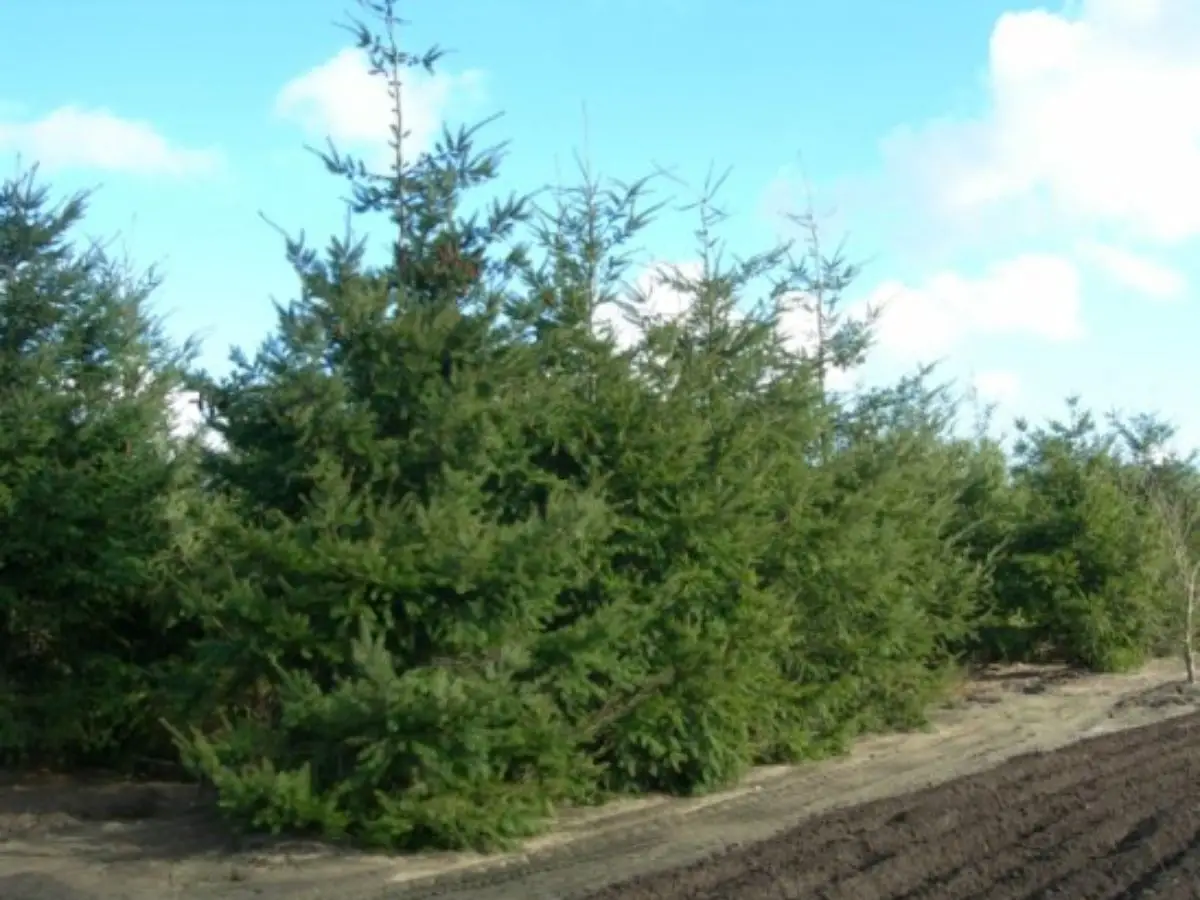
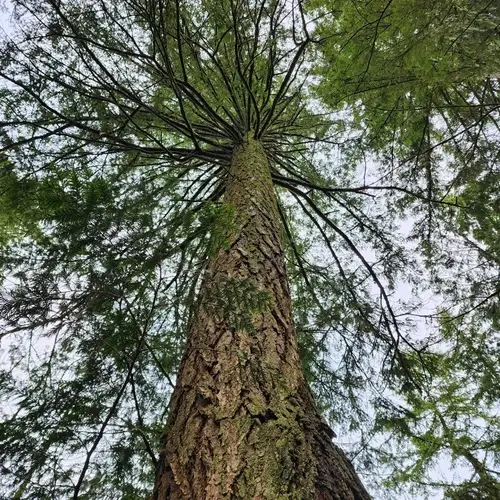
This large evergreen coniferous tree with rugged bark is native to western North America. The common name Douglas-fir is named for botanist David Douglas, who brought it to the UK in 1827, revolutionizing both forestry and the culinary world. This tree can live for over a thousand years—your seed today becomes a legacy for centuries. The genus name Pseudotsuga means “false hemlock,” but there’s nothing false about its charm: it’s a conical, evergreen conifer with long whorled branches and drooping twigs that create a silhouette pure poetry.
But here’s where Douglas fir becomes truly irresistible: it is an edible conifer of the highest order. It’s considered the best tasting edible conifer. Every spring, new growth appears as light green tips that are soft and tender, carrying the flavour of clementines and orange zest. When crushed, the needles have a citrusy scent that alone will intoxicate you. Harvest these young tips, best available in spring, and finely chop them to add a lovely zingy quality to salads. They’re also a great addition to cures for meat and fish. A refreshing tea is made from the young leaves and twigs. Douglas fir needles are very high in vitamin C—the tree itself becomes your living medicine cabinet, year after year. Beyond culinary magic, it produces pollen-rich male cones that support native bees and early-season insects, making it a powerhouse for pollinators. Douglas fir was often employed medicinally by various native North American Indian tribes, a testament to its deep nutritional and healing heritage.
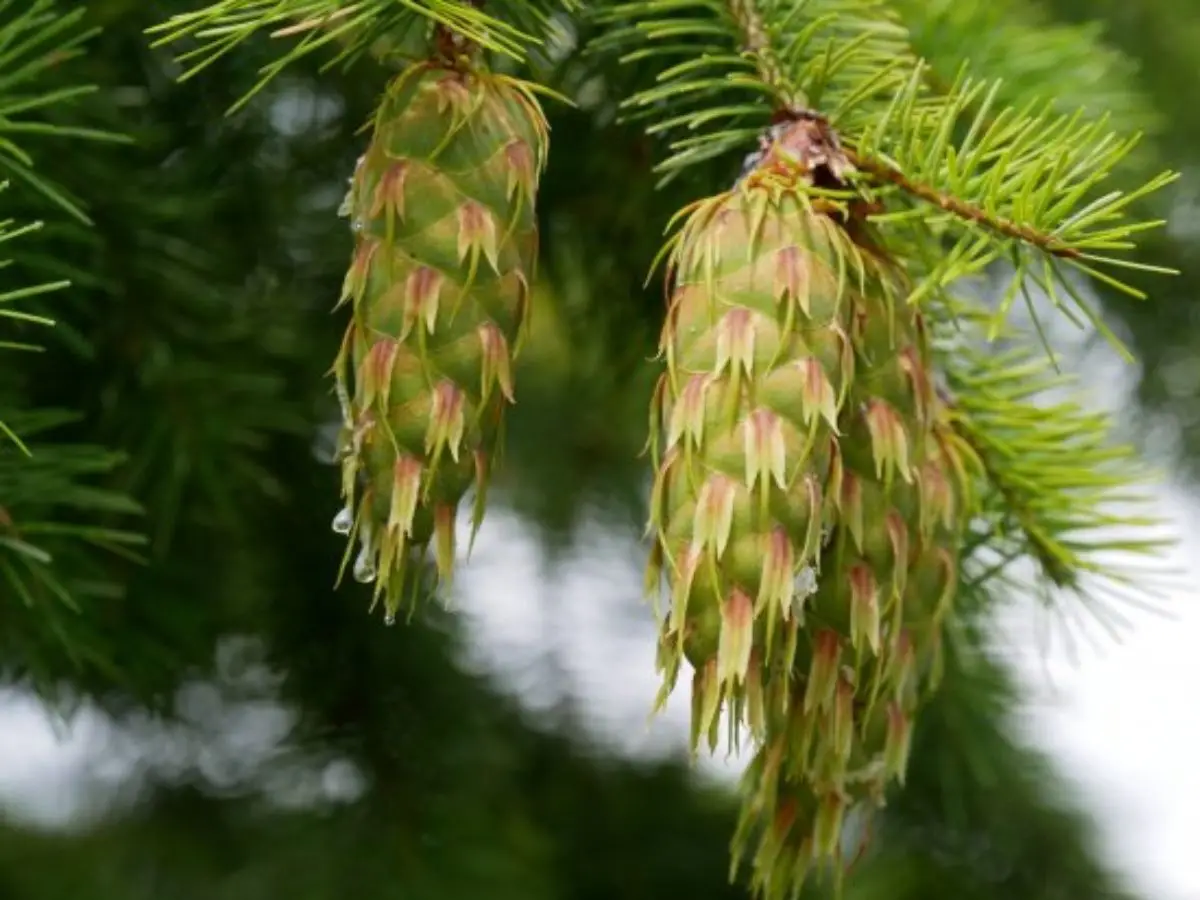
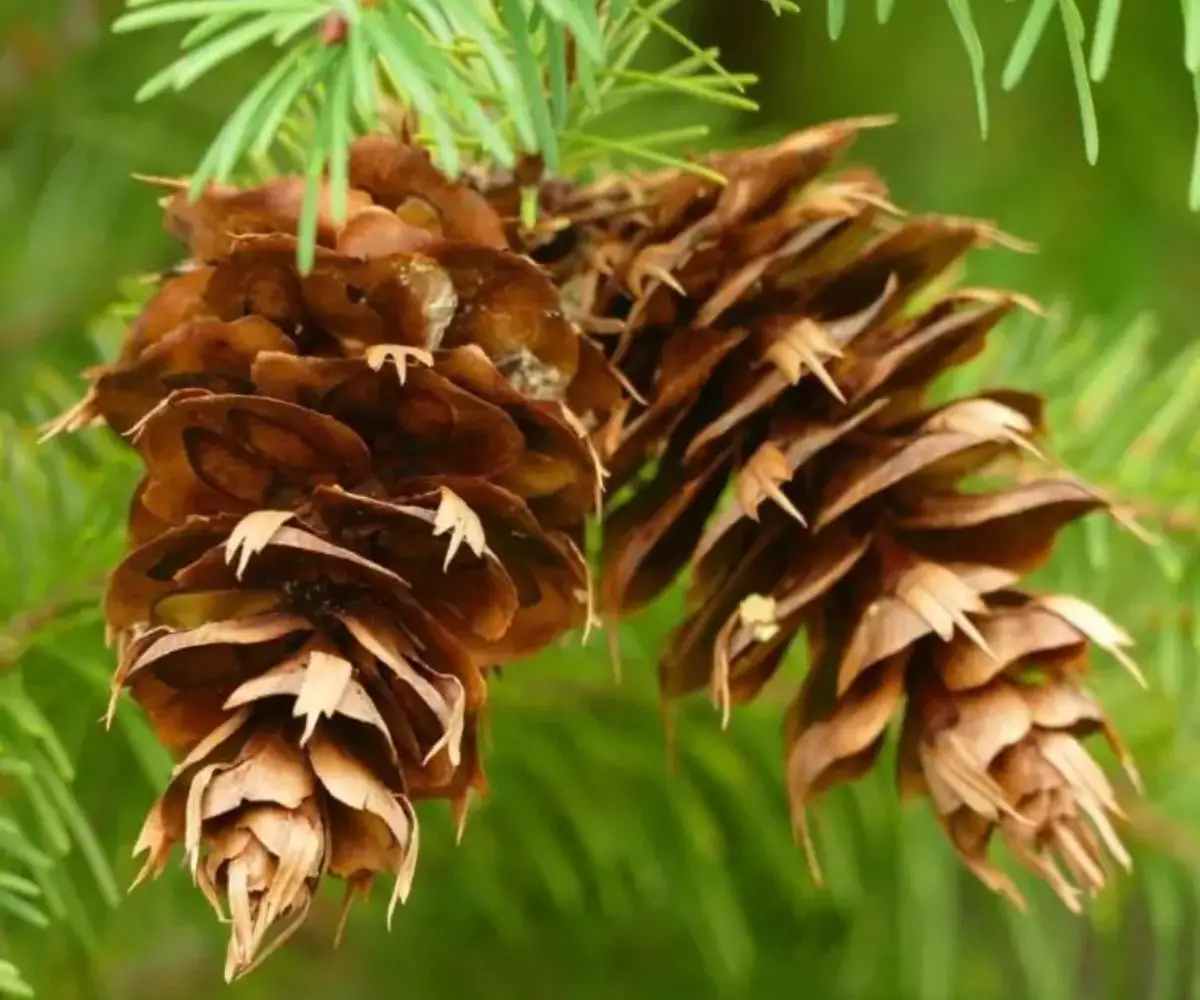
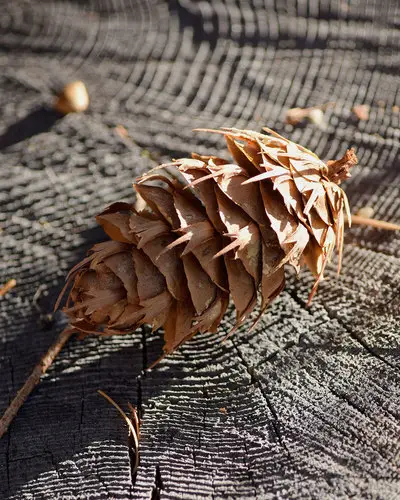
The visual evolution is pure drama. Young trees display thin, smooth, greyish-green bark with resin-filled ‘blisters’ randomly arranged. As your tree matures, the bark thickens, develops ridges, and turns redder in colour. The flat, grooved, dark green needles spread all around the stem like the bristles of a bottle brush, creating layers of soft texture that invite touch. Its distinctive cones are adorned with unique three-pronged bracts—nature’s signature on every seed.
Growing from seed is rewarding and surprisingly straightforward. It cannot grow in shade, so plant where sunlight dominates. It’s suitable for light (sandy), medium (loamy) and heavy (clay) soils, and prefers mildly acid and neutral soils. It prefers moist or wet soil when young—this ensures vigor during establishment. Very slow growing for its first few years, growth soon becomes extremely fast with new shoots of up to 1.2 metres a year. Be patient at first; the payoff is staggering. It is the most cultivated timber tree in the world, a testament to its reliability and beauty across climates. It is hardy to UK zone 7 and is not frost tender, and hardier varieties suited to colder regions exist—this is a tree built to persist.
Imagine standing in your garden in twenty years, harvesting citrus-bright tips for dinner while your Douglas fir rises toward the clouds, its reddening bark glowing in afternoon light, its soft needles releasing their fragrant promise. You’ll have created a living library of taste, medicine, beauty, and ecological
Only logged in customers who have purchased this product may leave a review.

Reviews
There are no reviews yet.