Description
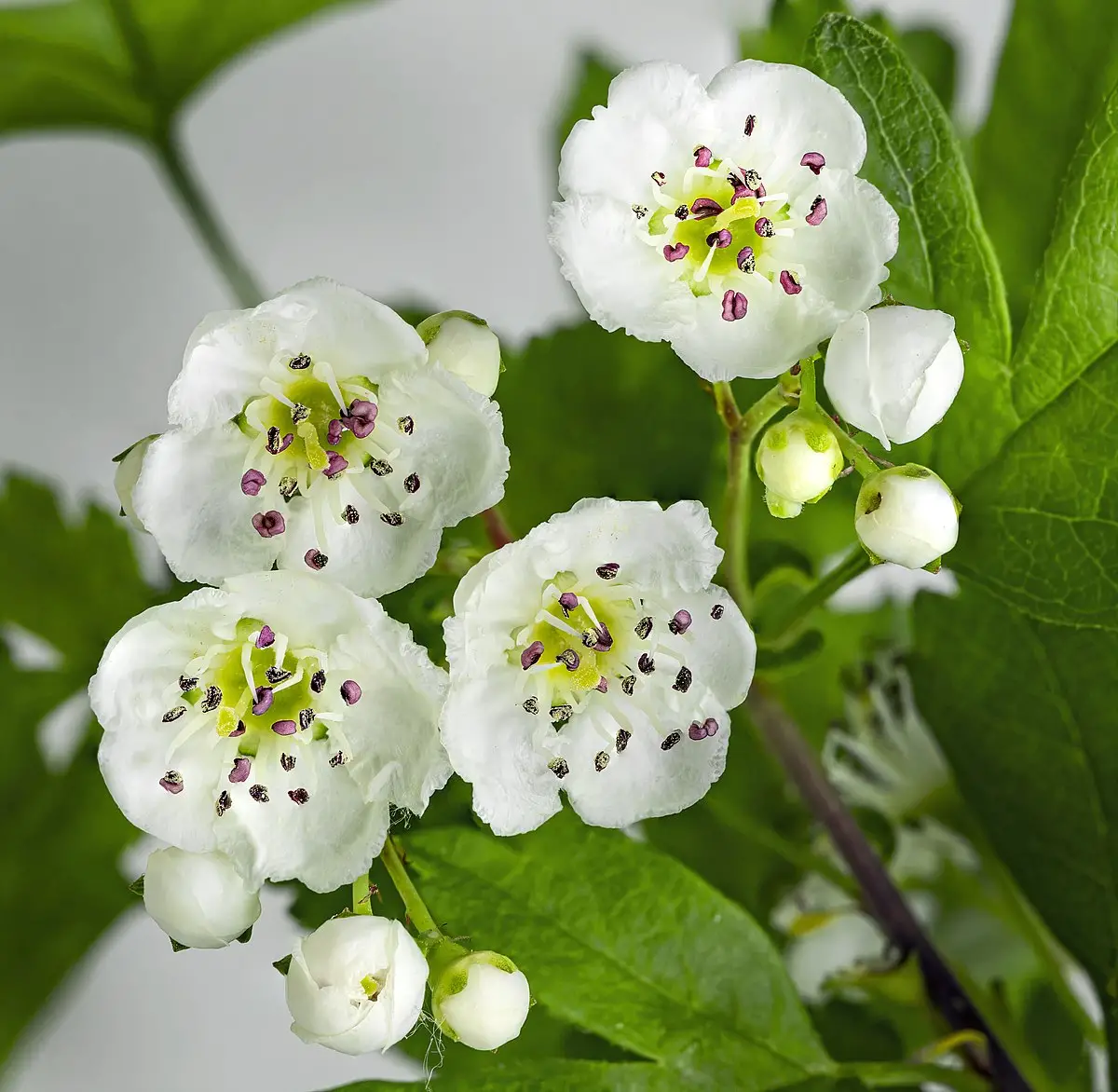
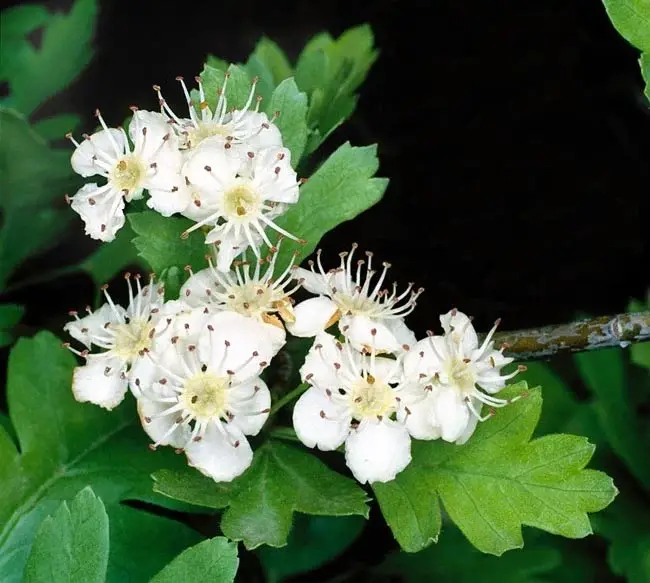
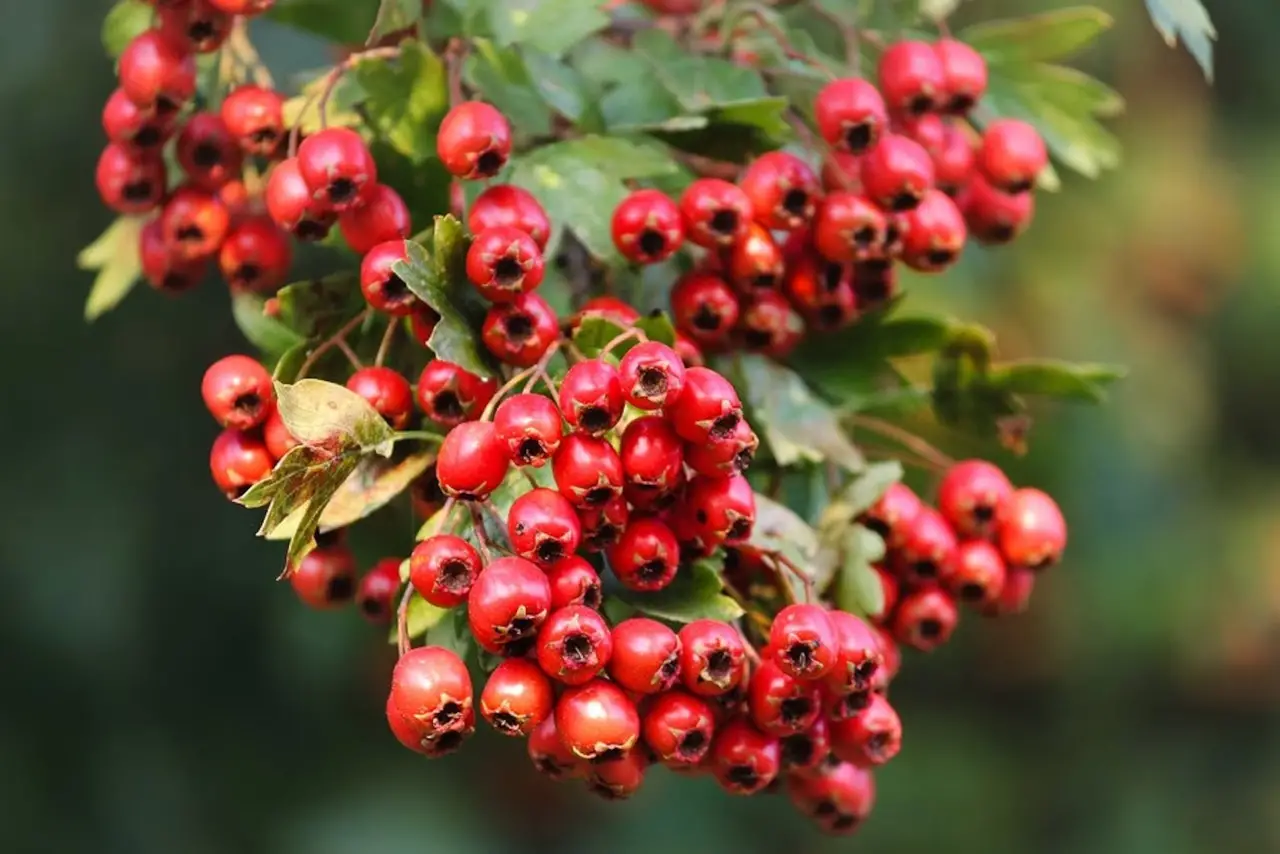
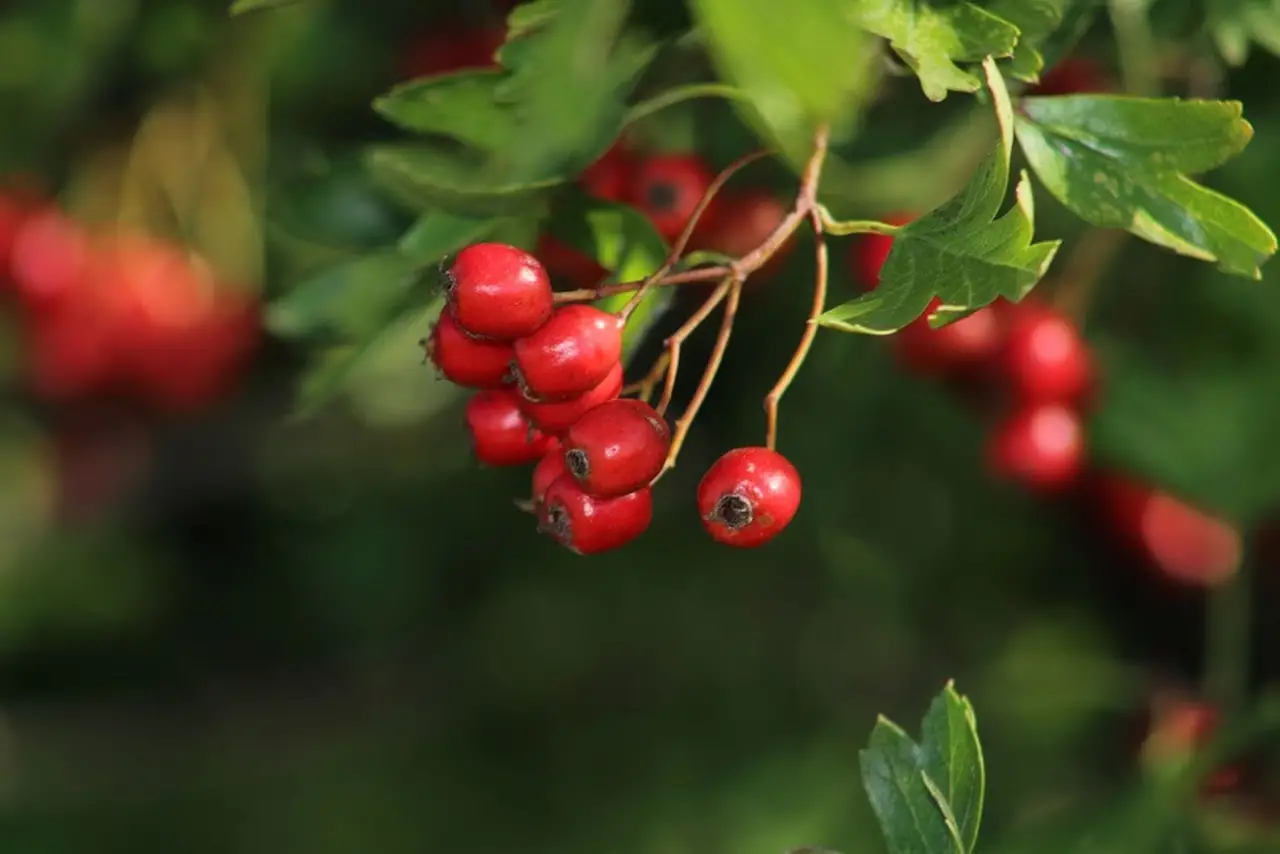
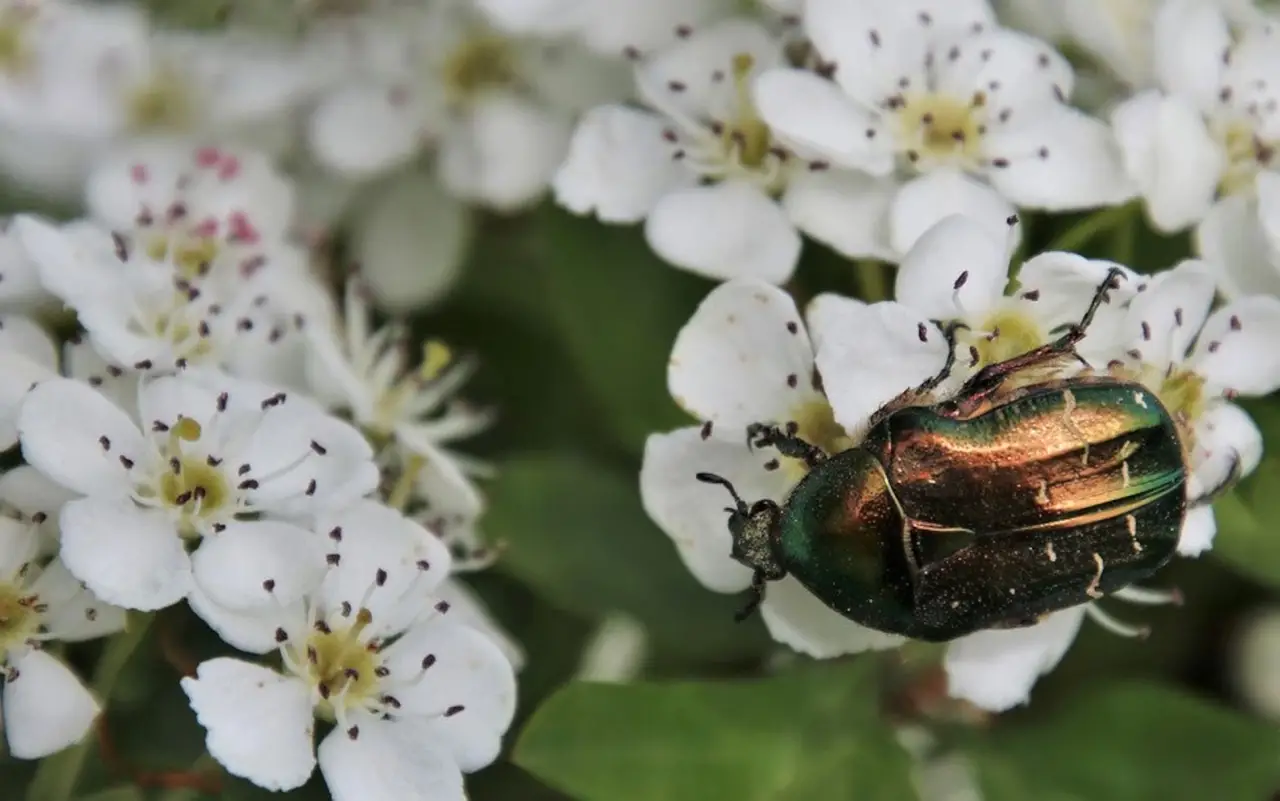
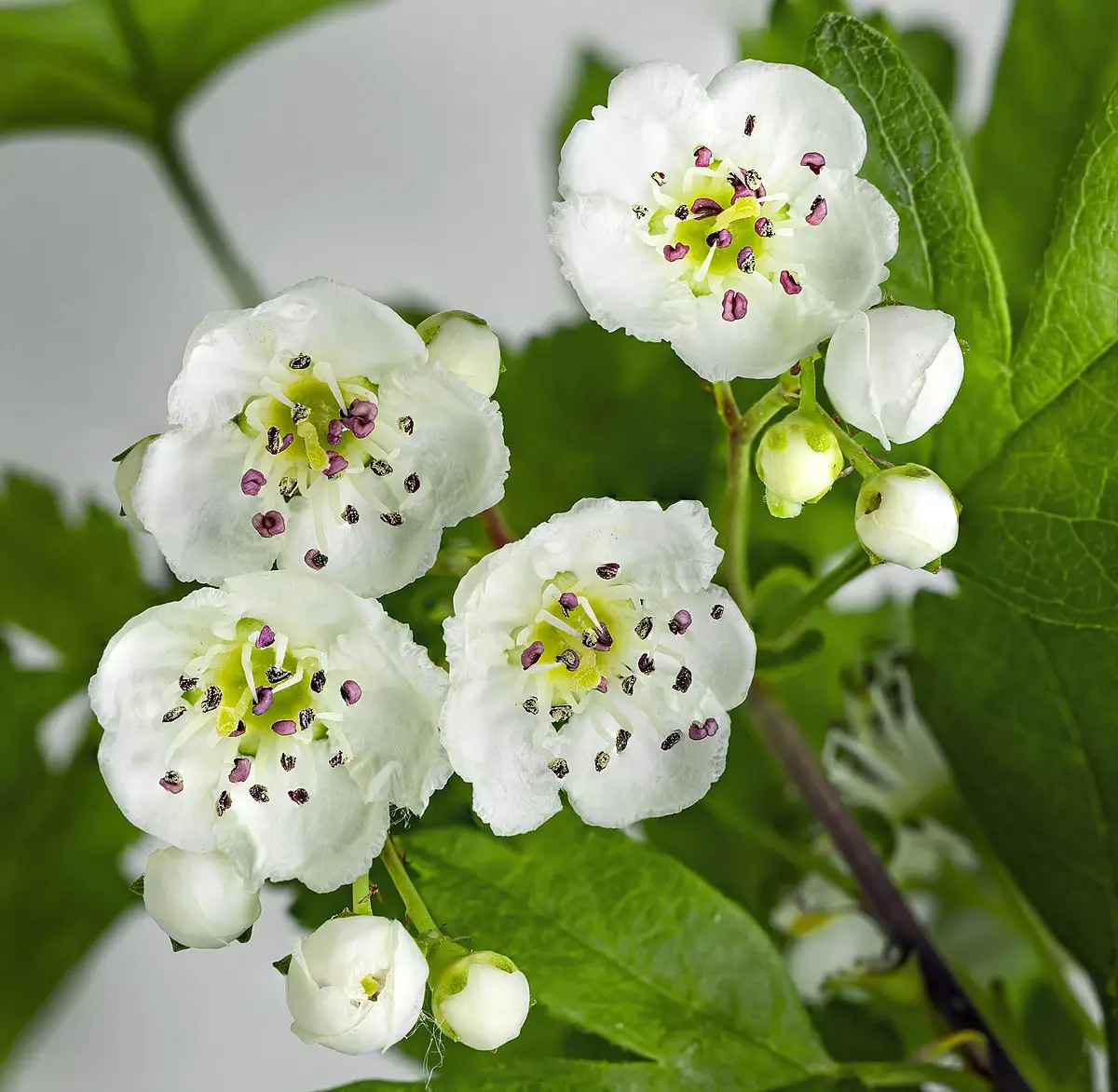
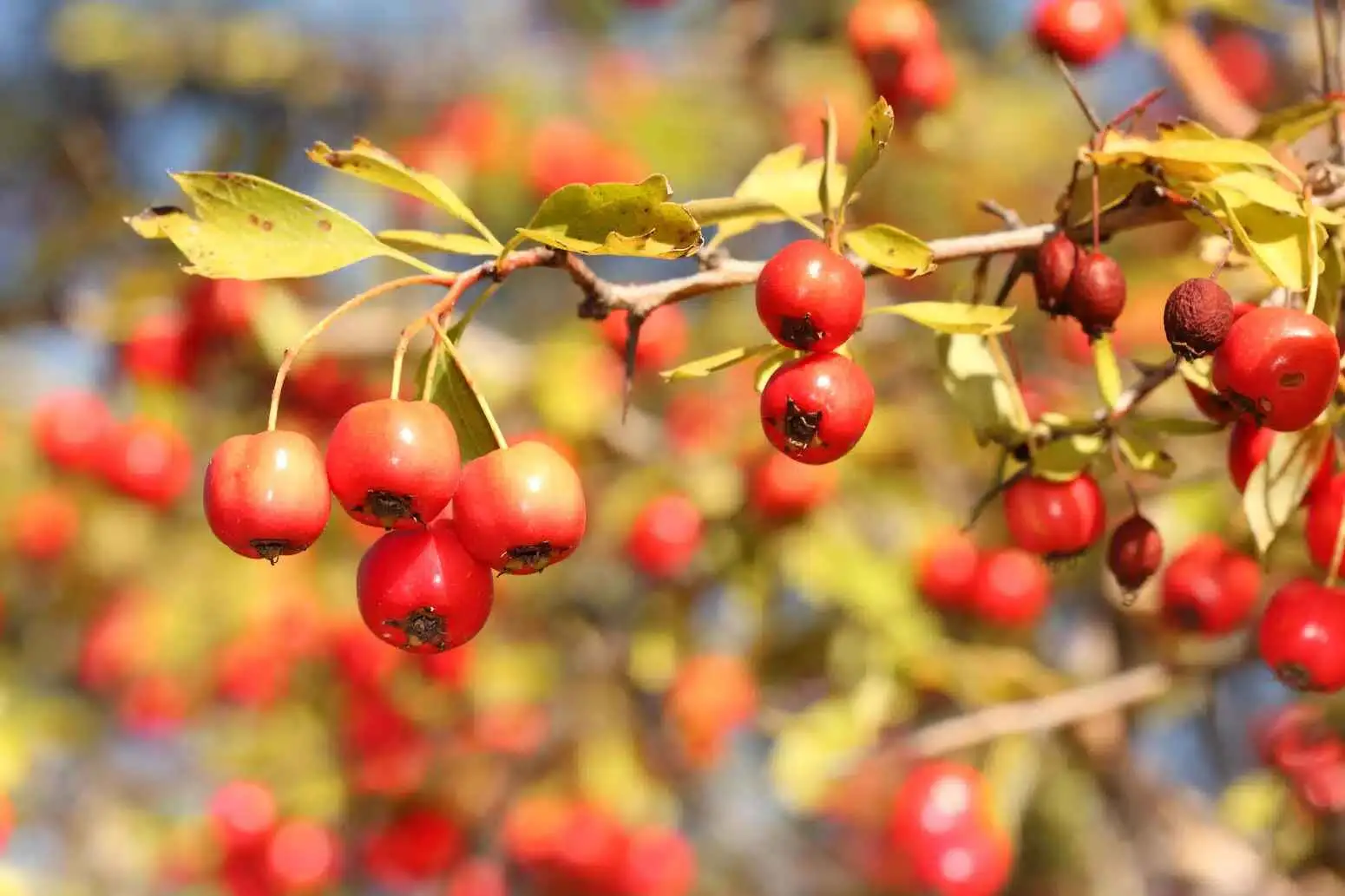
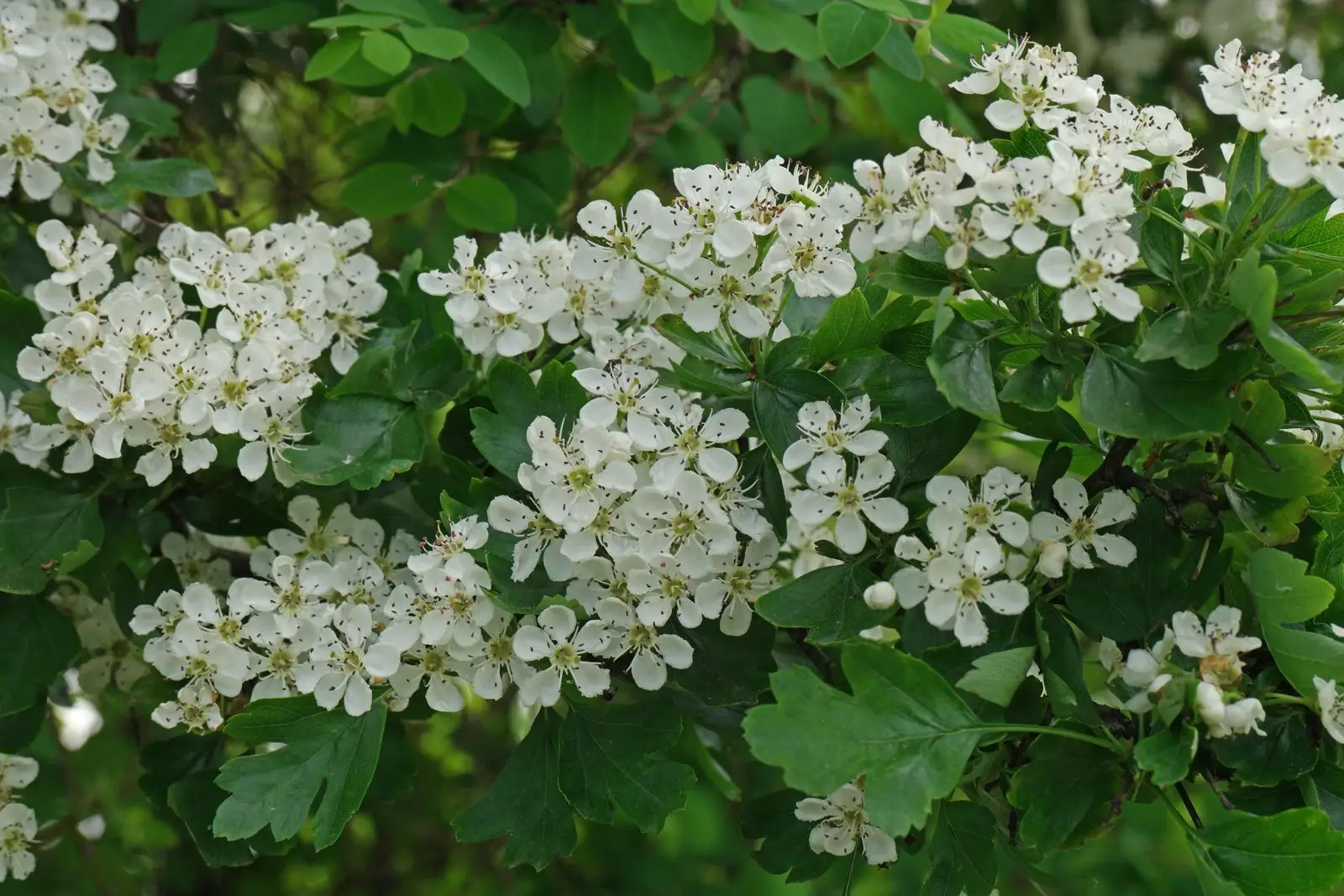
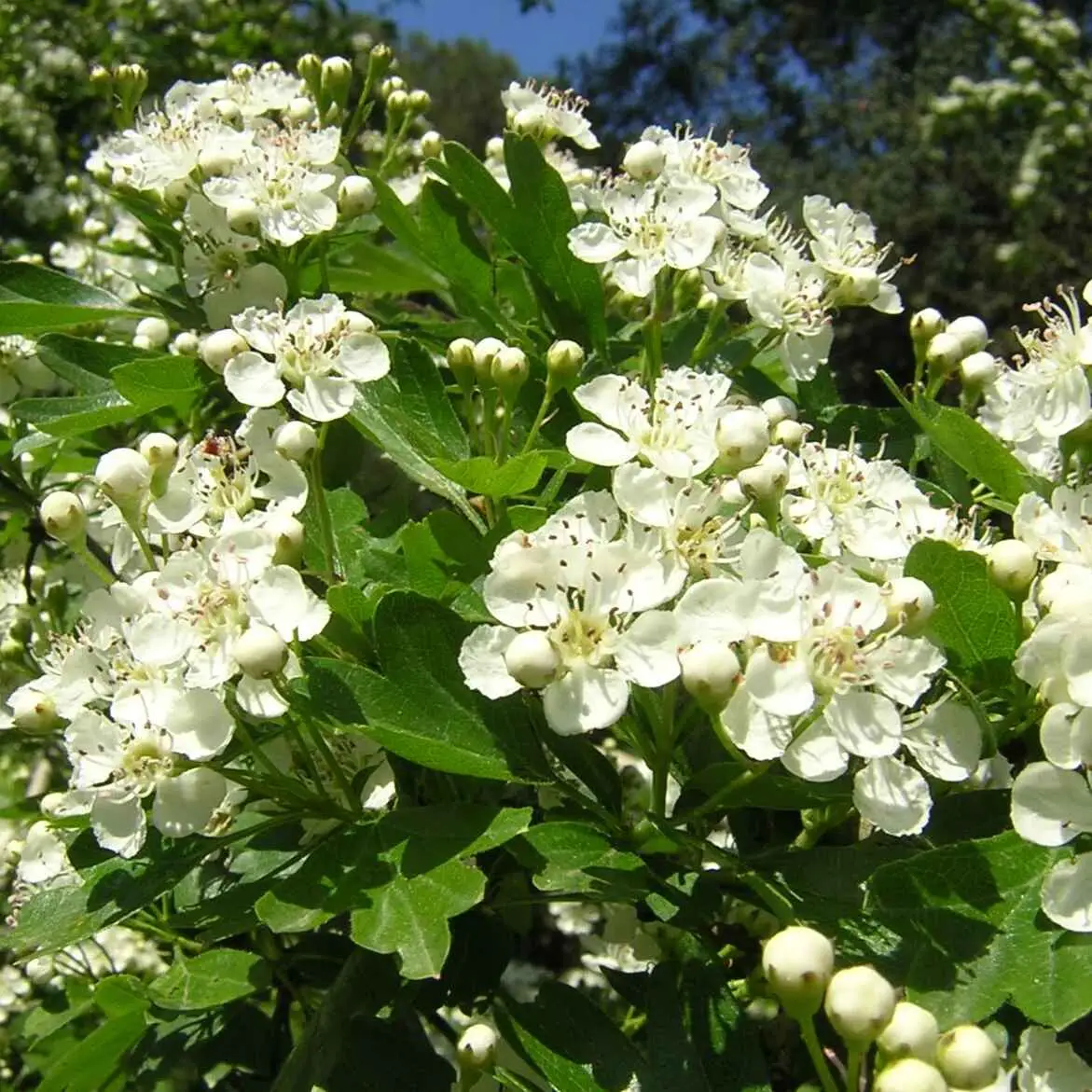
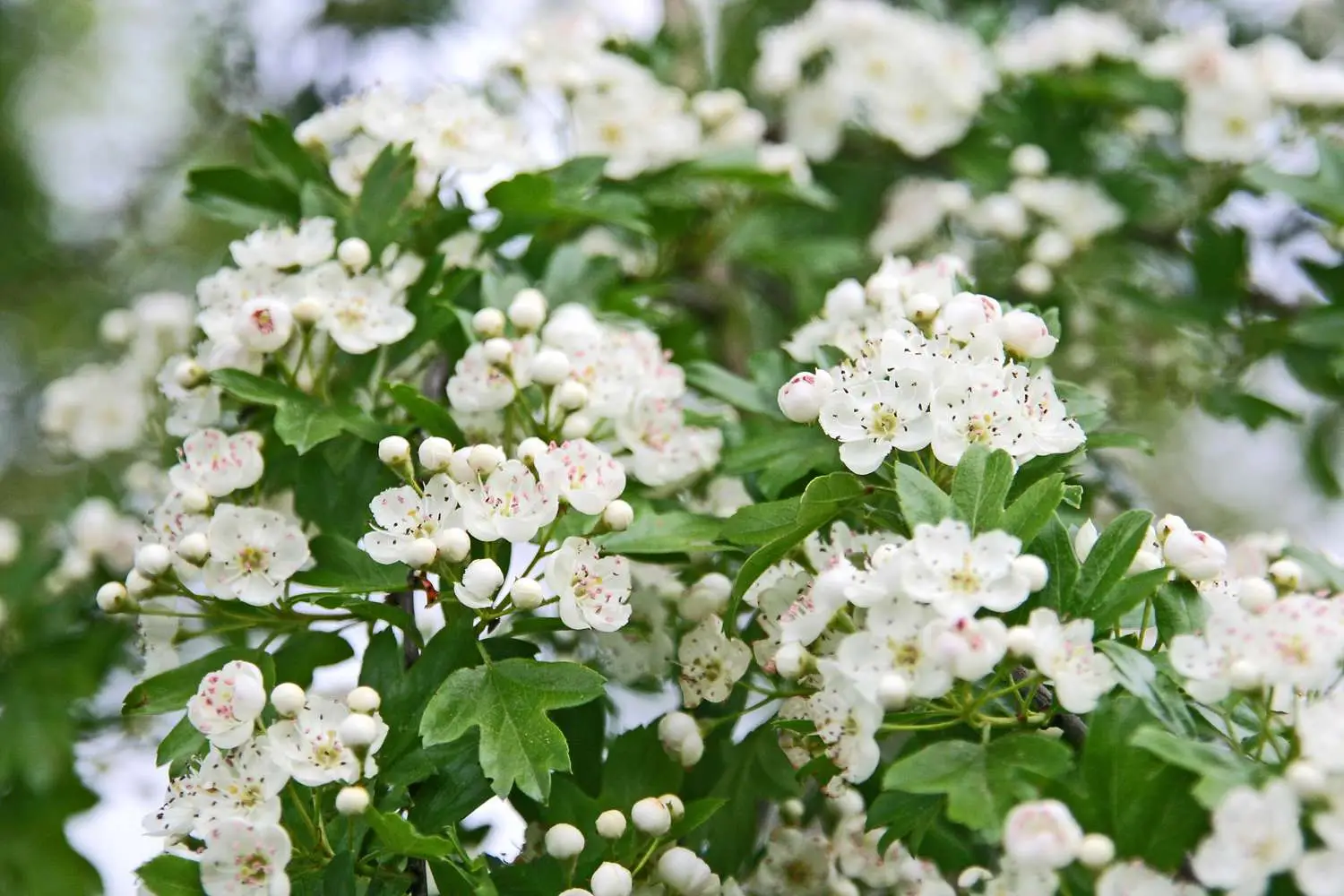
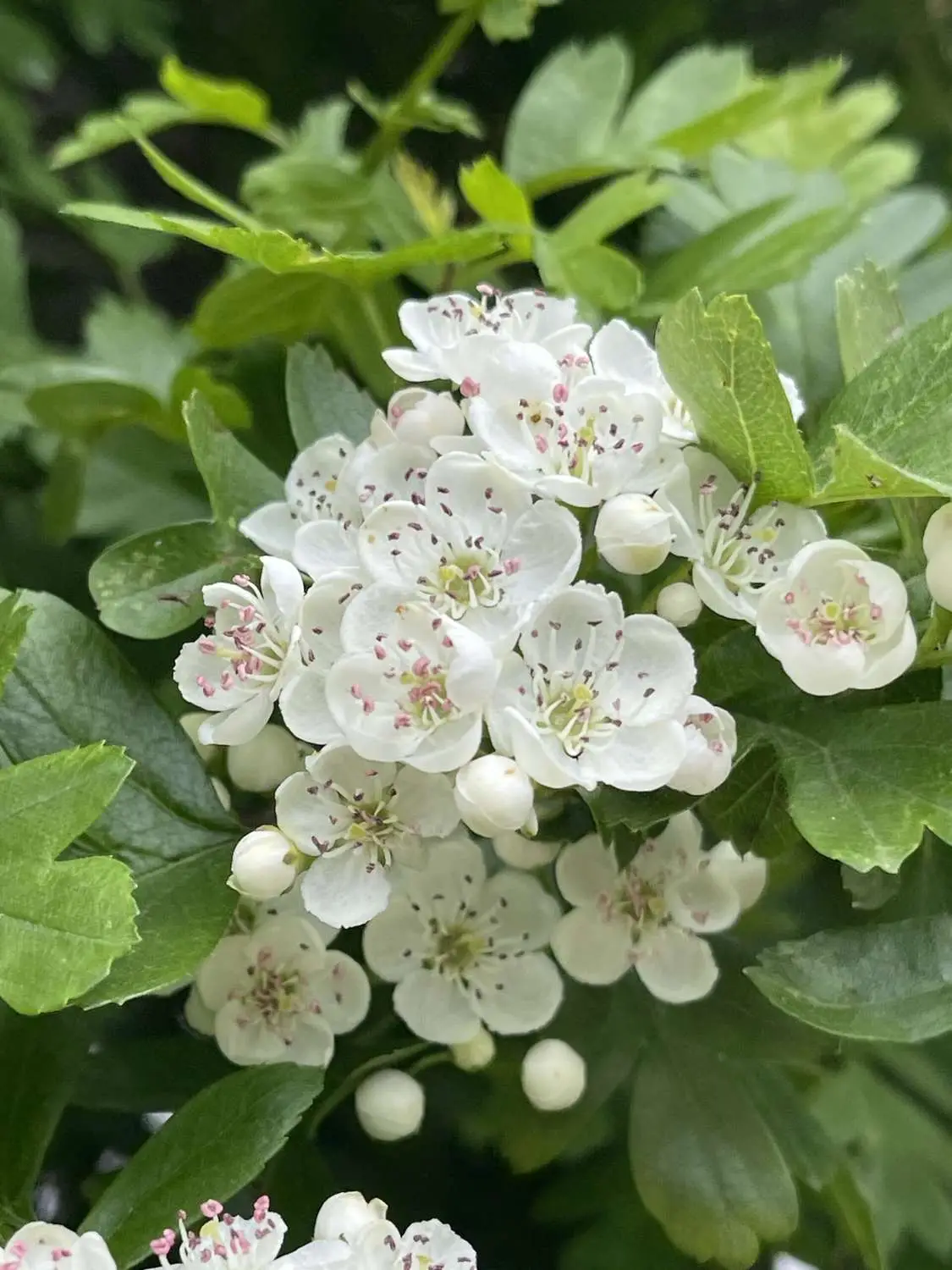
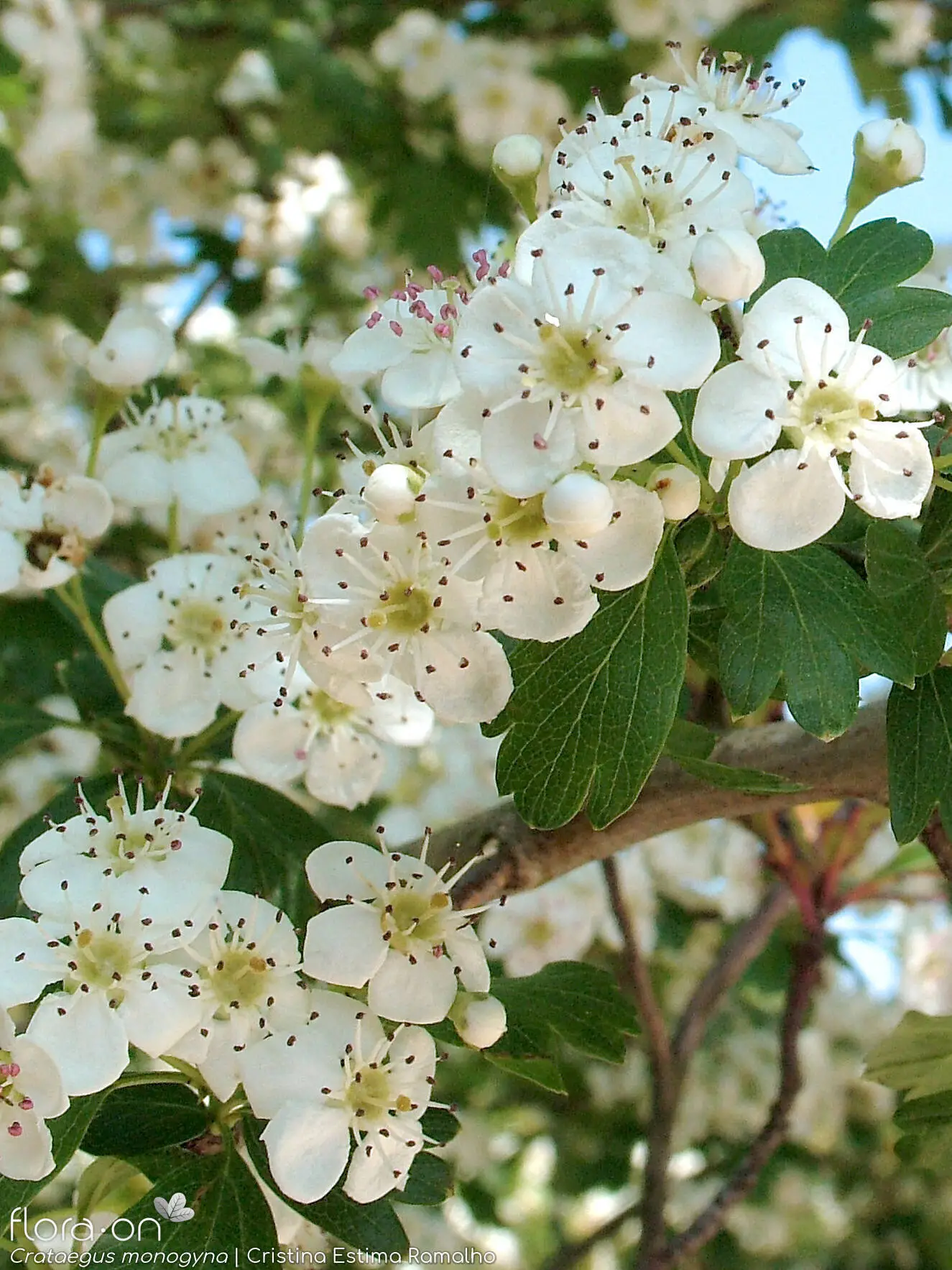
Crataegus monogyna, commonly known as common hawthorn or one-seed hawthorn, is a deciduous shrub or small tree belonging to the rose family. Native to Europe, it is widely recognized for its dense, thorny branches, which are frequently used to create durable hedgerows. The plant produces small, lobed, dark green leaves and, in late spring, clusters of small, fragrant white flowers that are a significant food source for pollinators. These flowers develop into small, red, berry-like fruits called “haws” in the autumn, which are a vital food source for wildlife.
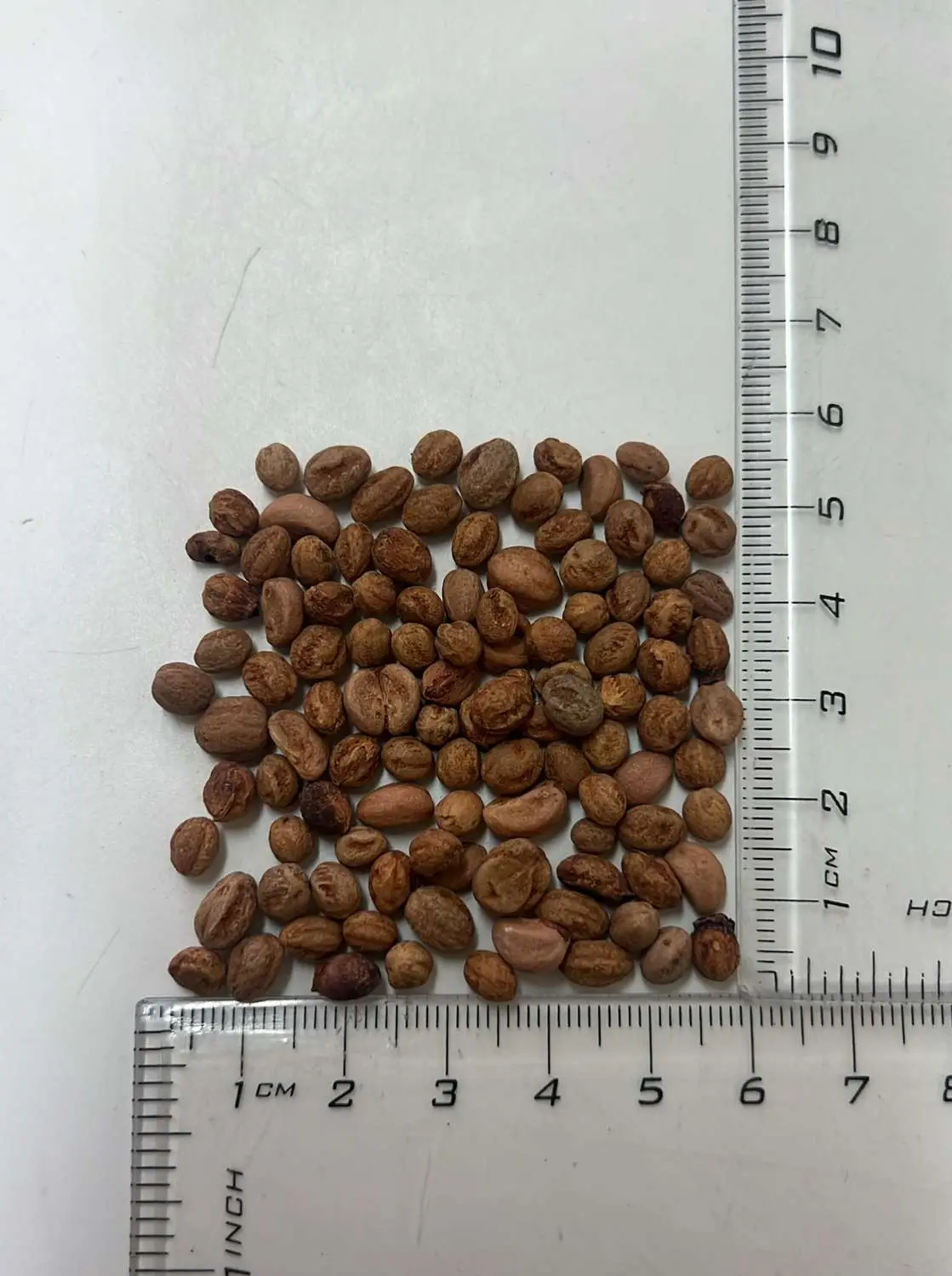
The name “monogyna” (one-styled) refers to the single style in the flower, which results in each haw containing a single, hard seed. These seeds are difficult to germinate due to their thick, protective coat, and typically require a prolonged period of both warm and cold stratification to break dormancy. They are primarily dispersed by birds that consume the haws, thereby aiding in the plant’s reproduction and spread.
Germination Guide
Crataegus (english)
Crataegus seeds require two stages in pre-treatment so that they can germinate satisfactorily.
The two stratification processes require a period of 3 months.
Pre-treatment:
To start the stratification procedure, the seeds must be immerse in warm water for a period of 24 hours and then they must be dried.
Procedure 1): the seeds must be sown in a good quality substrate (light and porous), or placed in a ziplock bag in a humid medium, it must not be dropped, (good quality substrate, peat or vermiculite) and keep at temperature environment (16 - 22º c)
Procedure 2): then the seeds must be stratified in the fridge for a period of 3 months, you can just transfer procedure 1 to the fridge..
Note: the stratification must be carried out in a humid medium (it should not be dropped), just a humid environment. If you squeeze the substrate in your hands and drain water, it will be dropped. Mix the seeds with the substrate in a plastic pot, close the pot and place it in the bottom part of the refrigerator, where temperatures generally oscillate in the 5º c range.
If you prefer, you can use it in a transparent ziplock bag or plastic bag lightly closed with a knot.
Planting: use good quality substrate, plant the seeds, lightly covering them and keep the seed at room temperature (between 16 - 22º c), and germination must start within 2 weeks.
Newly sowed seeds must not be exposed to high temperatures (temperatures, above 24º c.), otherwise they may be induced to a new dormence.
Keep the seedlings with adequate humidity and free of weeds, aclimatate before planting in the definitive location.
Only logged in customers who have purchased this product may leave a review.


Reviews
There are no reviews yet.