
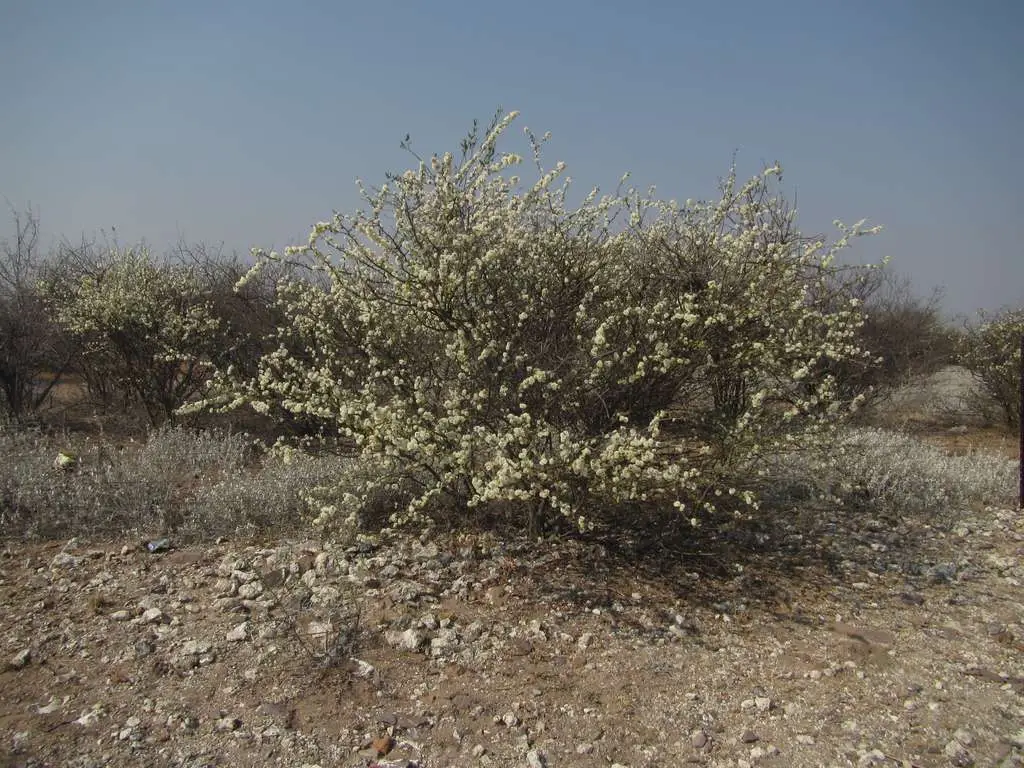
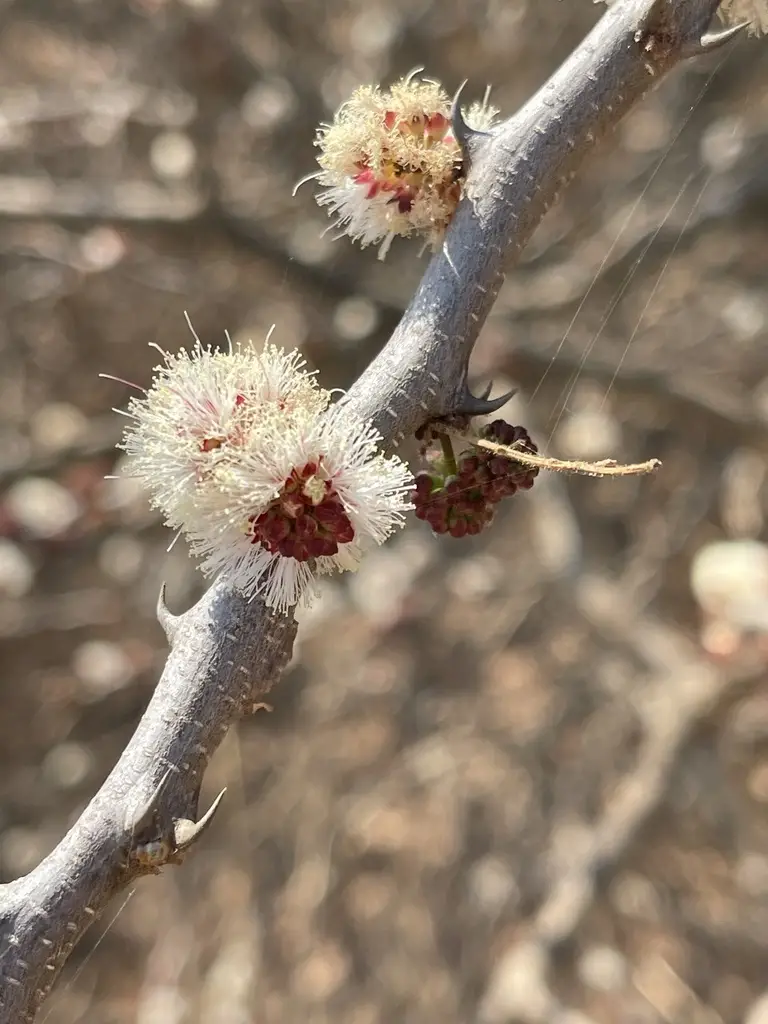
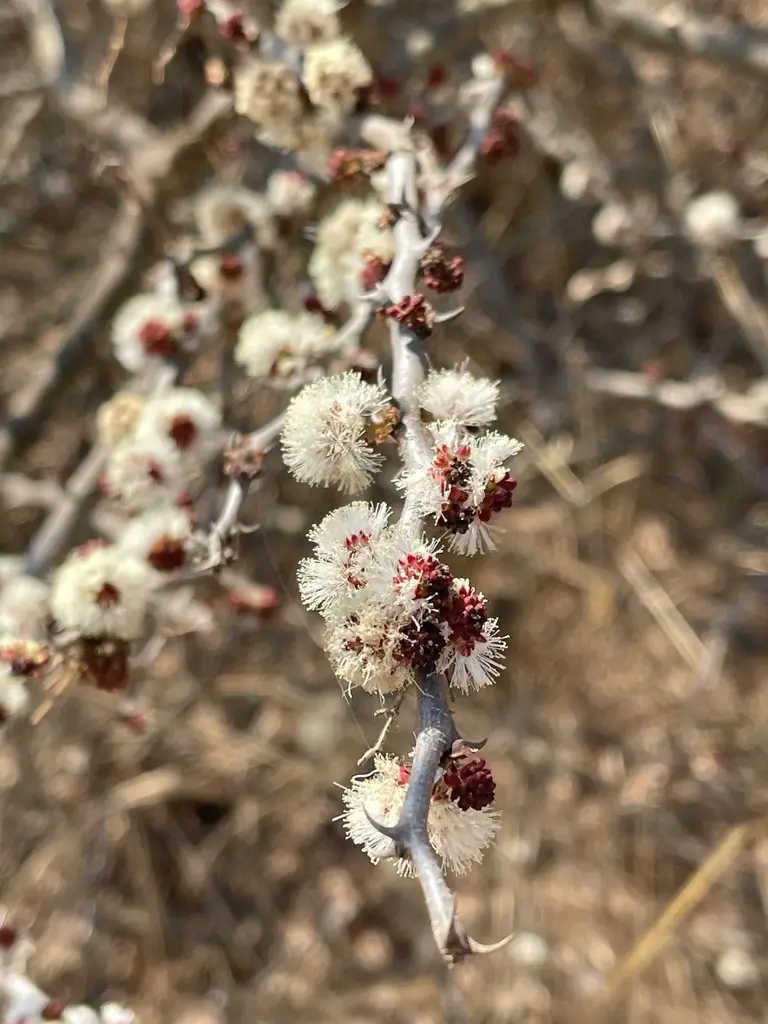
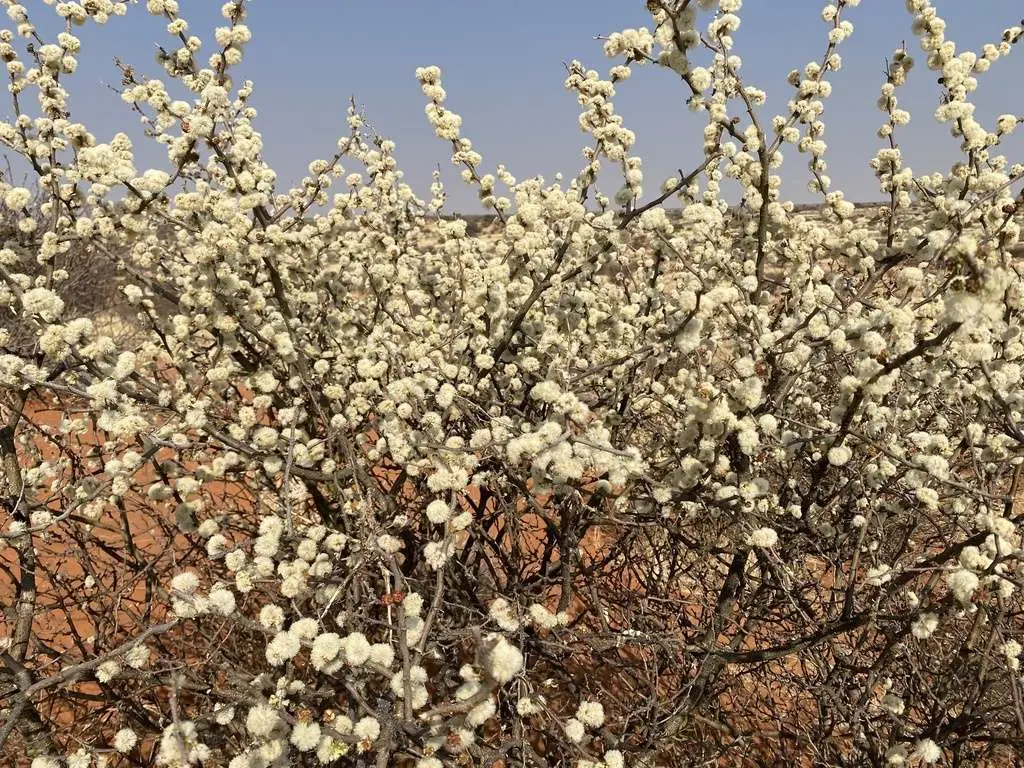
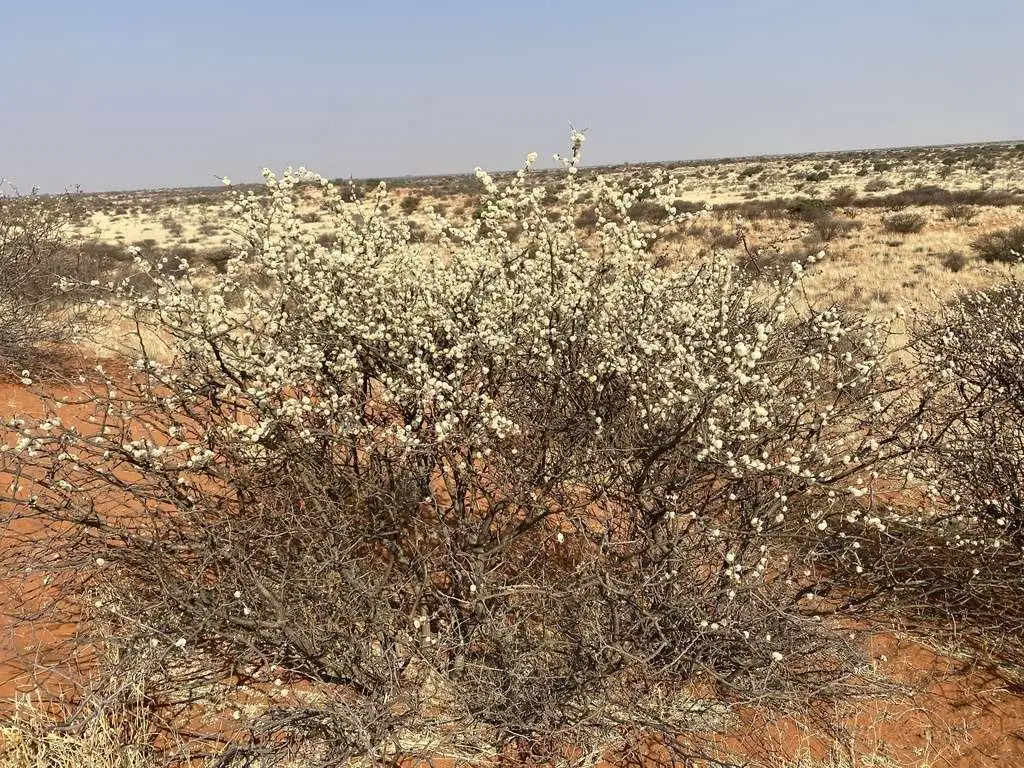
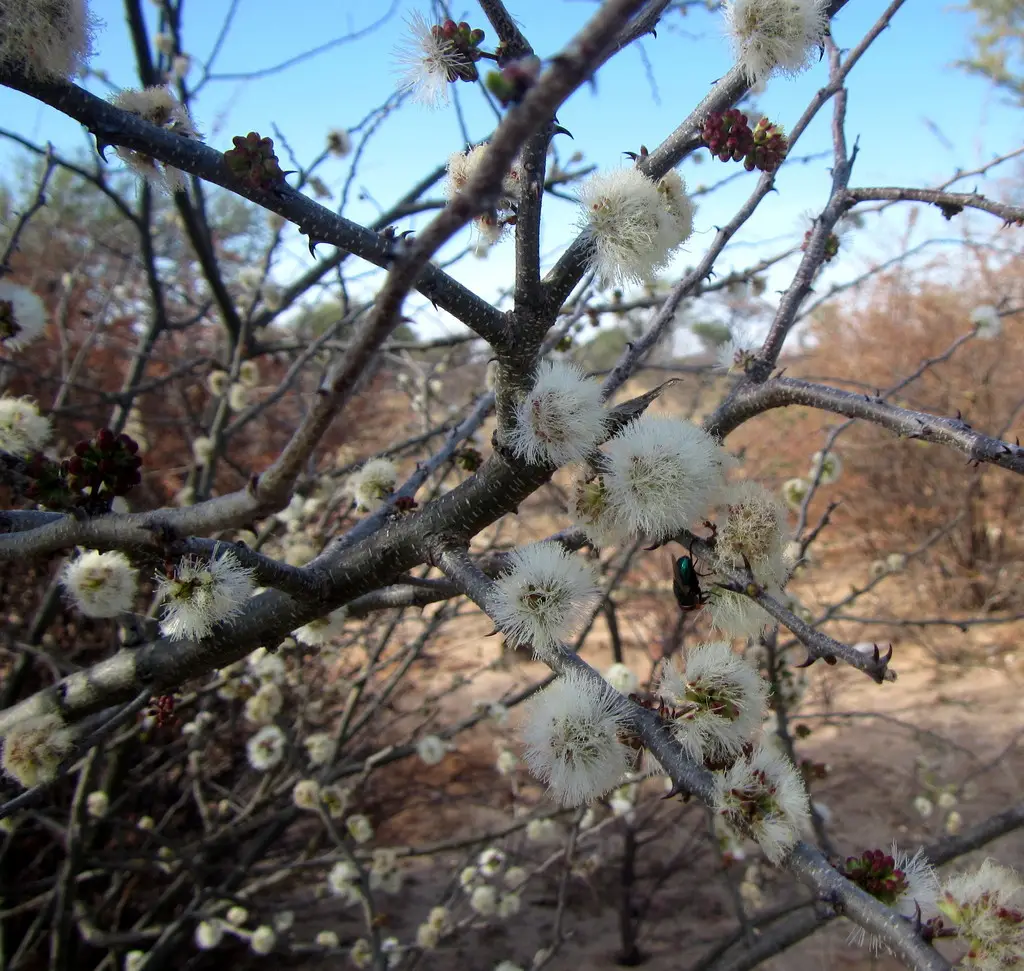
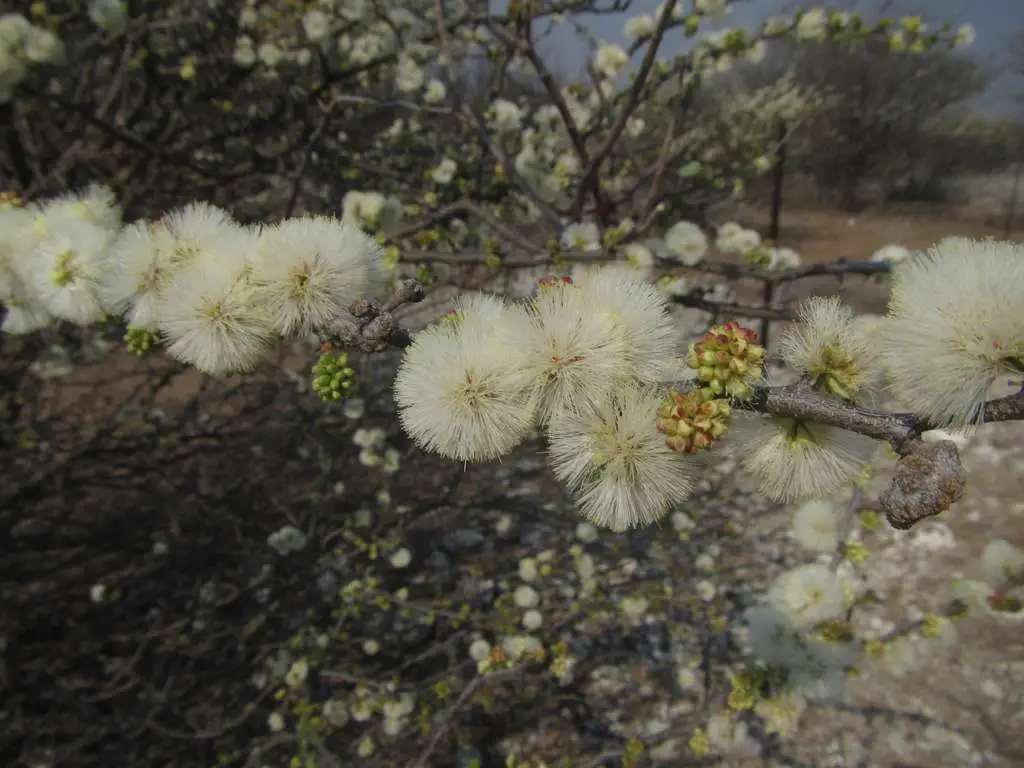
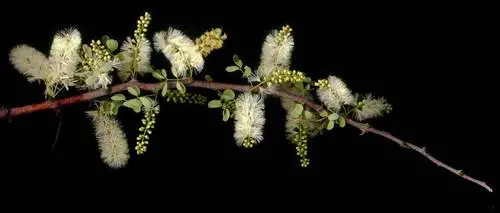
Grow the tree legendary beekeepers plant for liquid gold. The flowers are attractive to bees, which produce a high quality honey. Fragrant, sweetly scented flowers borne in dense hanging spikes bloom reliably—even in drought. This species is drought-tolerant. Easy from seed. Watch bees dance across your own honey-production powerhouse.
€1.92
Plant the tree beekeepers have revered for centuries for its singular gift: extraordinary honey.
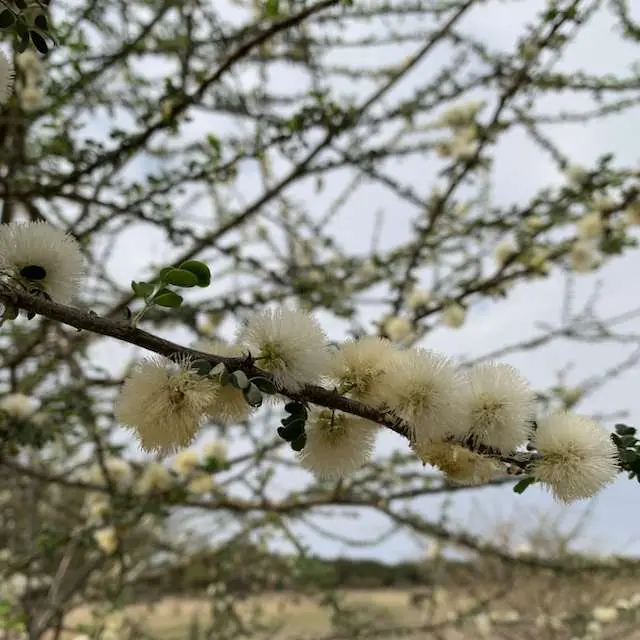
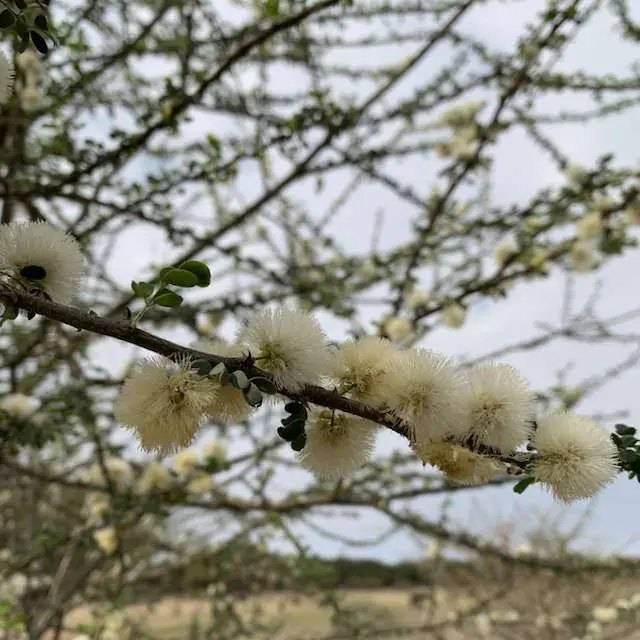
Acacia mellifera carries its meaning in its name—*mellifera*, the honey-bearer. Native to the African savanna, this handsome small tree or sprawling shrub has become the obsession of serious beekeepers worldwide. Why? Because few plants unlock such consistent, high-quality honey production. During the flowering period, bees forage in the late morning to mid-afternoon when the weather is hot and dry, resulting in a tasty, slow granulating honey.
**The Beekeeper’s Secret Weapon**
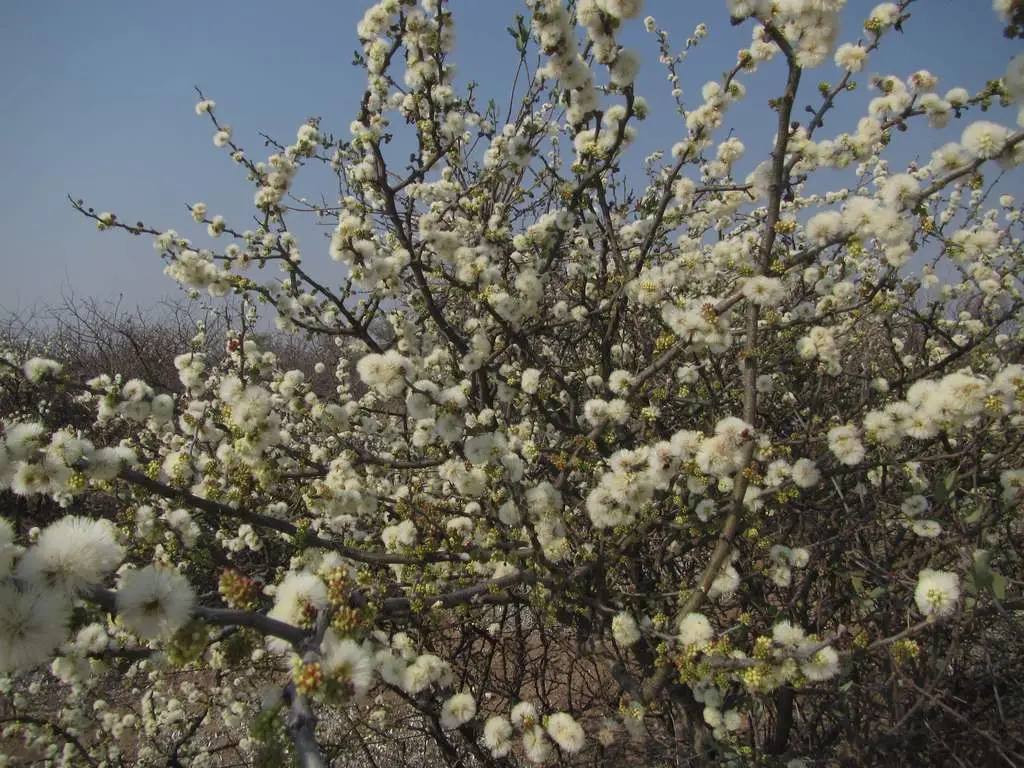
This is where Acacia mellifera becomes irresistible to anyone serious about apiary. The flowers are attractive to bees, which produce a high quality honey—that’s the botanical promise. But here’s the commercial reality: beekeepers from Hungary to Kenya to California plant this tree specifically to increase honey yields. It flowers prolifically and is a valuable honeybee plant. The blooms arrive reliably in late winter to spring, a critical window when hives need nourishment and bees are building strength. The fragrance alone—sweetly scented, in elongated spikes—draws bees like a magnet. Whether you’re running a commercial operation or managing a backyard hive, Acacia mellifera transforms from ornament into revenue. Some beekeepers plant entire groves. You can start with one seed.
**Beauty in Thorns**
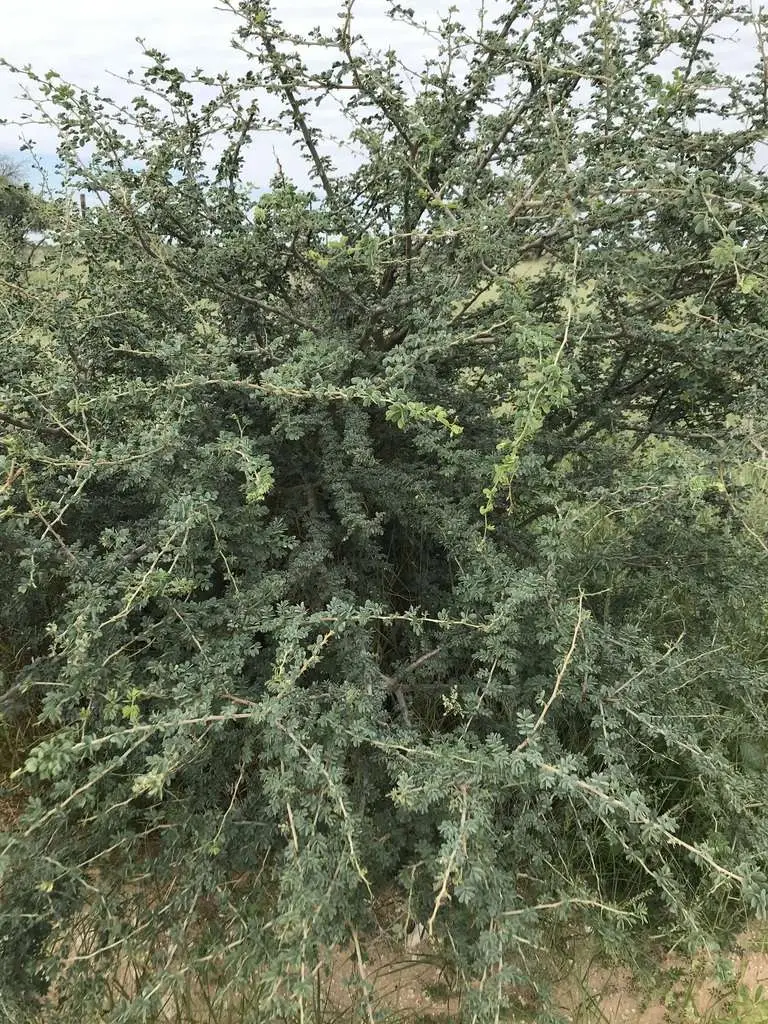
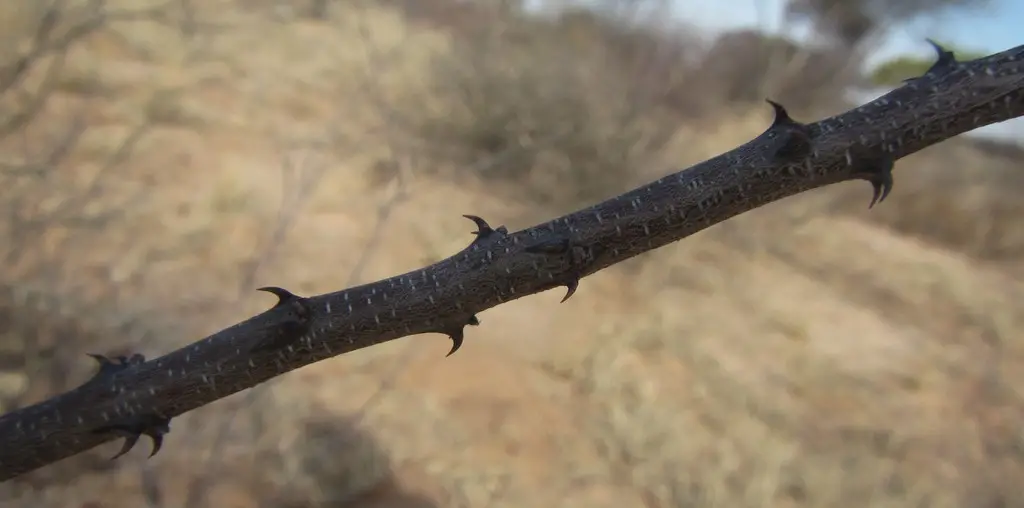
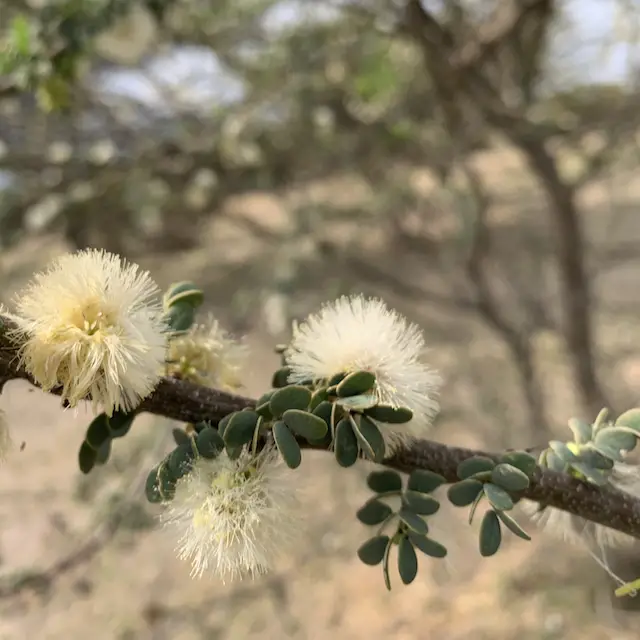
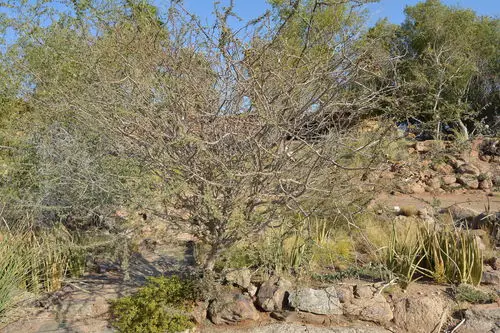
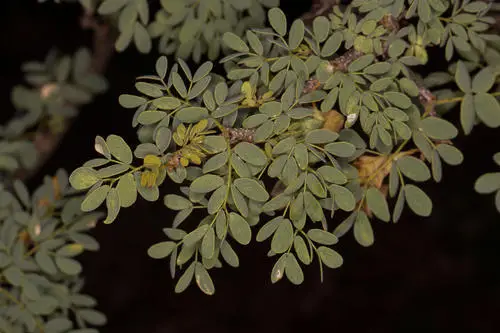
Don’t mistake this for a wallflower. The flowers are fragrant, sweetly scented, 3-5 cm long and creamy white in colour, borne in dense hanging spikes. The tree itself carries architectural drama—particularly curved and darkly-coloured thorns give it a fierce, sculptural presence. It grows as a compact, branching shrub or small tree (3–9 metres), perfect for containers, hedging, or specimen planting in dry climates. Initially green, black thorn leaves become glaucous with maturity, adding subtle silver-blue tones as the tree matures.
**Ease & Resilience**
This species is drought-tolerant, thriving in arid and semi-arid conditions where other plants surrender. It has a shallow but extensive root system radiating from the crown, allowing the plant to exploit soil moisture and nutrients from a large volume of soil. It’s nitrogen-fixing, improving the soil beneath it. And propagation? Delightfully straightforward. Direct sowing of seeds is the common method of artificial propagation. Seed are soaked in concentrated sulphuric acid for 5-15 min or in hot water, left overnight and planted the next morning. Seeds usually germinate from the 5th day onwards. This isn’t a finicky, demanding species—it’s a vigorous, reliable producer.
**Grow Honey from Seed**
When you plant these seeds, you’re planting a living connection to ancient beekeeping tradition. In weeks, you’ll have seedlings. In a season or two, tiny fragrant flowers. Within a few years, a productive honeybee magnet that will flower year after year, enriching your landscape and your harvest. Start from seed—it’s the grower’s way. Watch this tree teach you what real abundance looks like.
Only logged in customers who have purchased this product may leave a review.

Reviews
There are no reviews yet.