
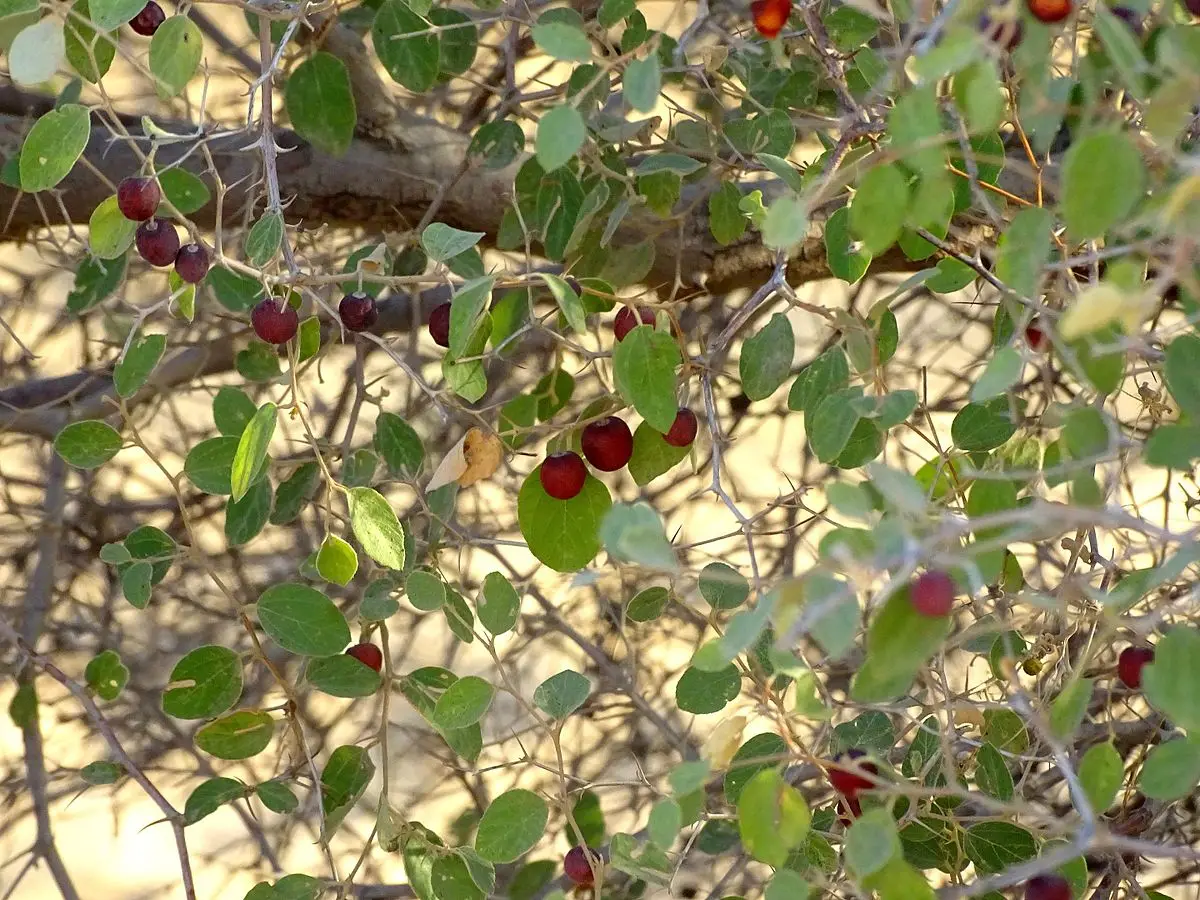
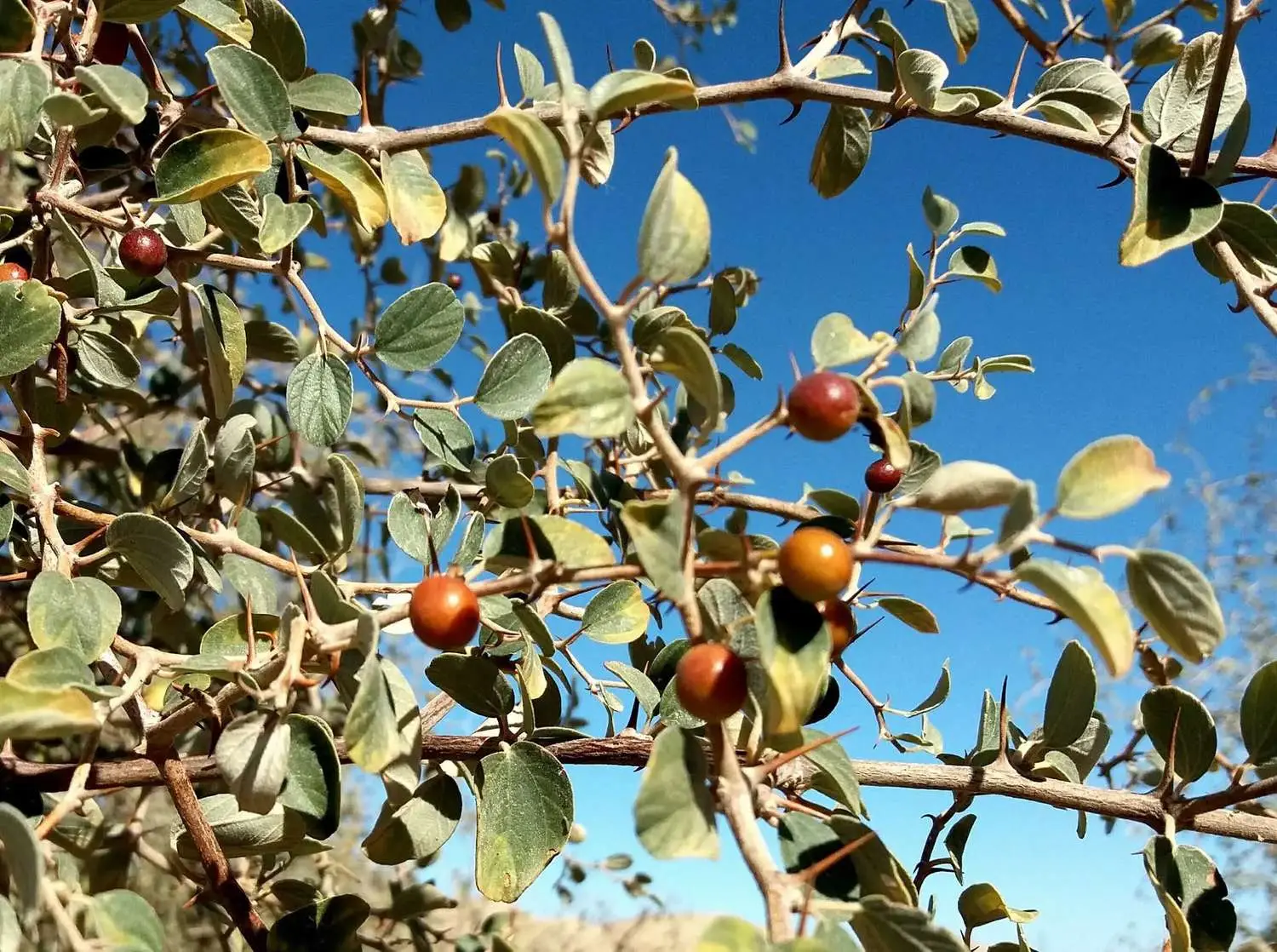
Grow your own source of sweet, nutritious ber fruit—prized for 4,000 years across Asia. These small, golden globes burst with natural sweetness and medicinal compounds; eat fresh, dry them, make jam or ferment into drink. Incredibly easy to grow from seed: thrives in poor soil, tolerates extreme drought, loves sun. The plant you’ll forget to water that keeps rewarding you year after year.
€3.53
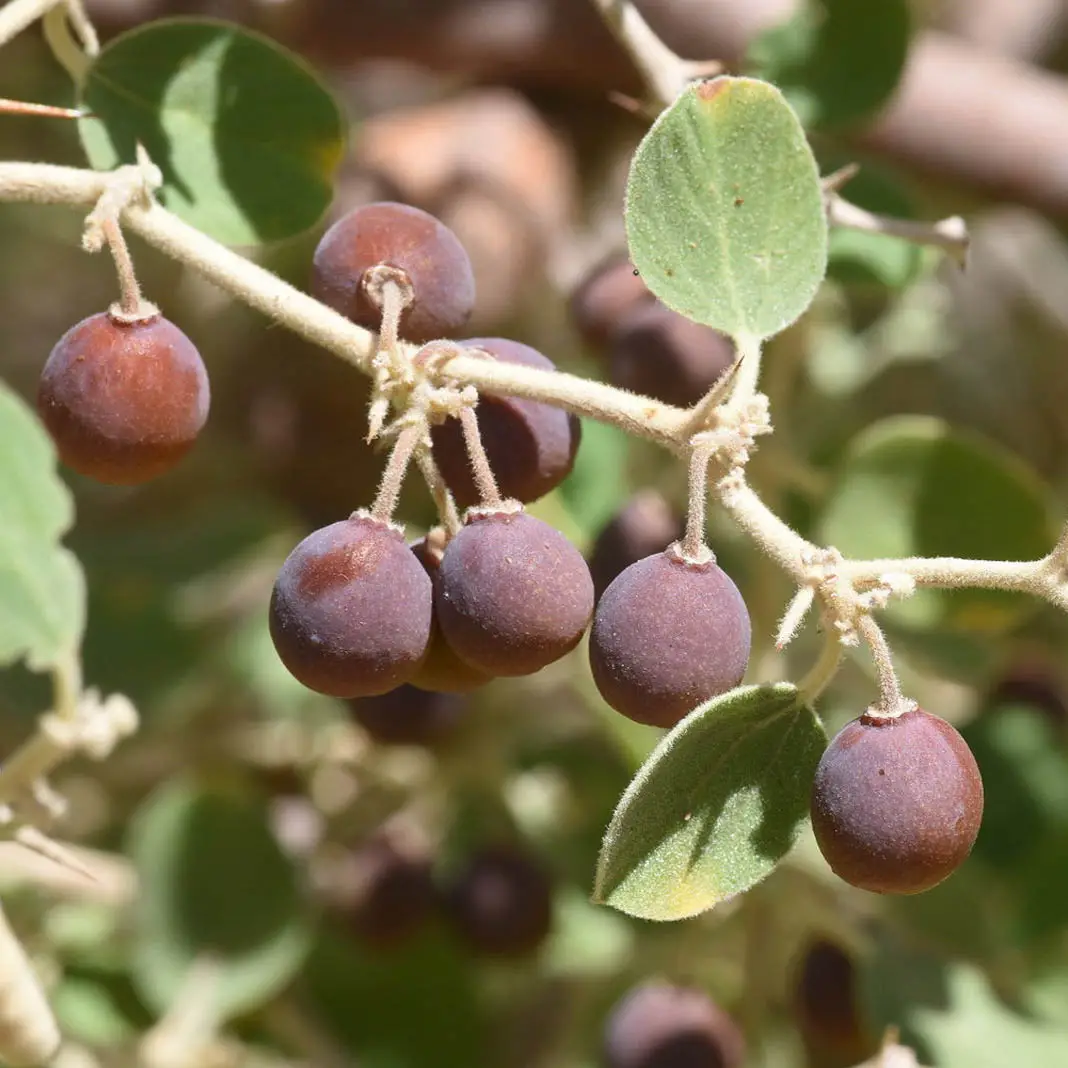
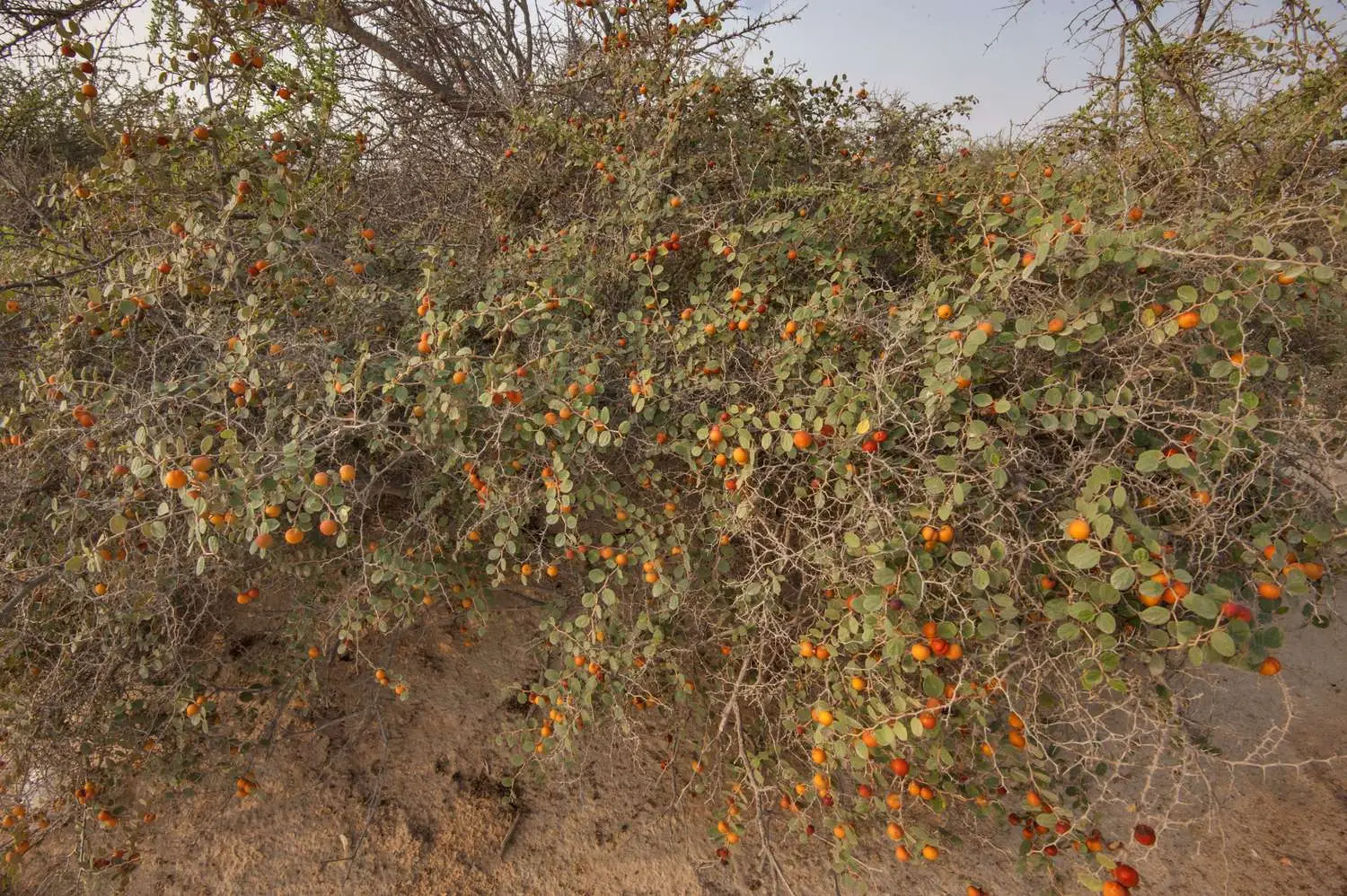
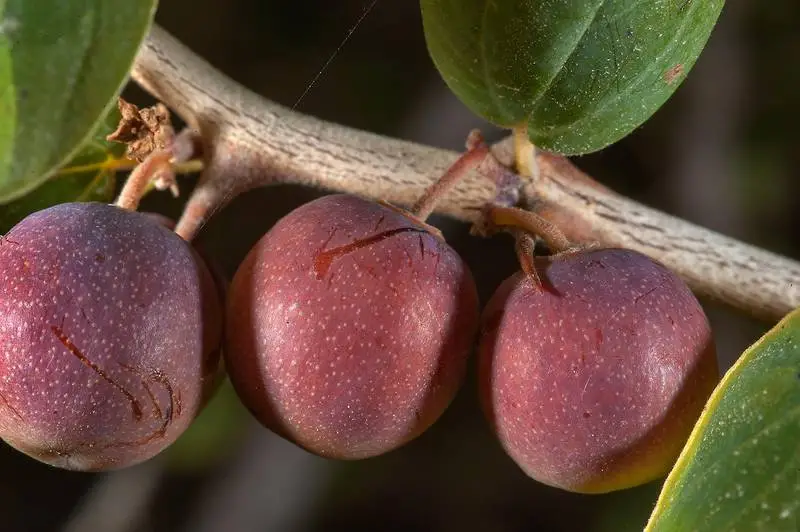
The fruits are edible, sweet, and acidic, small round globes that ripen from green to gold—and once you taste one, you’ll understand why ber has been in use for almost 4000 years in India. Ber has been recognized as a valuable edible fruit since mythology of Ram and Shabari in India and depicted in Ramayana.
Ziziphus nummularia, commonly known as wild jujube or jharberi in Hindi, is a species of Ziziphus native to the Thar Desert of western India and southeastern Pakistan, south Iran, Afghanistan, Lebanon and Zimbabwe. This is a plant that has survived millennia in one of Earth’s harshest environments—and now it can thrive in your home or garden. The branches and twigs have a velvety texture and a pale purplish colour. The alternately arranged leaves are simple and ovate, 2.5 cm (1 in) long, with serrate margins; the upper surface of the blade is dark green and glossy, and the under surface is white and downy.
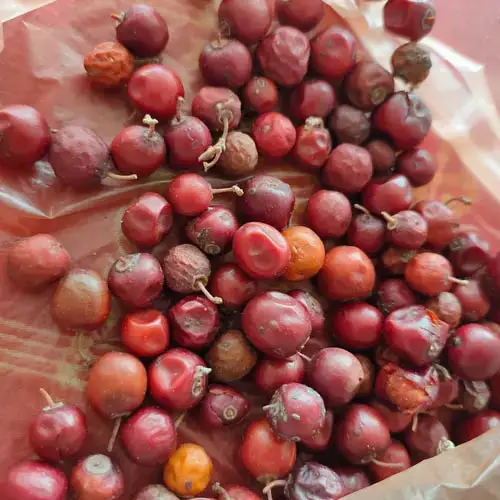
**THE FRUIT: CULINARY TREASURE & MEDICINE IN ONE.** The fruits of Ziziphus Nummularia are edible and have a sweet and sour taste. They can be eaten fresh or dried and are often used in the preparation of jams, jellies, and desserts. The fruits are rich in vitamins and minerals, making them a nutritious addition to the diet. But this plant is far more than a culinary delight. Ziziphus nummularia, a small bush of the Rhamnaceae family, has been widely used in traditional folk medicine, is rich in bioactive molecules, and has many reported pharmacological and therapeutic properties. Its fruit is used as food; it has a cooling effect and removes biliousness, and its ripened fruit powder has been reported to treat constipation. Its leaves are used in the treatment of scabies and other diseases of the skin, conjunctivitis, diarrhea, gastrointestinal spams, and helminthiasis. The roots are used for the treatment of dysentery and the stem bark is used for alleviating joint pain as well as sore throat and bleeding gums. Every part of this plant is medicine.
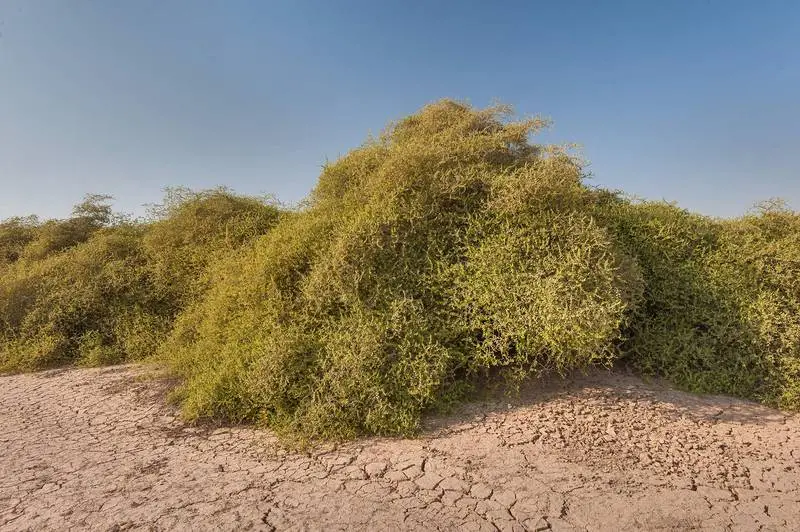
**GROWN WITH EASE—THIS IS THE PLANT THAT ASKS FOR NOTHING.** Ziziphus nummularia thrives in arid to semi-arid climates, exhibiting high drought resistance due to its extensive root system that accesses deep soil moisture. It tolerates annual rainfall ranging from 100 to 1000 mm, with optimal growth in regions receiving 200-800 mm, and can endure prolonged dry periods common in desert fringes. The species prefers well-drained, poor soils, including sandy, loamy, gravelly, and rocky substrates, often on eroded or skeletal lands where other plants struggle. It demonstrates halophytic traits, tolerating saline and alkaline conditions with a soil pH range of 6.6-8.5, making it suitable for marginal, salt-affected areas in arid ecosystems. It thrives in full sun and tolerates a variety of soil types, although well-drained sandy or loamy soil is preferable. Once established, the plant requires minimal watering once established, making it a sustainable option in regions prone to drought. To successfully germinate Ziziphus nummularia seeds, start by cleaning the seeds, then soaking in water for about 24 hours to soften their hard seed coat. After soaking, scarify the seeds by gently rubbing them with sandpaper or nicking them with a knife to facilitate water absorption and enhance germination. Plant the scarified seeds in well-draining soil, burying them at a depth of approximately 1-2 centimeters. Maintain a consistently moist environment without waterlogging, as Ziziphus nummularia prefers well-drained conditions. Place the planting container in a warm location with exposure to sunlight. Germinat
Only logged in customers who have purchased this product may leave a review.
Reviews
There are no reviews yet.