Description
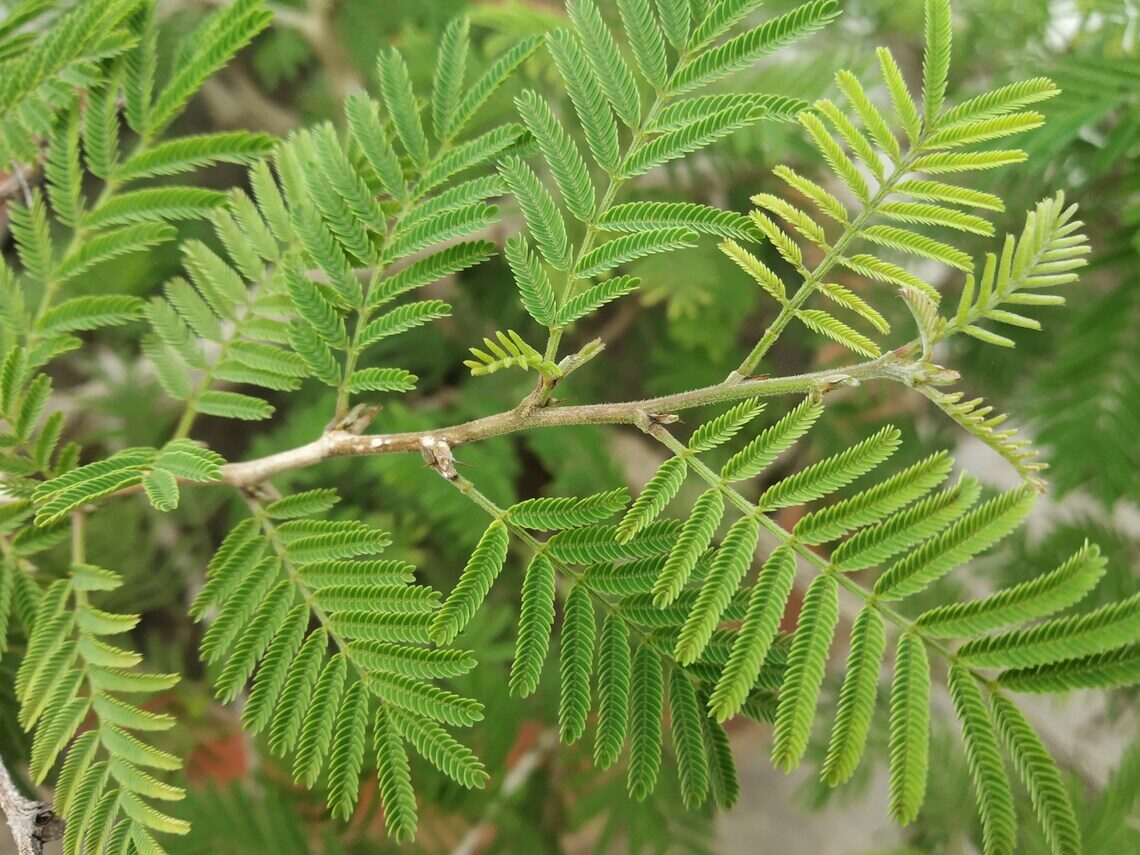
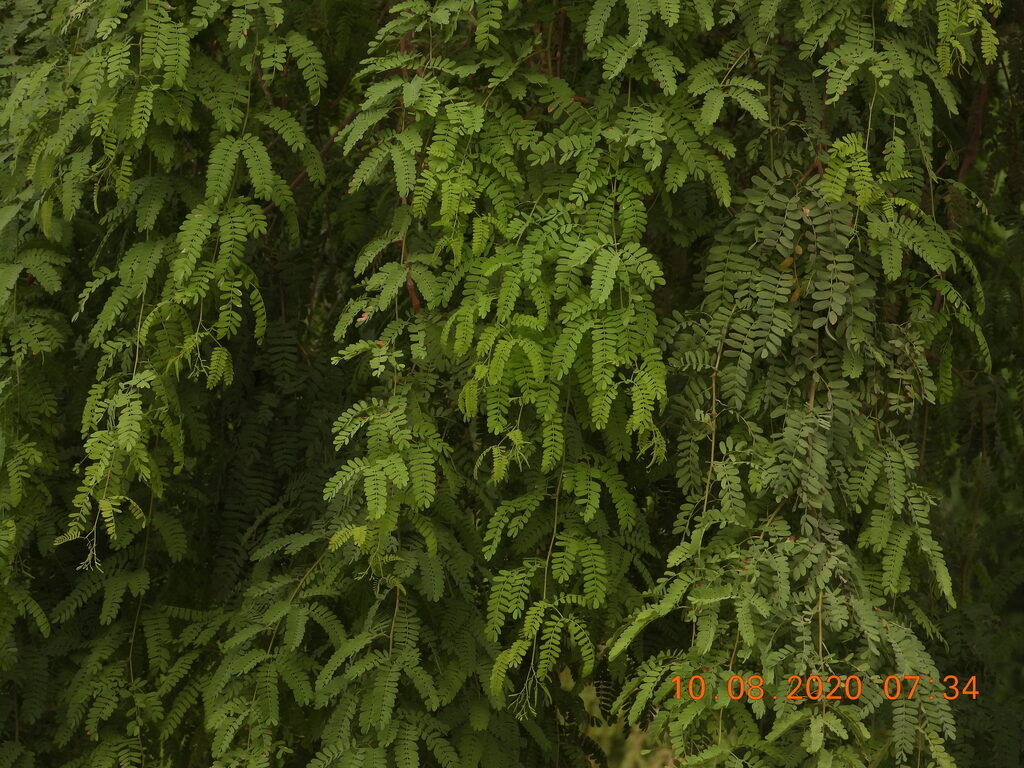
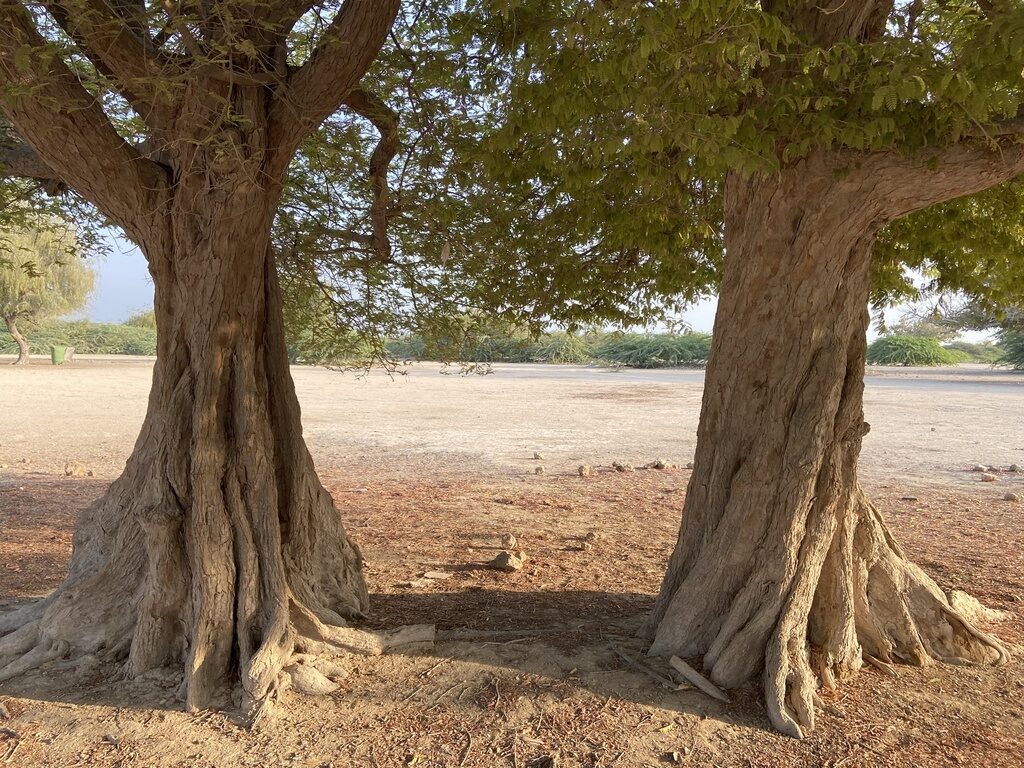
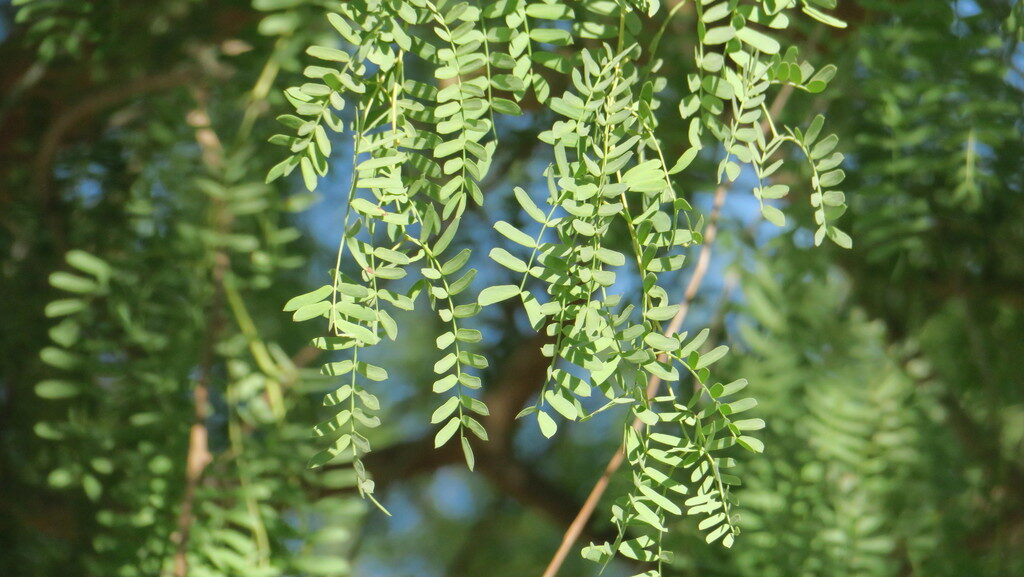
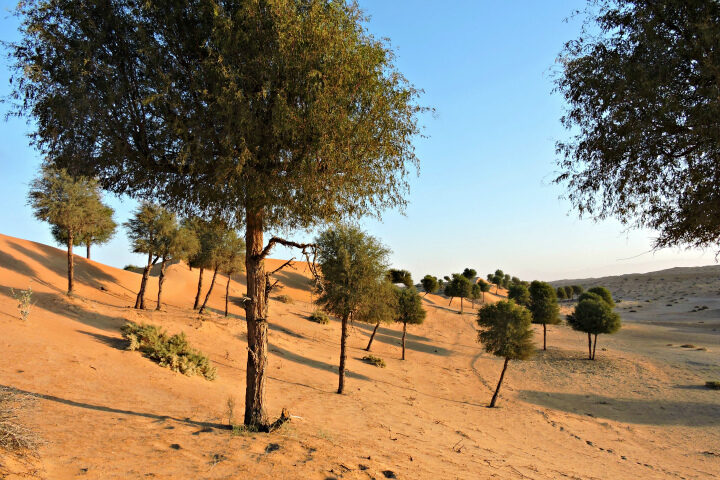
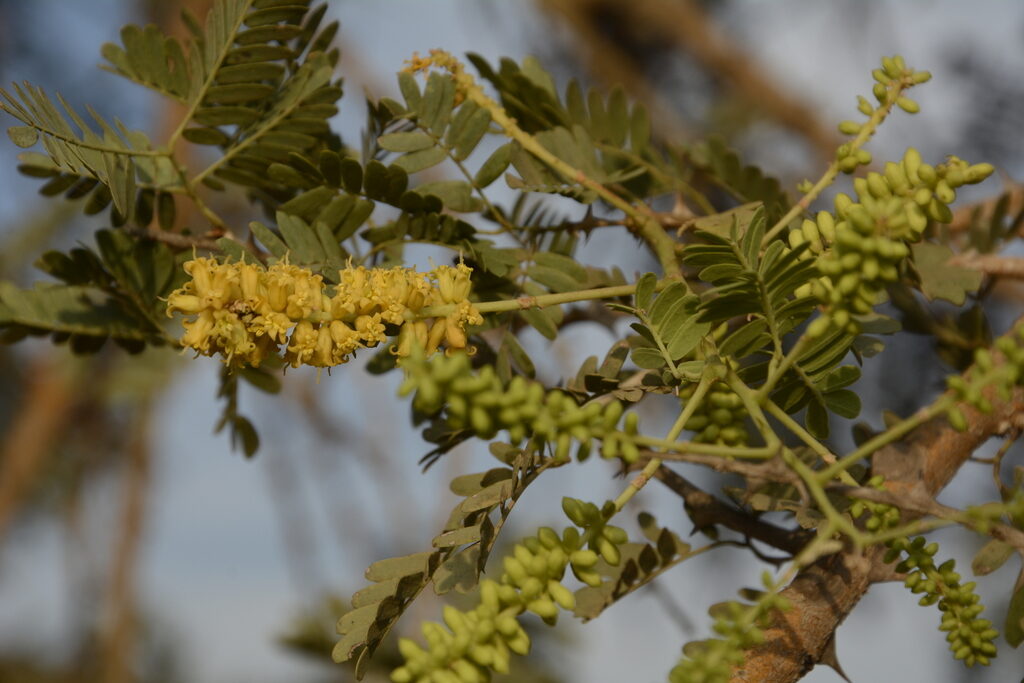
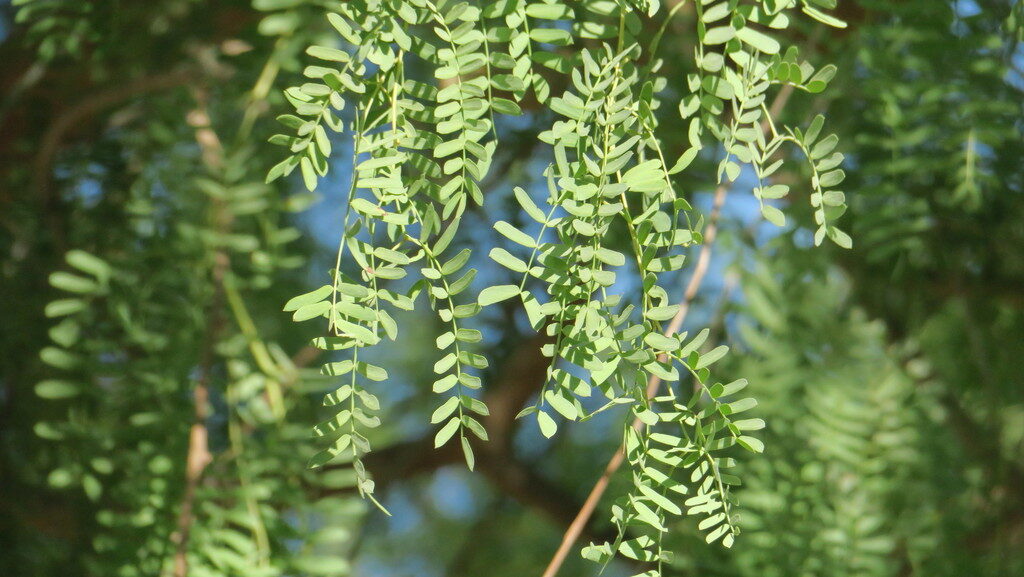
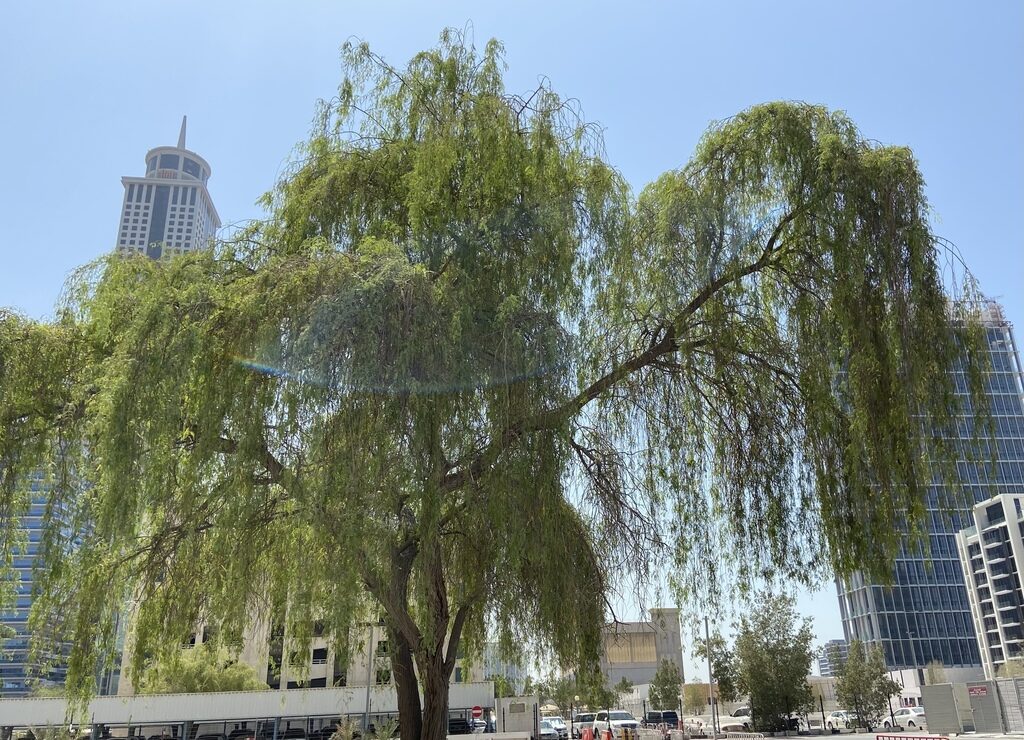
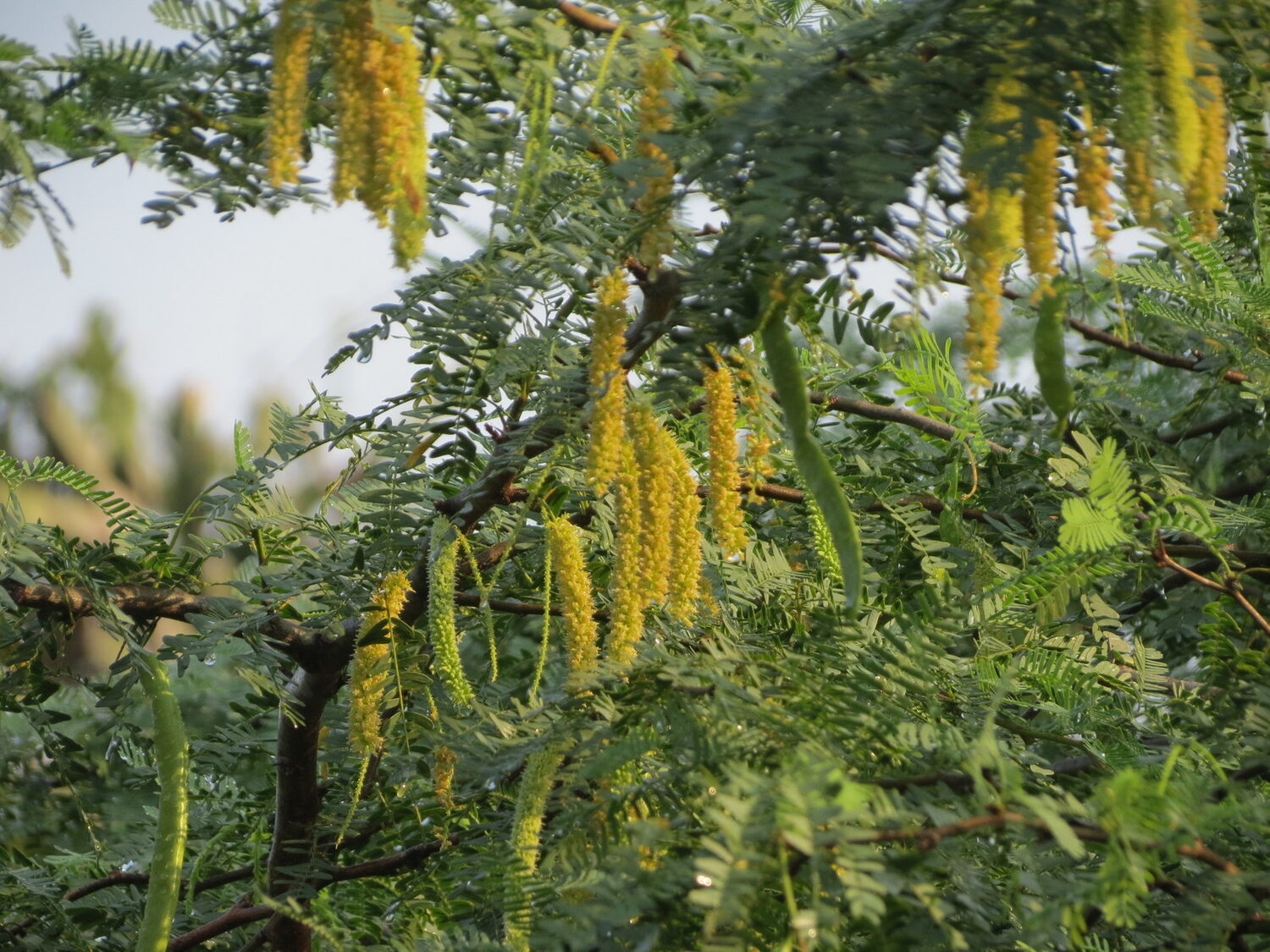
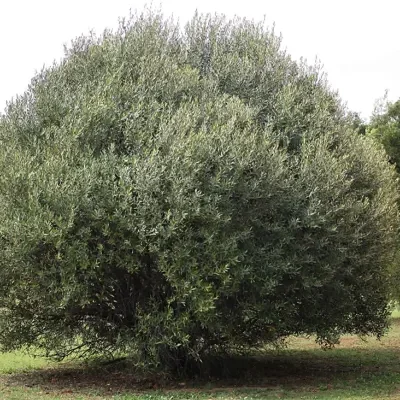
A perfect multi purpose, small to medium tree grown for its ornamental value. Evergreen foliage is light green with small mimosa like leaves accented by blooms, here and there, of white to mild yellow that hang in slender spikes from March – May. Normally found in dry arid regions if India and Western Asia. Makes a great ornamental or bonsai work of art.
This tropical beauty is a vigorous, fast growing plant perfect for the deck as well as greenhouse. Growing height will depend on culture, with potted plants remaining much smaller. A truly unique ornamental especially for plant collectors and bonsai artists.
Germination Guide
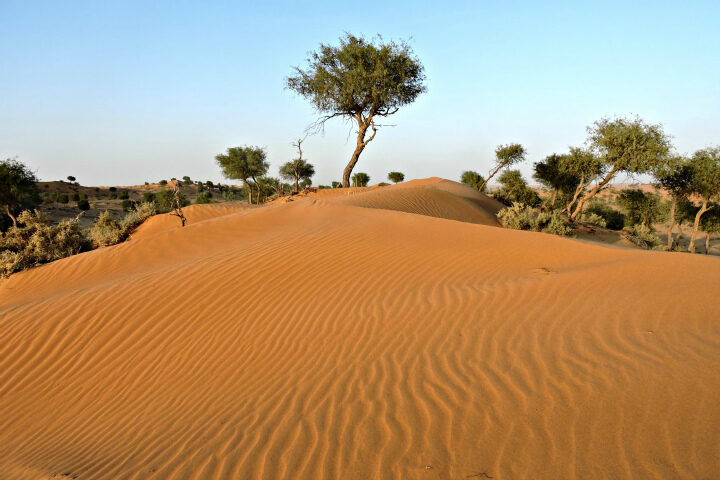
🌍 Arid portions of Western Asia and Indian Subcontinent: Afghanistan, Iran, India, Oman, Pakistan, Saudi Arabia, United Arab Emirates, Yemen
Moderate
Prosopis cineraria is a drought-tolerant legume tree native to arid regions of Western Asia and the Indian Subcontinent. Also known as Khejri, Ghaf, or Shami, it is valued for fodder, fuel, timber, and soil improvement. The species has a hard seed coat requiring scarification or hot water treatment for successful germination
Germination
Germination time
Expect germination in
7 – 14 days
Temperature
Min 20°C
Ideal 25°C
Max 30°C
Substrate moisture
💧 Medium
Sowing depth
Lightly covered
Seed Pre-treatment
-
💧
Soaking — 24 hours
Soak in tepid water for 12-24 hours after hot water treatment to soften hard seed coat
-
🔨
Hot water scarification
Hot water treatment: add small amount of almost boiling water to soften seed coat. Alternatively, mechanical scarification by nicking round end with file or knife
-
📋
Additional notes
Hard seed coat requires physical softening. Sulfuric acid scarification for 10 minutes enhances germination from <20% to 80-82%. Hot water and soaking methods are more practical
Substrate & Container
Recommended substrate
Sandy loam soil, well-draining nursery soil mix preferred
Recommended container
Tree tubes or nursery containers
Growing Tips
Seedlings can be transplanted 2-3 months after germination. Select large, heavy seeds for better germination rates. Keep soil moist but not waterlogged during germination. The tree is slow-growing initially but extremely drought-tolerant once established
Only logged in customers who have purchased this product may leave a review.

Reviews
There are no reviews yet.