Description
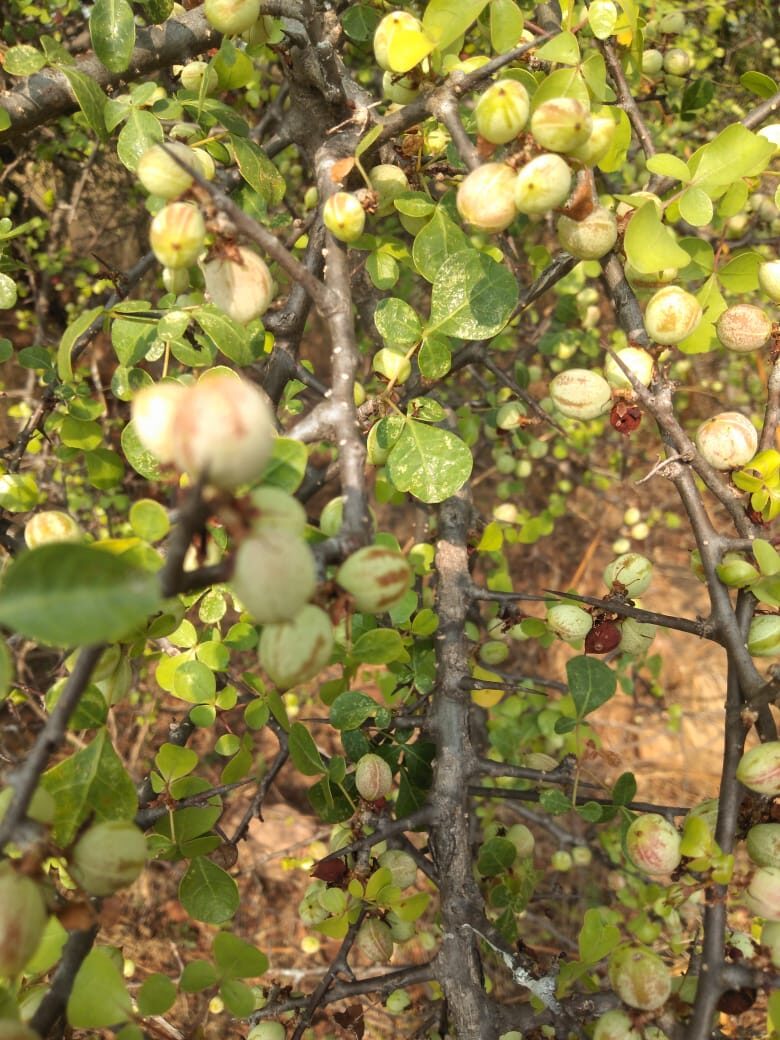
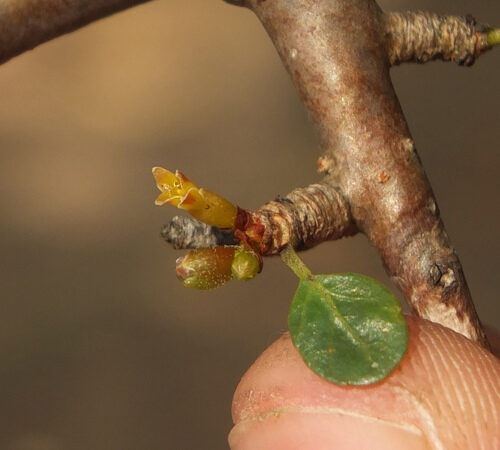
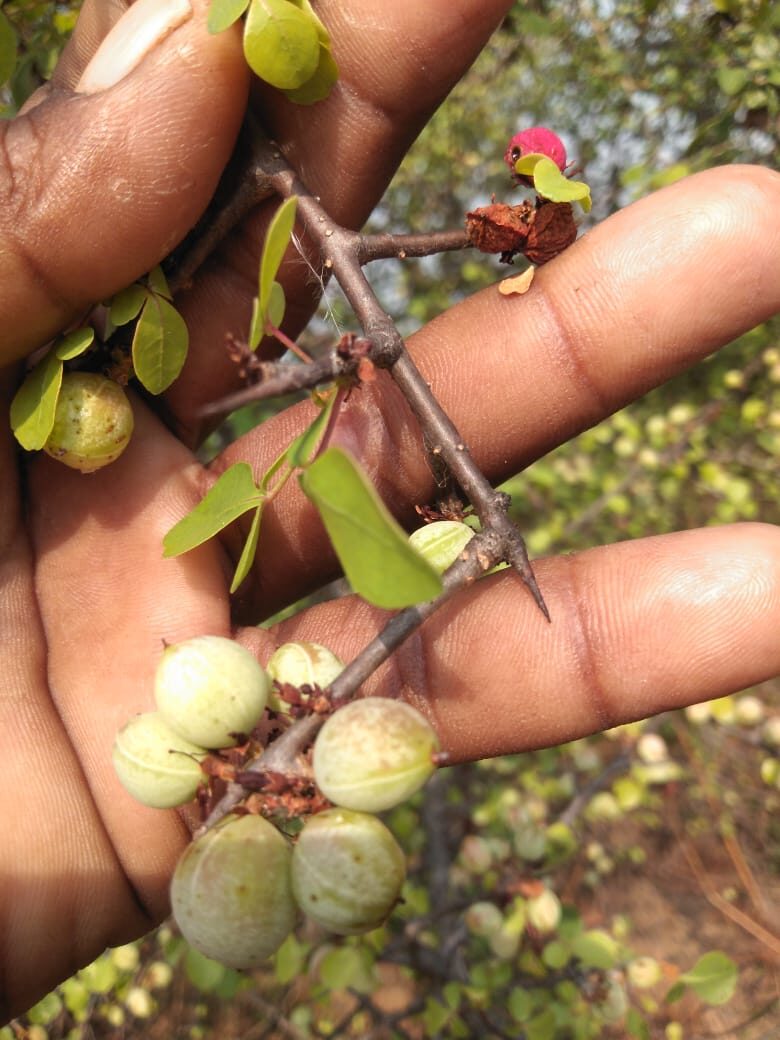
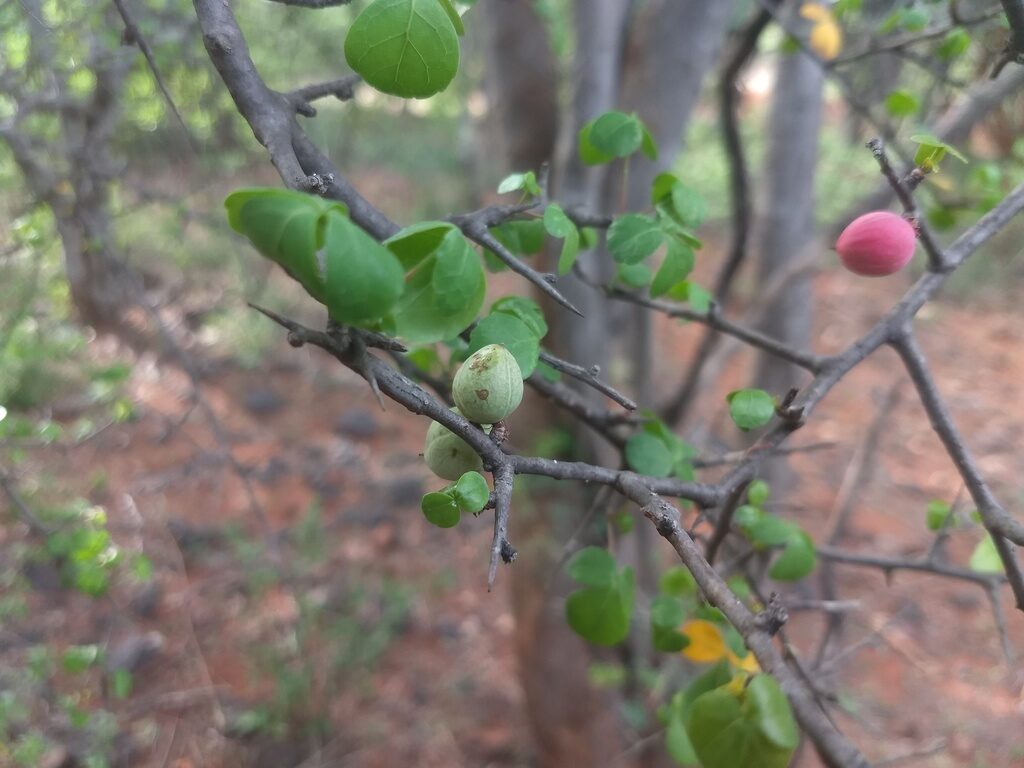
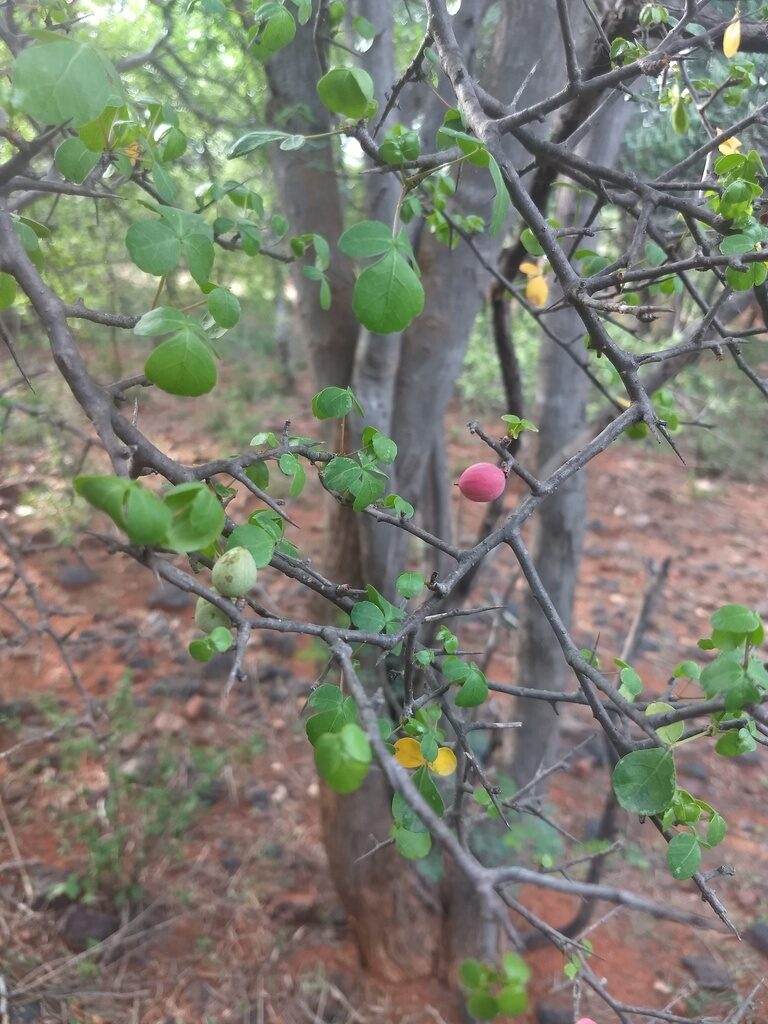
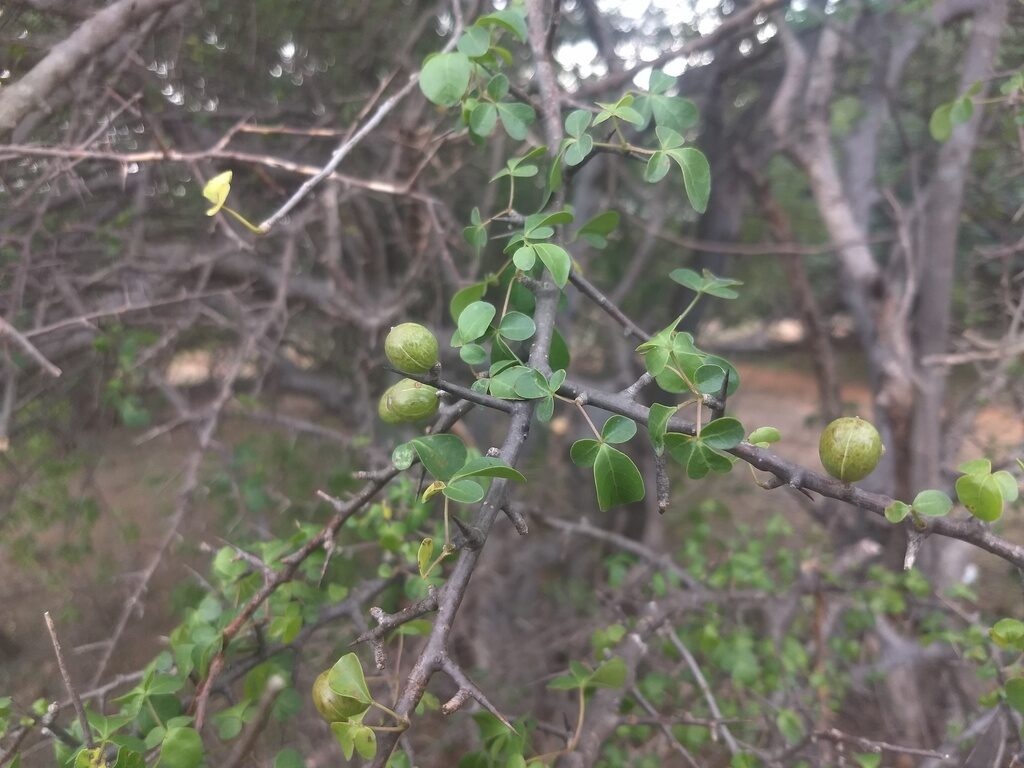
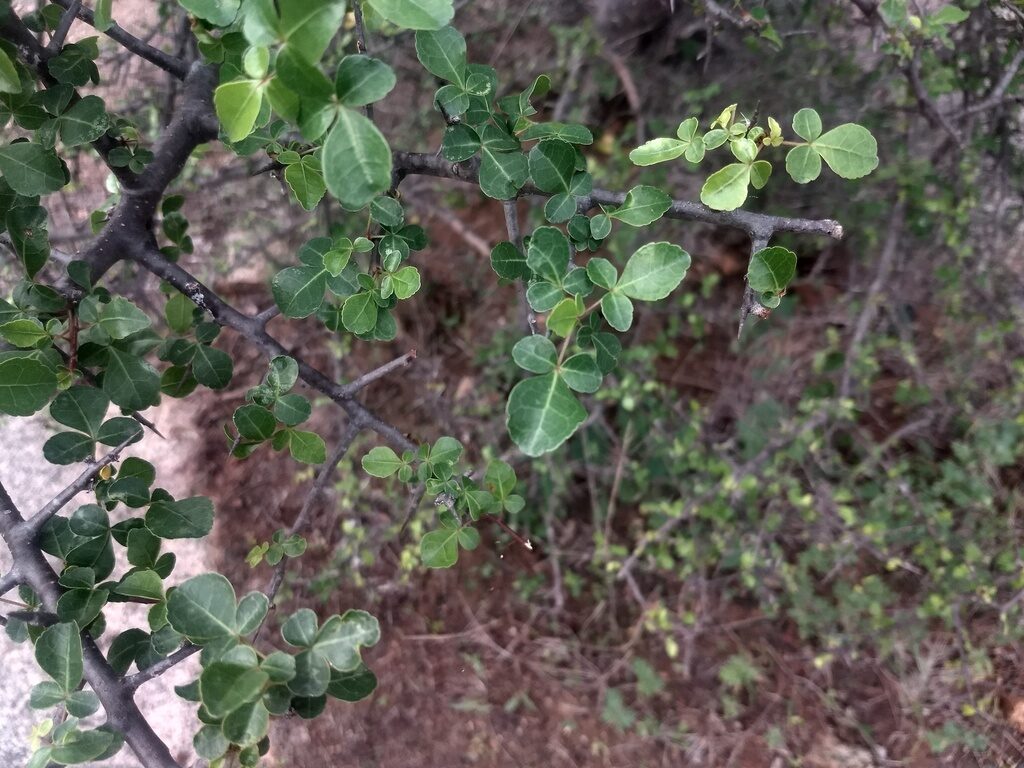
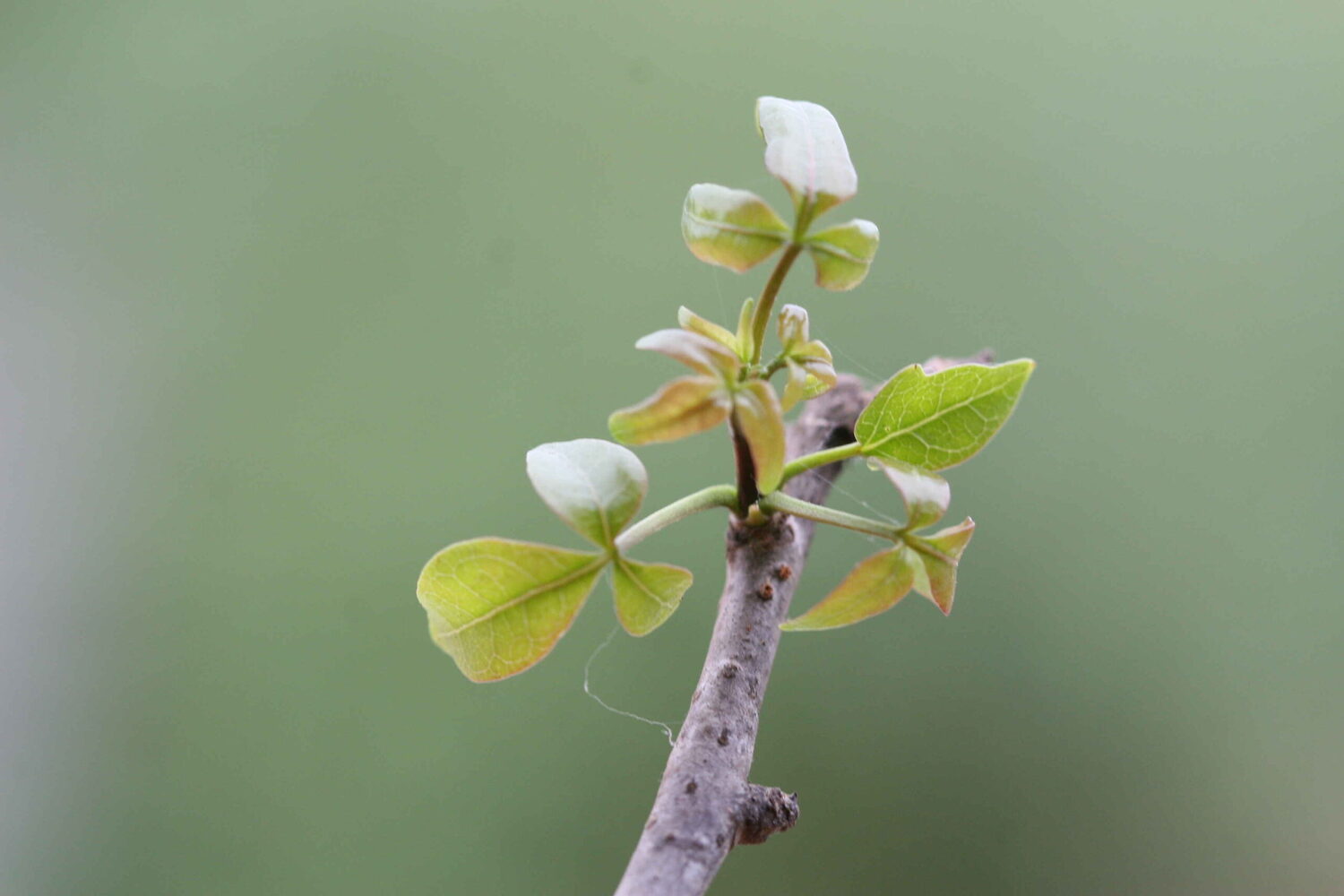
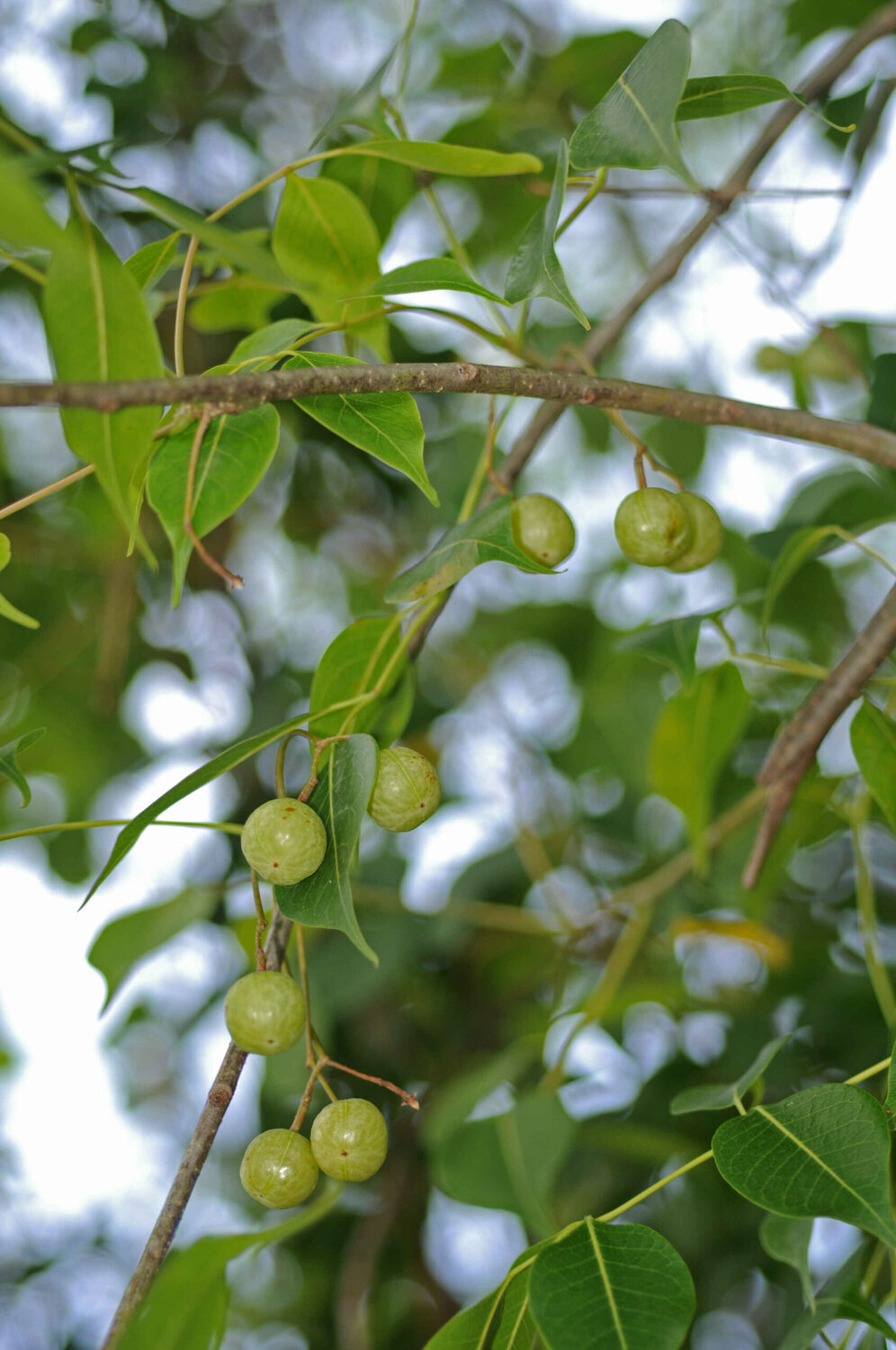
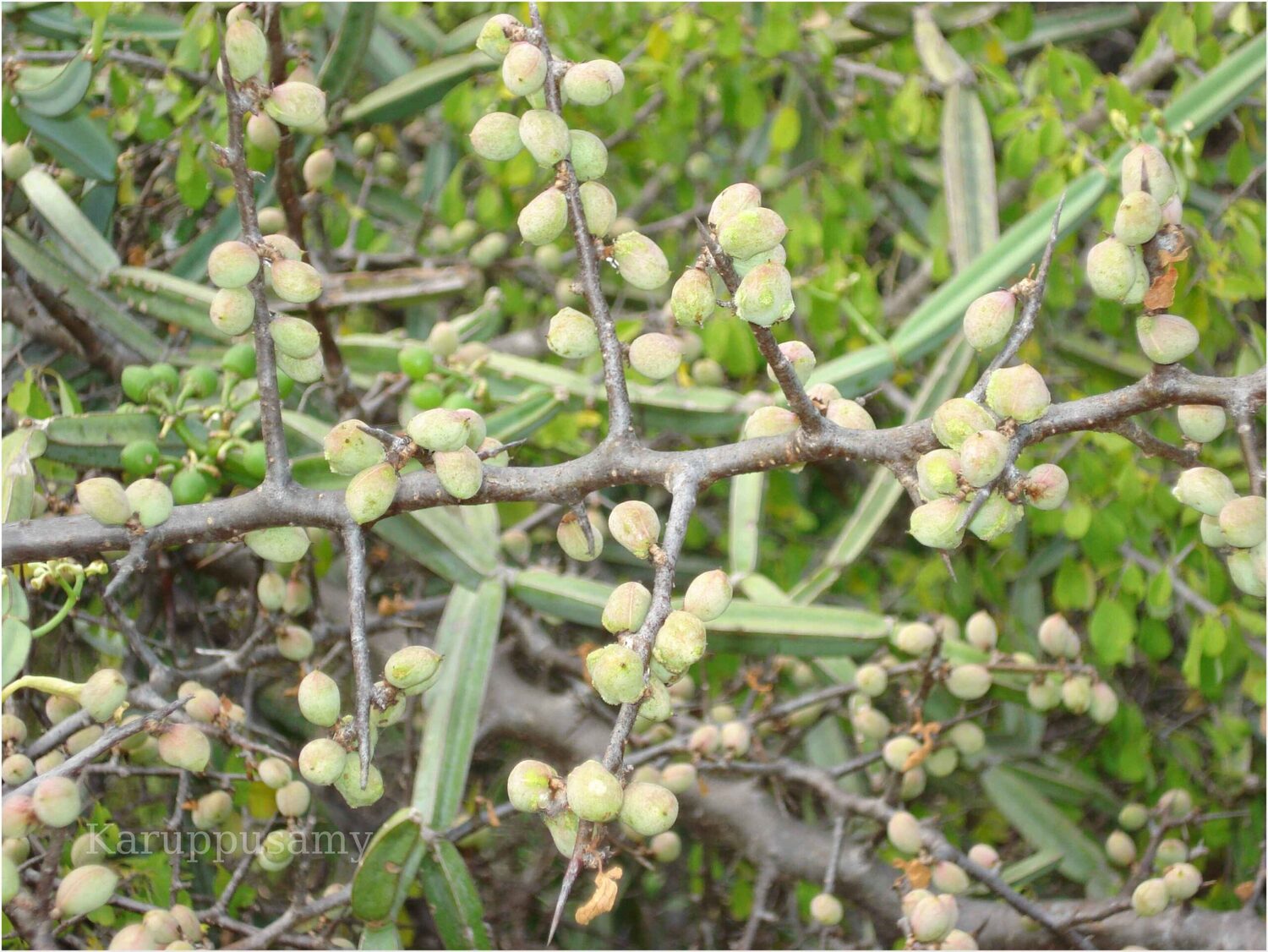
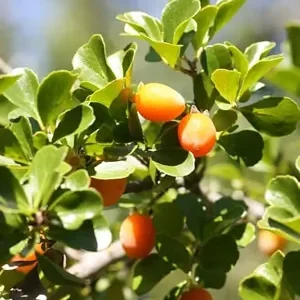
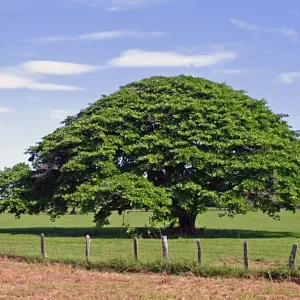
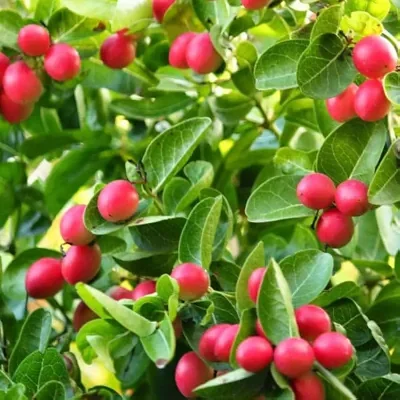
Indian Balm of Gilead is a fragrant, thorny tree that can grow up to 10 meters tall, though it often appears more like a shrub. Its bark is reddish-brown to grey with a pinkish-red inner layer, and the small branchlets end in spines. The leaves are usually made up of three leaflets, sometimes more, and are clustered along the branches.
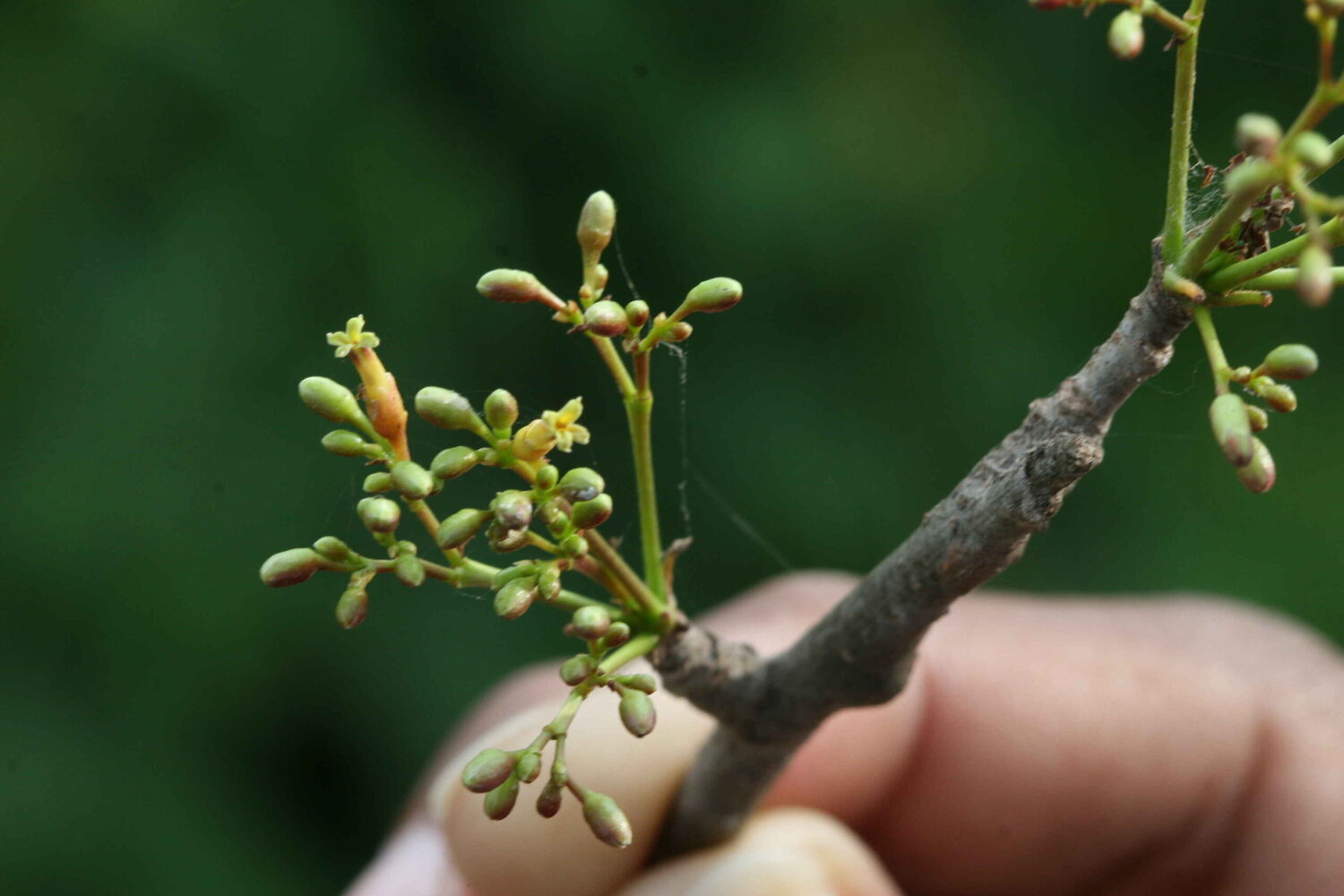
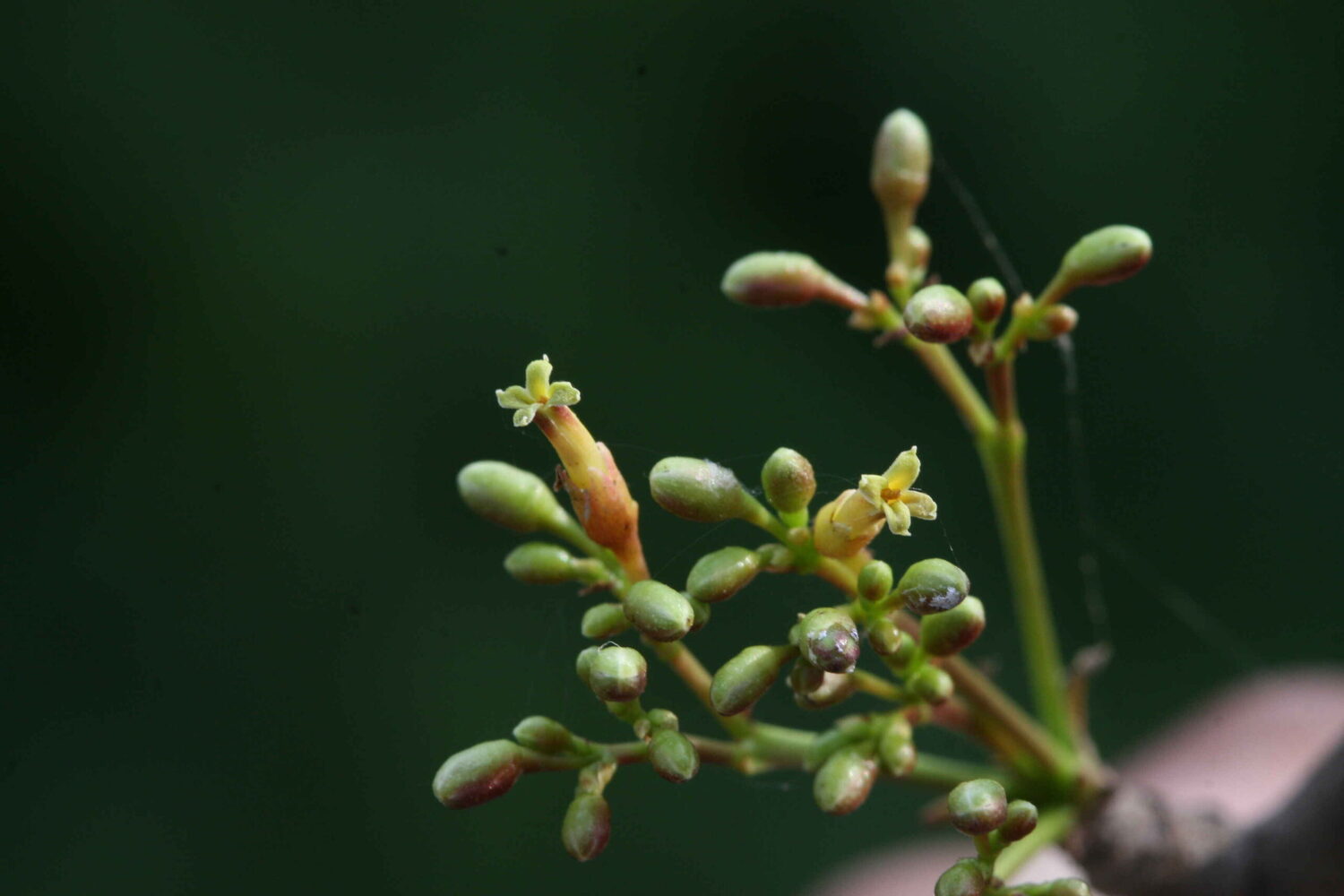
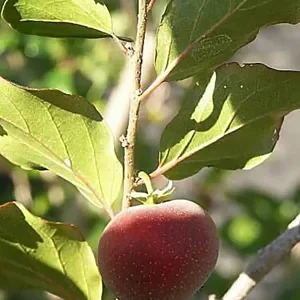
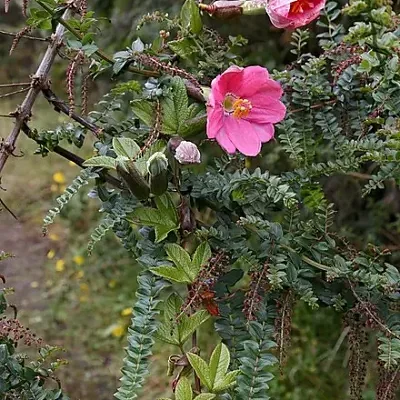
In bloom, it produces small flowers in shades of deep red, pink, or cream, found singly or in little clusters. The fruits are small, oval drupes, less than 1.5 cm long, often with a pointed tip, and usually hold two seeds.
This hardy species is native to South India and is valued for its striking appearance and resilience in dry conditions.
Germination Guide
General Instructions (English)
If you don’t have a seed spreader, greenhouse, or similar equipment, follow these steps:
Fill a container with good drainage using a mix of peat and perlite.
Moisten the substrate, ensuring it’s damp but not soaked.
Plant the seeds and cover them lightly with the substrate.
Place the container or pot inside a polyethylene bag (a ziplock bag works well and is available at supermarkets).
This method will provide the ideal temperature and humidity for the germination phase.
Keep the seeds in a bright location, but avoid direct sunlight.
Open the bag every 2–3 days to check the moisture level and see if any seeds have germinated. This also allows for air exchange, preventing unwanted fungi.
After germination, carefully transfer the seedlings to individual pots, taking care not to damage the delicate roots.
Acclimatize the seedlings for 4–12 weeks before transplanting them to their final location.
Transplant only on cloudy days to reduce stress on the seedlings.
Prepare the planting pit 2–4 weeks in advance by adding the necessary fertilizers for optimal growth.
Only logged in customers who have purchased this product may leave a review.



Reviews
There are no reviews yet.