
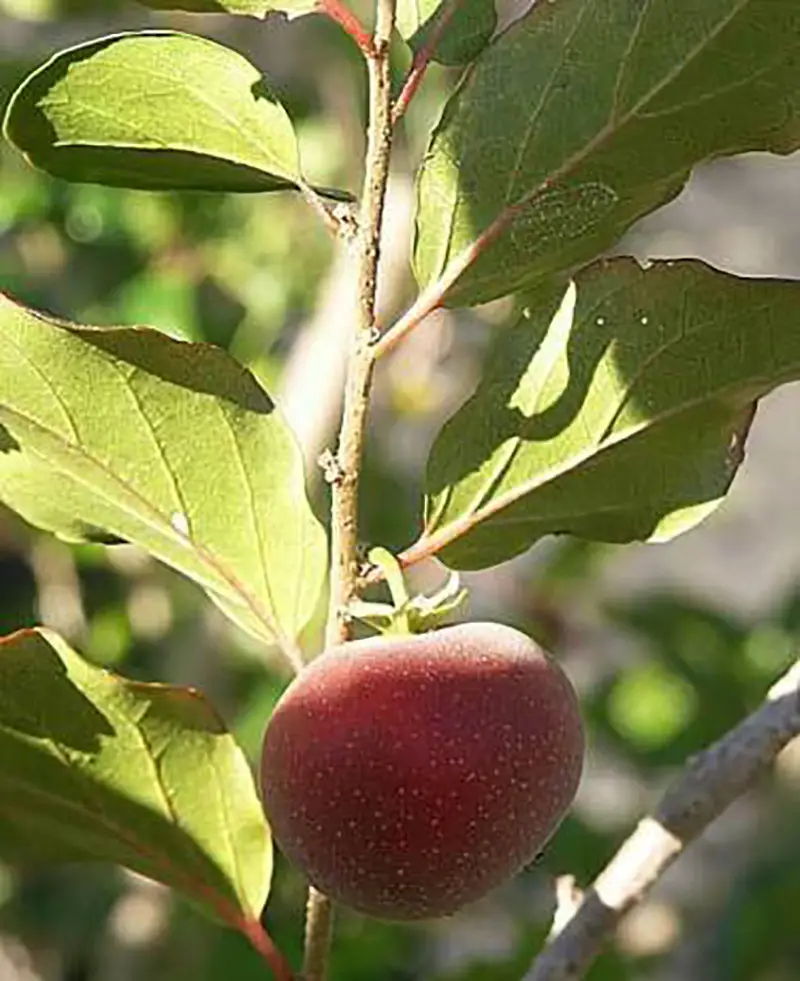
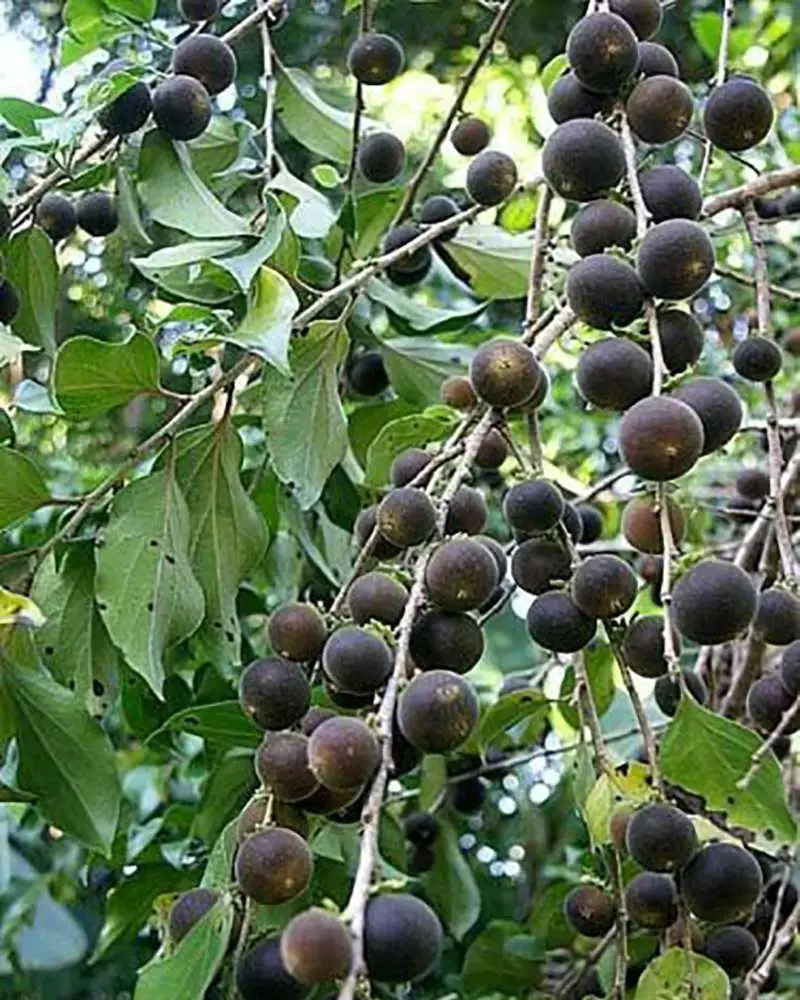
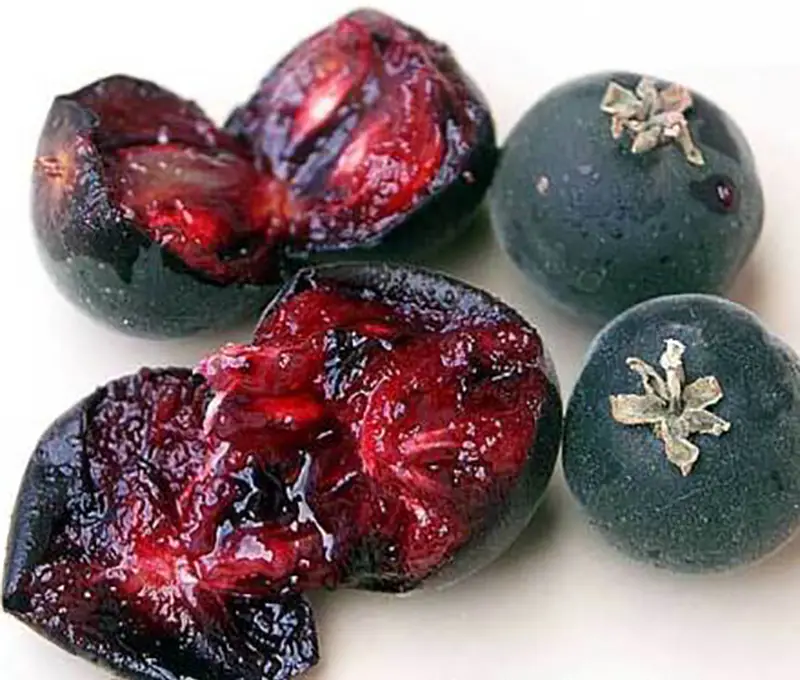
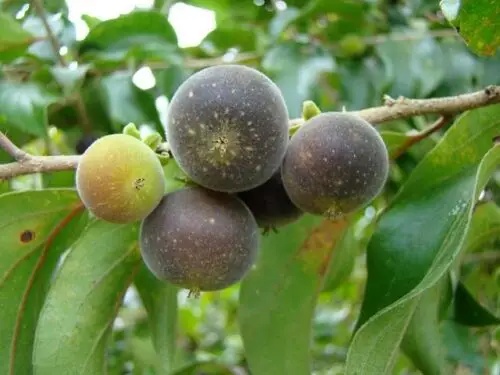
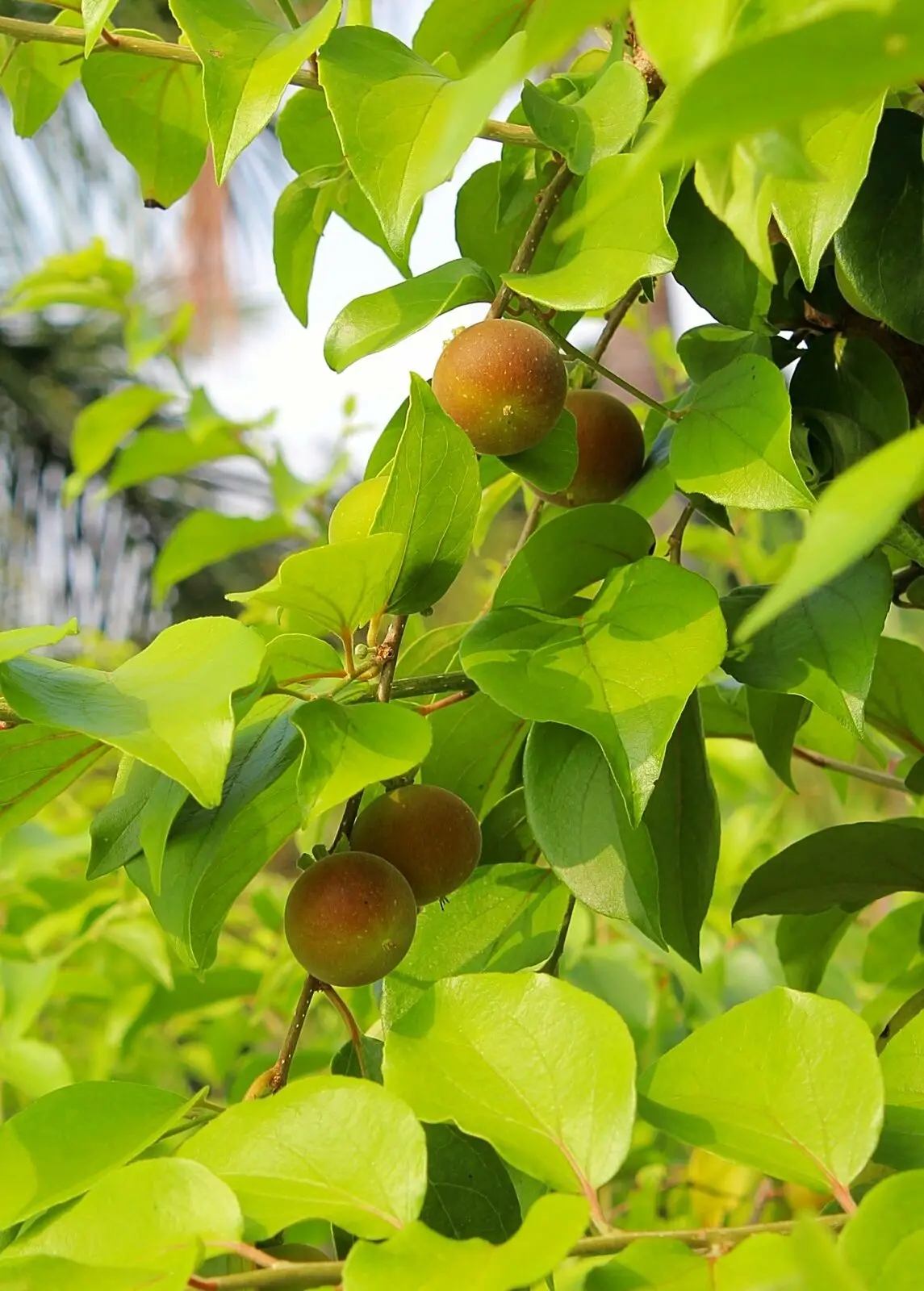
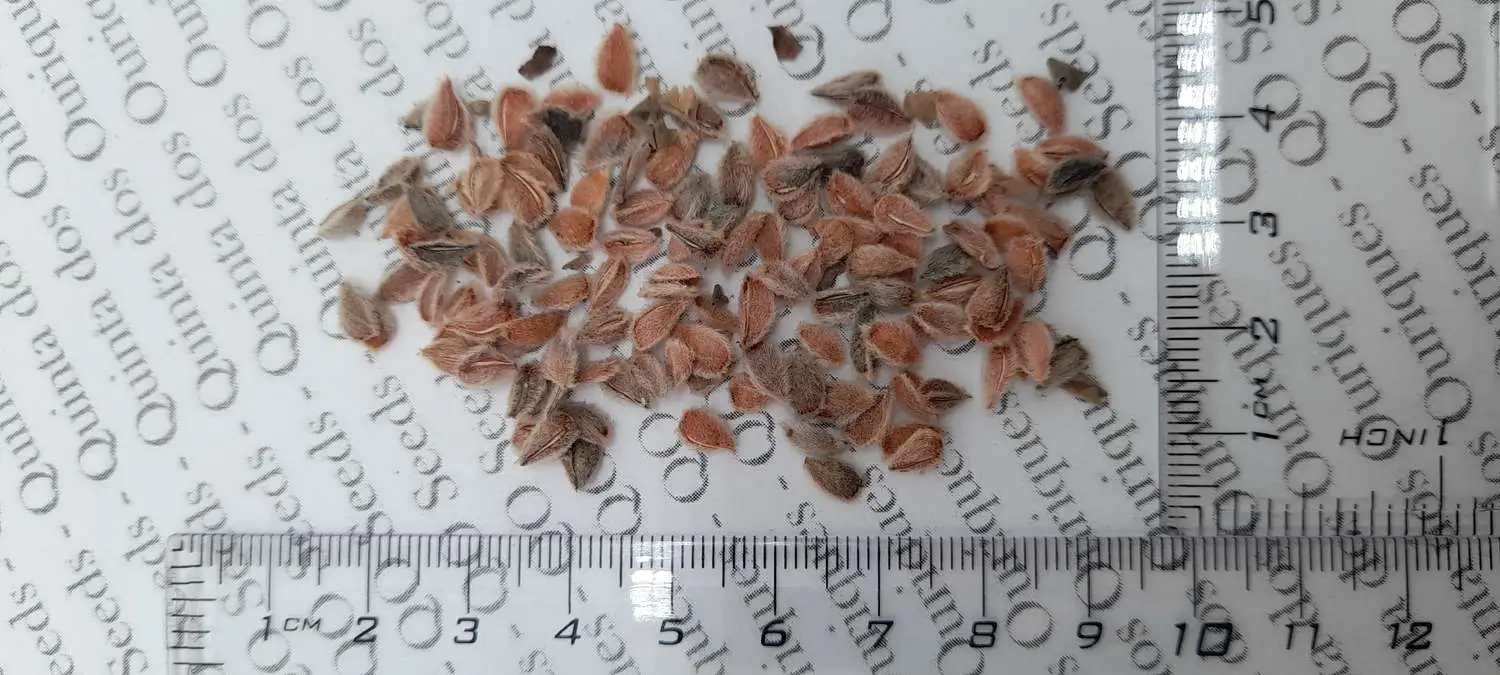
Grow your own preserve factory. Dovyalis hebecarpa produces masses of deep purple, velvety fruits—perfect for making magnificent jams, jellies, and syrups. This Sri Lankan tropical treasure also magnetizes honeybees to spring blooms. Fruits arrive in 2-3 years. Heat-loving, humidity-tolerant, thrives in regular soil with full sun. Start from seed and unlock an entire harvest of tangy preserves plus honey production—a productive dual-purpose tree.
€2.54
The fruit that begs to become jam. Dovyalis hebecarpa—Ceylon ketembilla—is a compact tropical tree bearing dark purple, velvety berries that are simply made for the preserving jar.
Native to the misty hills of Sri Lanka and southern India, where it has been harvested for centuries, this small evergreen shrub (reaching just 4-6 meters) thrives in humid lowland woodlands. The plant grows vigorously once established, and its thorny structure offers natural protection—a tropical plant with character. What makes ketembilla so special is its fierce cultivation potential: no exotic demands, no fussy requirements, just genuine tropical productivity.
Here’s where ketembilla becomes truly irresistible: the fruit. Small, round, and turning deep purple-black when ripe, each berry is packed with tart flavor and intense ruby juice. This isn’t fresh eating fruit (the flesh is too acidic for that)—this is transformation fruit. Across the West Indies, Hawaii, and its native South Asia, ketembilla is the preserve champion. The juice produces extraordinary ruby-red jellies. Home cooks make spiced jelly, ketembilla-papaya jam, even ketembilla-apple butter. The fruit is rich in vitamin C and antioxidants, making preserves that are nutritious as well as delicious. And here’s the bonus most growers miss: honeybees work the chartreuse spring blossoms eagerly, visiting from July through December. Your ketembilla tree becomes a nectar fountain, attracting pollinators to your entire garden while building local honey production. Some beekeepers specifically cultivate this species for its generous floral rewards.
Growing ketembilla is straightforward. The plant loves full sun and regular water, especially during the fruit development season when consistent moisture builds bigger, sweeter berries. It thrives in well-draining, loamy soil but adapts to average garden soils—no amendments required. Hardiness zones 10-11 are ideal; it tolerates heat and humidity without complaint. Start from seed indoors or direct sow; germination is reliable, and you’ll have productive fruit-bearing plants within 2-3 years. The tree grows at a medium pace, reaching a manageable 5-6 meters, making it perfect for residential gardens or small orchards. Container cultivation is possible, though in-ground planting rewards you with the most abundant harvests. The thorns can be pruned to manage shape; some cultivars have been bred to be nearly thornless, making harvesting easier.
This is the tree for gardeners who want to create something with their hands—who see a harvest not as fruit to eat fresh, but as raw material for culinary magic. Every year, your ketembilla will fill your preserving pans and your beehives with abundance. Start from seed now and in two seasons, your kitchen will smell like jam-making paradise.”
}
{
“titulo_comercial”: “Dovyalis hebecarpa — Ceylon Ketembilla | Deep purple edible jewels for artisan jams & beehives
Only logged in customers who have purchased this product may leave a review.

Reviews
There are no reviews yet.