
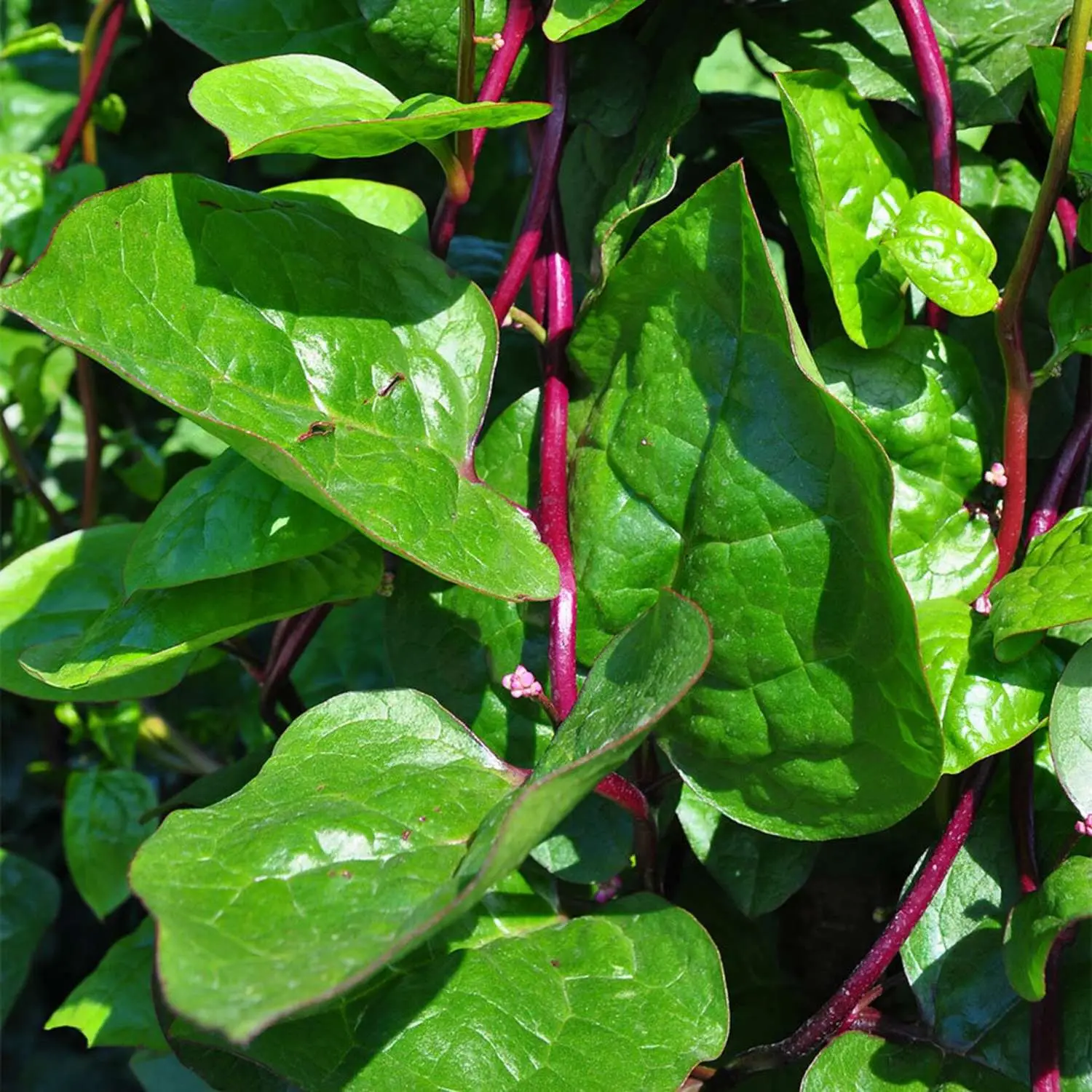
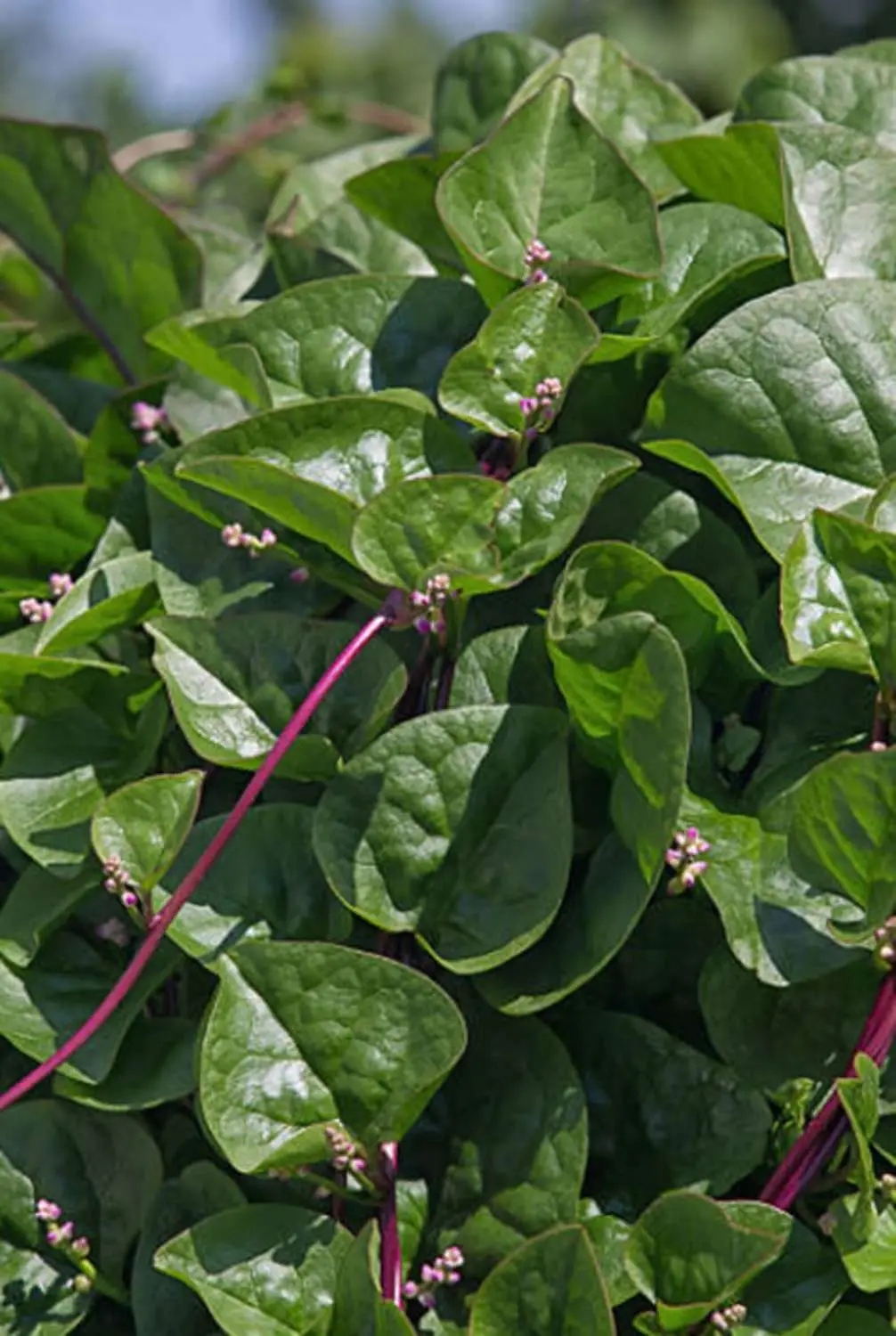
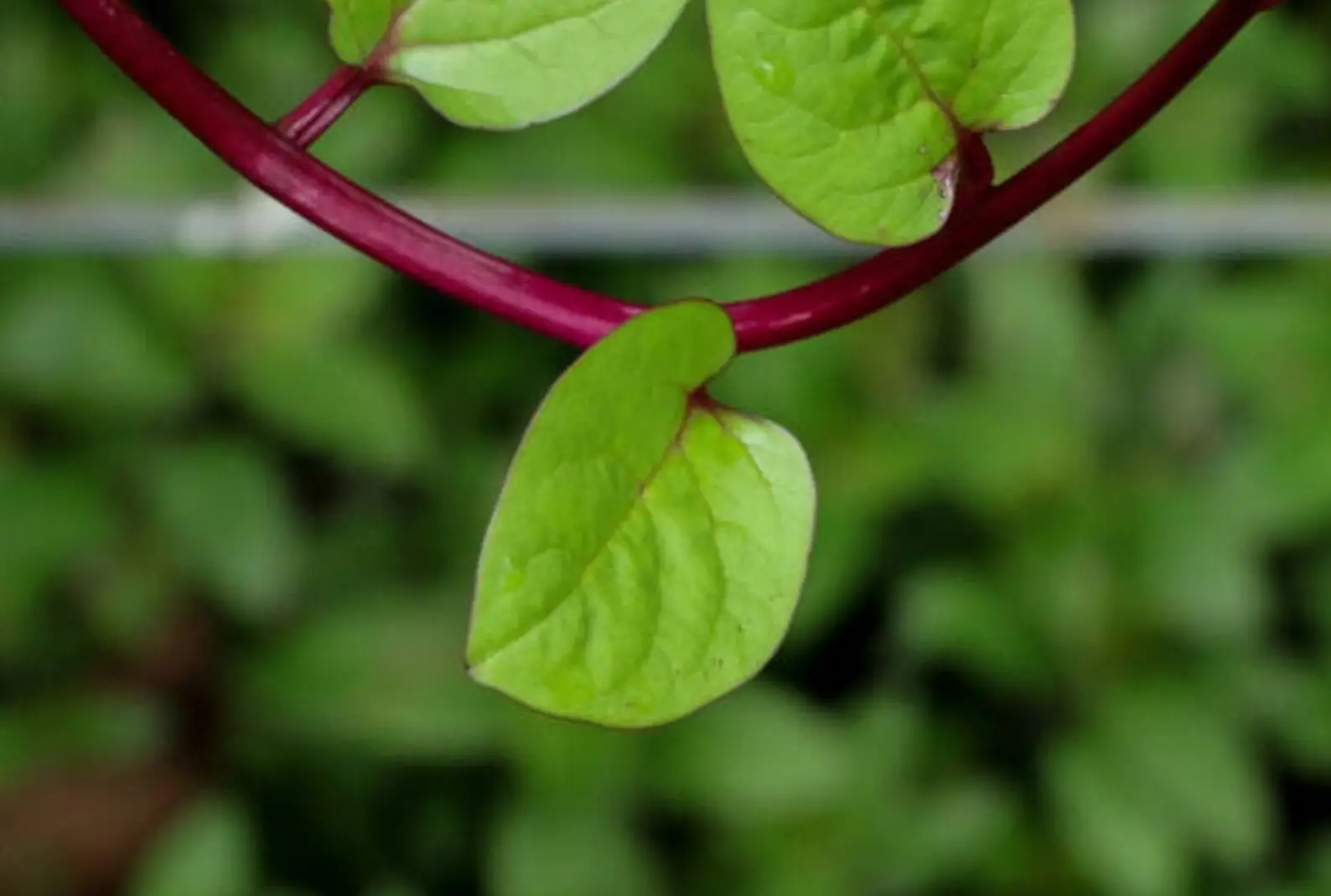
Grow heat where ordinary spinach surrenders. This cardinal-stemmed climbing vine produces jewel-toned, heat-loving leaves and berries you’ll harvest all summer—raw in salads, vibrant in stir-fries, or as a stunning natural purple dye. Fast, vigorous, pest-resistant. Thrives where bland, bolt-prone greens fail. Sow seeds in warm soil and watch your garden transform.
€3.06
Imagine a vine that laughs at summer heat while ordinary spinach wilts in defeat—that’s Basella alba var. rubra, the red-stemmed warrior of the tropical garden.
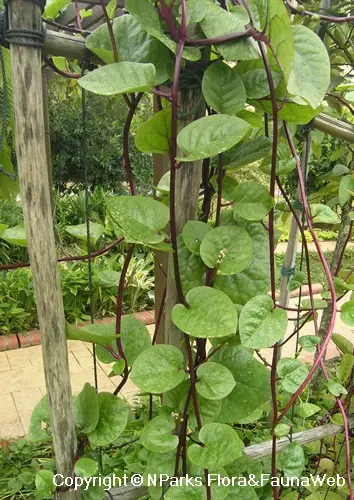
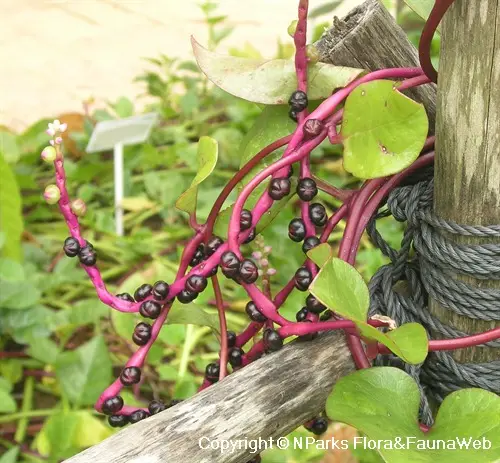
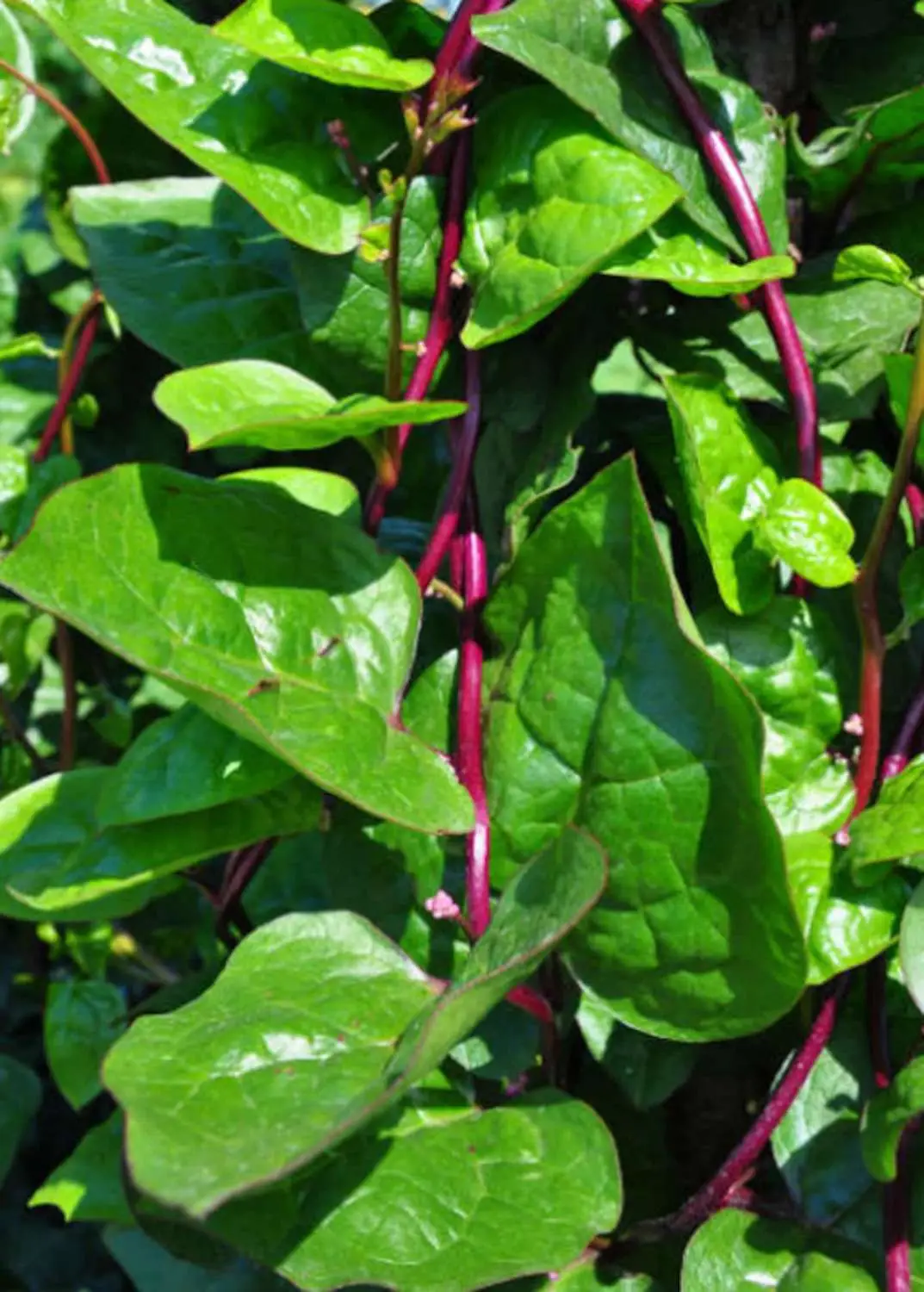
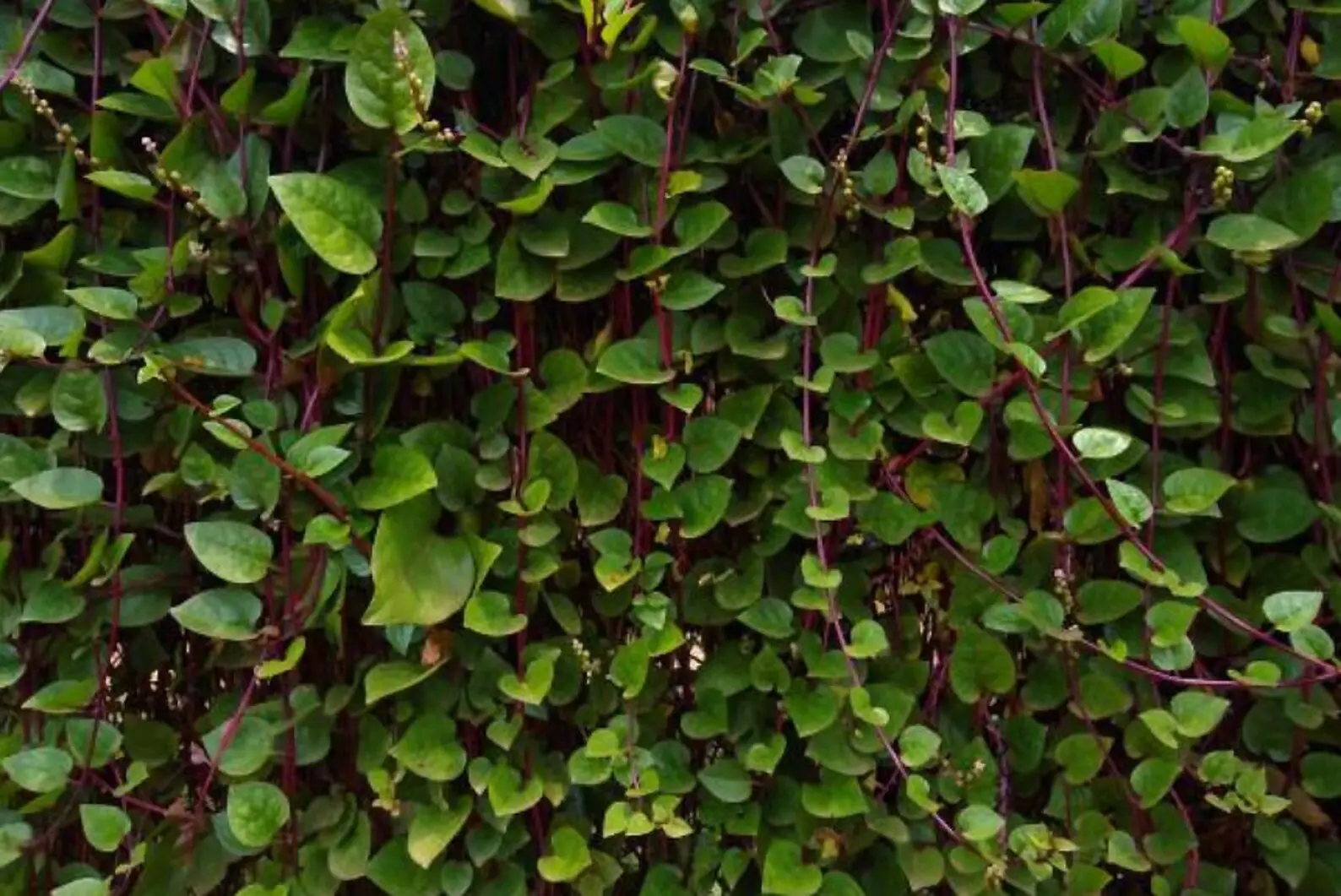
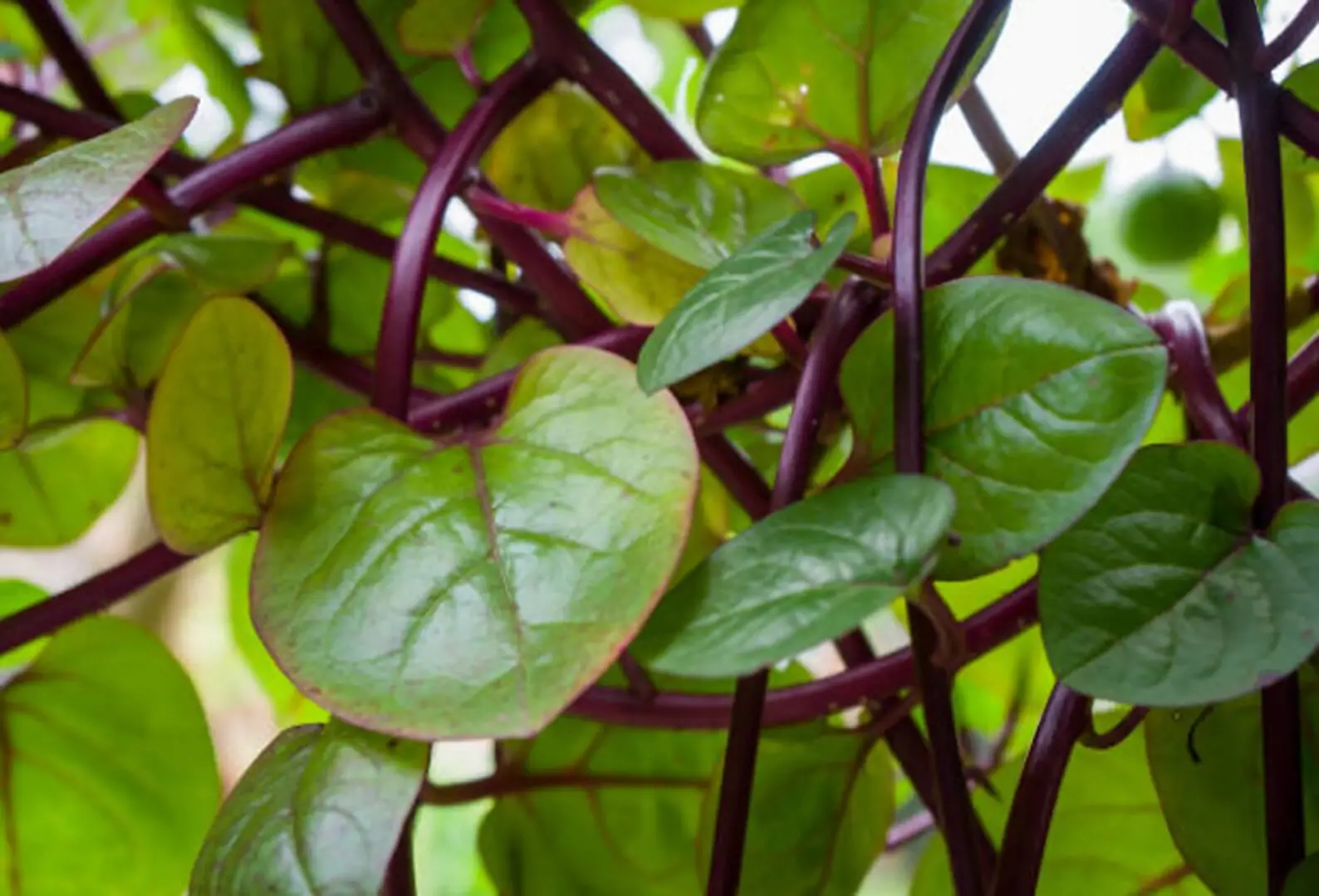
Native to the Indian subcontinent and Southeast Asia, this legendary climber arrived in Western kitchens centuries ago, yet it remains a secret among gardeners in the know. While common spinach bolts and bitters the moment temperatures rise, Red Ceylon Spinach springs to life—reaching 10 to 14 feet in a single season, its stunning magenta stems and glossy emerald leaves a living sculpture on any trellis, fence, or hanging basket. This is edible ornament at its most seductive.
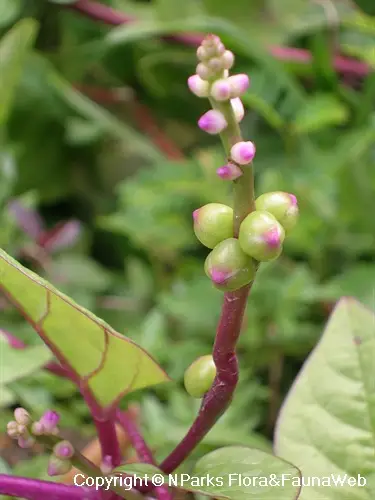
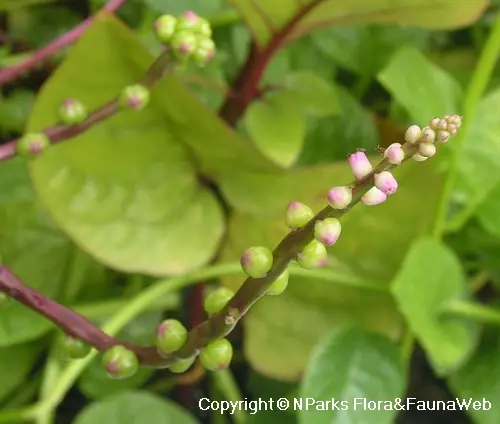
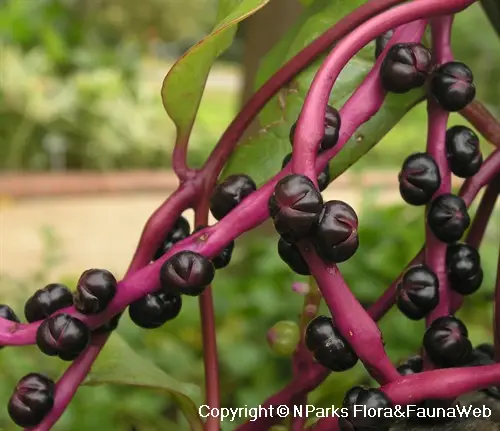
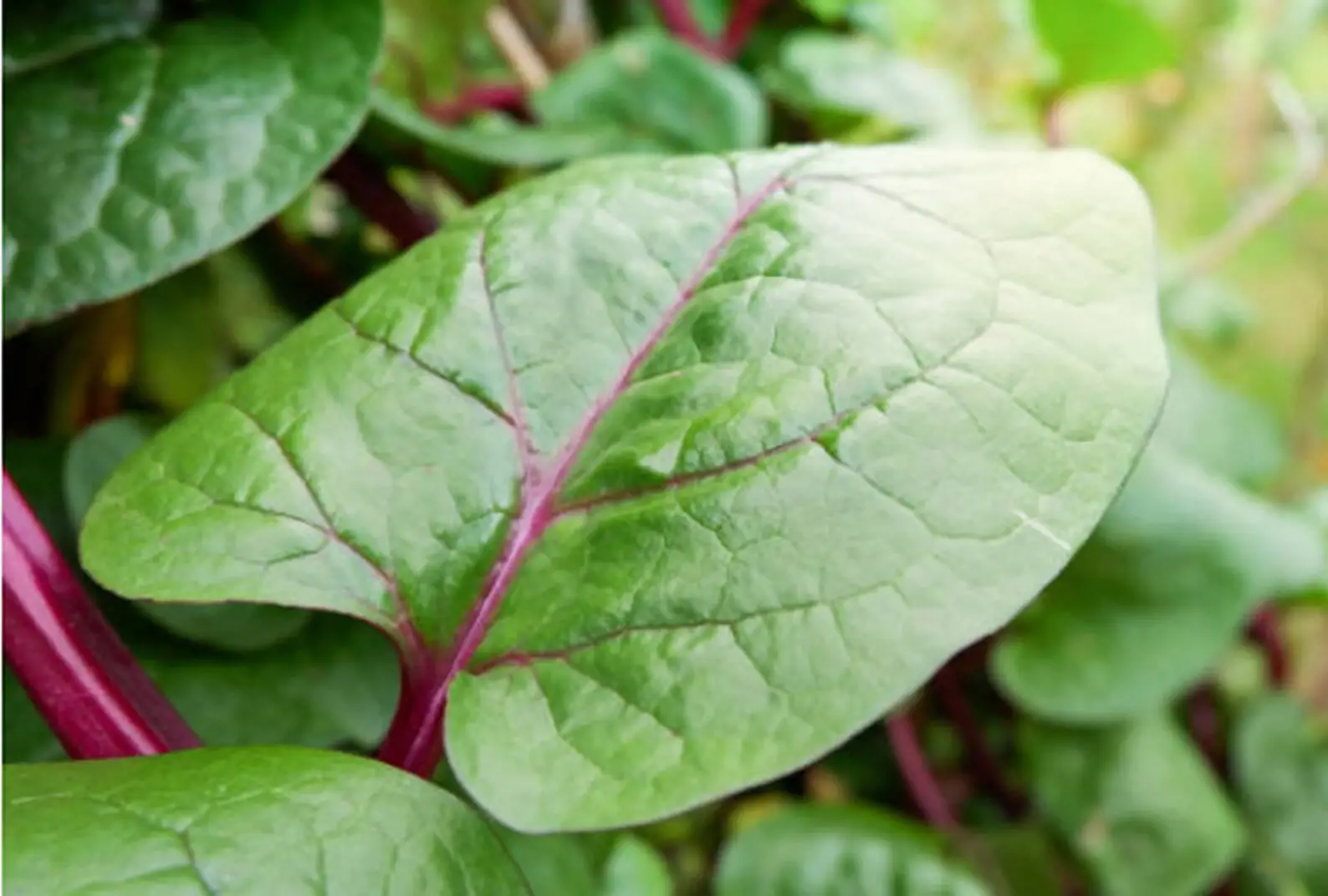
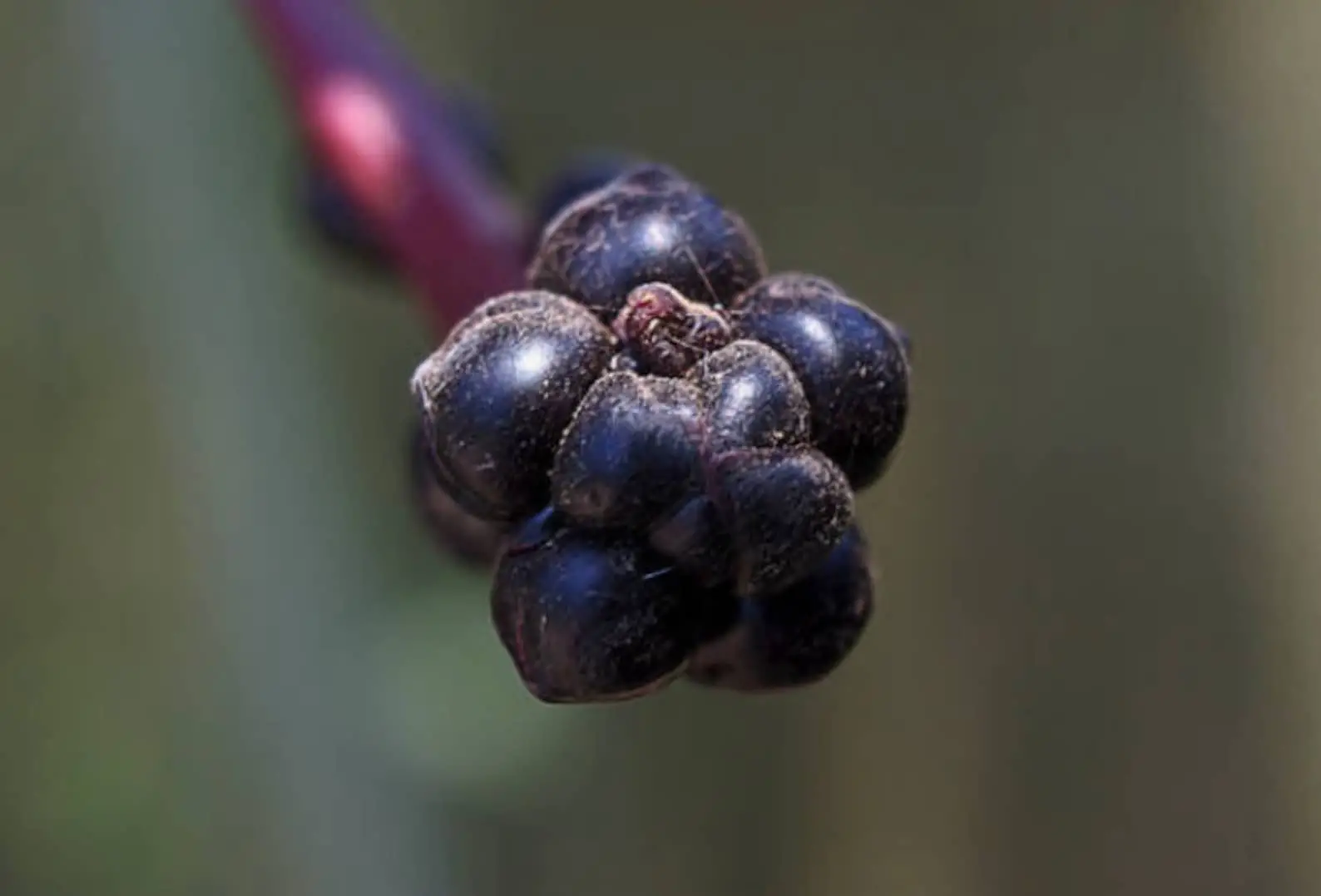
Here’s where the magic deepens: Red Ceylon Spinach is your heat-season greens solution, a culinary game-changer you’ve been waiting for. Unlike its wimpy cousins, this vine refuses to bolt; the leaves stay tender, the flavor stays fresh and peppery, even when temperatures soar past 90°F. Harvest the thick, succulent leaves raw for salads—their crisp texture and mineral earthiness will astonish you—or quick-sauté them with garlic and you’ve created something restaurants would envy. The young stems are equally prized, tender enough to braise, complex enough to elevate any stir-fry. But there’s more: the plant produces small, glistening berries—deep purple-black, almost jewel-like—that double as a natural food colorant and have been used for centuries in India as a cosmetic dye and in traditional medicine. Add them to drinks for a violet hue, use them to stain rice, or simply admire their glossy, pea-sized perfection. Nutritionally, you’re harvesting a powerhouse: packed with vitamins A and C, iron, calcium, and a full spectrum of antioxidants that support immunity, digestion, and cellular health. In traditional Ayurveda, Red Ceylon Spinach has been treasured for anti-inflammatory and wound-healing properties—proof that beauty and substance walk hand in hand here.
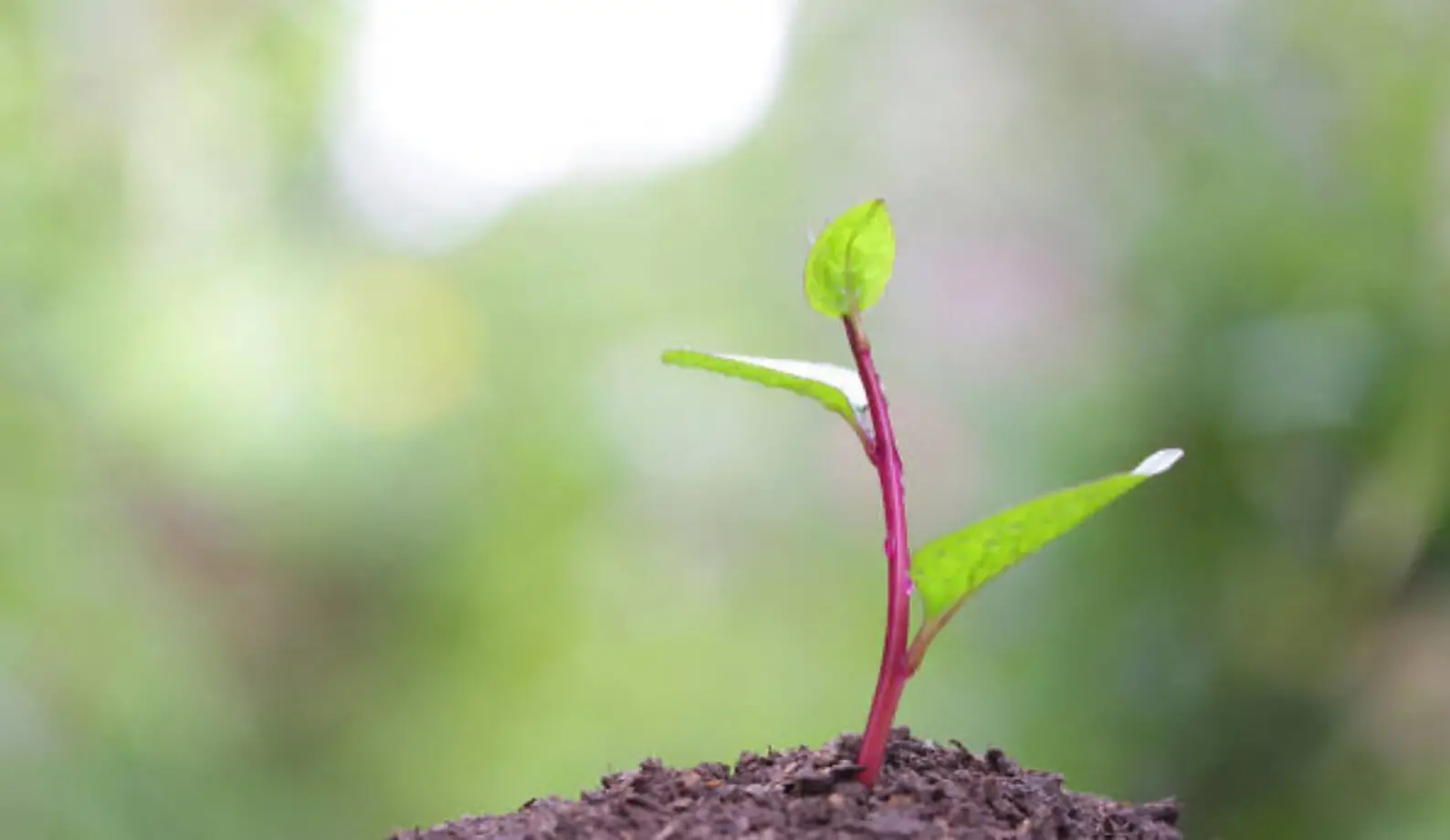
Growing this gem is refreshingly simple. Sow seeds outdoors after the last frost in fertile, well-drained soil (avoid clay), and provide full sun. The vine is a rocket—germination to first harvest in just 60–90 days. It thrives in temperatures between 70–90°F, making it perfect for summer gardens everywhere. Keep the soil consistently moist and rich with organic matter, and you’ll be rewarded with vigorous growth and continuous harvests. Unlike fussy vegetables, Red Ceylon Spinach shrugs off pests and diseases, asking little and giving abundantly. Train it up a simple support and watch it climb with purpose. In cooler climates, it grows as an annual; in warm zones, it reseeds year after year, establishing itself as a permanent ally in your garden.
This is the plant for growers tired of summer vegetable compromise—for those who refuse to choose between beauty and utility. Red Ceylon Spinach performs both flawlessly. Start from seed now and you’ll transform your summer garden into a place where heat becomes an advantage, where edible landscape meets true ornament, and where the ordinary laws of seasonal gardening simply no longer apply. Rare, vigorous, unexpectedly medicinal, undeniably stunning: this is the vine you’ve been searching for.
Only logged in customers who have purchased this product may leave a review.


Reviews
There are no reviews yet.