
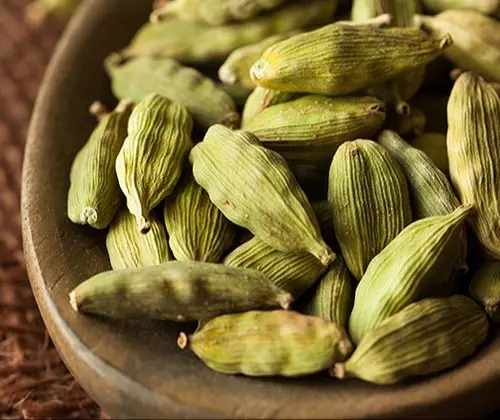
Cultivate the world’s most treasured spice in your home. Elettaria cardamomum produces glossy, fragrant foliage year-round, and in warm climates, delicate white flowers and precious green pods packed with intensely aromatic seeds—the third most expensive spice by weight. Easy to moderate growing indoors or out. Start from seed and join a 1,000-year culinary tradition.
€2.53
Known as the “Queen of Spices,” Elettaria cardamomum has been cherished for over 1,000 years—and now you can grow this botanical royalty from seed. This ancient and highly prized spice long traded along the Silk Road and across the Indian Ocean transforms from a single seed into a lush, fragrant plant that makes you feel like a keeper of culinary treasure.
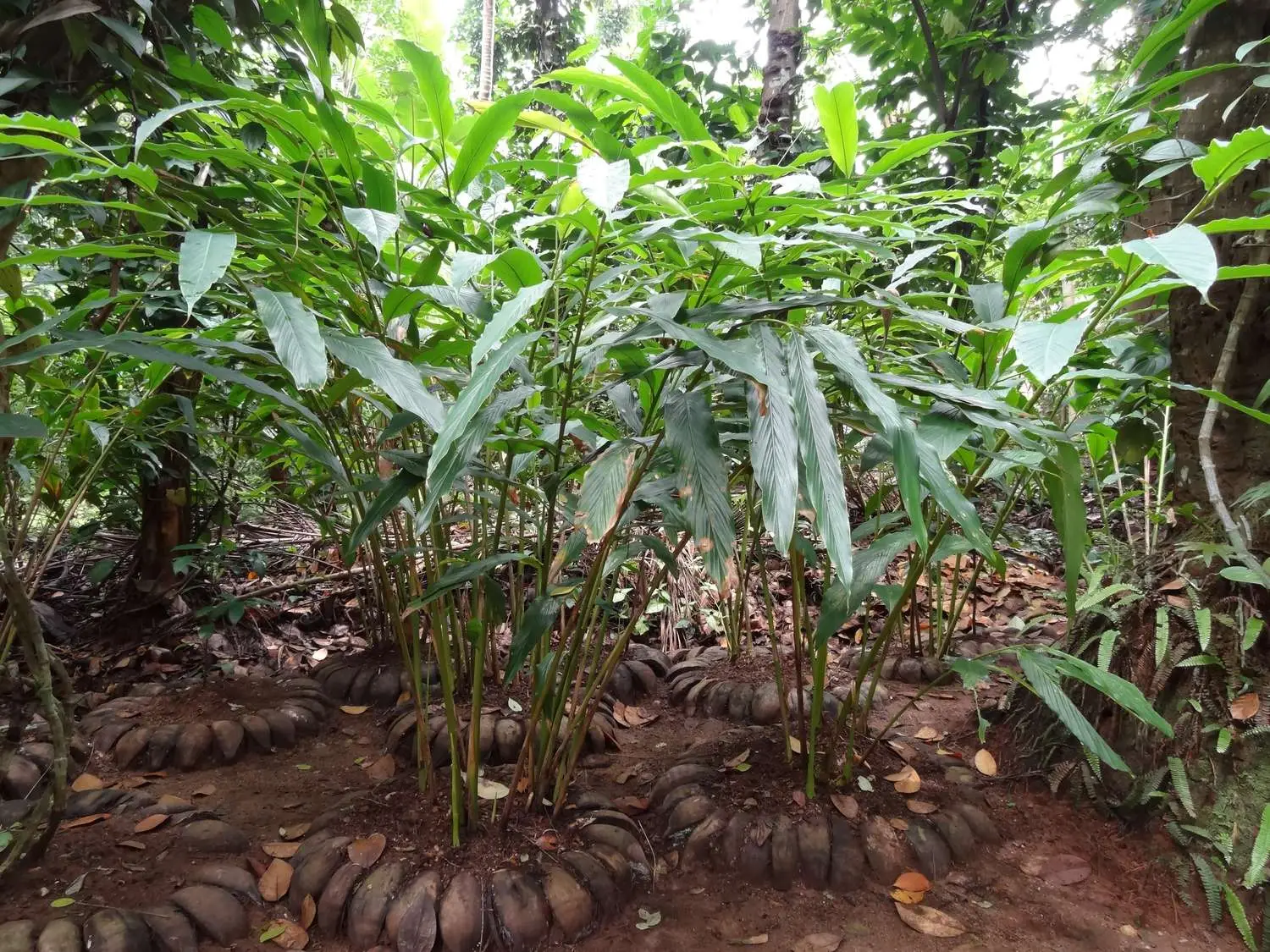
Native to the humid forests of southern India and Sri Lanka, it grows naturally in dappled woodland light where soils are deep, fertile, and consistently moist. This important spice has been cultivated, consumed, and traded since the 4th century BC. What makes it so special isn’t just its rarity—it’s the complex chemistry of flavor and aroma locked inside those precious seed pods, a secret that generations of cooks have prized for bringing magic to both sweet and savory dishes.
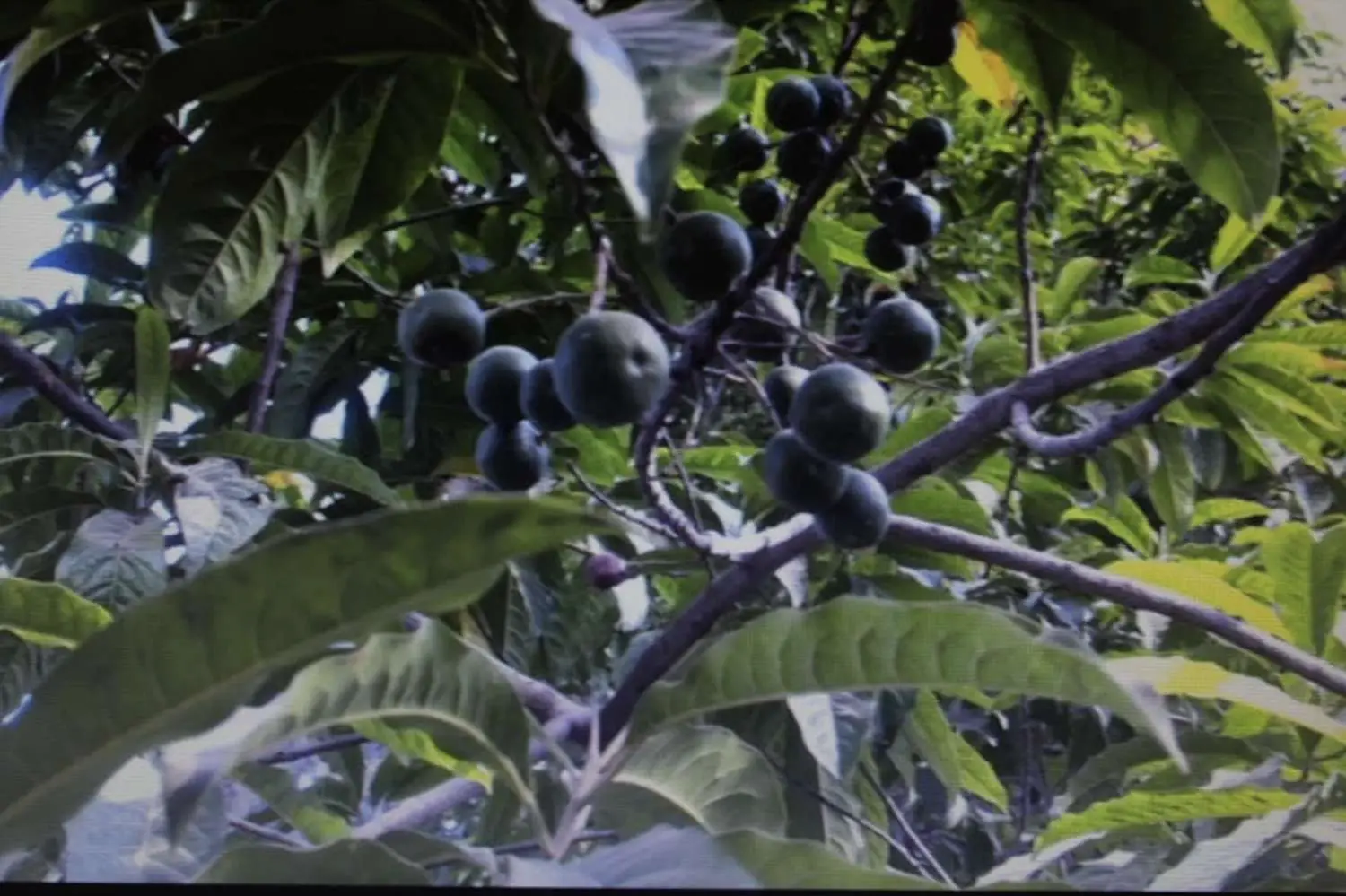
The real magic happens when you taste what you’ve grown. Cardamom is widely used in Indian and Middle Eastern cuisines for adding a distinctively sweet, fresh aroma and depth of flavor to various sweet and savory dishes. It is also an essential ingredient in the famous masala chai and often features in many delicious Arabian beverages. In Middle Eastern and Indian cuisine, it is often used to flavor spice blends like garam masala and to add character to rice dishes, curries, and traditional sweets. In Nordic countries, cardamom is a key ingredient in baked goods, such as cookies and Christmas pastries. Beyond the kitchen, oil from the seed is used in aromatherapy products, cosmetics, perfume, and breath freshener. The seed extract is an ingredient used in herbal formulas for treating Alzheimer’s, anxiety, tension, and insomnia. Its anti-inflammatory properties make it useful for sore throats, skin conditions, and digestive problems. The fruit and seed are internationally traded and is the third most expensive spice by weight.
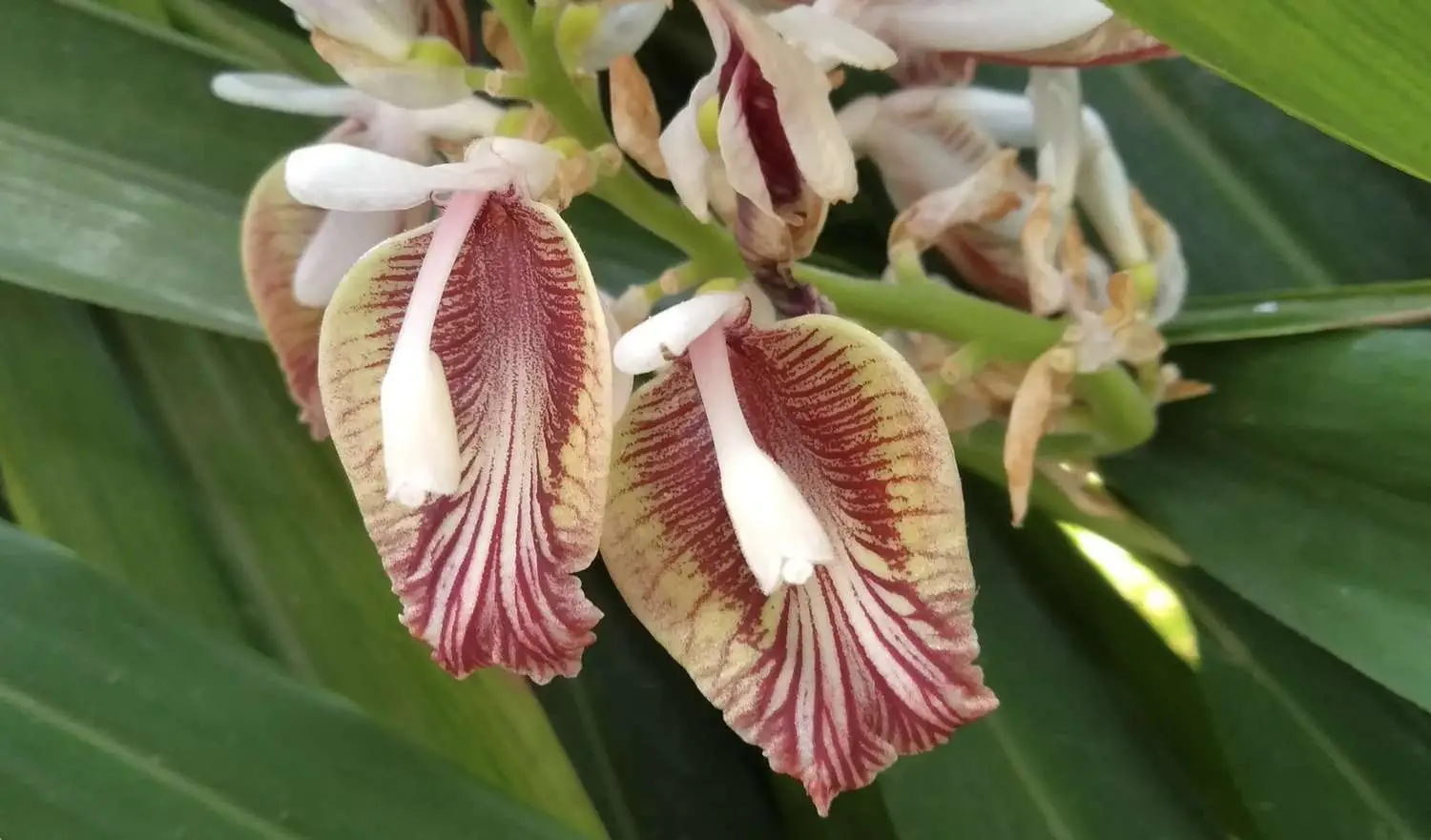
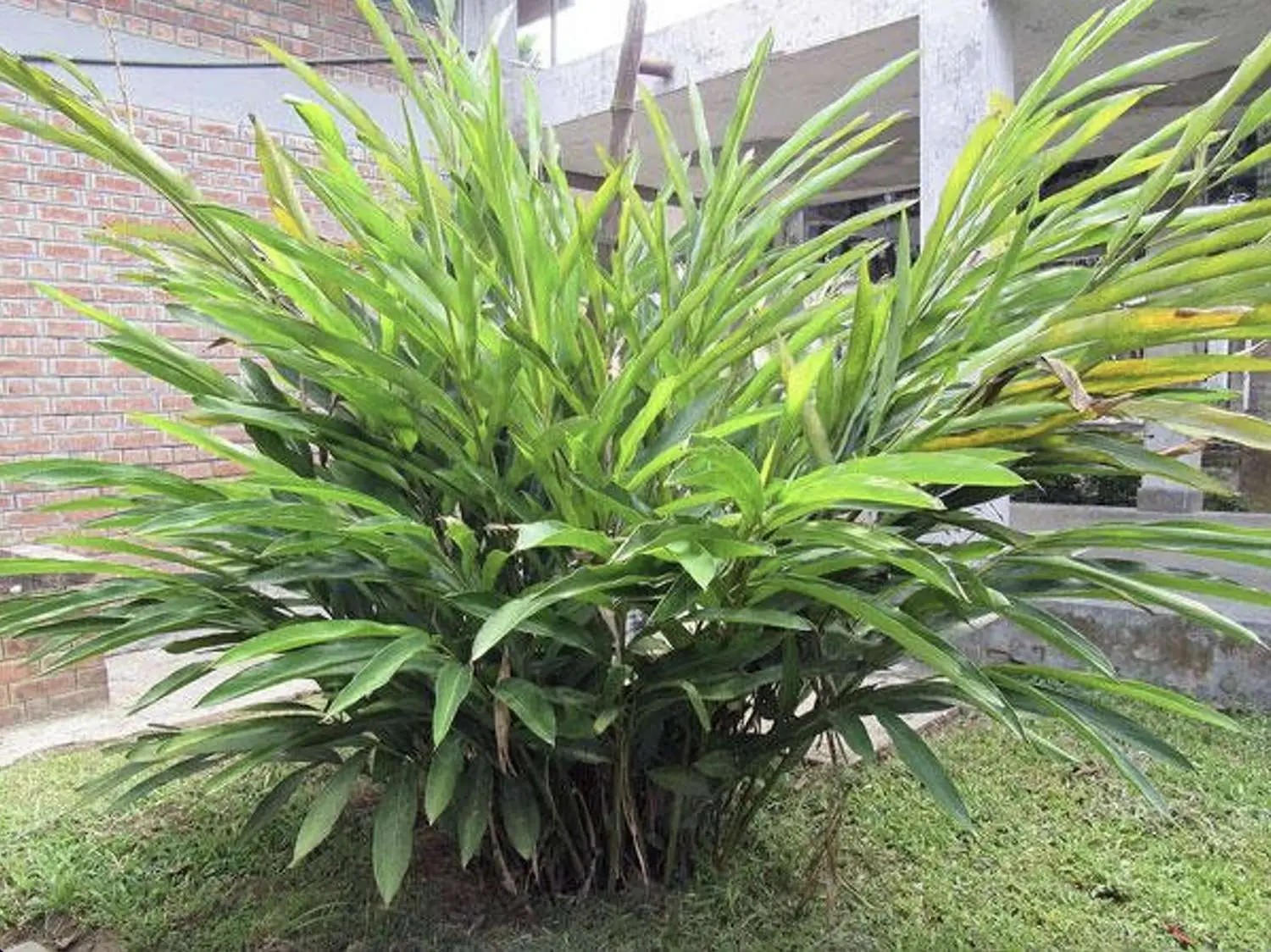
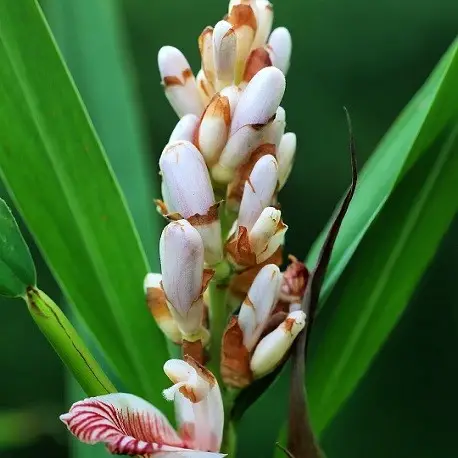
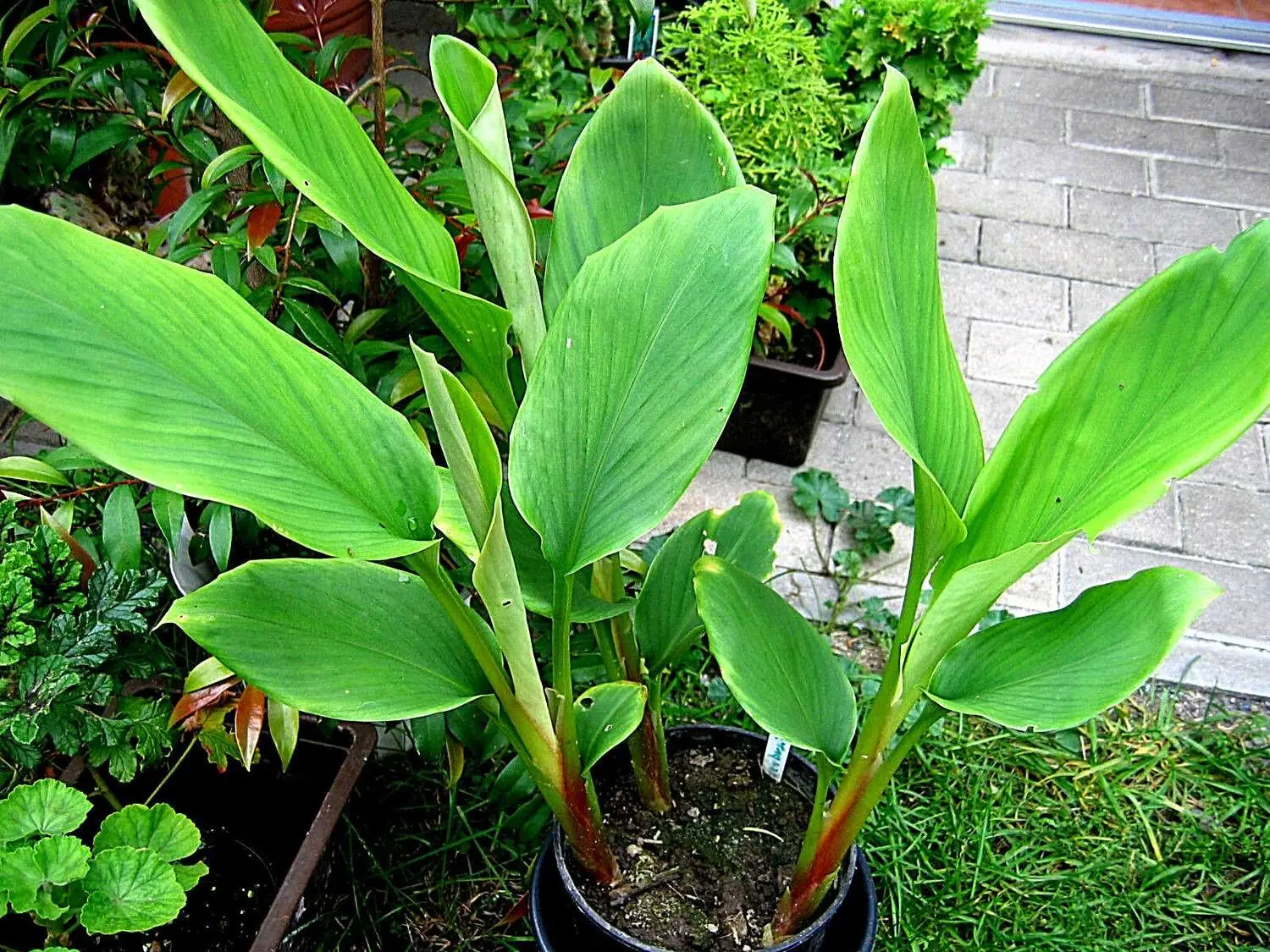
Growing cardamom is a sensory joy even before harvest. Emerging from thick, slowly spreading rhizomes, the plant produces upright, reed-like pseudostems clad in elegant, lance-shaped leaves. Each leaf is glossy, medium to deep green, with a softly tapered tip and gently arching habit. When brushed or crushed, the foliage releases a fresh, spicy-sweet fragrance. The flowers are orchid-like, with white or yellowish petals adorned with lilac-purple veins and pink or yellow margins. Each flower is a small marvel, measuring less than an inch, and is best appreciated up close. The soil required is loamy, well-drained, and consistently moist, with PH levels between 5.5 and 6.8. Direct sunlight and sudden changes in environmental conditions must be avoided. Outside a natural tropical environment, cardamom can be grown in heated greenhouses or warm bathrooms. To grow indoors, choose a pot at least 10″ deep with multiple drainage holes and fill it with well-draining, moisture-retaining soil that is sandy-loamy and amended with organic matter and well-rotted manure. Place the pot on a large saucer of pebbles and spray pebbles with water to provide humidity as well as misting the leaves several times per week. Keep the plant soil constantly moist, but never let the pot sit in the saucer water. There are no known difficult disease or insect problems. As an ornamental foliage plant, it thrives in warm, humid indoor spaces. In tropical climates with proper warmth and moisture, your plants will reward you with flowers and precious green pods.
There is something profound about nurturing a plant so rare, so cherished, so woven into human history. Every leaf whispers a thousand-year st
Only logged in customers who have purchased this product may leave a review.


Reviews
There are no reviews yet.