Description
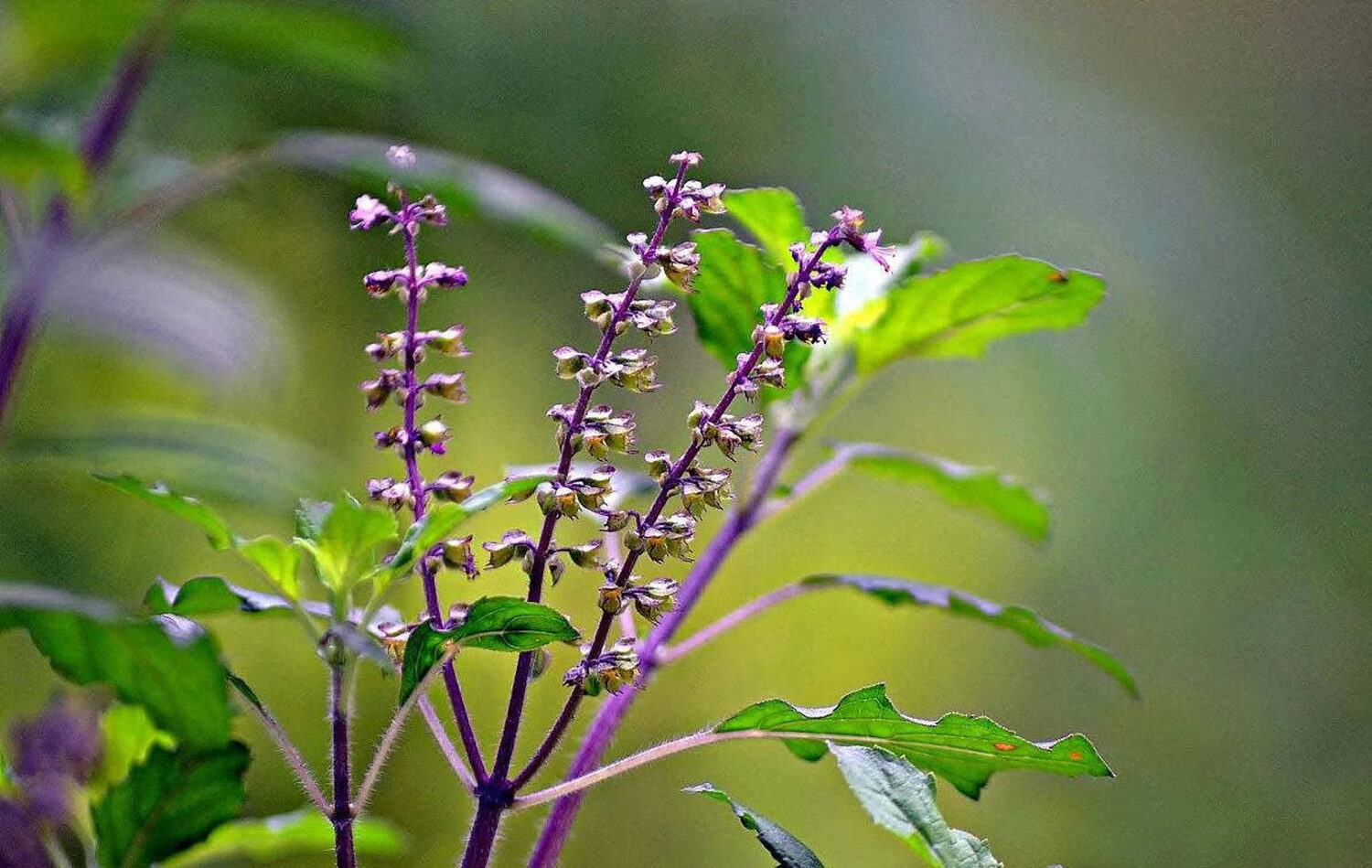
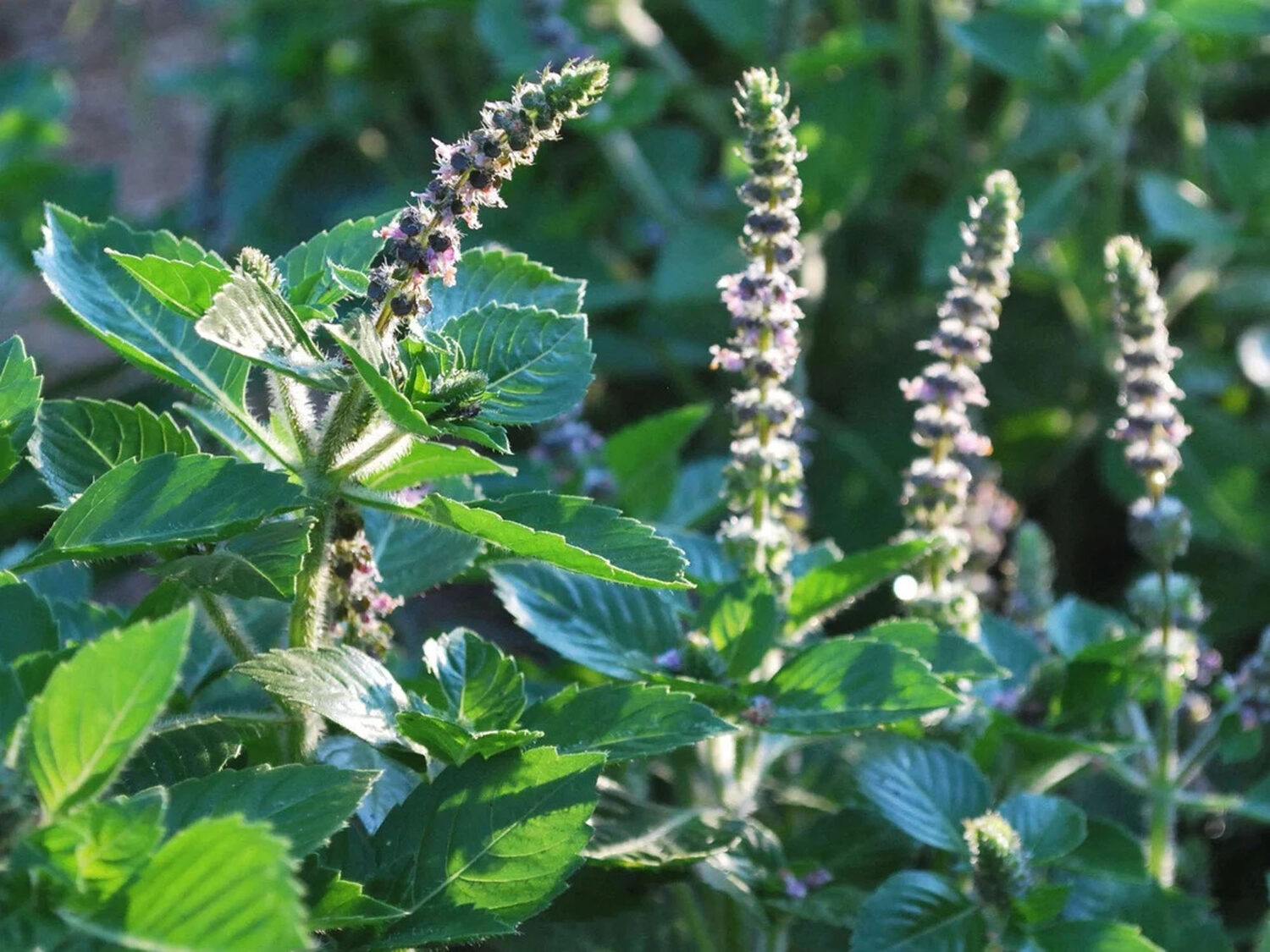
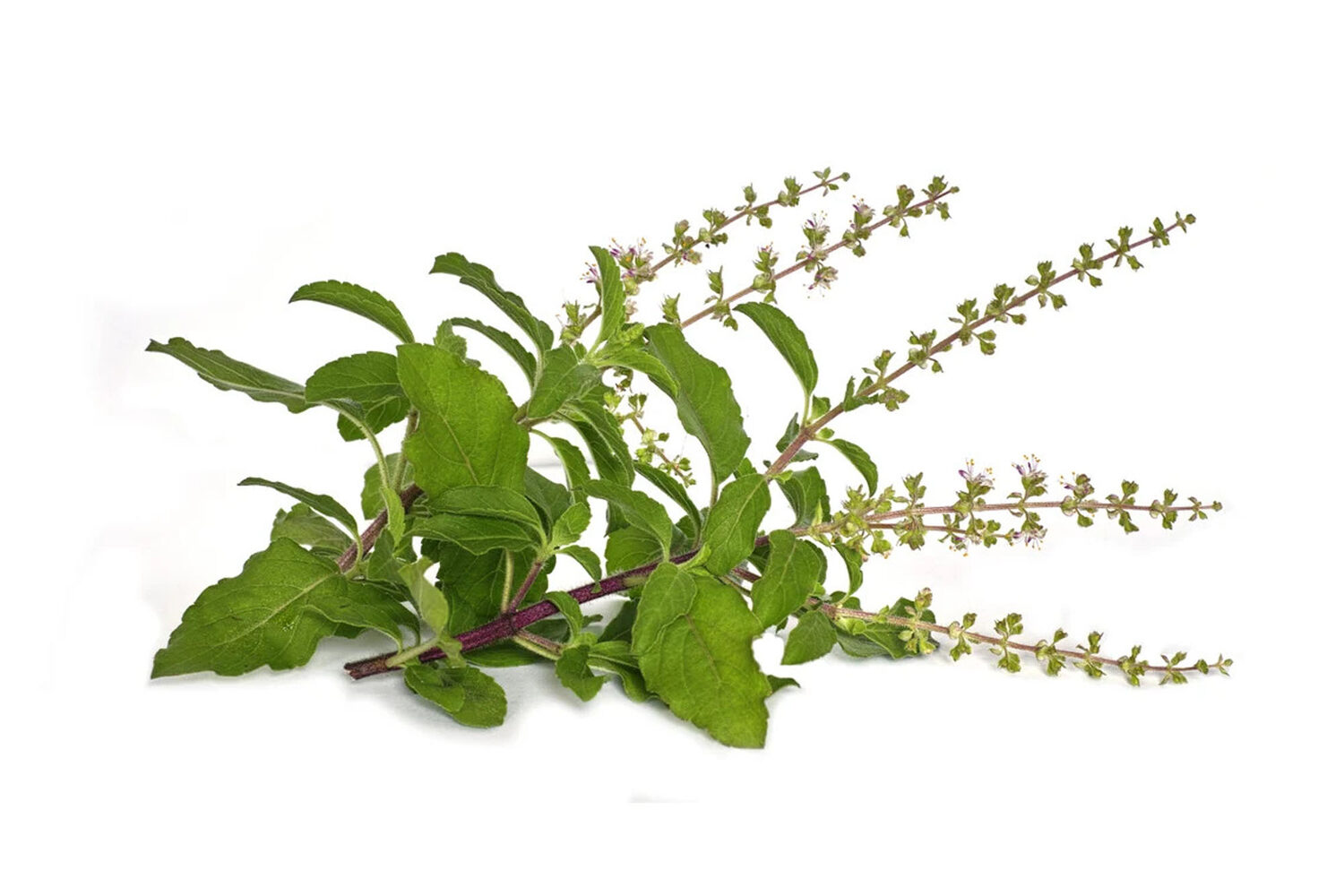
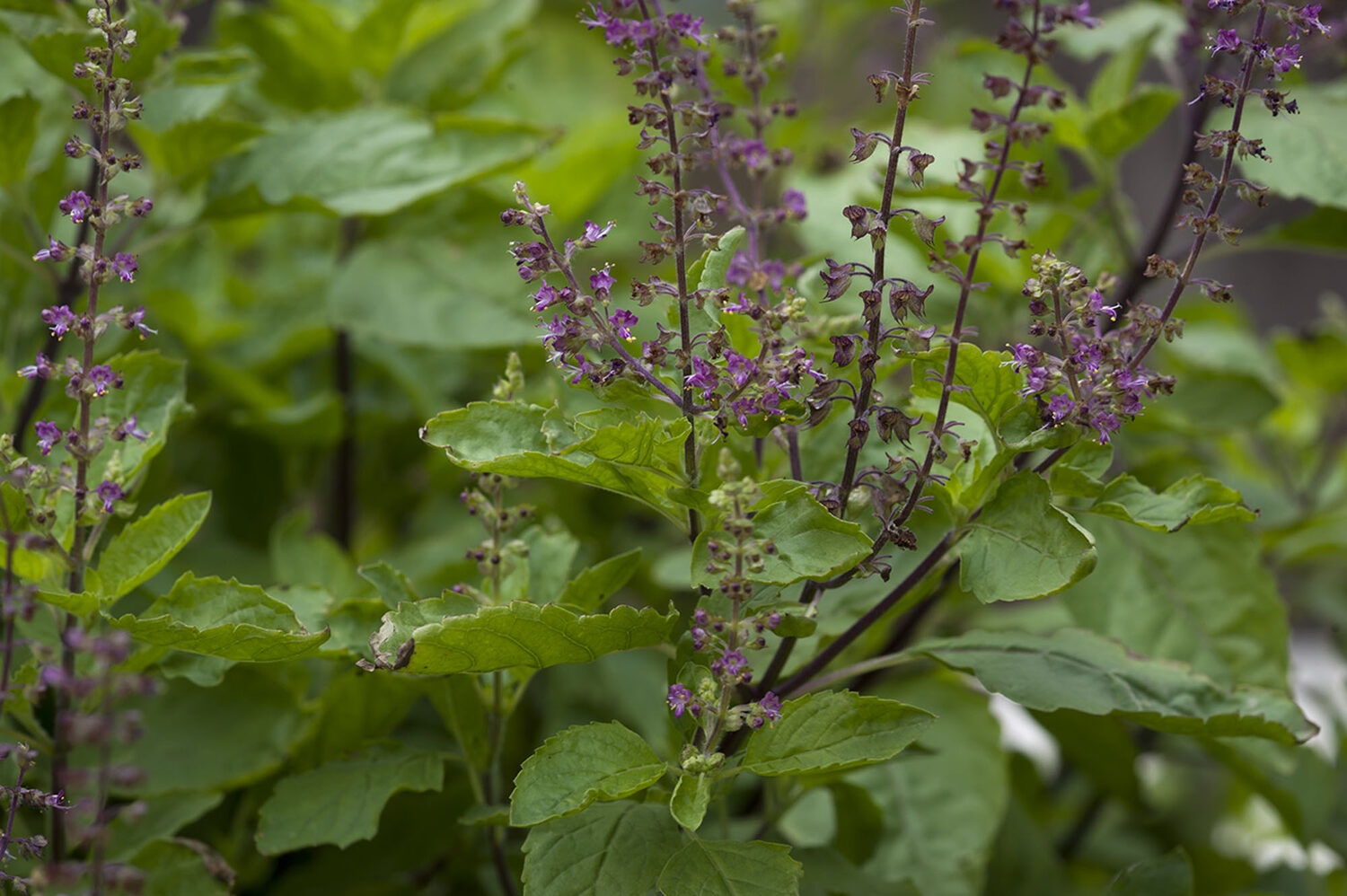
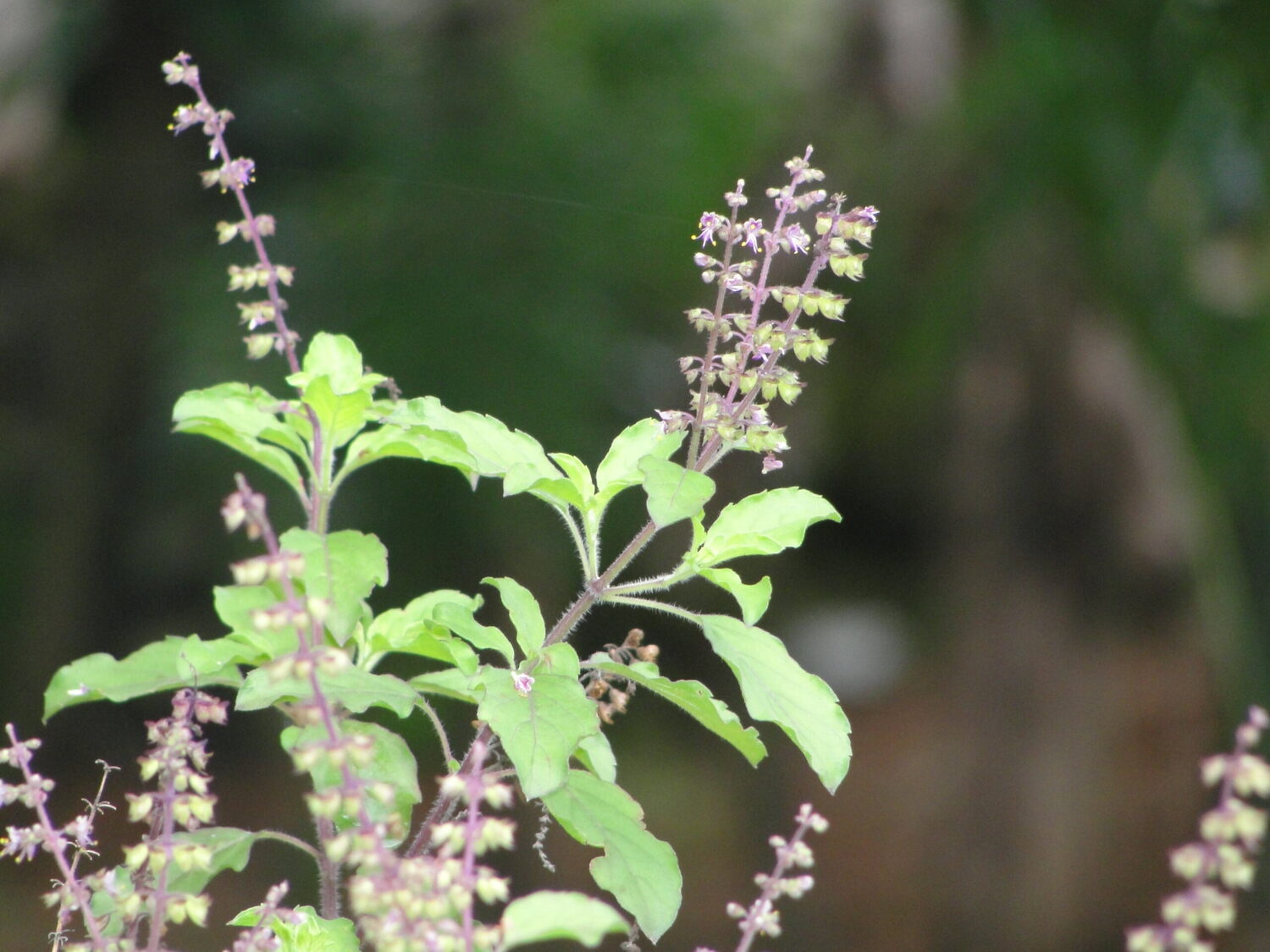
Ocimum tenuiflorum, commonly known as holy basil, tulsi or tulasi, is an aromatic perennial plant in the family Lamiaceae. It is native to the Indian subcontinent and widespread as a cultivated plant throughout the Southeast Asian tropics.
Tulsi is cultivated for religious and traditional medicine purposes, and also for its essential oil. It is widely used as a herbal tea, commonly used in Ayurveda, and has a place within the Vaishnava tradition of Hinduism, in which devotees perform worship involving holy basil plants or leaves.
The variety of Ocimum tenuiflorum used in Thai cuisine is referred to as Thai holy basil and is the key herb in phat kaphrao, a stir-fry dish; it is not the same as Thai basil, which is a variety of Ocimum basilicum. In Cambodia, it is known as mreah-prov.
Germination Guide
🌍 Indian subcontinent, tropical and subtropical Asia
Easy
Holy basil (Ocimum tenuiflorum), also known as Tulsi, is an aromatic herb native to the Indian subcontinent and revered in Ayurvedic medicine and Hindu culture. The species requires light for germination and thrives in warm conditions, making it ideal for seed propagation indoors or in tropical climates. Seeds are very small and must be handled carefully, with shallow sowing and consistent moisture essential for reliable germination.
Germination
Germination time
Expect germination in
5 – 14 days
Temperature
Min 20°C
Ideal 25°C
Max 30°C
Substrate moisture
💧 Medium
Sowing depth
Lightly covered
Substrate & Container
Recommended substrate
Fine, well-draining seed-starting mix with 60% coconut coir or peat and 40% perlite or fine sand
Recommended container
Seed trays or small pots with drainage holes
Growing Tips
Seeds are extremely small and require light to germinate; sow on or just barely below soil surface, pressing lightly into the substrate. Use fine mist or bottom watering to prevent seed disturbance and maintain evenly moist but not waterlogged conditions. Provide strong light immediately after germination (12-16 hours daily from grow lights or sunny window) to prevent leggy seedlings. Temperatures below 18°C significantly slow germination; optimal range is 21-29°C with 25°C ideal for vigor. Provide good air circulation to prevent damping-off disease. Seedlings can be transplanted when 5-10 cm tall with several true leaves. Plant 1/4 inch (0.6 cm) deep when transplanting. Once established, holy basil prefers consistently moist but well-drained soil and full sun.
Only logged in customers who have purchased this product may leave a review.


Reviews
There are no reviews yet.